

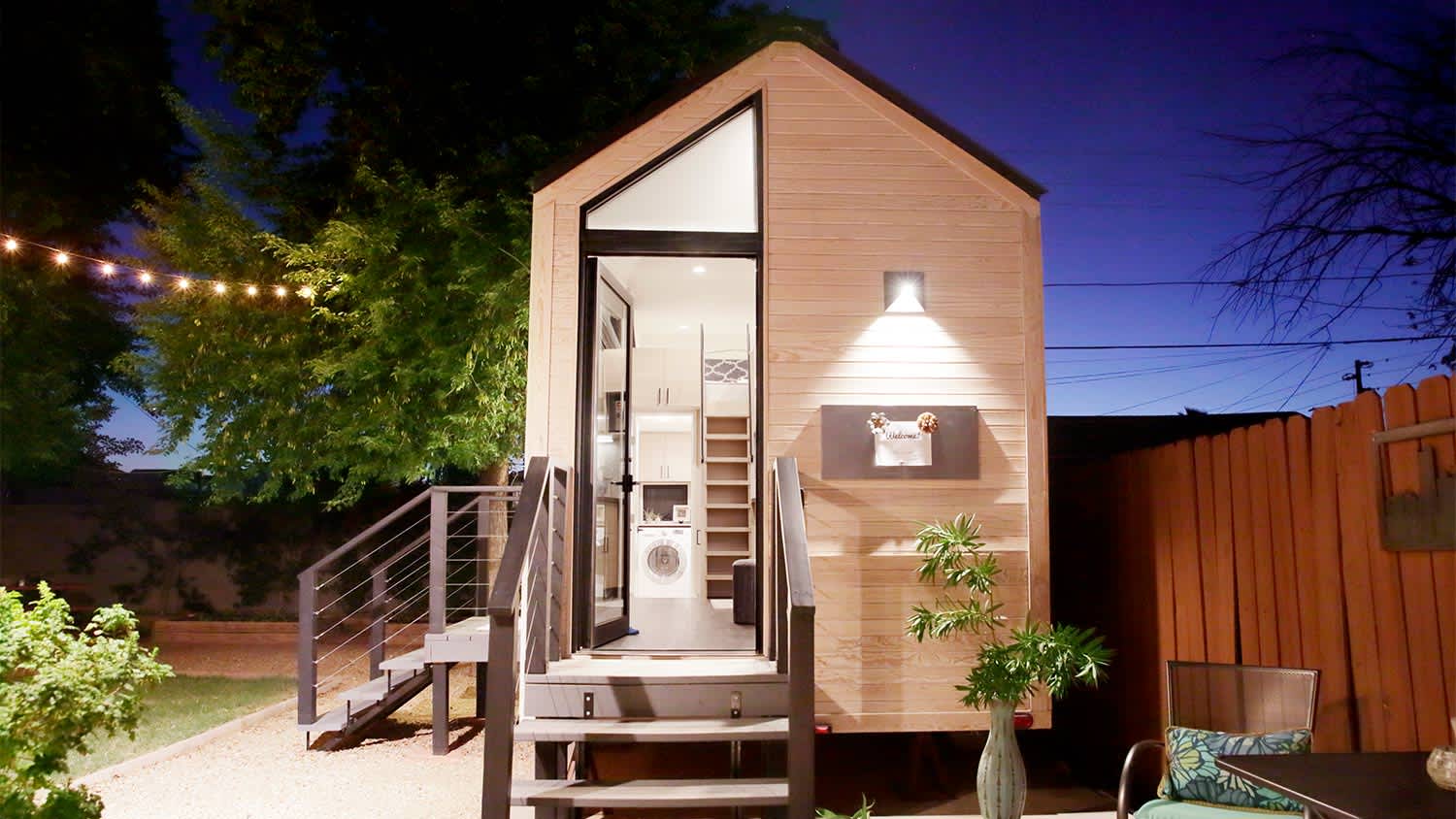
A tiny house might be the perfect fit for your lifestyle and budget. Here’s a breakdown of how much tiny houses cost based on size, type, and building materials.
Moving costs depend on your project and location. Check with a local pro for your specific job.

Tiny house moving costs range from $500 to $3,000 per mile for towing or flatbed transport.
Your tiny house weight and size drive pricing, and heavier builds require more equipment and planning.
Your budget should include moving insurance, permits, and seasonal scheduling changes to prevent last-minute fees.
Hiring a local moving company ensures your tiny house reaches the new site safely and saves you time.
When it comes to determining how much it costs to move a tiny house, budget between $150 and $5,000 if you’re hiring a professional moving company. Homeowners can use a towing service, which costs $1 to $2 per mile, or use flatbed transport, which costs between $2.50 to $3.50 per mile. Let’s review the essential tiny-house moving cost factors, how to save where it counts, and if it’s worth it to DIY your move.
No tiny house is created equal, which is why the costs to move one will depend on various factors. Consider these cost factors when planning your next move.
The weight of your tiny house has a major impact on the overall cost of the move. Your moving or towing company will likely charge you a flat fee based on your tiny house’s weight and size. For example, a tiny house that weighs less than 10,000 pounds will be charged a fee of around $260, while a house between 10,001 and 24,999 pounds will be charged a fee of around $360.
Since you will likely be paying a set rate per mile to move your tiny house, how far you’re moving will play the biggest part in the total cost. Most traditional towing companies charge $1 to $2 per mile, but you may want to get quotes from several moving companies to compare notes. While a cross-country move could cost anywhere from $1,000 to $5,000, a local move within your state may be much less at $150 to $1,000.
While a traditional tow truck service can charge anywhere from $1 to $2 per mile, a flatbed tow truck service can cost $2.50 to $3.50 per mile. A traditional tow truck uses wheel lifts, while a flatbed tow truck uses a tilted bed that can be moved to ground level. If safety is a top priority for you, it’s likely worth the added costs to use a flatbed truck when moving your tiny house, especially if it’s above average size. Using a flatbed tow truck will significantly increase your costs, especially if you’re transporting a larger tiny home across the country.
Similar to moving an entire house, you’ll need to consider the route conditions from your current location to your destination, including trees, power lines, and bridges. It’s best to avoid these road blockers to maintain safety for your driver and the others on the road. If possible, you should also avoid moving your tiny house through rough terrain, tight corners, or the potential for icy or snowy conditions. You may pay more for extra equipment or reroutes that are necessary to the move.
There are other fees that come with the tiny house moving process that it helps to be aware of so you’re not blindsided along the way.
Depending on where you live, your jurisdiction may require specific permits to move your tiny house. Check both where you’re moving from and where you’re moving to to see what permits you’ll need and how much the permits will cost.
The time of year you move your tiny home can impact your cost as certain seasons prove more difficult than others. Moving during spring or fall is best because of milder weather and more manageable road conditions. The summer months might prove tricky due to demand and increased road usage, and winter poses uncertain road conditions and poor traveling weather.
Whether you’re DIYing or hiring professional movers, you should purchase moving insurance to cover any potential damages that occur during the move. You can secure full-value protection, which guarantees replacement of the total cost of missing or broken items, or released-value protection, which covers $0.60 per pound per item. Call at least three carriers to compare prices and coverage options to get the most bang for your buck. If you’re not sure where to start, consider contacting tiny home builders or moving companies to see if they can recommend local insurers who can provide an estimate.
If you’re hiring a professional moving or tow truck service, consider getting cash out before moving day so you can provide a tip once the work is complete. A common recommendation is to tip your movers $20 per mover for a full-day move or $4 to $5 per hour per mover if more than one person is helping load and unload the house on the trailer.

Packing up your belongings in boxes for a move is a DIY-friendly task. But packing up a tiny house itself? That would require not only the proper vehicle and towing equipment, but also complete confidence in your driving skills to get you and your tiny house safely from Point A to Point B.
For a stress-free move—or at least one with less stress—it’s better to hire a moving pro near you to relocate your tiny home.
It’s a good move to hire an experienced pro to move your tiny home, whether you’re moving it across town or across the country:
The pros have access to the proper vehicles and towing equipment, as well as the knowledge to safely use it all.
They are able to load, secure, and unload the home once it gets to the new site.
They understand how to map out a route that ensures safe passage for both the driver and the house.
They know how to make adjustments, if needed, to re-secure cargo en route.
They will save you time and energy for other moving-related tasks.
We suggest leaving the biggest parts of this project to the pros. However, you can help them out by doing the following:
Pack all your belongings before the pros arrive.
Make sure you know the exact distance you’ll be traveling, and let your movers know how far it is when booking their services.
Tell your movers if there are any challenges at the relocation site, like difficult parking or steep slopes.
There are a few simple ways to save on moving costs, so long as you plan ahead to give yourself ample time to complete the steps below.
The fewer belongings you have to move, the less you’ll pay. Declutter your tiny house to see what items you can donate or sell before the move. It may even be worth it to see if you can remove certain appliances or furniture pieces before the move and reinstall them once the tiny house is in its new location, since weight is a major cost factor in the moving process.
Allow as much time as possible to secure a moving company or towing service. You’ll have more options for moving companies and moving dates by reserving services several weeks in advance. Plus, you’ll likely be able to secure a moving date in the offseason when movers are likely to charge less due to lower demand. Consider a weekday in the middle of the month during September through April for best results.
Confirm what tasks and services are included in the quoted fee and what will cost extra or require additional planning to secure.
Request proof of bonding/insurance to ensure your home has adequate coverage in case of damage.
Get a detailed checklist to prepare for the day of the move.
Discuss the route and timeline, taking into account road conditions and upcoming weather forecasts.
Home is the most important place on earth, which is why Angi has helped more than 150 million homeowners transform their houses into homes they adore. To help homeowners with their next project, Angi provides readers with the most accurate cost data and upholds strict editorial standards. We extensively research project costs to develop the pricing data you see, so you can make the best decisions for you and your home. We rely on reputable sources, including the U.S. Bureau of Labor Statistics, academic journals, market studies, and interviews with industry experts—all to ensure our prices reflect real-world projects.
Want to help us improve our cost data? Send us a recent project quote to [email protected]. Quotes and personal information will not be shared publicly.
I recently moved to another state and chose United Trust Van Lines after comparing several companies. Their team was punctual, professional, and extremely careful with my belongings. I was especially impressed with how they handled my home office setup and fragile items. Everything arrived on...
 United Trust Van Lines, LLC
Showed up on time and cleaned carpets well, but didn?t move furniture.
 Voda Cleaning & Restoration of Columbus
A reliable team for moves across state. My switch to a new place needed careful lifting through tight hallways. The movers checked the doorway first, then carried heavier pieces with slow, controlled movements. Their patience helped prevent damage, and I?d choose them again.
I could not have moved without the help of Jen Stover! I was in my house for nearly 20 years, so the thought of clearing it out while working full time was overwhelming. Jen takes great joy in sorting and organizing while asking the hard questions with patience and compassion. Jen is...
 Go and Stow Home Organizing
We were lucky enough to be introduced right as we were moving into one house and out of another. Both places were spotless! The impeccable attention to detail exceeded our expectations, and with a full crew, they are incredibly efficient. We want everyone we know to meet this outstanding company!
 Millan Cleaning Services
Excellent experience for me! They helped me a lot with my move. very reasonable price. Good communication with the office manager is excellent.
 Goodview Moving and Storage
I was concerned about my possessions safety throughout the move but Bridge View Van Lines took all necessary security measures to make sure everything arrived in mint shape I am really appreciative of their effort and commitment They made my long distance move seem simple
 Bridgeview Van Lines
Binion team was great with my move!
 All My Sons Moving & Storage
I am really impressed with their timeliness and turnaround. Mitchell came out, and we decided to move forward with their pricing. Our roof was on within a week, and we could not be happier with their team! Amazing company, great prices and honest, dependable craftsmanship. I highly recommend...
 Window Depot USA of Central Ohio
Ozie and Tyquese were great and worked fast. It was a good move
 All My Sons Moving & Storage
From average costs to expert advice, get all the answers you need to get your job done.
A tiny house might be the perfect fit for your lifestyle and budget. Here’s a breakdown of how much tiny houses cost based on size, type, and building materials.
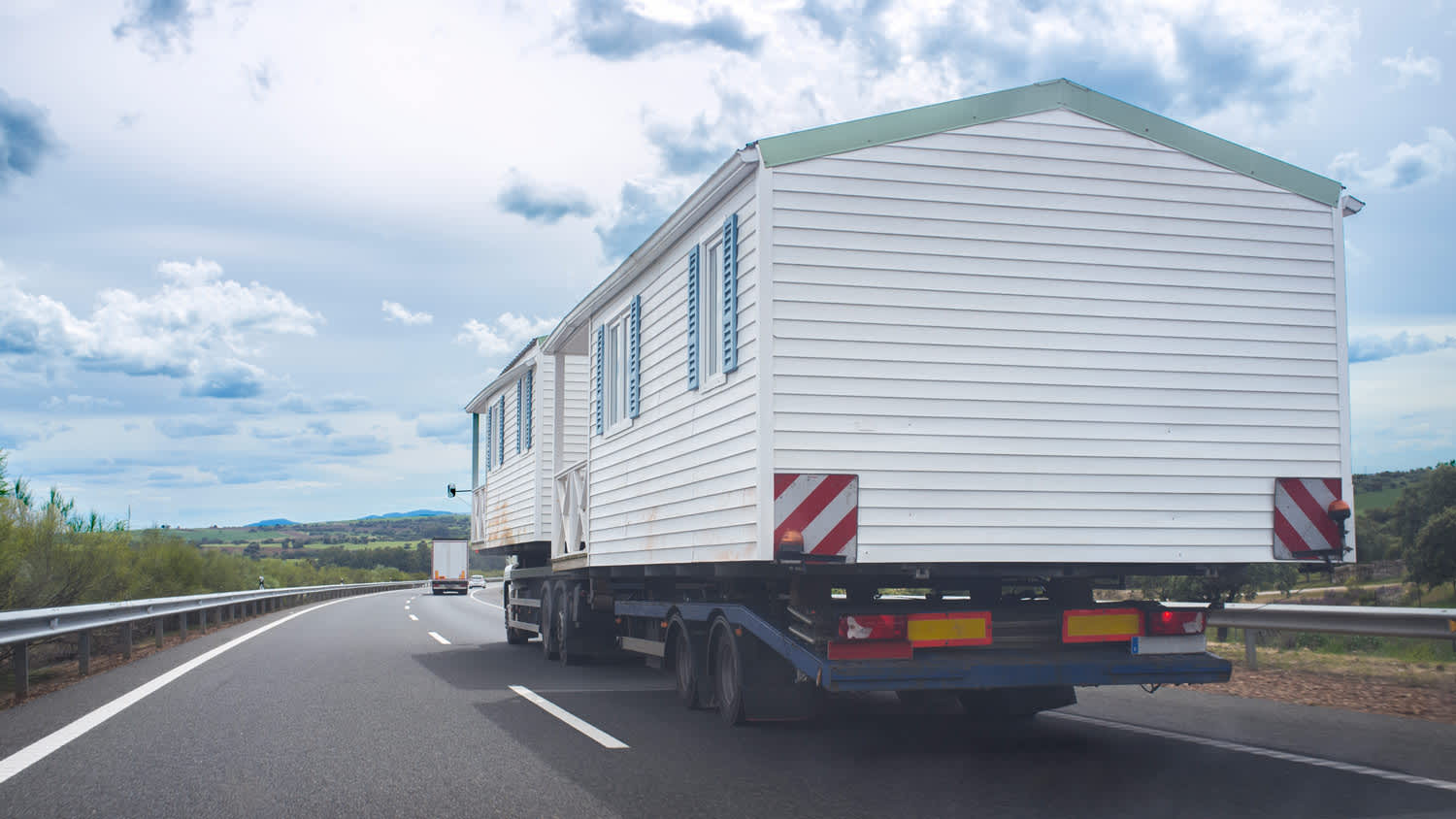
The cost to move a mobile home depends on the distance, mobile home size, and other factors. This guide will help you budget for your mobile home move.
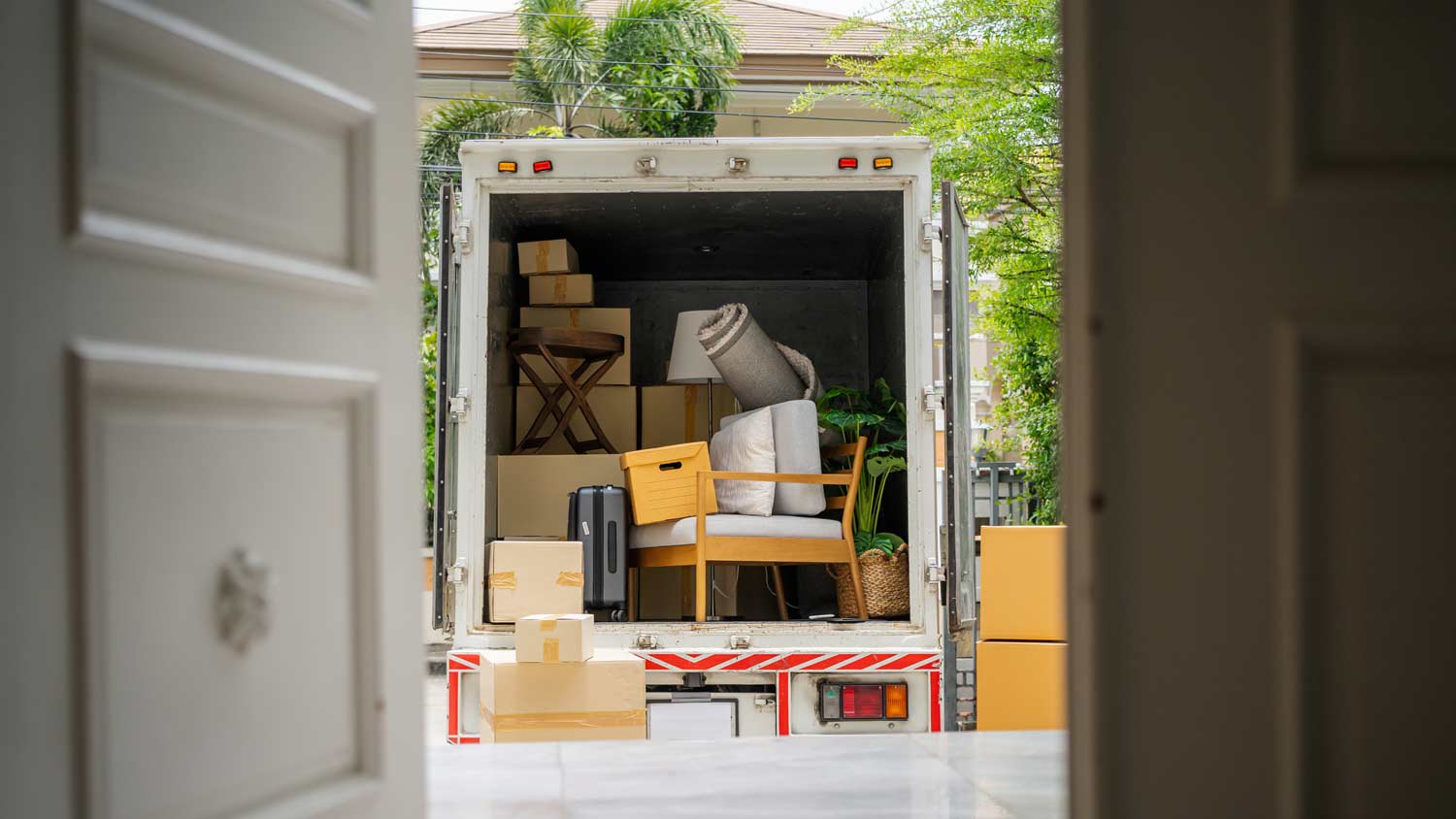
How much does it cost to move out of state? The answer depends on the size of your home, the distance of your move, and other factors.
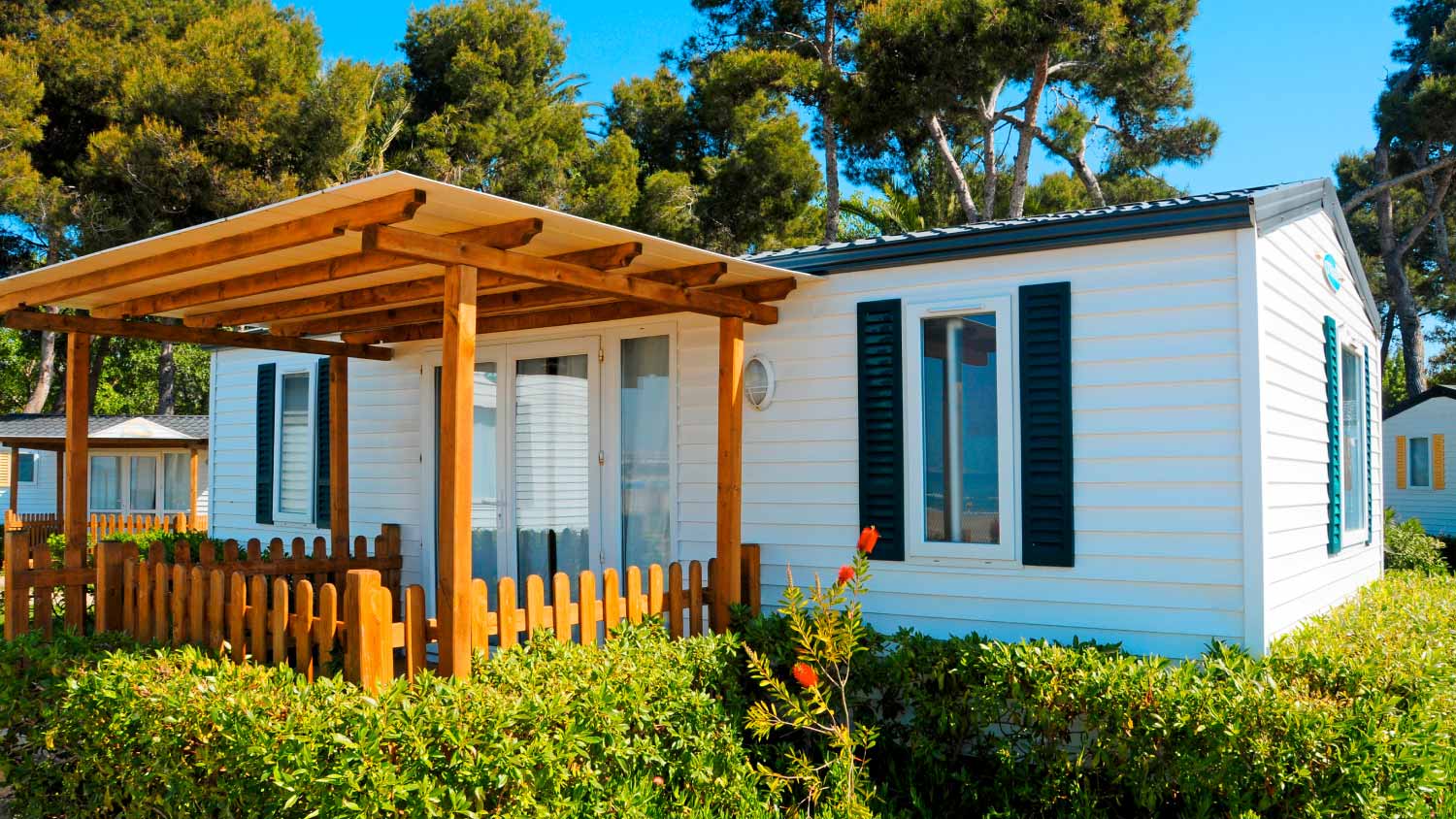
Looking to compare a mobile home vs. a tiny home? Here, we share the significant differences, including the best lifestyles for each home type.

Tiny houses are known for creative designs and space-saving storage solutions. Whether you’re downsizing to save money, reduce waste, or live a simpler life, these tiny house ideas will help you save space and get organized in your home.

Building your tiny house on a foundation offers many benefits, including increased safety, stability, home equity, and more. Learn more about foundation pricing and requirements.