

Explore how much concrete countertops cost to install based on factors like their size, thickness, location, finish, and labor rates.
Both are durable and easy to install, but one lasts much longer than the other


Polyvinyl chloride is a synthetic plastic used for vinyl countertops.
Resins, wood flour, and cork powder are used to make linoleum countertops.
Both countertop materials are affordable, easy to install, and relatively durable.
While neither will significantly raise the resale value of a home, both are a great choice on a budget.
Vinyl and linoleum are two of the most frequently used (and often confused) materials for countertops and floors. Homeowners get them mixed up because linoleum, an all-natural material, somehow started to be used as an interchangeable term for vinyl, an all-synthetic material, in the mid-1900s.
The products share some similarities; they are both affordable and durable and come in a variety of styles to meet your kitchen’s decor. But they are far from being the same thing, and one might be a better fit for your home than the other.
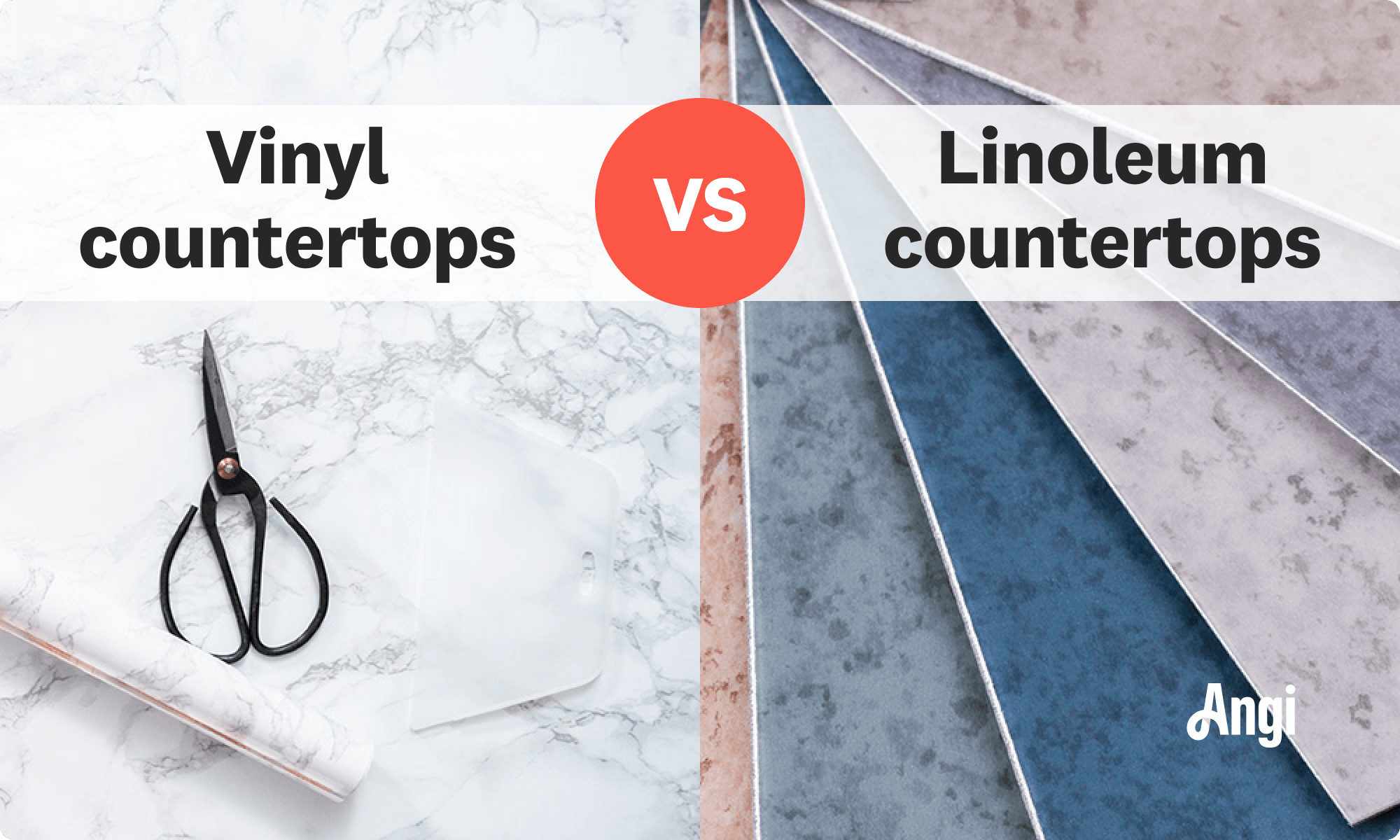
Vinyl is a type of synthetic plastic that comes in peel-and-stick sheets for covering a countertop. Contact paper countertop coverings are a type of vinyl. Linoleum is a mix of linseed oil, resin, wood flour, and cork, making it a natural material that is far more sustainable than vinyl.
Vinyl, or polyvinyl chloride (PVC), is a type of synthetic plastic. As one of the most popular materials used across the world, it is estimated that 20% of the plastic produced worldwide is rigid or flexible PVC.
You might hear vinyl countertops sometimes referred to as peel-and-stick countertops. They are also sometimes grouped with Formica® laminate countertops, which are made of different materials but are another easy-to-install and budget-friendly option.
In the past, vinyl countertops have gotten a bad rap as being unattractive and not as long-lasting as other materials. Today, though, newer brands with beautiful designs and good performance are making vinyl a solid option for kitchen countertop ideas on a budget.
| Pros | Cons |
|---|---|
| Affordable | Not as durable as other materials |
| Easy to install | Cannot be refinished |
| Easy to clean | Unlikely to increase home’s resale value |
Best for:
Kitchen refinishing on a budget
Homes with lots of activity
DIY installation
Vinyl countertops are affordable and easy to install. Often, you can install contact paper on countertops over an existing countertop. Today’s vinyl countertop options come in a variety of colors and patterns.
They are stain resistant and easy to clean, making them a good choice for a busy home with lots of activity. They are also waterproof and, if vinyl countertops sustain small scratches, tear, or rip, you can repair them fairly easily.
While they are versatile and easy to install, vinyl countertops are not as durable as other materials, like granite or marble or even linoleum. Because they are essentially flexible plastic, they cannot be buffed or refinished, so if they are highly damaged, replacing them is a better option than trying to refinish them. As with any plastic product in the home, there are concerns about off-gassing and shedding microplastic pieces.
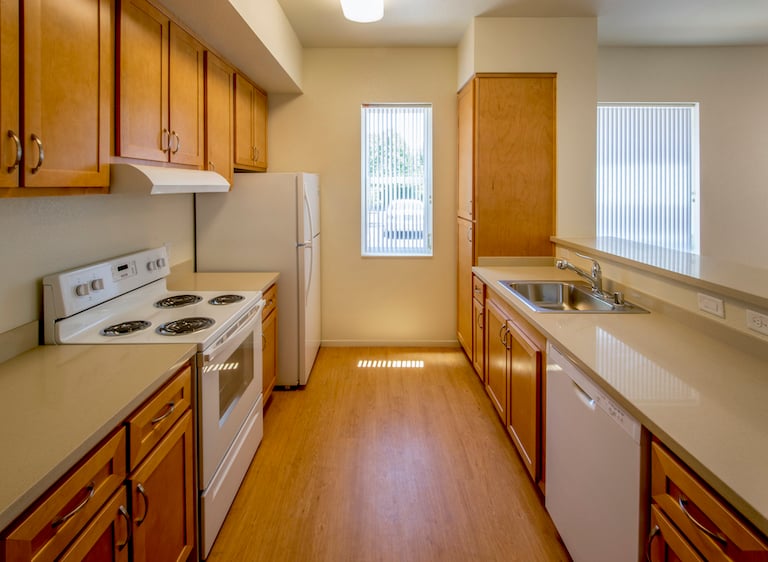
If you are wondering, “Is linoleum the same as vinyl?”, then you are not alone. Linoleum and vinyl often get lumped together, since linoleum is used (incorrectly) to refer to vinyl, but they are made from different substances. Linoleum is considered an extremely green kitchen countertop material because it is made using natural, even edible, ingredients; but, like vinyl, it is durable, easy to work with, and affordable.
Unlike vinyl, linoleum is made from natural materials such as wood flour, resins, and powdered cork. When used on countertops, it typically comes in glue-down sheets or snap-together tiles.
| Pros | Cons |
|---|---|
| Affordable | Not as durable as other materials |
| Sustainable | Cannot be refinished |
| Easy to clean | May not increase home’s resale value |
Best for:
Homeowners who want to use sustainable products
Busy kitchens that benefit from an easy-to-clean material
Homeowners on a budget
Some consider linoleum to be more attractive than vinyl, and it is typically more durable. (Remember that it is often used as flooring, which requires significant durability.) As with vinyl, linoleum is easy to install, and you will not need any special tools to tackle the project. Because it is made with natural ingredients, it is a sustainable material with a smooth, warm finish that invites the touch. You can buy it in a range of colors. Linoleum countertops can last between 20 and 40 years with proper maintenance.
Even with their benefits, linoleum countertops come with some cons. They are not as hard as other materials, like granite or quartz. And they likely will not raise the resale value of a home as other materials would. While they are affordable, they do typically cost more than vinyl countertops, so if you are on a really tight budget, this may not be the right choice.
So, in the vinyl vs. linoleum countertop debate, which is right for your own surfaces? Here are some factors to consider.
Vinyl for countertops is definitely cheaper than linoleum. You can expect to pay between $790 and $1,600 for a vinyl kitchen countertop installation, whereas linoleum will cost between $600 and $2,400. Both materials are commonly used for flooring as well, so the cost to install new floors will be similar.
While linoleum is more expensive, both materials are very affordable, especially when you compare them to the price of granite, Corian® marble, or quartz. (A marble countertop, for example, might cost up to $9,000 to install, whereas a Corian® countertop costs up to $5,000.)
The phrase “peel and stick” implies simplicity, and it is definitely true that installing vinyl countertops is easy. Vinyl may also come in glue-down sheets, whereas linoleum must be glued down or pasted down with liquid and a troweled-on adhesive.
In the case of vinyl, you can repair small tears or scratches, but you cannot refinish it as you would other countertop materials like granite or butcher block. If linoleum becomes damaged, you can buff out dents or scratches. Hiring a local countertop specialist can make it easier to get vinyl or linoleum countertops repaired correctly.
Linoleum tends to last much longer than vinyl on countertops. Deciding whether this is a long-term or short-term solution can help you choose the right material.
In fact, there are some situations where the short-term benefits of vinyl could be beneficial. For example, if you own rental property and need a stopgap solution for a tenant’s peeling or damaged countertops, a simple vinyl installation could be the best approach.
In some cases, homeowners also install vinyl as a short-term solution to save up money for more expensive countertops (marble, granite, etc.). Installed properly, though, vinyl can still last 10 to 20 years.
If you are looking for a permanent or long-term solution at a more affordable price, linoleum is your best bet.
Both vinyl and linoleum are pretty easy to maintain, and you can easily patch holes or tears in either without replacing the entire counter. But because they are made from different materials, upkeep looks a little different.
Ammonia-based cleaners, for example, should not be used on linoleum. As it is made from natural ingredients, you also may need to apply an annual protecting coating and wax to the surface every year to keep them looking new, though some newer varieties do not require this.
Both vinyl and linoleum countertops are budget countertop options that likely will not raise the resale value of your house in the way that granite or marble would. The exception could be if you use them as an affordable option to refinish countertops that are highly damaged and may deter potential buyers. A local countertop installer can help you make the right countertop decision and may even offer insights into the resale value that different materials offer.
Vinyl, or polyvinyl chloride, is a synthetic plastic that is much less sustainable than linoleum. Because linoleum is made from natural materials like wood flour, powdered cork, and resins to bind them together, it is more sustainable than vinyl.
Consider costs (upfront and long-term), the scope of the project (and if hiring a pro fits into your budget), and how long you hope to have your countertops. These factors can help you decide if vinyl or linoleum is right for your kitchen countertops.
Very professional, polite and helpful. I would recommend him!
 U.S.A. Dryer Vent, LLC
Raven and crew does absolutely fantastic job. They are very professional if any concerns were to occur with any of her work she always took responsibility and finished out with a great job. I have worked with her business for a year and have always been satisfied. Very trusted business and...
 Creations of Transformation LLC
I had Ace Fireplace Services install custom chimney caps for my home, and the results are stunning. They fit like a glove and have added a touch of sophistication to my chimney. I can't recommend their services enough.
 Ace Fireplace Services
Precision and professionalism define Custom Paint Jobs LLC. We couldnt be happier.
 Custom Paint Jobs, LLC
Very professional and efficient with work. Answered each question I had with great knowledge and an informative response. Will be working with them again.
 KW Handy
Window Depot did an amazing job on my deck. I wasnt sure what I wanted to do, but their composite decking was affordable and will last a long time. I am excited to have family over, and I am no longer embarrassed by my backyard. Jeff and the ground crew were polite, respectful, and caring for...
 Window Depot USA of Central Ohio
Great tree company, very professional and honest. Glad we found them, they had the best pricing
Maple Tree Service should serve as a mentor for other business! Customer service was superior and beyond expectation. Response to request was prompt. The representative was very courteous and proud of the company. Quote was given during initial visit and work date established. A follow up...
 Maplewood Tree Service
Eugene returned my call within minutes and was able to complete the job within a couple of days. Friendly and professional, and I feel his prices are reasonable.
 Expert Lock and Key, LLC
We used Unique Hardwood Floor LLC three years ago to work on the floors of a 70 year old home that needed a great deal of work. Some floors needed repairs, some were replaced and others just needed to be refinished. It was a complicated job as they needed to blend the old and the new to...
 Unique Hardwood Floor LLC
From average costs to expert advice, get all the answers you need to get your job done.
Explore how much concrete countertops cost to install based on factors like their size, thickness, location, finish, and labor rates.

Kitchen islands are multipurpose workhorses in your kitchen. When looking to add one to your home, you should consider its size, materials, and its primary use in your home. Learn about the price of kitchen islands and their different features.

Discover the cost of installing laminate countertops, including how their size, material, and finish impact your total price.
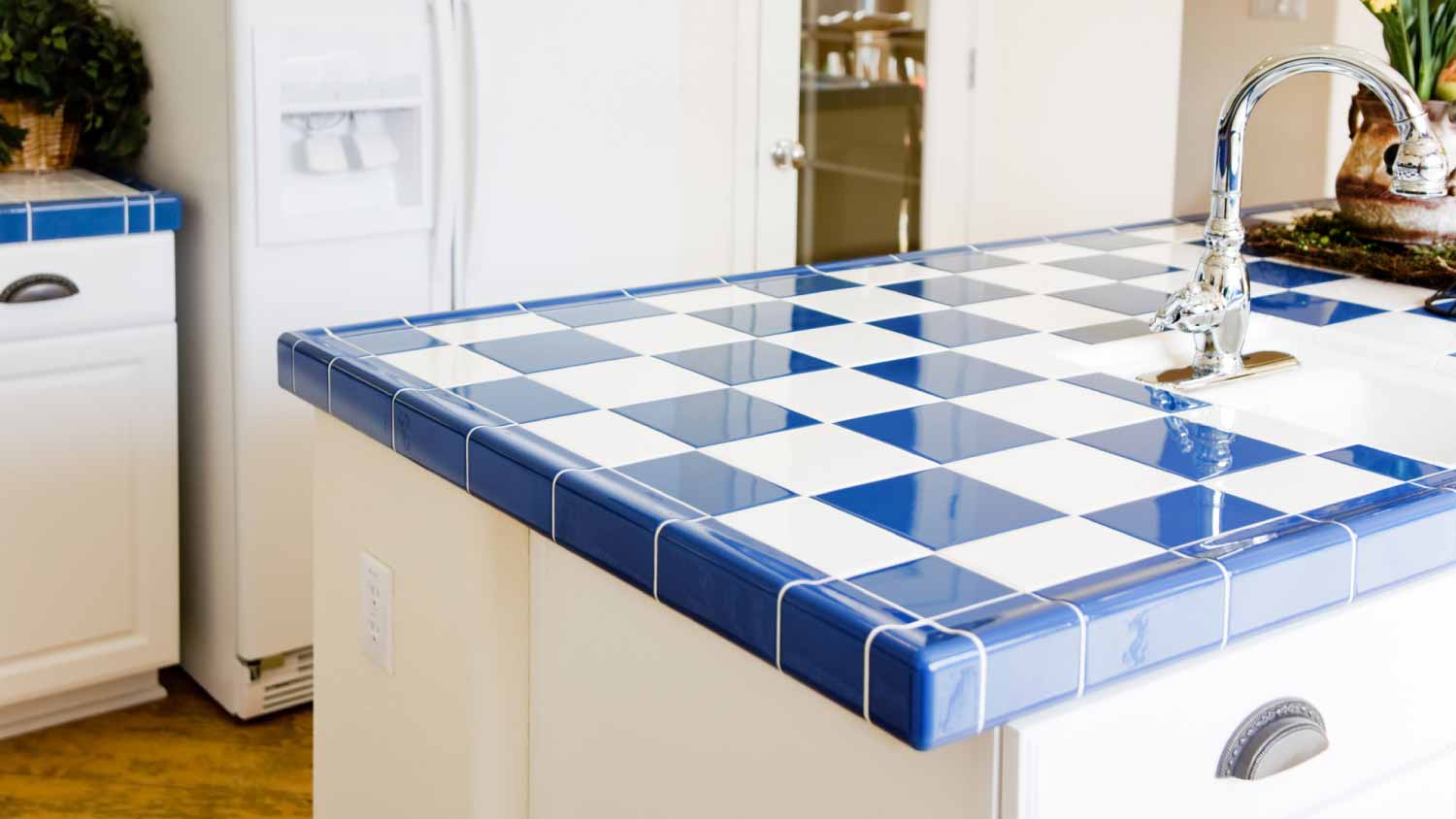
Learn how to tile kitchen countertops like a professional with this step-by-step guide—from tile selection to grout cleaning and sealing.

Laminate countertops are not heat resistant, so if you’ve left a burn mark, here’s how to fix a burnt countertop to make it look great again.
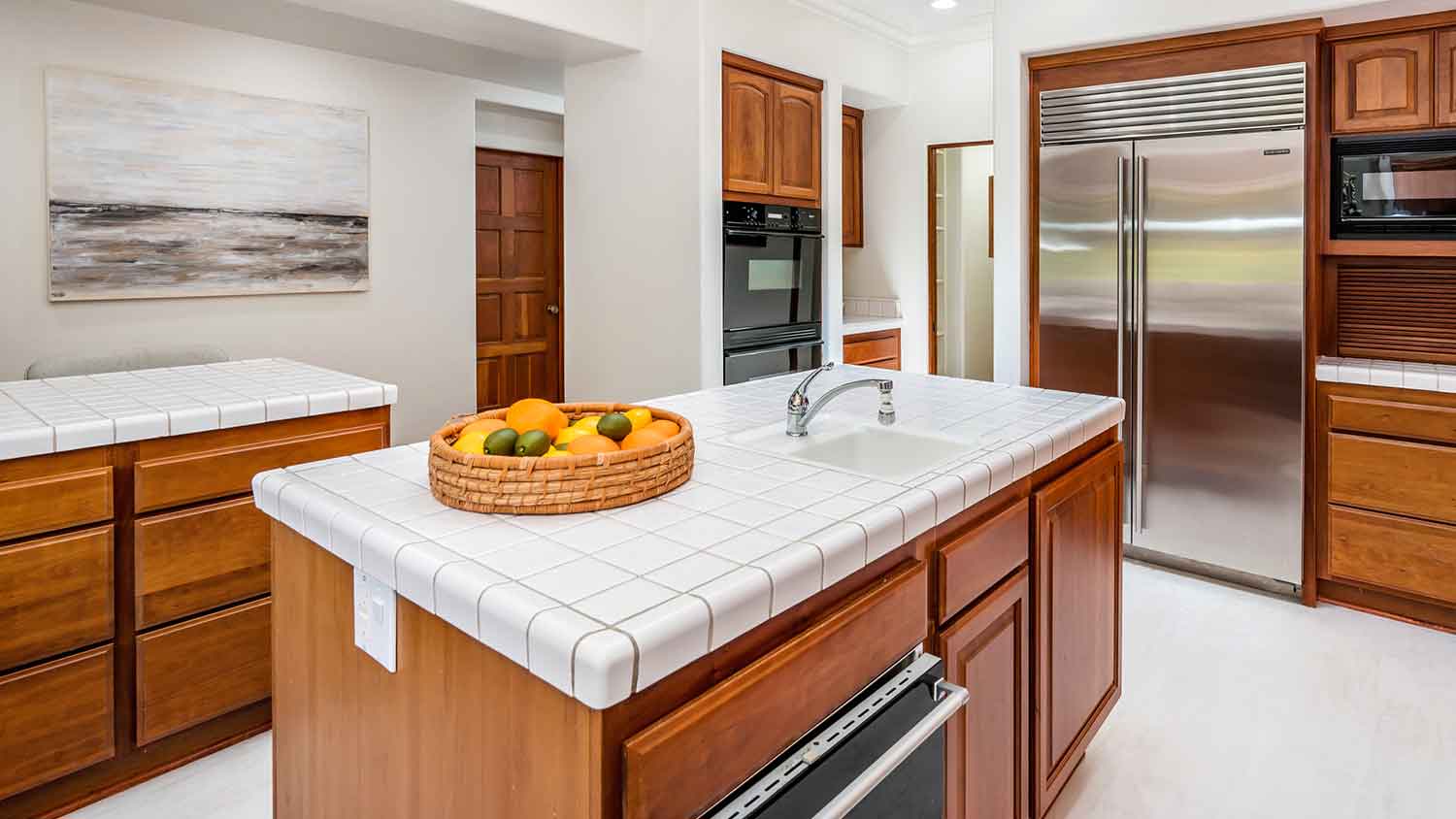
This guide covers the cost to tile a kitchen countertop and the main cost factors, including tile type and grade, kitchen size, and whether you hire a pro for the installation.