•
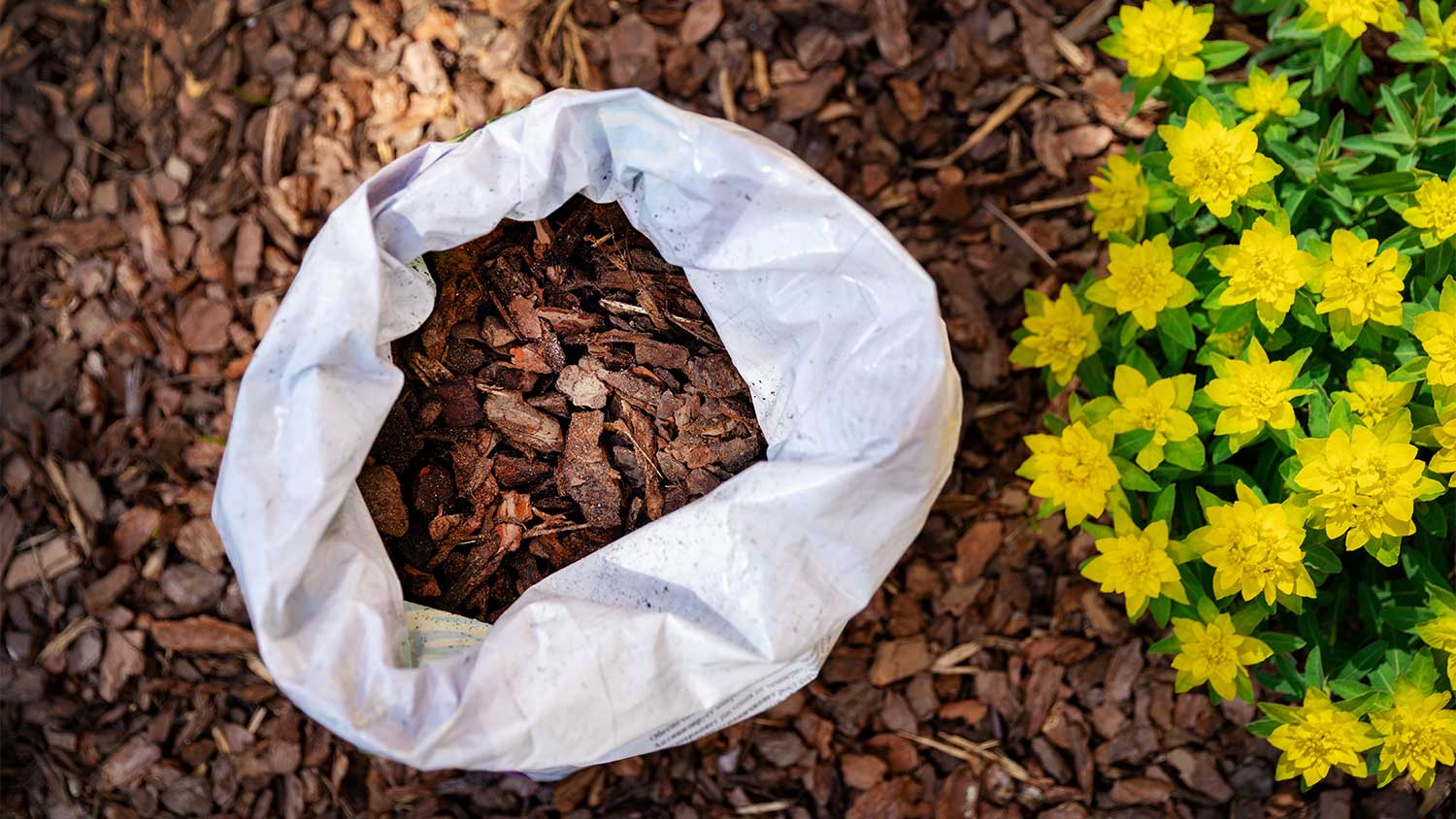
Find out the average mulch delivery and installation cost, plus key factors that impact your price. Learn how to budget, compare options, and save on your landscaping project.
Expanding your garden? It doesn't take much to mulch like a pro


The sheet mulching method uses biodegradable materials like cardboard, newspaper, compost, and mulch to rejuvenate your soil, kill weeds, and transform tired lawn areas into healthy garden beds.
Professional mulch installation costs around $510 for 500 square feet, while DIY sheet mulching saves money when you use homemade compost and leftover cardboard from your home.
Your sheet mulching area needs four to six months to decompose fully, so water the mulch weekly and plan to start the process in fall for spring planting.
Hiring a local mulching company provides reliable support with material delivery, proper layering techniques, and completing your project on schedule while you focus on other home priorities.
It's easy to assume that transforming large patches of your landscape requires hours of digging, tilling, and weeding. Well, gardeners, meet sheet mulching—the unsung hero of DIY landscaping that is quick, environmentally friendly, and cost-effective. By simply covering an area of your lawn with biodegradable materials—typically cardboard, newspaper, compost, and mulch—you can rejuvenate soil, kill persistent weeds, and break down turf to make more room for flowers and veggies.
Take a moment to assess your landscaping goals. Do you have a tired, unhealthy patch of soil that simply won't grow healthy plants? Or how about an area of grass you're looking to turn into a flower garden? While the sheet mulching process is similar in either case, these preparatory steps can help you make decisions down the line.
Order a home soil test for as little as $15 to check the nutrients, pH, and composition of your soil. Major imbalances in your soil test can help you decide what type of compost—if any—will help the sheet mulching process.
"Contact the local extension service in your area as well for information on how to test your soil," says Tara Dudley, Angi Expert Review Board member and owner of Plant Life Designs.
Pull up any tall grasses, weeds, or invasive species in the sheet mulching area. If you're unsure about which plants may be invasive, chat with a local landscaper for tips.
As long as you cut a hole for sprinkler heads, you can absolutely sheet mulch over an irrigation system. Just make sure to mark heads before you begin so you don't cover them up.


Sheet mulching requires two main things: a weed barrier and a mulch layer. Adding compost between the base and the mulch assists with soil remediation as well.
The most common weed barriers are newspapers and corrugated cardboard. Skip any glossy inserts or magazines, as they are not typically biodegradable. All forms of cardboard work fine; just avoid ones with an abundance of ink. Remove tape and staples as well.
Ensure that you have more cardboard and/or newspaper and mulch than you think you need. For example, if you plan to sheet much between 100 and 200 square feet of yard, order between four and eight cubic yards of mulch.
Create a barrier around the outside of your sheet mulching area by digging out a small trench around its border. Use a spade or hoe to cut diagonally into the ground, creating a natural slope up to your new garden patch. If you are sheet mulching close to a sidewalk, driveway, or path, remove about six inches of turf between the stone and your mulching area.
In addition to removing tall weeds as we did in the prep phase, adjust your mower to the lowest setting and mow the grass. Again, there is no reason to pull up grass unless it is invasive to the area.
For the first time in the process, moisten the patch as you would water any area of your lawn, with one to one-and-a-half inches of water.
If you've opted for cardboard, cut the pieces to fit the exact shape of your mulching patch. When mulching around trees or shrubs, cut the cardboard to fit around the base of the trunk. You should hold off on planting annuals during the sheet mulching process, but trees, shrubs, and hardy perennials can stay.
Lay a single sheet of cardboard or about ten sheets of newspapers on the area, overlapping about 6 inches between each piece. Overlapping ensures that pesky weeds and grass have no hope of striking through the mulch.
Press the edges of the paper or cardboard into the trench you dug to hold it in place.
Break out the hose again and water the layer of paper or cardboard with a good soaking. This water layer will both keep it in place and kick off the decomposition process.
Again, if you're hoping to increase nutrients in the soil below, start by adding an inch of compost on top of your weed barrier. You can either purchase compost from your garden store or use it from your own compost pile if it's fully broken down.
Add an average of 6 inches of mulch on top of your compost or barrier. Any variety of organic mulch made with local materials will do, including straw, grass clippings, wood chips, or bark.
Water the area one last time to keep the mulch from blowing away in the wind, and yet again, to encourage the decomposition process.
Ideally, give the sheet mulched area between four and six months to do its thing. Water the mulch about once a week unless the rain does this for you. The area does not need frequent attention, but it shouldn't dry out for weeks at a time.
While you absolutely can plant new flowers or veggies immediately, it's best to wait for the decomposition process whenever possible. If you do plant early, cut an X shape in the cardboard and bury the seeds or seedlings right in the soil.
Sheet mulching is an ideal DIY project both for its simplicity and cost. Professional mulch installation costs an average of $510 for a 500-square-foot area when you add up the materials, delivery, and installation fees. Add in landscaping costs for the sheet mulching process—typically between $50 and $100 an hour for a landscaper—and you could end up with a several-hundred-dollar bill.
The price of sheet mulching yourself, however, depends on how much you can get from your own home. Make your own mulch at home to avoid the store's $30 to $150 per cubic yard price tag. Add in homemade compost and leftover paper or cardboard, and you're only left with the price of minimal tools.
Sheet mulch before the first frost in the fall to give your sheet mulch plenty of time to decompose. This way, it will be ready for your spring landscaping and gardening. You can sheet mulch in the spring as well, but you will need to cut into the weed barrier to add plants.
The cardboard or newspaper will break down naturally during the sheet mulching process and even support the soil's health. Therefore, there is no reason to dig up and remove the barrier.
While landscape fabric can be helpful for things like pallet gardening and vertical gardens, it can inhibit the sheet mulching process. The weed barrier should naturally break down and allow the transfer of earthworms, nutrients, water, and air between barriers in the long run.
Amazing job. Efficient and quick without compromising quality. Basement feels brand new. Would use them again in a heartbeat.
 AffordaPro Restoration
This company went above and beyond with their work, chimney sweeps are usually pretty messy, but the clean up was spot on.!! Josh explained every thing that he was doing, and the things that he was checking to make sure the chimney was safe for me and my family. He was very professional,...
 Supreme brick & chimney
Flawless finish and exceptional service. Custom Paint Jobs LLC is the only choice for me.
 Custom Paint Jobs, LLC
Window Depot did an amazing job on my deck. I wasnt sure what I wanted to do, but their composite decking was affordable and will last a long time. I am excited to have family over, and I am no longer embarrassed by my backyard. Jeff and the ground crew were polite, respectful, and caring for...
 Window Depot USA of Central Ohio
Wonderful company to work with. Very easy to get in touch with and communicate with. The cleaners do an excellent job and pay close attention to detail. Fair pricing, always dependable which I truly appreciate. They show up when they say they will, and my home is immaculate when they finish....
 Sparkle Machine Clean Co.
Great job...edging and pre clean up went well with a great job with seal coat. Friendly, efficient and professional.
 All Star Paving and Sealing
Good workers and they do a good job.
 Mira Construction
Fantastic! Top Line was early for the appointment and very knowledgeable and took time to explain everything they had found during the home inspection. The report included clearly defined issues and what they recommended to remedy the same. The report also included many pictures to help...
 Top Line Home Inspections, LLC
Mary Cleaning Service is amazing! The entire staff is very professional and they pay a great deal of attention to detail. I would definitely recommend!
They cleaned my very dirty basement. They were prompts, quick, thorough and their price was fair.
 JDE House Cleaning LLC
From average costs to expert advice, get all the answers you need to get your job done.
Find out the average mulch delivery and installation cost, plus key factors that impact your price. Learn how to budget, compare options, and save on your landscaping project.
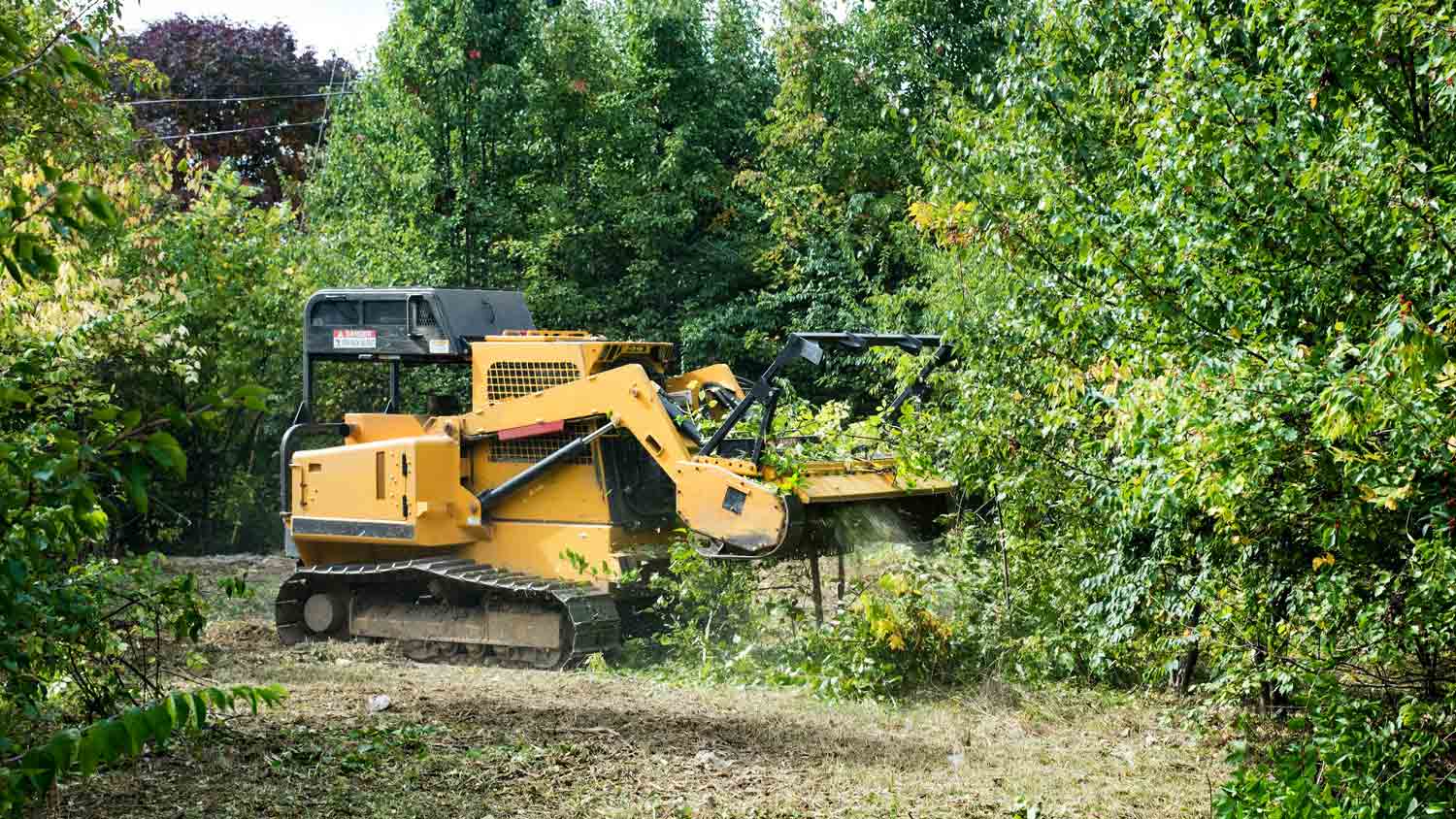
Discover the average forestry mulching cost, including per-acre and hourly rates, plus key factors that impact your total price. Get expert tips to save on your project.
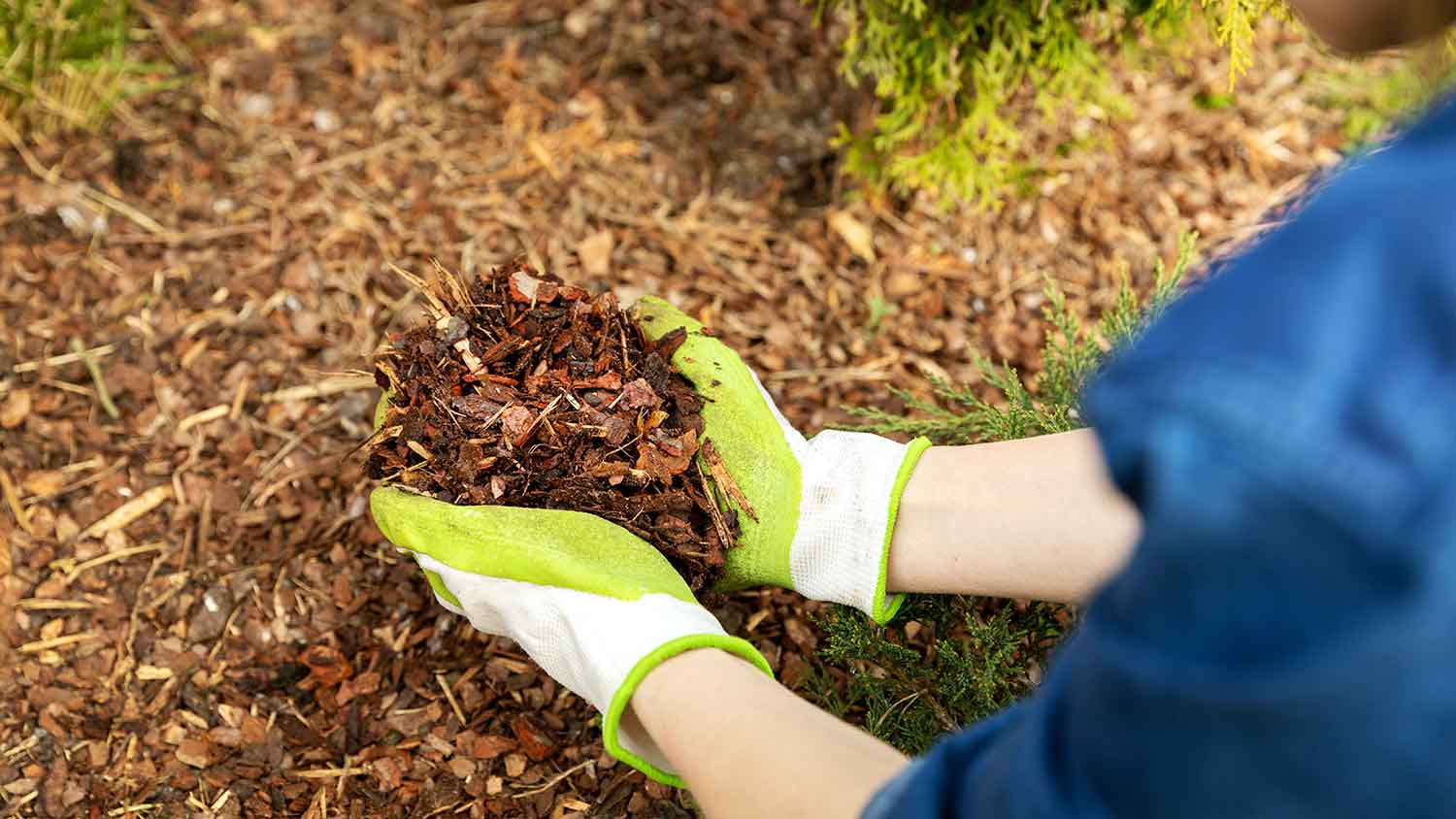
Discover mulch removal cost estimates. Discover what influences pricing, compare DIY vs. professional services, and find expert tips to save on your mulch removal project.
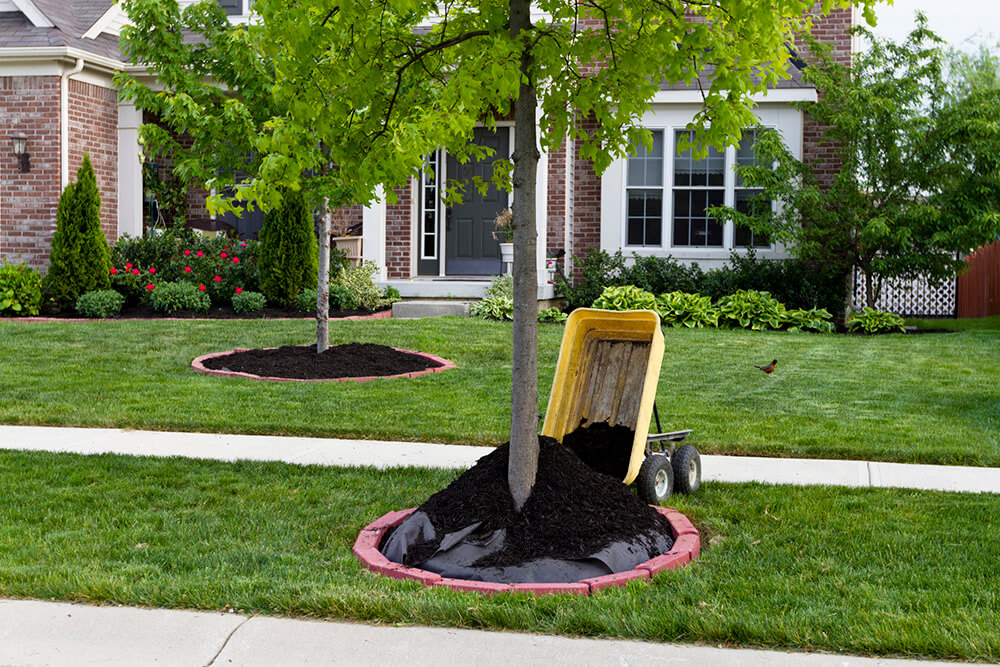
Making mulch for your garden does not have to be complicated. Find out how to make mulch using six different materials here.
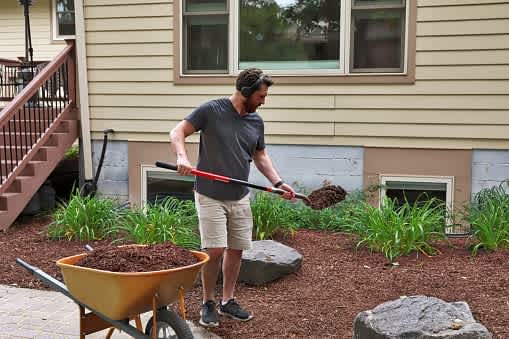
If you’re looking at your yard wondering, “How many bags of mulch do I need?” This calculator will help you determine the exact amount of mulch you should buy.
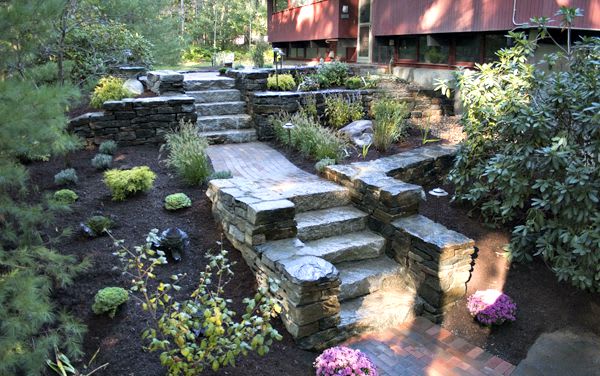
Looking to add curb appeal to your home and protect your garden beds by laying down mulch? Find out how many bags of mulch you need to get the job done.