
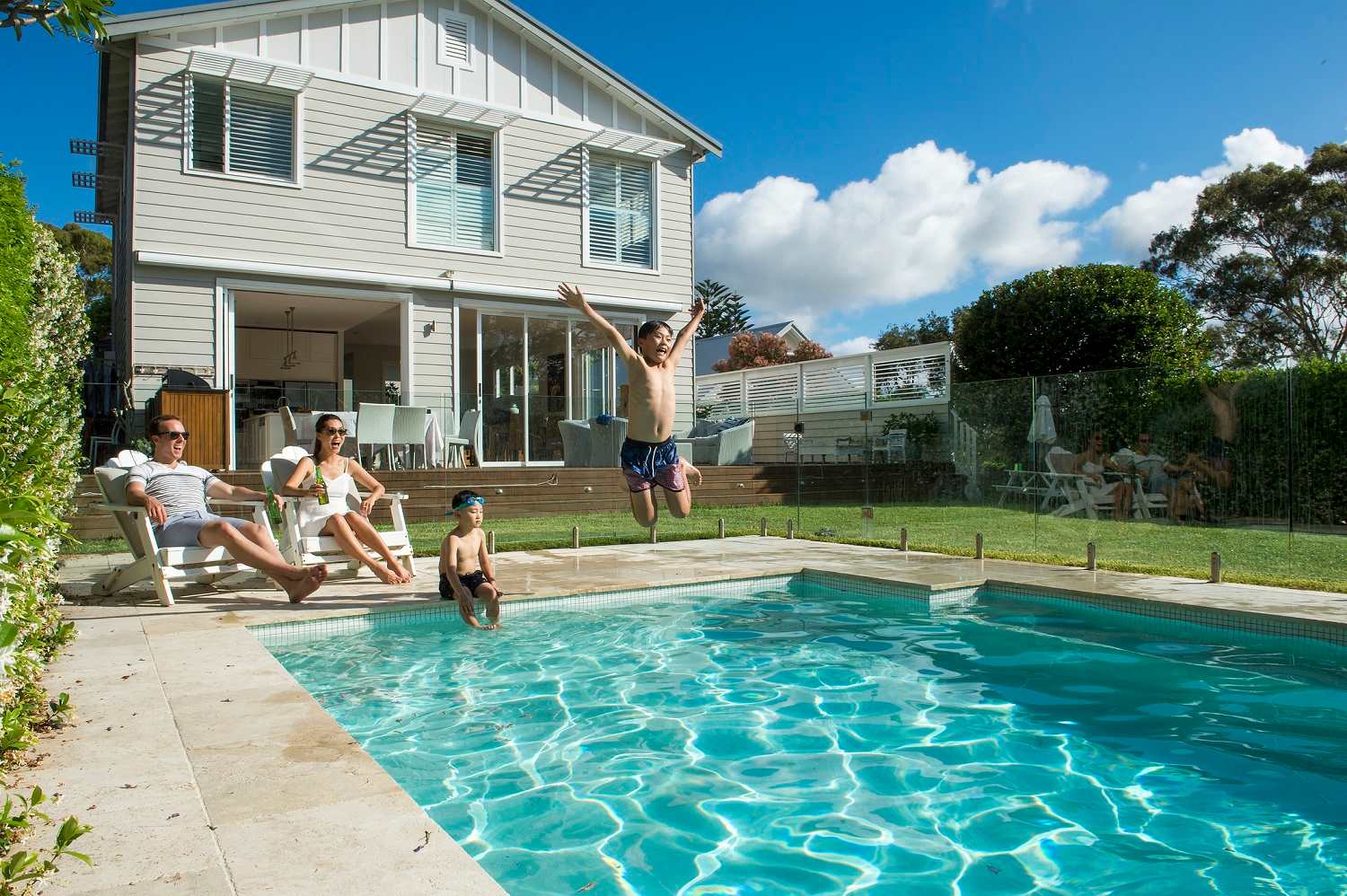
Pool inspections are crucial when buying a home with a pool, spa, or hot tub. Learn how much a pool inspection costs and how potential problems are diagnosed.
Have a safe and fun summer with these tips

Protecting a child pool fence requires a climb-proof barrier at least 5 feet high with slats spaced no wider than 4 inches and a self-latching childproof gate.
Pool covers cost on average $1,700 depending on size and features, and you should remove any collected water to prevent drowning in shallow depths.
Your pool safety checklist should include teaching kids to swim, posting clear pool rules, and keeping lifesaving equipment like life rings and rescue hooks nearby.
Hiring a local fence company provides reliable help with installing climb-proof barriers and self-latching gates, keeping your pool area secure and giving you peace of mind.
A pool is the ultimate symbol of fun, carefree summers. However, it’s essential to take childproofing precautions and educate family members on safety rules when you have a swimming pool in the backyard. Follow this pool safety checklist, so splash time goes swimmingly.
Even if your yard is fenced in, have your local fence installer build a climb-proof fence around your pool. (If part of your home functions as a portion of the fence, make sure it has no doors or windows.)
Depending on your local building codes, your fence should be at least 5 feet high, with slats or uprights spaced no wider than 3 or 4 inches apart. It should also have a self-closing and self-latching gate with a childproof lock. Don’t forget to remove any nearby furniture that your child could climb to scale the fence.
Many local governments require a fence or barrier around a pool or hot tub for safety reasons. Check with your contractor beforehand about local regulations.

Kids as young as six months can begin swimming lessons. Aim for them to be able to do the following in the water:
Step or jump into water over their head and return to the surface
Float or tread water for a minute
Make a complete turn
Swim 25 yards
Exit a pool without a ladder
You and other responsible adults and teens should learn water safety, first-aid, and CPR. Look into classes at your local hospital or American Red Cross chapter.
Tell your kids (and their friends) your rules. Post them along with CPR instructions and emergency phone numbers somewhere visible.
Here’s a pool safety checklist for your home:
When in the pool area, children must be accompanied by an adult who can swim.
No one should run, push, or play roughly near or in the pool.
No one should swim solo. Inexperienced swimmers should wear lifejackets.
Don’t swim if sick or injured.
No one should dive unless the pool has a diving area.
Leave the pool during a thunderstorm since water attracts lightning.
Don’t swim at night unless the pool is well-lit.
Don’t use glass or electrical appliances near the pool.
Ask your local pool installation company to put anti-entrapment safety drain covers in your pool and hot tub. These newer covers are curved to prevent people from getting stuck and potentially drowning.

Pool alarms are safety features that can alert you of someone (or something) is in the pool. Ask your local alarm company which system makes the most sense for your home.
Choose from several types to check this task off your pool safety checklist:
Toddlers can wear wrist alarms that sound when they venture near the pool or get wet.
Some alarms go off when a person (or another heavy object) enters the pool.
Others sound when doors or gates leading to the pool open.
Any time your pool is not being used, seal it with a rigid cover that conceals the entire surface. Just make sure to pump or drain any water that collects on top, as very young children can drown in as few as 2 inches.
To prevent swimmers from getting trapped under pool covers, remove them completely when the pool is being used. A pool cover costs on average $1,700, depending on the size and extra features added.
To separate the deeper section, use a rope supported by floats. Tell non- and beginning swimmers to avoid venturing into this part of the pool.
Right near the pool, keep a first-aid kit, plus life-saving equipment, like a life ring with a rope, rescue (shepherd’s) hook, life preservers, and kickboards. Buy Coast Guard-approved personal flotation devices (PFDs) or life jackets for non- and beginning swimmers.

You or your local pool service company should keep the water in your pool sanitary, balanced, and debris-free. If you have an automatic pool cleaner, remove it when you and your kids are swimming. Otherwise, the operating hoses could entangle swimmers.
If you have an above-ground pool, remove ladders or steps when not using it. Don’t forget to empty kid pools, remove any pool accessories, and turn them upside down after your kids take a dip.
If you service your own pool, lock up chemicals as a childproofing safeguard. Make sure the heater, filter, and other equipment are behind a fence or wall that’s at least 5 feet high.
Ask your local electrician to switch out outlets around your pool to ground fault circuit interrupters. Test all nearby outlets and circuits regularly.
Coat your pool deck with a non-slip surfacing material. Then keep it clear of items kids (or adults) could trip on, like toys and pool cleaner hoses.
To cut down on sunburns, the final task on your pool safety checklist is to install awnings and invest in shade umbrellas. Make sure kids wear sunscreen and encourage them to take breaks for water and snacks.
Joseph did a great job with the staircase and trim. Timely and efficient, clear communication about the work, very fair pricing. For the stairs in particular, done very skillfully in an old house (1893) in a tight spiral, and very creative with how to do the handrail. Did a nice job with...
 Vouis Trim Carpentry L.L.C.
This company does it right. Firstly, I want to say that Landan was a joy to work with. He was so kind, transparent, and had everything under control. His entire team showed up ready to work and they were all very respectful of the fact that we were in an office space. A little backstory – we...
 Krumlauf Floors
Professional Team, smooth to communication chain and schedule flexibility. Follows proper construction procedure and completes task on time.
 Pegasus Concrete
Very professional, knowledgeable and helpful! Completed the install on time and as expected.
 Ward's Services
Cole has been handling plumbing and general contracting for our four properties over the past three years, and he’s always done a great job. Most recently, he installed a sink and countertop in our retail store where none existed before, and it turned out exactly how we needed. He’s...
 ANB Renovations LLC
Excellent, Prompt, Courteous Service!!! They were super friendly and quite personable. I felt very comfortable with the gentlemen that did the installation. They installed it exactly where I asked them to and they did an excellent job!! I loved their service so much.
 Tether House
I hired windows depot USA of central to install new windows in house in Oshawa. Ilya was very professional from the start, not only did he offered a great price, he also made sure the installation was on time. I am very satisfied with final outcome. The windows look great and the overall...
 Window Depot USA of Central Ohio
The guys did an outstanding job and we had a great experience with CarifaTile. I appreciated that Joe reviewed the quotes with me and set expectations prior to the install. The crews showed up as scheduled and always left the areas clean upon leaving the house. We will definitely use...
 CarifaTile
Did an amazing job transforming my yard. Also installed sod in places, would recommend to everyone.
 Cardinal Landscaping & Construction LLC
Always been satisfied with the service work and how they have taken care of my pool.
From average costs to expert advice, get all the answers you need to get your job done.
Pool inspections are crucial when buying a home with a pool, spa, or hot tub. Learn how much a pool inspection costs and how potential problems are diagnosed.

If you’re looking to get your backyard summer-ready, use this guide to learn pool opening costs, budget appropriately, and how to save money.
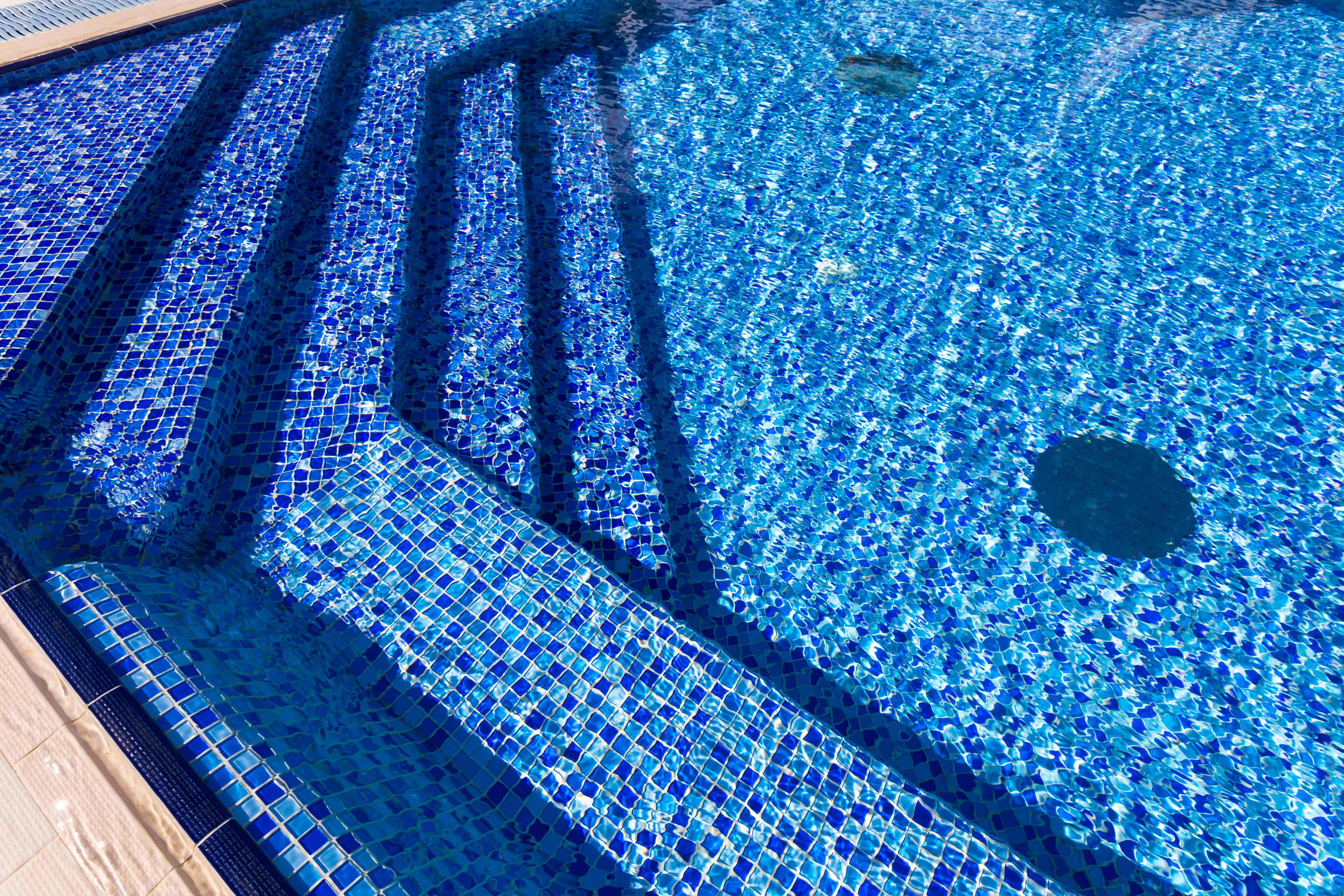
Need to update the look and feel of your pool? Use this guide on pool liner replacement cost to see how much this pool project will set you back.
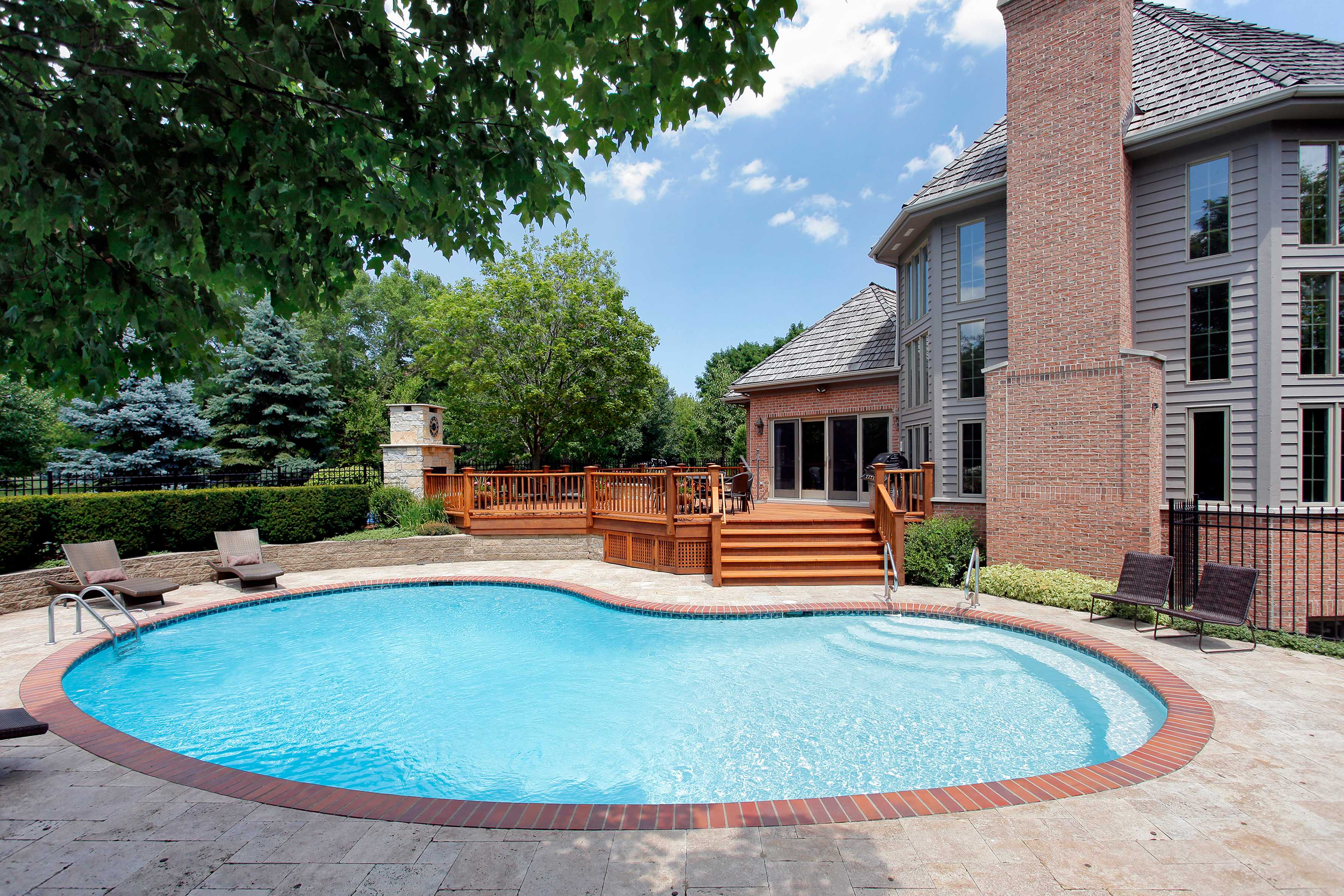
Installing a pool? Use this comprehensive pool inspection checklist before taking a plunge.

When the weather gets warm, nothing beats a little pool time. These tips for pool safety will help your family and guests stay safe while they’re swimming.
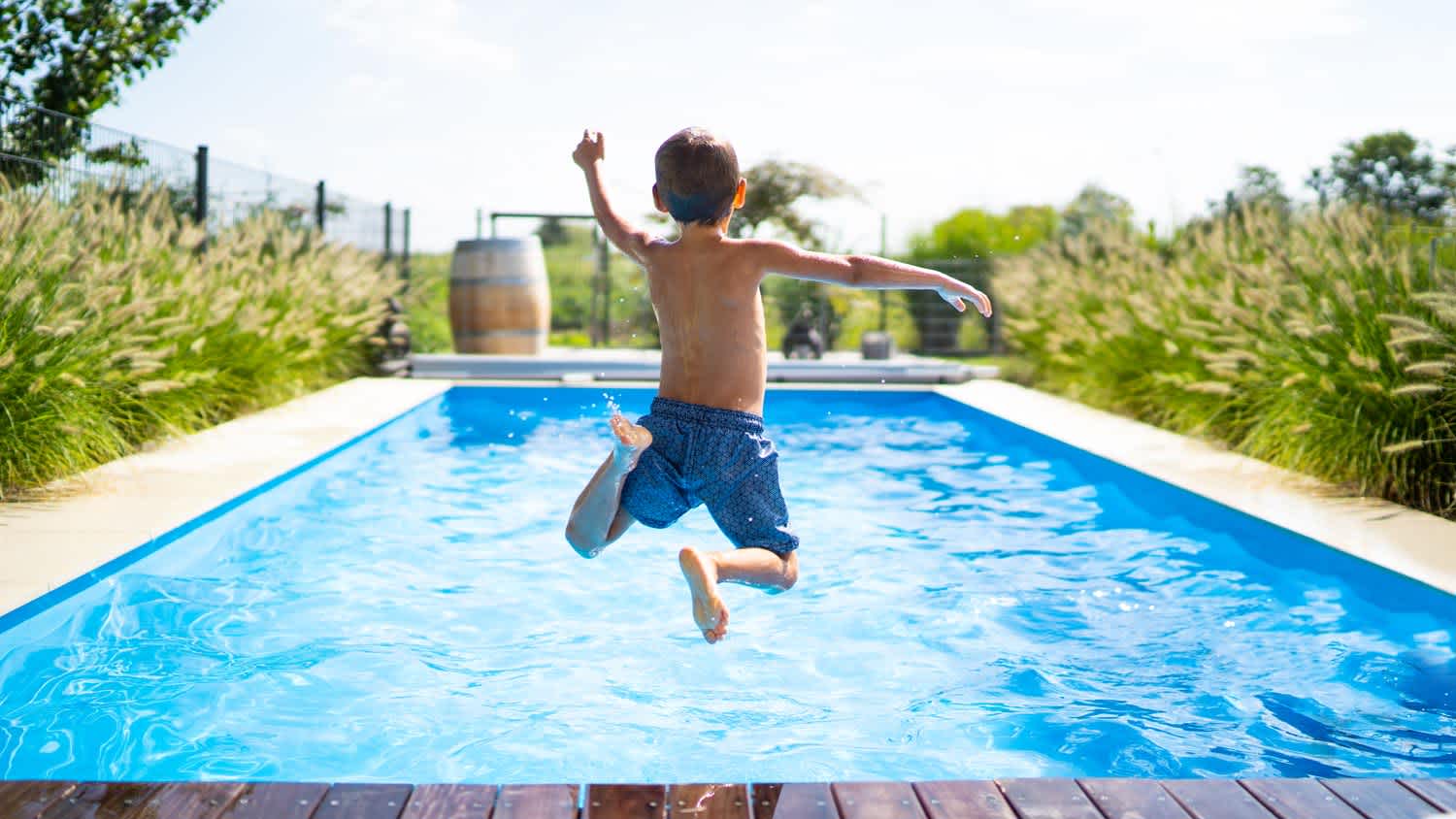
An easy weekly pool maintenance checklist can keep your pool free of algae and debris so you and your family can swim all summer long.