
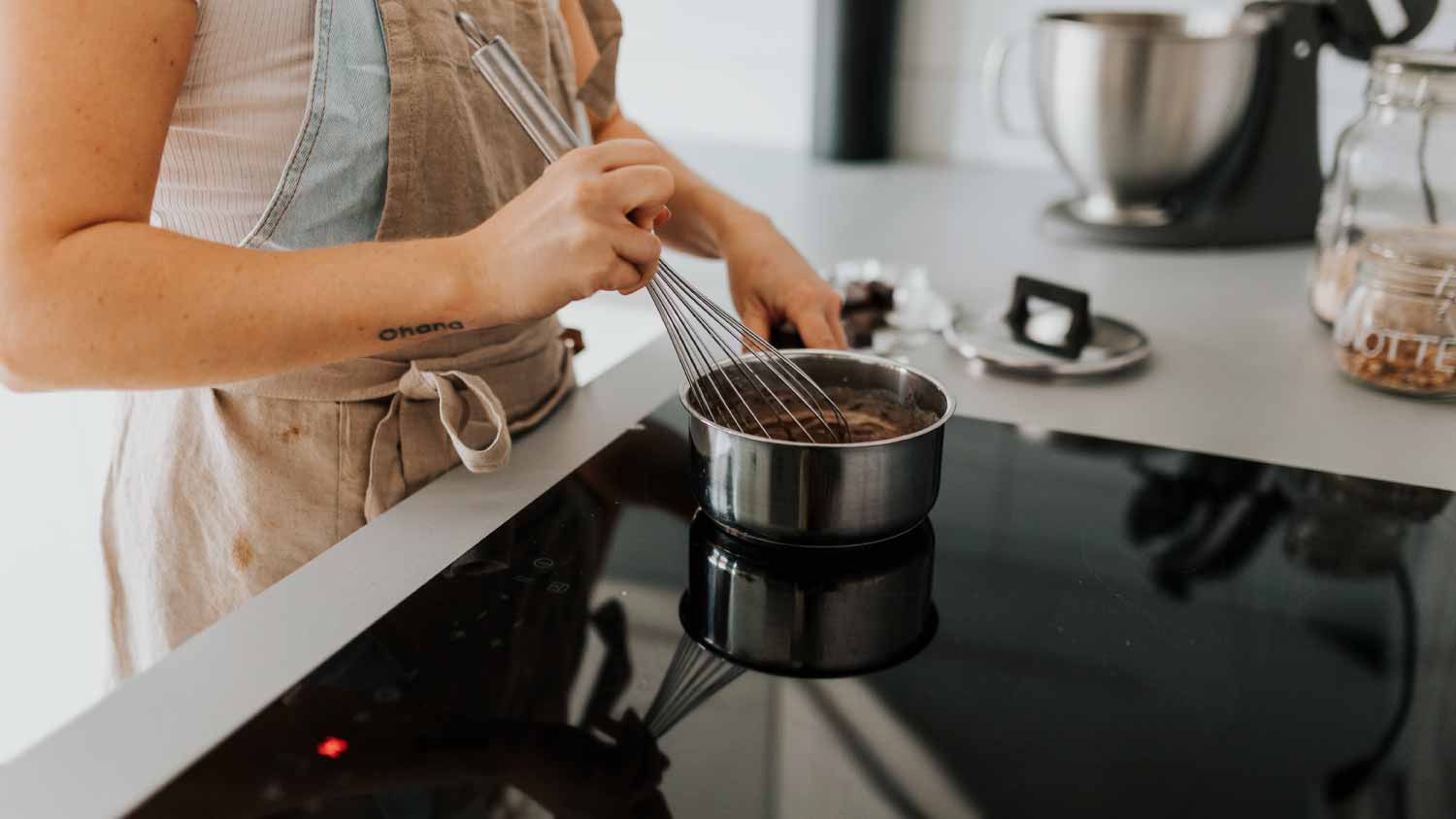
An induction stove is a unique type of electric stove. Find out what it is, how it works, and whether you can benefit from switching to an induction stove.
Budget, personal preference, and heating ability all impact the decision between induction, gas, and electric stovetops

Induction cooktops versus gas cooktops differ in heating method, with induction using electromagnetic coils to transfer heat directly while gas uses flames.
Typical costs range from $360 to $1,800 for electric ranges, $400 to $2,200 for gas stovetops, and $3,000 and up for induction stovetops.
Your choice depends on cooking efficiency, control preferences, budget, and whether you value energy savings or the visual heat cues gas flames provide.
Hiring a local appliance installation professional keeps gas line connections safe and induction wiring correct, helping you avoid installation mistakes with your new stovetop.
If you’re in the market for a new stovetop, there’s one decision you have to make before you settle on a purchase: gas, electric, or induction? Each type of cooktop has its own set of features and drawbacks. And whether your stovetop is merely a vessel for reheating takeout, or you frequently cook like you’re on a competition show, knowing the pros and cons of each type will help you make the right choice for your home kitchen.

There’s a reason why the phrase “cooking with gas” has become synonymous with energy and power. But when comparing induction vs. gas vs. electric, how do the gas stovetops of today really stack up?
One of the biggest perceived pros of the gas cooktop is that the flames provide a ready visual indicator of heat and intensity. Gas output is very precise, allowing you to control the flame and adjust it fast.
They also don’t require electricity to work. On average, gas is a less expensive way to power your cooktop than electricity is.
Finally, gas stovetops are easier to clean than electric ones. Just remove the grate and ceramic cap to wipe the surface clean. Most gas cooktops have a sturdier and bulkier appearance than other cooktop styles, which homeowners appreciate.
The biggest drawback with gas stovetops is that they release carbon monoxide and other pollutants that can trigger or worsen many respiratory diseases. So, you’ll definitely need to invest in a kitchen hood vent to disperse the fumes after a big meal.
Gas stovetops are not as efficient as electric or induction stovetops. Cooked food receives only 40% to 55% of the heat generated by a gas stovetop, compared to 90% for induction and 65% to 70% for electric. This means that some of the heat you need to sear a steak will release into your kitchen, making it warmer and more stuffy.
Ensure that gas cooktops fall within your budget. If you don’t already have one, you’ll have to run a gas line to your kitchen for $15 to $25 per linear foot. This is in addition to installing the gas stovetop, which runs about $400 and $2,100 on average.

The electric stovetop is the most popular choice in U.S. homes because they are a safer, more affordable alternative to gas and induction cooktops.
Electric stovetops are slightly more efficient compared to gas, with food absorbing 65% to 70% of the heat they produce. Plus, you don’t need a gas line to operate electricity. They don’t require installing a gas line into your home, which can present a heightened risk of danger.
When considered against the induction vs. gas debate, electric stovetops also come out on top in terms of price. In most cases, the cost ranges from $360 to $1,800.
Most importantly, electric stovetops are generally safer than their gas counterparts. There’s no danger of leaking gas or carbon monoxide. If your kitchen isn’t well ventilated, this can make a huge difference in the level of comfort and safety you experience while cooking.
Electric stovetops may be more efficient than gas, but they’re less efficient than induction stovetops. Electricity as an energy source tends to be more expensive than natural gas, but that can vary from state to state.
If control and consistency are what you’re after, electric ranges may not be for you. Adjusting the heat is harder than gas or induction elements. So, you may fry up a steak perfectly in ten minutes one day, then burn it to a crisp the next day.
You’ll need to be careful during the cleaning process. Soft clothes and cleansers are the only way to guarantee you won’t scratch or damage the surface during a wipe down.

Induction cooking is certainly having a moment, as they say. Professional chefs and food influencers have helped boose induction’s popularity, but is it right for you? Let’s take a closer look.
Induction stovetops are the most energy-efficient of all stovetops, with 90% of their heat being directly absorbed by the food it cooks. Here, electromagnetic coils transfer heat directly into metal objects, cooking food much faster. (Try boiling a pot of water on an induction stove; blink, and you might miss it!) Even better, this all happens with heating the surface, so you needn’t worry about burning your hands or fingers.
You don’t need any special power or gas connection. A regular 220-240 volt outlet will be sufficient to power up your induction stovetop. And some induction stovetops now offer an LED lighting feature that mimics a gas stovetop’s visual heat cues.
Finally, induction surfaces are easier to clean, thanks to the surface staying relatively cool during cooking. This means you won’t have to grapple with baked-on food residue after a meal.
Overall, induction stovetops tend to be more expensive than gas or electric. For an entirely new unit with multiple induction burners, you might spend up to $3,000 in many home improvement stores.
You can only use certain cookware with induction stovetops. (If a magnet sticks on the bottom of your cookware, you can use it on an induction surface.) If your current set of pots and pans isn’t induction-ready, you’ll have to factor in the cost of a whole new set, in addition to the stovetop itself.

Which is the best choice for your kitchen? That depends on what features are most important to you. Let’s look at five stovetop features that are of particular interest to many home cooks.
When considering energy transfer, there’s a clear distinction between our options. Induction stovetops blow electric and gas out of the water, with 90% of the transferred energy going to the food and cookware.
Most efficient: Induction
Gas has been the historically preferred cooking method by serious cooks, based largely on their control over the flame's intensity and how evenly the food cooks. Induction cooktops offer that same degree of ease and intuitiveness, but learning to use the cooktop requires a little practice.
Highest degree of control: Induction or gas
Induction is the pricer option. However, induction cooktops can increase the resale value of your home, as they’ve become highly coveted for their modern, chef-like appearance. Right now, the most affordable stovetop is the electric model, followed by gas, then induction.
Electric ranges cost $360 to $1,800
Gas stovetops cost between $400 and $2,200
Induction stovetops average $3,000 and up
If you want to experiment with induction cooking but the price is making you hesitate, you can buy a separate cooktop with just one element (as opposed to the four-or six-element stovetop ranges that come attached to ovens) for $80 to $100 or so.
Most affordable: Electric
A gas stovetop surface is easier to clean than an electric one. It’s often difficult to remove baked-on food substances from an electric heating element. For gas stoves, you’ll simply remove the grate and cap and then wipe down the surface. Induction stovetops are even easier to clean because the cooking surface surround stays cool, so dropped food doesn’t bake on and harden.
Easiest to maintain: Induction
There’s not necessarily a clear winner in the eco-friendly category. Gas stovetops emit carbon monoxide and other pollutants when they’re operational. Electric and induction stovetops run on electricity which uses up fossil fuels. However, given the vast differences in energy efficiency between the three cooktop types, induction is the most sustainable option.
Most sustainable: Induction
Positive experience. As previously stated, the replacement/repair could not be completed (no fault of the plumbing tech) b/c misinformation was rec?d by property management maintenance. Thanks to the plumbing tech for your efforts. Appreciate you!
 The Waterworks
Carpet repair done well. Scheduling was easy. Showed up on time.
 BR Flooring Installation
As usual with ECO, tech Jordan was outstanding, very professional, very knowledgeable, and very thorough with repairs made to tankless water heaters. Very highly recommend ECO!!!
 Eco Plumbers, Electricians, and HVAC Technicians
I would recommend this company to anyone! He showed up on time, was friendly, completed a very difficult repair on our dryer vent cover, was responsive, and pricing was extremely fair and competitive. I would have him back to do any of our repairs or cleanings without hesitation!
 U.S.A. Dryer Vent, LLC
Everything from initial contact to completion was absolutely top notch. We contacted the business during off hours to leave a message, and the owner still reached out to feel out the issue within minutes. We were scheduled and repaired within 48 hours. I cannot say enough about the...
 Supreme brick & chimney
Ace Fireplace Services came to the rescue for my chimney repair. They were quick to pinpoint the issue and worked their magic to fix it. My chimney is now in excellent shape, and I'm a satisfied customer.
 Ace Fireplace Services
On Sunday 2/26 I requested quotes via Angi from 4 refrigerator repair businesses. Northwest Appliance responded to me Monday morning (2/27) and my refrigerator was repaired by noon the same day. Great communication, they did everything they said they would. The technician had the parts on...
Excellent! We were very satisfied with the service provided and the entire experience from start to finish. Very friendly and professional staff. I was able to instantly get in contact with them for a quote and the response time and overall communication remained quick and easy throughout the...
 Prime Cleaning Service
Description says they handle window repair including rotten hardwood - they called me back right away but didnâ t leave a voicemail. I followed up 3 days later and they said they donâ t do that kind of work.
 Window-Gurus
I needed reliable, affordable help the day of with moving a couple of appliances and misc items. It was a relief to hear back from Tanzillo almost instantly that morning so I could stop looking and move on to plan and prepare. Every part of the move was friendly and professional. Next time I...
 Tanzillo Concrete & Landscape
From average costs to expert advice, get all the answers you need to get your job done.
An induction stove is a unique type of electric stove. Find out what it is, how it works, and whether you can benefit from switching to an induction stove.

As certain regions phase out gas stoves altogether, now is the time to learn about the costs and benefits of different gas stove alternatives.
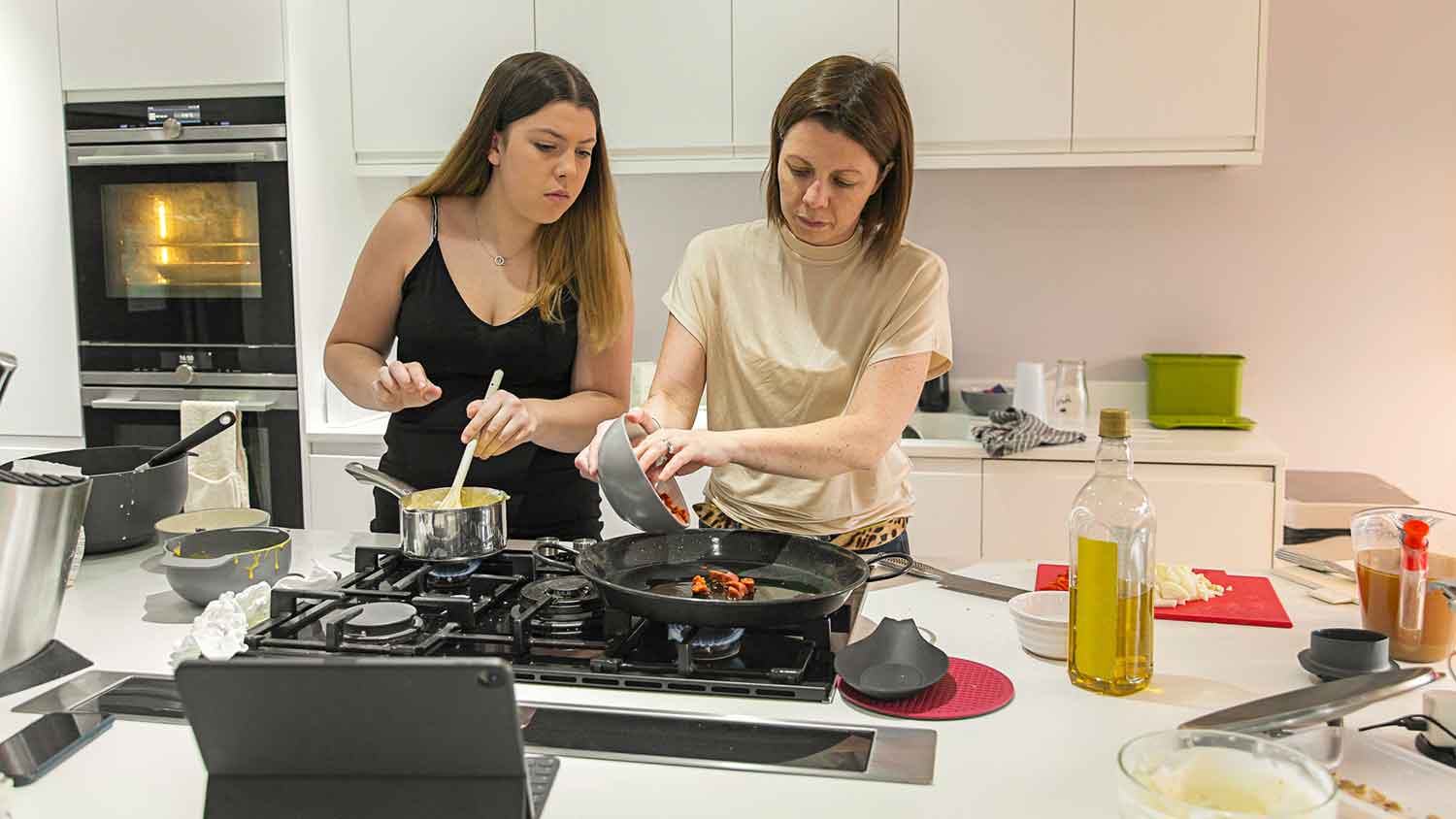
There are several different types of stove burners for the home cook to consider. Check out these top cooktops for your kitchen renovation.

Understand the parts of an electric stove and a gas stove, what they do, and how to properly clean and maintain them to make your stoves last longer.
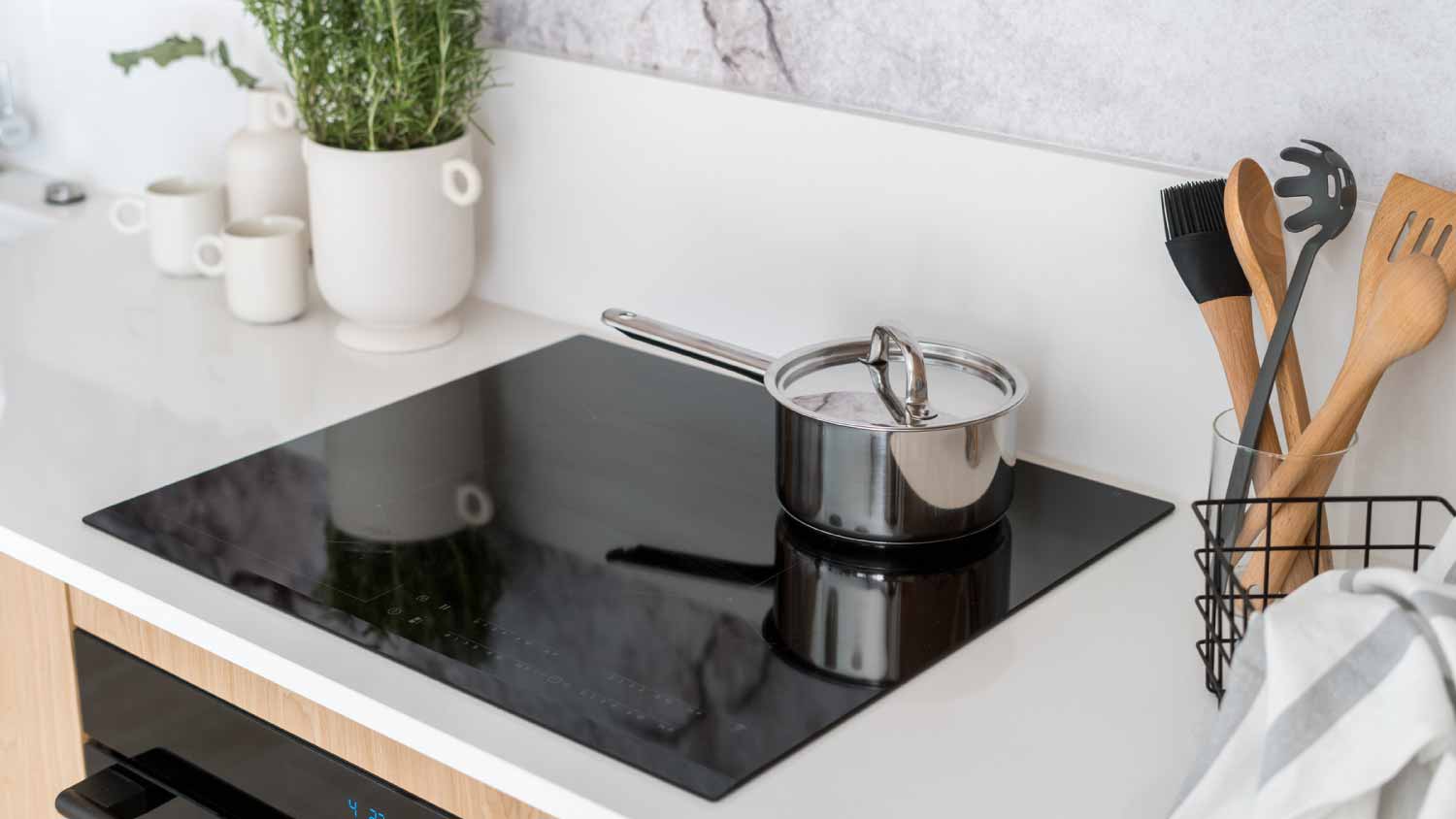
Compare performance, cooking efficiency, and safety to decide whether an induction or electric range is best for your kitchen.

How long do gas stoves last? As long as 15 years—though the specifics depend on maintenance. Here’s how to take care of your range.