

•
Discover the average baseboard heater installation cost, including price ranges, key cost factors, and tips to help you budget for your home heating project.
The basics of baseboard heating shutdowns

Turning off a thermostat or onboard knob controls shuts down most baseboard heaters, but loose wiring or faulty sensors can leave your heater running.
Expect to pay $140 to $440 for professional baseboard heater repairs, with average costs around $300 depending on the fix your home needs.
Shutting off the breaker to your room stops an overheating baseboard heater immediately, protecting your walls and wiring from heat damage or fire risks.
Hiring a local baseboard installation professional provides reliable support for diagnosing thermostat issues and completing electrical repairs when your heater refuses to shut down.
Learning how to turn off your baseboard heater is an essential part of adding this cozy feature to your home. Baseboard heaters provide direct heat to a room without the need for whole-house ductwork or vents. But if you don’t know how to turn it off, baseboard heaters can easily overheat a room or cause a fire hazard. Let’s review the best ways to turn off gas or electric baseboard heaters and when to hire a baseboard professional for help.

A baseboard heater is a single-room heater installed—you guessed it—next to the baseboards against the floor. Baseboard heaters can be electronic-, gas-, radiant hydronic-powered. This type of heater has some advantages, such as the ability to control the temperature in each room and skip ductwork and fan systems, which makes heating more efficient. But if you’re unfamiliar with baseboard heaters, it can be tricky to start using them, including learning how to turn them off.
Baseboard heaters don’t work with thermostats that control whole-house heating. Instead, they have separate thermostats or onboard knob controls, plus emergency shut-off options. That can lead to some confusion about how to shut them down. Baseboard heaters can also develop problems with overheating or refusing to shut down with normal controls.

If you’re struggling to turn off a baseboard heater, these steps should shut down electric- and gas-powered heaters.
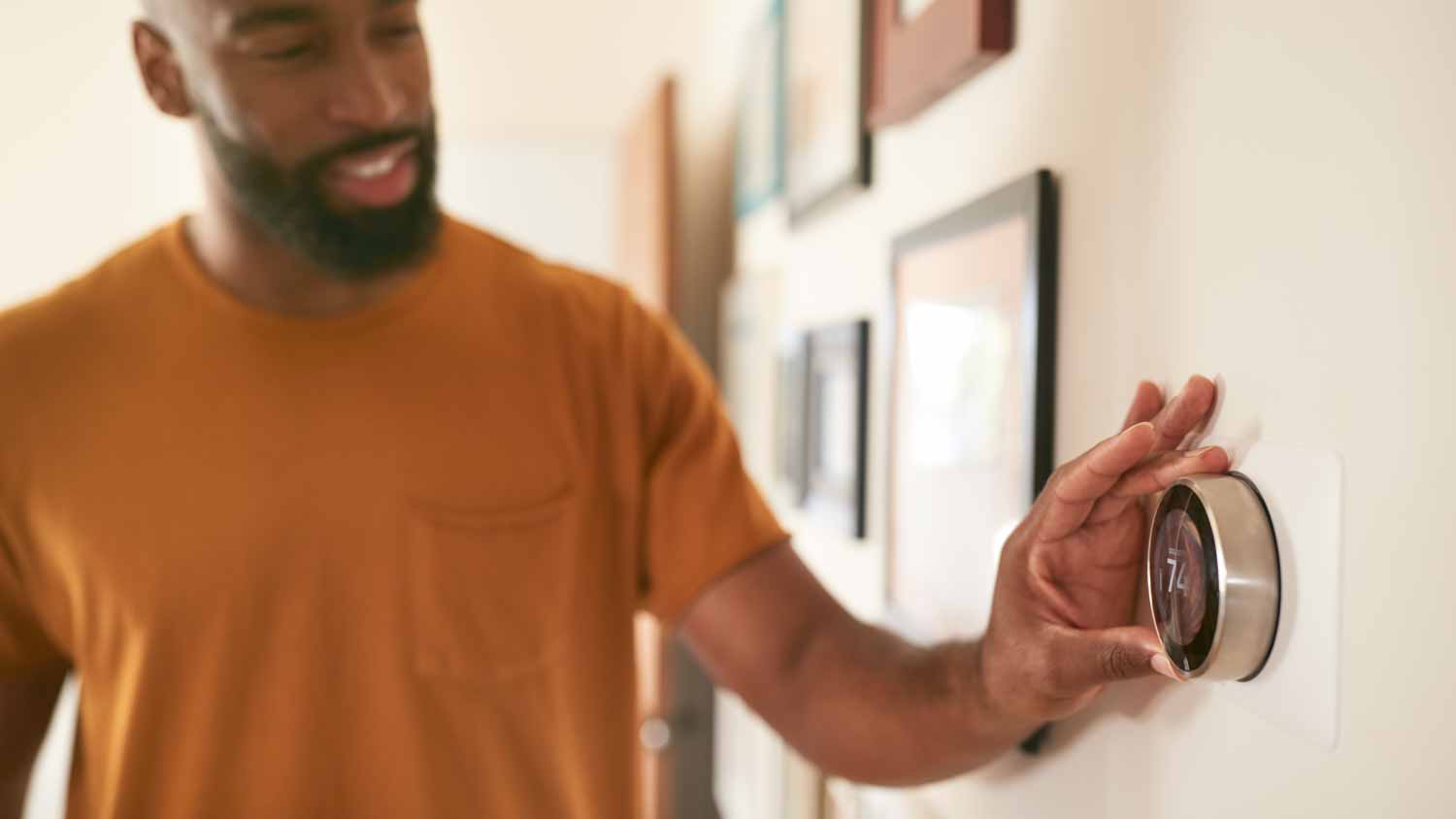
Many baseboard heaters have their own thermostat, which connects to baseboard heaters in a single or multiple rooms. You can find the thermostat mounted on a nearby wall or by the door to the room. The easiest way to turn off the heat is to adjust the thermostat at least several degrees down. After a few minutes, the baseboard heater should automatically shut off.
If the thermostat doesn’t work or leaves the baseboard heater on, it’s likely developed loose wiring contacts. That’s a warning sign that it's time for electrical repairs, but for now you can try to “tap the stat” or give it a good jiggle with your fingers. That can reconnect the electrical contacts, at least temporarily, and shut down the heater.
Some baseboard heaters don’t have thermostats, but rather work with onboard knob controls built into the heater. Find these knob controls on the top or side of the baseboard heater. Try turning the knob counterclockwise to lower the heat and turn the heater off. Rotating clockwise will only increase the heater’s temperature.
Some types of baseboard heaters, especially convection versions, use dampers to control the amount of heat radiated into the air. To keep a room from overheating too easily, you can adjust the damper to a more narrow angle. Locate the screw on the side of the baseboard heater to manually tighten or loosen it to move the damper. You may have to take the cover off to find it.
If you have a hydronic baseboard heater, it may come with the option to control water flow from the boiler into the heater. If the heater is overheating a room, you may be able to reduce the water flow and slow down the heating process. That way you can keep using the heater without needing to turn it on or off frequently.
If your attempts to shut off the baseboard heater aren’t working and the heater is dangerously hot, search in your breaker box for the breaker that corresponds to the room that’s overheating. Shut that breaker off to turn off all electricity to the room, including the baseboard heater. If a heater holds a high temperature for too long, it can scorch nearby walls, damage wiring, and cause fires, so it’s better to shut off the power than to take the risk.
Gas baseboard heaters use gas lines and often a pilot light to channel and ignite gas. If you’re having trouble turning off the heat with those controls, you can shut off gas to the heater and turn off the pilot light while you investigate the cause of the problem.
If you can’t figure out how to shut down the baseboard heater, you can shut down the water flow to the boiler as a temporary measure while you dig into the problem. Your boiler has an emergency valve connected to the radiant heating system that you can close. It’s a good idea to close this valve if you won’t use the baseboard heaters for a significantly long time.
Turning off a baseboard heater is a simple task once you understand how the controls work. However, sometimes you should hire a local baseboard professional to inspect, diagnose, and fix your heating features. If the heater is constantly overheating a room, something is likely wrong with its sensors. Or if you cannot turn off a baseboard heater the normal way and need to use an emergency shut-off, it’s time to call in an expert to examine the wiring.
Baseboard heaters are more affordable to repair than whole-house heaters. You can expect to pay between $140 and $440 depending on the fix, with average costs around $300.
Prevent baseboard heater problems and keep your heater running efficiently (and turning off quickly) with a few simple maintenance steps:
Clean baseboard heaters annually: Every year, shut down your baseboard heaters and remove the front covers. Thoroughly clean the inside of the baseboard heater and outer surfaces with a clean cloth. These heaters can accumulate dust and debris over time, which can impede performance, cause smells, and create fire hazards.
Keep items away from the heater: Keep objects away from your baseboard heaters, especially furniture, curtains, and bedframes. Larger objects can block the heat, keeping the room’s temperature from effectively rising. Anything close to the heater can also be a fire hazard, especially for electric or gas heaters. Never put anything directly on a baseboard heater, or position things like pet beds, plants, or electronics too close to it.
Arrange for periodic boiler service: If your heater uses water, it’s a good idea to arrange for occasional boiler check-ups. Radiant heating water can leak out or grow dirty over time, and it’s a good idea to schedule inspections at least every few years.
Schedule periodic gas heater inspections: If your heaters burn natural gas to create heat, that can lead to residue build-up over time and similar issues. It’s a good idea to find a heating professional near you and arrange for occasional maintenance visits, especially if it’s been several years.
If you’re good people wanting to do business with good people, hire Matt. He is a consummate professional and utterly competent. He installed a water heater in my home at a price that beat competitors by hundreds of dollars with a promise to support the unit for its life (even after its 6 yr...
 Greene's Plumbing Services
Corey Carr was great. I had damage from a recent storm and needed to have my mast and other components replaced. The project entailed coordinating with AEP, and Corey helped make a stressful situation a lot less stressful. I really appreciated his dedication to service and the job very well done.
 Mr. Electric of Columbus
This service was great. My air conditioner went out during the heat spell that we had. My husband has health issues and they came out that night and at 9:30pm the air conditioner was fixed and running. We are sooo very thankful, this is the company I will be using from now on and would...
 Mr. Mechanical Ohio
I normally do not leave reviews, but my experience with Worthington Air was extremely frustrating and disappointing. About 30 days ago, I had a consultation done for an HVAC replacement and was quoted approximately $15,079. Based on that quote, I applied for financing through their company...
 ARS Columbus Worthington Air
Great company! Price was competitive, technician showed up on time and completed the job (exterior electric Radon fan replacement) quickly. Would hire them again.
 MaGen Property Inspections and Radon Mitigation
As usual with ECO, tech Jordan was outstanding, very professional, very knowledgeable, and very thorough with repairs made to tankless water heaters. Very highly recommend ECO!!!
 Eco Plumbers, Electricians, and HVAC Technicians
Raven and crew does absolutely fantastic job. They are very professional if any concerns were to occur with any of her work she always took responsibility and finished out with a great job. I have worked with her business for a year and have always been satisfied. Very trusted business and...
 Creations of Transformation LLC
I would recommend this company to anyone! He showed up on time, was friendly, completed a very difficult repair on our dryer vent cover, was responsive, and pricing was extremely fair and competitive. I would have him back to do any of our repairs or cleanings without hesitation!
 U.S.A. Dryer Vent, LLC
Ace Fireplace Services' chimney sweep service is truly exceptional. They used advanced technology to ensure a thorough cleaning process, and my chimney has never looked better. I highly recommend their services.
 Ace Fireplace Services
The technician was very professional and friendly. He answered all my questions and was very thorough. He left the fireplace area very clean . He inspected from the roof and advised me as to other work that might need to be done. There was no pressure there. I was very satisfied with the...
 Supreme brick & chimney
From average costs to expert advice, get all the answers you need to get your job done.
Discover the average baseboard heater installation cost, including price ranges, key cost factors, and tips to help you budget for your home heating project.
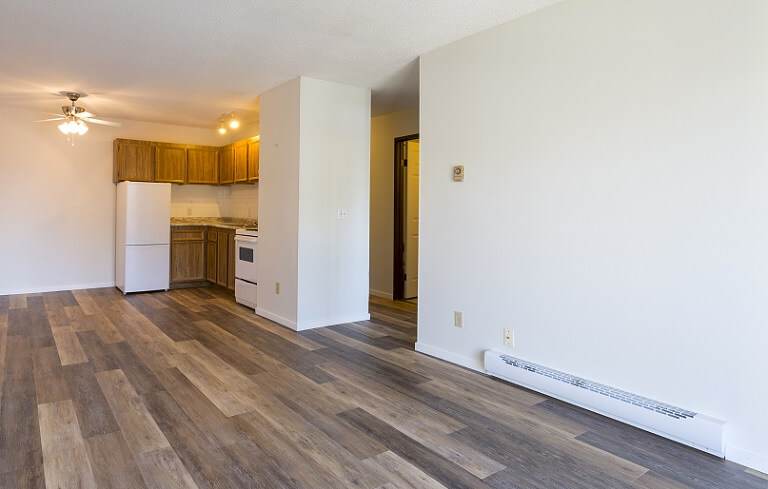
Baseboard heaters are smart, budget-friendly options. However, the exact cost of installation depends on the type of heater you choose and the size of your home.
Baseboard heaters are simple to operate. Learn how to turn on baseboard heaters, how to maintain them, and important safety tips.
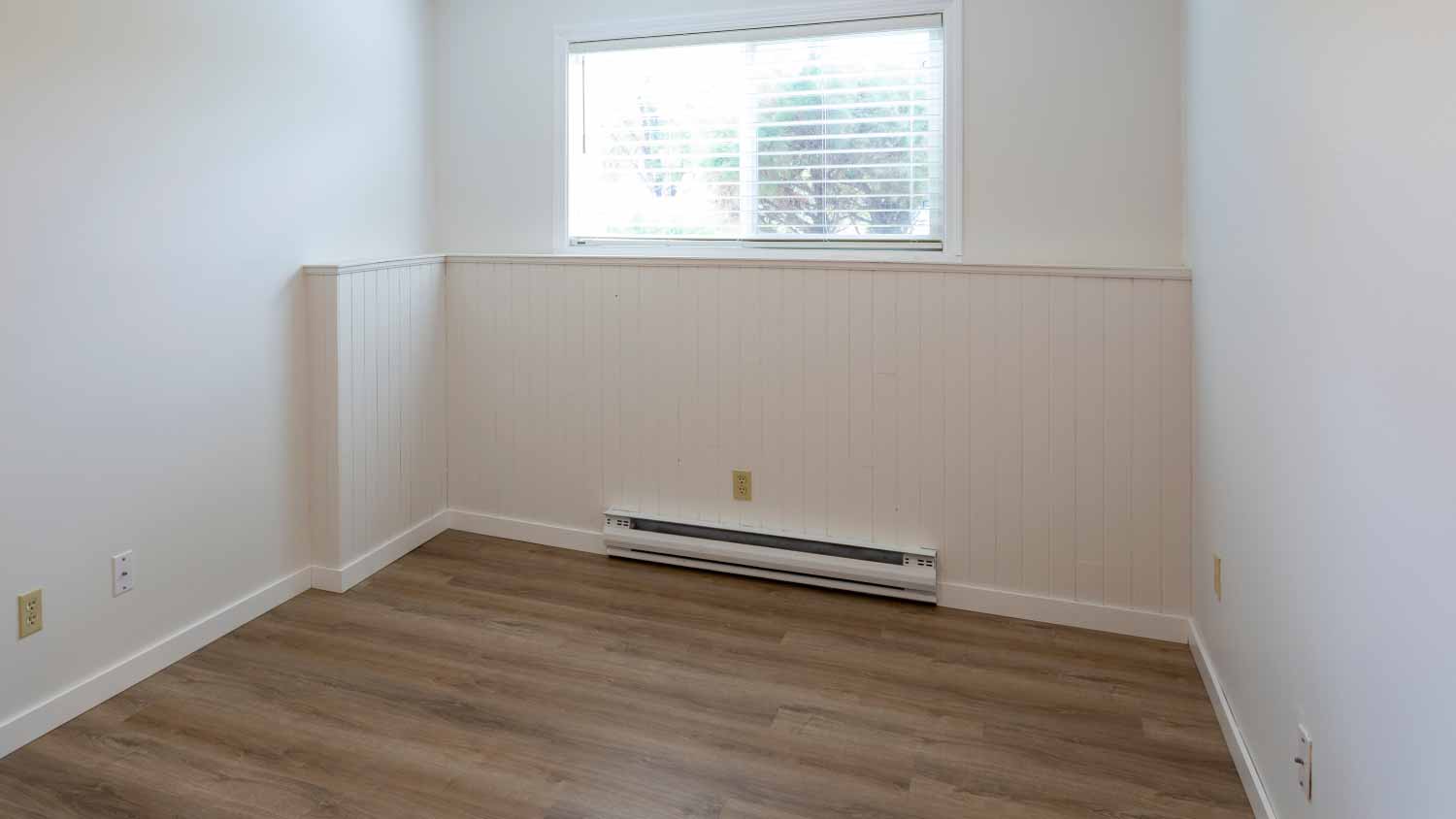
Baseboard heater covers can endure a lot of wear and tear, but eventually you’ll want to replace them. Here’s the best way to switch out baseboard heater covers.
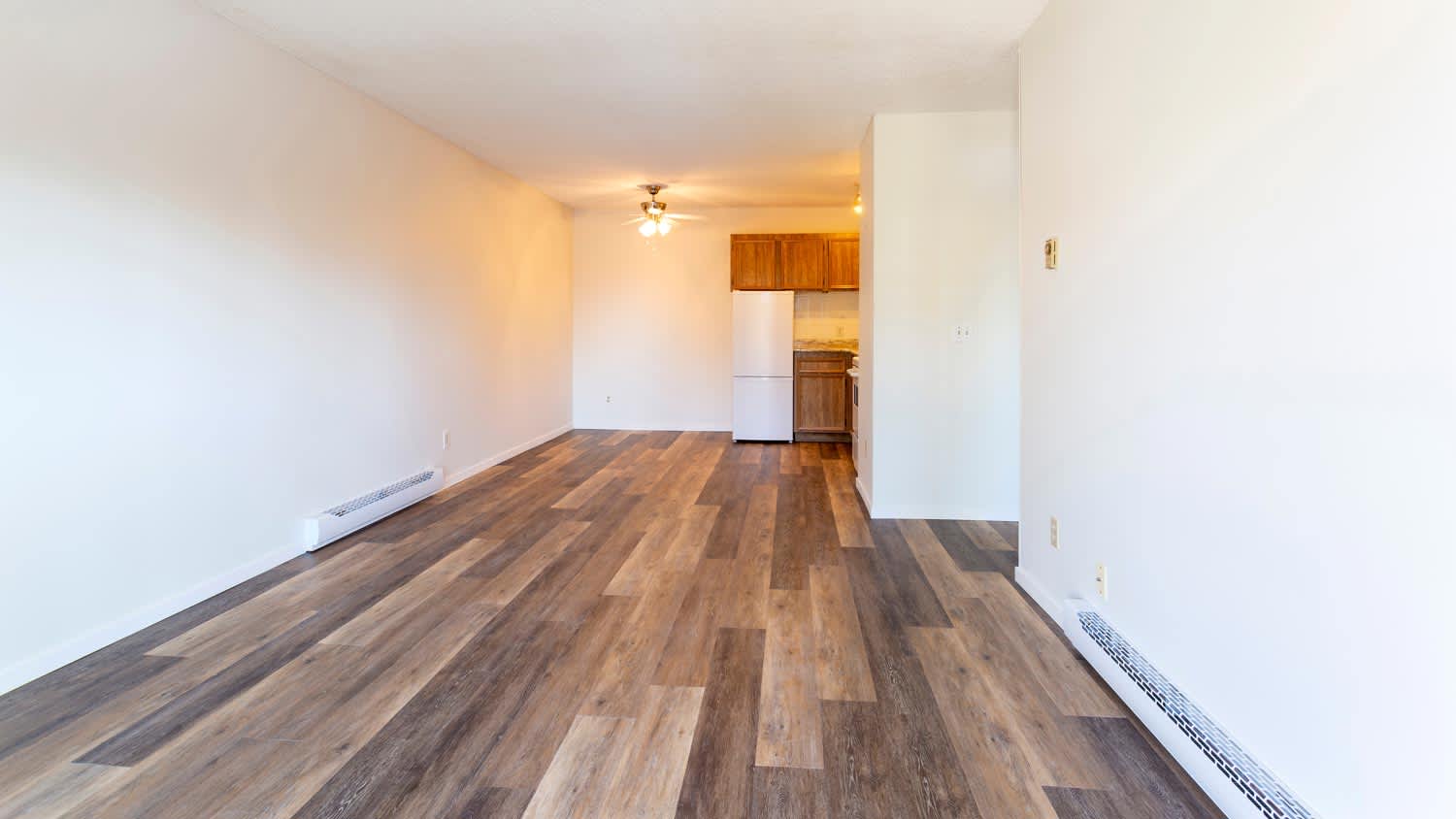
It’s easy to learn how to bleed baseboard heaters. Just gently unscrew the radiator valve to release the excess air trapped in the system.

Is your baseboard heater not working? Here are some common issues and expert solutions for getting your heater back on track. Here’s how to troubleshoot it.