
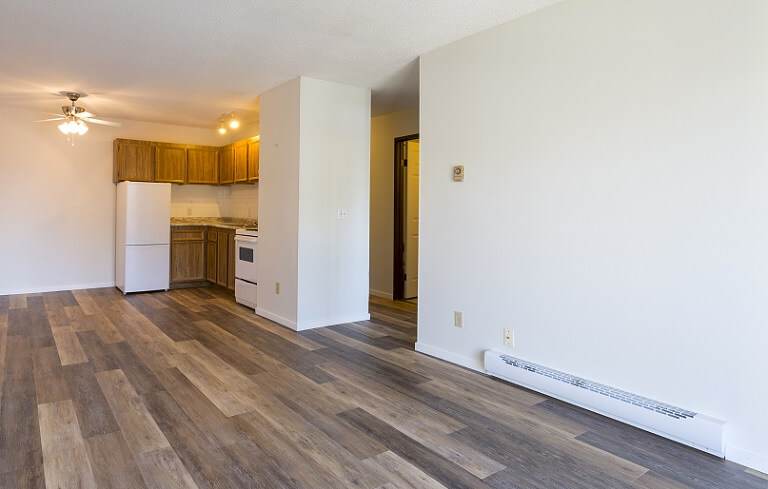
Baseboard heaters are smart, budget-friendly options. However, the exact cost of installation depends on the type of heater you choose and the size of your home.
Stay cozy and comfortable with these effective troubleshooting tips

A malfunctioning heating element or faulty thermostat causes your baseboard heater to stop producing heat, leaving your home uncomfortably cold.
Dust and debris accumulating on your baseboard heater fins create fire hazards and reduce heating efficiency throughout your space.
Turn off your heater immediately when you notice burning smells, allow it to cool, then clean the fins to remove debris safely.
Hiring a local wall heater repair professional provides reliable help with thermostat calibration and heating element replacement, keeping your home warm and safe.
Is your baseboard heater not working? Baseboard heaters are essential appliances that help maintain comfortable temperatures within your home. However, there are times when they might not work as expected, causing confusion, frustration, and discomfort. Let’s explore the common issues that can arise with baseboard heaters and provide practical solutions to address them.

At the core of the baseboard heater is the heating element. This component is responsible for generating the warmth that keeps your space cozy. As electricity flows through the element, it heats up and radiates heat outward, gradually raising the temperature of the room.
The fins are the distinctive metal pieces that run along the length of the baseboard heater. They play a crucial role in distributing the heat evenly throughout the room. As the heated air rises from the heating element, it comes into contact with the fins, which help disperse the warmth across the entire space.
Think of the thermostat as the brain behind your baseboard heater's operation. This component monitors the temperature of the room and communicates with the heating element to regulate when the heater should turn on and off. It ensures that the room maintains the desired temperature without becoming too hot or too cold.
The power supply connects the baseboard heater to your home's electrical system. It's the channel through which electricity flows to the heating element. Modern baseboard heaters often have power cords that can be plugged into standard electrical outlets, making baseboard heater installation costs low and setup relatively straightforward.
Baseboard heaters come with a high-temperature safety shutoff sensor inside the unit. This sensor does pretty much exactly what it sounds like. When it detects temperatures rising above a normal and safe range, it automatically cuts off power to the heater, decreasing the risk of a heater fire.
If you’re struggling to determine the cause of your baseboard heater not working, you’re not alone. According to Angi data, 44% of customers reported their baseboard heater not working in one location, while nearly 23% reported it not heating at all. Other common repairs include fixing a malfunctioning thermostat, fluctuating heat, excessive vibration, and a burning smell.

Struggling to get your baseboard heater working like it should? Here are a few common problems and ways you can fix them.
Imagine that it's a chilly day, and you've turned on your baseboard heater only to find it's not emitting any warmth. This could be due to a malfunctioning heating element or a faulty thermostat. Begin by checking if the thermostat is set to the desired temperature. If it is, but the heater remains cold, the heating element might need replacement.
Consult the manufacturer's manual or a local wall heater repair specialist for guidance on replacing components.
Is your baseboard heater continuing to blow hot air even when the room feels like a sauna? This is an easy-to-fix issue that often points to a malfunctioning thermostat. Test the thermostat by turning it to the lowest setting. If the heater persists, the thermostat might need calibration or replacement.
Regular calibration ensures accurate temperature control and prevents unnecessary heating, which could lead to wasted energy and money.

If your baseboard heater frequently trips the circuit breaker, it's usually a sign of a few different possible issues:
Electrical overload on the breaker
Faulty wiring within the heater unit
Faulty circuit breaker
A constantly tripping breaker is typically the result of using multiple high-energy appliances simultaneously on the same circuit. For this reason, consider redistributing the load across different circuits. If the problem persists, consult an electrician near you to assess the electrical system's capacity or whether there is faulty wiring in the circuit.
A burning odor emanating from your baseboard heater is a concerning fire safety issue and could be caused by accumulated dust or debris coming into contact with the heating element. Turn off the heater immediately and allow it to cool for 30 to 60 minutes. Gently clean the fins and surrounding areas to eliminate any debris. If the smell continues, contact a professional to inspect the unit for potential hazards or malfunctions.
In situations where the heater is running, but the room remains chilly, inadequate insulation or drafty windows might be to blame. Check for gaps around windows and doors that could be allowing cold air in. Additionally, ensure your home is properly insulated to retain the warmth generated by the heater.
If all these issues are resolved and the room still remains too cold, there could be a clearance issue. For optimal performance, an electric baseboard heater requires specific clearances: 3 feet in front, 6 inches on both sides, and 12 inches above.
These clearances enable proper airflow, which is essential for effective heat distribution. Ensure any furniture near the heater is appropriately placed, and adjust drapes or curtains hanging too closely to the top. Maintaining these clearances guarantees your heater operates efficiently, keeping your space comfortably warm.
If your baseboard heater isn’t turning on, start with the big power questions. Is the room's circuit breaker still on? Is the thermostat turned on and turned up high enough to turn on the heater? If everything looks all right, take the heater's cover off and give it a close inspection. Look for any loose connections and check if the heating element is properly positioned and hasn’t been knocked loose or severely damaged.
If you can’t spot anything noticeably wrong with the system, it’s probably an issue with wiring either in the baseboard heater or in its thermostat. Make sure the thermostat is on and has fresh batteries. Otherwise, call an electrician or heating expert for a closer look.
If you have multiple baseboard heaters on the same circuit and one of them stops working, that’s a sign the thermostat has malfunctioned. We suggest taking the faceplate off the thermostat and exploring the wiring behind it to see if any specific wires have come loose or are damaged. If so, you’ll need to reconnect or replace that wiring.
If the heaters aren’t on the same circuit, take a close look at the heater itself for signs of damage or a loose heating element. If you have a hydronic system, check the zone pipe leading to the boiler to make sure its valve hasn’t been closed off. If you can’t find anything wrong, call an electrician for a better look.
If you have an electric system, strange noises could be the sign of a failing heating element, so you should inspect it for damage.
If you have a hydronic system and hear loud gushing sounds or deep banging noises at certain times in the heating cycle, that means a lot of air is trapped in the heater pipes and causing a water hammer or similar effect. Find the bleed valves for your heaters and open them to discharge air until water starts pouring out.
If your hydronic system makes loud bangs and groans every time it’s shut off, the pressure in the pipes is too high. Your expansion tank may have also failed, or there could be something else wrong with the boiler that requires a closer look.
Prevention is key when it comes to baseboard heater issues. Regular maintenance, such as cleaning the fins, vacuuming dust, and ensuring proper ventilation, can prolong the life span of your heater. Schedule annual professional inspections to identify potential problems before they escalate.
Despite diligent maintenance, baseboard heaters will go out eventually, as they have a finite lifespan. If you notice a consistent decline in performance, a frequent need for repairs, or increased energy bills, it might be time for a replacement. Newer models are often more energy-efficient and equipped with advanced features for better control and comfort. Speak with a local baseboard installer to discuss your needs and costs.
If you’re good people wanting to do business with good people, hire Matt. He is a consummate professional and utterly competent. He installed a water heater in my home at a price that beat competitors by hundreds of dollars with a promise to support the unit for its life (even after its 6 yr...
 Greene's Plumbing Services
Corey Carr was great. I had damage from a recent storm and needed to have my mast and other components replaced. The project entailed coordinating with AEP, and Corey helped make a stressful situation a lot less stressful. I really appreciated his dedication to service and the job very well done.
 Mr. Electric of Columbus
This service was great. My air conditioner went out during the heat spell that we had. My husband has health issues and they came out that night and at 9:30pm the air conditioner was fixed and running. We are sooo very thankful, this is the company I will be using from now on and would...
 Mr. Mechanical Ohio
I normally do not leave reviews, but my experience with Worthington Air was extremely frustrating and disappointing. About 30 days ago, I had a consultation done for an HVAC replacement and was quoted approximately $15,079. Based on that quote, I applied for financing through their company...
 ARS Columbus Worthington Air
Great company! Price was competitive, technician showed up on time and completed the job (exterior electric Radon fan replacement) quickly. Would hire them again.
 MaGen Property Inspections and Radon Mitigation
As usual with ECO, tech Jordan was outstanding, very professional, very knowledgeable, and very thorough with repairs made to tankless water heaters. Very highly recommend ECO!!!
 Eco Plumbers, Electricians, and HVAC Technicians
Raven and crew does absolutely fantastic job. They are very professional if any concerns were to occur with any of her work she always took responsibility and finished out with a great job. I have worked with her business for a year and have always been satisfied. Very trusted business and...
 Creations of Transformation LLC
I would recommend this company to anyone! He showed up on time, was friendly, completed a very difficult repair on our dryer vent cover, was responsive, and pricing was extremely fair and competitive. I would have him back to do any of our repairs or cleanings without hesitation!
 U.S.A. Dryer Vent, LLC
Ace Fireplace Services' chimney sweep service is truly exceptional. They used advanced technology to ensure a thorough cleaning process, and my chimney has never looked better. I highly recommend their services.
 Ace Fireplace Services
The technician was very professional and friendly. He answered all my questions and was very thorough. He left the fireplace area very clean . He inspected from the roof and advised me as to other work that might need to be done. There was no pressure there. I was very satisfied with the...
 Supreme brick & chimney
From average costs to expert advice, get all the answers you need to get your job done.
Baseboard heaters are smart, budget-friendly options. However, the exact cost of installation depends on the type of heater you choose and the size of your home.

Discover the average baseboard heater installation cost, including price ranges, key cost factors, and tips to help you budget for your home heating project.
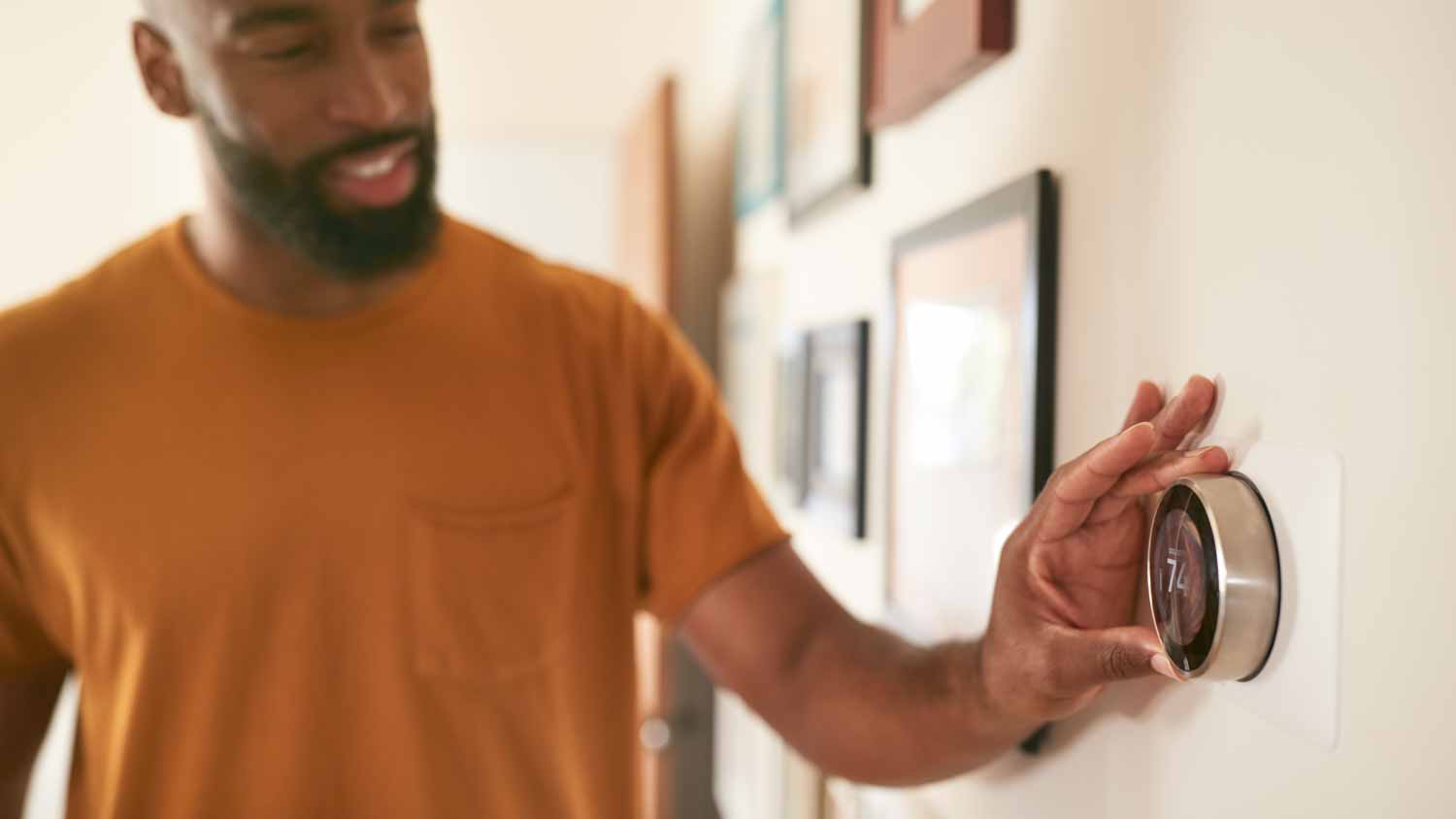
Baseboard heaters are simple to operate. Learn how to turn on baseboard heaters, how to maintain them, and important safety tips.
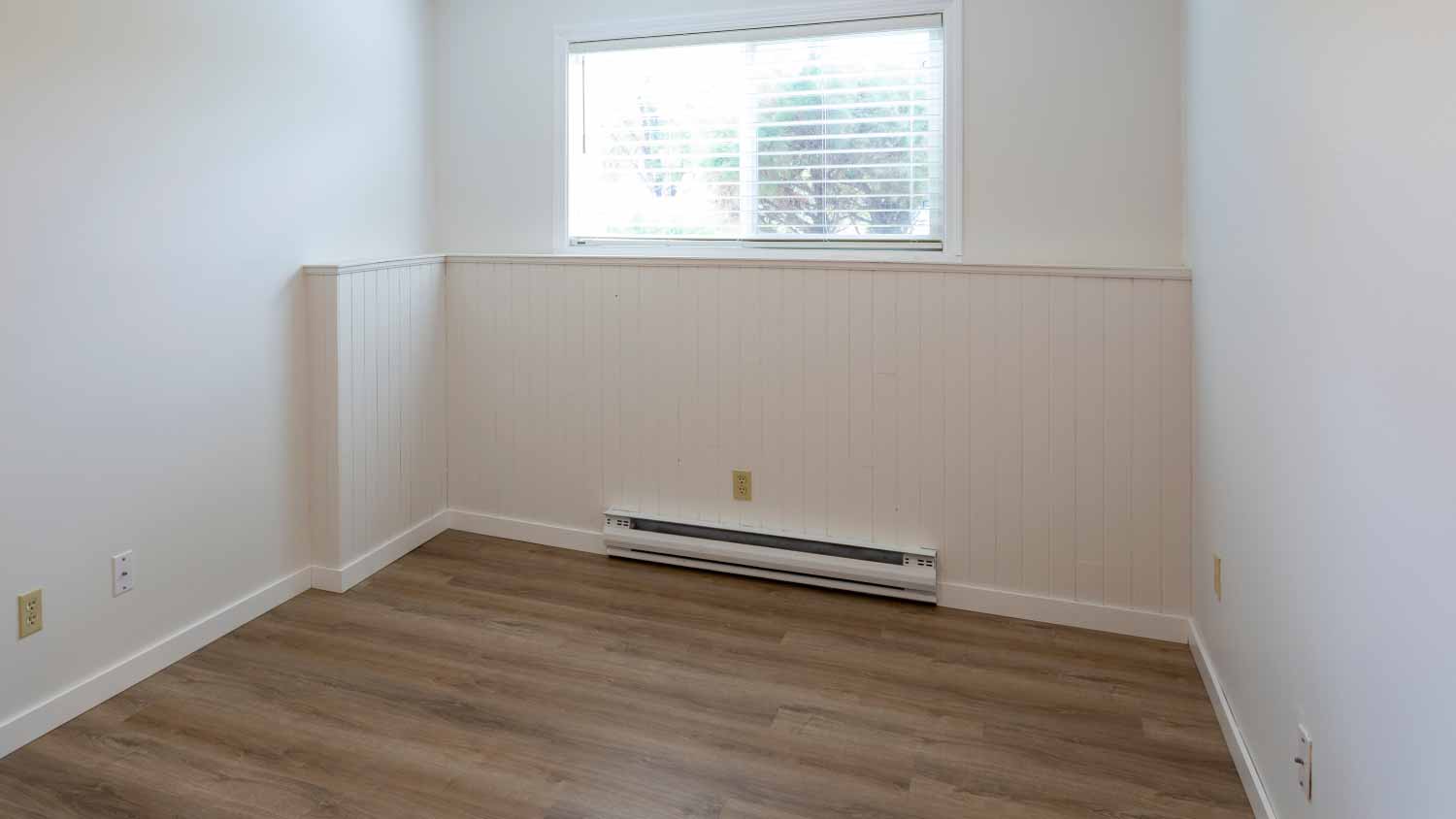
Baseboard heater covers can endure a lot of wear and tear, but eventually you’ll want to replace them. Here’s the best way to switch out baseboard heater covers.
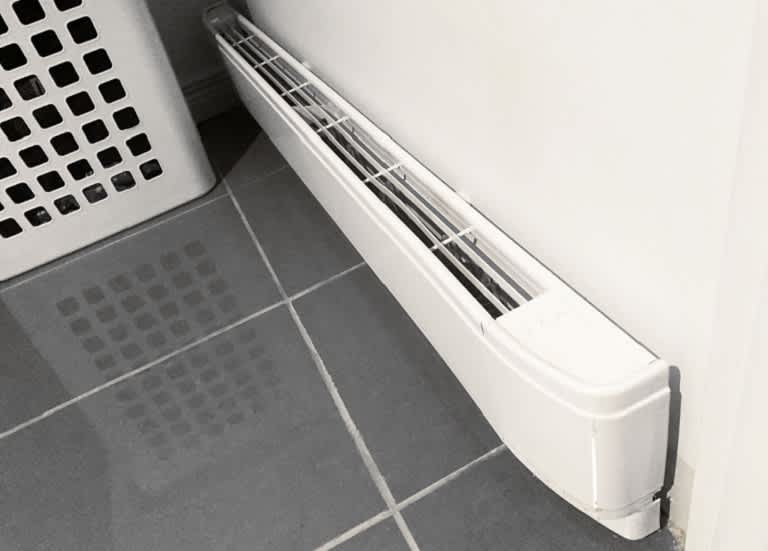
Find and hire a qualified pro to repair your baseboard heater. Learn about services, costs, questions to ask, and what to expect from start to finish.
Are your baseboard and wall heaters blowing cold air or making strange noises? Learn about baseboard and wall heater repair costs, signs, and hiring a pro.