

Discover what the current average tree removal cost is based on different factors to know how much it will cost to take care of a dead or troublesome tree on your property.
Don’t get stuck during this simple, important task

Removing tree sap works best with patience and the right approach, whether you're cleaning decks, patios, or clothes affected by dripping sap.
Your tree leaks sap from pruning wounds, fungal diseases, bacterial infections, aphid infestations, accidental damage, or natural spring growth patterns.
Start with warm soapy water to soak the sap, then try mineral oil, rubbing alcohol, or commercial tar removers for stubborn spots.
Hiring a local arborist professional provides expert diagnosis of underlying tree health issues and prevents larger problems through proper treatment and care.
When a tree suffers a wound, cut, or similar problem, its sap starts leaking out and causing problems. Learning how to take off tree sap is essential, especially if it drips on decks, patios, fences, walkways, or walls. Before long, it’s on toys, clothes, pets, and lawn appliances, too.
The best way to remove tree sap is a combination of patience, gentleness, and a little oil or surfactant application to make removing sap easier. The sooner you can get to this task before the sap dries, the better, so let’s get started.
Trees don’t often leak sap or resin unless something is wrong, sometimes seriously wrong. One of your first steps should be determining why your tree is leaking sap and if it’s a sign of an underlying disease or problem. Common causes can include:
Recently pruned the tree: Some sap leakage from the tips of pruned branches is expected and a natural part of the tree’s healing process. However, this sap can sometimes leak down onto walkways, decks, or cars.
Fungal diseases: Fungal diseases can often cause lesions on trees, which can lead to leaking sap. The sap tends to leak in large patches on the bark, but can also fall onto nearby objects. Fungal diseases, often carried by bugs, indicate a serious problem and should be treated before it spreads.
Aphid infestations: Aphids and any other bugs that suck the sap from trees may cause drops of sap to fall on the ground in a bad infestation. This is a common way that decks and patios can become littered with droplets of sap.
Bacterial infections: Infections like slime flux are similar to fungal diseases but are caused by bacteria eating away at the inside of a tree, causing sap leakage. They tend to start at previous wounds in the tree bark. Hire an arborist to diagnose and treat a sick tree.
Accidental damage: From hitting a tree with yard tools to storm damage, any physical damage to a tree’s trunk and branches is likely to release some sap as the tree heals.
Natural growth: Some trees naturally release sap every spring when they exit the dormant period. Others crack during periods of fast growth and leak sap the way that humans can get growing pains.

These steps should work for most smooth and semi-smooth surfaces. We recommend wearing a thick pair of gloves during the sap-removal process.
We don’t recommend removing sap from the tree trunk itself. First, you can’t easily take sap off bark without cutting the bark away, too. And trees need that sap to help heal just like our blood scabs over cuts in our skin. If you’re worried about a lesion or sappy growth on your tree, call an arborist or other expert near you instead of trying to handle it yourself.
Mix a small amount of detergent or other common house soap with a cup of warm water. Apply it to the sappy spot and wait a few minutes for the soapy mixture to soak in. Dip a clean microfiber cloth or similar cleaning cloth into the soapy mixture, and gently wash away the spots of sap. Use a light touch and try to avoid rubbing away the sap by force when possible—elbow grease could lead to surface damage.
For more stubborn sap problems, apply a small amount of mineral oil or baby oil to the sap, and let it thoroughly soak in. Try to gently remove the sap using a cloth. This method works for skin and many smooth surfaces. Dried resin may respond better to a putty knife, but be careful to avoid damaging surfaces. This method is also one of the best to remove stubborn sap from hair.
Another option for removing annoying sap is applying a lubricant like cooking spray or a formula like WD-40 to make it easier to pry the sap away. You only need a small amount, but give it several minutes to set in before you try to remove the sap.
If you have dried sap on a delicate surface like a window or car hood, try applying a bit of rubbing alcohol or isopropyl alcohol. Give it around 5 to 10 minutes to soak in, then try to remove the sap with a clean cloth. You may also want to use a putty knife or razor blade to pry the sap up, like you would an annoying sticker. Be careful and slow to avoid damaging paint or causing other problems.
For the toughest sap build-up that doesn’t respond well to other options, you can purchase a tar or adhesive remover, which are powerful solvents that remove the stickiest and most stubborn problems. You’ll have to be careful when using them since solvents can damage some surfaces or materials, but it’s a useful last resort.
If you have sap stuck to clothing, seat cushions, or other fabrics, try applying some dish soap directly to the sap and letting it work before you thoroughly wash the affected area. If the fabric is small enough to use your washing machine, rub in dish soap and then run a normal washing cycle with detergent as a one-two combo to get rid of the sap. Check clothes to make sure the sap is gone before you put them in the dryer—you don’t want the heat to melt sap.

You can cut down on the amount of sap that covers your belongings or surfaces with general maintenance and a few helpful guidelines:
Cover the tips of pruned branches: While we don’t suggest using tree sealants, which can interfere with a tree’s natural healing process, you can cover the pruned tips if you’re seriously worried about dripping sap.
Catch sap: If you know exactly where sap is going to fall, you can position a bucket underneath to catch it while the tree heals. For widespread sap issues, you can even lay down a tarp to catch the worst of it.
Clear up infestations and infections: If your tree is sick, treat it for the appropriate bug infestation or bacteria infection. Call in help from an arborist to treat a sick tree.
Keep trees well-watered: Trees may be able to fight off sap-leaking infections or bugs if they are well-watered and healthy. Take care of your trees with frequent watering.
Don’t park under trees: If you’re worried about sap falling on your car, the most effective method is simply never parking under a tree, especially in spring and summer.
Removing sap is a DIY project with the right tools. While experts may be able to suggest the best ways to remove sap from objects or surfaces, they are unlikely to offer these services.
Some exceptions do apply. If there’s a thick layer of sap on your car, for example, you may want to take it into a local auto shop and ask if they can safely remove it without damaging the paint. You can also arrange to have your deck or patio power washed, which costs between $100 and $250.
This service was great. My air conditioner went out during the heat spell that we had. My husband has health issues and they came out that night and at 9:30pm the air conditioner was fixed and running. We are sooo very thankful, this is the company I will be using from now on and would...
 Mr. Mechanical Ohio
One of my old tall evergreen trees was suddenly leaning toward the busy street in front of my house. I submitted a request for an emergency tree inspection, and Alejandro, owner of Cajete Tree Service, contacted me immediately and arrived to look at it just 20 minutes later. We agreed the...
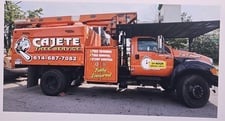 Cajete Tree Service LLC
1 tree was cut down and 5 others including a large willow tree were trimmed. The Grant Tree Service men were professional and cleaned up afterwards. The cost of the 6 trees were affordable. I am very happy with the results. I would hire them again.
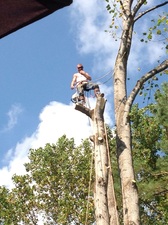 Grants Tree Service
D1 Roofing delivers outstanding service from beginning to end, backed by a strong warranty and expert teams. I highly recommend them for their excellence in meeting and surpassing expectations with unmatched communication. Choosing D1 Roofing was flawless decision
 Division 1 Roofing LLC
Promptly arrived for quoting! Demonstrated superb customer service, affordable pricing, and completed service swiftly! Looking forward to the spring for our service!
 All Star Paving and Sealing
Seth was very professional, prompt in responding to queries about the work required , gave sincere advice as to what would be best for tree trimming and did the job timely.
Ace Fireplace Services' chimney sweep service is truly exceptional. They used advanced technology to ensure a thorough cleaning process, and my chimney has never looked better. I highly recommend their services.
 Ace Fireplace Services
I definitely recommend Ramonaâ s cleaning service! I have booked services with her many times and she arrives on time, ready to work and provides a great service.
 Your Cleaning Solutions LLC
Webb â s was priced well, flexible on scheduling, great with communication, and detailed in their work. Iâ ll definitely use their services again.
 Webbs Pressure and Paint LLC
Great tree company, very professional and honest. Glad we found them, they had the best pricing
From average costs to expert advice, get all the answers you need to get your job done.
Discover what the current average tree removal cost is based on different factors to know how much it will cost to take care of a dead or troublesome tree on your property.
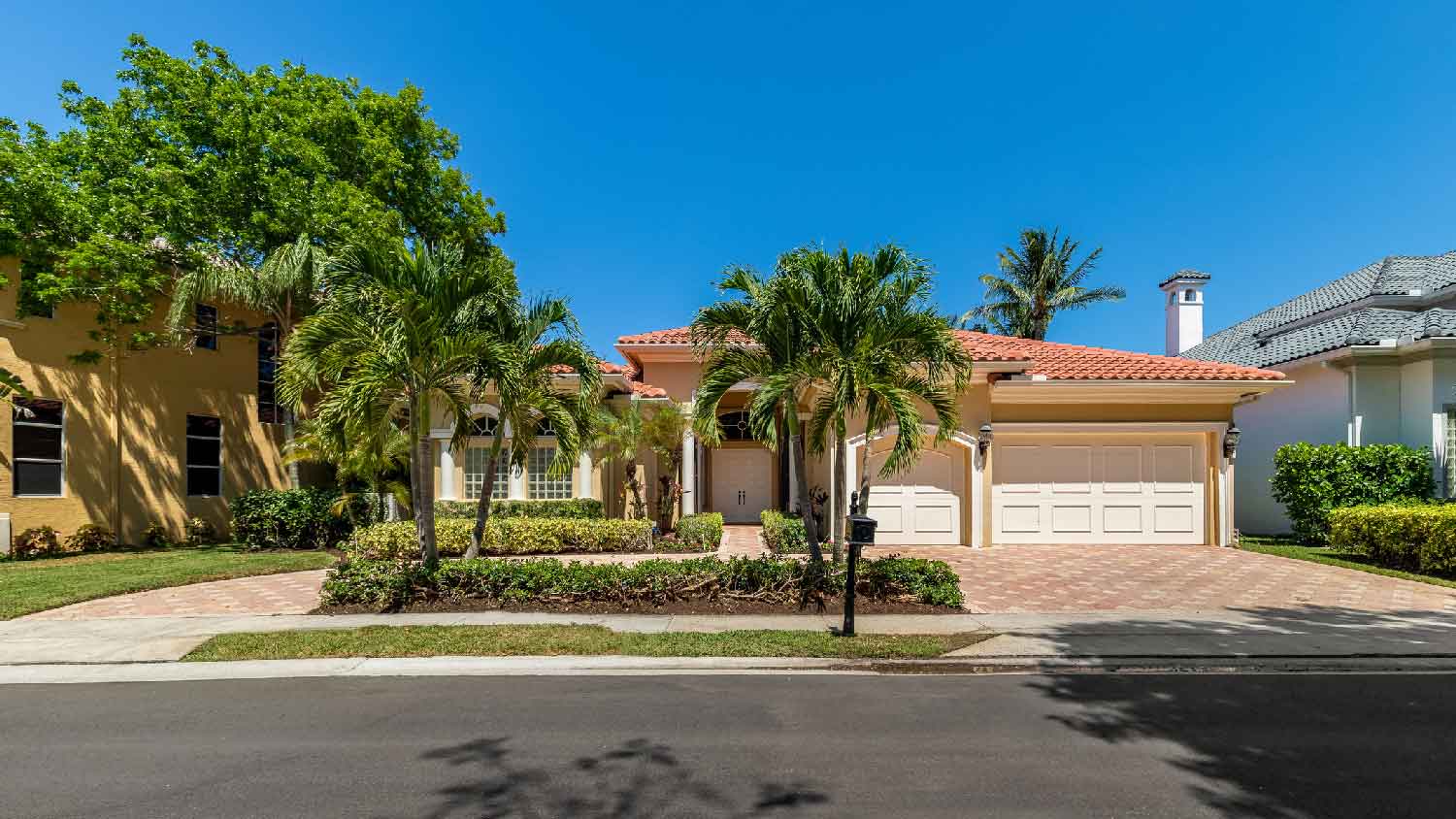
The cost to remove palm trees depends on several factors, including their size, location, and more. Our guide shows the average palm tree removal costs.
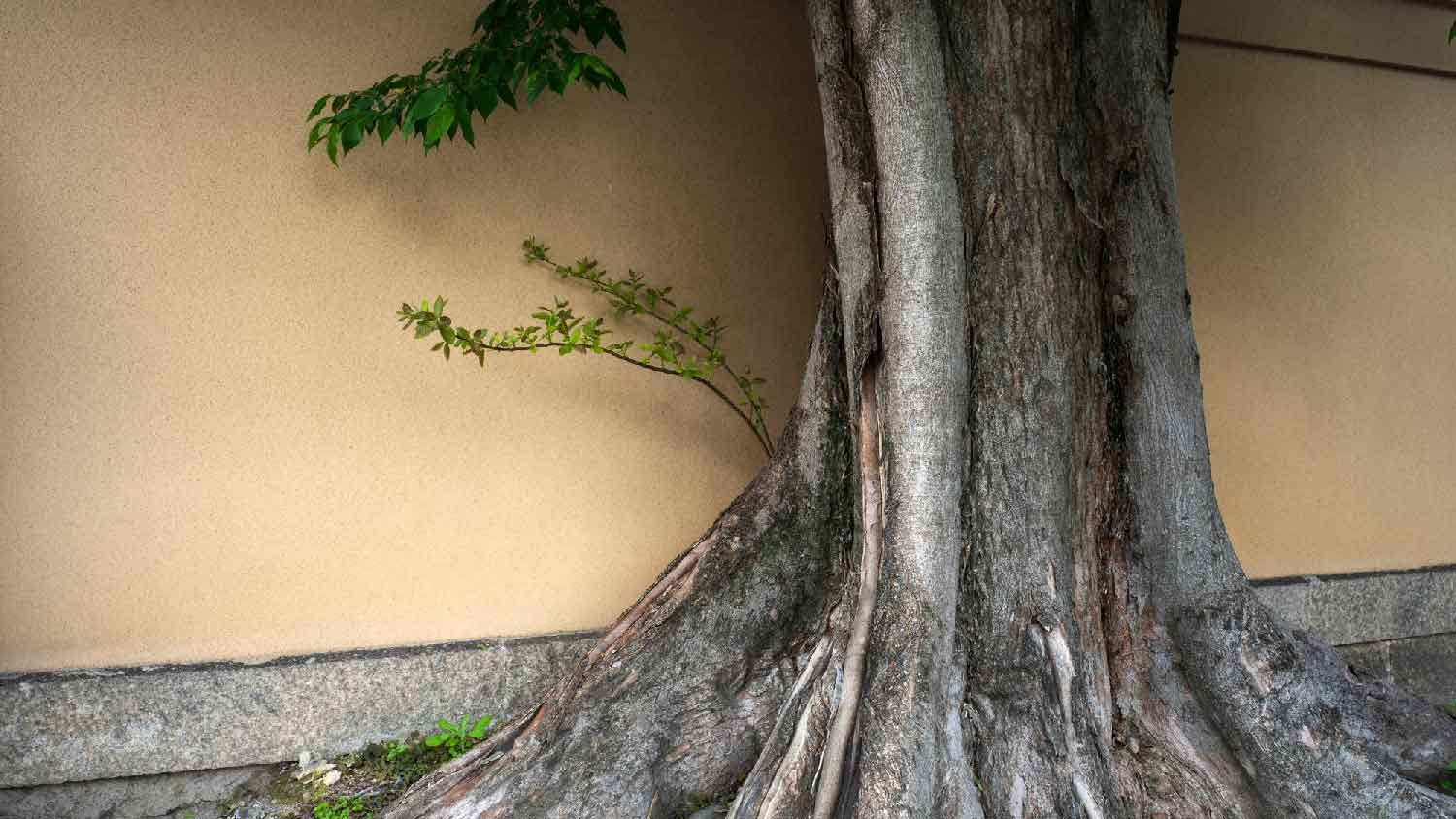
If you have a strange branch growing from the roots of your tree, it might be a sucker. Here’s how to get rid of tree suckers without damaging your tree.
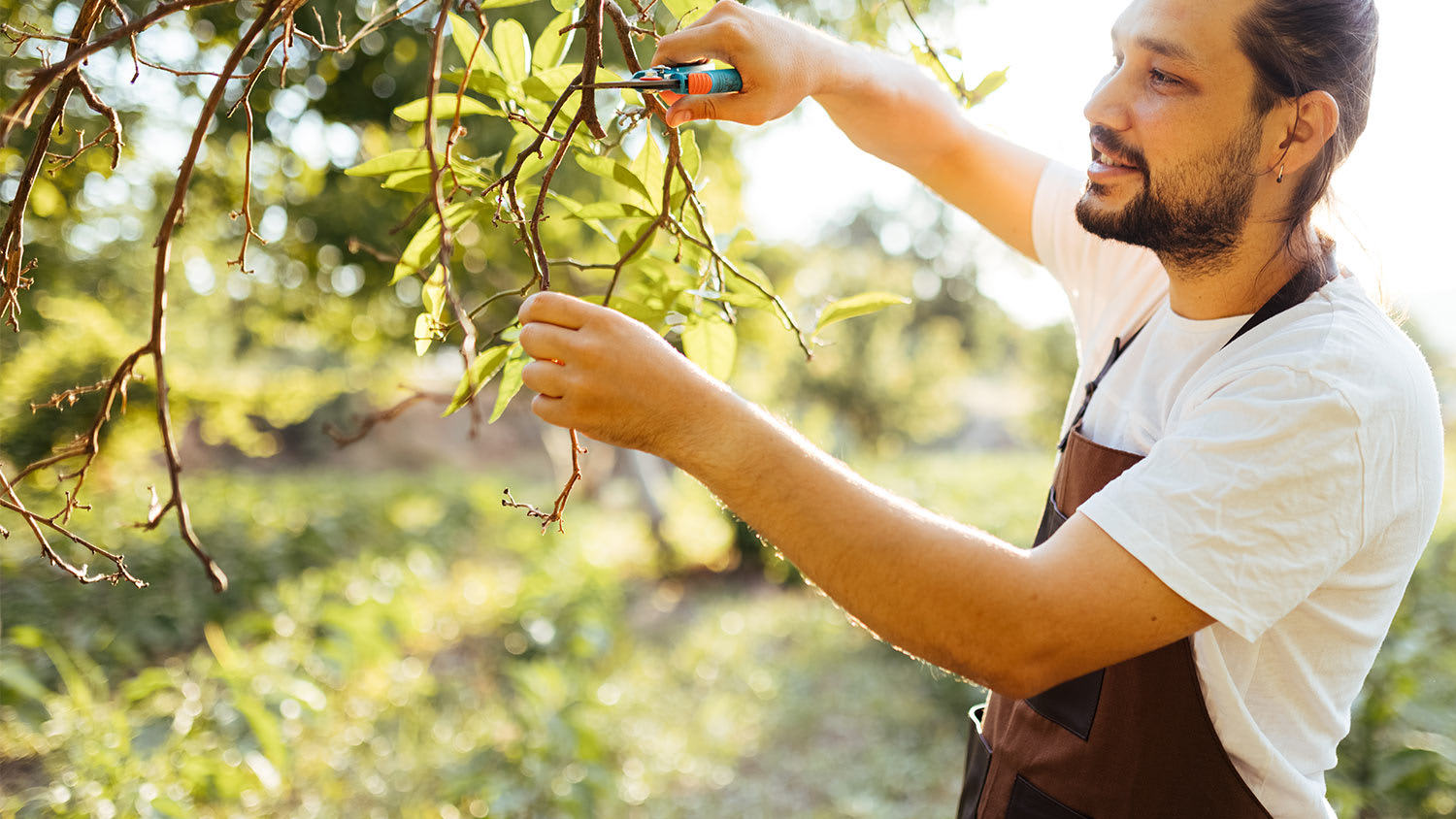
Pruning a tree doesn’t require a ton of tools or time, and a little work goes a long way in keeping your leafy friends happy and healthy.
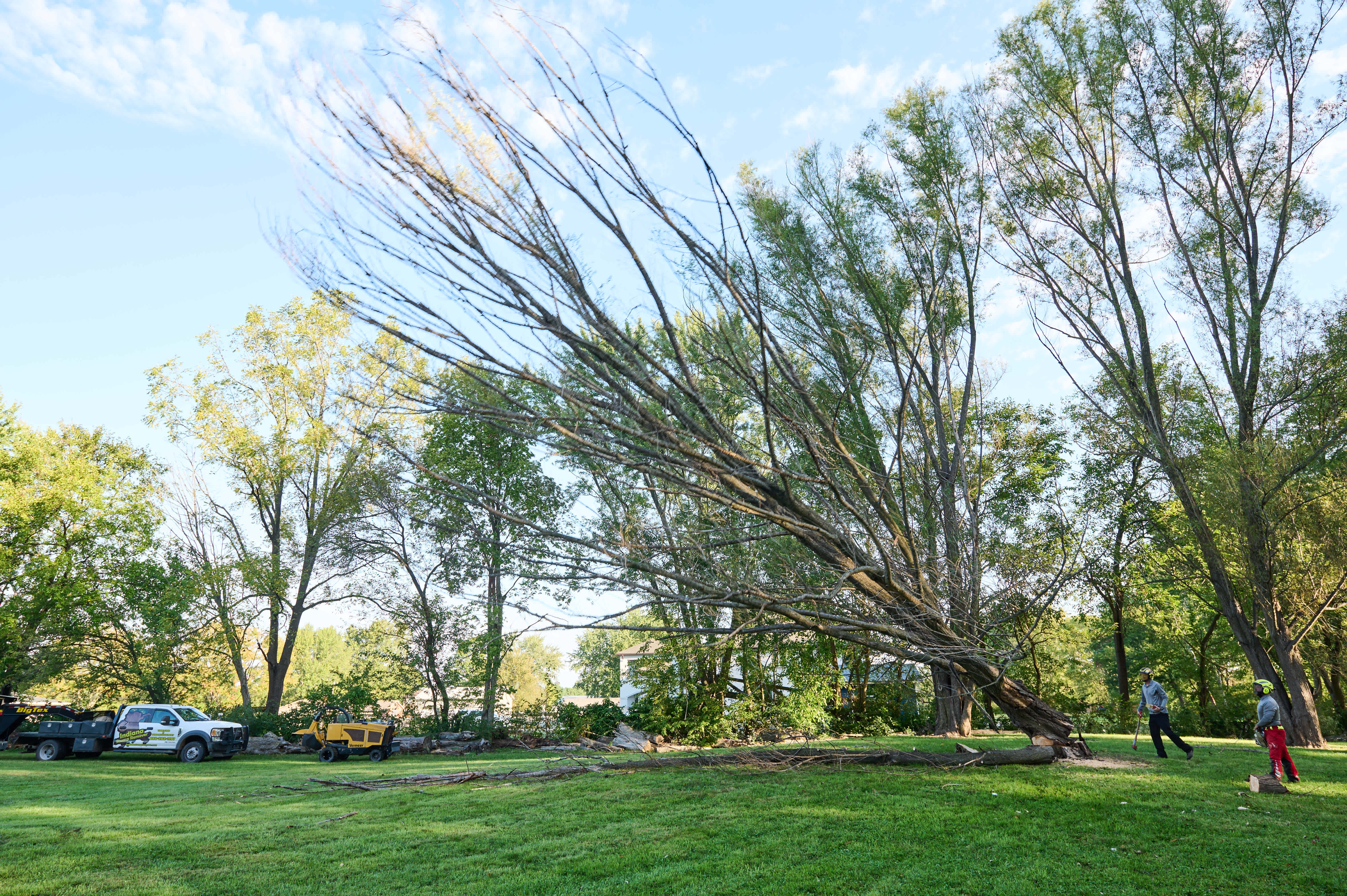
Need a tree removed from your yard? Learn how to negotiate tree removal to get the best rates on having dangerous trees removed from your property.
Ready to learn how to cut down a tree in your yard? Follow this DIY guide to find out how to safely fell a tree with a chainsaw.