
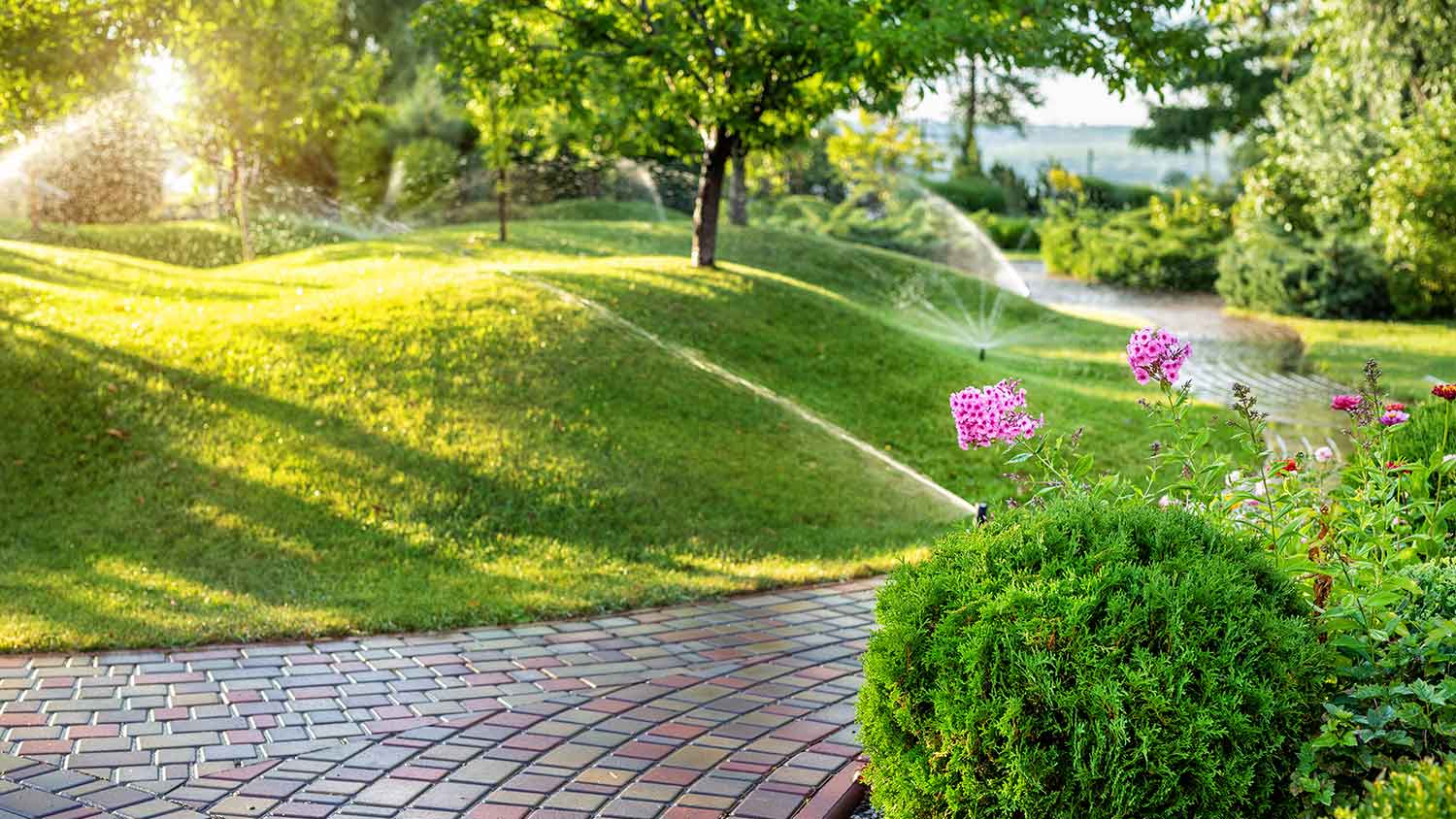
A lawn sprinkler can make light work of watering your yard. Find out how much a sprinkler system installation costs based on lawn size, system type, and other factors.
This is a big job that may be better left to the pros

This project requires a lot of experience, so we don’t recommend DIYing it. Hire a pro with the special skills and tools necessary to complete the job safely.
Maybe you’re envisioning a yard full of native plants (instead of grass) to attract pollinators, or you’re simply tired of taking care of a sprinkler system. When it’s time to remove your lawn sprinklers, there is a lot of hard work ahead of you. While you can learn how to remove a sprinkler system pretty quickly, the reality is this job takes several hours over multiple days to fully dig out all of the sprinkler heads and water lines.
With this guide, you can learn more about the process, but to save yourself some agonizing work, we highly recommend hiring a local sprinkler repair company to remove your lawn sprinklers. Not only does it take a lot of sweat and hours of your time, but one wrong move with your shovel could lead to a costly leak. If you’re still determined to give it a shot, read on to learn how to remove a sprinkler system.
Before you start digging holes all over your lawn, see if you can track down your sprinkler system documentation or a blueprint from the permit holder with your local government’s building planning department. With a map or blueprint in hand, you’ll have a much easier time following along the water lines to remove all parts of the sprinkler system. You may also need to request a permit before performing any sort of construction underground, including digging out and removing the sprinkler lines.
With the blueprints and any necessary permits sorted, you’re almost ready to dig. But before you do, make sure to call 811, the call-before-you-dig hotline. This is essential—you need to call this number and determine where any utility lines are on your property to mark them. This ensures you don’t hit a utility line when you are digging.
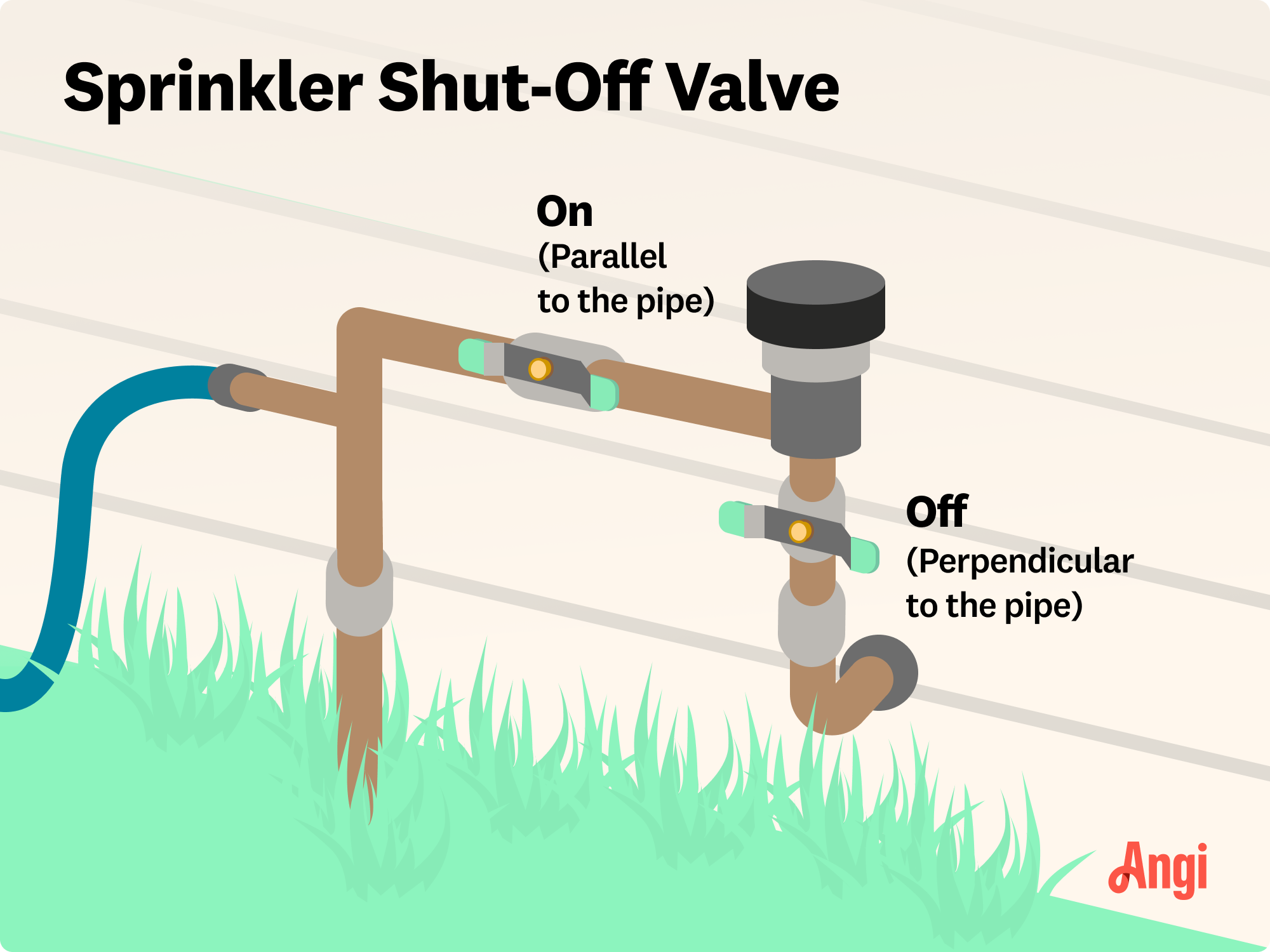
Before you get started, find the irrigation shut-off valve location to stop water from flowing to your sprinkler system. Turn the valve 90 degrees until it stops. At this point, it should be perpendicular to the pipe, which will let you know it’s off.
This valve is usually located inside a valve box, which is buried partially or fully underground and is identifiable by its green lid. Otherwise, you may also find the shut-off valve indoors, like in a utility closet or garage, or around the perimeter of your house. If you can’t track down the location, call in a sprinkler repair pro or a plumber to assist you.
Once the power is turned off, you’ll next want to shut off the controller to the sprinkler system. This is where you program the day and time schedule for the sprinklers. Power off the system and unplug it. Use a screwdriver to remove the sprinkler controller from the wall.
Use a trowel to carefully dig out the soil around each sprinkler head. Clear an area of about 7 inches around the sprinkler head and about six to 7 inches deep, until you uncover the riser that the sprinkler head is attached to.

Twist each sprinkler head counterclockwise to remove it. You can also twist off the risers beneath the sprinkler heads for removal.
If you have a blueprint of your sprinkler system, be sure to follow along with it to determine where the water lines lay. Otherwise, dig carefully from the site of each sprinkler head along the water lines that the sprinkler heads were connected to. These water pipes are usually buried between six and 10 inches below ground, so you’ll need to dig about that far down. Clear about three to four inches of dirt away from each side of the pipe.
Using a pipe cutter, make cuts about every few feet or up to 10 feet. This will make it easier to pull the pipes out of the ground for removal, compared to trying to remove pipes that are dozens of feet long all at once.
With the cuts along the lengths of the sprinkler lines, carefully pull out the pipes. You may want to wear protective, cut-resistant work gloves to protect against the sharp edges of the cut pipes. Pipes may be slippery to handle, so it’s better to take extra care during this step.
The water pipes will lead from the site of each sprinkler head all the way to the control valves that control water flow to the sprinkler heads. These control valves are located in the valve box, which you may have already visited in step one when turning off the sprinkler shut-off valve.
With the pipes disconnected, you can pull the valve box out from underground. Use pipe cutters to cut off the remaining pipe connectors from the valves.

Take a push-fitting or push-to-connect pipe cap to close the exposed pipe. Make sure this connection is tight to prevent any leaks. Even if you’ve learned how to remove a sprinkler system on your own and followed through every step to this point, it’s still wise to call in a professional to inspect that the pipe is securely capped off.
After hours or even days of pipe removal, you’re still not quite ready to kick back and admire your sprinkler-free lawn just yet. Now, you’ll need to refill the holes and trenches with soil and apply new sod or begin planting the native pollinator garden of your dreams. This can take several more hours to complete without professional installation, plus months for everything to grow in properly.
When it comes to removing a sprinkler system, the best option is to hire a professional sprinkler repair company near you. Professional removal will cost about $50 to $110 per hour, but the job will be done safely and quicker than if you try to do it alone.
If you do decide to DIY, this project can come at a high cost, both financially and time-wise. The pipe cap itself is just $5 to $30, but you’ll also spend about $0.35 to $0.85 per square foot of lawn for the cost to lay new sod. If you’re planting new grass seed to restore the yard, plan to spend anywhere from $190 to $1,400 for the cost to seed a lawn yourself.
Cody did a great job!
 Itzelpainting
Wonderful. I am going to have them remove and replace my driveway in the spring.
 All Star Paving and Sealing
Did an amazing job transforming my yard. Also installed sod in places, would recommend to everyone.
 Cardinal Landscaping & Construction LLC
Always been satisfied with the service work and how they have taken care of my pool.
Bill Gerhardt sold the company to his employees at the end of 2019, apparently without a workable succession plan and without notifying prospective customers of this fact. Most aspects of the maintenance contract have not been fulfilled: no installation of anual plantings per contract, no...
They show up and they did take us on as a client which seems to be a problem with other lawn care providers. We have multiple properties and this one was located close to downtown and no one really wants to mess with it.
I was very happy with the service provided by AK Irrigation. They responded quickly to my email, and the woman I spoke with was polite and professional. I was able to get an appointment that same week. <br /> The technician (Tyler) arrived on time. He was very knowledgeable, and worked...
 AK Irrigation
The worker came out when he was supposed to come. He informed me he would honor the Angie's List deal, but would not do any more work for me since my son in law owns lawn care company as well, even though they do not do the same type of work. He said he did not feel comfortable giving me...
 Bello Giardino LLC
E & L Lawn Care was super. They were very responsive before and after service. They were efficient and were able to complete the job within 1 day. I have had concern about one section of sod - the owner was pro-active and did a visit to evaluate. I have no doubt they will stand behind...
 E&L lawn care
From average costs to expert advice, get all the answers you need to get your job done.
A lawn sprinkler can make light work of watering your yard. Find out how much a sprinkler system installation costs based on lawn size, system type, and other factors.
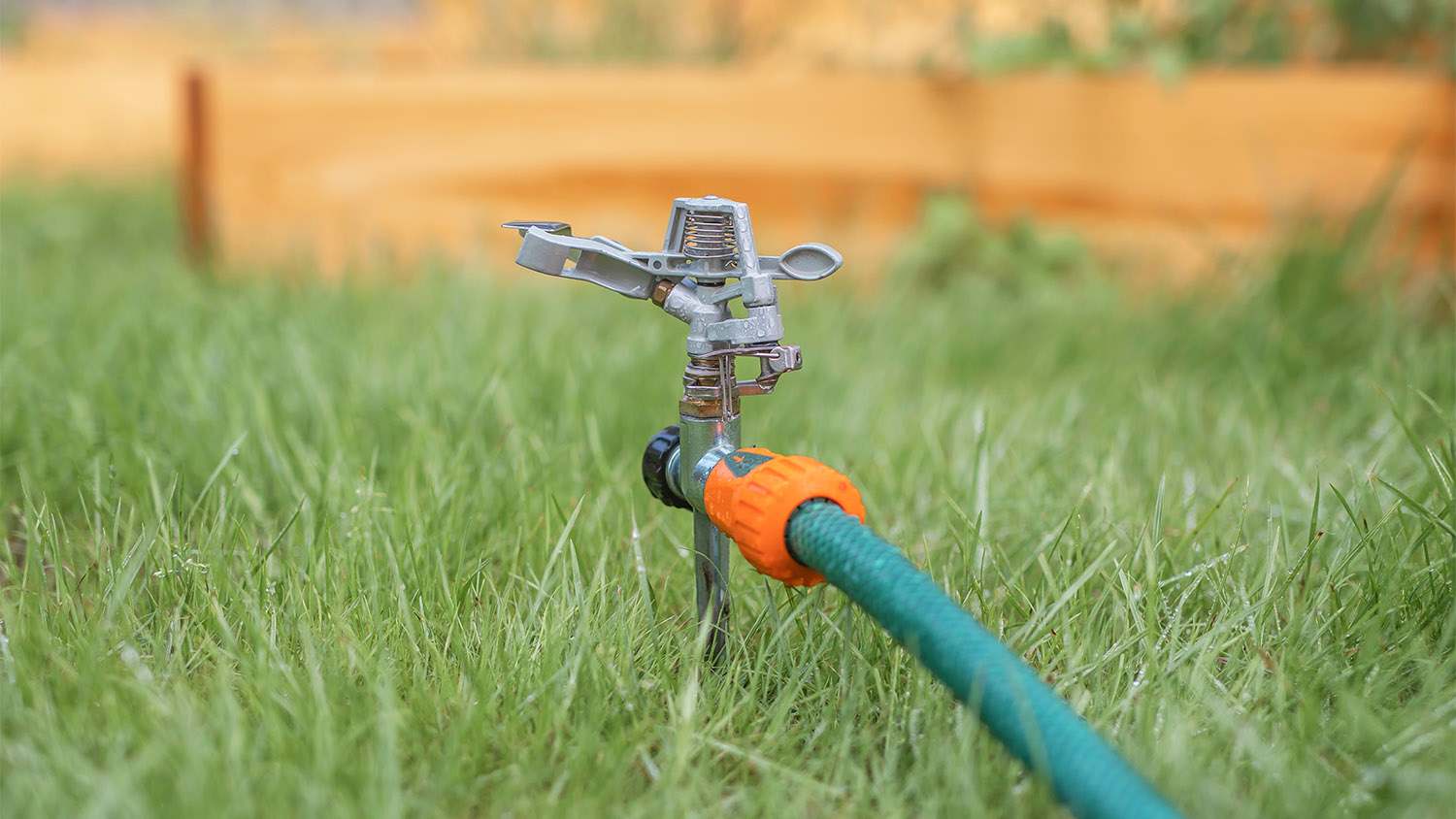
Discover the cost to winterize a sprinkler system, including average prices, key cost factors, and tips to save. Learn what impacts your estimate and how to budget.
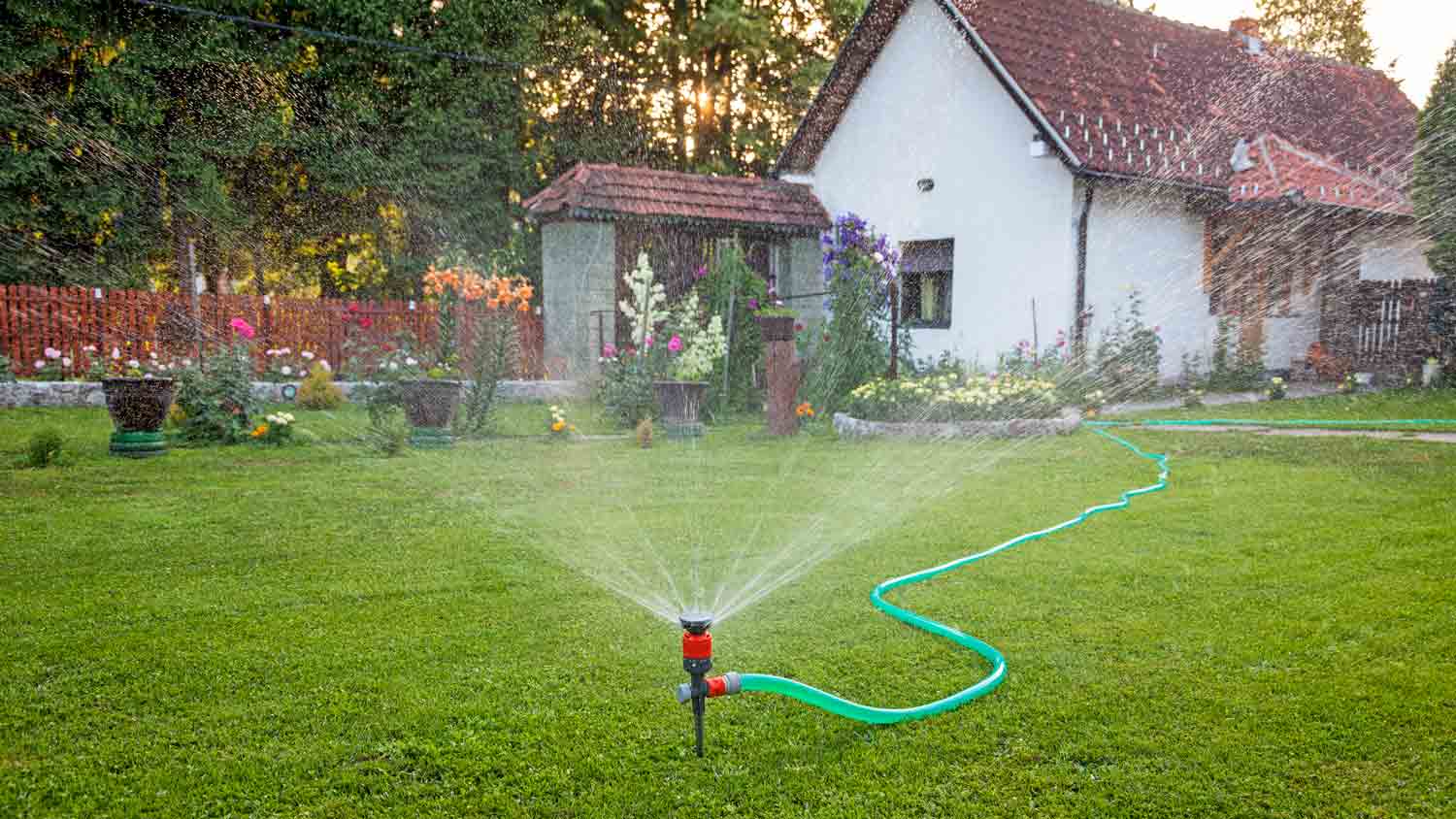
Need to repair a sprinkler or install a new one? Learn the parts of the sprinkler system and how they all work together to water your lawn and garden.
Is your sprinkler system on the fritz? Discover our troubleshooting tips and steps for how to fix a sprinkler system so your lawn can stay lush and healthy.
Lawn irrigation system issues can be frustrating, especially if it’s running up your water bills. Here are seven sprinkler problems to troubleshoot.
If your sprinkler head is popping up but not spraying, you could have a clog. Learn the main causes of this problem and how to fix them.