
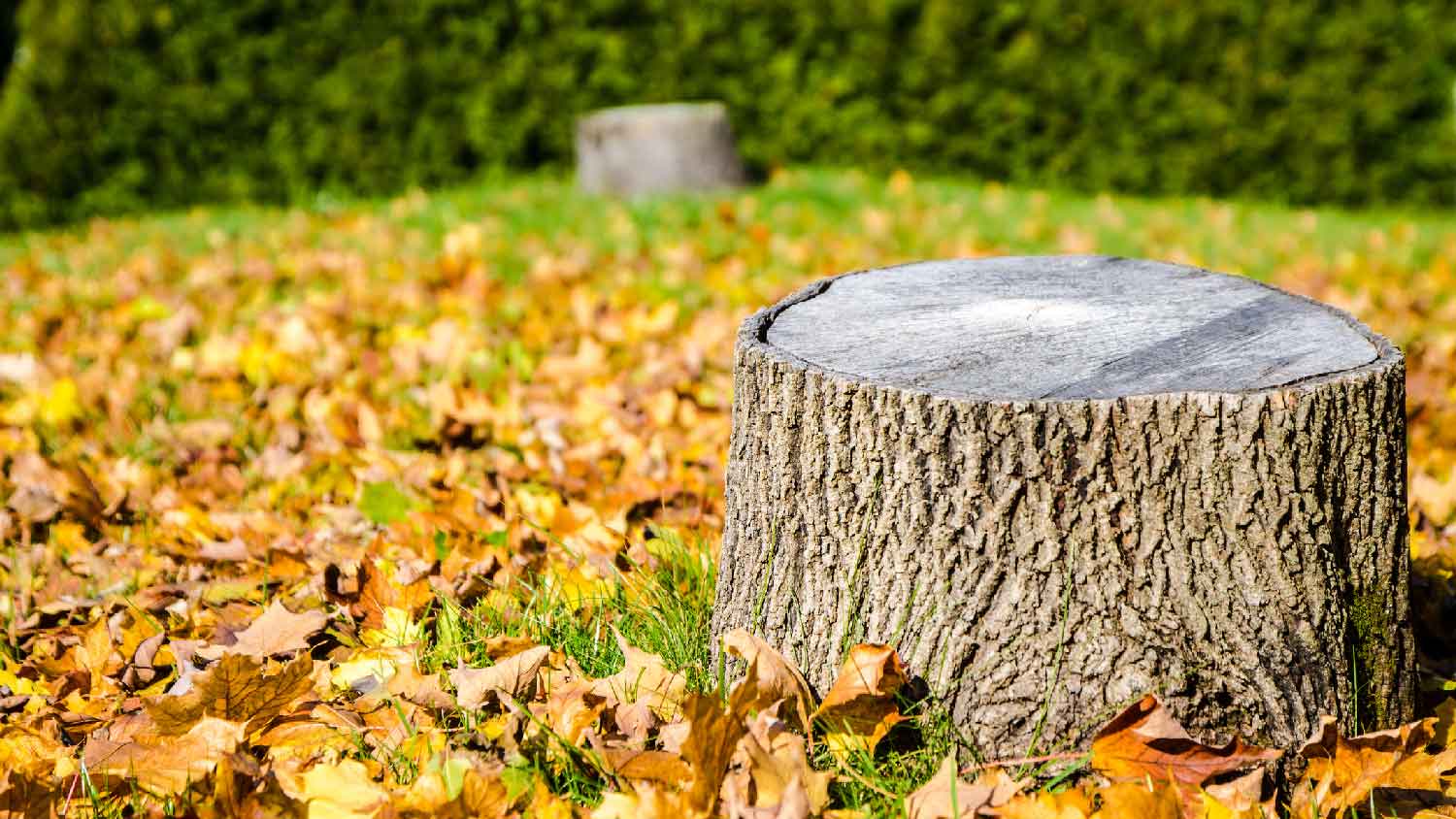
Tree stumps can take a long time to die and become suitable for removal. You can help out by applying Epsom salt and vinegar, a homemade option that works with patience.
A rose by any other name is sweeter with a little boost from Epsom salt

Using Epsom salt to kill snails protects your garden without harsh pesticides, as the mineral creates a barrier that slugs and snails avoid around your plants.
Magnesium deficiency in your soil makes Epsom salt applications more effective, so testing your soil first helps you understand whether your garden needs this mineral boost.
You can mix 1 tablespoon of Epsom salt per gallon of water to spray plants, or sprinkle dry crystals around plant bases for pest control.
Hiring a local soil testing professional provides accurate soil analysis and clear recommendations, helping you determine whether your garden needs magnesium amendments before applying Epsom salt.
You probably already have a package of Epsom salt hidden beneath your bathroom sink and haven’t given it much thought. It’s a relaxing addition to bath time, especially if you’ve got sore muscles—but did you know you can also use it in your garden?
This multi-use mineral can make a world of a difference when used as fertilizer on both indoor and outdoor plants. There are some caveats, though. Here’s what you need to know.
Epsom salt isn’t really a salt because it doesn’t contain any sodium chloride. Though it has a similar shape to the salts you might use on your driveway after a snowstorm, it’s actually just crystalized magnesium sulfate, a naturally occurring compound made from magnesium, sulfur, and oxygen. The name comes from the city where it was discovered—an English horse-racing town called Epsom.
The value of Epsom salt for plants lies in the magnesium content. While there’s not a lot of hard scientific evidence that Epsom salt is a miracle gardening product, it can help you grow healthier plants where a magnesium deficiency is present. Many gardeners find that the mineral helps plants produce stronger seedlings, more vibrant blooms, and vegetables dripping with flavor.
Of course, it depends on the state of your soil—so you should probably get a soil test before diving in. Regardless, magnesium is essential for photosynthesis, and it can help plants absorb valuable nutrients (though you don’t want to give them too much of a good thing).

Epsom salt has many uses in the garden—whether you’re growing traditional garden beds, a container garden, or an army of houseplants. In general, you’re going to want to use a DIY mixture of 1 tablespoon of Epsom salt per gallon of water, though some uses require dry crystals.
If you’re just beginning your garden, Epsom salt can help encourage germination. In this case, it’s less about how much Epsom salt you use for your plants and more about how you use it. There are a few different methods:
Before seeding, put 1 tablespoon of Epsom salt into each seed hole.
Before seeding, blend one cup of Epsom salt into every 100 square feet of soil.
After seeding, water with your DIY mixture (and again every month through the growing season).
There is some evidence that the magnesium in Epsom salt can help improve your plant’s ability to absorb key nutrients by strengthening the cell walls. Though this may not make much of a difference if your plants aren’t already magnesium deficient, try watering them twice a month with your DIY mixture. If you're feeding shrubs like azaleas and rhododendron, sprinkle 1 tablespoon of Epsom salts around the roots every two to four weeks.
All container gardeners know that repotting a plant is always a risk. Roots take time to acclimate, but Epsom salt can help your plant adjust. Apply your DIY mixture to the roots of your newly potted plant to stave off root shock.
Epsom salt is a great addition to your spring or fall flower beds because it can help produce larger, more vibrant blooms—especially if you’re dealing with a magnesium deficiency. In this case, Epsom salt works best if you spray it on the foliage. For each foot of plant height, use 1 tablespoon of Epsom salt mixed with 1 quart of water.
Epsom salt can boost the flavor of all kinds of fruits and vegetables—but it works best with plants that need a lot of magnesium like tomato and pepper plants. For the tastiest peppers and tomatoes, put 1 tablespoon of Epsom salt in the bottom of each hole before planting, then spray the foliage with your mixture every week. For other fruits and veggies, simply water with your DIY mixture.
Want to banish the worst garden pests but avoid harsh pesticides? Try Epsom salt. To get rid of snails and slugs, sprinkle a ring of Epsom salt around the base of your plants. To get rid of other pests, spray the foliage with a mixture of 1 cup Epsom salts per 5 gallons of water.
Roses are another plant that needs a high level of magnesium. You can spray the leaves of an established plant with your DIY mixture as soon as it starts to leaf and again when it flowers. If you’re planting new roses, give them a boost by adding 1 tablespoon of Epsom salt to the bottom of each hole before planting and layering with mulch.
If your soil lacks magnesium, a lush lawn is only a sprinkle of Epsom salt away. Use a garden spreader to apply 3 pounds of Epsom salt for every 1,250 square feet of lawn, then water your lawn to dilute the salts.
It’s also important to wear gloves because you can absorb magnesium sulfate through your skin. Not all Epsom salts are safe for humans—and some even have a laxative effect. Use agricultural-grade Epsom salts (the Epsom salt for plants) outside only. If you want Epsom salt for your bathtub, reach for a brand marked “USP” that’s safe for human use.
Epsom salt does pose a small risk to plants too, even though it’s a lot easier to burn your plants with chemical fertilizers. Always consult a local landscaper or soil testing service near you before making soil amendments. At the very least, Epsom salt won’t make much of a difference if your soil isn’t already magnesium deficient.
Custom Paint Jobs LLC made our home feel like a piece of art. Thank you for your creativity!
 Custom Paint Jobs, LLC
Window Depot did an amazing job on my deck. I wasnt sure what I wanted to do, but their composite decking was affordable and will last a long time. I am excited to have family over, and I am no longer embarrassed by my backyard. Jeff and the ground crew were polite, respectful, and caring for...
 Window Depot USA of Central Ohio
First of all, the gentleman I dealt with (Cam?) was very responsive to my many questions and concerns throughout the project, which is a huge plus to me. From the first time I met him for the estimate all the way til the completion of the job, he and his crew were professional and respectful....
 All Star Paving and Sealing
We had a 20+ year old landscape lighting system that needed replacement. Midwest Lightscapes worked with us to design a much improved lighting system, lighting the exterior of the house and the back yard. Installation of the 45 light system took one and one-half days, and went very smoothly....
 Midwest Lightscapes
Another great success for me on home advisor. This company did an awesome job on my landscaping and stayed within my budget. The best part, the work was complete within 2 days of my initial request. Professional and responsive. I highly recommend!
 Blue Ring Residential Services, LLC
The company no showed on me twice. The 2nd time was no call no show. They were responsive to set up the first appointment to perform the "landscape cleanup". 3 hours after their initial scheduled appointment time they called me to let me know they had some "problem" with the truck and their...
 Ruby Home and Hauling Services
Received ideas for future landscape plans...quote to do the work seemed a bit high but I did not have any other quotes to compare it to, so perhaps that is the going rates. <br />
 Landscapes By Terra, Inc
All around they have done a really great job. <br /> I have used JL Landscapes for the past 8 years. I own and operate my own commercial/residential real estate company where we own, operate, and maintain our own properties. JL Landscapes has been our exclusive landscaper for both our...
 J.L. Landscapes
Bought a half a cord of firewood from Pitzer with stacking last month. I waited to report so I could see how the wood burned. <br /> <br /> I have three pet peeves regarding landscapers, but Pitzer scored "A"s regarding all three. First, rather than having customers "leave a message" and...
 Pitzer Landscaping
I left a message on Sunday requesting to schedule a time to obtain an estimate/walk-through and received a return call in the morning of the following Monday. Mark worked with me and agreed to schedule the estimate/walk-through for the following Saturday. When Mark arrived for the...
From average costs to expert advice, get all the answers you need to get your job done.
Tree stumps can take a long time to die and become suitable for removal. You can help out by applying Epsom salt and vinegar, a homemade option that works with patience.
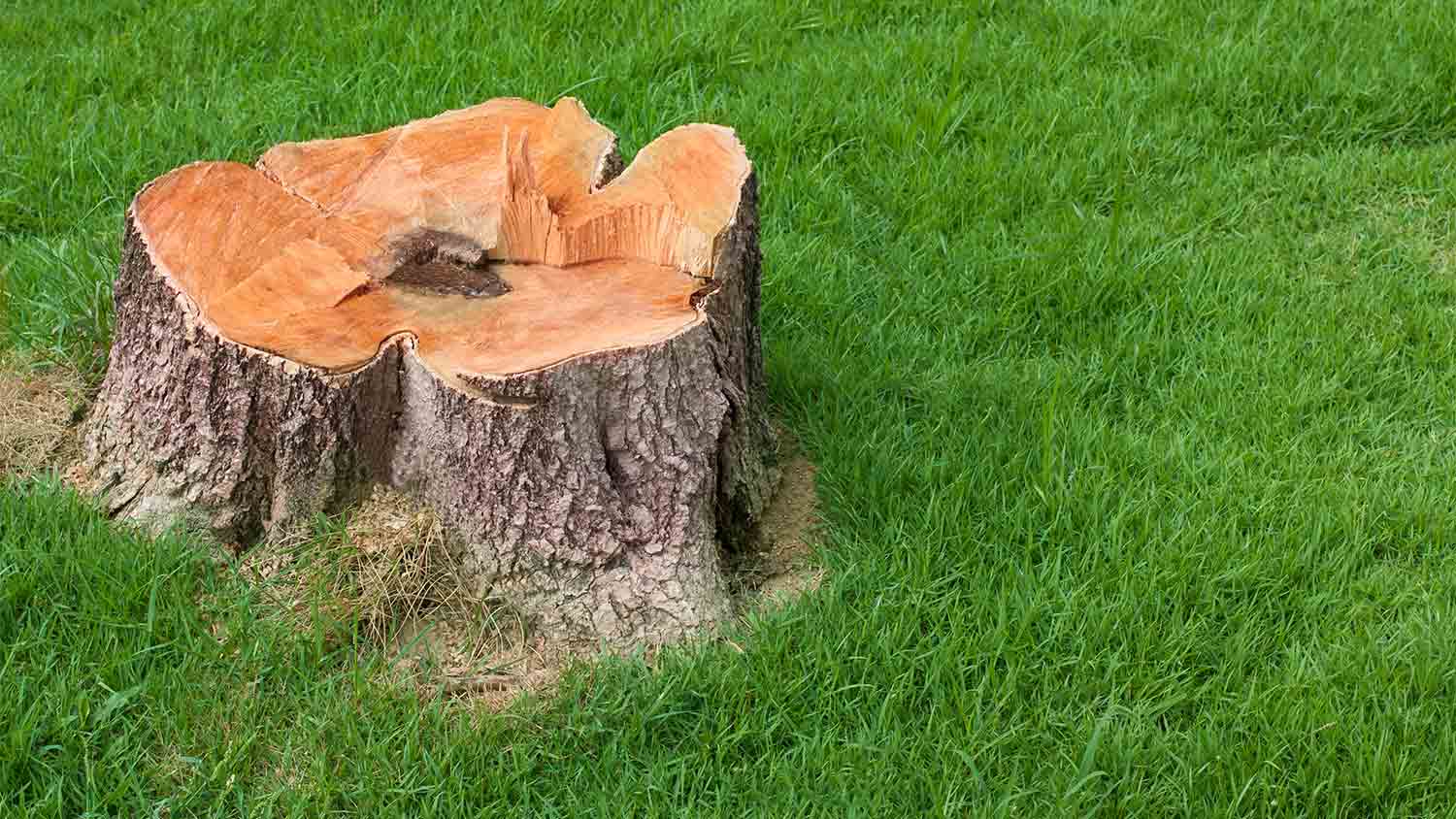
Learn how to stop a tree stump from sprouting new limbs by using a few different methods. Choose from stump grinding, Epsom salt, and more.
Toilet bowl stains, unpleasant smells, and excessive water usage have met their match. Clean your toilet or fix a leak with common household items you’re probably going to throw away anyway. Here are 12 simple toilet hacks you’re going to want to remember

If your tree is still giving you grief after you remove it, knowing how to stop tree roots from growing back can ease your mind and keep your home safe.
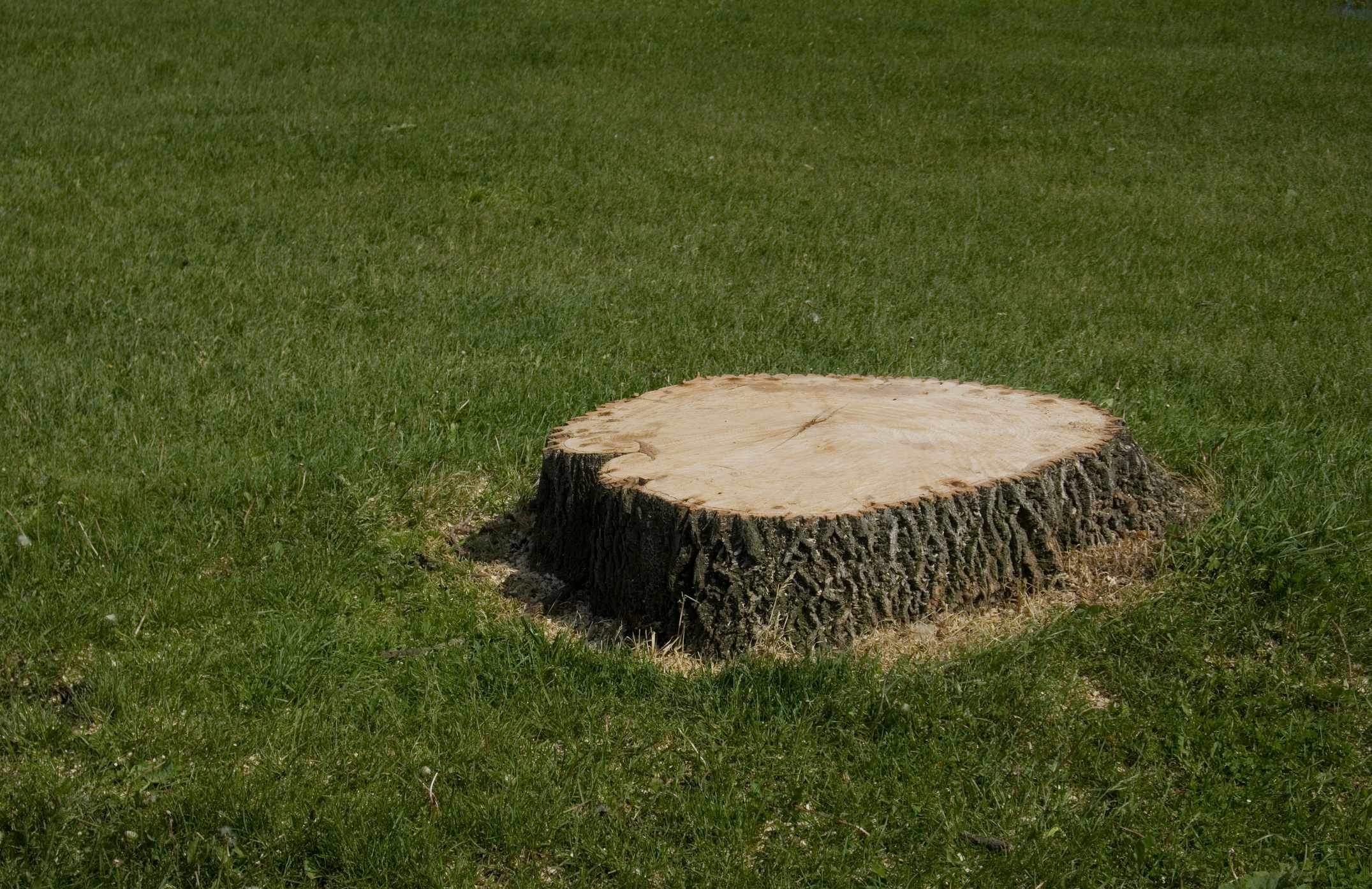
What’s the best tree stump killer? Learn how to kill a tree stump using these seven effective methods.
Are tree roots uprooting your landscaping plans? Here are five ways to kill tree roots without damaging the rest of your lawn.