
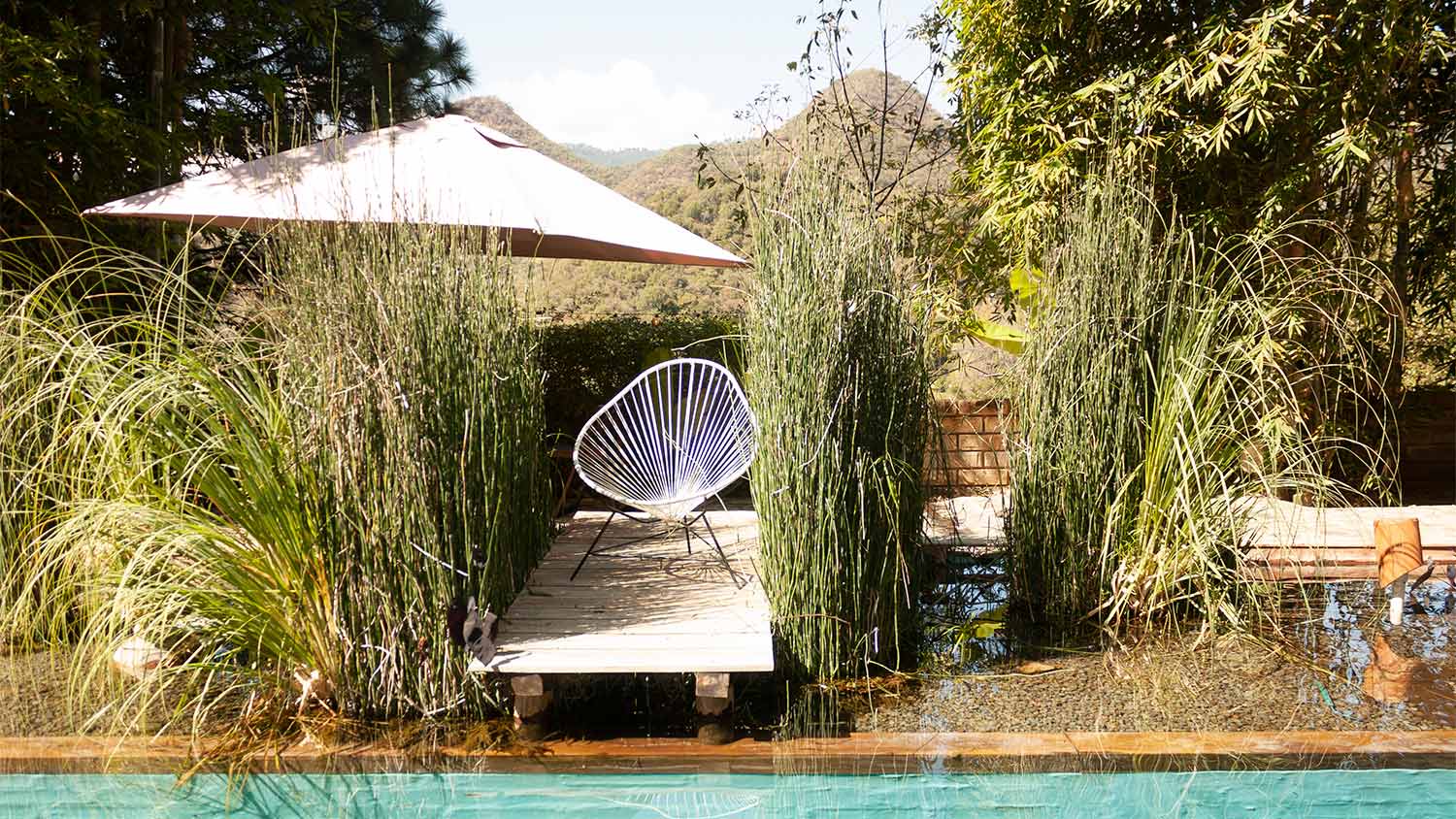
We break down the cost to remove bamboo, which is slightly higher than other forms of tree removal. It's a difficult DIY task because of bamboo's hardy underground roots.
Without boundaries, bamboo will walk all over your yard

Bamboo plants in backyards spread through underground rhizomes, with running types spreading more aggressively than clumping types, which grow in contained clumps.
Expect to pay $250 to $500 for a bamboo hedge and $450 to $1,300 for removal, so choosing the right type helps you avoid higher costs later.
Your bamboo needs at least 1 inch of water weekly, deep watering to strengthen roots, and regular pruning to remove wandering rhizomes and dead canes.
Hiring a local gardening professional provides reliable guidance on choosing clumping versus running types and installing root barriers to prevent uncontrolled spread.
Bamboo is a gorgeous option for privacy hedges or a tranquility garden—but how do you plant it? While the idea of growing bamboo causes some homeowners to pause since it’s known to be invasive, you just have to know a few tricks.
This guide will show you how to plant bamboo so it doesn’t take over the neighbor’s yard and care tips that’ll help you keep it thriving.

Bamboo is technically a type of large grass that’s native to tropical, subtropical, and temperate climates. It pretty much grows everywhere on the globe except cold climates like Europe. You’ll even find it naturally in the southern United States, though 62% of the whopping 1,439 species are native to Asia.
The reason bamboo is often classified as invasive is because it spreads easily through underground stems called rhizomes, and it can quickly grow to enormous heights. According to Science Focus, the Chinese moso bamboo can grow about 3 feet per day. It’s also so great at growing because it focuses on height and doesn’t put out leaves until it’s fully grown. That’s also what makes it a great privacy hedge. It will grow to the right height quickly, but you’ll need growth mitigation strategies to stop the spread.
Homeowners often plant bamboo for privacy, and it can be more affordable than the cost of a privacy fence. The hedge itself is usually between $250 to $500 for a 15-foot to 25-foot plant. It’ll be more for larger plants and less for smaller plants.
Despite that, you’ll have to also factor in the cost of maintenance because of bamboo’s vigorous growth. The cost of bamboo removal is typically between $450 to $1,300 (about $100 to $200 per plant).
The best time to plant bamboo depends on the species and the climate. Generally, spring is ideal because your plant will have the whole growing season to establish its roots before it becomes dormant in autumn. In mild climates, timing makes less of a difference.
As a rule, plant cold-hardy varieties three months before the first frost and use a thick mulch to insulate the roots. Bamboo doesn’t reach its full cold-hardy potential until the roots are fully established. If you live in a colder climate, planting later in the summer or early fall could inhibit growth.
Planting bamboo is actually a simple six-step process. Since it grows easily, you just need to choose the right spot and pop it in the ground.

Bamboo comes in clumping or running types. The names are exactly what they sound like. Clumping types grow in clumps, and have shorter rhizomes. Running types spread horizontally and have longer rhizomes. For this reason, running types are often classified as invasive.
For most backyard design ideas, including privacy hedges, you’ll want to choose a clumping type to avoid uncontrolled spread. You can plant a running type in a container without worry, but if it’s planted in the ground, you’ll need to add a root barrier and regularly prune.
Keep in mind that some running types of bamboo may be banned in certain areas, so check with your city before you plant.
Bamboo generally needs at least four hours of filtered sun per day to thrive. Some species prefer full sun, while others do well in the shade. As a general rule, the best location is a sunny spot with fertile, neutral to slightly acidic, well-draining soil.
If that’s not your yard, don’t worry. Conditions don’t need to be perfect. They just have to be good enough. Bamboo can survive pretty much anywhere that’s not too cold.

Once you choose where you want to plant your bamboo, dig a hole that’s twice as wide as the root ball. Make sure you space out plants so they have room to grow. Leave a few feet between plants.
Place your bamboo in the hole and spread out the roots. Refill the hole with soil and gently tamp it down. Water your bamboo right after planting to help eliminate air pockets. This method should help the plant quickly establish itself.

For front yard landscaping, you’ll probably want to grow bamboo in containers. Otherwise, if you plant running bamboo in the ground, you’ll need to control the spread using a bamboo barrier. You can purchase one of these online.
The barrier should:
Span 2–3 inches underground
Span 2–3 inches above-ground
Go completely around the bamboo
Regularly check the barrier and prune anything growing over the top. This should be done at least once a year.
Consider adding a layer of mulch to your bamboo roots that is 2 to 4 inches deep. This helps the roots retain moisture, adds some nutrients, and prevents weed growth.

Once you plant your bamboo, it’ll take about two weeks for the plant to establish itself. During this phase, proper care is extremely important. Established bamboo can weather a little neglect, but only if it already has strong roots.
Bamboo typically needs at least 1 inch of water per week. During some seasons, you might get enough rainfall to largely avoid manual watering. The trick to a well-established plant is to water it deeply to encourage strong root growth and protect the plant from drought. Use a lot of water, but let the soil dry in between watering.
For the first two weeks, try to shade your newly planted bamboo. This gives it a chance to retain extra moisture and grow stronger roots. You can use patio umbrellas or portable screens.
Avoid raking away fallen leaves from the base of your bamboo. These leaves protect the roots, retain moisture, and re-fertilize the soil.
Bamboo responds well to regular feedings with liquid grass fertilizer. Fertilize it at least three times during the growing season, which is typically from spring to autumn. Alternatively, you can add a layer of compost in the spring.
Once your bamboo is established, you’ll need to prune it. Regularly inspect the roots by digging down to the base of the plant. If there are any wandering rhizomes, remove them. You should also regularly remove branches that are dead or too heavy. You can cut back dead or dying canes in the spring at the start of the growing season.
Bamboo isn’t quite as hardy in containers, so you’ll need to treat your potted bamboo with a little extra care. Make sure you water it when the top of the soil appears dry. Give it a good soak until the water runs out the drainage holes. You may need to water your potted bamboo daily in high temperatures.
For some people, gardening is a passion—even if it takes a lot of work. Growing bamboo will require ongoing maintenance like pruning, watering, and fertilizing. If you don’t have the time, hire a local gardener.
This is also a good idea if you’re not knowledgeable about bamboo. You wouldn’t be the first homeowner to accidentally buy a running type and wake up one day with it taking over the yard.
For homeowners who want to grow bamboo for privacy, a local landscaper can help you plan the perfect privacy hedge. It’s a little trickier than growing a bamboo plant in a pot, but you’ll get a unique backyard design that you can’t obtain any other way.
Bamboo is easy to grow because it is tolerant of many different conditions. It will grow in almost any type of soil as long as it’s well-draining and fertile. It can survive in less than ideal lighting conditions and can even withstand drought to an extent.
Most bamboo plants require at least four hours of filtered sunlight to grow. Some species prefer shadier environments while others thrive in full sun.
Newly planted bamboo will establish roots within two weeks and grow to its maximum height in six to nine months. Some varieties reach their full height sooner. Others a little later. Either way, most plants take a few years to fully mature.
You can propagate bamboo with a cutting of the culms (the woody, ringed stalk) or rhizome. If you do cut the stalk, make sure your cutting contains three to four nodes. You can root it in water as long as one node is completely submerged.
This service was great. My air conditioner went out during the heat spell that we had. My husband has health issues and they came out that night and at 9:30pm the air conditioner was fixed and running. We are sooo very thankful, this is the company I will be using from now on and would...
 Mr. Mechanical Ohio
One of my old tall evergreen trees was suddenly leaning toward the busy street in front of my house. I submitted a request for an emergency tree inspection, and Alejandro, owner of Cajete Tree Service, contacted me immediately and arrived to look at it just 20 minutes later. We agreed the...
 Cajete Tree Service LLC
1 tree was cut down and 5 others including a large willow tree were trimmed. The Grant Tree Service men were professional and cleaned up afterwards. The cost of the 6 trees were affordable. I am very happy with the results. I would hire them again.
 Grants Tree Service
D1 Roofing delivers outstanding service from beginning to end, backed by a strong warranty and expert teams. I highly recommend them for their excellence in meeting and surpassing expectations with unmatched communication. Choosing D1 Roofing was flawless decision
 Division 1 Roofing LLC
Promptly arrived for quoting! Demonstrated superb customer service, affordable pricing, and completed service swiftly! Looking forward to the spring for our service!
 All Star Paving and Sealing
Seth was very professional, prompt in responding to queries about the work required , gave sincere advice as to what would be best for tree trimming and did the job timely.
Ace Fireplace Services' chimney sweep service is truly exceptional. They used advanced technology to ensure a thorough cleaning process, and my chimney has never looked better. I highly recommend their services.
 Ace Fireplace Services
I definitely recommend Ramonaâ s cleaning service! I have booked services with her many times and she arrives on time, ready to work and provides a great service.
 Your Cleaning Solutions LLC
Webb â s was priced well, flexible on scheduling, great with communication, and detailed in their work. Iâ ll definitely use their services again.
 Webbs Pressure and Paint LLC
Great tree company, very professional and honest. Glad we found them, they had the best pricing
From average costs to expert advice, get all the answers you need to get your job done.
We break down the cost to remove bamboo, which is slightly higher than other forms of tree removal. It's a difficult DIY task because of bamboo's hardy underground roots.

Sustainable, durable, and affordable—these are a few of the benefits of bamboo floors. Here’s a breakdown of bamboo flooring costs to consider.

Discover the cost of bamboo decking. Learn about installation prices, key cost factors, and ways to save on your bamboo deck project.
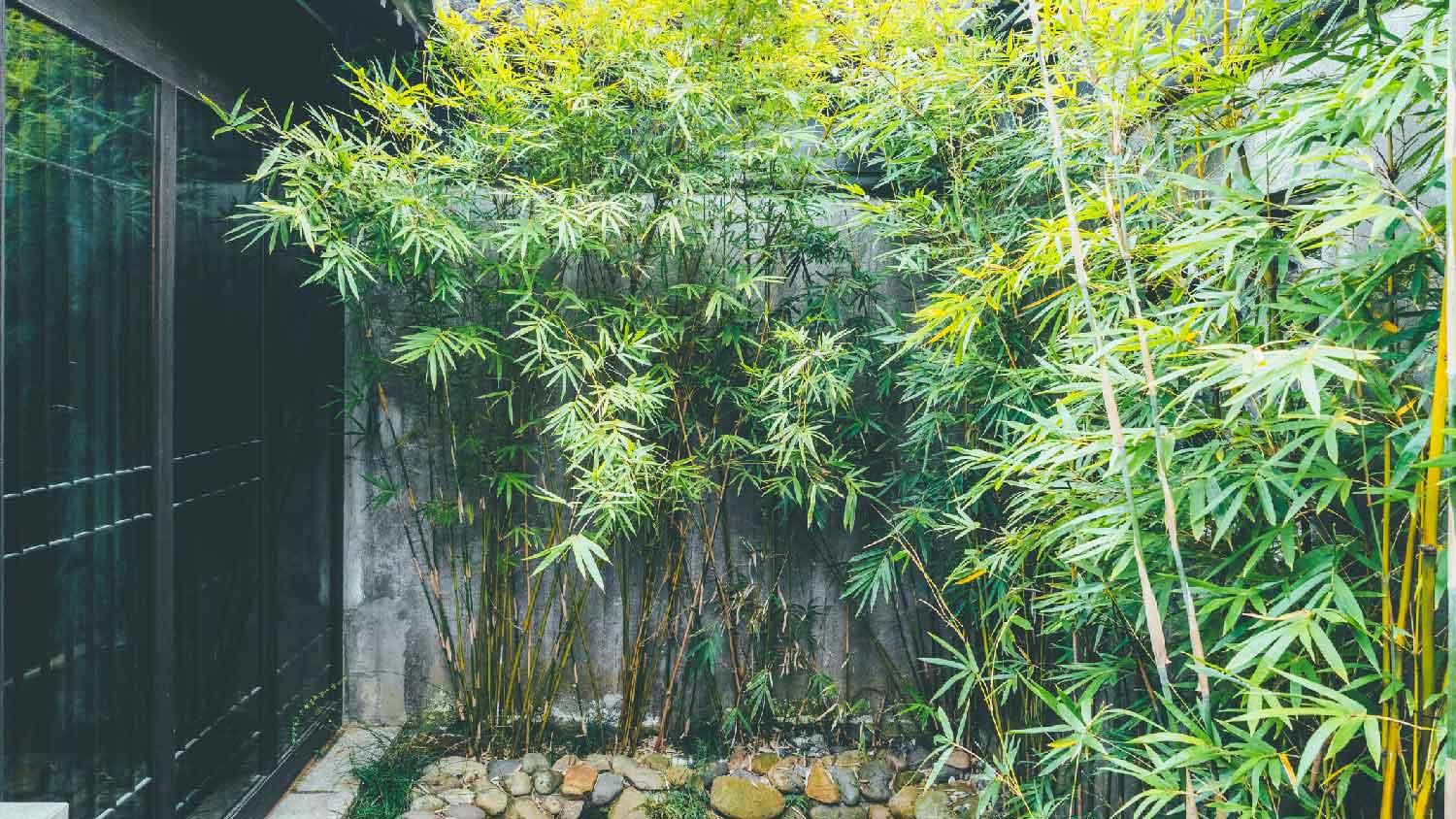
Bamboo has a habit of spreading through root growth. Here’s how to stop bamboo roots in its tracks with the most effective methods, and tips on what doesn’t work.

Learn how to build a bamboo fence in seven easy steps to add character and privacy to your yard.
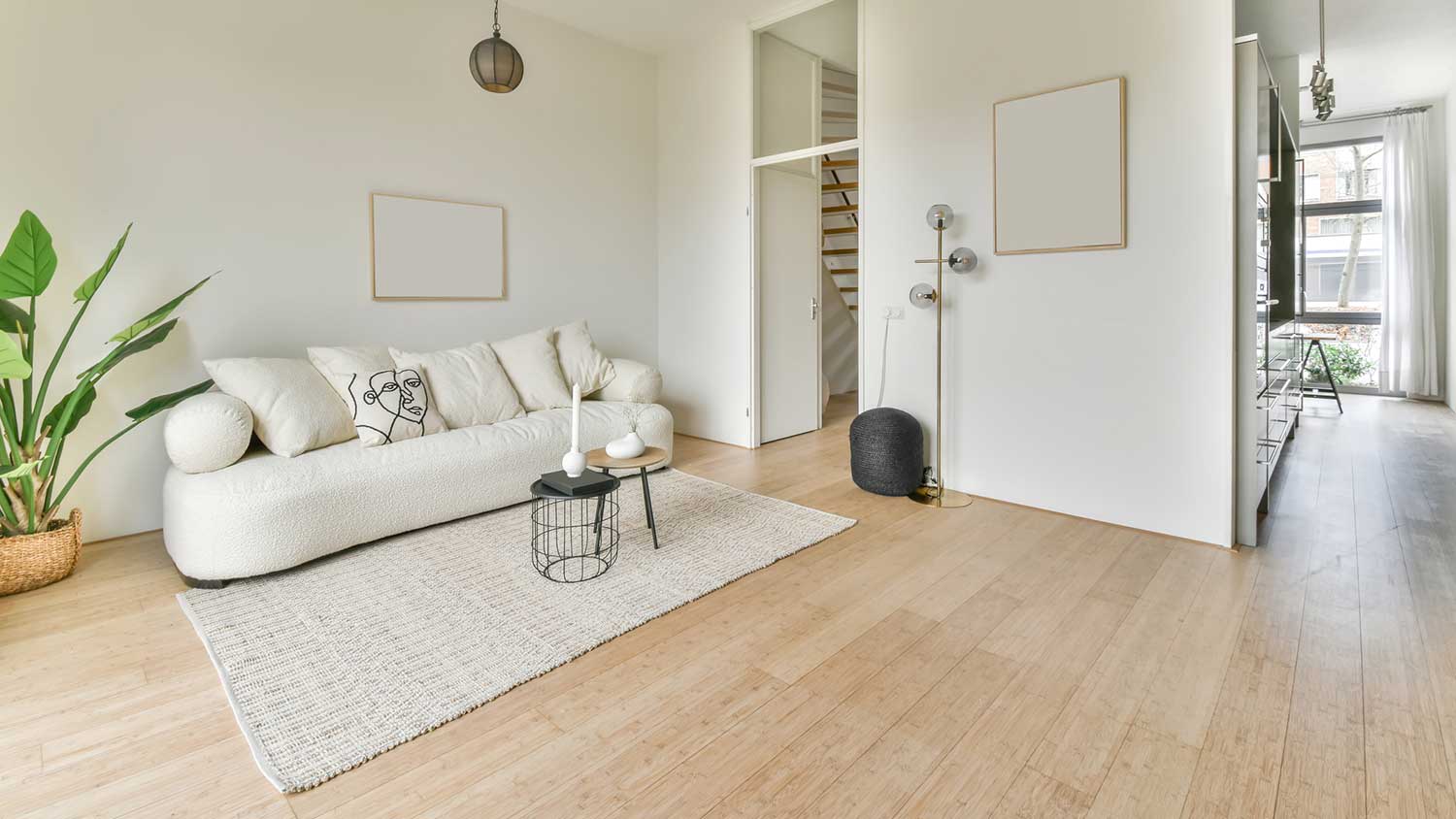
Bamboo flooring is aesthetically pleasing and easy to maintain. This guide explains how to install bamboo flooring to modernize your home while flexing your DIY muscles.