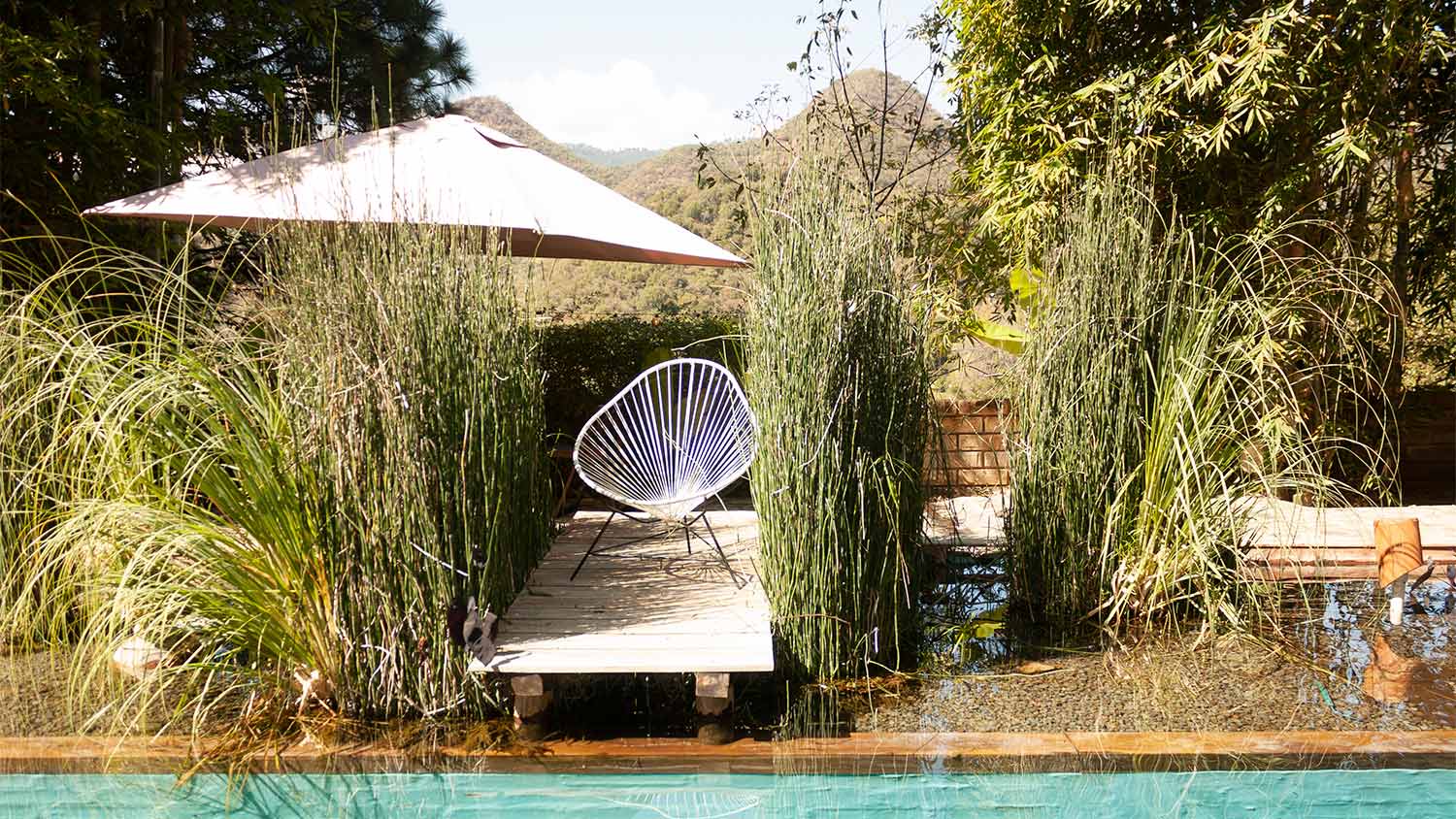
We break down the cost to remove bamboo, which is slightly higher than other forms of tree removal. It's a difficult DIY task because of bamboo's hardy underground roots.
Deck and porch service costs depend on your project and location. Check with a local pro for your specific job.


Bamboo decking costs $9,000 to $20,000 for your professional installation, including both materials and labor.
The bamboo type you select impacts your project total, with solid bamboo being more affordable and composite bamboo offering better durability.
You should also account for the cost of permits, site preparation, delivery fees, and post-construction cleanup when creating your budget.
Hiring a local deck building professional ensures your backyard project is done well and boosts the overall home value.
This article was created using automation technology and thoroughly fact-checked and edited by an Angi Editor in accordance with our AI policy.
In 2026, the national average cost of bamboo decking is $12,800. Most homeowners spend between $9,000 and $20,000 per square foot for materials and labor, with the final price driven by bamboo type, deck size, and local labor rates.
Deck size is the single largest cost driver for a bamboo decking project, with installation running $18 to $40 per square foot for materials and labor combined. Most residential decks fall into three size categories: small (100 to 200 square feet), medium (200 to 400 square feet), and large (over 400 square feet). Multi-level or custom-shaped decks require additional support structures and more precise cutting, which increases both material use and labor hours.
Here is how bamboo deck costs break down by deck size:
| Deck Size (Sq.Ft.) | Average Cost Range in 2026 | Average Cost in 2026 |
|---|---|---|
| 100–200 | $1,800–$8,000 | $4,900 |
| 200–400 | $3,600–$16,000 | $9,800 |
| 500+ | $9,000–$20,000+ | $14,500+ |
Multi-level or uniquely shaped decks can require more support structures and cutting, which increases both material use and labor hours. When planning your project, measure your space carefully and consult with a pro to get the most accurate estimate.
The type of bamboo you choose is a key cost variable, with prices ranging from $18 to $26 per square foot for solid bamboo up to $28 to $40 per square foot for composite bamboo. Solid bamboo suits mild climates and tighter budgets, while strand woven bamboo runs $22 to $38 per square foot and offers significantly greater strength and weather resistance.
Composite bamboo blends bamboo fibers with resins or recycled plastics for the best durability and lowest maintenance, but at the highest upfront cost. Bamboo decking costs vary by type, as the table below shows:
| Bamboo Decking Type | Description | Average Cost per Sq. Ft. in 2026 | Pros | Cons |
|---|---|---|---|---|
| Solid bamboo | Made from compressed bamboo | $18–$26 | Affordable, natural look, easy to cut | Less durable, more prone to weather |
| Strand woven bamboo | Bamboo fibers woven, compressed | $22–$38 | Extremely strong, weather-resistant | Higher cost, limited color options |
| Composite bamboo | Bamboo with plastic/resin | $28–$40 | Highly durable, low maintenance, color stable | Most expensive, less natural feel |
Solid bamboo is a budget-friendly choice for mild climates, but strand woven bamboo is much stronger, making it ideal for areas with harsh weather. Composite bamboo blends bamboo with resins or recycled plastics, offering the best durability and lowest maintenance, but at a higher upfront cost.
Bamboo decking finishes, including oil, stain, UV protection, and anti-slip coatings, protect your deck from the elements while directly affecting both upfront and long-term costs. Oil and stain finishes are the more affordable entry point but typically require reapplication every one to two years. UV protection and anti-slip coatings carry a higher initial price but reduce ongoing maintenance needs and extend the deck's lifespan, making them a sound investment over time.
Standard bamboo decking boards come in widths of four to six inches and thicknesses of one to one and a half inches, with grooved profiles for hidden fasteners and square-edge profiles for visible screws. Wider boards can shorten installation time but may raise material costs, while grooved profiles often cost slightly more and require specialized fasteners. Sticking with standard sizes and profiles is the most practical way to minimize waste and keep the overall project affordable.
Where you live has a meaningful impact on your bamboo decking budget, since material prices, shipping fees, and labor rates all vary by region. Homeowners in urban areas typically pay higher labor rates, while those in rural areas may face steeper shipping costs due to limited local availability of bamboo materials.
Where your deck sits on your property is another cost factor, with ground-level installations being the most affordable option. Elevated or rooftop decks require additional structural supports, safety measures, and sometimes cranes or lifts, all of which drive up both labor and material costs. Difficult site access, such as narrow side yards or steep slopes, adds further expense through increased setup and transportation time.
Several variables beyond deck size and material type shape the final cost of a bamboo decking installation, and understanding them helps you build a more accurate budget.
Labor for bamboo decking installation runs $35 to $70 per hour, depending on your location and project complexity, and typically accounts for about 35% of your total project cost. Some contractors charge a minimum project fee, which is worth confirming upfront, especially for smaller decks. Complex designs, multi-level builds, or difficult site access will push labor costs toward the higher end of that range.
Most municipalities require a permit for new deck construction, with costs ranging from $150 to $500 depending on your region and project size. Your contractor can often handle the permitting process through the local building department, but skipping required permits can lead to fines, forced removal, or complications when selling your home.
Adding features such as built-in benches, planters, or deck railings will increase your total project cost, with integrated lighting, stairs, or privacy screens adding $500 to $3,000 per feature depending on design and materials. Custom inlays, patterns, or unique shapes require more labor and greater material use, pushing costs even higher.
Several other variables can impact your final bill:
Project complexity, including multi-level decks or unusual shapes.
Site accessibility, such as ease of material delivery or limited space for equipment.
Site preparation, like excavation, removal of existing decking, or land grading.
Delivery fees for bamboo decking materials can range from $100 to $500.
Post-construction cleanup costs between $100 and $300.
Design or architectural fees for custom projects, often 5% to 15% of the total cost.
Inspection costs before or after installation, ranging from $100 to $250.
A complete bamboo decking budget should account for several costs beyond the core installation price, from permits and site prep to delivery and post-construction cleanup.
Bamboo decking typically comes with manufacturer warranties covering defects and structural issues for 10 to 25 years, and many installers offer separate workmanship warranties lasting one to five years. More comprehensive coverage may add to your upfront cost, so review exactly what is and is not included before committing to a product or contractor.
After installation, plan to spend $50 to $200 annually on cleaning and sealing supplies to keep your bamboo deck in good condition. If your deck includes integrated lighting or other powered features, also factor in modest increases to your energy bill.
Bamboo decking requires less upkeep than most traditional wood options, but regular cleaning and resealing are still necessary to preserve its appearance and durability. Annual maintenance costs run $100 to $400 depending on deck size and climate, and bamboo's comparatively low maintenance demands can translate into meaningful long-term savings versus hardwood or softwood alternatives.
You’ll likely pay sales tax on both bamboo decking materials and installation labor, with rates varying by state and locality. Some regions also charge additional fees for construction projects, so check with your local tax authority.
Adding a bamboo deck can affect your homeowners insurance. Elevated or large decks may increase your premium or require additional coverage. It’s a good idea to inform your insurer about your project to ensure you have adequate protection in case of accidents or damage.
Some homeowners consider installing bamboo decking themselves to save money, but it’s important to weigh the pros, cons, and potential risks.
If you take on the project yourself, you’ll pay only for materials—roughly $4 to $10 per square foot, depending on your chosen bamboo type and finish. You’ll also need tools like a power saw, drill, level, and fasteners, which can add $300 to $1,000 if you don’t already own them.
While you’ll save on labor, DIY installation can void warranties and carry risks of improper installation, safety hazards, and added time commitment. Expect to dedicate 40 to 80 hours for a medium-sized deck if you’re new to decking projects.
Hiring a pro means paying both material and labor costs, but you benefit from expert craftsmanship, adherence to building codes, and eligibility for warranties. For complex projects, elevated decks, or if you want a warranty, hiring a pro is strongly recommended.
Over time, your bamboo deck may need repairs or even full replacement. Knowing when to repair versus replace can help you save money and extend the life of your deck.
Minor surface damage, loose boards, or small warping can often be repaired by sanding, resealing, or replacing individual boards. If your deck has extensive damage, major structural issues, or is nearing the end of its warranty, replacement is often more cost-effective.
The “50% rule” is a good guideline: if repairs cost more than 50% of a new deck, replacement is the better choice. Repairing small issues is often affordable, while full replacement is a significant investment but ensures safety and longevity.
Installing bamboo decking can boost your home’s value, both in terms of curb appeal and marketability.
Bamboo decking projects often yield a return on investment of 60% to 75%, depending on installation quality, deck size, and your local real estate market. Bamboo compares favorably with other decking materials due to its durability, sustainability, and lower long-term maintenance costs. High-quality installation and attractive design can further improve your ROI.
Bamboo decking can enhance safety with anti-slip finishes and strong construction. Its cooler surface helps reduce heat absorption in sunny climates, making your outdoor space more comfortable. Adding a bamboo deck increases usable living space and can make your home more appealing to buyers, especially those seeking eco-friendly features. Universal design options and thoughtful layouts can improve accessibility and function for everyone in your household.
Let’s explore some practical ways to keep your bamboo decking project affordable:
Get multiple quotes from qualified local decking contractors to ensure competitive pricing.
Choose standard sizes and profiles to minimize waste and reduce material costs.
Schedule installation during off-peak seasons for potential discounts on labor.
Perform site prep or old deck removal yourself if possible to save on labor fees.
Opt for simpler designs to decrease both labor and material expenses.
Maintain your bamboo decking regularly to avoid costly repairs and extend its lifespan.
Purchase materials in bulk or during seasonal sales for better pricing.
Home is the most important place on earth, which is why Angi has helped more than 150 million homeowners transform their houses into homes they adore. To help homeowners with their next project, Angi provides readers with the most accurate cost data and upholds strict editorial standards. We extensively research project costs to develop the pricing data you see, so you can make the best decisions for you and your home. We rely on reputable sources, including the U.S. Bureau of Labor Statistics, academic journals, market studies, and interviews with industry experts—all to ensure our prices reflect real-world projects.
Want to help us improve our cost data? Send us a recent project quote to [email protected]. Quotes and personal information will not be shared publicly.
One of my old tall evergreen trees was suddenly leaning toward the busy street in front of my house. I submitted a request for an emergency tree inspection, and Alejandro, owner of Cajete Tree Service, contacted me immediately and arrived to look at it just 20 minutes later. We agreed the...
 Cajete Tree Service LLC
Mitchell and the crew were top tier i am so happy with my new roof
 Home Genius Exteriors
1 tree was cut down and 5 others including a large willow tree were trimmed. The Grant Tree Service men were professional and cleaned up afterwards. The cost of the 6 trees were affordable. I am very happy with the results. I would hire them again.
 Grants Tree Service
Archie did a good job cleaning up the driveway before he laid down the sealer. It looks good. He was gracious and even helped me bring up my groceries. His rate was comparable to another company who came out to give me a quote and he talked to me personally rather than just text me a quote...
 Pro Seal Roofing & Paving
We have bought and sold numerous times over the past 50 years. Sherman Hall and Top Line are top notch. Thorough and detailed, he explains every possibility, probability, and eventuality. High class and pleasant. The best.
 Top Line Home Inspections, LLC
D1 Roofing delivers outstanding service from beginning to end, backed by a strong warranty and expert teams. I highly recommend them for their excellence in meeting and surpassing expectations with unmatched communication. Choosing D1 Roofing was flawless decision
 Division 1 Roofing LLC
Supreme Brick & Chimney did an excellent job restoring the brick and mortar joints on my home. Their team was professional, knowledgeable, and completed the work on time. I highly recommend them and will hire them again in the future! Thanks!
 Supreme brick & chimney
Window Depot did an amazing job on my deck. I wasnt sure what I wanted to do, but their composite decking was affordable and will last a long time. I am excited to have family over, and I am no longer embarrassed by my backyard. Jeff and the ground crew were polite, respectful, and caring for...
 Window Depot USA of Central Ohio
We were having 2”x 2” tile installed . There was a small installation error and the new additional replacement tile was from a different lot and the colors didn’t match. Joe assured us that he would rectify everything , which he did without hesitation. We decided to go with the 18” x 36” tile...
 CarifaTile
Maple Tree Service should serve as a mentor for other business! Customer service was superior and beyond expectation. Response to request was prompt. The representative was very courteous and proud of the company. Quote was given during initial visit and work date established. A follow up...
 Maplewood Tree Service
From average costs to expert advice, get all the answers you need to get your job done.
We break down the cost to remove bamboo, which is slightly higher than other forms of tree removal. It's a difficult DIY task because of bamboo's hardy underground roots.

Sustainable, durable, and affordable—these are a few of the benefits of bamboo floors. Here’s a breakdown of bamboo flooring costs to consider.
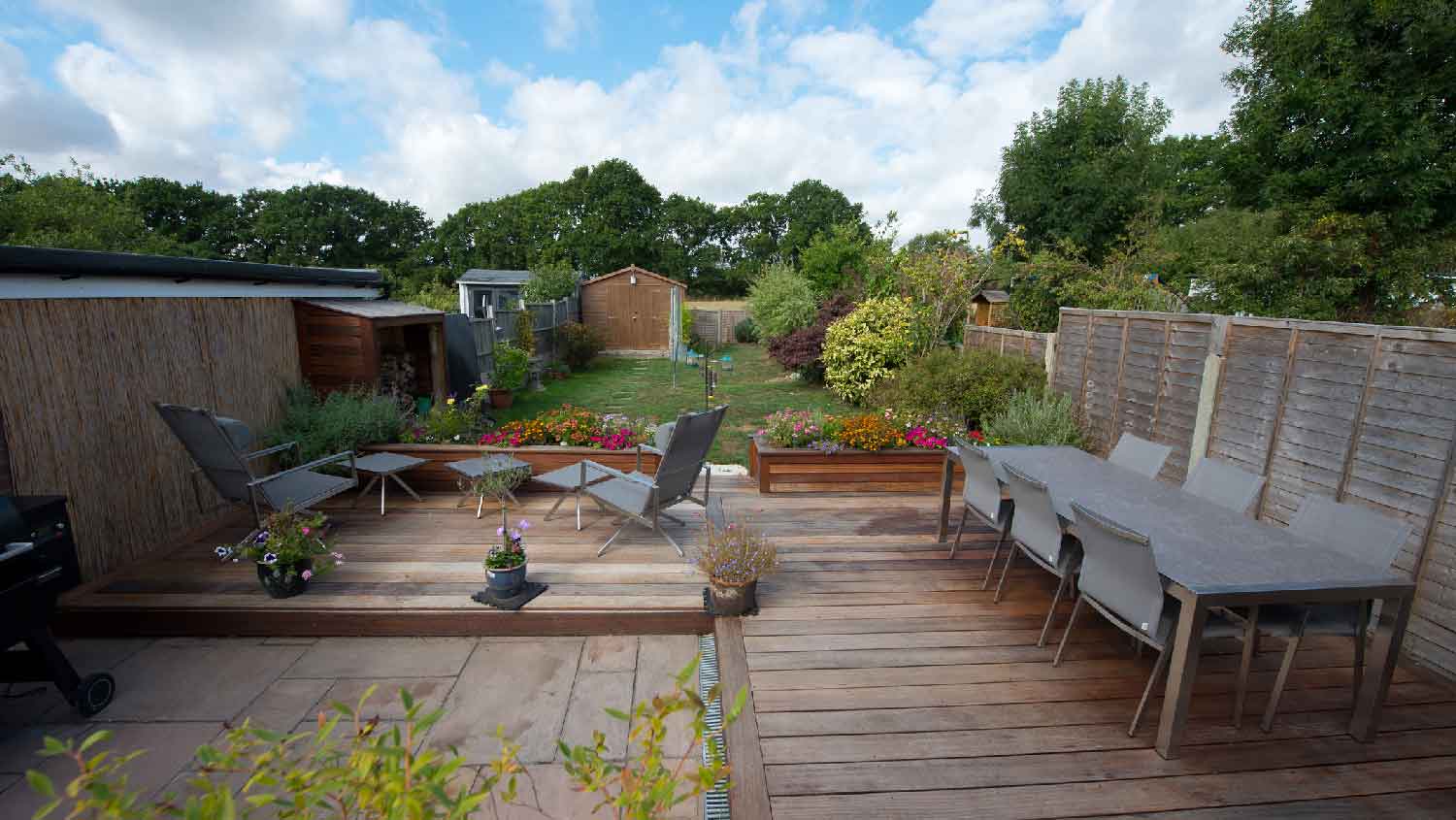
Thinking about adding a deck to your home? Explore this guide to learn about the average cost to build a deck based on factors like size, material, and labor.
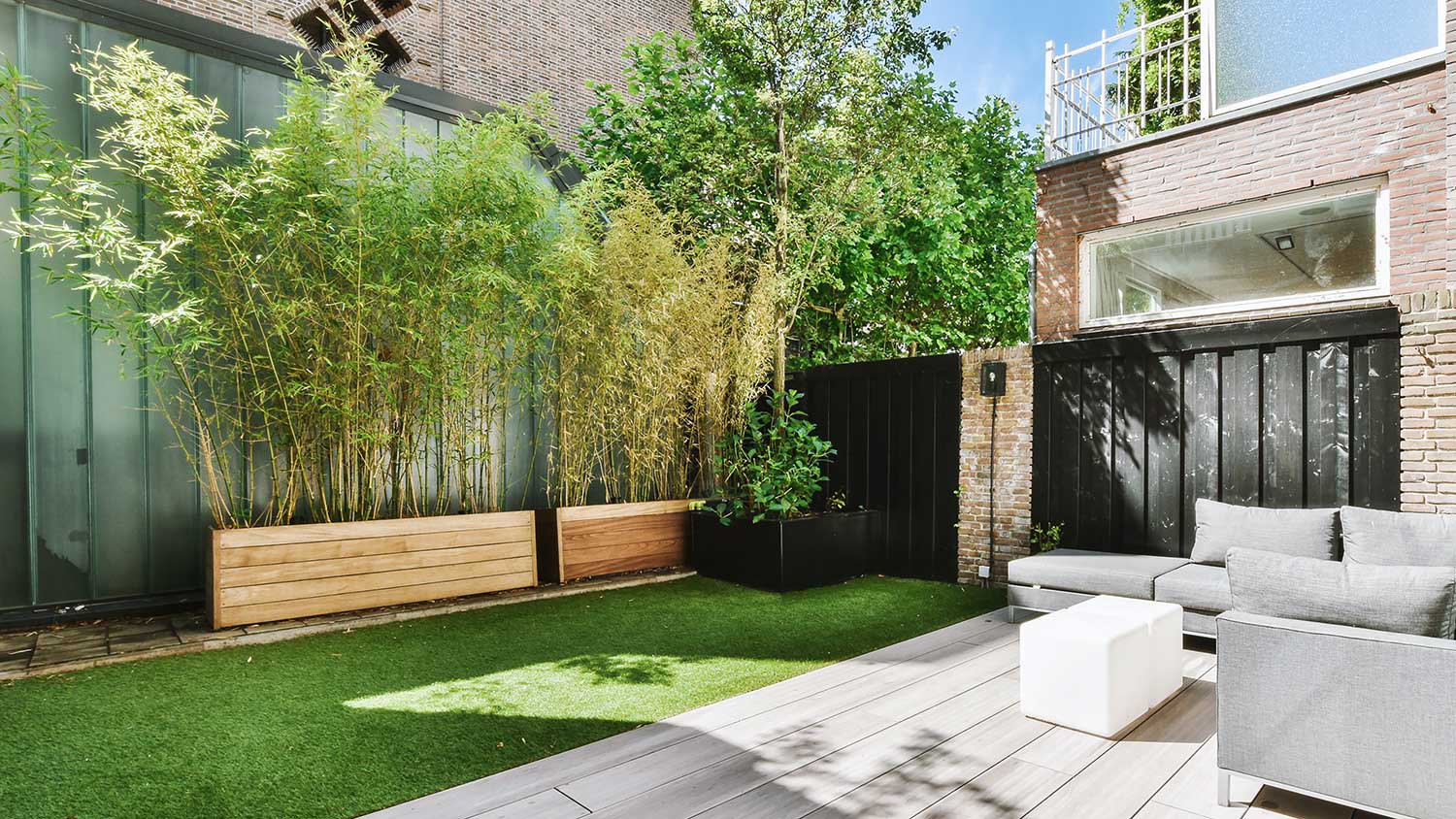
Learn how to plant bamboo for beauty or privacy—or both. Find out how much sun these plants need, if it’s invasive, and how much it costs.

If you’re looking to build a deck with minimal harm to the environment, consider using one of these five sustainable decking materials.

Installing a new wooden deck? Explore this guide to learn about the best wood for decks, including the benefits, costs, and life expectancy of each type.