
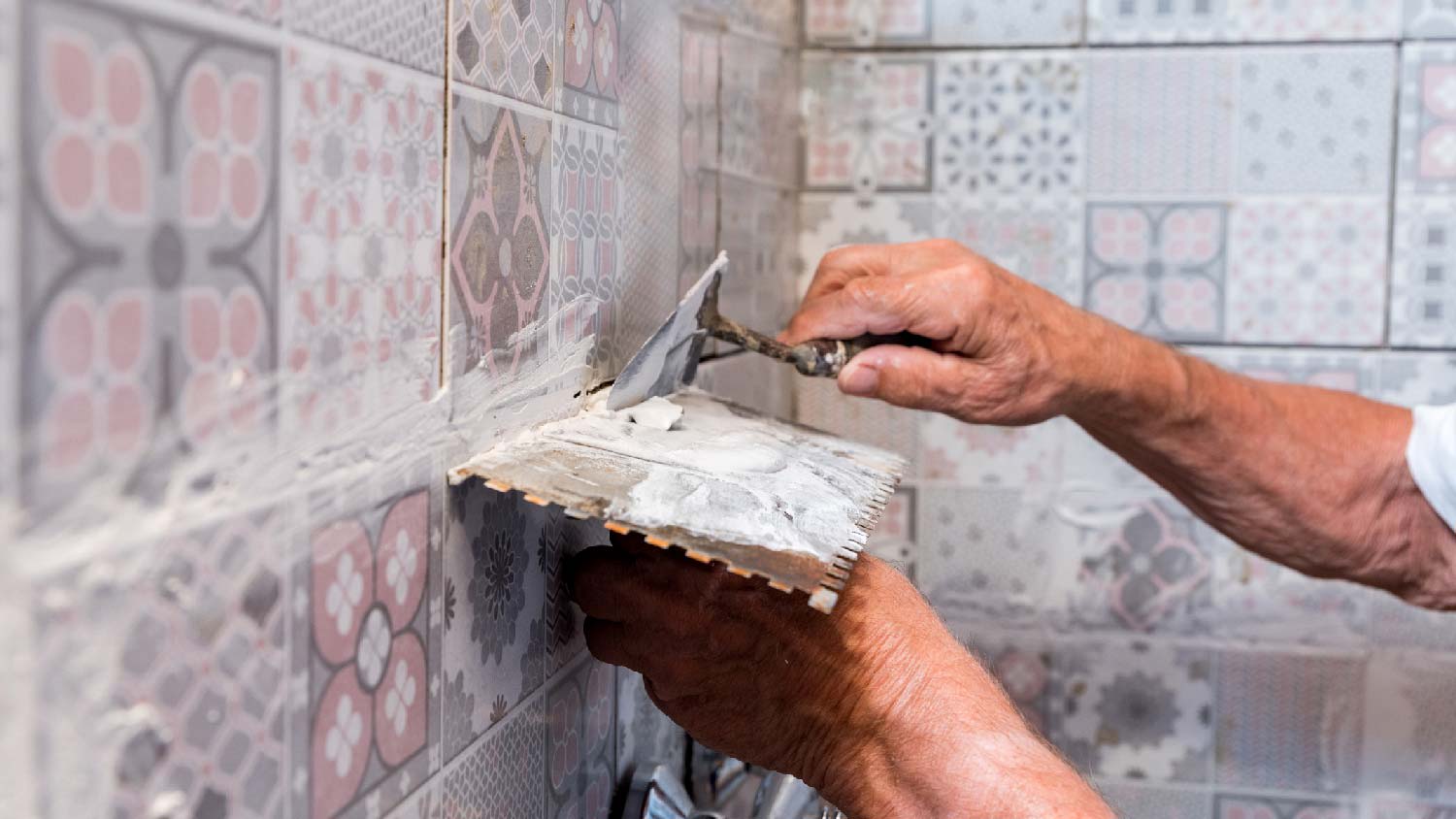
Sealing your grout goes a long way toward extending its life span. This guide breaks down the cost factors for sealing grout, including size, materials, and labor.
Whip up a perfect batch of grout in less than 30 minutes

If you don’t know how to mix grout, don’t panic. With the right grout mix and tiling tools, a beginner can have grout ready to go within 30 minutes. Taking on this DIY project can save money on tile installation costs and lets you customize the final look with different grout types and colors.
There are three main types of grout: sanded, unsanded, and epoxy. Sanded and unsanded grout are cementitious, which means they cure to a near cement-like hardness. We’re only addressing sanded and unsanded grout in this how-to guide, because epoxy behaves differently and requires a slightly different mixing process.
To choose the right grout, start by determining the width of the joints between tiles that your layout will require.
Unsanded grout contains:
Cement
Filler particles
Pigment
Unsanded grout more readily adheres in small, narrow spaces, so use it when filling joints smaller than ⅛ inch. It’s also the best option if you’re grouting between delicate materials that can get damaged by sand, like marble. Unsanded grout offers a smoother, sleeker appearance, though the lack of sand reduces the binding power.
Sanded grout contains:
Cement
Filler particles
Pigment
Sand
Sanded grout works better in joints wider than 1/8 inch. The sand helps the mixture to bond better with less overall shrinkage, reducing the chances of cracks.
Additives give the grout additional properties above the typical binding. They include:
Mix-in sealants
Latex additives
Color additives
Mix-in sealants are liquids that replace water in the grout mixture and eliminate the need for a secondary sealant after applying the grout. Some mix-in sealants can also improve the consistency of the grout’s color. Mix-in sealants help prevent moisture penetration, thus protecting against stains, mold, and mildew.
You don’t need to use a secondary sealant if you choose to use a mix-in. Some sealants also claim to make the grout harder and more durable, though these claims aren’t substantiated. Not all mix-in sealants work well with every type or brand of grout, so be sure the two are compatible before proceeding.
Latex additives give the grout flexibility and stronger adhesion. They’re a common additive in kitchens and bathrooms because they stand up to temperature changes and improve durability. Latex additives are also known to cure harder, which further protects against moisture penetration.
Finally, there are color additives. Both sanded and unsanded grouts are available in different colors. However, if the color choices aren’t working for your project, you can use a color additive to customize the grout color. Color additives come in powder form, and the more powder you add, the darker the grout color will be. However, keep in mind that the grout will dry slightly darker than the wet mixture.
Follow the steps below to learn how to mix grout. You’ll be a pro at it in no time.
Grout requires the correct ratio of water to powder. However, to account for humidity and give yourself some room for adjustment, add slightly less water than recommended in the manufacturer’s instructions to a two-gallon bucket. If you’re using a mix-in sealant, wear protective gloves and pour the sealant into the bucket instead of water.
In general, it’s easier to add the grouting powder to the water than the other way around. You can add more water later on if the mixture needs it. Avoid using hard water or well water for mixing grout. Both can contain minerals that change the composition of the mixture, which can cause a white powder to form on the grout after it dries. A safe bet is to use distilled water.

Add a quarter to a half of the grouting powder to the water. You’re reserving the rest of the powder to add in later as you adjust the mix to get the correct consistency.
If you’re using a latex or color additive, add it to the bucket before mixing. They’re mixed in at the same time as the grouting powder.
Tilt the bucket to a 45-degree angle to put the contents at a better mixing angle. Use a grout-mixing knife or trowel to blend the water, grouting powder, and any additives. Keep blending using the grout-mixing knife until all of the powder is mixed and all lumps are gone. If too many air bubbles form in the grout, it can cause discoloration and weaken the final product; manual stirring prevents this.

Adjust the grout consistency based on where you’ll use it. If you’re tiling the floor, the grout should have a consistency similar to smooth peanut butter. For use on walls, you want a grout that’s a little thicker, like soft bread dough. It should hold its shape if you hold it in your hand (with protective gloves on).
Add grouting powder if the mix is too thin or slack. A thin grout may shrink and crack as it dries. If the grout has clumps and looks dry, add a little water.
To better control the amount of water added, dampen a sponge or cloth and squeeze small amounts of water into the grout. Continue to add small amounts of water or grouting powder until you reach the correct consistency. Mix thoroughly with the grout-mixing knife, whether you’re adding powder or water.
The grout needs to rest (also known as slake) for five to 10 minutes so that the chemicals in the grout can activate and bond. As the grout slakes, the water continues to penetrate the powder and strengthens the final product. The grout thickens as it slakes, but that’s okay. Don’t add any more water at this point.
Use your grout-mixing knife to mix the grout one more time. You’re making sure there aren’t any clumps and that you’ve got the right consistency.
Even if you have minimal DIY experience, you can handle mixing grout. However, if you’ve never mixed grout before, it will take you longer than a pro to get the correct consistency. And there’s always the risk that you’ll apply the grout while it’s too thin or thick. If you’re ready to try your hand at mixing grout, expect to spend under $50 for the grout mixing supplies and tools.
A nearby tile contractor, meanwhile, will cost between $30 to $120 per hour. However, they bring experience, which could save time and result in a more attractive and longer-lasting finished product.
Terrible experience. Walls/trim/floors/cabinets/doors all have drip marks, overspray, etc. Tiling at the fireplace had to be redone by another vendor due to incorrect and shoddy install by Profect. Contractor had his children in our house while he was on site without prior authorization or...
 Profect painting & exteriors
It was wonderful working with Yordy and his team. They were very professional and are experts in what they do. They have completed the work on time, with better quality and with in fairly reasonable price. We just started with backsplash work , but liking his work, we went on to provide...
 Flooring Solutions
We were having 2”x 2” tile installed . There was a small installation error and the new additional replacement tile was from a different lot and the colors didn’t match. Joe assured us that he would rectify everything , which he did without hesitation. We decided to go with the 18” x 36” tile...
 CarifaTile
For several months I was looking for somebody to tile a wall in my master bath and move lighting fixtures, and could not find anybody who was responsive. I contacted Rowe through Home Advisor and within days they came by to assess the job and provide an estimate. The cost was very...
 Rowe House Development
It went very well! The end product was amazing and we keep getting a lot of compliments from friends! M&E were very professional and they made sure we were happy with the product before leaving. They met with us in our home and at the tile shop to make sure we were okay with our tile and...
 M&E Remodeling
Involved an extensive bathroom remodel, including removing tub & installing walk in shower, new drywall, custome tile work to ceiling, plumbing, etc. Overall, job was done on time and on budget. Nick & his team were very professional and had high attention to detail. Quality was great. Highly...
 Stamos Flooring and Remodeling LLC
Very pleased with the service and level of professionalism. Courteous and very unobtrusive in performing service. Unlike several other companies, Bradford Xteriors was willing to perform work on a three story home with a clay tile roof. <br />
 Bradford Xteriors
This company did a very good job on the brick wall and it looks just amazing. The staff was always professional and was practically OCD on how the bricks were stacked and how they were laid. Although it took longer than expected, I am willing to sacrifice time over perfection anyday. The...
 My Handy Mate LLC Improvement & Remodeling
He did the tile work and he was good at it. He used other subcontractors for the rest of the work (like putting in the cabinetry) and they were okay but not great. He was a great guy! He was easy to work with and had a good eye for the detail of his work. There were a couple of things that I...
 Brian Miller Custom Remodeling
I was very impressed with Miller Cantrell! I live in an old home in which the sewage line that runs from my home to the sewage system is a line of clay tile. These eventually collapse and need to be replaced - an expensive problem and sure to happen at the worst time. I told them that my...
From average costs to expert advice, get all the answers you need to get your job done.
Sealing your grout goes a long way toward extending its life span. This guide breaks down the cost factors for sealing grout, including size, materials, and labor.
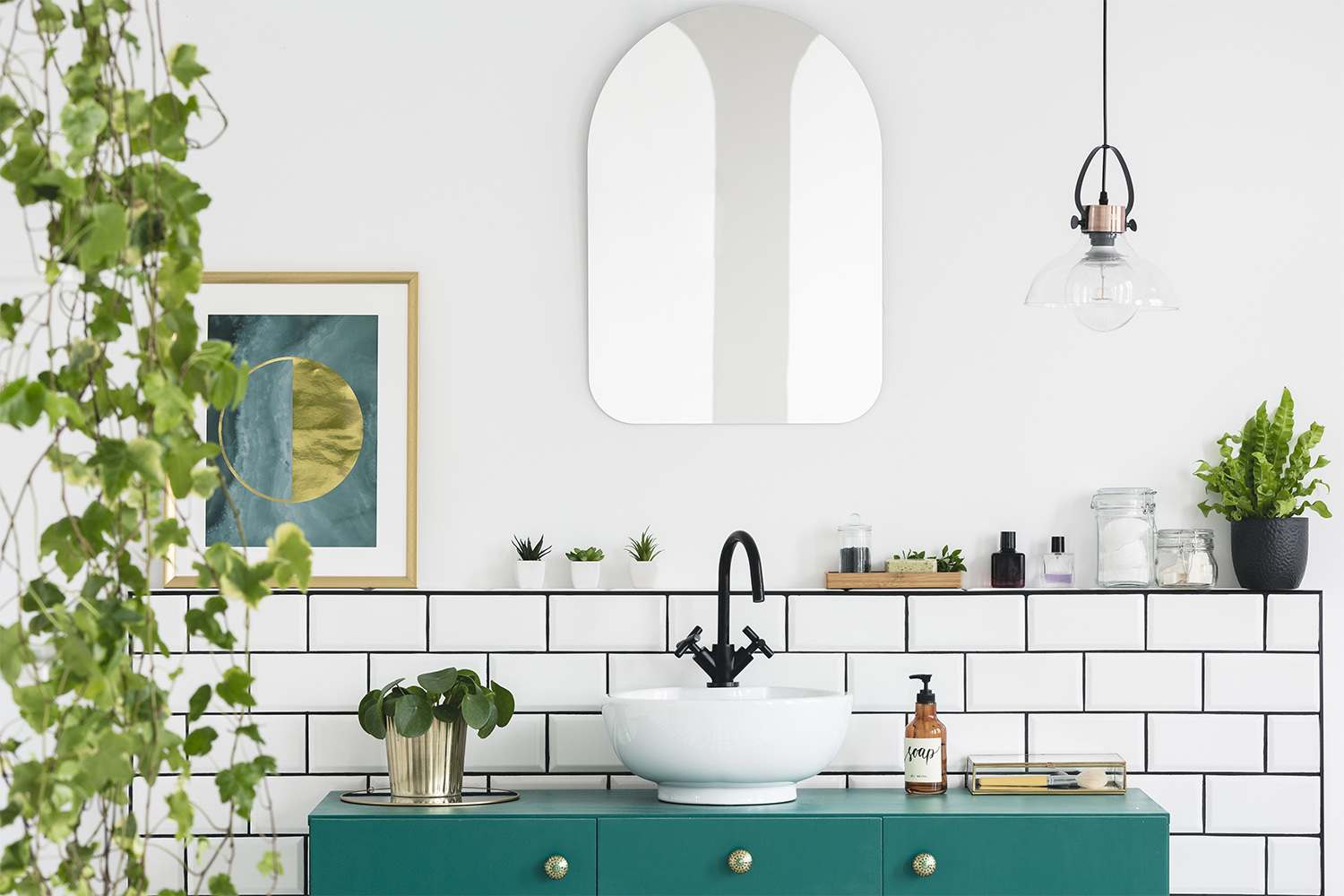
Tile and grout cleaning brings your tiled rooms back to life. In this guide, find out the details of how much it costs to hire tile and grout cleaners.
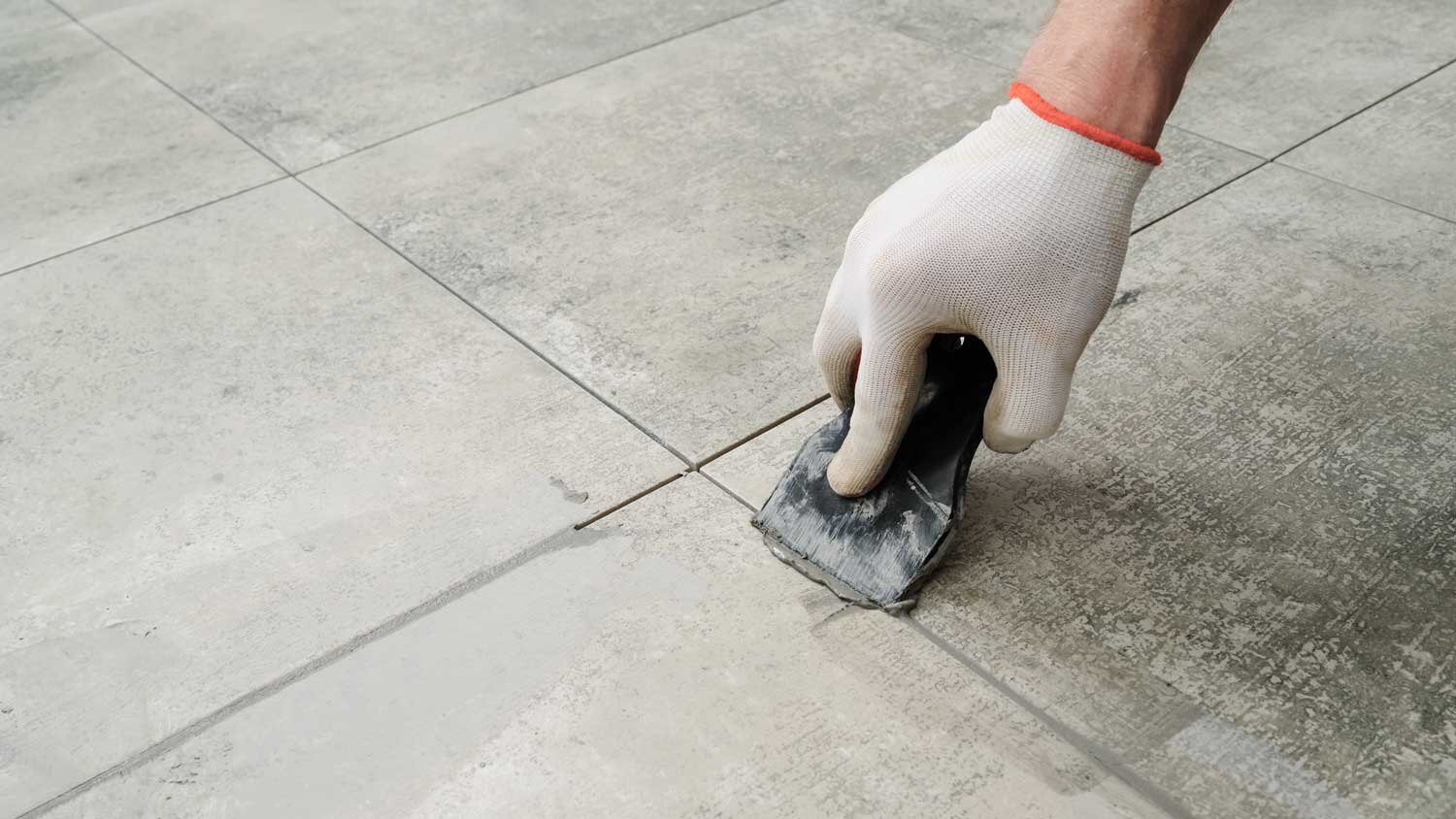
Discover the average cost of grout repair, key price factors, and tips to save. Get expert advice to plan your grout repair project with confidence.
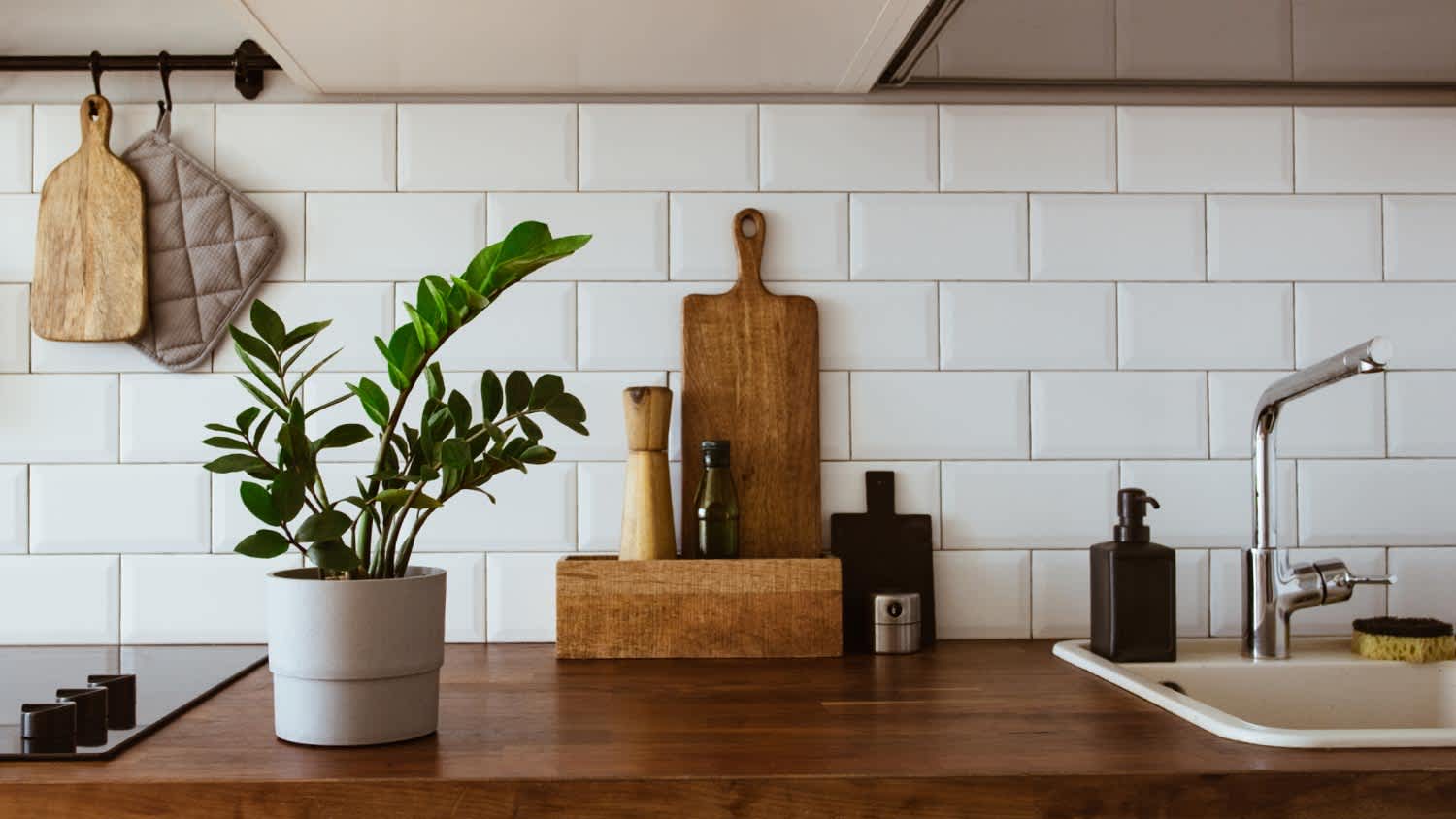
Loose grout can cause loose tiles, mold, and slipping hazards. This guide breaks down common causes of loose grout in your kitchen or bathroom, and how to fix it.
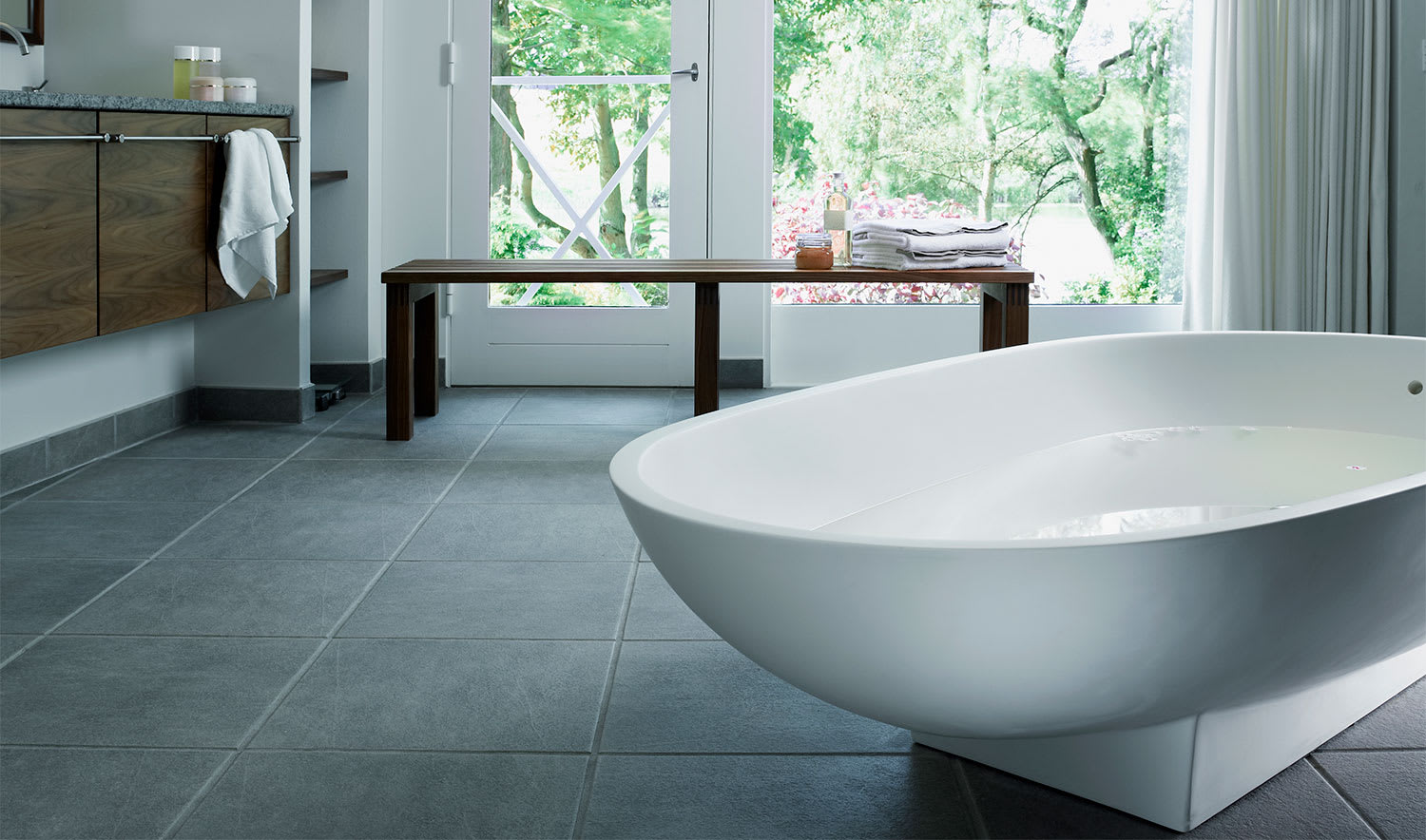
Tile grout can become dirty or discolored over time, but regrouting your tile can give your floor new life. Here’s everything you need to know about grouting tile floors, along with whether you should hire a professional for the job.
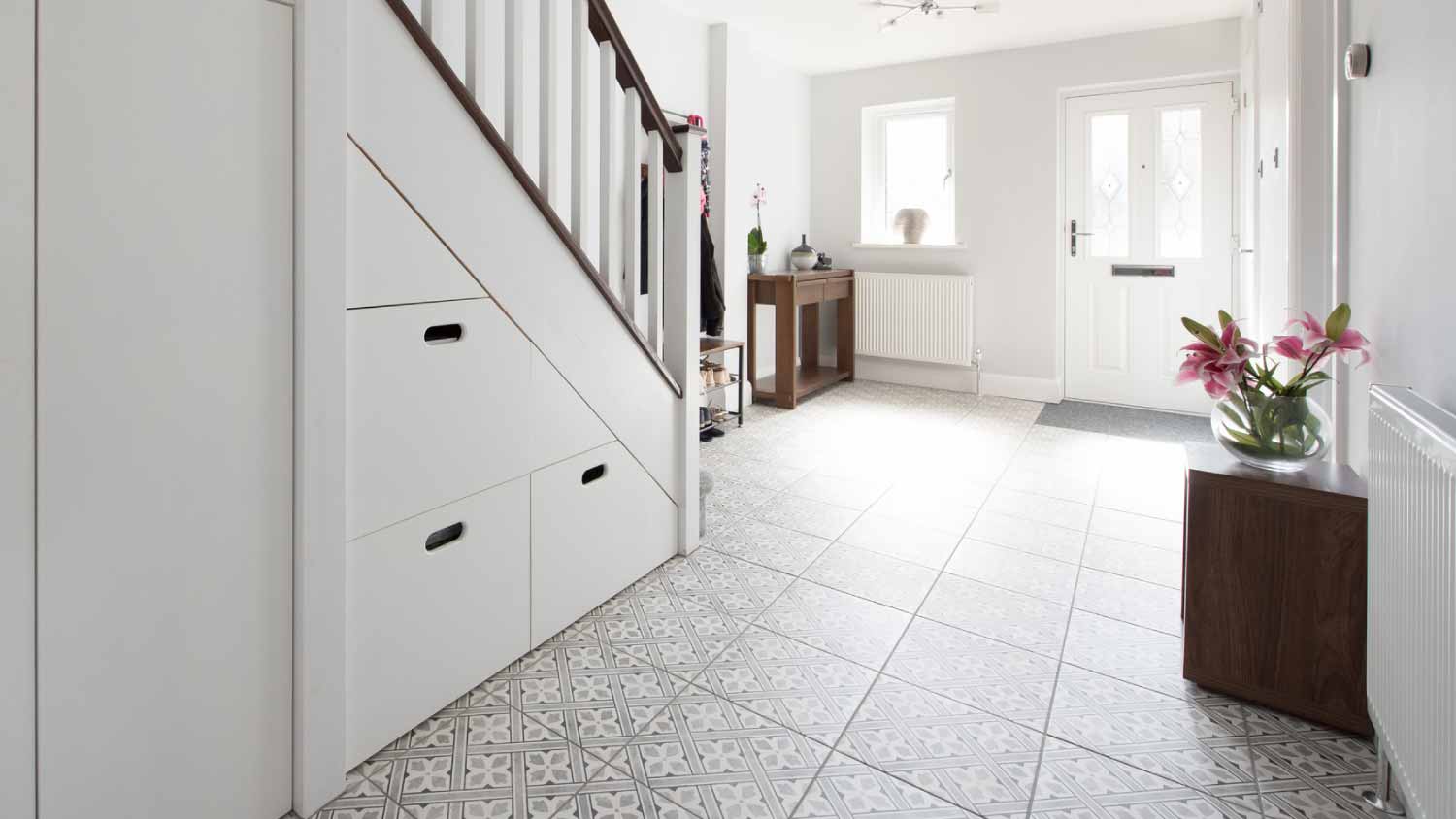
If you’re wondering how long it takes for grout to dry, our guide has the answers. Letting grout dry and cure completely ensures a long-lasting tile job.