

Cork is a good option if you want a beautiful, natural floor. Here are all of the cork flooring costs you can expect as you plan your project.
Make a design splash with a floating floor

Cork floor tile installation starts with removing old flooring and creating a level surface, letting your cork planks acclimate for a week before beginning.
Expect to pay $5 to $14 per square foot for cork flooring materials, with professional installation adding another $2 per square foot to your project.
Spread adhesive with a notched trowel in sections, pressing cork tiles firmly into place and trimming planks with a razor blade for precise edges.
Hiring a local flooring company provides expert guidance on subfloor preparation and adhesive application, keeping your cork floor installation smooth from start to finish.
Compactly pressed with a myriad of color variations and style options, cork floor tiles give a soft, cushy feel beneath your feet. While the cost of new flooring might be a shock to your wallet if you’re looking at other high-end materials like hardwood or stone, cork flooring can be an affordable solution that still maintains a high-end, design-forward look. If you’re considering this as a DIY project for your home, here’s how to install cork flooring step by step.
Cork flooring averages about $5 per square foot, and is typically sold in a plank or tile form. For this project, you’ll want to plan for flooring adhesive, cork materials, and a sealant like polyurethane.
Before you begin installation, you’ll need a pristine work surface, which means ripping up the previous flooring and using a vacuum to suck up dust and friable debris from every nook and cranny.
If you’re removing a laminate floor secured in place with glue or tile affixed by concrete, use a vinyl scraper to remove the old glue or a hammer chisel to break up the mortar and create a level surface for your new cork floor. If the underlying material is so old that it isn’t coming up, grind it down using a cup wheel attachment on a hand grinder.
If the room in which you’re installing cork flooring has baseboards or casing trim, remove them before you start so that you can install the cork planks flush against the walls. Since cork is a flexible product that expands with the temperature, you’ll need to take it out of its packaging at least a week before installation and let it air out to fully acclimate to the room’s humidity.

Before cutting the cork, lay out and measure the pieces to see where each lines up with the room’s perimeter entrances. Doing this will help you estimate where you’ll need to make cuts and save you the trouble of having to create little slivers of flooring to fill in important areas.
Once you have the pieces of cork gridded out, step back and move them around in the most aesthetically pleasing pattern, which could mean that you rotate all of the tiles 45 degrees in a diamond layout instead of a standard configuration. Pay particular attention to entryways and transition points—like between carpet or other kinds of flooring—and start there, working your way toward the corners. These areas will likely have furniture on top once you’re done or, at the very least, be hidden along the outer edges of the room.
Working in sections, spread the adhesive onto the subfloor with a notched trowel. The notches in the trowel create breathing room for the glue to fill once you press the cork tile down into the subfloor and form a solid connection between the two—so don’t skip this important step and just pour the glue out! Wear rubber gloves and have disposable rags on hand to keep things tidy with this sticky substance, which can easily get out of hand.
Pro tip: Have a piece of plywood at the ready to lay on top of your newly glued flooring so that you can continue working without shifting the cork tiles.
Put on your leather gloves to protect your fingers during this step. Using a carpenter's level or straight edge, cut the cork planks with a razor blade so that they fit tight against the edges of the room as you lay them. Work methodically, laying down the glue for just the pieces you're installing, one by one.
As you move along each section of the room, firmly press the entire cork tile down into the glue bed and line up the edges. There will likely be stray adhesive here and there, so have a damp rag handy to clean up the overflow before it dries. Move your small piece of plywood along with you, putting it down to kneel on as you’re working on top of the newly glued tiles.
After you’ve installed your cork flooring, consider adding a final protective finish of polyurethane (or what the manufacturer recommends as a top coat). While this step is not required, it’s an added precaution to protect your investment and preserve the cork floor as long as possible. This will create an impenetrable barrier that can be polished, waxed, and walked on for years to come.
Once your floor is ready to go, the final touches are putting back up the casing trim, baseboards, and any other pieces like toe kicks you may have removed at the beginning of the process—or replacing them entirely if they’re due for an upgrade.
Learning how to install cork flooring is easier than working with other floor materials like hardwood, thanks to the product’s flexibility during the cutting process and the interlocking system that allows the adjoining pieces to click into place. If you’re handy with tools, this is a flooring project you can DIY. If you'd rather not DIY with heavy power tools, you'll want to hire a flooring company or handyman to complete this job for you, particularly during the preparation phase.
According to HomeAdvisor, cork flooring ranges from $5 to $14 per square foot. You can purchase the material in either cork planks or tiles. If you’re hiring a professional to install the cork floor, add another $2 per square foot to the overall price to account for preparation and overhead.
While the cork tile will provide a good base for your flooring by itself, the addition of a subfloor that is also cork will level up the installation. Creating an extremely flat surface for cork flooring is important to cover imperfections and help with the final installation process. Cork underlayment is also a very affordable option in place of plywood sheets.
If you’re good people wanting to do business with good people, hire Matt. He is a consummate professional and utterly competent. He installed a water heater in my home at a price that beat competitors by hundreds of dollars with a promise to support the unit for its life (even after its 6 yr...
 Greene's Plumbing Services
Joseph did a great job with the staircase and trim. Timely and efficient, clear communication about the work, very fair pricing. For the stairs in particular, done very skillfully in an old house (1893) in a tight spiral, and very creative with how to do the handrail. Did a nice job with...
 Vouis Trim Carpentry L.L.C.
This company does it right. Firstly, I want to say that Landan was a joy to work with. He was so kind, transparent, and had everything under control. His entire team showed up ready to work and they were all very respectful of the fact that we were in an office space. A little backstory – we...
 Krumlauf Floors
Finished Basements Plus was wonderful from beginning to end! First, they came out quickly for an estimate. I had 4 estimates and theirs was by far the best. (2 of the estimates were more than $20K higher than for the exact same work). Beyond their fair pricing, the work was excellent. They...
 Finished Basements Plus Inc.
Very professional, knowledgeable and helpful! Completed the install on time and as expected.
 Ward's Services
Excellent, Prompt, Courteous Service!!! They were super friendly and quite personable. I felt very comfortable with the gentlemen that did the installation. They installed it exactly where I asked them to and they did an excellent job!! I loved their service so much.
 Tether House
Window Depot did an amazing job installing the windows in my basement! The process from start to finish was by far more than what I expected. I would highly recommend Window Depot if you want professionalism from the the consultation to the installation. Dont settle for mediocre when you can...
 Window Depot USA of Central Ohio
AFS was excellent from start to finish. Jess, the sales associate, was fantastic...very knowledgeable and very professional. The installation crew was excellent. I couldn't be more pleased with the process. Best of all, my new floor looks fantastic!
 America's Floor Source
We were having 2”x 2” tile installed . There was a small installation error and the new additional replacement tile was from a different lot and the colors didn’t match. Joe assured us that he would rectify everything , which he did without hesitation. We decided to go with the 18” x 36” tile...
 CarifaTile
Did an amazing job transforming my yard. Also installed sod in places, would recommend to everyone.
 Cardinal Landscaping & Construction LLC
From average costs to expert advice, get all the answers you need to get your job done.
Cork is a good option if you want a beautiful, natural floor. Here are all of the cork flooring costs you can expect as you plan your project.

Updated flooring can make any room in your home feel brand new. Find out flooring installation costs, from materials to labor costs.
Discover the cost to install oak flooring. Learn about pricing factors, labor, materials, and ways to save on your oak flooring installation project.
What is cork flooring? Flooring made from cork, of course—the same stuff in your wine bottle. Read on to learn about this eco- and foot-friendly floor choice.
Check out these cork flooring pros and cons to help you decide if it's the right choice for your home.
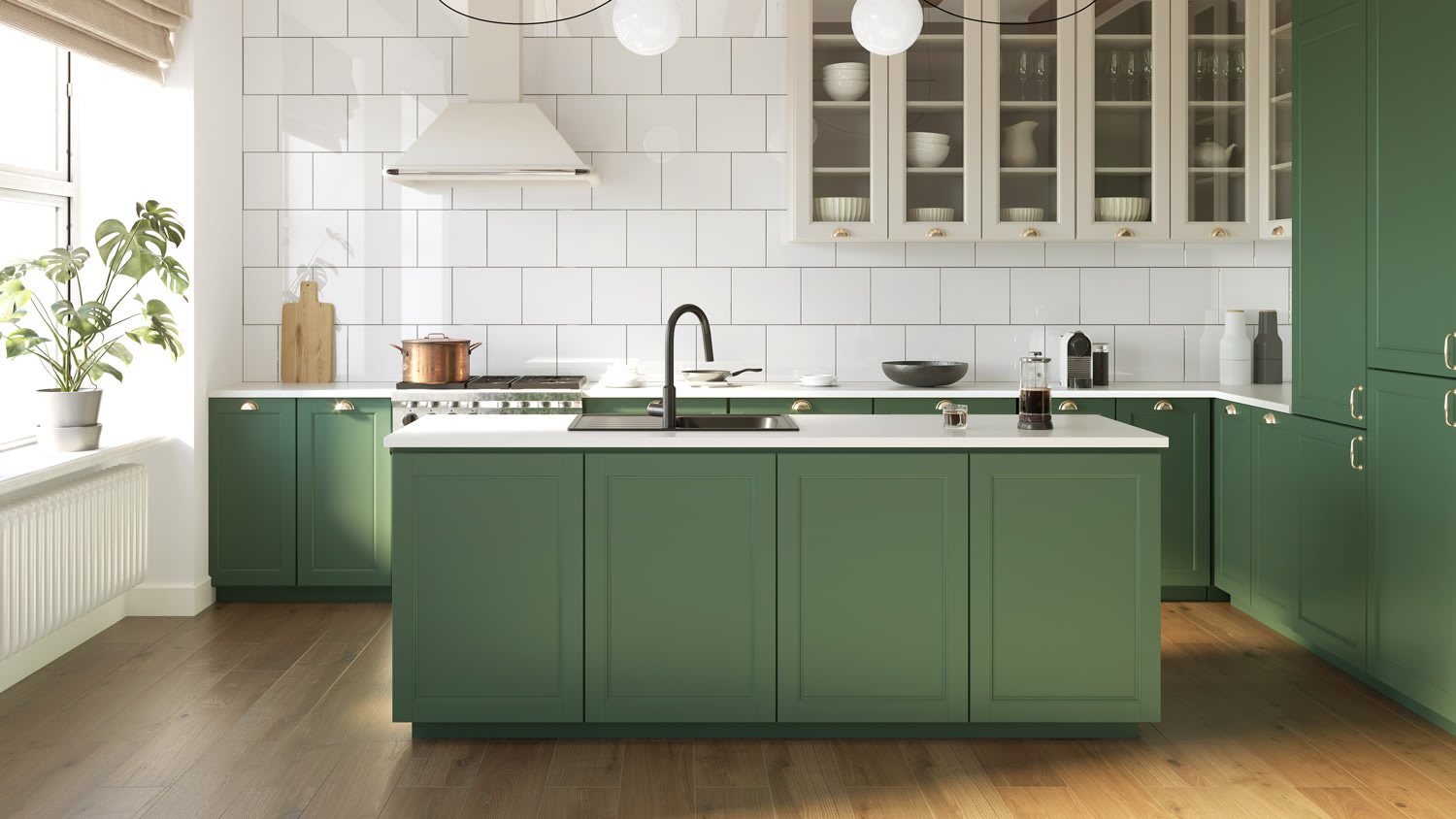
Looking to upgrade your kitchen with affordable kitchen flooring? From cork floors to vinyl, learn seven budget-friendly flooring options you’ll love that can stand up to traffic.