
•
Earthquake retrofit costs vary based on home size, location, and project scope. Learn what impacts your price and how to budget for a safer, more secure home.
Transform your home for better accessibility by hiring the right professional for your needs

Working with a disability retrofit contractor starts with meeting healthcare professionals to identify your specific accessibility needs and create a detailed modification list.
Expect to pay $4,000 on average for wheelchair accessibility modifications, with costs ranging from $125 to $19,000 depending on project size and complexity.
Interview at least three contractors to compare certifications like CAPS or ADA credentials, verify insurance, and request detailed written quotes covering all modifications.
Hiring a local home remodeling professional provides expert guidance on ADA compliance and universal design, ensuring your accessibility modifications meet safety standards and your personal needs.
This article was created using automation technology and thoroughly fact-checked and edited by an Angi Editor in accordance with our AI policy.
When you need to hire a disability retrofit pro for your home, you're looking for specialists who understand accessibility requirements and can transform your living space to meet specific mobility needs. Disability retrofit professionals—also known as ADA contractors or accessibility specialists—provide home modifications ranging from bathroom adaptations to comprehensive whole-home retrofits. Finding a contractor familiar with handicap-accessible home construction and barrier-free remodeling ensures your project meets both safety standards and your personal accessibility goals.
Disability retrofit professionals offer comprehensive home modification services designed to improve accessibility and safety. These specialists handle everything from structural changes like widening doorways to installing specialized equipment such as stairlifts and roll-in showers.
Widening doorways and hallways for wheelchair access
Installing ramps and stairlifts for easier mobility
Creating roll-in showers with grab bars and raised toilets
Adjusting countertop heights in kitchens and bathrooms
Adding handrails and grab bars throughout the home
Reconfiguring multi-story homes with elevators or lifts
Making thresholds flush with flooring for smooth transitions
Modifying bedroom layouts for improved accessibility
Installing accessible lighting and electrical outlets
Implementing universal design features for aging in place
The cost to hire a disability retrofit pro averages $4,000, with projects ranging from $125 for straightforward accessibility improvements to $19,000 for extensive wheelchair-friendly renovations. Your investment depends on the modifications required, project size, material choices, and whether structural alterations are needed. Projects involving multiple rooms or major structural work fall at the higher end, while single-room updates or minor adjustments cost less.
Planning your accessibility project thoroughly before contacting a pro ensures accurate quotes and successful outcomes. Taking time to assess your specific needs, understand compliance requirements, and gather necessary documentation helps streamline the hiring process and prevents costly surprises down the line.
Before contacting a disability retrofit pro, evaluate the specific accessibility needs of your household by meeting with healthcare professionals like physical therapists or occupational therapists. Identify which rooms require modifications and what types of changes will improve daily living. Consider factors like doorway widths, hallway clearances, and whether you need ramps, grab bars, or countertop adjustments. Document your current home layout and create a list of priority modifications to share with potential contractors.
Check that your disability retrofit pro holds appropriate certifications such as Certified Aging in Place Specialist (CAPS) from the National Association of Home Builders, ADA certification, or Certified Environmental Access Consultant (CEAC) credentials. Verify the contractor is licensed, bonded, and insured for accessibility modification work.
Check with your local Better Business Bureau and Chamber of Commerce for any complaints. Speak with past clients about their experience and visit completed projects when possible.
Interview at least three disability retrofit professionals to compare expertise, approaches, and pricing. Request detailed written quotes that outline all costs and specifications. Discuss how each pro handles ADA compliance, universal design principles, and coordination with healthcare professionals. Ensure quotes include accurate measurements and account for all necessary modifications. Discuss these terms before scheduling service:
Down payment amount and timing
Payment structure (milestone-based or completion-based)
Final payment terms and conditions
Project timeline with specific start and completion dates
Deliverables including permits, inspections, and documentation
Warranty coverage (typically three-year workmanship warranty)
Change order procedures and cost adjustments
Compliance verification and certification processes
Asking the right questions helps you identify qualified professionals who understand accessibility requirements and can deliver safe, compliant modifications. These questions cover essential topics like certifications, experience, compliance knowledge, and project management to ensure you hire a pro capable of transforming your home to meet your specific accessibility needs.
What certifications do you hold (CAPS, ADA, ATP, CEAC)?
How many years of experience do you have with disability home modifications?
Can you provide examples and photos of similar accessibility projects you've completed?
Are you familiar with ADA guidelines, Fair Housing Amendments Act requirements, and local building codes?
Will the modifications meet current accessibility standards and pass required inspections?
What is your estimated timeline for completion, and how do you handle unexpected issues?
Do you work with occupational therapists or other healthcare professionals to ensure modifications meet specific needs?
Can you provide references from previous clients with similar accessibility projects?
Hiring the right disability retrofit professional near you ensures your home modifications meet ADA compliance standards, function properly for your specific needs, and maintain your home's value. Experienced accessibility specialists understand the technical requirements for wheelchair clearances, grab bar placement, and structural modifications that inexperienced contractors might overlook.
The right pro works collaboratively with healthcare professionals to design solutions that accommodate your current needs while anticipating future accessibility requirements, helping you maintain independence and safety in your home for years to come.
Once your accessibility modifications are complete, conduct a thorough walkthrough with your contractor to verify all work meets your specifications and ADA requirements. Obtain copies of all permits, inspection certificates, and warranty documentation. Confirm your final payment arrangements according to your contract terms.
If you're satisfied with the work, consider agreeing to serve as a reference for future clients and leave an online review to help other homeowners find qualified accessibility specialists. Keep detailed records including before-and-after photos, receipts, and completion certificates for future reference.
Jason has helped me with multiple household projects, with the most recent being new door installation. He has always showed up on time and organized and has done an incredible job! Jason is very professional and he's now my go-to for anything around my house that needs to be fixed or...
 Huff Garage Rescue, LLC
Cole has been handling plumbing and general contracting for our four properties over the past three years, and he’s always done a great job. Most recently, he installed a sink and countertop in our retail store where none existed before, and it turned out exactly how we needed. He’s...
 ANB Renovations LLC
1st Choice Renew is simply the best! We hired them for a complete home renovation, and they transformed our space into something truly amazing. The team attention to detail and commitment to quality were evident throughout the project. They were easy to work with, very responsive, and always...
 Save A Dime
This company went above and beyond with their work, chimney sweeps are usually pretty messy, but the clean up was spot on.!! Josh explained every thing that he was doing, and the things that he was checking to make sure the chimney was safe for me and my family. He was very professional,...
 Supreme brick & chimney
Custom Paint Jobs LLC turned our outdated bathroom into a modern masterpiece.
 Custom Paint Jobs, LLC
Excellent customer service and knowledge. I was recommend to him from my neighbour. My front door and window came in great and were installed beautifully perfectly, I m very satisfied with their excellent work, so decided to order one more big bow window for my living room. I cant wait for...
 Window Depot USA of Central Ohio
If I could give 10 stars for Kitchen Tune Up, I would. I cannot say enough good things about my experience with Kitchen Tune Up and the entire team involved in the process of my kitchen project. They went above and beyond as far as service and quality with my cabinets, paint, countertops, and...
It was wonderful working with Yordy and his team. They were very professional and are experts in what they do. They have completed the work on time, with better quality and with in fairly reasonable price. We just started with backsplash work , but liking his work, we went on to provide...
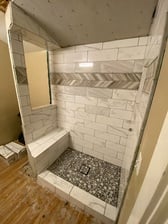 Flooring Solutions
We were having 2”x 2” tile installed . There was a small installation error and the new additional replacement tile was from a different lot and the colors didn’t match. Joe assured us that he would rectify everything , which he did without hesitation. We decided to go with the 18” x 36” tile...
 CarifaTile
They work that 360 did on my kitchen cabinets is nothing short of amazing. I still cannot believe the difference from before and after. Jon and Jeff were both so incredibly professional throughout the whole process and their communications with me were constant and consistent. These guys...
 360 Painting Columbus
From average costs to expert advice, get all the answers you need to get your job done.
Earthquake retrofit costs vary based on home size, location, and project scope. Learn what impacts your price and how to budget for a safer, more secure home.

If you live in an older home in an area prone to seismic activity, you likely need to hire a seismic retrofitting company to protect your home from earthquakes.
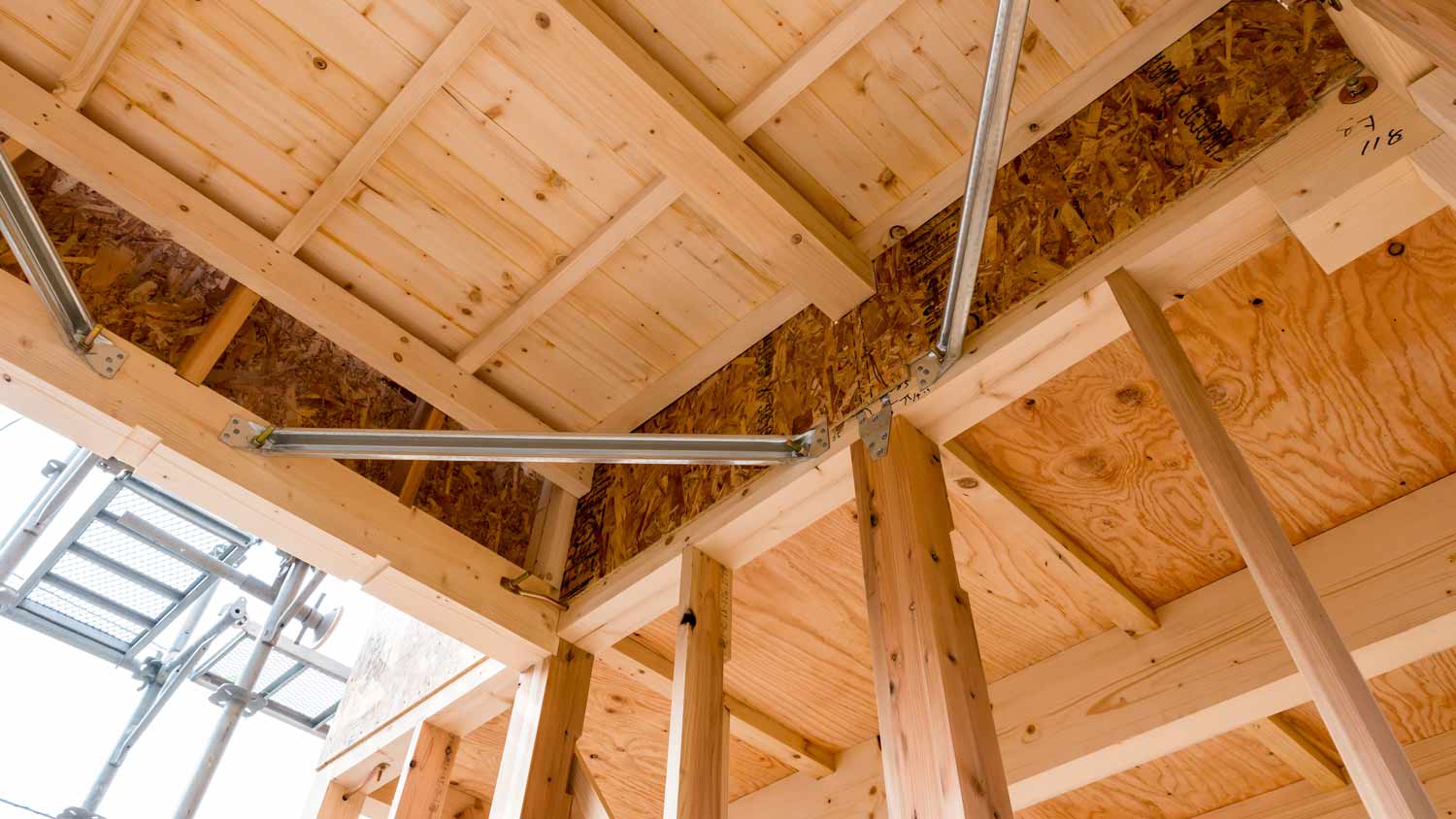
Learn how to find and hire a qualified earthquake retrofit pro. Discover questions to ask, credentials to check, and steps to protect your home.
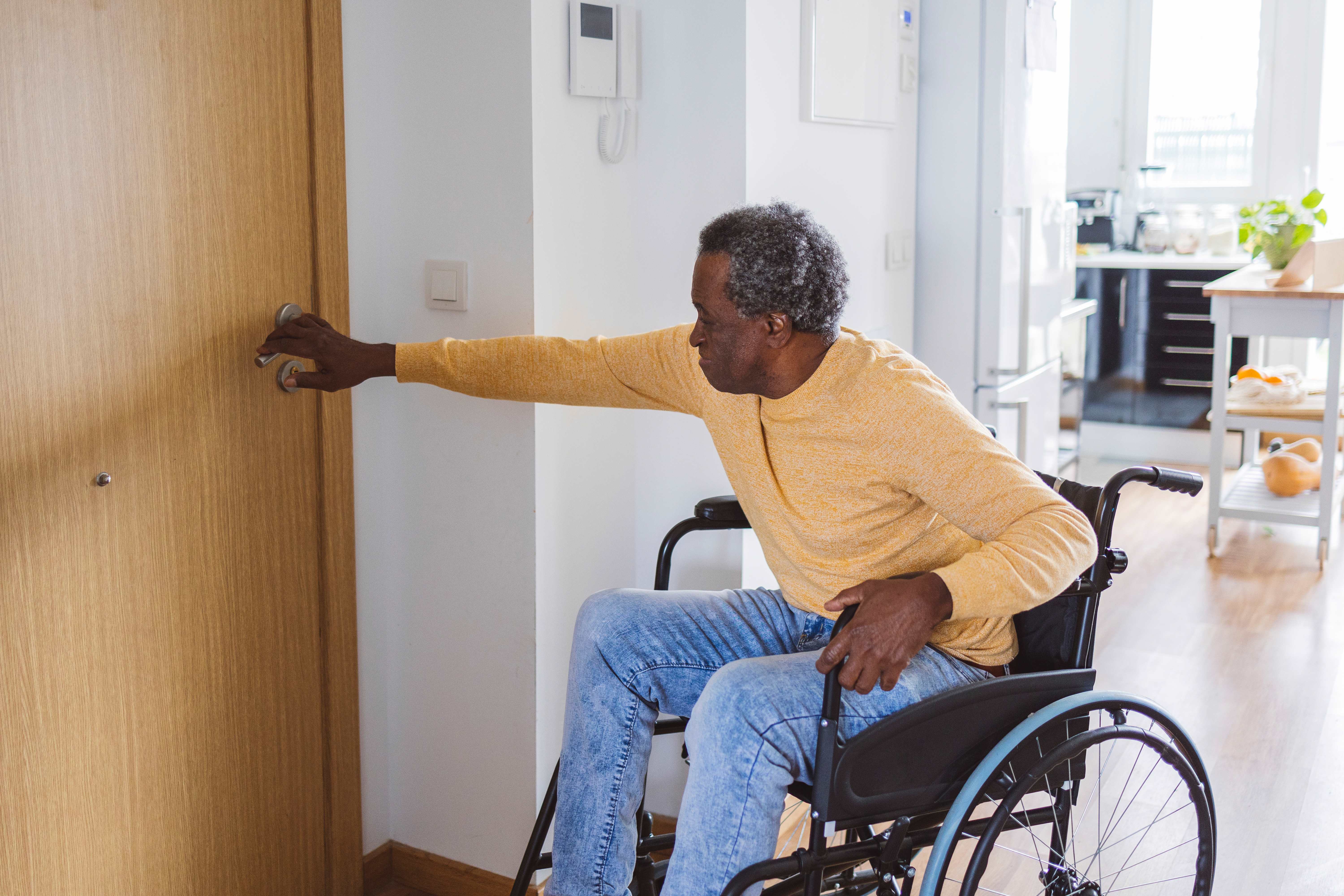
Learn how to hire a disability remodeling service with expert tips on finding qualified pros, questions to ask, and what to expect for your accessibility project.
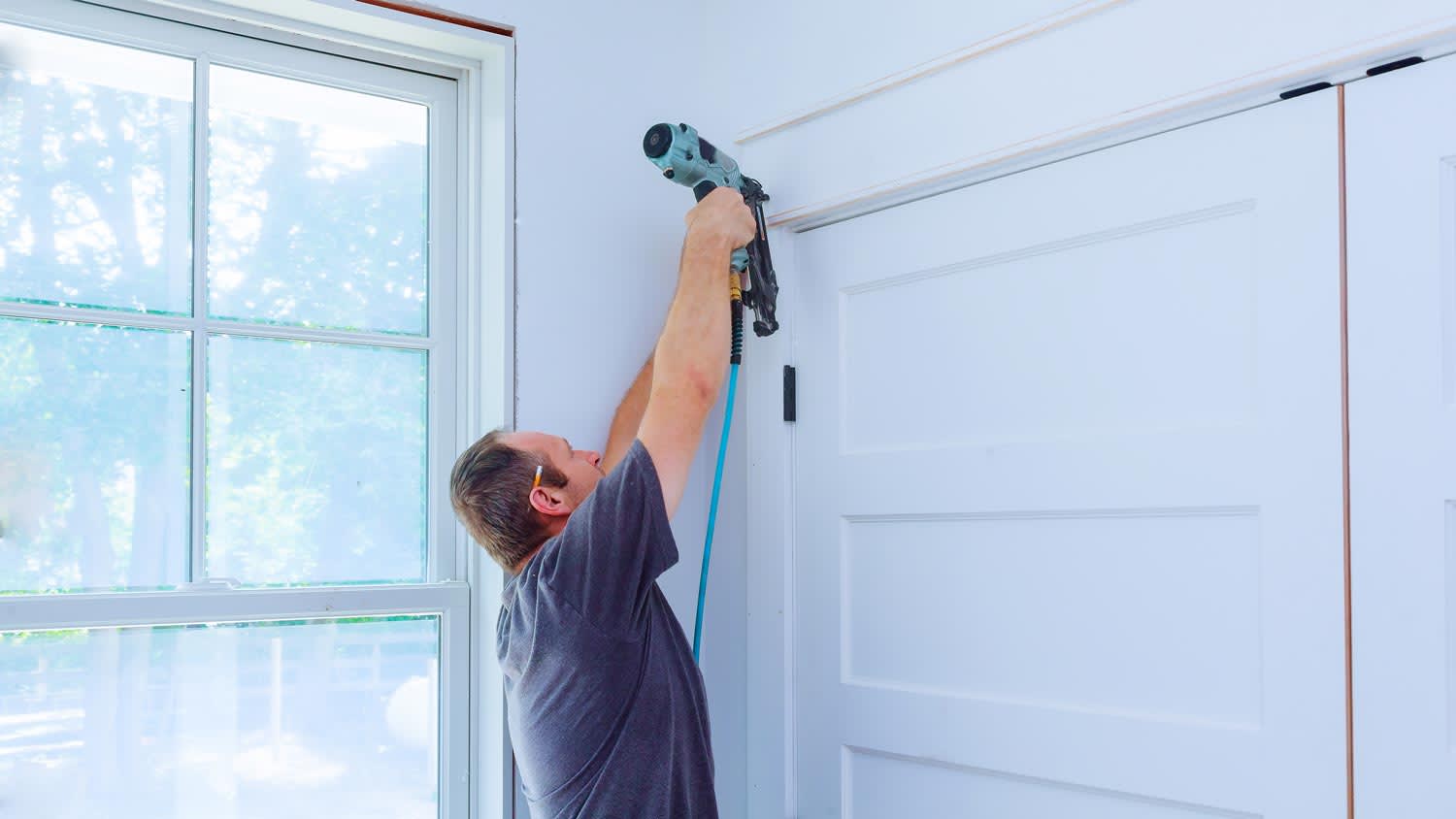
Planning a disability accommodation remodel? Learn about accessibility upgrades, average costs, and how to hire the right local pro for your home.
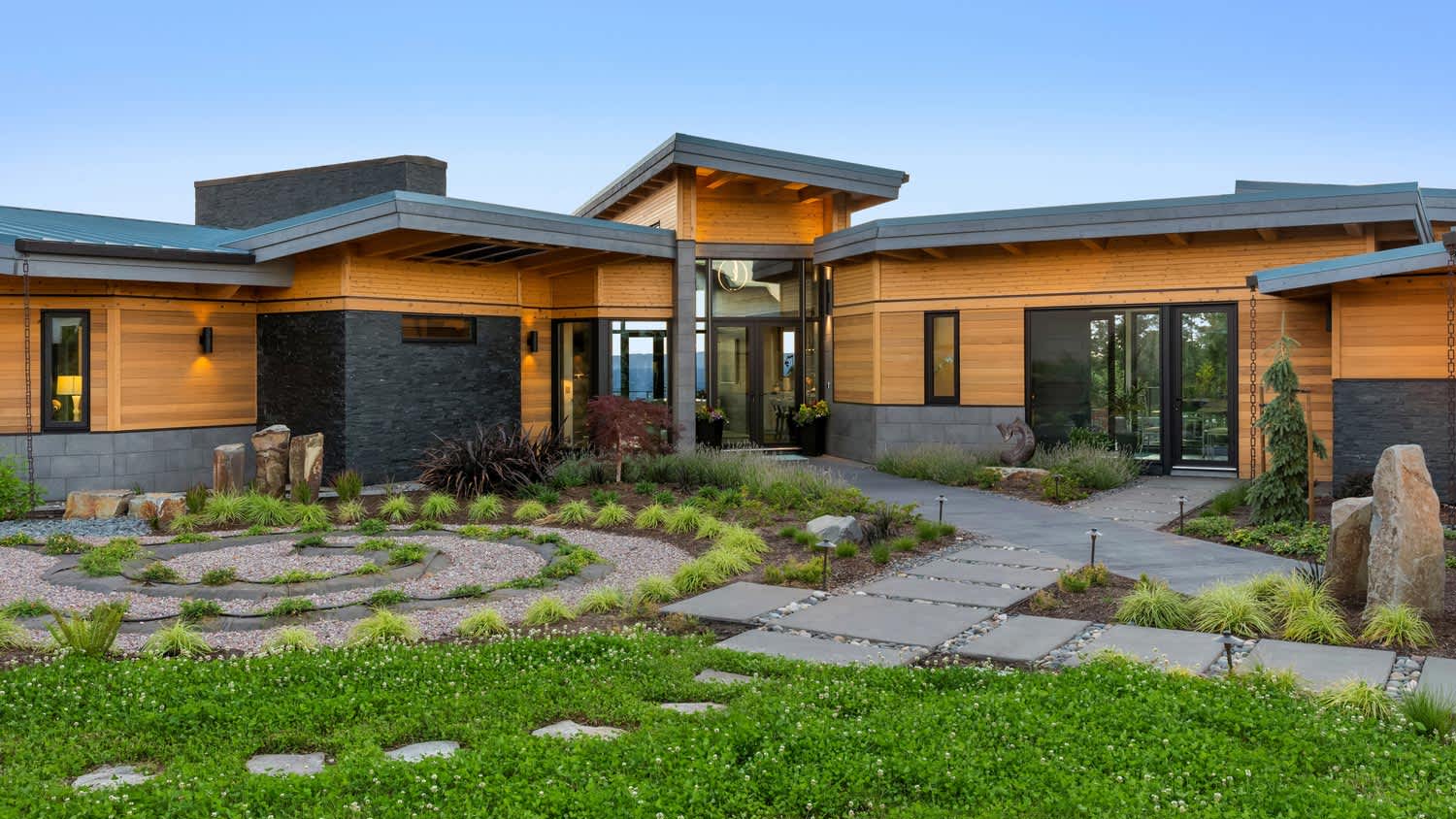
The cost-saving deep energy retrofit needn’t be confusing. Keep reading to learn the benefits of this renovation project, along with tips to find the right pro.