

•
Discover how much it costs to repair earthquake damage. Learn about average costs, key factors, and ways to save on earthquake repairs for your home.
Earthquake retrofitting costs depend on your project and location. Check with a local pro for your specific job.


Earthquake retrofitting costs $6,082 on average, with most projects ranging from $3,489 to $8,676 depending on your home size and the retrofit method.
Your retrofit method and home type determine project complexity, with soft story homes needing more reinforcement than raised foundation properties.
Account for permit fees from $500 to $3,000 and potential structural engineer assessments when creating your earthquake retrofitting budget.
Hiring a local earthquake retrofit professional ensures your home meets building codes and keeps your household safe from seismic damage.
This article was created using automation technology and thoroughly fact-checked and edited by an Angi Editor in accordance with our AI policy.
In 2026, the national average cost for an earthquake retrofit is $6,082, with most homeowners spending between $3,489 and $8,676 depending on home size and foundation type. Per square foot, costs typically range from $3 to $7 based on project complexity and materials. Permit fees can add $500 to $3,000 to your total, so it's worth budgeting for those alongside any structural engineer assessments.
Earthquake retrofit costs depend on the method used, your foundation type, and the professionals you hire. Understanding these factors before you get quotes helps you build a realistic budget and avoid surprises.

The retrofit method you choose is one of the biggest cost drivers. Cripple wall bracing and foundation bolting are among the most common approaches, starting around $1,000, while shear wall installation is a higher-cost option that provides stronger resistance to lateral movement, averaging $3,000 to $6,000. Costs rise in older homes due to outdated construction or hidden damage, and multi-story properties often require more reinforcement, increasing both time and material requirements.
Here is a breakdown of average earthquake retrofitting costs by method:
| Retrofit Method | Description | Average Cost in 2026 |
|---|---|---|
| Cripple wall bracing | Reinforces short wood walls in crawl space | $1,000–$3,000 |
| Foundation bolting | Anchors house to foundation with steel bolts | $1,000–$5,000 |
| Shear wall installation | Adds panels to resist lateral movement | $3,000–$6,000 |
| Mudsill anchoring | Anchors wooden sill plate to foundation | $1,000–$2,500 |
Your home's size impacts earthquake retrofit cost, with larger homes requiring more materials, more labor hours, and more complex engineering solutions. The number of stories, foundation perimeter, and presence of crawl spaces or basements all affect the final price. Homes with easier access to the foundation cost less to retrofit, while multi-story homes with complex designs or extensive foundations incur higher costs due to the increased scope of work. Here’s how average earthquake retrofit costs break down by home size:
| Home Size (Sq. Ft.) | Average Cost in 2026 |
|---|---|
| 1,200 | $3,600–$8,400 |
| 1,500 | $4,500–$10,500 |
| 2,000 | $6,000–$14,000 |
| 2,500 | $7,500–$17,500 |
Your home type affects earthquake retrofit costs, with soft-story homes typically requiring the most reinforcement and commanding the highest prices, ranging from $10,000 to $45,000. Raised foundation and mobile or manufactured homes tend to fall on the lower end of the cost spectrum, while hillside homes occupy the middle range. Here are the average costs for earthquake retrofitting common home types:
| Home Type | Average Cost in 2026 | Description |
|---|---|---|
| Mobile/manufactured | $2,000–$13,000 | Prefabricated home |
| Soft story | $10,000–$45,000 | Home with weak first floor (e.g. above a garage) |
| Hillside | $7,000–$20,000 | Home built on a slope |
| Raised foundation | $5,000–$10,000 | Elevated home with crawlspace |
Labor costs for earthquake retrofitting depend on which professionals your project requires; structural engineer fees range from $2,000 to $8,500 per project for assessment and design, or $70 to $250 per hour. General contractors or seismic retrofit specialists handle the actual installation, with general contractor rates running 10% to 20% of your project's total cost depending on expertise and regional demand. Hiring a licensed contractor or seismic specialist ensures your retrofit meets code and passes inspection. Unlicensed pros may charge less, but you risk failed inspections and costly redo work.
Beyond the core team, you might need additional professionals to complete your earthquake retrofit.
A building inspector is often required for compliance checks and can charge $200 to $600 per inspection.
If the permit process is complex, a permit expediter can help for a fee of $200 to $1,000, ensuring paperwork moves smoothly through local government channels.
After the retrofit, a junk removal or cleanup crew may be needed to clear debris, costing $100 to $400.
You might need these additional pros if your project involves significant demolition, if local codes require multiple inspections, or if you want to minimize disruption to your daily routine.
Earthquake retrofit costs vary significantly by region, with high-seismic-risk areas like California, Oregon, and Washington carrying stricter building codes and higher labor rates. Urban areas cost more than rural areas due to higher demand and regulatory requirements. California homes, for example, may face higher retrofit costs due to stricter codes and greater contractor demand, while the Midwest tends to see lower prices due to reduced demand and less stringent standards.
Several additional factors can affect your total earthquake retrofit cost beyond the core project price. Taxes on materials and labor, insurance requirements, and foundation accessibility all influence the final bill. Special upgrades such as advanced anchoring systems or steel frames boost both performance and price, and any repairs needed before or after retrofitting—such as fixing foundation cracks—add to your costs. Post-construction cleanup also contributes to the final cost, so ask your contractor what is included in their quote.
Demolition and site preparation are often necessary before retrofitting begins, with clearing crawl spaces or removing old materials costing $500 to $2,000 depending on complexity. This phase is especially common in older homes with finished basements or built-in cabinetry. The more you can prepare the area in advance, the lower your labor costs for this phase.

Permits are required for earthquake retrofitting in most municipalities, with permit fees ranging from $500 to $3,000 depending on your region and project size. Contractors typically handle the permit process, though homeowners can obtain them as well. Securing permits may take anywhere from a few days to several weeks, and most jurisdictions require at least one inspection to confirm code compliance. Inspection fees are often included in the permit cost but may be billed separately.
A DIY earthquake retrofit saves money primarily by eliminating labor costs, but materials alone—bolts, plywood, and hardware—can cost $1,500 to $5,000, with permit fees and tool rentals adding to your outlay. DIY retrofitting demands advanced carpentry skills, a strong understanding of local building codes, and a focus on safety, with common tools including drills, impact drivers, wrenches, and safety gear. Risks include failing inspections or missing critical structural details that can compromise your home's safety. Professional retrofits are more likely to meet code and pass inspection, ensuring lasting value and peace of mind.
Whether you repair existing retrofit elements or replace them entirely has a significant impact on cost, with repairs such as tightening bolts or reinforcing a few walls often costing $1,000 to $4,000. Simple repairs are sufficient when existing hardware is in good condition and meets current codes, but full replacement is the safer choice if your home's structure or previous retrofits are outdated or severely damaged. Retrofit materials typically last 20 to 30 years, and warranties may cover defects for five to 10 years. The "50% rule" suggests that if repairs cost more than half of full replacement, upgrading is the smarter investment.

Consider these cost-saving strategies to make your earthquake retrofitting project more budget-friendly:
Apply for local or state retrofit grants and rebates.
Get multiple quotes from licensed earthquake retrofit pros in your area.
Bundle retrofitting with other home upgrades to save on labor.
Choose standard materials over premium options.
Prepare the site yourself (clear crawl spaces, remove debris).
Maintain existing retrofits to avoid costly repairs.
Earthquake retrofitting can increase your home’s value and appeal to buyers, especially in high-risk areas. While the return on investment is 30% to 80%, depending on how high the seismic risk is where you live, however, the true value comes from reduced risk and increased peace of mind. Many insurance companies offer premium discounts for retrofitted homes, which helps offset the upfront cost. Enhanced safety, lower risk of costly earthquake damage, and eligibility for financial incentives all add to your home’s long-term value.
Factors such as location, home age, and buyer demand influence the exact boost in value. In earthquake-prone regions, a retrofit is a strong selling point.
Home is the most important place on earth, which is why Angi has helped more than 150 million homeowners transform their houses into homes they adore. To help homeowners with their next project, Angi provides readers with the most accurate cost data and upholds strict editorial standards. We survey real Angi customers about their project costs to develop the pricing data you see, so you can make the best decisions for you and your home. We pair this data with research from reputable sources, including the U.S. Bureau of Labor Statistics, academic journals, market studies, and interviews with industry experts—all to ensure our prices reflect real-world projects.
Want to help us improve our cost data? Send us a recent project quote to [email protected]. Quotes and personal information will not be shared publicly.
From average costs to expert advice, get all the answers you need to get your job done.
Discover how much it costs to repair earthquake damage. Learn about average costs, key factors, and ways to save on earthquake repairs for your home.
A seismic shut-off valve stops the flow of gas during an earthquake, protecting your home from fires and explosions. Here’s what your earthquake valve installation cost will look like.
The cost to install a pocket door includes a few more line items than other designs. Here's what to expect from pocket door costs at each stage in the process.
Thinking about earthquake protection retrofitting? Learn about the installation process, costs to expect, and how to hire the right local pro for the job.
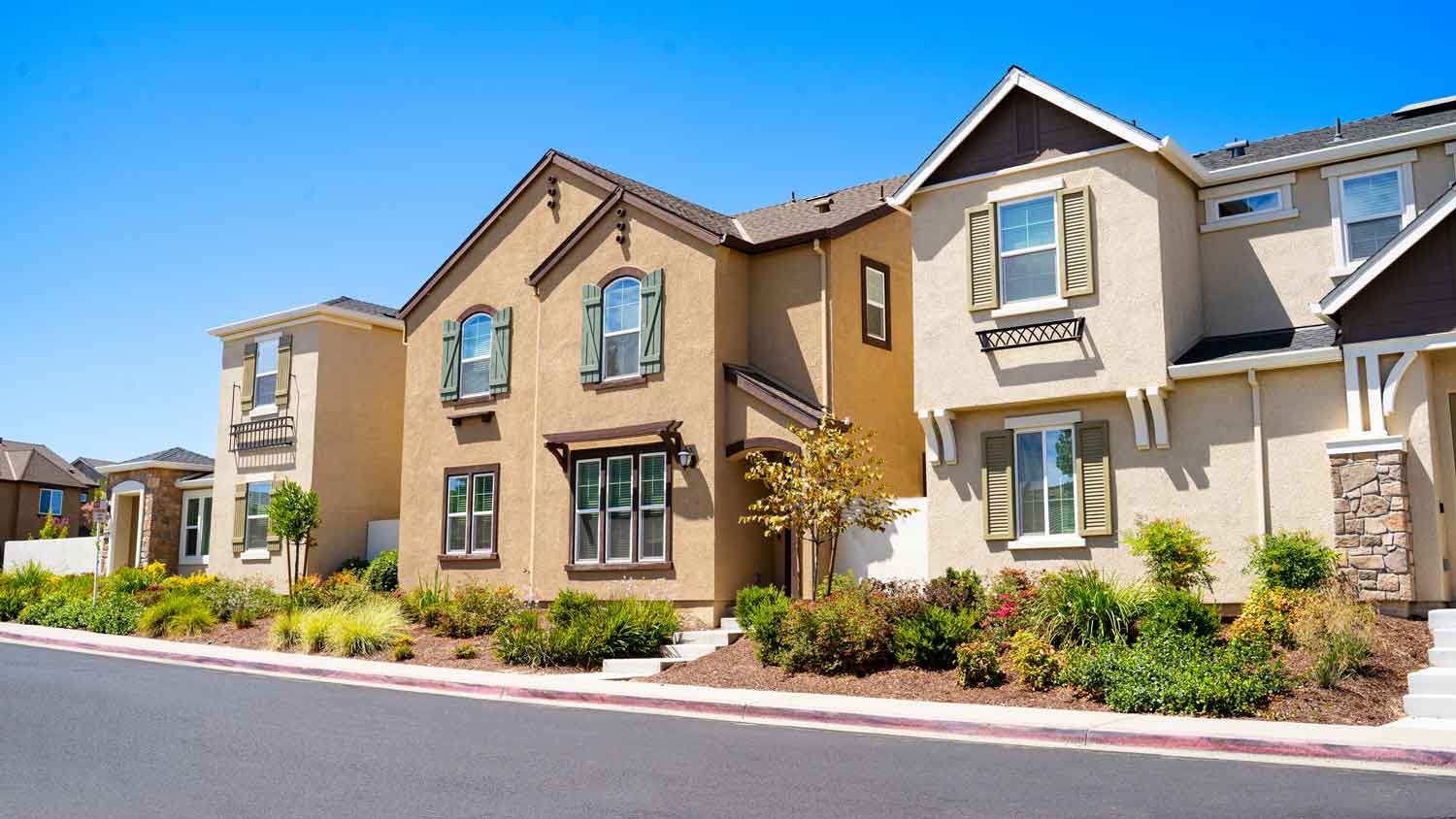
If you live near a fault line, your home may need an earthquake retrofit. Find out what you need to know about the process, from costs to who you should hire.

Fear not! Steady the shakes, tame the tremors, and get earthquake-ready while we give you a better idea of how long earthquake retrofitting takes.