

Pantry moths multiply fast, so time is of the essence. Find out how to get rid of pantry moths and eradicate the pests taking over your kitchen.
Voila! No more voles.

The meadow vole is a small gray rodent that feeds on your garden plants, tree bark, and bulbs, creating shallow tunnel networks across your lawn.
Professional vole extermination costs around $250, with severe infestations reaching up to $600, so addressing the problem early helps you avoid higher expenses.
Humane traps let you catch and relocate voles away from your property, while repellents like castor oil or capsaicin keep them from returning to your garden.
Hiring a local wildlife control professional provides reliable help with trapping and removing voles, especially when your yard has a large or persistent infestation.
Few things frustrate a gardener more than finding their beloved plants destroyed by a garden pest. One common culprit is a small rodent called a vole. They’re small, gray, cute, and often mistaken for mice. But don’t let their size fool you—they can do a lot of damage in a short amount of time. That includes burrowing holes in your lawn, gnawing the bark of your trees, eating prized plants, and damaging roots. Here’s how to get rid of voles and protect your precious perennials using a few simple and humane methods.
When it comes to how to get rid of voles, likely the fastest way is using a humane trap. These traps don’t kill voles, but are designed for you to catch and release. Be mindful of any children or pets in your yard that may be attracted to the bait or the steel traps.
Check local ordinances on relocating voles.
Purchase a live vole trap.
Place the traps perpendicular to nesting sites near the base of trees or large shrubs and near the widest vole runway in your yard.
Bait the traps with small nuts, sunflowers, peanut butter, apples, bread and butter, oatmeal mixed with peanut butter, cherry pits, or gumdrops.
The best time to set bait is the early evening, as voles are active then.
Once you catch a vole or voles, relocate them away from any residential areas and at least a half of a mile away from your home.
Reset traps as necessary.

There are a variety of ways you can try to repel voles so that they are not attracted to your garden plants or vegetable beds. Both castor oil and capsaicin, an oil from hot peppers, can be sprayed directly onto plants to leave an unpleasant smell and taste that will help to ward off voles.
Purchase castor oil at the pharmacy or grocery store and capsaicin at a garden supply center.
Wear gloves and a mask. For capsaicin, you’ll want safety goggles.
In the early evening, spray the substance directly onto a single leaf of whatever plant you plan to spray to be sure it won’t damage it. Never spray in the midday heat.
The next evening, assuming there is no damage, spray liberally on plant leaves and at the base of shrubs and trees.
Reapply after heavy rain or according to the label’s direction.
Both foxes and coyotes are natural predators of the vole, so the smell of their urine can signal to voles that they are in danger. This can cause them to relocate on their own.
Purchase fox or coyote urine at a local garden center or online.
Follow instructions for application, but typically you’ll use a spray bottle and sprinkle it at the base of trees, shrubs, and near the vole runways.
There are several other ingredients to try to get rid of voles that can be mixed in a spray bottle with a few drops of dish soap and water. It’s best to use protective gloves and eyewear when mixing and spraying these solutions.
A garlic clove
One onion
3-4 chopped hot peppers
2-3 tablespoons of cayenne powder
1-2 ounces of ammonia
2-3 tablespoons of peppermint oil
2-3 tablespoons of cedar oil
Follow these steps if you plan on using homemade irritants to get rid of voles in your yard:
Spray the solution on the voles’ runways, holes, near any nests, and at the base of trees.
Reapply two to three times per week—but more if it rains.

In addition to coyotes and foxes, other animals prey on or will scare off voles, such as snakes, hawks, and owls.
Attract owls, which prey on rodents like voles, to your yard by mounting owl nest boxes in your trees.
If you have an outdoor cat, make sure they’re out in the evening when voles are most active.
Dogs can scare voles, so let your pup bark and chase to try to encourage the voles to move on.
Voles love to feast on bulbs, vegetables, and tree bark. If you can protect these from voles, you limit their food source and encourage them to leave.
Protect bulbs by adding “turkey grit” or pea gravel to the planting hole, both at the base before planting the bulb and on top of the soil. Bulbs can come up through these smaller rocks, but they are unpleasant for tiny vole mouths to chew through.
Wrap trees with a tree guard, a light colored mesh cloth, to keep voles from chewing on bark. Bury the base of the guard in soil to keep it in place. If you live where there’s snow, make sure the mesh goes above the snow line.
Protect plants, vegetables, roots, and bulbs by installing 1/4-inch wire mesh around the perimeter of your garden or each individual bed. This method is also a good way to prevent rabbits from getting into the garden. However, voles don’t like to climb or jump, so it should be about a foot high. They do dig, so make sure the fencing goes a foot down under the soil.
If all other methods fail, and you have a severe vole problem on your hands, you should talk to a local pest control specialist. Some homeowners choose to use rodent poison to manage vole populations, but most of these are restricted for use only by a professional.

Voles are small and reclusive, so it’s not surprising if you’ve never actually seen a vole in your yard. It’s more likely you’ve seen the tell-tale signs, like a maze of shallow, 2-inch-wide tunnels snaking around the yard. Other signs include partially eaten root vegetables unearthed from your garden and dead plants that are missing their roots. You might also see chewed bark near the base of trees. Because voles tunnel through the root systems of trees, they can cause younger trees and shrubs or newer plantings to lean or even fall over.
The common vole, also known as the meadow mouse, is a member of the rodent family. There are over 100 vole species, all measuring between 4 to 8 inches, including the tail, and weighing just around two ounces. Voles have voracious appetites and can eat their weight in food in a day. Their natural habitats are meadowlands and forests, but many live in agricultural fields and residential gardens.
Lush gardens with plenty of grasses, roots, vegetables, and birdseed are a vole’s banquet. And even small creatures can do major damage to your garden, feasting on your favorite bulbs and destroying the root systems of newly planted shrubs.
Try to discourage voles from hanging around your property by reducing the spaces where voles prefer to nest.
Cut back shrubs and bushes.
Keep up with regular lawn care maintenance, including not letting the grass grow too long.
Weed your garden beds.
Keep tall grasses tidy.
Clean up leaf piles.
Keep wood stacks neat and organize piles of sticks or wood.
Don’t over-mulch, especially near the base of trees.
Remove snow from the base of trees (in the spring).
Voles like to eat seeds, nuts, and other vegetation, so if you have a birdfeeder, you can:
Remove bird feeders or keep seeds cleaned up from the ground.
Don’t put out suet.

You may wonder—what’s the difference between moles and voles? Moles and voles can do similar damage to shrubs and bulbs, but one of the easiest ways to tell if you have a mole rather than a vole in your yard are the tunnels. Moles also have a network of tunnels and runways, but mole runways are raised and include small mounds of soil around the holes, frequently all over your lawn. Vole runways are nearer to the surface, aren’t raised, and vole holes do not leave behind any mounds.
DIY methods for removing voles are the most budget-friendly way to eliminate them. Humane rodent traps cost around $25 to $50, depending on their size, and bait like nuts can be found in your home pantry. Deterrent sprays like coyote or fox urine cost around $20 a bottle. The cost for professional vole extermination can be significantly more, at about $250. A more serious vole infestation could run as high as $600, but it may be the best option if the population is abundant. On a positive note, vole removal costs are less than mole removal costs, which average around $400. Even though they are both underground burrowers, special permits are required for the removal of moles vs. voles, and moles are more elusive.
The majority of the DIY methods for removing or reducing vole populations in your yard are easy, safe, and inexpensive enough to handle on your own. If you handle your vole problem yourself, you will save about $250. However, if your vole population is out of control or you don’t have the time to DIY, it’s best to contact a local rodent control professional.
Voles make up a portion of the 42.6% of small mammals in the other category. Raccoons are the most commonly identified critters removed by wildlife control specialists, while skunks and possums are also popular for these pros.
A reliable team for moves across state. My switch to a new place needed careful lifting through tight hallways. The movers checked the doorway first, then carried heavier pieces with slow, controlled movements. Their patience helped prevent damage, and I?d choose them again.
This company does it right. Firstly, I want to say that Landan was a joy to work with. He was so kind, transparent, and had everything under control. His entire team showed up ready to work and they were all very respectful of the fact that we were in an office space. A little backstory – we...
 Krumlauf Floors
I had FabClean 614 clean my apartment, and she did an outstanding job. She was so professional and efficient. My apartment looks absolutely spotless every surface, every corner, all cleaned to perfection. Definitely highly recommend FabClean 614 if you're looking for top-notch cleaning...
 Fab Clean 614
Raven and crew does absolutely fantastic job. They are very professional if any concerns were to occur with any of her work she always took responsibility and finished out with a great job. I have worked with her business for a year and have always been satisfied. Very trusted business and...
 Creations of Transformation LLC
I would recommend this company to anyone! He showed up on time, was friendly, completed a very difficult repair on our dryer vent cover, was responsive, and pricing was extremely fair and competitive. I would have him back to do any of our repairs or cleanings without hesitation!
 U.S.A. Dryer Vent, LLC
Best cleaning I've had at my property
Ace Fireplace Services' chimney sweep service is truly exceptional. They used advanced technology to ensure a thorough cleaning process, and my chimney has never looked better. I highly recommend their services.
 Ace Fireplace Services
This company went above and beyond with their work, chimney sweeps are usually pretty messy, but the clean up was spot on.!! Josh explained every thing that he was doing, and the things that he was checking to make sure the chimney was safe for me and my family. He was very professional,...
 Supreme brick & chimney
Good workers and they do a good job.
 Mira Construction
Mary Cleaning Service is fantastic! The entire team is professional and pay a great deal of attention to detail. They do such a thorough job of cleaning my house. I would definitely recommend!
From average costs to expert advice, get all the answers you need to get your job done.
Pantry moths multiply fast, so time is of the essence. Find out how to get rid of pantry moths and eradicate the pests taking over your kitchen.

Falling asleep to the purring of your favorite feline is great, but the dream quickly turns to a nightmare when you feel those biting fleas. So how do you get rid of those dreadful cat fleas for good?
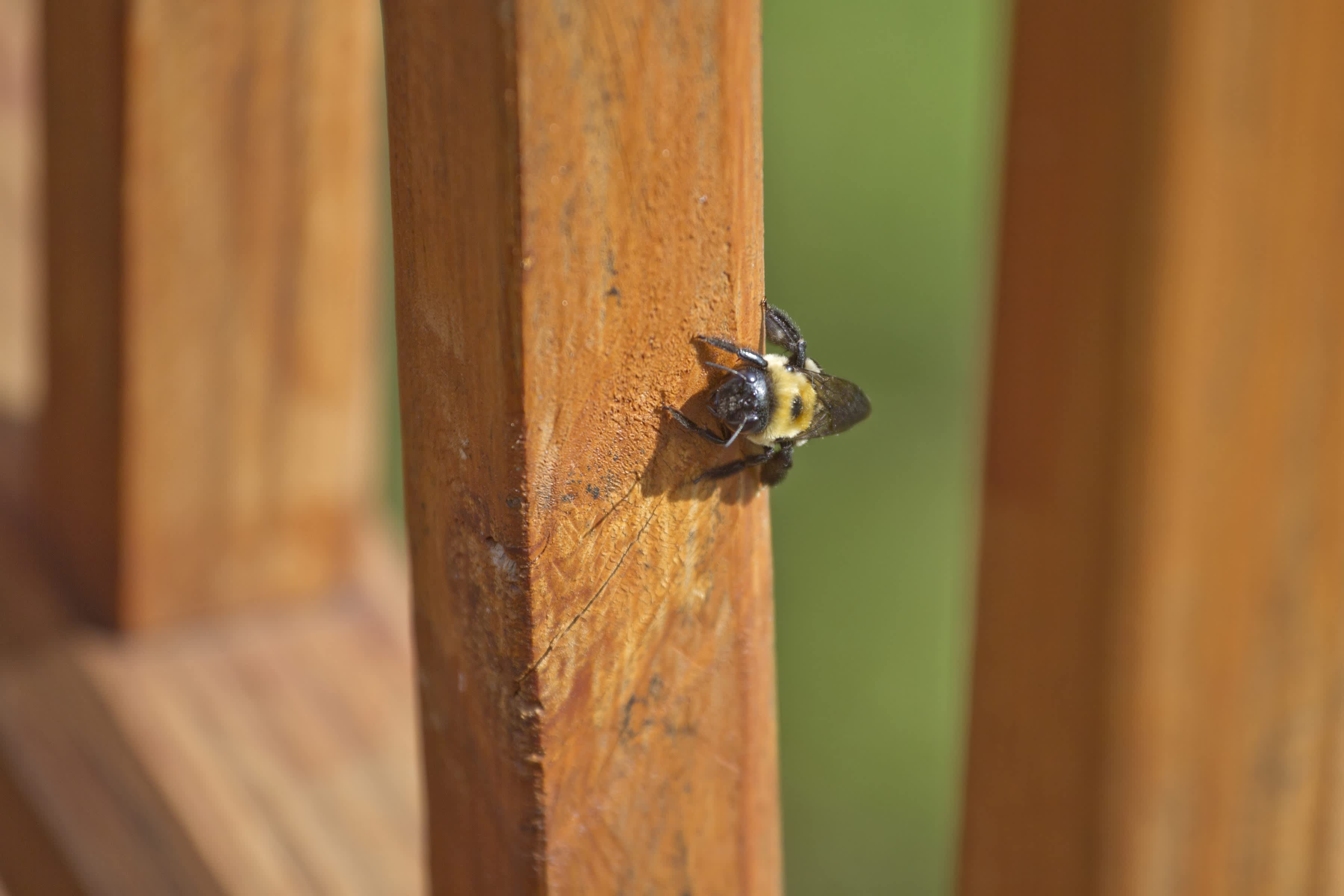
Learning how to get rid of carpenter bees naturally is important for the environment, ecosystem, and the structure of your home. Use this guide for easy DIY tips.

Left unchecked, indoor or outdoor cricket problems can become a nuisance. Here's how to get rid of crickets in the house with five different effective methods.
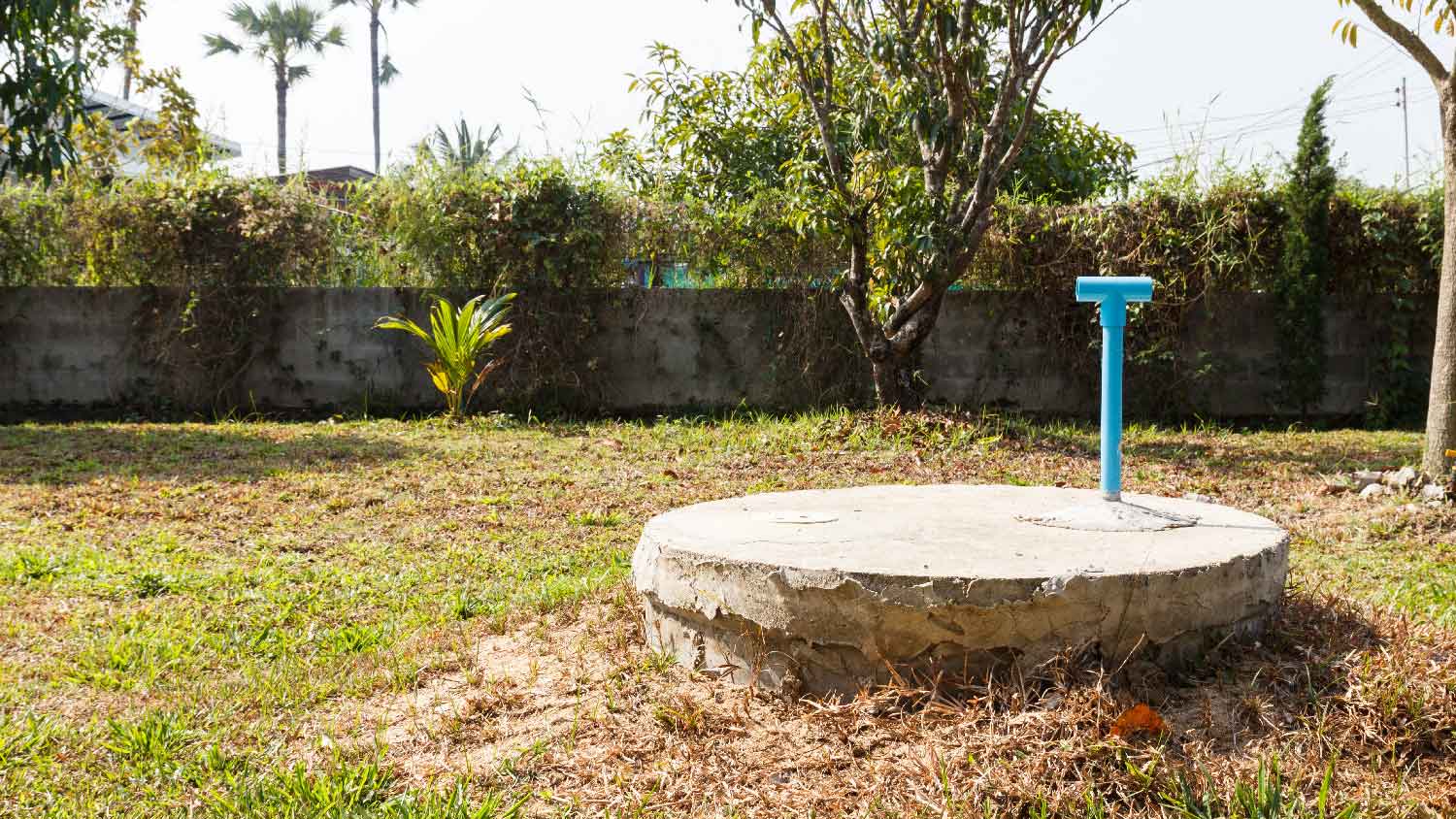
Follow this guide to learn how to get rid of a cesspool to save some money and transform your home into a more eco-friendly space.

Radon can seep into your home through cracks and small openings. Here's how to get rid of radon and why you need to do it.