

Take back your space and get rid of houseflies that are driving you crazy. From natural plants to a soda bottle trap, pick the method that works best for you.
Learn how to get rid of crickets quickly

Crickets settle in your yard when they find food, water, or shelter, especially in quiet, low-traffic areas where they feel safe from predators.
Expect to pay $200 to $600 for professional pest control treatment, though addressing your cricket problem early helps you avoid higher costs down the line.
Vacuuming your floors daily for a few weeks removes adult crickets and their eggs, which hatch in about 13 days and can quickly multiply.
Hiring a local pest inspection professional provides reliable help identifying the cricket type and infestation size, plus completing treatments that keep crickets from returning.
For some, a cricket's chirp may bring back fond memories of summer nights. But when you discover lots of crickets inside your home or hear a chorus outside every night, it becomes a different situation.
Most crickets won't damage your home, but they can be a nuisance all the same. Getting rid of them sooner than later is encouraged so they don't multiply. Here's how to get rid of crickets in the house or yard, plus prevent them from coming back.
Crickets are likely calling your yard home because they're able to find water, food (crumbs, fabric, even carpet), or shelter. Like any animal, when an outdoor location makes survival easier, crickets are likely to stick around—sometimes long enough to mate, and sometimes long enough for the early evenings to turn into a full cacophony of noise.
Crickets particularly prefer low-volume and low-movement areas where they feel comfortable away from predators. Quiet, shady places in your home, especially in unused areas or rooms, are bound to be a favorite for them.
Similarly, cracks in your windows and gaps beneath doors can invite crickets inside, initially to reap the benefits of warmth. This is why performing window maintenance and door repairs is essential.
Food spills, plumbing leaks, or moisture gathering from condensation somewhere in your home (like on a window) can also attract these pests.
The average pest control treatment costs $200 to $600, but getting rid of crickets only should be on the lower end. DIY cricket control costs much less, coming in at $10 to $20, depending on if you try multiple methods.

Is chirping a regular part of your morning? It might be time to check for a cricket infestation. If you need help figuring out what’s in (or outside) your home, hire a pest inspection pro near you.
Signs of crickets in your yard may include:
Excessive noises
Small mounds of dirt around the yard
Brown grass patches
Mounds or tunnels dug in your lawn
Signs of crickets in your home may include:
Chewed clothes or furniture
Chirping noises
Cricket droppings
Stained clothing
Having pests in your home is never fun, but you’ll want to identify the type of cricket you have. There are three types of crickets you may find in your home or yard: cave crickets, house crickets, and mole crickets.
Cave crickets: light brown and characterized by large hind legs
House crickets: yellowish brown with bands across their back and shorter legs
Mole crickets: burrow underground and not likely to be seen; short and stubby with dense heads and black, beady eyes
Mole crickets, in particular, are the most frustrating to deal with, as they live underneath the soil and can damage your lawn by pulling apart the soil. (They also tend to eat crops in your garden.)
Cave and house crickets are more of an aesthetic nuisance than anything but will munch on carpets, fabrics, and food crumbs in your home. If they're given the time to mate, you may wind up with a lot more of them in your home than you'd like.

Perhaps you're sick of hearing chirping during your morning coffee or mole crickets are damaging sections of your lawn. Not sure what to do next? Fret not—here are five strategies to get rid of crickets in your yard or home.
This first strategy actually works best in the yard for removing mole crickets but could be modified to work inside of a home, too.
Mix 2 tablespoons of dish soap with 1 gallon of water for every 2-square-foot area of your lawn you'd like to draw crickets out of. Gently distribute the water onto the ground. (Don't worry, the small amount of dish soap will be washed away later.)
The soap/water combination will draw crickets to the surface. From here, you have the choice to neutralize them using pest control spray—or just see what you're dealing with from a numbers standpoint. This proactive step can help you decide how you'll get rid of crickets in your yard later.
Leave strips of boric acid or boric acid balls in areas where you've seen crickets hanging out (inside or out). Wear gloves and a mask to avoid breathing it in. If you have kids or pets, read the manufacturer’s instructions to ensure this is the right choice for your home. Research boric acid for pest control carefully to ensure you use it safely.
When crickets walk over or eat the boric acid, the powder will damage their nervous system, quickly killing them. Look for dead crickets around your home and vacuum and clean your floors regularly.
You can leave cricket sticky traps out in high-volume areas. Crickets are naturally attracted to the substances on sticky glue traps ($7 for a roll at home improvement stores). They'll get trapped and die there, and you can simply throw the strips away when you're done.
For DIY traps, fill jars with molasses and water. Place these in small containers such as yogurt cups with one side cut out or on wax paper for easy disposal.
If crickets are visible in your home, try vacuuming up the adults and disposing of the trash afterward. Vacuuming is actually recommended regardless if you have an indoor infestation, because crickets tend to leave eggs in your home.
Even when you think they're gone, a fresh batch of baby crickets could be on its way in a week or so (eggs take around 13 days to hatch once laid). Vacuuming can help sweep these tiny eggs up even though you might not realize they're there, as well as remove adult crickets.
If you're worried you might have cricket eggs or are recovering from a total infestation of crickets, you may want to consider steam cleaning the floor or using a floor cleaner to kill any eggs you might miss with the vacuum.
Mix 1/2 cup red chilis or 1/4 cup chili powder with a few squirts of dish soap and water to make a light paste. Leave this natural pesticide near plants, puddles, or in high-volume traffic areas of the home. You can also dilute it with more water and use it as a spray.
Crickets don't like the smell and the peppers will burn them if they come in contact with the repellant, deterring them from returning to that area. Inside your home, you can put it out on strips of wax paper for easy disposal.
Crickets also strongly dislike the scent of peppermint, so making an insect repellant out of essential oils with water and spraying it in problem areas could also help.

Once you've got rid of the crickets in your home or yard, it's important to take preventative steps to ensure they don't return. If the problem persists, consider hiring a local exterminator to help.
Check your home's dark areas for remaining crickets/cricket eggs.
Vacuum/mop your floors every day for a few weeks.
Seal holes or cracks in windows or doors.
Eliminate moisture.
Prune trees and shrubs.
Remove puddles and stick piles from your yard.
Hiring a pest control company might make sense if you don't like the idea of DIY cricket removal, or if you believe the infestation is large and you'd rather be sure you get all of them. Many companies offer an assurance that if the problem persists after a treatment, they will return free of charge.
Crickets, like many types of bugs, may be attracted to light sources in your yard or home. Specifically, white lights seem to attract crickets, so switching to yellow bulbs might be helpful if you have an infestation. Mole crickets, the type that lives underground, are the exception, as they don't seem to be attracted to light.
Tiny openings in windows, plumbing, crawl spaces, and beneath doors are all places crickets can easily get into your home. Some crickets are less than 1/3 an inch in size, so sealing off even small entrance points in your home is important for keeping bugs outside.
Warm months are the most active for crickets, typically August and September when it's not too hot. The cricket chirping noises you hear in the summer are actually—in some cases—the male mating call of a cricket.
Cricket's life spans are only about eight weeks outdoors, but can live up to a year inside when all their needs are met. Cricket eggs take about 13 days to hatch from the time they are laid, which is a relatively short time frame to locate and remove them before they hatch. This is why regular deep-cleans and vacuuming are important when you have an infestation.
A reliable team for moves across state. My switch to a new place needed careful lifting through tight hallways. The movers checked the doorway first, then carried heavier pieces with slow, controlled movements. Their patience helped prevent damage, and I?d choose them again.
This company does it right. Firstly, I want to say that Landan was a joy to work with. He was so kind, transparent, and had everything under control. His entire team showed up ready to work and they were all very respectful of the fact that we were in an office space. A little backstory – we...
 Krumlauf Floors
I had FabClean 614 clean my apartment, and she did an outstanding job. She was so professional and efficient. My apartment looks absolutely spotless every surface, every corner, all cleaned to perfection. Definitely highly recommend FabClean 614 if you're looking for top-notch cleaning...
 Fab Clean 614
Raven and crew does absolutely fantastic job. They are very professional if any concerns were to occur with any of her work she always took responsibility and finished out with a great job. I have worked with her business for a year and have always been satisfied. Very trusted business and...
 Creations of Transformation LLC
I would recommend this company to anyone! He showed up on time, was friendly, completed a very difficult repair on our dryer vent cover, was responsive, and pricing was extremely fair and competitive. I would have him back to do any of our repairs or cleanings without hesitation!
 U.S.A. Dryer Vent, LLC
Best cleaning I've had at my property
Ace Fireplace Services' chimney sweep service is truly exceptional. They used advanced technology to ensure a thorough cleaning process, and my chimney has never looked better. I highly recommend their services.
 Ace Fireplace Services
This company went above and beyond with their work, chimney sweeps are usually pretty messy, but the clean up was spot on.!! Josh explained every thing that he was doing, and the things that he was checking to make sure the chimney was safe for me and my family. He was very professional,...
 Supreme brick & chimney
Good workers and they do a good job.
 Mira Construction
Mary Cleaning Service is fantastic! The entire team is professional and pay a great deal of attention to detail. They do such a thorough job of cleaning my house. I would definitely recommend!
From average costs to expert advice, get all the answers you need to get your job done.
Take back your space and get rid of houseflies that are driving you crazy. From natural plants to a soda bottle trap, pick the method that works best for you.

Badgers can wreak havoc on lawns and gardens with their constant digging. Learn how to get rid of badgers effectively with this helpful guide.
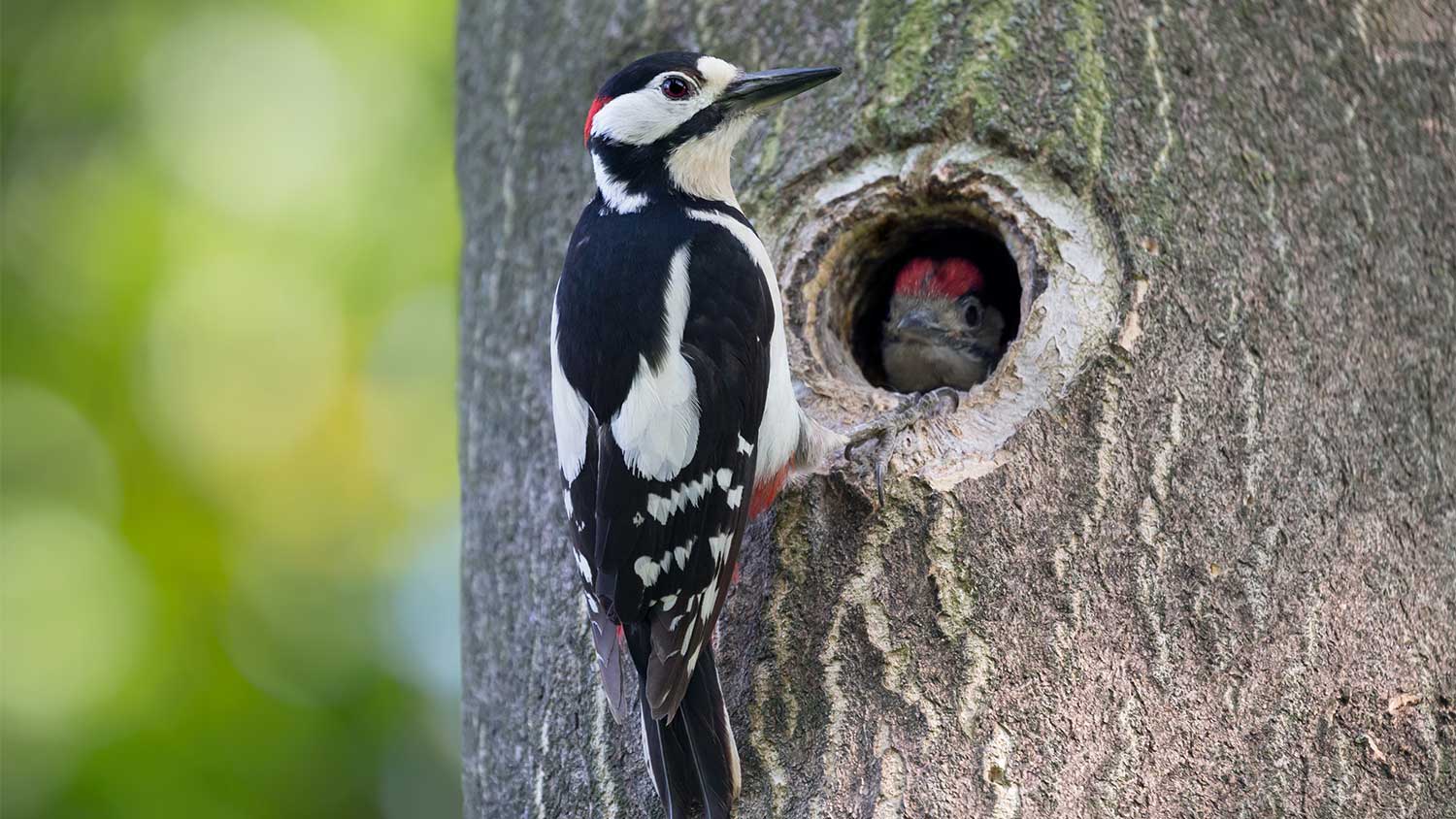
Woodpeckers are pretty birds with a bad habit of drilling holes all over your property. Here's how to get rid of woodpeckers humanely—and for good.

Mosquitoes can ruin any outdoor summer soirée. Prevent bites, itchiness, and annoyance by learning how to get rid of mosquitoes in your yard for good.

Find out how to get rid of ladybugs and the look-alike harlequin ladybird in your home using inexpensive remedies and plenty of prevention to combat infestations.
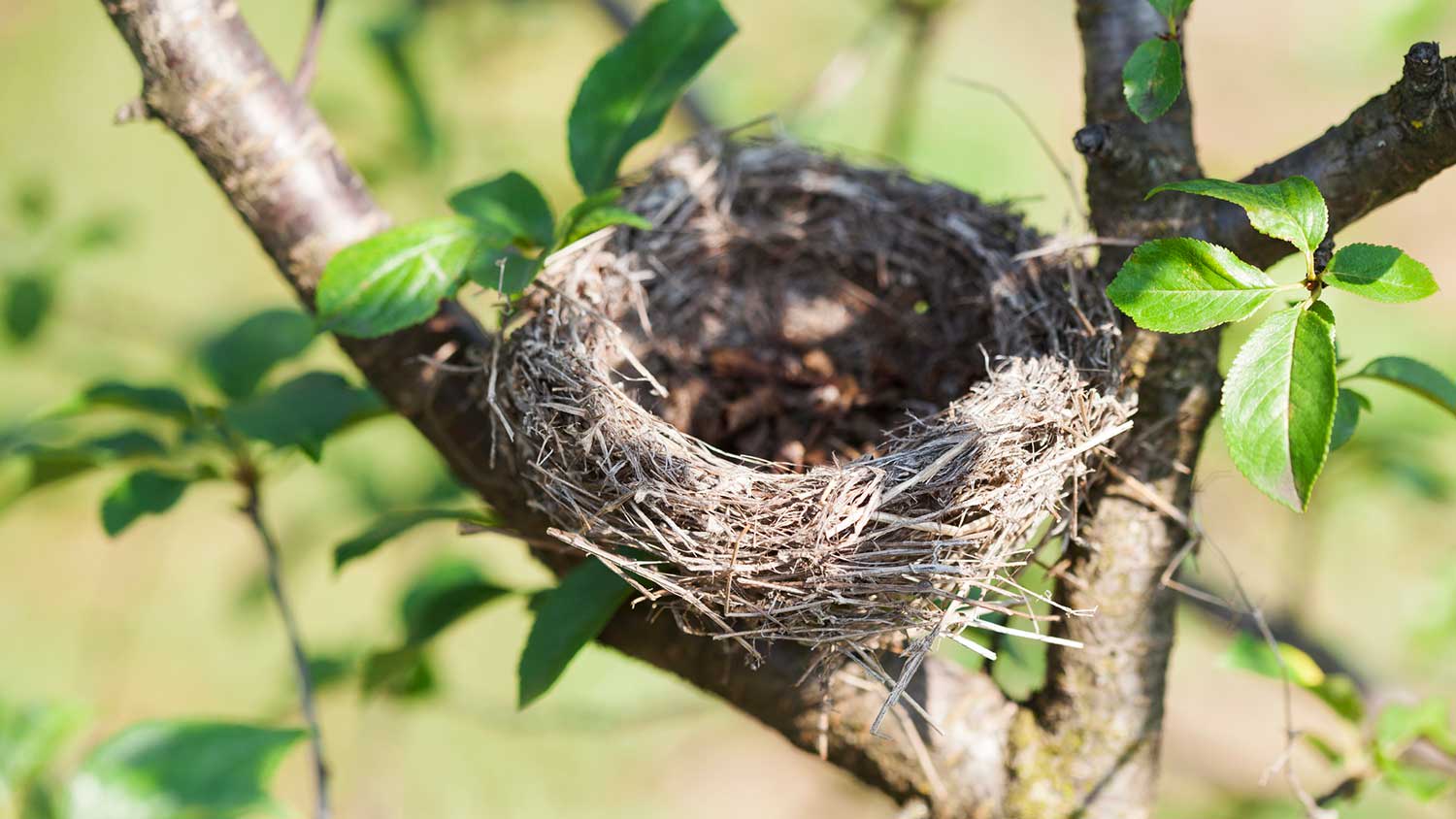
Want to get rid of a bird’s nest on or around your home? Learn what your options are to remove an old inactive nest near your property.