

The cost to remove a groundhog can vary depending on where you live and whether you do it yourself or hire a professional. We’ll help you figure out the true cost of groundhog removal, along with strategies for humane trapping and release.
Send moles—and their molehills—packing

Mole elimination depends on removing their food source, as these insectivores dig through your lawn hunting grubs, earthworms, and other garden insects.
Expect to pay $100 to $550 for professional mole removal, with costs varying based on your infestation size and preferred removal method.
You can deter moles by distributing repellents like castor oil spray, planting alliums or daffodils, and laying wire mesh under your garden soil.
Hiring a local landscaping professional provides humane trap-and-release solutions and helps create an environment that keeps moles from returning to your yard.
When you suddenly notice a suspicious correlation between your plants dying and small volcano-like piles of dirt on your lawn, you may be dealing with a mole problem. But how do you get rid of moles humanely and keep them from coming back over and over?
Just like most common lawn pests, it's best to understand why the moles came in the first place and what will send them packing for other pastures.

While it may be easy to reach for the glue or poison traps, don’t.
Poison traps are dangerous to other animals, including cats, dogs, birds, and local wildlife, says the Arizona Department of Agriculture.
Glue traps are both cruel and ineffective. They subject moles and any other type of animal to unnecessary suffering.
Below are seven humane methods to deter and relocate moles without risking the local ecosystem.
Since moles thrive on grubs—a common garden nemesis—getting rid of grubs will, in turn, control the mole population. Begin by checking if you have the common signs of grubs in your lawn. These include yellow and white patches of grass, soft and spongy ground, and small white larvae in the dirt.
If you discover you have a problem, you can get rid of grubs in a few ways:
Distribute milky spore powder.
Release nematodes (aka roundworms) that consume grubs.
Distribute a natural pesticide.
Encourage birds to your lawn with feeders and flowers.
Dry out your lawn in the hot season.
Repellents range from planting potent flowers that moles can't stand to purchasing pre-mixed solutions at your garden store. For example, repellent sprays often include ingredients like castor oil, vinegar, garlic, and cayenne pepper. Just be sure to read the instructions closely and note if the ingredients can be harmful to pets—particularly if your cat goes wandering through your garden.
You can also eliminate moles with planted repellents by filling your garden with:
Alliums
Castor beans
Daffodils
Fritillarias
Garlic
Shallots
Keep in mind that this method may take time, especially if you already have a large mole population. Plan your spring garden around these plantings to deter moles from staying for the summer. To boost your efforts, also consider eliminating elements and plants that attract moles in the first place.
Moles must be able to easily burrow under and out of your garden to live comfortably. Blocking off the surface of your dirt will discourage them from sticking around. Wire mesh sheets that sit just under your garden soil or new turf are one way to protect against all burrow animals, including moles, voles, groundhogs, and gophers.
Note: if you're planning to layer a sheet of mesh under your turf, hire a landscaper to avoid damaging your lawn in the process. Gardening mesh, however, can sit right on top of or below the dirt with areas removed for your plantings.
If covering your entire garden or lawn in mesh is not an option, consider digging a thin trench around the edge of either area. You can then layer the trench with wire mesh or metal sheeting to keep outside moles from getting in from your neighbor's lawn.
Here's how to go about it:
Using a large garden shovel, press directly down in the ground 24–30 inches.
Continue the motion until you've encircled the area you're looking to protect.
Line the trench with wire mesh or aluminum sheeting.
Cover the top of the trench with dirt.
Moles are not the bravest of creatures on the planet, so even making a bit of noise can help you get rid of them.
Consider an ultrasonic sound repellent that fits right in the ground of your garden to scare away moles and other small creatures annoyed by the sound. Keep in mind that your cats and dogs will not love the sound either, so this method is best for the pet-free household.
You can also take a gentler approach by adding wind chimes to your home and garden. Small windchimes placed on a rod near the ground will disturb the moles enough to discourage them from sticking around. What's more, you won't have to worry about spooking larger animals.
As we mentioned, moles are not known for their bravery. Sometimes, even the slightest threat that something is off can scare them away. Place reflective pinwheels around your yard to deter them from choosing your garden. Granted, this is not always useful if they've already set up shop, and may not work quickly enough if you have an abundance of moles.
You can also opt for the age-old method of small animal control by adopting an indoor/outdoor cat. Keep in mind that the cat may not take a "humane" approach, per se, to the well-being of the moles, but its presence would be enough to scare away future infestations.
We have to begin this recommendation with a note about safety. Safely trapping and releasing moles is best left to an animal removal company near you. Request a humane way to relocate your moles to an area miles away from your lawn (with food and water available) to keep them from coming back.
If you do feel comfortable trapping and releasing on your own, purchase a mechanized trap that either fits just outside the tunnels or underground in the tunnels themselves. Once the mole takes the bait, place it in a ventilated cardboard box and transport it far enough from your home that they cannot find their way back. But it also needs to be a spot where they will have ample food and water sources as well as shelter.

Moles leave small mountains of dirt where they first dig out their tunnels or when they come to the surface. Mole tunnels can sit just below the surface or deep underground.
Surface tunnels—the ones that sit just a few inches underground—will create visible winding ridges in your lawn or garden. The deeper ones can cause indentations or drainage problems when they get out of control.
While some signs of a mole infestation are obvious, others are a bit more subtle. Here are all the ways you know it's time to remove moles from your yard:
Small hills of dirt
Ridges of dirt from surface tunnels
Dead patches of grass
Areas of loose or sinking soil
Destroyed root systems
Persistent weeds along ridges
Drainage issues
The answer is pretty straightforward: Moles are in it for the bug snacks. While the small fuzzy creatures may look like rodents, they are actually insectivores that go after common garden bugs like grubs, earthworms, and centipedes. If you have a fresh supply of these insects, it's easy to end up with a few too many of the tunneling creatures.
Moles are common across the country, though they primarily live on the eastern coast and throughout the southern plains. You will also find some species across the West. Moles live underground, tunneling through up to 160 feet of tunnels each night, often taking out the root systems of plants and grass on their way, according to The National Wildlife Federation.
And while a few moles can be key members of your ecosystem—eating grubs and aerating your soil, for example—too many can quickly kill a healthy garden.
Many of the best tips on our list to remove moles from your yard also apply to prevent them from coming back. Your best defense against moles is creating an inhospitable environment.
Here’s how to keep moles away for good:
Enclose your compost pile to deter burrowing.
Balance your pest population by encouraging birds and other natural predators.
Fill your garden with noisy wind chimes and reflective decor.
Plant a border around your garden with plants moles detest.
Balance moisture levels on your lawn to deter grubs and other mole favorites.
Spray repellent at the start of the spring season after planting.
While moles don't pose a major threat to your safety—and can even help your lawn in small numbers—infestations are never good to ignore. After attempting the yard mole removal tips above, consider hiring an animal removal team.
The cost of mole removal can range from $100 to $550, depending on the size of the infestation, where you live, and your preferred method of removal. You can also work with lawn care specialists to create an environment ideal for removing moles from your yard.
Deirdre Sullivan contributed to this article.
One of my old tall evergreen trees was suddenly leaning toward the busy street in front of my house. I submitted a request for an emergency tree inspection, and Alejandro, owner of Cajete Tree Service, contacted me immediately and arrived to look at it just 20 minutes later. We agreed the...
 Cajete Tree Service LLC
Wonderful. I am going to have them remove and replace my driveway in the spring.
 All Star Paving and Sealing
Lyle did a great job removing asbestos shingles from our front porch roof. They worked together with our roofer to make sure that the new roof was able to be installed on the same day that Lyle removed the asbestos shingles.
 Lyle Environmental
Involved an extensive bathroom remodel, including removing tub & installing walk in shower, new drywall, custome tile work to ceiling, plumbing, etc. Overall, job was done on time and on budget. Nick & his team were very professional and had high attention to detail. Quality was great. Highly...
 Stamos Flooring and Remodeling LLC
Extremely well. Ohio Tree Care is my go to company for all tree care and snow removal services. they are professional, knowledgeable and affordable. I manage five camps in 33 counties and Ohio Tree Care has serviced every one of our properties. Highly recommend.
 Ohio Tree Care Inc
A team of 2 spent 5 hours, cleaning top to bottom (removed all light fixture and cleaned.... impressive!!!)
 Luzia's Cleaning
I would have given an "A" rating were it not for the devil being in the details. 1. The van rear doors, when open, expose the track area and that had not been cleaned. Noticeable only when you look for it and then it's obvious. 2. Was able to get 99.5% of the dog hair out of the cargo area...
 614 Detail
Great Job!!! Martin called me after I requested a estimate on Home Advisor. He was very professional and actually went the same day and looked at the tree I needed removed gave us a estimate and I felt it was very aggressive so I did not even call for any other bids. I asked him how soon he...
 Reyes Tree Service LLC - Home Facebook
Mike and his crew did a great job working through a very challenging task. The job required a full demolition of our ceiling, removing the blown in insulation and removing all the material from the site daily. It involved multiple inspections from the city and many challenges to get the...
 Rising Height Unlimited
Removed various items (furniture, lamps, other junk) from my home. They were on time, personable, professional, etc. I can't say enough positive things about this company. <br />
From average costs to expert advice, get all the answers you need to get your job done.
The cost to remove a groundhog can vary depending on where you live and whether you do it yourself or hire a professional. We’ll help you figure out the true cost of groundhog removal, along with strategies for humane trapping and release.

While moles eat termites, ants, and more, they can still be a nuisance. Learn yard mole removal costs, including humane options to decide what’s right for you.
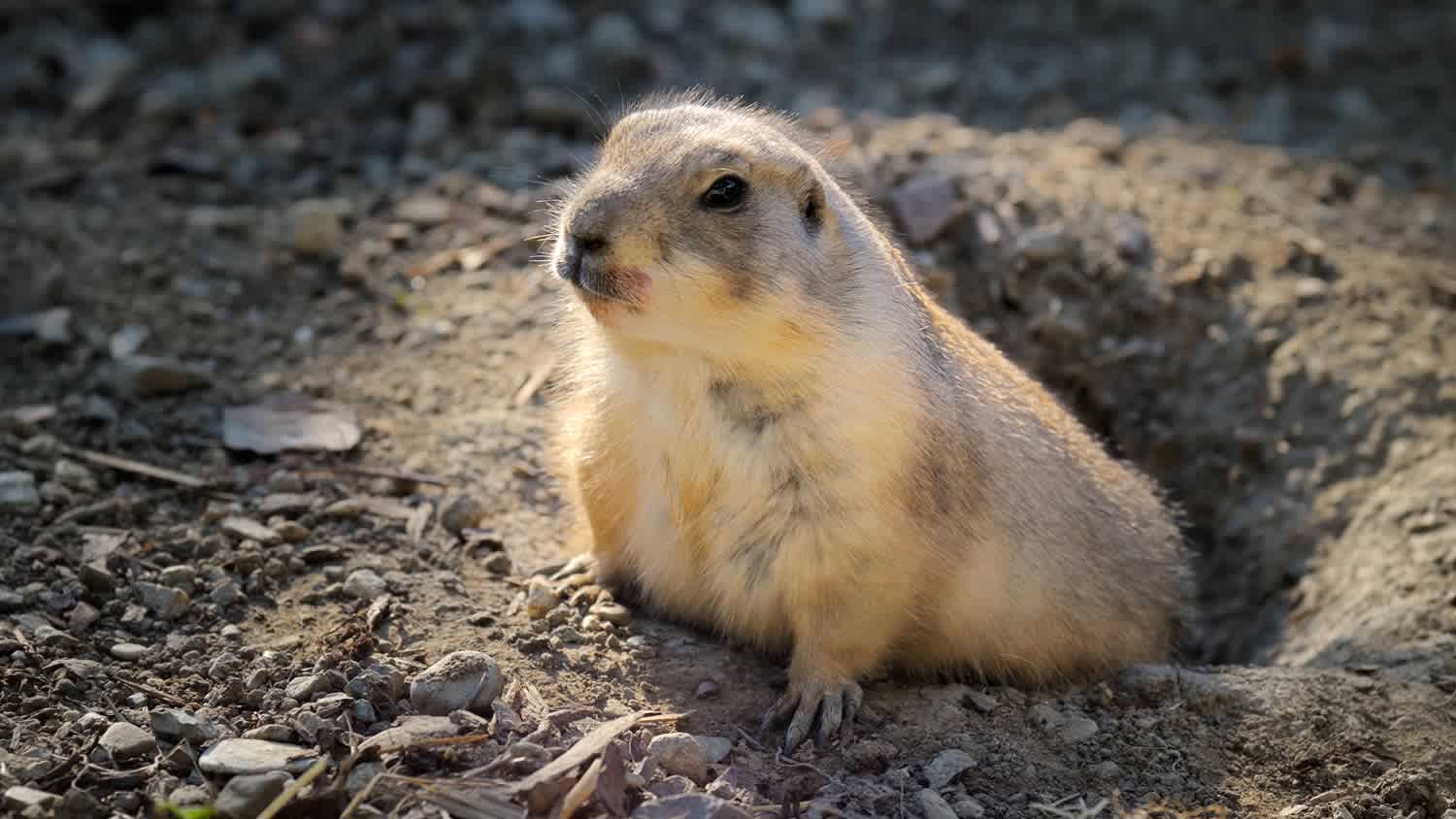
Outside of predicting the start of spring, groundhogs are incredibly destructive to gardens and lawns. Learn how to get rid of groundhogs with this guide.
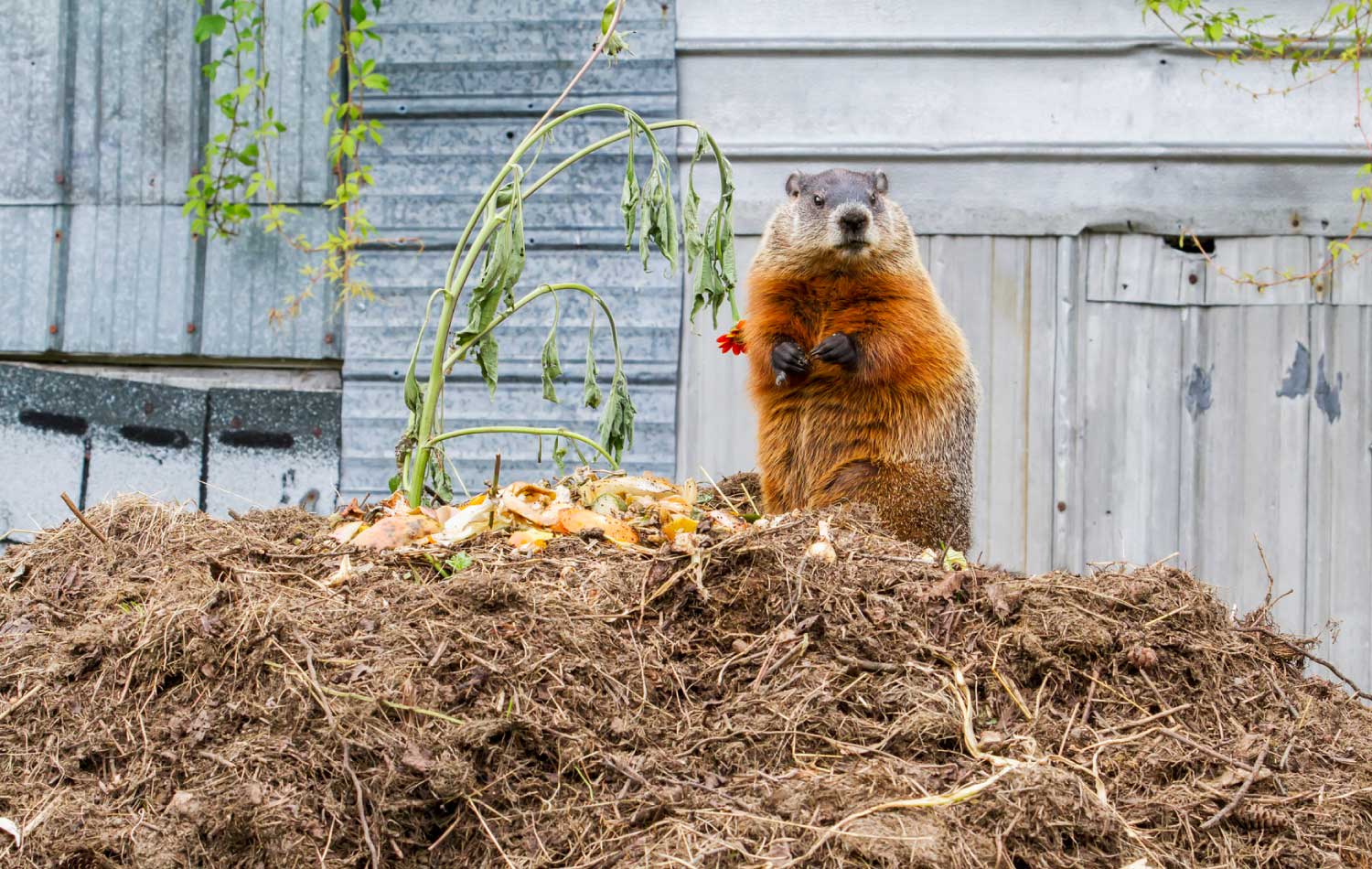
Groundhogs can quickly become a problem for homeowners, damaging wires, pipes, and the foundation. Learn about the best bait for groundhogs to trap and remove them.
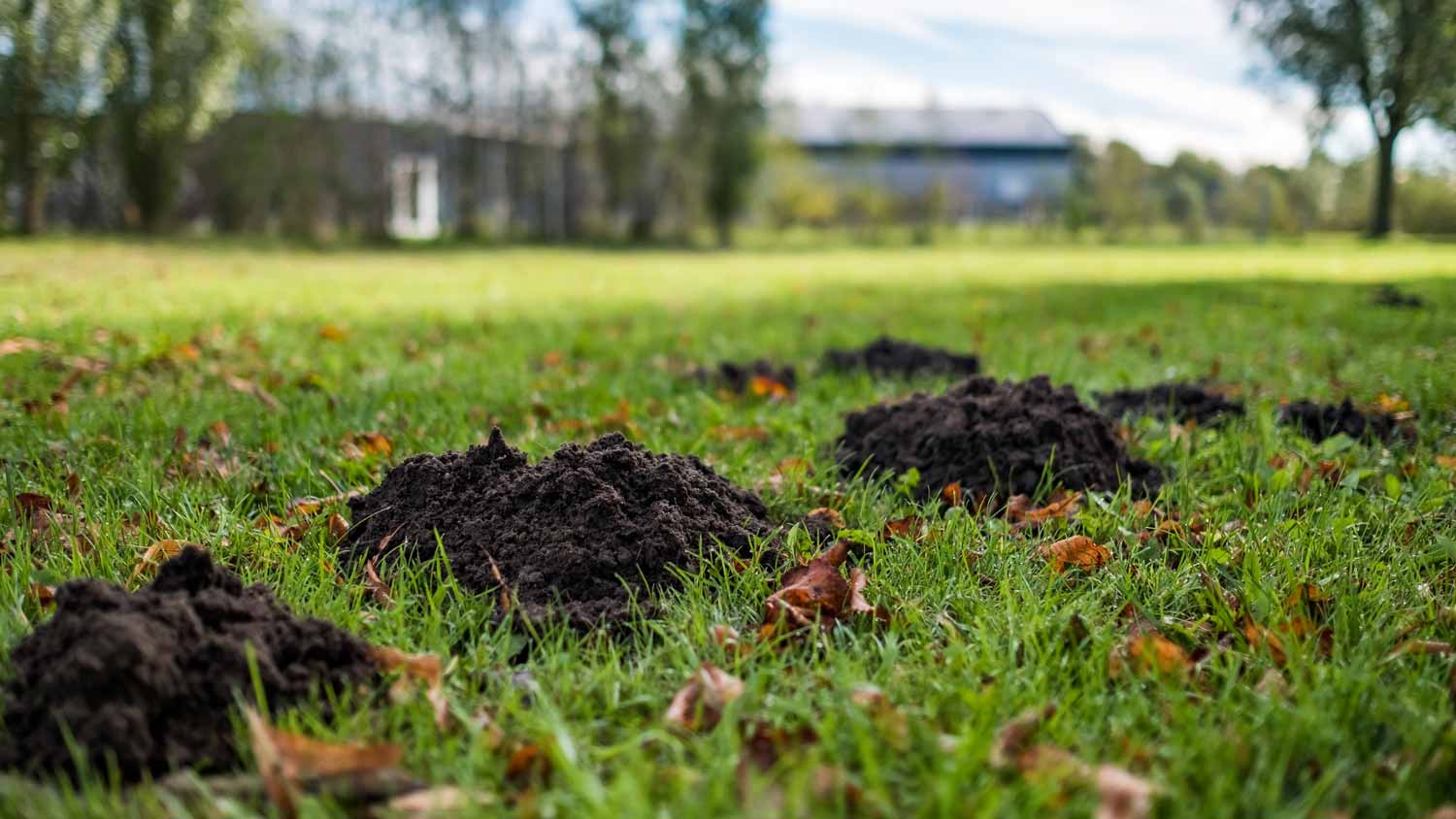
If you're stumped about what animal is digging holes in your yard, use this guide to identify the signs of different species and stop them from causing damage.
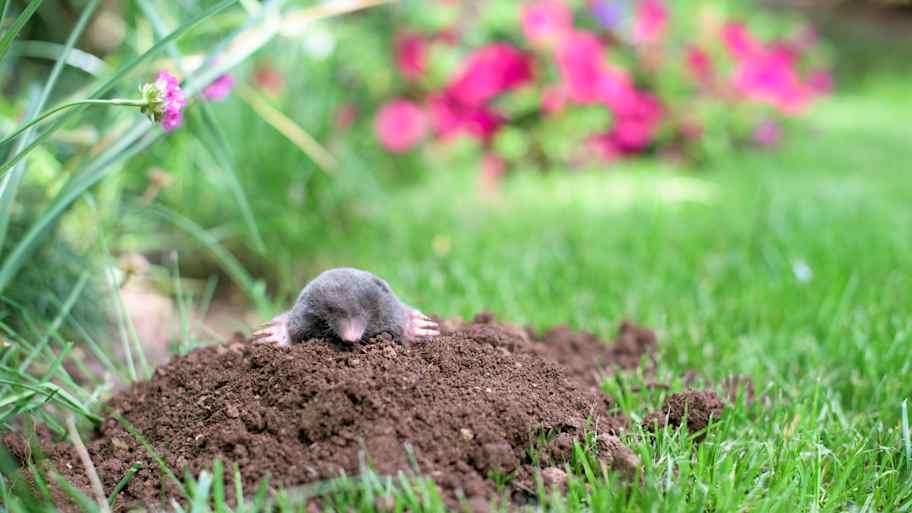
Worried about some strange tunneling or patches of dying grass in your lawn? Check for these five signs of moles in your yard and find a fix.