





How much does bee removal cost? Learn what you’ll pay based on factors like hive location, size of the infestation, extermination or removal, and more.
The itsy bitsy spiders are no match for these easy and affordable solutions


Brown recluse spiders are no laughing matter, but getting rid of them isn’t as difficult as you might imagine. With the right protective gear and various natural and chemical removal options, you can eliminate and keep them off your property without even breaking a sweat. The following guide breaks down how to get rid of brown recluse spiders, how to prevent them from showing up at all, and when it’s better to let the pros take care of such a job.
Before beginning the removal process, it’s important first to determine whether or not you’re actually dealing with brown recluse spiders, understand the risks they pose, and learn what steps you need to take to keep yourself safe.
There are a handful of ways to tell if you have brown recluse spiders on your hands. Firstly, you’ll know you have a spider infestation in general if you see more cobwebs than normal or if there’s a sudden decrease in the amount of flying insects around your home.
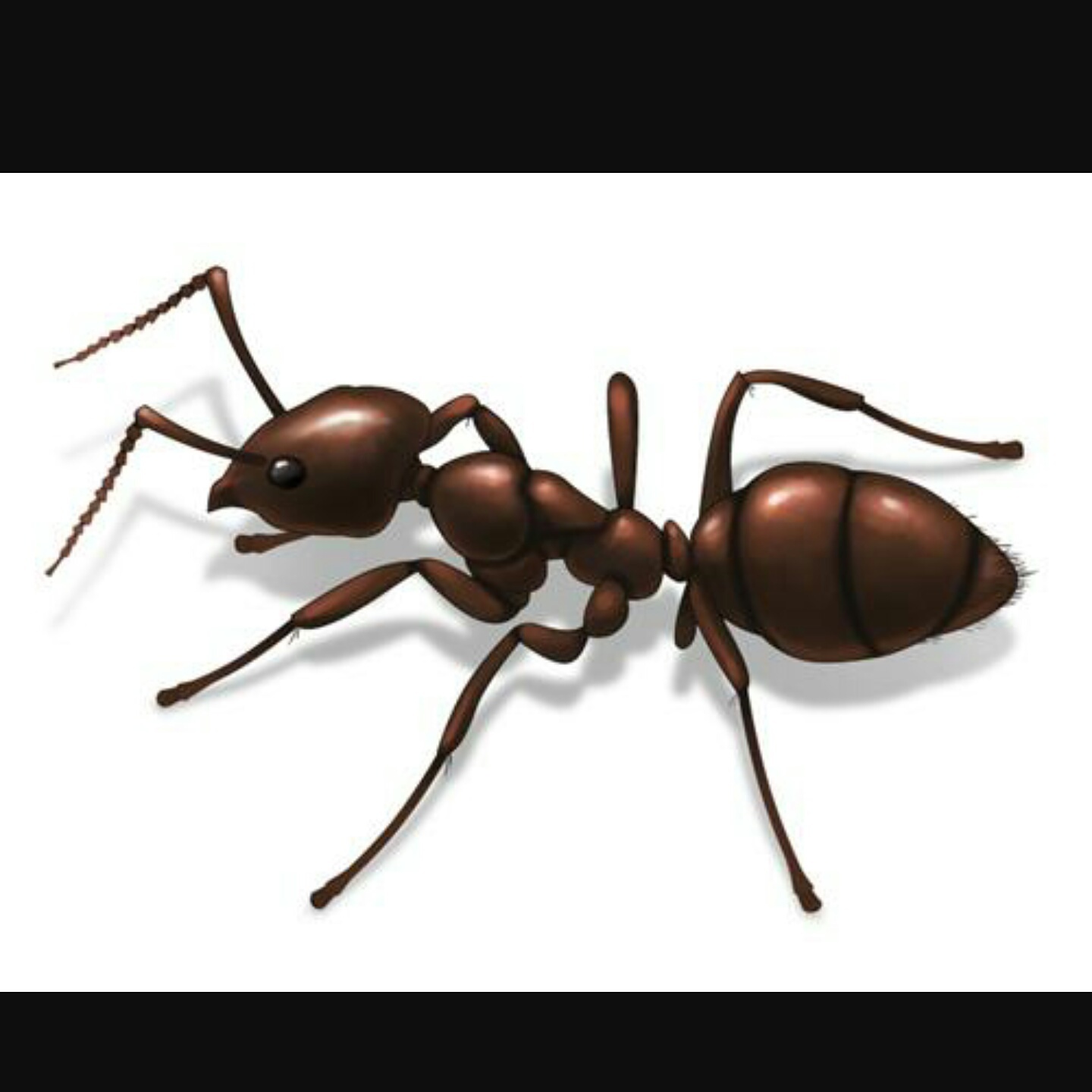
You can identify brown recluse spiders from there by looking for several specific features. They’ll typically be light or medium brown in color, about the size of a quarter, and have six eyes and a violin-shaped pattern on their back. Remember that spiders won’t bite unless they feel threatened, so it’s a good idea to maintain your distance when observing such critters. Trapping a live one under a glass or finding one that’s already dead are the best ways to get a closer look.
Finally, brown recluse spiders are most active from March to October. If you have a spider infestation at another time of the year, you’re likely dealing with another species.
Brown recluse spiders are highly venomous, and their bites can cause symptoms like rashes, itching, fevers, joint pain, nausea, and vomiting, and in rare cases they can be life-threatening. Gear up with boots, gloves, a hat, long-sleeve shirts, and full-length pants before attempting to remove them.

Spiders are more active at night than during the day, so perform your search after sunset for the best results. As their name suggests, brown recluse spiders are highly reclusive and are found in areas that don’t get much attention, like crawlspaces, attics, inside walls, wood or dirt piles, or old cardboard boxes. Check all these spots until you find what you’re looking for.

Try to exterminate as many of the spiders as possible before removing them. You can purchase a store-bought insecticide or spider killer or fill a spray bottle with a homemade vinegar and dish soap solution. Spray on the affected area and let it sit for five to 10 minutes before moving on to the next step.

Spider sweeping is a good way to clear an area of a current infestation and prevent them from happening at all. Place a broom or a cobweb brush into an affected area and spin it to gather cobwebs, eggs, and spiders. Keep a vacuum close by to suck up any critters or debris as they fall. Remember to wear a hat to keep your head safe from spiders not killed by the insecticide. After the infestation is removed, perform spider sweeps on a monthly basis to discourage nests from forming.
If the thought of all those falling spiders makes your skin crawl, sticky traps are a hands-off method that’s similarly effective. While wearing gloves, place the traps near affected areas. Wait several days before removing traps to catch as many spiders as possible. The spiders may sometimes miss the traps, so pair this method with another to get the best results.

Taking steps to repel brown recluse spiders is essential to ensure they don’t come right back. The following natural spider repellents will help keep them away without killing your household critters.
Brown recluse spiders—and spiders generally—are naturally repelled by lavender, eucalyptus, and peppermint essential oils. Fill a spray bottle with water, add a few drops of one oil, and apply to attractive areas or openings to your home. Reapply periodically.
This substance is made from the remains of aquatic organisms known as diatoms. It burrows into spider exoskeletons, dehydrating and killing them by absorbing all their fats and oils. It poses no risk to other wildlife, so it's safe to use around pets. Place it outside your home in nooks and crannies where brown recluses are likely to nest to prevent them from ever making it inside your home.
Filling your home with fragrant eucalyptus plants will add life and greenery to your abode and deter pests like brown recluse spiders. However, this plant can be toxic to cats and dogs, so it might not be the right solution for those with pets.

Once you’ve taken all the previous steps, find and seal any points where brown recluse spiders can enter your home. Use caulk to patch up holes or gaps in window frames, doors, floors, pipes, drains, and vents. You can also attach door sweeps to any exterior-facing doorways to keep the heat in and the spiders out.
If you fear spiders or feel unsafe dealing with a brown recluse, consider hiring an exterminator near you to take care of it instead. In fact, if you’ve found egg sacs from a brown recluse in your home, it’s best to call in the pros to handle it before it becomes an infestation.
Pest control costs can range anywhere from $50 to $500, depending on the animal and the circumstances. But you can expect to pay between just $100 and $300 for the cost of spider extermination.
We had LHR install a new roof and gutter system. While they were not the cheapest, they were considered the most reliable and fetish for using only high-value products that would last for many years. Additionally, they were highly professional and never tried to push their services or any...
 Liberty Home Remodeling
Environmental Pest Control did a wonderful job removing squirrels that were living in our attic, in a safe, environmentally-friendly way. The team was professional and respectful of our home. They gave us an estimate, got to work quickly, and answered all our questions. The squirrels have...
 Environmental Pest Control
From average costs to expert advice, get all the answers you need to get your job done.
How much does bee removal cost? Learn what you’ll pay based on factors like hive location, size of the infestation, extermination or removal, and more.

The invasive spotted lanternfly makes a mess and causes serious damage to the environment. So, how much does spotted lanternfly treatment cost?

Find out how much it costs to remove armadillos and stop them from coming back. Know how much to budget to humanely remove these pesky critters from your yard.

Fruit flies and fungus gnats can appear similar but require different removal approaches. Learn the main differences between gnats vs. fruit flies.
Fleas and ticks are irritating and can cause health issues, especially for pets. Create a homemade flea and tick killer for your yard to keep your home safe.

If you see a mouse hole in the wall, it’s time to seal your house from mice. Our guide will show you how to safely and humanely seal a house from mice.