
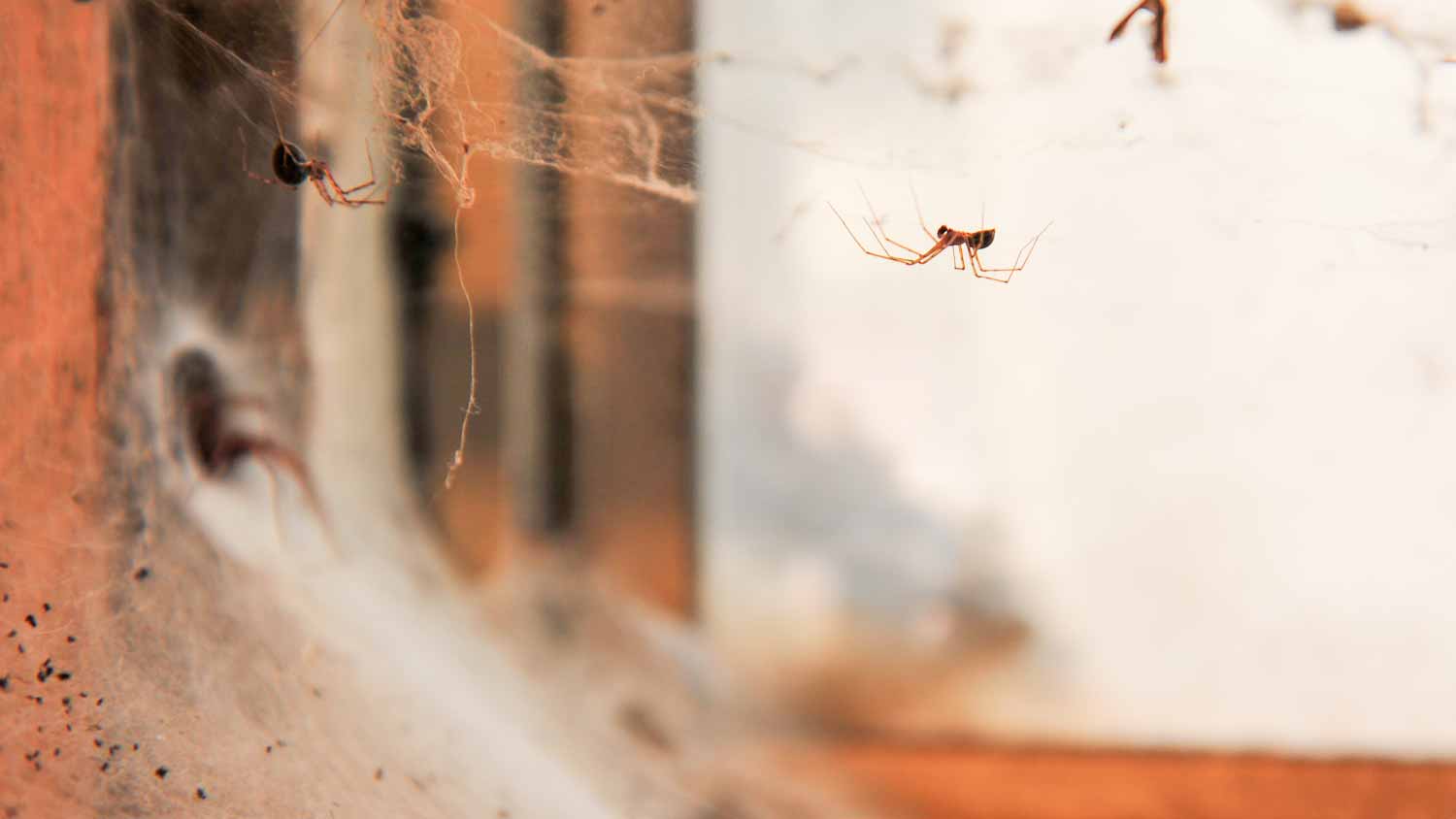
Professional spider exterminator costs vary depending on the infestation size, visit frequency, and methods. Use this guide to budget for speedy spider removal.
Spiders are important to the ecosystem, but let them take up residence somewhere else

Removing spiders from the house becomes necessary when you notice webs in corners, egg sacs, droppings, or frequent spider sightings indicating an infestation.
Expect to pay $100 to $260 for professional pest control services, which address spider problems quickly and prevent them from returning to your home.
You can repel spiders naturally by spraying essential oils like peppermint or citrus, placing cedar blocks in dark corners, and keeping your home clutter-free.
Hiring a local spider control professional provides reliable help with persistent infestations, giving you peace of mind when natural remedies and prevention steps aren't enough.
Spiders offer an amazing benefit to our world—they’re an integral part of the food chain, and their silk offers amazing medicinal properties and human uses. As beneficial as they are, it doesn’t mean you want them to become permanent houseguests, have spider babies, or bite your family. You can lessen your chances of hosting arachnids by using natural spider repellant. This humane deterrent will send spiders off to do their good work somewhere—anywhere!—away from your home.
Having spiders in your home is a rather common occurrence, but that likely doesn’t offer much comfort if you dislike them. A lot of things can attract spiders, but once you know why they’re there, you can work on preventing their presence.
Food sources: Spiders eat insects, and they're attracted to places where insects might be hanging out, such as in standing water or near pet food. If you have a pest problem, you probably have spiders, too.
Easy entrances: Holes, cracks, crevices, doorways, windows—spiders can get through almost any opening in your home, and they’ll take it as an invitation.
Clutter: Spiders love dark, dusty places, so a pile of old magazines or bills you need to go through is a prime example of an area where you might find a spider.
Overgrown landscaping: If your grass is getting too tall, you have big piles of leaves, or shrubbery is overgrown and too close to the house, it can attract more spiders.
Comfort: Whether it’s cold outside or scorching hot, spiders like more climate-controlled spaces, which means your home is the perfect escape from the elements.
Nesting grounds: Female spiders need a place to set up their webs to attract a mate. Meanwhile, male spiders are constantly on the move during mating season, and your home is a perfect place for them to meet. Mating season typically occurs in September or October, which is when you’re more likely to see spider webs and more spiders out in the open.
Free rides: Spiders can hide in all sorts of places, which means you may accidentally bring them in when you’re hauling in firewood, groceries, or any items you’ve had outside.
You’re likely to see a spider or two scurrying across your floor or countertop at some point, but how do you know if your spider sightings indicate a problem or even an infestation? There are a few telltale signs to look for in your home.
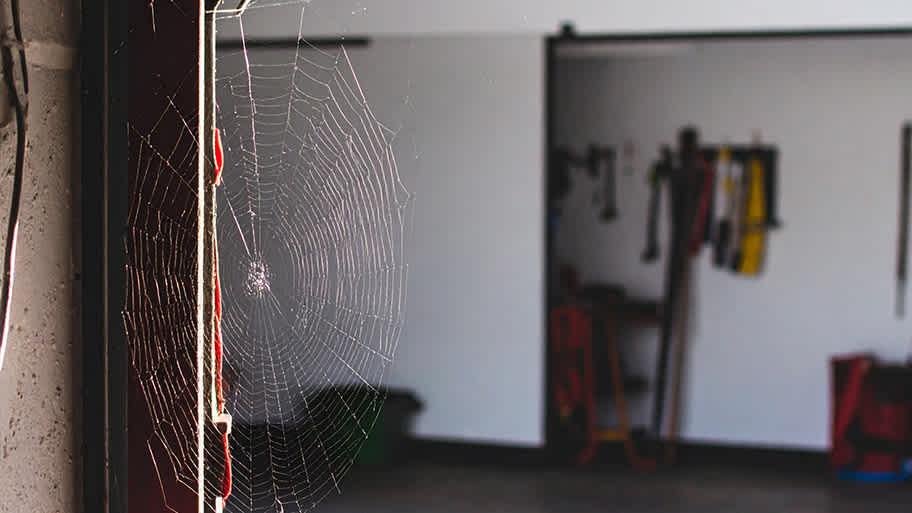
Finding spiderwebs is one of the best signs and one you’re most likely to notice. But you may be surprised at the number of places you can find these webs. You may see them in ceiling fans, corners, window sills, chandeliers—even open boxes or containers.
If you’ve ever observed a small white ball on a spider web, then you’ve probably stared at an egg sac. This sac is full of dozens of spider eggs, which means you can have a whole new generation of spiders to deal with if you don’t get rid of it ASAP.
You may see spider droppings if you have more than a few spiders in your home. These are tiny black spots, often found near the corners. It can almost look like paint splatter if there’s enough of it for you to notice.
If you have an insect problem, such as flies, moths, or mosquitos inside your home, then it’s likely to attract more spiders. These types of insects are some of a spider’s favorite food sources, so if you have more insects in your home, chances are you’ve unknowingly invited more spiders to come in and live with you.
Spiders love the dark. They especially love areas where they can tuck away, build their web, and hatch their egg sacs in peace and quiet. If your home has dark, damp, muggy spots, then it’s quite possible spiders have moved in and set up their headquarters there. If you’re unsure if you have a spider problem, these corners are the first place you should check for webs.
While it sounds obvious, if you consistently see spiders crawling around your home, they’re likely living comfortably somewhere inside your space. Keep in mind it only takes two spiders to create a new network of more spiders, so if you see one or two, then it’s worth taking measures to keep them out of your home for good.
You may not have anything against spiders themselves, but having them crawl around your space isn’t working for you either. You can try several natural spider repellants, either one at a time or in combination with one another.

Spiders do not like strong scents, and fortunately, it’s easy to apply scents that humans love that’ll drive arachnids away. Simply add 10 to 15 drops of essential oil to a spray bottle filled with water. Popular options include peppermint, spearmint, lemon, orange, lavender, citronella, or tea tree oil. Once mixed, spray in as many corners as possible. Think of all the places a spider likes hiding and spray the oil mixture there regularly—closets, drawers, window sills, under the bed.
Oil can stain, so it’s best to test it with a few sprays on upholstery or carpet before applying more. If you have a stubborn spot where spiders come in regularly, you can also apply a few drops of oil on a cotton ball and apply it to the area.
Another spray mixture you can use for a natural spider repellent includes making a spray with:
White vinegar
Dish soap
Water
To start with, combine equal parts white vinegar and water, typically about one cup each. Add the two ingredients to a spray bottle and mix together. Then add one tablespoon of dish soap, mix again, and you’re ready to spray.
You can apply this spray directly to any place you see spiders frequenting, including corners and walls. However, keeping the solution away from your eyes and skin is important since vinegar can cause irritation.
Another natural method involves placing cedar around your home. Cedar has a strong scent, and it naturally repels spiders. You can use cedar coat hangers in your closet or line closets with cedar. You can also purchase cedar blocks and place them strategically throughout your home, paying close attention to dark spots and corners. Plus, as an added bonus, cedar can help keep moths away.

You may only think of chestnuts roasting on an open fire, but they may be able to repel spiders too. Try placing chestnuts around your home in places where you’re most likely to find the creatures or near any place they might enter your home.
One word of caution, if you have pets, talk to your vet before bringing any chestnuts into the home. Some varieties can be dangerous for dogs if consumed (but there are safe options too).
Cinnamon is another smell spiders supposedly hate and it’s easy to add this scent in multiple places. You can add drops of cinnamon fragrance oil to water to make a spray (like the peppermint oil option). You can also light cinnamon-scented candles or place dried cinnamon sticks around your home, which can make your home smell great and repel spiders at the same time.
Citrus-based scents are another thing spiders can’t stand. Add drops of lemon or orange essential oils to a spray bottle filled with water and spray around your home. Or go above and beyond by rubbing lemon or orange peel on your bookshelves, window sills, and other wood items. Try using lemon-scented furniture polish or citronella candles to further fill your home with a citrus scent.

Since spiders are so sensitive to certain smells, it makes sense they might not like strong-scented plants such as basil, eucalyptus, lavender, or mint. You can place these plants near windows and discourage spiders from entering thanks to the strong aromas from these common houseplants—and let the plants do double duty in your kitchen as you use them for cooking.
Another option for especially tough spider problems is applying diatomaceous earth (DE) to your home's exterior. You can apply it in the back of cabinets or around corners of your home, but it shouldn’t be used on countertops where it can come in contact with your food. You can purchase DE from almost any hardware or pet supply store. Note that this method kills the spiders, so use it as a last resort if prevention isn’t working.
Cats can help keep the spiders to a minimum in your home. Little Mittens will enjoy hunting the creepy crawlies, and even her presence can help keep them away. If your animal interests are more flexible, frogs eat insects too—and fewer insects in or around your home means fewer spiders coming inside to live with you.
While it’s not always possible to keep every little spider out, you can reduce your chances of spiders taking up residence in your home with these tips:
Check for spiders when you bring items inside: Whether you’re bringing in firewood, fruits or veggies from the garden, or relocating potted plants, take a moment to double check you’re not accidentally bringing in a spider too.
Fill in cracks and holes: Your home has so many entryways for a spider, but taking time to fill or caulk holes and plug up any openings can go a long way in keeping them out. Don’t forget to check for open areas where wiring and cables come into the house or up through your foundation, and close up any openings where possible.
Replace damaged window screens: Windows are another natural entry point for spiders, so replacing any damaged window screens can keep them from coming in.
Keep your lawn maintained: Trimming shrubbery, mowing grass, and removing lawn clippings can cut down on the number of spiders. It’s best to keep bushes and trees away from your home, too, lest they become a bridge allowing insects and arachnids to sneak in.
Declutter as much as possible: Spiders love clutter because it gives them a dark place to hide, so keeping clutter to a minimum gives them one less reason to love your home.
Remove food sources: Avoid leaving open containers of pet food or other food items out, which can attract insects and more spiders.
Clean your space regularly: Keeping a tidy home can prevent spiders from becoming houseguests, especially as you vacuum and dust. Any opportunity to keep insects and pests away will also improve your chances with spiders.
If you’ve tried eliminating as many spider entryways as possible, are simply short on time, and want them gone, or you’re not interested in DIY spider repellent at all, you can hire a local pest control company. Keep in mind, though, that a pest control company might not use natural remedies to remove spiders. Spider exterminator costs vary, depending on the severity of the issue and the size of your home, but your typical pest control costs average $100 to $260.
A reliable team for moves across state. My switch to a new place needed careful lifting through tight hallways. The movers checked the doorway first, then carried heavier pieces with slow, controlled movements. Their patience helped prevent damage, and I?d choose them again.
This company does it right. Firstly, I want to say that Landan was a joy to work with. He was so kind, transparent, and had everything under control. His entire team showed up ready to work and they were all very respectful of the fact that we were in an office space. A little backstory – we...
 Krumlauf Floors
I had FabClean 614 clean my apartment, and she did an outstanding job. She was so professional and efficient. My apartment looks absolutely spotless every surface, every corner, all cleaned to perfection. Definitely highly recommend FabClean 614 if you're looking for top-notch cleaning...
 Fab Clean 614
Raven and crew does absolutely fantastic job. They are very professional if any concerns were to occur with any of her work she always took responsibility and finished out with a great job. I have worked with her business for a year and have always been satisfied. Very trusted business and...
 Creations of Transformation LLC
I would recommend this company to anyone! He showed up on time, was friendly, completed a very difficult repair on our dryer vent cover, was responsive, and pricing was extremely fair and competitive. I would have him back to do any of our repairs or cleanings without hesitation!
 U.S.A. Dryer Vent, LLC
Best cleaning I've had at my property
Ace Fireplace Services' chimney sweep service is truly exceptional. They used advanced technology to ensure a thorough cleaning process, and my chimney has never looked better. I highly recommend their services.
 Ace Fireplace Services
This company went above and beyond with their work, chimney sweeps are usually pretty messy, but the clean up was spot on.!! Josh explained every thing that he was doing, and the things that he was checking to make sure the chimney was safe for me and my family. He was very professional,...
 Supreme brick & chimney
Good workers and they do a good job.
 Mira Construction
Mary Cleaning Service is fantastic! The entire team is professional and pay a great deal of attention to detail. They do such a thorough job of cleaning my house. I would definitely recommend!
From average costs to expert advice, get all the answers you need to get your job done.
Professional spider exterminator costs vary depending on the infestation size, visit frequency, and methods. Use this guide to budget for speedy spider removal.

Spiders help control bugs around your home, but you probably aren’t a big fan of either. Find out eight ways to keep the spiders (and their prey) at bay.
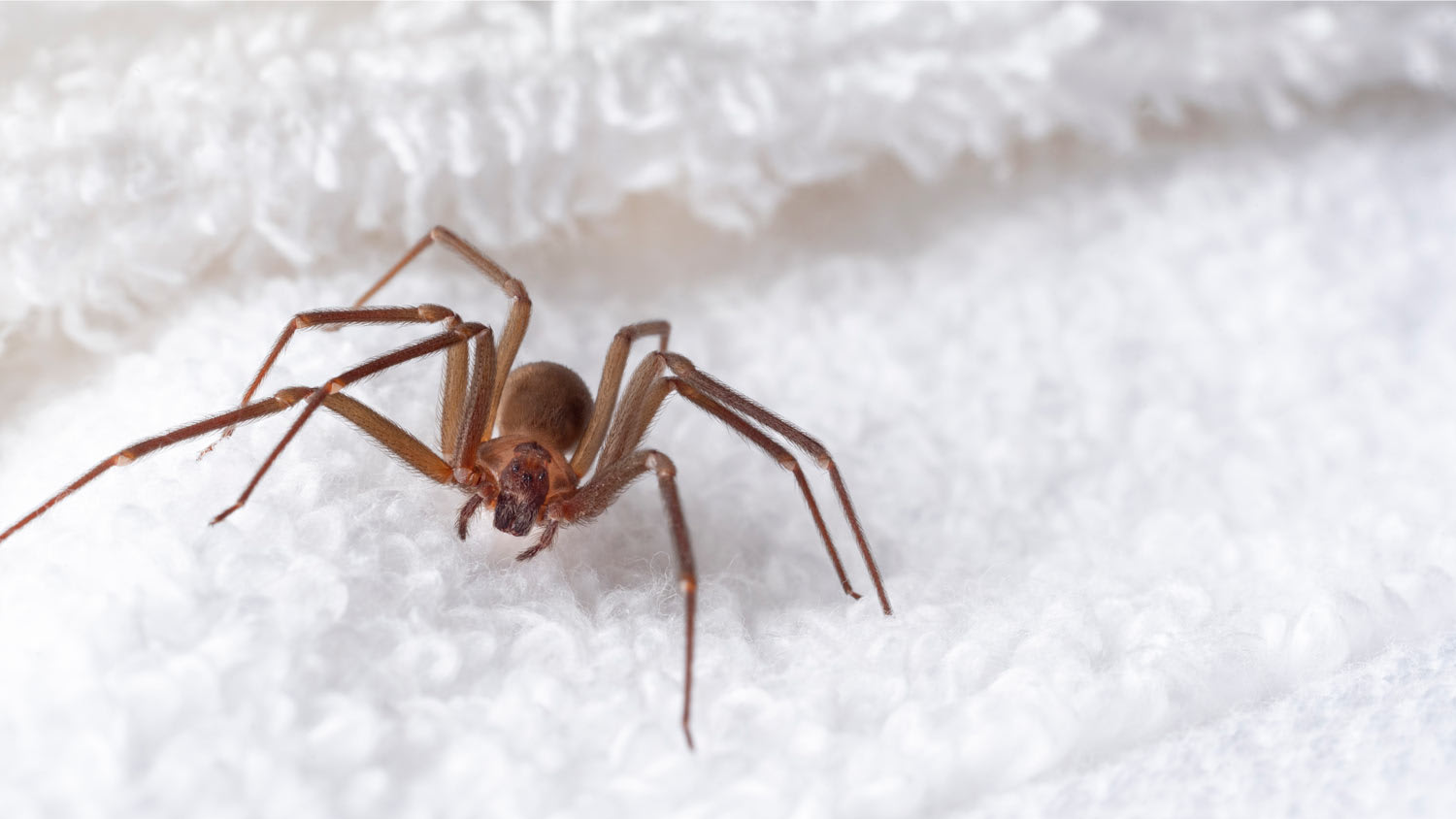
Is it a common house spider or a brown recluse? Learn how to identify a brown recluse spider so you know how to handle it.
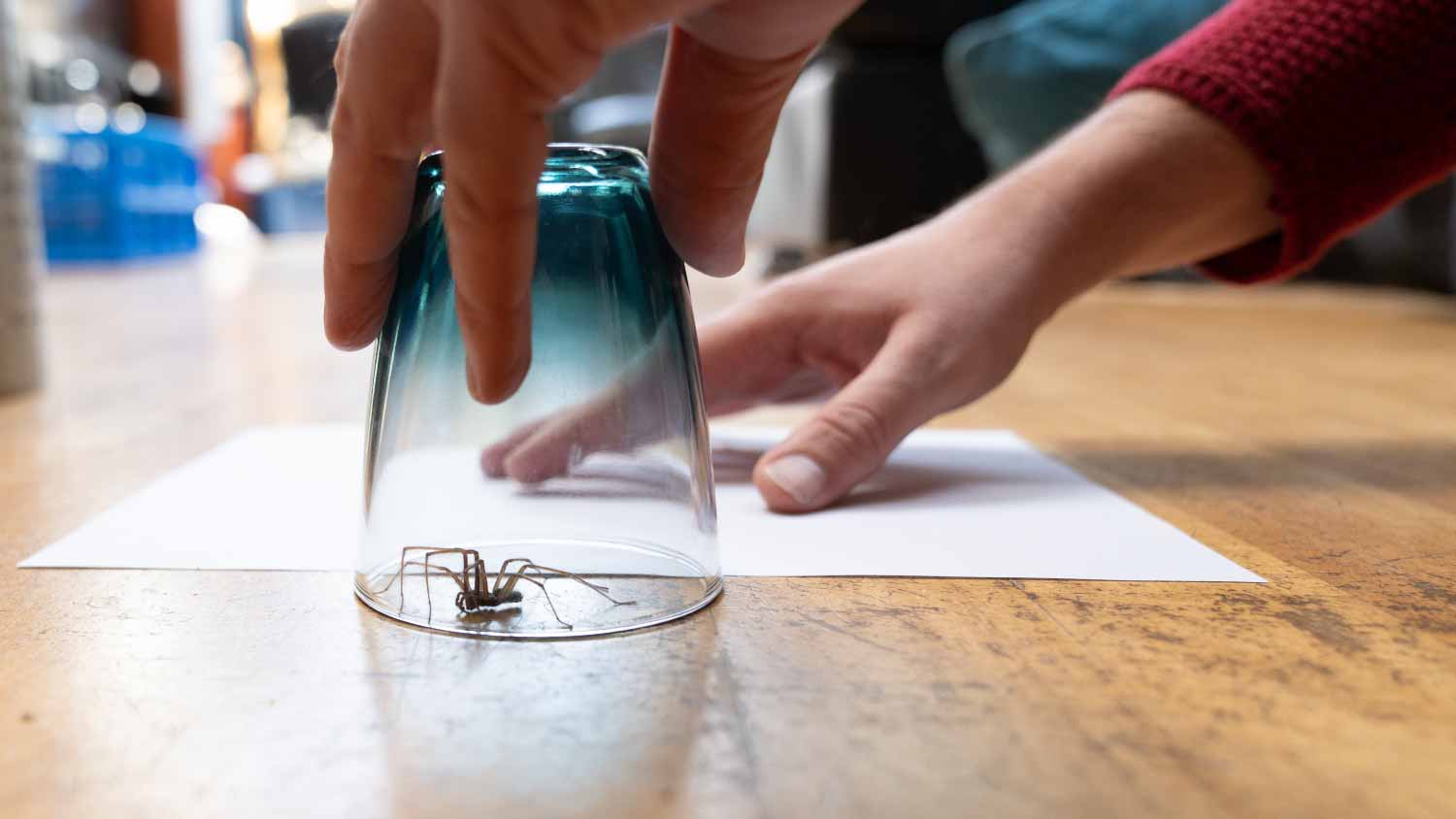
Even if you don't fear spiders, catching these arachnids in your home is no fun. Learn how to get rid of spiders and keep them out.
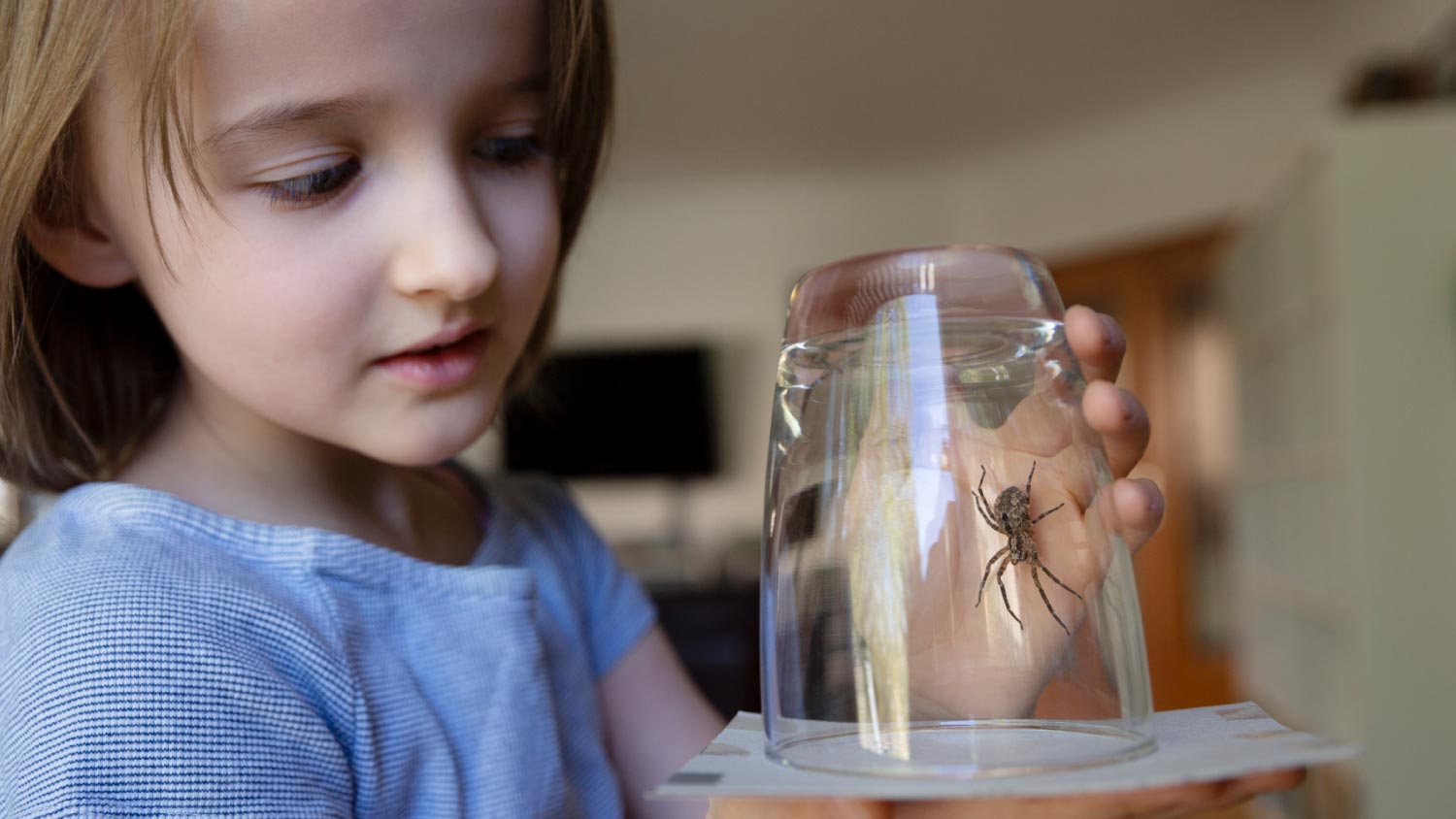
Spiders may look scary but aren’t the enemy, as they rid your home of other pests. Here’s what to do with arachnids instead of stomping on or spraying them.
Cellar spiders are often confused with the much more dangerous brown recluse. Read on to learn what makes these two arachnids both similar and totally different.