
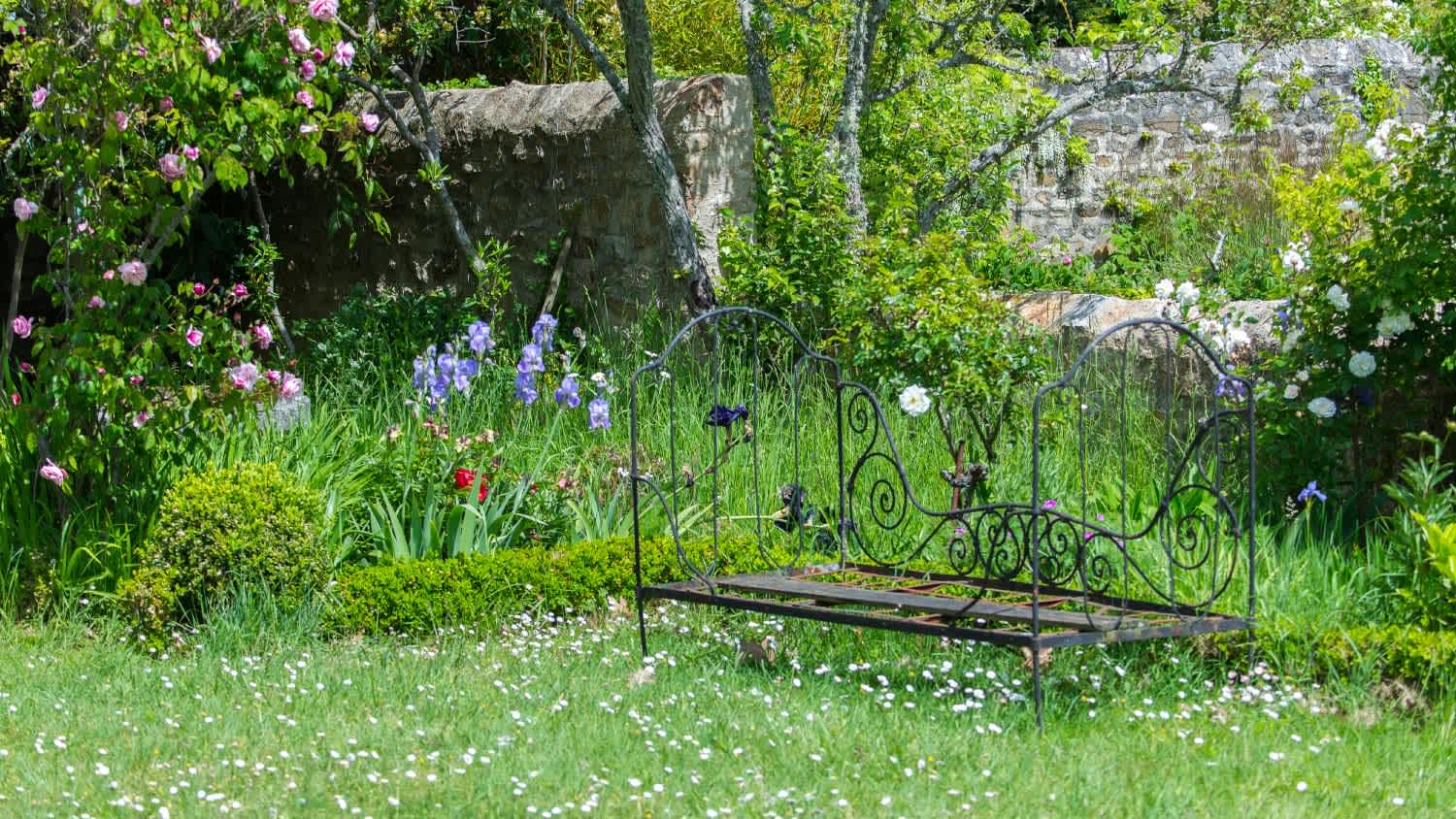
What is Bermuda grass? This resilient grass can take your lawn from drab to fab. Consider our planting and caretaking tips to ensure your emerald sod thrives.
Some plants overstay their welcome, even after you've shown them the door

Bermuda grass removal requires addressing underground rhizomes that spread aggressively, as these root-like stems allow the grass to regrow even after you remove visible growth.
Your removal approach depends on your timeline and lawn conditions, with methods including solarization, manual digging, sheet mulching, herbicides, vinegar spray, or soil cultivation.
Removing Bermuda grass manually works best after light rain when you can dig below the rhizomes with a sharp spade and separate roots from topsoil.
Hiring a local lawn pest control professional provides reliable support for persistent Bermuda grass problems, including treatment plans and ongoing control strategies tailored to your yard.
While we spend most of the time trying to keep our grass healthy—sometimes stubborn, unruly, and invasive grass just needs to go. Bermuda grass is a popular warm-season grass variety that is resilient enough to stand up against significant drought, traffic, and even weeds.
But when Bermuda grass overstays its welcome—or welcomes itself where it's not wanted—it's time to remove it before it spreads beyond control.
Bermuda grass—aka Cynodon dactylon, couch grass, and even devil’s grass—has 50 varieties. Known for its impressively tough qualities, landscapers and homeowners choose Bermuda grass everywhere from high-traffic lawns to baseball fields. The grass does best in warmer hardiness zones of the U.S —think the southeastern states to southern Cali.
But the very qualities that we celebrate in many common types of Bermuda grass are also what makes them frustratingly invasive. Bermuda grass is a lateral spreader. It spreads both upwards and outwards in all directions by producing rhizomes—essentially underground stems. Above ground, you'll find seeding stolons that pop up just a week after mowing and spread seeds far and wide.
Bermuda grass crosses into weed territory when it travels too far—into gardens, under pavers, and into your neighbor's lawn. And if you suddenly decide Bermuda grass is not for you, getting rid of it takes some dedication.
In addition to its stubbornness, why would someone want to get rid of Bermuda grass in their lawn? It turns out that this go-to option can be a bit of a contradiction. While we know it for its resiliency in hot and dry areas, it does require maintenance and special conditions to thrive.
Here are some common reasons homeowners ditch Bermuda grass:
It goes dormant in the winter after just a few cold days and turns yellow or brown.
Shade can cause the grass to weaken or die.
Its rapid rate of growth requires more frequent mowing.
A healthy lawn requires more frequent fertilization since Bermuda grass uses up nutrients quickly.
Rogue patches can overwhelm flower gardens, walkways, and patios.
Removing any type of grass from your lawn can take a bit of time. After all, we plant turfgrass because of its ability to dig in its roots and create a lush lawn no matter what the weather brings. Bermuda grass can be particularly persistent, so let's dive in.
Solarization is an herbicide-free way to kill turfgrass if your lawn gets constant sunlight. Place a clear, thick plastic tarp over the area you want to kill and weigh it down with spikes or bricks.
After two to four weeks—or whenever the turf dries and dies—remove the tarp and rake the grass up with a thatch rake or a sod cutter. The area must remain in direct sunlight during the process to be successful.

Removing Bermuda grass without any pre-treatment may be the most labor-intensive method, but is possible in a hurry. Rent a sod cutter and set the blades to their lowest setting to get through the grass rhizomes. Be sure to use proper safety equipment and mark the irrigation system on your lawn before proceeding.
Note that this process removes the nutrient-rich topsoil as well, and may not cut all the way below the Bermuda grass roots, so you may need to remove the remaining roots by hand.
You can also manually remove smaller patches of Bermuda grass after a light rain. Dig the moistened soil up with a sharp spade, making sure to get below the rhizomes. Separate the roots from the soil to keep as many nutrients intact as possible.
Sheet mulching is yet another long-game tactic to remove grass from your lawn. Similar to solarization, it cuts the grass off from sun and nutrients. Cover your Bermuda grass with landscape fabric, cardboard, or several layers of non-glossy newspaper and top it all over with several inches of mulch.
It will take several months to decompose the grass, but you're less likely to damage the topsoil or let the Bermuda grass seeds spread during this time.
Grass-selective and nonselective herbicides for Bermuda grass are quicker options for removing overgrowth, but should always be used with caution. The EPA determined that glyphosate—the most common nonselective herbicide—posed a potential risk and low toxicity to some plant life, pollinators, and animals.
For best results, apply grass-selective herbicides in the spring according to the instructions on your container and repeat throughout the season until the full plant dies out. Nonselective herbicides do best on Bermuda grass at their peak growth stage in the summer.
In both cases, cultivate the ground after you fully complete the treatment to ensure there are no remaining rhizomes.

Combine a solution of vinegar and dish soap—1 gallon of white vinegar and 1 tablespoon of dish soap—specifically to the Bermuda grass stolons. The vinegar will dry up and kill the plants. Keep in mind that while this is an organic Bermuda grass killer, it kills anything else it touches as well.
Just like the other herbicides, complete treatment until the full plant dies out and you can remove the full rhizomes from the ground.
Even though Bermuda grass has a reputation for drought resistance, it can still die when deprived of water or fertilizer for long enough. The best way to expose the full plant to the elements without support is through cultivation.
Use a tiller, rake, or sharp shovel to dig at least 6 inches into the surface of your grass and turn over the turf. The process exposes both the stolons and the roots to the sun, causing it to dry up and die quicker than when safe underground.
After several weeks, remove all dead materials and repeat the process for the remaining rhizomes.
Bermuda grass lawns require keeping a sharp eye on the situation to keep the persistent plant from spreading.
Here are some tips to keep it under control:
Remove the full plant—rhizomes and all—from gardens and hardscapes ASAP.
Mow your lawn at least once a week during the high season.
Consider removal treatments when Bermuda grass spreads beyond the desired area.
Discourage deep root growth with less water or by adding shade to a problem area.
Surround nearby gardens and ornamental grasses with mulch to discourage spreading.
Bermuda grass may act like it has a mind of its own, even after you've spent months trying to get rid of it. The best way to control it is to build an ongoing plan with a professional. Reach out to a lawn care pro near you for assistance and tailored recommendations.
Custom Paint Jobs LLC made our home feel like a piece of art. Thank you for your creativity!
 Custom Paint Jobs, LLC
Window Depot did an amazing job on my deck. I wasnt sure what I wanted to do, but their composite decking was affordable and will last a long time. I am excited to have family over, and I am no longer embarrassed by my backyard. Jeff and the ground crew were polite, respectful, and caring for...
 Window Depot USA of Central Ohio
First of all, the gentleman I dealt with (Cam?) was very responsive to my many questions and concerns throughout the project, which is a huge plus to me. From the first time I met him for the estimate all the way til the completion of the job, he and his crew were professional and respectful....
 All Star Paving and Sealing
We had a 20+ year old landscape lighting system that needed replacement. Midwest Lightscapes worked with us to design a much improved lighting system, lighting the exterior of the house and the back yard. Installation of the 45 light system took one and one-half days, and went very smoothly....
 Midwest Lightscapes
Another great success for me on home advisor. This company did an awesome job on my landscaping and stayed within my budget. The best part, the work was complete within 2 days of my initial request. Professional and responsive. I highly recommend!
 Blue Ring Residential Services, LLC
The company no showed on me twice. The 2nd time was no call no show. They were responsive to set up the first appointment to perform the "landscape cleanup". 3 hours after their initial scheduled appointment time they called me to let me know they had some "problem" with the truck and their...
 Ruby Home and Hauling Services
Received ideas for future landscape plans...quote to do the work seemed a bit high but I did not have any other quotes to compare it to, so perhaps that is the going rates. <br />
 Landscapes By Terra, Inc
All around they have done a really great job. <br /> I have used JL Landscapes for the past 8 years. I own and operate my own commercial/residential real estate company where we own, operate, and maintain our own properties. JL Landscapes has been our exclusive landscaper for both our...
 J.L. Landscapes
Bought a half a cord of firewood from Pitzer with stacking last month. I waited to report so I could see how the wood burned. <br /> <br /> I have three pet peeves regarding landscapers, but Pitzer scored "A"s regarding all three. First, rather than having customers "leave a message" and...
 Pitzer Landscaping
I left a message on Sunday requesting to schedule a time to obtain an estimate/walk-through and received a return call in the morning of the following Monday. Mark worked with me and agreed to schedule the estimate/walk-through for the following Saturday. When Mark arrived for the...
From average costs to expert advice, get all the answers you need to get your job done.
What is Bermuda grass? This resilient grass can take your lawn from drab to fab. Consider our planting and caretaking tips to ensure your emerald sod thrives.
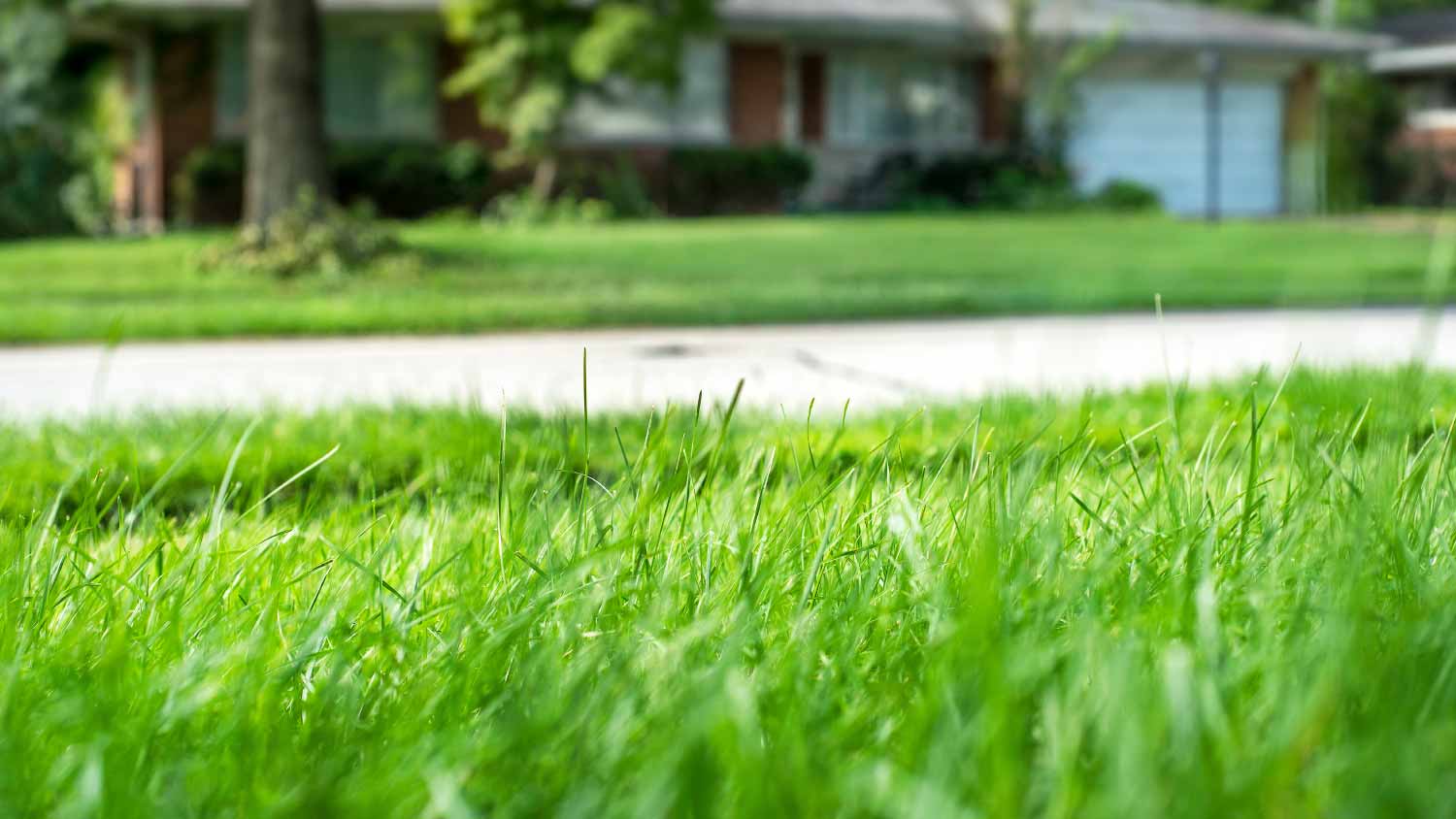
While both grass types grow fast, crabgrass and Bermuda grass couldn’t be more different. Learn how to tell the difference between crabgrass vs. Bermuda grass.
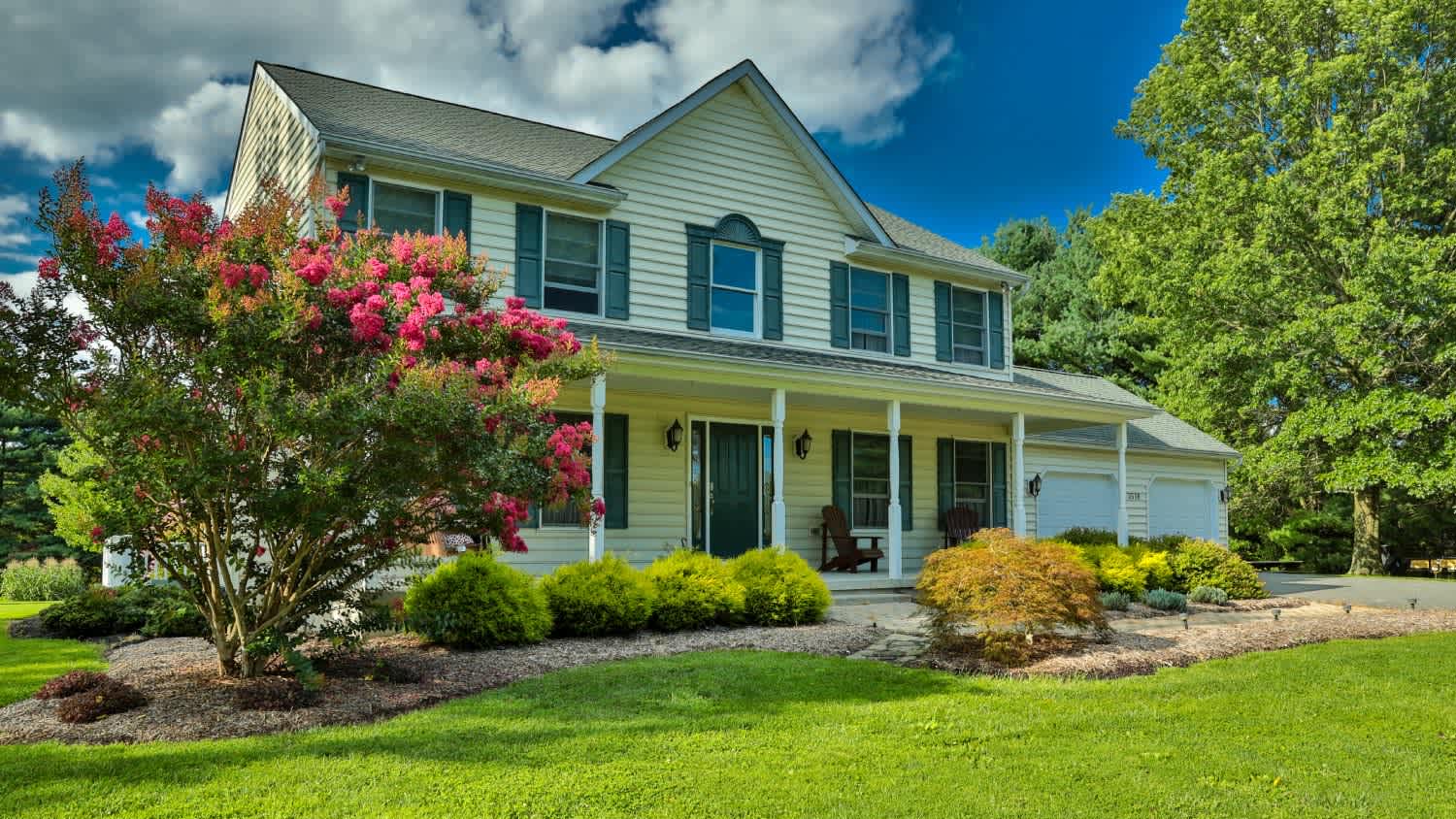
The secret to having the perfect Bermuda grass lawn comes down to maintenance. Keep reading to discover how to make Bermuda grass thicker in your yard.
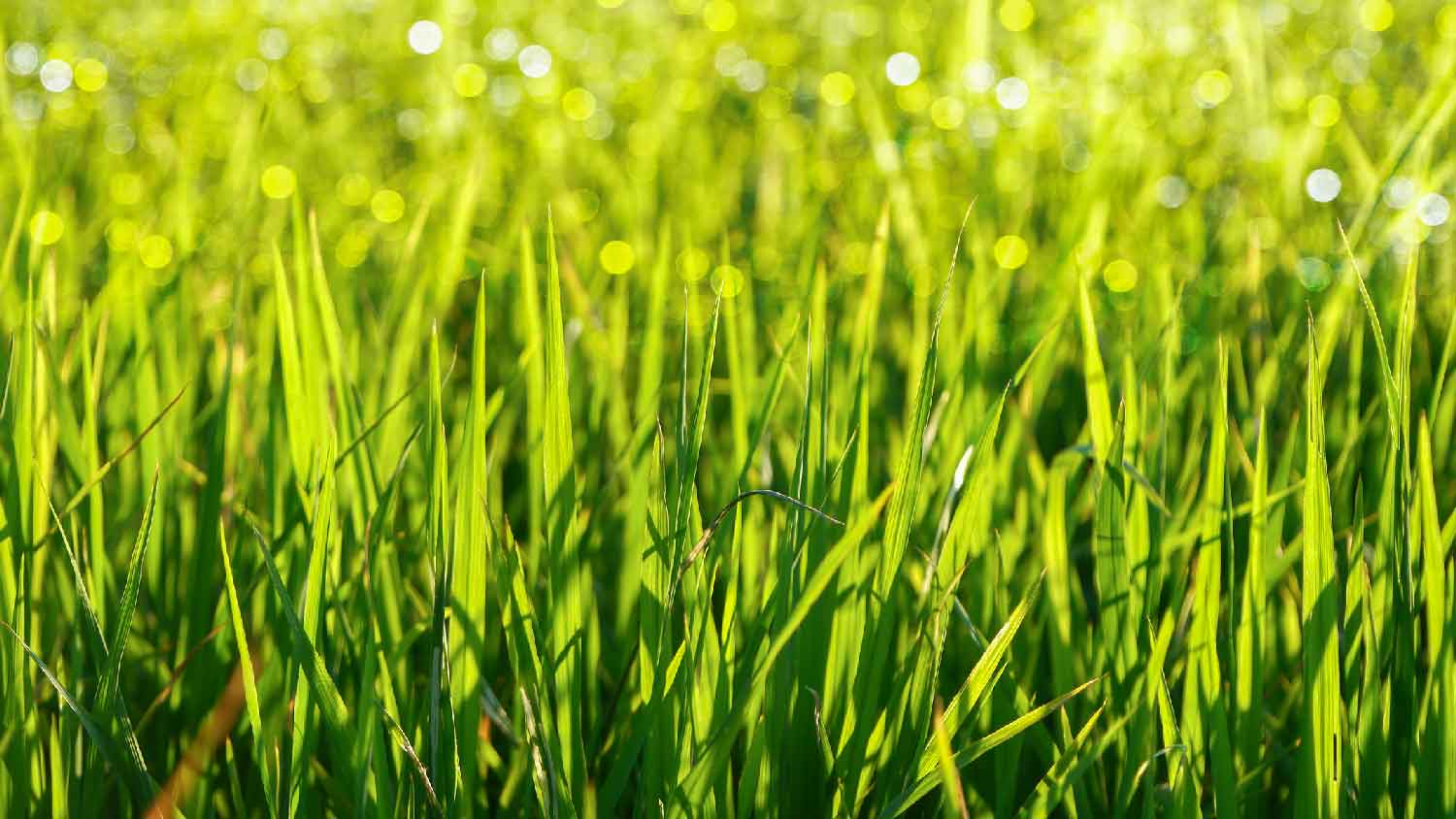
Buffalo grass and Bermuda grass are two warm-season grasses, each with pros and cons. Find out the differences between Buffalo grass versus Bermuda grass.
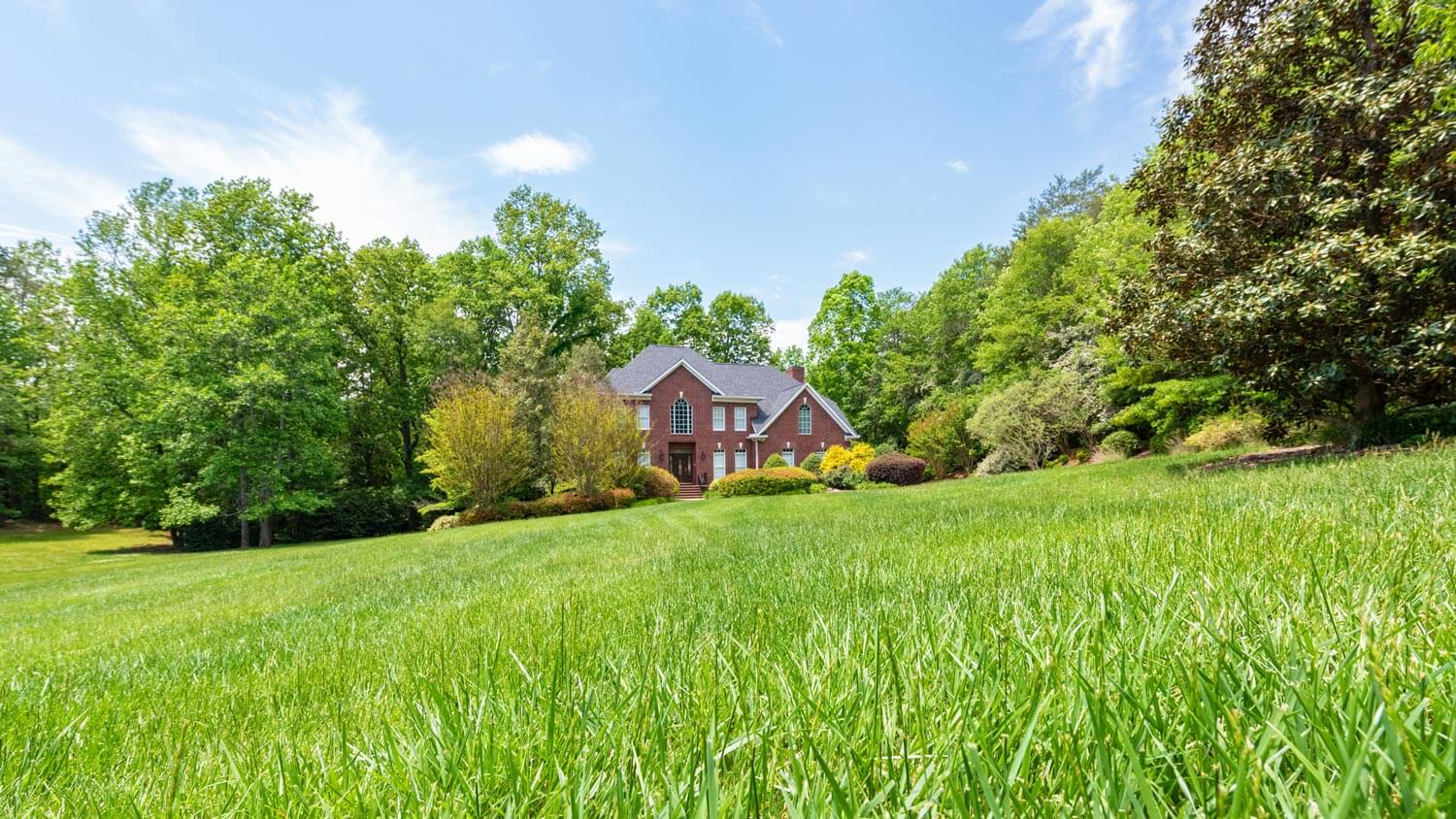
When it’s time to reseed the lawn, you’ll need a grass that works for your yard. Learn the differences between fescue vs. Bermuda, two popular grass seeds.
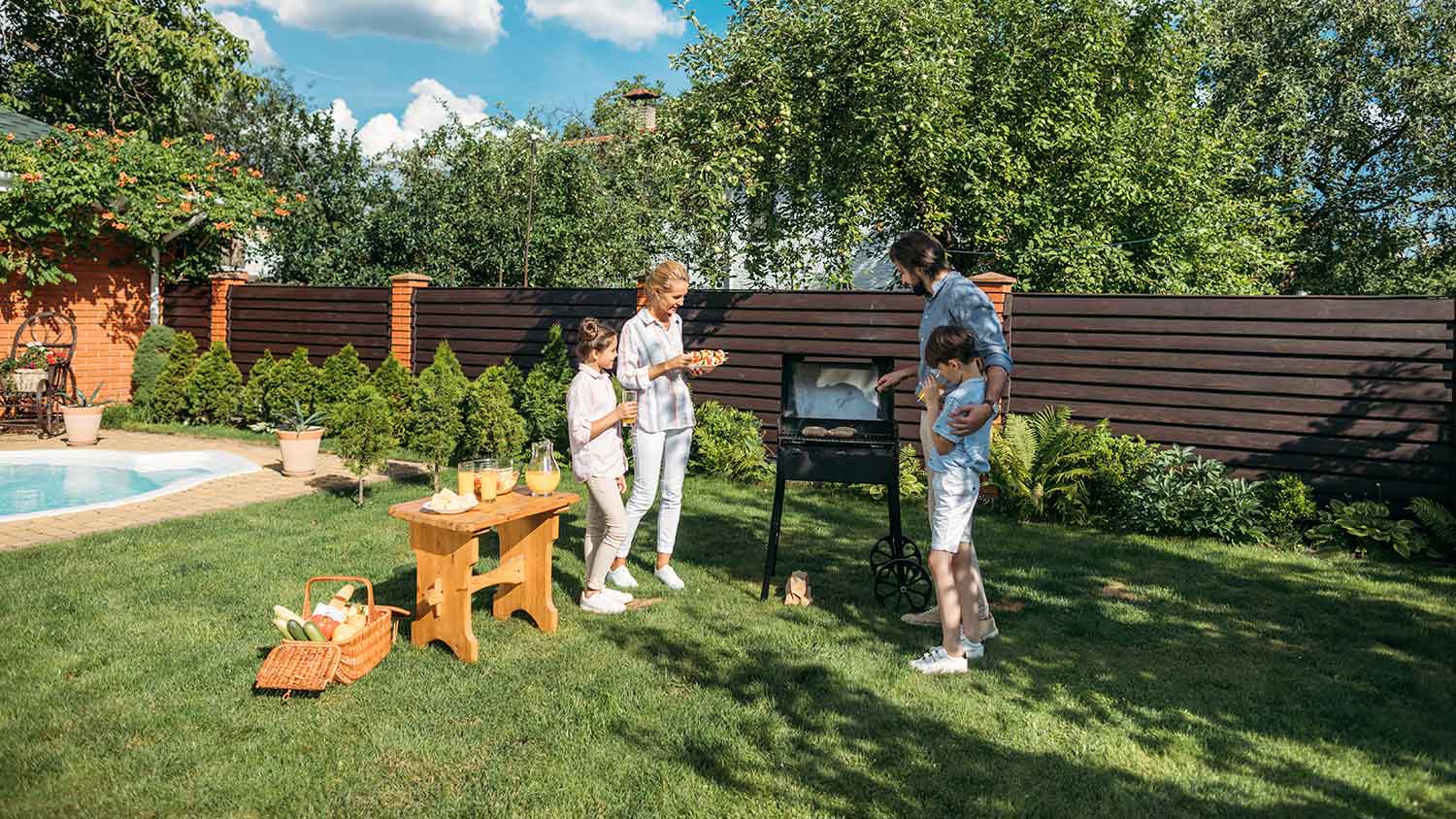
Bermuda grass and Kentucky bluegrass thrive under different conditions. Find out more about Bermuda grass vs. Kentucky bluegrass.