

The cost to renovate your lawn depends on the extent of the damage. Our guide will show you how much lawn renovation costs.
Learn how to tell the difference between these two turfs

Buffalo grass versus Bermuda grass offers a clear choice: Buffalo grass stays soft and blue-green with minimal maintenance, while Bermuda grass brings dense, vibrant coverage.
Buffalo grass needs less water and mowing but struggles with heavy foot traffic, while Bermuda grass handles high traffic well but demands frequent mowing and edging.
Your climate and lawn use determine the better fit: Buffalo grass suits drought-prone areas with light foot traffic, while Bermuda grass thrives in sunny, high-traffic spaces.
Hiring a local lawn care professional keeps your grass selection on track, helping match the right turf to your soil and climate for healthy growth.
When it comes to selecting lush lawn turf that’s well-suited for warmer climates, a couple of popular choices are Buffalo grass and Bermuda grass. Buffalo grass impresses with its softness and blue-green tint, while Bermuda grass brings a vibrant dark green hue and dense carpet-like appearance. Both grasses have a distinct set of advantages and disadvantages and will thrive in different environments—consulting with a local lawn care specialist can help you find the best grass for your specific climate and soil conditions. Let’s take a look at the main differences between Buffalo grass versus Bermuda grass.

Buffalo grass and Bermuda grass are two warm-season grasses with distinct qualities. Buffalo grass is soft, adaptable, and slow-growing—ideal for poor soil. Bermuda grass is lush, dense, and fast-growing—ideal for highly-trafficked lawns. Each has its own benefits and drawbacks—the right one for you will depend on your climate and budget.

Originally a native grass that fed buffalos roaming the Great Plains, Buffalo grass is now a popular choice for warm-season turf grass. Consider these pros and cons when determining the right fit for your landscape.
| Pros | Cons |
|---|---|
| Soft texture | Slow growing |
| Relatively low-maintenance | Can’t withstand heavy foot traffic |
| Drought tolerant | Prone to weeds |
Best for:
Homes with limited foot traffic
Low-maintenance landscapes
Buffalo grass offers several advantages that make it an appealing choice for landscapes. The grass is well-known for its soft texture and fine, breezy appearance. Additionally, Buffalo grass demands minimal water and fertilizer once established. Plus, its slow-growing nature means it needs to be mowed less than other grass varieties.
Another benefit of Buffalo grass is its adaptability to poor soils, making it suitable for landscapes with less-than-ideal soil conditions. Its exceptional drought tolerance and resilience to cold weather also set it apart, ensuring vibrant greenery even in harsh climates. Unlike some warm-season grass varieties that are susceptible to winter damage, Buffalo grass enters dormancy during colder months to preserve resources, bouncing back to full vibrancy come spring.
Buffalo grass also has certain drawbacks, like its slow establishment period and susceptibility to pest or disease damage in high rainfall conditions. Additionally, Buffalo grass exhibits low shade tolerance, struggling to thrive in areas shaded by trees or structures. Competing weeds and grasses may overtake these shaded spots, hindering Buffalo grass growth. Moreover, Buffalo grass is not well-suited for heavy foot traffic, unlike some more resilient turf grass varieties.
Another notable disadvantage is its tendency to be weed-prone. Buffalo grass spreads via stolons, creating gaps between plants that can be susceptible to weed growth, especially during the warmer months. This can detract from its desired thick and lush appearance, requiring additional weed management efforts.

Bermuda grass is a warm-season grass with a lush, vibrant green color and dense growth pattern. While it can be invasive in certain situations, its durability makes it a great fit for high-traffic lawns. Here are the main pros and cons to consider.
| Pros | Cons |
|---|---|
| Self-spreads to fill in bare or brown patches | Low cold tolerance |
| Excellent foot traffic tolerance | Low shade tolerance |
| Adaptable to different soil conditions | Can spread invasively |
Best for:
Warm climates with little to no frost periods
High-traffic lawns
Sports fields and golf courses
Bermuda grass is quick to establish and has a high tolerance to sun, heat, and drought tolerance, making it well-suited for areas with direct sunlight and hot temperatures. It’s also exceptionally hardy against heavy foot traffic, making it an ideal fit for high-traffic landscapes.
Another key benefit of Bermuda grass is its rapid growth rate, allowing it to quickly fill in brown patches in your lawn and spread efficiently, contributing to a lush and healthy turf. Plus, with its dense, deep root system, it’s very resistant to droughts and able to adapt to a wide variety of soil conditions.
Despite the many benefits of a Bermuda grass lawn, there are a few drawbacks to consider. Bermuda grass requires more maintenance than some other warm-season grasses, especially when it comes to mowing and edging. It grows fast, so it will need to be mowed frequently. It also spreads very quickly, so constant edging is necessary to keep the lawn looking neat and manicured. Regular tasks like fertilizing and aerating your lawn are essential to keep Bermuda grass looking lush and healthy.
Along with that, Bermuda grass exhibits especially low cold tolerance, turning brown and entering dormancy earlier during colder periods. Moreover, it's not suitable for shaded lawns due to its preference for full sun and limited shade tolerance. Another challenge is its invasive spreading and deep rooting, making it challenging to remove once established. It commonly encroaches on garden beds and other areas if its growth isn’t controlled.

Considering Buffalo grass or Bermuda grass for your next DIY grass growing or professional landscaping project? Here’s how they compare head to head.
Both Buffalo grass and Bermuda grass can make healthy, vibrant lawns. Buffalo grass has fine, soft, bluish-green blades that many consider beautiful, but they can also fall in different directions and look slightly unkempt to those who prefer a more manicured look. Bermuda grass grows in a stiff, dense carpet and tends to look more manicured when cared for properly.
Both Bermuda grass and Buffalo grass may not stay green for as long as other types of grass. Bermuda grass can turn brown and go into dormancy early in the winter season. Buffalo grass, on the other hand, stays green later in the colder season but turns green later in the spring. The key difference is their ability to maintain color during droughts—Buffalo grass keeps its color, while Bermuda grass is quick to turn brown.
Buffalo grass is known for its soft, fine texture and pleasant under-foot feel. Bermuda grass is denser and coarser, so it isn’t as soft to the touch.
Bermuda grass is one of the best grasses for high-traffic lawns. While it may not immediately bounce back after a session of heavy traffic, its ability to self-spread and grow quickly means it will fill in any sparse patches in no time. Buffalo grass is not well-suited for areas with high foot traffic.
Since Buffalo grass and Bermuda grass are both warm-season grasses, they do best in warmer climates with mild winters. However, Bermuda grass is notably sensitive and quick to turn brown in the cold, whereas Buffalo grass stands up relatively well to colder weather.
Bermuda grass is exceptionally tolerant of intense heat and thrives in hot, sunny climates. Buffalo grass, while also heat-tolerant, requires additional watering to maintain its color and density in extreme heat.
If you’re looking at Buffalo grass or Bermuda grass to cover a shady lawn, neither will be your best option. Both of these grasses need full sun to thrive, although Buffalo grass does have some shade tolerance. For lawns receiving partial shade, opt for more shade-tolerant grasses like St. Augustine, Centipede, or Zoysia grass.
Both Buffalo grass and Bermuda grass have good drought tolerance once established, with extensive root systems that enable them to draw water from deep within the soil. Both can withstand long periods of water scarcity, but Buffalo grass requires less water to maintain its green color during drought periods.
Once established, Bermuda grass grows fast, quickly recovering from foot traffic and spreading throughout the landscape. Bermuda grass has a reputation for speedy, aggressive growth that can even be considered invasive. In contrast, Buffalo grass is relatively slow to establish and grow.
Thanks to its dense, carpet-like growth and quick spreading, Bermuda grass often chokes out weeds before they have a chance to establish. Buffalo grass isn’t nearly as dense, providing more space for weeds to pop up. However, if you don’t overwater a Buffalo grass lawn, weeds have a difficult time growing.
When comparing Buffalo grass to Bermuda grass, they both have about the same level of susceptibility to insects and disease. Both are especially vulnerable to mildew, mold, and fungal diseases, so proper soil drainage is essential.
D1 Roofing delivers outstanding service from beginning to end, backed by a strong warranty and expert teams. I highly recommend them for their excellence in meeting and surpassing expectations with unmatched communication. Choosing D1 Roofing was flawless decision
 Division 1 Roofing LLC
We had our houses windows and back door replace this summer by Window Depot USA of Central. He gave us grate advise and saved my family lots money. The team did a fantastic job with installation. If you need help, they sure get job done right!
 Window Depot USA of Central Ohio
Wonderful. I am going to have them remove and replace my driveway in the spring.
 All Star Paving and Sealing
We were having 2”x 2” tile installed . There was a small installation error and the new additional replacement tile was from a different lot and the colors didn’t match. Joe assured us that he would rectify everything , which he did without hesitation. We decided to go with the 18” x 36” tile...
 CarifaTile
We had a 20+ year old landscape lighting system that needed replacement. Midwest Lightscapes worked with us to design a much improved lighting system, lighting the exterior of the house and the back yard. Installation of the 45 light system took one and one-half days, and went very smoothly....
 Midwest Lightscapes
Did an amazing job transforming my yard. Also installed sod in places, would recommend to everyone.
 Cardinal Landscaping & Construction LLC
They show up and they did take us on as a client which seems to be a problem with other lawn care providers. We have multiple properties and this one was located close to downtown and no one really wants to mess with it.
The worker came out when he was supposed to come. He informed me he would honor the Angie's List deal, but would not do any more work for me since my son in law owns lawn care company as well, even though they do not do the same type of work. He said he did not feel comfortable giving me...
 Bello Giardino LLC
E & L Lawn Care was super. They were very responsive before and after service. They were efficient and were able to complete the job within 1 day. I have had concern about one section of sod - the owner was pro-active and did a visit to evaluate. I have no doubt they will stand behind...
 E&L lawn care
From average costs to expert advice, get all the answers you need to get your job done.
The cost to renovate your lawn depends on the extent of the damage. Our guide will show you how much lawn renovation costs.

What is buffalo grass? It is a hearty, natural grass that performs well in low-rainfall areas. Read all about buffalo grass’s pros and cons in our article.
What is Bermuda grass? This resilient grass can take your lawn from drab to fab. Consider our planting and caretaking tips to ensure your emerald sod thrives.
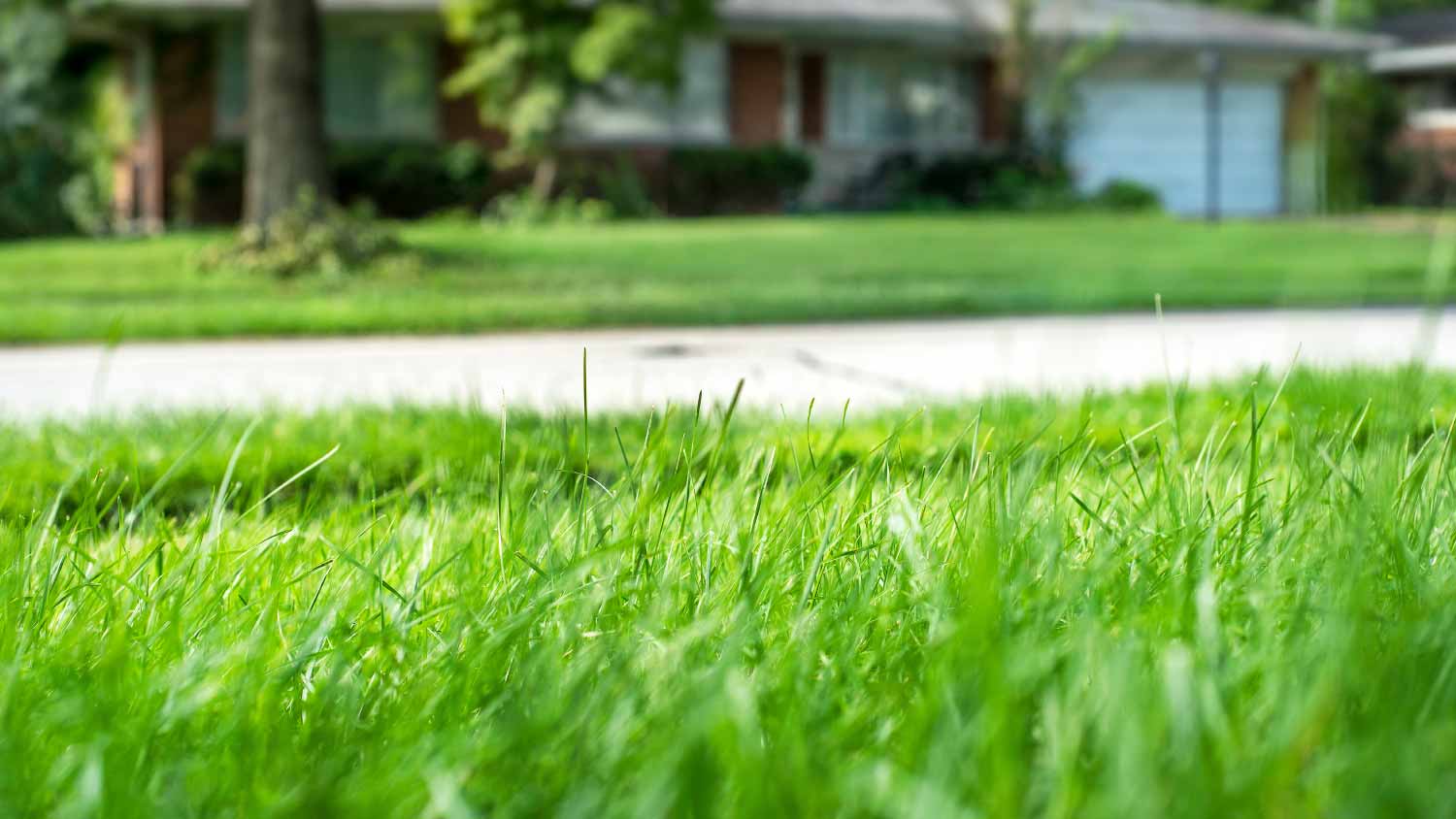
While both grass types grow fast, crabgrass and Bermuda grass couldn’t be more different. Learn how to tell the difference between crabgrass vs. Bermuda grass.

Learn about and compare two excellent warm-season types of grass, Bermuda grass and St. Augustine grass, to decide which is best for your lawn.

Bermuda grass and Kentucky bluegrass thrive under different conditions. Find out more about Bermuda grass vs. Kentucky bluegrass.