
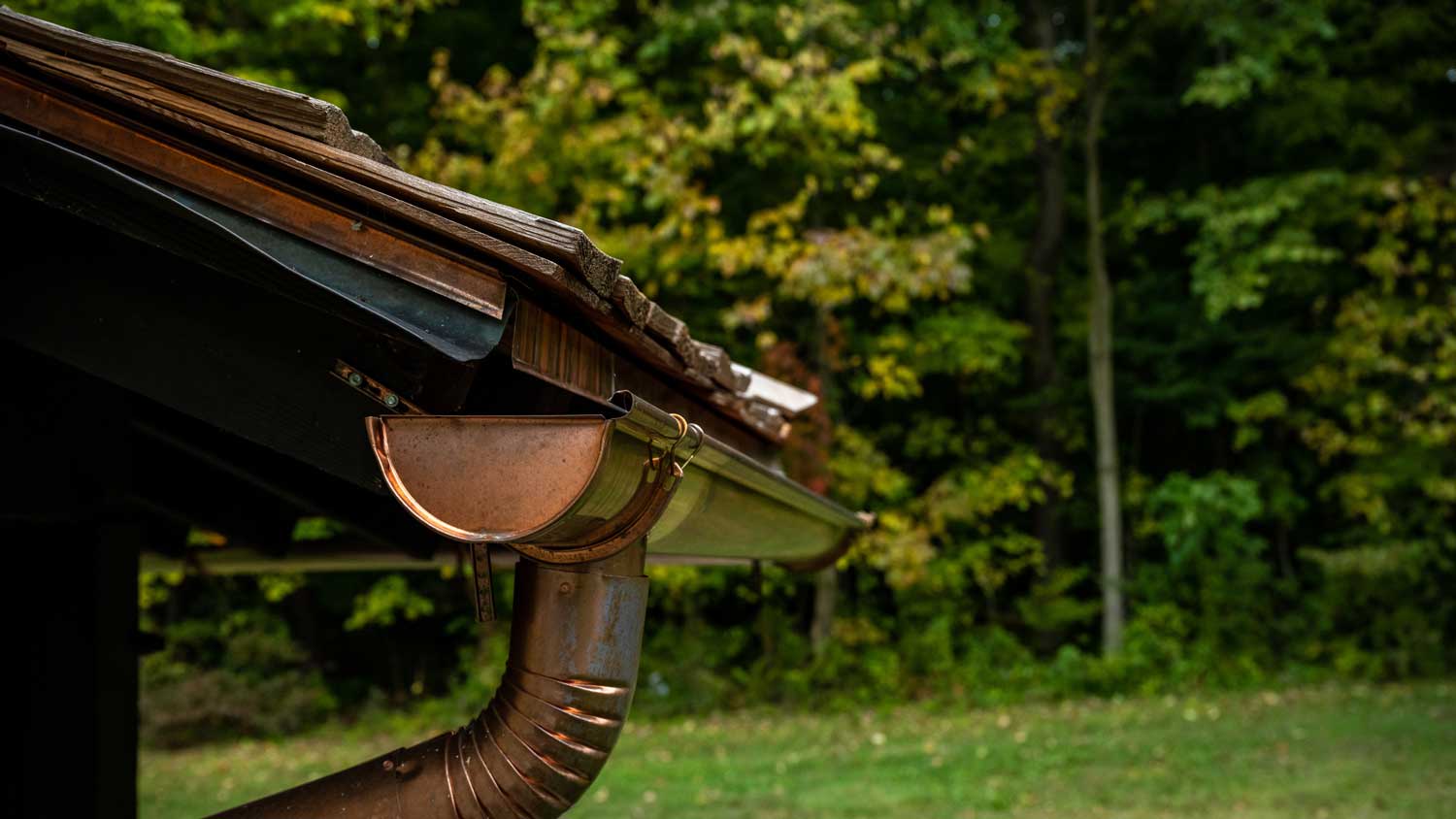
Installing copper gutters adds beauty and value to your home. The cost of your project will depend on the size of your home, the size of your gutters, and the thickness of the material.
Save yourself some cash and eliminate leaks with this DIY guide

Knowing how to solder a copper pipe, or “sweating” them as some plumbers call it, is key for proper sealing. Most homes use these pipes to distribute water from the main line to sinks, showers, dishwashers, or even to reroute a plumbing vent—and a tiny leak can cause thousands of dollars in damages if it's not fixed right away. You don't necessarily have to hire a plumber to solder copper pipes. Follow the steps in this DIY guide to learn how to solder copper pipes on your own.
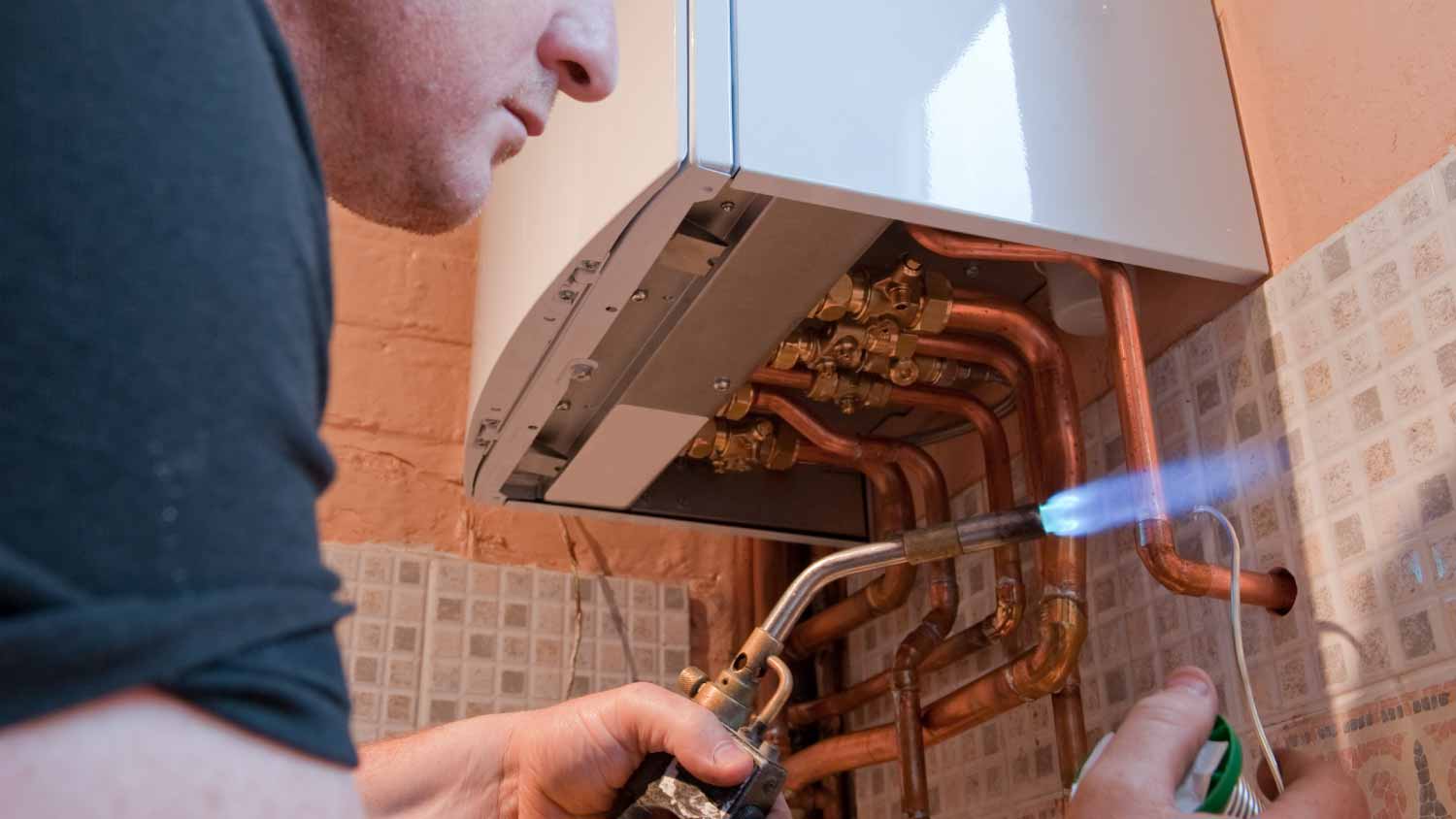
Soldering is the process of joining two pieces of metal together by heating solder, which is a metal alloy that consists of tin and lead. While a soldering iron is used for smaller soldering jobs, such as electronics, you typically use a blow torch to solder copper pipe in a process the pros refer to as “sweating the pipes.” When soldering copper pipes, you use the blowtorch to heat the solder to 600 degrees, causing it to melt around the joint between the two pipes. When it cools, it creates a strong watertight joint between the two pieces of metal.
Gather together the supplies you'll need for sweating copper pipes. It might be worth having a little extra copper on hand in case you need to cut a longer piece of pipe than initially expected. Always wear gloves and protective goggles when soldering copper pipes and have access to a fire extinguisher for safety reasons.
Keep in mind solder is only meant for metals like copper, brass, aluminum, and steel. This might be a factor if you're trying to decide between copper and PEX piping.

Measure the length of copper pipe you'll need for the finished project, then cut it using a tube cutter to get the right size. Tubing cutters come in small, medium, and large sizes, and some are adjustable to meet the diameter of your pipe. Read the instructions when using a tube cutter. You may need to slowly turn it to make a cut that won't bend the copper—If it bends, it may be unusable.

Before soldering copper pipes, always deburr them first. In other words, remove any sharp edges from the ends of the pipe. You can use a file, sandpaper, or a deburring tool to file down the interior and exterior surfaces of the pipe's edge.
Without taking this step, you risk not creating a tight seal and possibly cutting yourself on sharp edges as you work. After deburring, use a compressed air canister to clear away any excess shavings. You’ll also want to clean the pipe fittings to help ensure a tight seal.
Cleaning your copper pipes is also important for DIY fixing a pinhole leak, which could save you a call to your plumber.

Apply flux to the joint you're soldering using a pipe brush, as well as the pipe fitting. Flux is a compound that goes on the inside of a pipe before heating it to help create an inseparable bond.

Before applying heat, unwind your solder wire. You'll need it in the next step, and it's safer to unwind it now before the pipe gets hot.
Wearing heat-resistant gloves, use your propane torch to evenly heat the pipe and fitting, holding the pipe on the opposite side and rotating it on all sides.

Touch your solder wire to the edge of your pipe and rotate the pipe to coat the entire circumference. If the solder doesn't melt, you need to heat your pipe longer or possibly more evenly around the edges.

You may need to add solder several times to coat the whole area. This may require you to do it piece by piece, reheating the pipe as it cools each time. Tackle one joint at a time if you're doing multiple pieces of copper pipe. For reference, you'll need around 1/2 inch of solder for every 1/2 inch of pipe.
Clear the remaining flux off with a rag. Excess flux on the exterior can discolor your pipes and wear them out over time. Fortunately, now's the best time to do it since the pipe is hot and it's easy to remove.
If you don’t feel comfortable wielding a torch to solder two copper pipes together, consider using these two flame-free alternatives instead.
Copper bonding is basically glue for copper pipes. It won’t create bonds as strong as soldering, but it requires no expertise, costs less than press fittings, and doesn’t involve a torch or applying heat of any kind:
Prep the pipe as you would for soldering by cleaning and deburring it.
Apply a line of glue around the end of the copper pipe.
Insert the pipe into the fitting.
Rotate the pipe a full 360 degrees to spread the glue around the entire bond.
Allow the glue to dry per the manufacturer’s instructions before putting the pipe back in use.
This relatively new way of joining copper pipe uses brute force as opposed to molten metal to bond the two pipes. Press fittings don’t require a blow torch, create connections much more quickly than soldering, and require less skill. This makes press fittings similar in many ways to working with PEX plumbing.
Though easier to execute, press fittings do require a larger investment than soldering. The press tool required to make this kind of connection costs $150 or more, and the press fit fittings are more expensive than standard copper fittings.
Prepare the pipe for connecting by cleaning and deburring it. Don’t skip this step as the sharp metal burr can damage the rubber ring in the press fitting that makes the connection watertight.
Insert the press fitting over the copper pipe all the way to the stop.
Use a marker to mark where the fitting ends.
Remove the pipe and measure from the end of it to your mark. Make sure the measurement matches the depth of the fitting.
Reinsert the pipe into the fitting and use the press tool to compress the two metals together to create a tight connection (make sure the fitting doesn’t deviate from the mark you made as you do this).
Learning how to solder a copper pipe can save you the cost of a burst pipe repair or allow you to DIY renovations to your home’s plumbing by giving you the skills to connect copper pipes yourself.
However, if you don't have access to the proper materials to solder a copper pipe, such as gloves or a fire extinguisher, it's probably best to hire a local plumber with experience to tackle the job.
Hiring a plumber is also a good idea if you're uncomfortable using a torch. Additionally, excess flux on the inside of the pipes can leave behind an acidic residue, which isn't great for the water flowing through it later.
Ben Kissam contributed to this piece.
Positive experience. As previously stated, the replacement/repair could not be completed (no fault of the plumbing tech) b/c misinformation was rec?d by property management maintenance. Thanks to the plumbing tech for your efforts. Appreciate you!
 The Waterworks
If you want to pay the most exorbitant prices possible for your job, this is the company for you. “By the job” pricing is a rip-off, at least how these people use it. Every job is plugged into a category and prices are set by category. You might have a job that takes half an hour or one that...
 Benjamin Franklin Plumbing
Cole has been handling plumbing and general contracting for our four properties over the past three years, and he’s always done a great job. Most recently, he installed a sink and countertop in our retail store where none existed before, and it turned out exactly how we needed. He’s...
 ANB Renovations LLC
Matt is a consummate professional. The work turned out to be far more difficult than expected and rather than turn the job down, Matt rose to the occasion and completed a near impossible task. I can not recommend Greene's Plumbing Service more highly. On a scale of 1-5 I would give Matt a...
 Greene's Plumbing Service
Involved an extensive bathroom remodel, including removing tub & installing walk in shower, new drywall, custome tile work to ceiling, plumbing, etc. Overall, job was done on time and on budget. Nick & his team were very professional and had high attention to detail. Quality was great. Highly...
 Stamos Flooring and Remodeling LLC
Awesome company. Had a jacuzzi tub taken out and replaced with huge walk in shower with partial glass enclosure. Onyx to the ceiling with a decorative border, moved plumbing and installed hand held shower, new ceiling, flooring, and paint. Replaced window with glass block. Everything was done...
 Columbus Bath Design
The initial quoted price from a walk-through seemed high, but we discussed that the quote represented worst case scenario (re-wiring to two floors) and we were excited about the opportunity to have the work done in a timely manner with closing for fire safety reasons, etc. When the job was...
Initially, I called the Service People to have a leaking garbage disposal replaced. I had purchased a special deal through Angie's List: $79 for $200-worth of plumbing services. <br /> When I went to schedule the work, the earliest date I could get through Angie's List was after the upcoming...
This company did a very good job on the brick wall and it looks just amazing. The staff was always professional and was practically OCD on how the bricks were stacked and how they were laid. Although it took longer than expected, I am willing to sacrifice time over perfection anyday. The...
 My Handy Mate LLC Improvement & Remodeling
<p>I am so glad we called Rotor-Rooter. I was hesitant to call them because we usually prefer to give business to local providers. But when we had sewage back up in our basement on a Saturday evening, I had a hard time getting a hold of someone, not to mention the high weekend/evening rate...
 Roto-Rooter Plumbing & Water Cleanup
From average costs to expert advice, get all the answers you need to get your job done.
Installing copper gutters adds beauty and value to your home. The cost of your project will depend on the size of your home, the size of your gutters, and the thickness of the material.
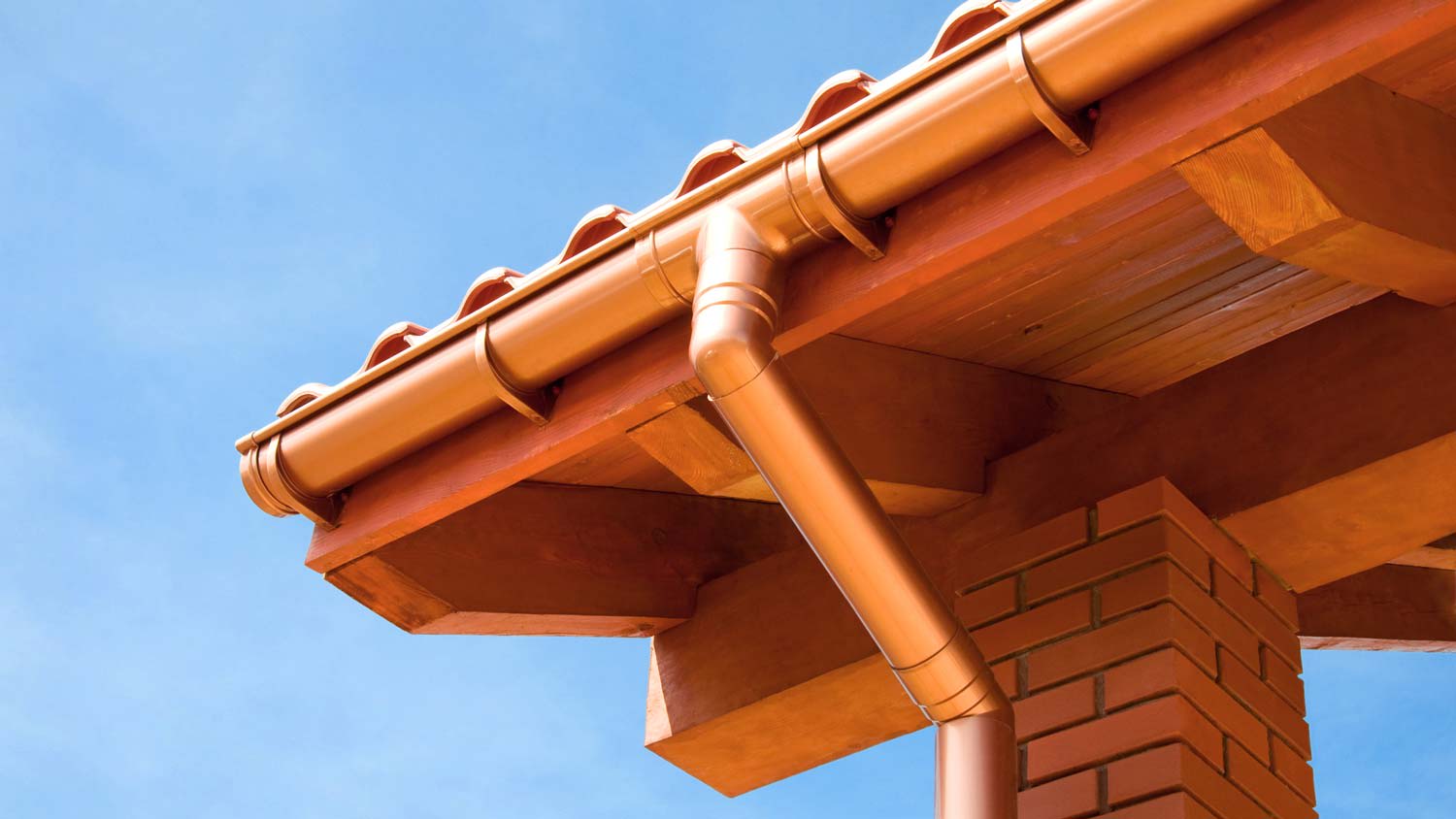
Here's everything you ever wanted to know about saving money by installing faux copper gutters instead of real copper gutters.
Copper is prone to leaks from corrosion, particularly pinhole leaks. This guide will show you how to fix a copper pipe leak in seven different ways.

Copper pipes freeze more easily than most plumbing types. Use this guide to learn why and how to prevent or fix frozen copper pipes.
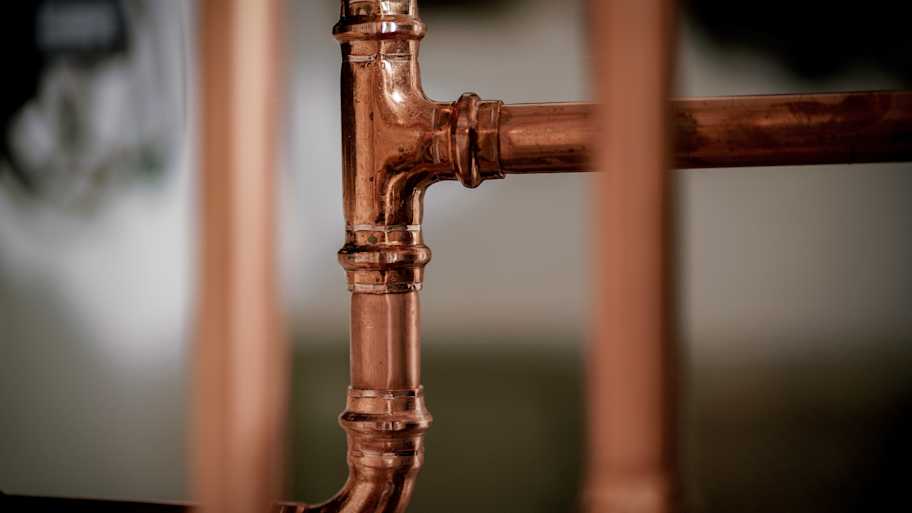
The proper copper pipe size depends on the application and your home layout. Learn how to size copper pipes and what factors to consider when deciding.
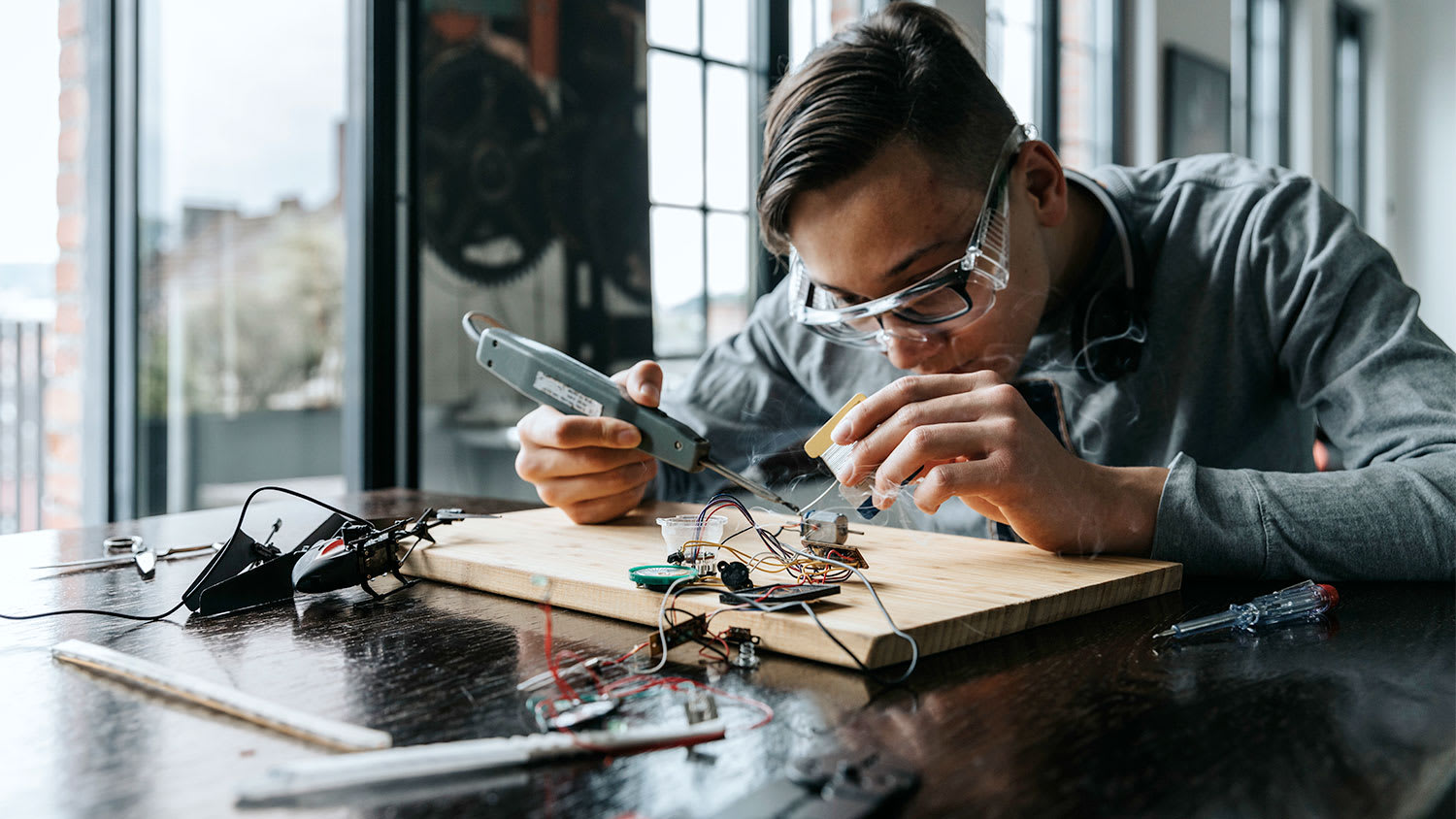
Learn how to solder two wires together safely. With some practice, you can improve the electrical connection on problematic household appliances.