
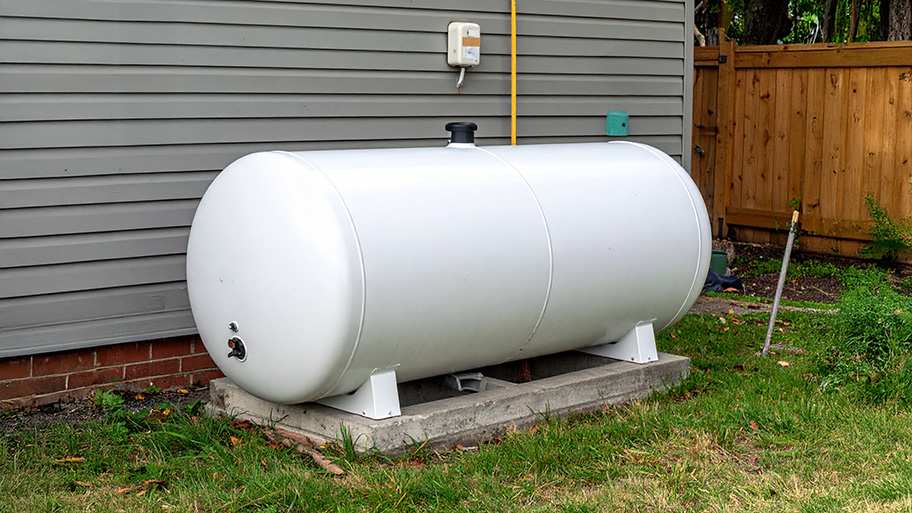
The average propane tank costs between $600 and $2,500, depending on the size, location, and more. Our expert guide explores all the factors.
Don’t let getting rid of one of these turn into a hot mess

Proper disposal of a propane tank keeps your home safe because these tanks are classified as hazardous waste and can't go in regular trash.
Junk removal costs range from $5 to $100 for hazardous items, so disposing of your tank early helps you avoid potential fines or environmental damage.
You can exchange your old tank for a new one at local hardware stores or gas stations if it's still in working condition.
Hiring a local junk removal professional provides peace of mind that your propane tank gets transported safely and disposed of properly without environmental risk.
With barbecue season in full swing, you’ve probably spent a fair amount of time with your trusty, old propane tank. And if it’s no longer performing as well or looking as good as when you first got it, you might also be thinking about throwing it out. Because propane is highly flammable, anything it comes into contact with, including its container, must be disposed of carefully.
The following guide will show you how to dispose of a propane tank in multiple ways, from recycling to exchanging it for a new one.
Propane gas is highly combustible, and old propane tanks are considered hazardous waste. Even if the tank appears empty, there will be traces of the liquid gas left in the tank. If you no longer need your tank, you can’t just toss it in with your household trash for weekly pickup. In fact, most dumps and recycling facilities won’t accept propane tanks.
That makes proper disposal more complicated than you’d expect, though not impossible. You’ll need to plan ahead and follow the appropriate steps to ensure you’re disposing of the tank properly and not being irresponsible with hazardous waste.

You’ll know it’s time to bid adieu to a propane tank when it’s leaking, excessively rusty, dented, or corroded or if any accessories like handles, valves, or dials are no longer working. It usually takes a while to get to this point—underground propane tanks typically last between 20 and 30 years, while aboveground ones go even longer with proper care.

Much like disposing of gas, propane tanks can’t simply be thrown in the bin. Once they’re past the point of no return, they’re impossible to repair or salvage for future use. Instead, use one of the following methods to get rid of the old before you bring in the new.
If your propane tank is up in years but still in working order, exchange it for a new one at a nearby supermarket, hardware store, or gas station. The longer you wait, the more likely irreparable damages are to occur, so do this sooner rather than later. Once the tank becomes unusable, you won’t be able to cash it in for a new model any longer.
You can’t recycle propane tanks with your usual recyclables because they may still contain trace amounts of propane that can pose hazards. Instead, check with your local propane supplier or hardware store to find out if they’ll accept old propane tanks for recycling. In most cases, they will because they have the proper tools to fully remove the contents and often have close contact with the right recycling facilities. In the event that your local supplier doesn’t take back tanks, you can contact your recycling center directly to arrange pick-up or drop-off.
If you’re struggling to find someone who will accept your old tank for recycling, your last option is to find a hazardous waste collection program that will take it off your hands. Throwing it into your household garbage is not an option because of the hazardous nature of propane, and doing so may result in fines or environmental damage.
To schedule a pick-up or drop-off, find a hazardous waste collection program near you using the Environmental Protection Agency’s search engine. You can also contact your local government official and ask them to point you in the right direction.
Before reserving or dropping anything off, check the program’s website or call them to find out how to package the propane tank for travel and processing—and whether or not they’ll accept it in the first place. They most likely will take it off your hands, but it’s always better to be safe than sorry.

Use the following tricks to ensure your propane tank lives up to its full potential rather than falling victim to damages earlier on.
Propane tanks should never be kept in an enclosed space because they can pose safety risks if they start to leak. For this same reason, it’s better to keep them upright to ensure that no propane exits the tank, even if the lid isn’t fully secured.
Propane is highly flammable, so avoid storing spare tanks close to any major heat sources like your boiler. It is safe to use a propane tank at low temperatures, but increased exposure to humidity and frost can lead to premature rusting.
Regular propane tank inspections are a good way to keep damages at bay. But the rate at which you’ll need to do them depends on the age of the tank. For example, fully inspect newer propane tanks once every six months, plus an extra look here and there with increased use.
Older tanks should be checked once a month. Damages are more likely to occur out of the blue when the tank is up in years. Checking so often might seem excessive, but it’ll help you spot any leaks (and prevent related hazards) as soon as possible.
The cost of junk removal, like when you’re disposing of hazardous waste, can range from $5 to $100, depending on what you’re getting rid of. Cans of latex paint will be on the low end of that range, while the refrigerant found in your appliances makes up the higher end. Contact a local waste removal professional to find out exactly what you’d pay to have your propane tank thrown out for you.
Disposing of a propane tank isn’t difficult. In most cases, you can exchange the tank for a new one or recycle it at a local facility. However, if the tank is rusted and no longer usable, disposal can be more complex. In this case, leave it to a pro with the right experience and equipment to collect and dispose of your propane tank safely and carefully.
Raven and crew does absolutely fantastic job. They are very professional if any concerns were to occur with any of her work she always took responsibility and finished out with a great job. I have worked with her business for a year and have always been satisfied. Very trusted business and...
 Creations of Transformation LLC
Amazing job. Efficient and quick without compromising quality. Basement feels brand new. Would use them again in a heartbeat.
 AffordaPro Restoration
Best cleaning I've had at my property
Scam. DO NOT use this company. We had a move where a Black Tie employee left the job site early (unknown to us until after the fact) and stole $40,000 worth of a private collection we had in a box that he watch use box up. On top of this we had several items missing and damaged where we had...
Fantastic group, very communicative, and they really did a great job cleaning my condo. Will be hiring them for recurring cleaning!
 eMaids of Northern Columbus
This company went above and beyond with their work, chimney sweeps are usually pretty messy, but the clean up was spot on.!! Josh explained every thing that he was doing, and the things that he was checking to make sure the chimney was safe for me and my family. He was very professional,...
 Supreme brick & chimney
I definitely recommend Ramonaâ s cleaning service! I have booked services with her many times and she arrives on time, ready to work and provides a great service.
 Your Cleaning Solutions LLC
Amazing! I’ve had plenty of services over the years and Mary Cleaning has gone beyond what I thought was possible. ❤️ them!
They cleaned my very dirty basement. They were prompts, quick, thorough and their price was fair.
 JDE House Cleaning LLC
The company was very easy to work with. My family is now able to enjoy a space that at one point, only collected junk!!!! I feel like i have a whole new addition to the house!!! Wonderful work Blurock on our basement, will recommend!
 BluRock Services, Inc.
From average costs to expert advice, get all the answers you need to get your job done.
The average propane tank costs between $600 and $2,500, depending on the size, location, and more. Our expert guide explores all the factors.

Switching from oil to gas heating could impact your savings. This guide will help you understand the cost to convert from an oil furnace to a gas furnace.

Time for a new oil tank? If your HVAC system isn’t performing like it should, you need to know the factors that impact oil tank replacement cost.

When the power goes out, your whole house generator can keep your home running if it has enough propane to fuel it. Read our guide to propane use for whole house generators to determine how much you need.

Grills are bulky, which means your regular sanitation schedule likely won’t account for disposal. Learn how to dispose of a grill properly and affordably.
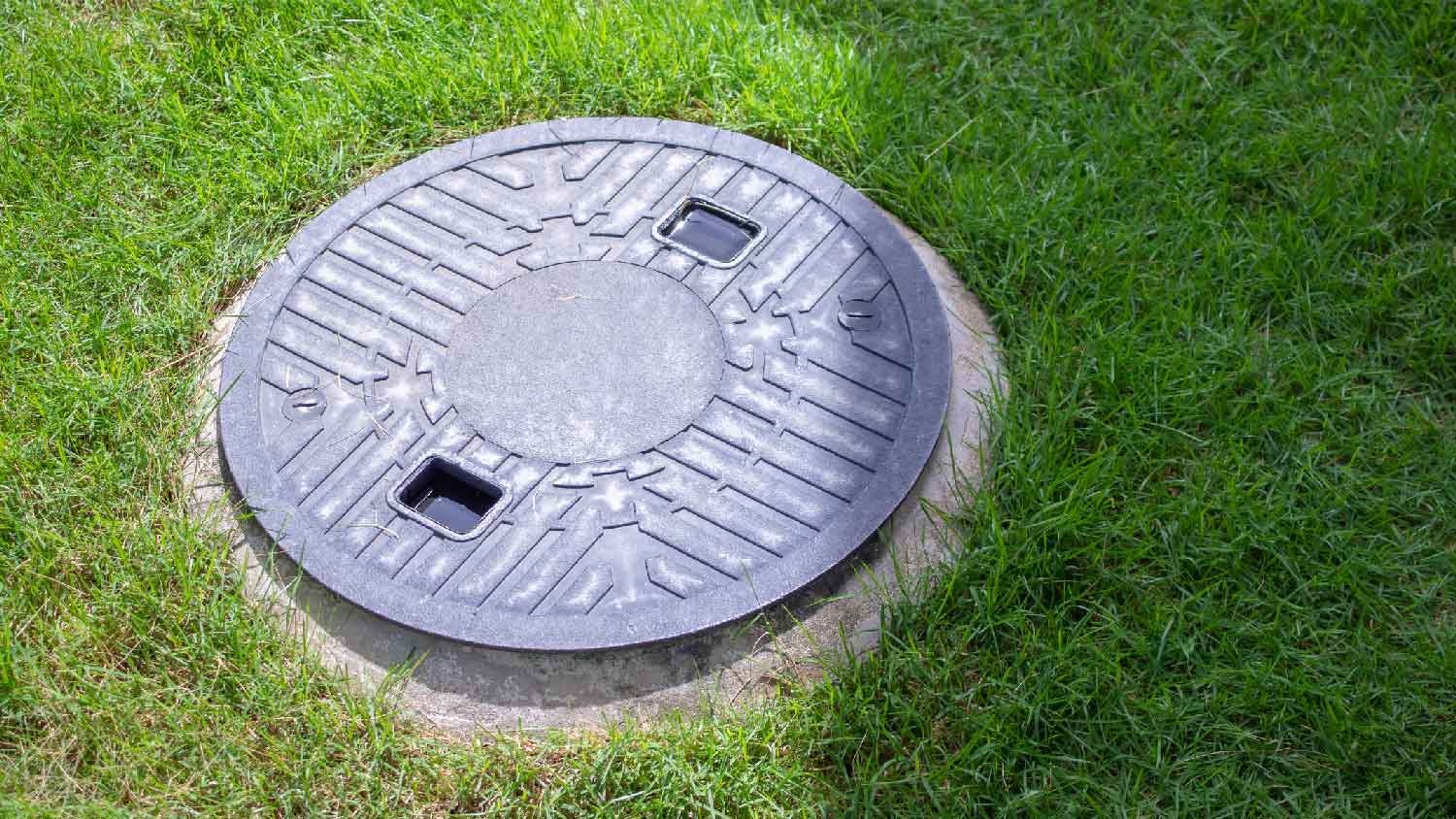
Can you use a garbage disposal with a septic system? Installing a garbage disposal with a septic system can decrease the tank's efficacy and cost more money in the long run.