
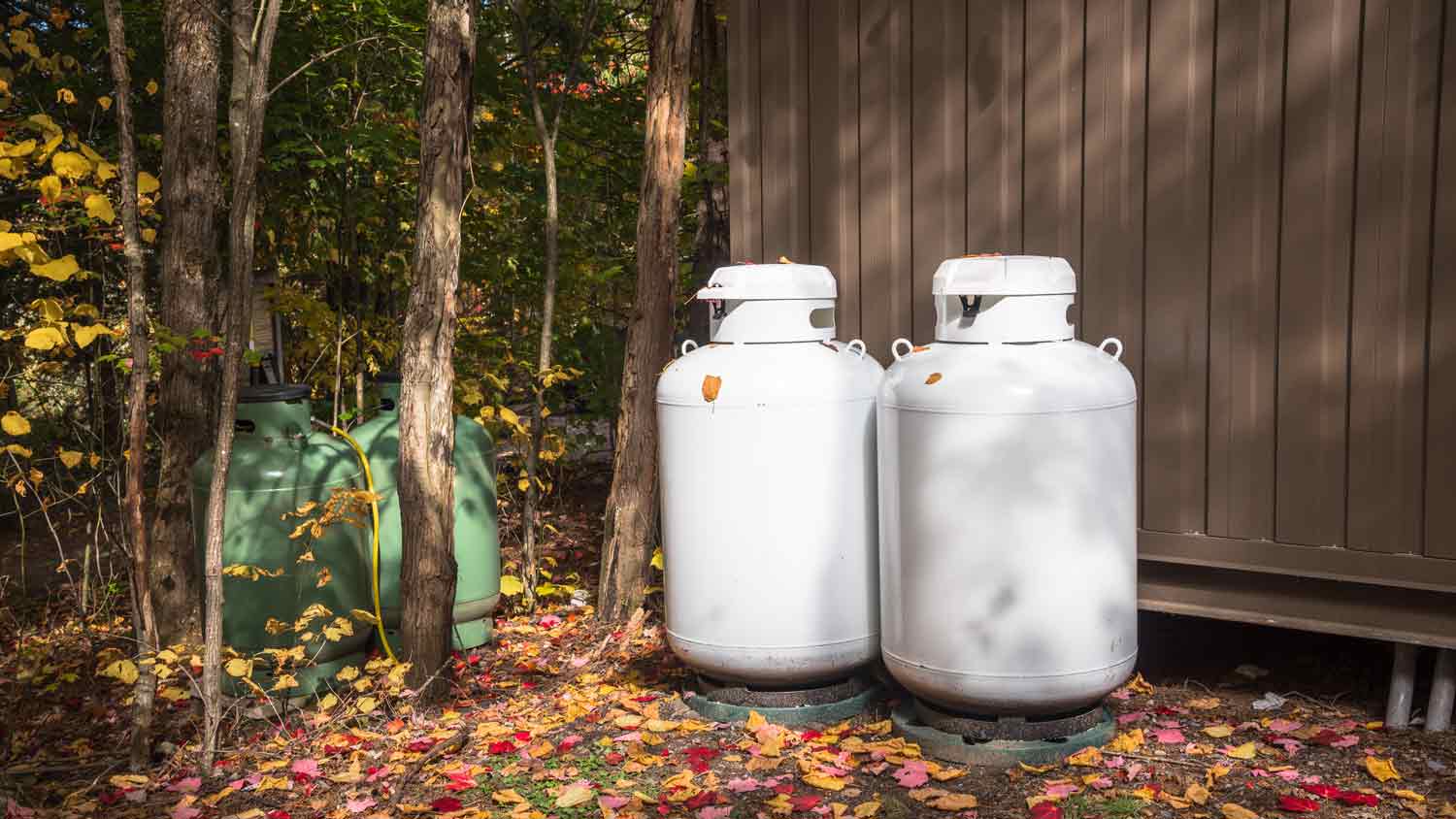
If you’ve had the same gas tank for 30 years, it might be time to get rid of it. Here’s how to dispose of a propane tank in a safe way.
Hazardous waste like gasoline needs special handling for disposal

Proper disposal of old gasoline matters because it's hazardous waste that can contaminate groundwater, damage your landscape, and pose serious fire risks if handled incorrectly.
Expect to pay $50 to $700 for professional hazardous waste removal services, while government-certified gas containers for safe transport cost $20 to $40.
Dispose of your old gas at local hazardous waste facilities, fire departments, or auto repair shops that accept it, keeping it in approved containers during transport.
Hiring a local waste removal service professional takes the worry out of handling hazardous materials, ensuring safe disposal and keeping your home protected from fire risks.
If you store your gas-powered mower or other lawn equipment for the winter, any gas still left in it will be too old to use when it comes time for the first mow of spring. Old gas must be carefully disposed of since it’s considered hazardous waste. Improper disposal can cause fires, serious environmental consequences, and fines or citations.
Learn how to dispose of old gas safely and responsibly.
Safety note: Because old gasoline is considered hazardous waste, it’s important to be careful when handling it and that you dispose of it properly. We’ve included safety precautions throughout, but generally, you should always take your time when working with gasoline, keep it away from any heat source, and wear protective equipment like safety glasses and gloves. If you’re not confident you can safely dispose of old gasoline yourself, it’s best to call in a pro.
Wondering whether the gasoline you have is considered “old”? Old gas is typically gas that is two months or older. Depending on the situation, it may be possible to recondition it and reuse it. If not, you need to dispose of it. Old gas smells a little stale or spoiled, so if you’re getting a weird odor, there's a good chance it's old. Another way to test it is to pour a small amount into a clear container and compare it to new gas. If the old gas looks darker than the new gas, you’ll know that it’s not usable as-is.
Many local hazardous waste disposal programs are free for households. In some areas, there are limits to the amount of hazardous waste you can dispose of for free, ranging from around 15 to 35 gallons. If you're disposing of old gasoline for a business-related reason, you may incur a cost for hazardous waste disposal.
Although the disposal programs are free, you may have to buy a government-certified container to transport the old gas if you don’t already have one. These cost around $20 to $40.
On the other hand, you may opt to hire a local hazardous waste disposal company to do the work for you, especially if you’re nervous about safety or have a lot of old gas. Hazardous waste disposal services start at $50.
Refer to this table when disposing of old gas, making sure not to take any unnecessary risks.
| Do | Don't |
|---|---|
| Wear gloves and safety glasses | Pour gas down storm drains or septic systems |
| Clean up spills with cat litter | Pour gas on the ground |
| Keep gas in an approved container | Throw gas in with trash or recycling |
| Keep gas away from sparks and flames | Mix gas with other liquids |
Before working with gasoline, it’s important to remember that it is highly flammable and toxic. When handling it, it's a good idea to wear disposable gloves and safety glasses to avoid any gas splashing into your eyes or onto your skin. And to be extra safe, have some cat litter on hand to sop up any spills.
Make sure you keep the old gas in the right container until you're ready to throw it away: This can be a UL-approved metal safety can that meets OSHA standards or a plastic gas container.
Additionally, store the old gas away from kids, pets, heat sources, and ideally, away from the house. Heat sources include the sun, water heaters in the garage, furnaces, and space heaters. Keep any gas at least 50 feet away from anything that could cause a spark, like pilot lights on propane appliances.
If you've accidentally spilled gas onto your clothes, you should change as soon as possible. Blot the spill with a rag, and then put baking soda on it. Use a liberal amount and make sure that the stain is completely covered. Soak the clothing in a tub with a 1:1 mixture of vinegar and water, and finally, wash it in your washer and let it air dry.
If you accidentally get gas onto your skin or into your eyes, take quick action. Rinse your eyes with lukewarm, gentle water for five minutes with your eyes open. If gas gets onto your skin, wash it off thoroughly. If irritation persists or gets worse, seek medical attention.

Since old gas is hazardous waste, you need to dispose of it through a local hazardous waste program. Doing so properly is important: According to the Utah Farmstead Assessment for Groundwater and Surface Water Protection, one gallon of gasoline can contaminate up to a million gallons of water.
In addition to contaminating the groundwater, spilled gasoline can damage the landscape, kill animals, and increase the risk of fires. In many places, it’s illegal to throw away gasoline anywhere except for hazardous waste facilities.
Illegal dumping poses significant environmental hazards. Hazardous materials can contaminate soil, waterways, and ecosystems, leading to pollution, habitat destruction, and harm to wildlife. Additionally, improperly disposed of waste can contribute to air and water pollution, posing health risks to humans and animals.
Below are some steps you can take to dispose of gasoline safely.
Find your local hazardous waste disposal program by searching the internet or by calling 1-800-RECYCLE (1-800-732-9253). Your local program can inform you of specific guidelines they have for gasoline disposal.
Follow these steps to safely dispose of your gas at a hazardous waste facility:
Pour or siphon the gas into an approved container if it isn’t already in one.
Place the container in a sturdy box in the trunk of your vehicle to keep it stable.
Drive to the facility and follow instructions for disposing of the gas.
Reconditioning gas is only possible if it’s uncontaminated. It’s a great way to recycle and reduce your environmental impact. But before using reconditioned gas, consult your owner’s manual for the item you’ll power with the reconditioned gas. Be aware that there’s no guarantee that reconditioned gas will work effectively, and it may damage engines when used.
You’ll also want to practice extreme caution here, take your time, and only recondition gas if you’re confident you can do so safely. If in doubt, it’s best to dispose of the old gas and get fresh gas.
If your gas is uncontaminated, remove any particles that have settled in the gas. First, find a suitable container to pour the gas into, and place a coffee filter in it. You can secure the filter onto the container with an extra-large rubber band. Next, use a funnel to siphon the old gas through the filter. You should do this outdoors on top of a tarp for easy clean-up in case you accidentally spill any gas. Take your time and wear gloves and eye goggles as a safety precaution.
Be careful with the coffee filter after using it because it will be highly flammable. After you’re done, place the filter into a metal container with a lid, and then fill the container with water. You’ll then need to call your trash service and see if they can do a special pickup for the container, take it to your local hazardous waste facility, or call a hazardous waste pickup service.
Once you have filtered your old gas, add five parts of the new gas for one part of the old gas to the container.

Fire departments may offer drop-off service for old gas. The gas is collected at the station and brought to the appropriate disposal facility. Not all fire departments offer this service, so contact your local station first to find out if they participate and what steps you need to take.
Some municipalities sponsor community hazardous waste removal events to make disposal easy and encourage community members to dispose of these materials responsibly. Check your local government or sanitation department’s events calendar to see if they offer these events and learn any applicable guidelines.
Local auto repair shops and garages may accept old gas for free or a small fee. Because these businesses regularly work with hazardous materials, they can sometimes take your old gas and dispose of it along with waste from the shop. Call around to inquire if any local shops offer this service.
Because disposing of old gas can be an involved process, it’s better to try to use up any gas you have on hand before it goes bad rather than having to dispose of it later on. Don’t keep more gas on hand than you’ll need in a season—it’s less complicated to fill up a gas can if you run out than it is to dispose of anything left over.
If you’re approaching the end of the mowing season and you still have gas to use, consider using your mower to mulch leaves. If the gas is fresh, stored in an approved container, and the same octane you use in your car, you can also add it to your vehicle’s gas tank to use it up.
If handling gasoline seems like a task that you don’t want to deal with, hire a waste removal company in your area. Just be sure to tell them that you have hazardous waste, not regular residential waste.
When you hire a pro, you can be sure they’ll dispose of the old gas safely, and you won’t have to give it another thought.
Professional waste removal costs anywhere from $60 to $700 or more, with an average price of $240. If you require the removal of hazardous waste, it'll fall on the higher end of that price range. The same goes for anything difficult to transport, like liquids or bulky items. The cost also fluctuates depending on the amount of waste. Simple jobs, like removing a single item of furniture, can cost as little as $80. The removal of landscaping materials costs an average of $160 per ton. General debris, including construction materials, prices out at $100 to $800 per truckload.
Raven and crew does absolutely fantastic job. They are very professional if any concerns were to occur with any of her work she always took responsibility and finished out with a great job. I have worked with her business for a year and have always been satisfied. Very trusted business and...
 Creations of Transformation LLC
Amazing job. Efficient and quick without compromising quality. Basement feels brand new. Would use them again in a heartbeat.
 AffordaPro Restoration
Best cleaning I've had at my property
Scam. DO NOT use this company. We had a move where a Black Tie employee left the job site early (unknown to us until after the fact) and stole $40,000 worth of a private collection we had in a box that he watch use box up. On top of this we had several items missing and damaged where we had...
Fantastic group, very communicative, and they really did a great job cleaning my condo. Will be hiring them for recurring cleaning!
 eMaids of Northern Columbus
This company went above and beyond with their work, chimney sweeps are usually pretty messy, but the clean up was spot on.!! Josh explained every thing that he was doing, and the things that he was checking to make sure the chimney was safe for me and my family. He was very professional,...
 Supreme brick & chimney
I definitely recommend Ramonaâ s cleaning service! I have booked services with her many times and she arrives on time, ready to work and provides a great service.
 Your Cleaning Solutions LLC
Amazing! I’ve had plenty of services over the years and Mary Cleaning has gone beyond what I thought was possible. ❤️ them!
They cleaned my very dirty basement. They were prompts, quick, thorough and their price was fair.
 JDE House Cleaning LLC
The company was very easy to work with. My family is now able to enjoy a space that at one point, only collected junk!!!! I feel like i have a whole new addition to the house!!! Wonderful work Blurock on our basement, will recommend!
 BluRock Services, Inc.
From average costs to expert advice, get all the answers you need to get your job done.
If you’ve had the same gas tank for 30 years, it might be time to get rid of it. Here’s how to dispose of a propane tank in a safe way.

Grills are bulky, which means your regular sanitation schedule likely won’t account for disposal. Learn how to dispose of a grill properly and affordably.

Charcoal and ash require specific handling when you dispose of them. Learn how to dispose of used charcoal and ash safely.
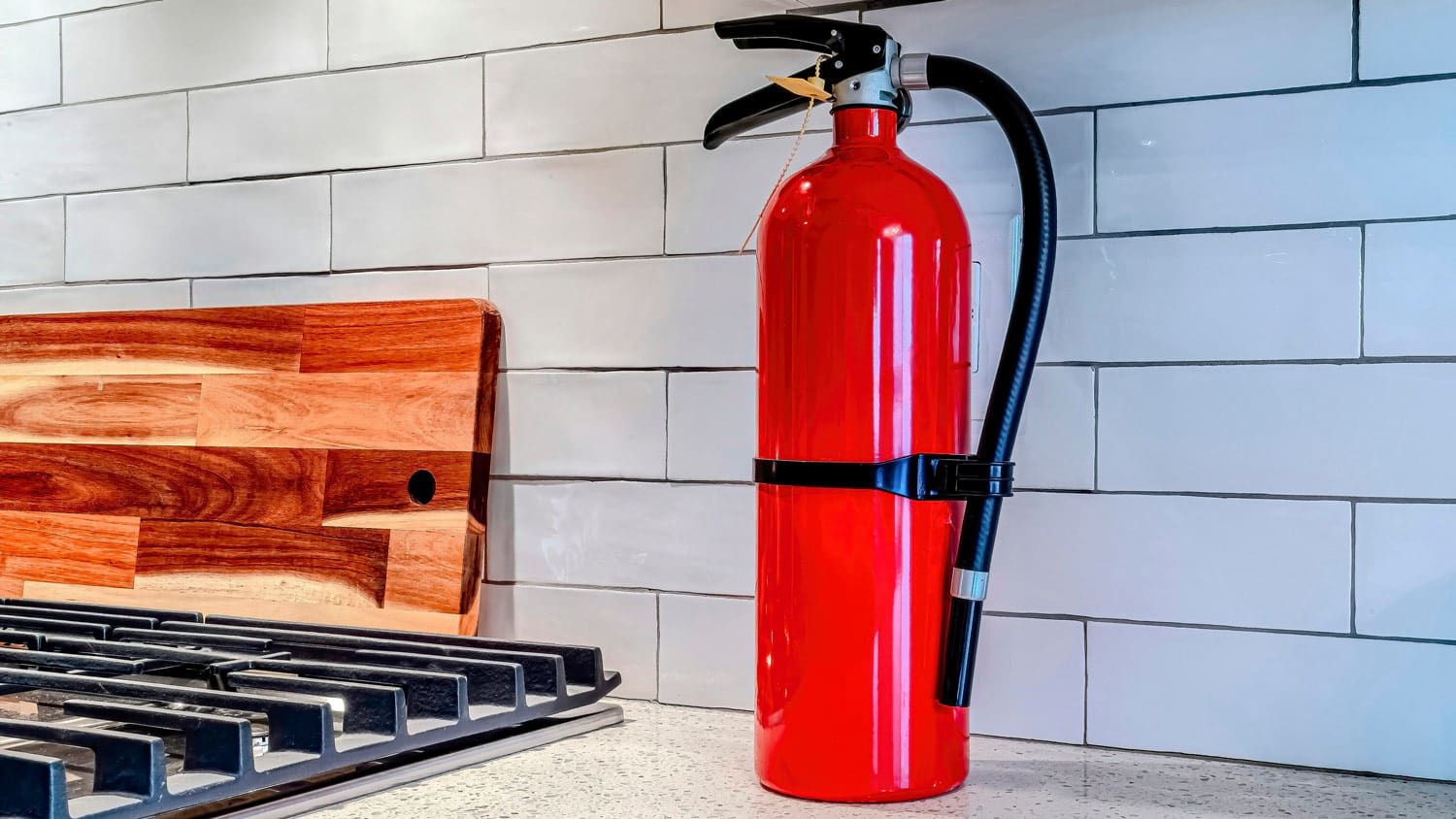
Fire extinguishers don’t last forever, but you can’t just throw them in the trash. Learn how to dispose of a fire extinguisher safely and correctly.

Discover how to dispose of old countertops, including removing, recycling, and donating. Our expert guide has all the info for DIYing or hiring a pro.
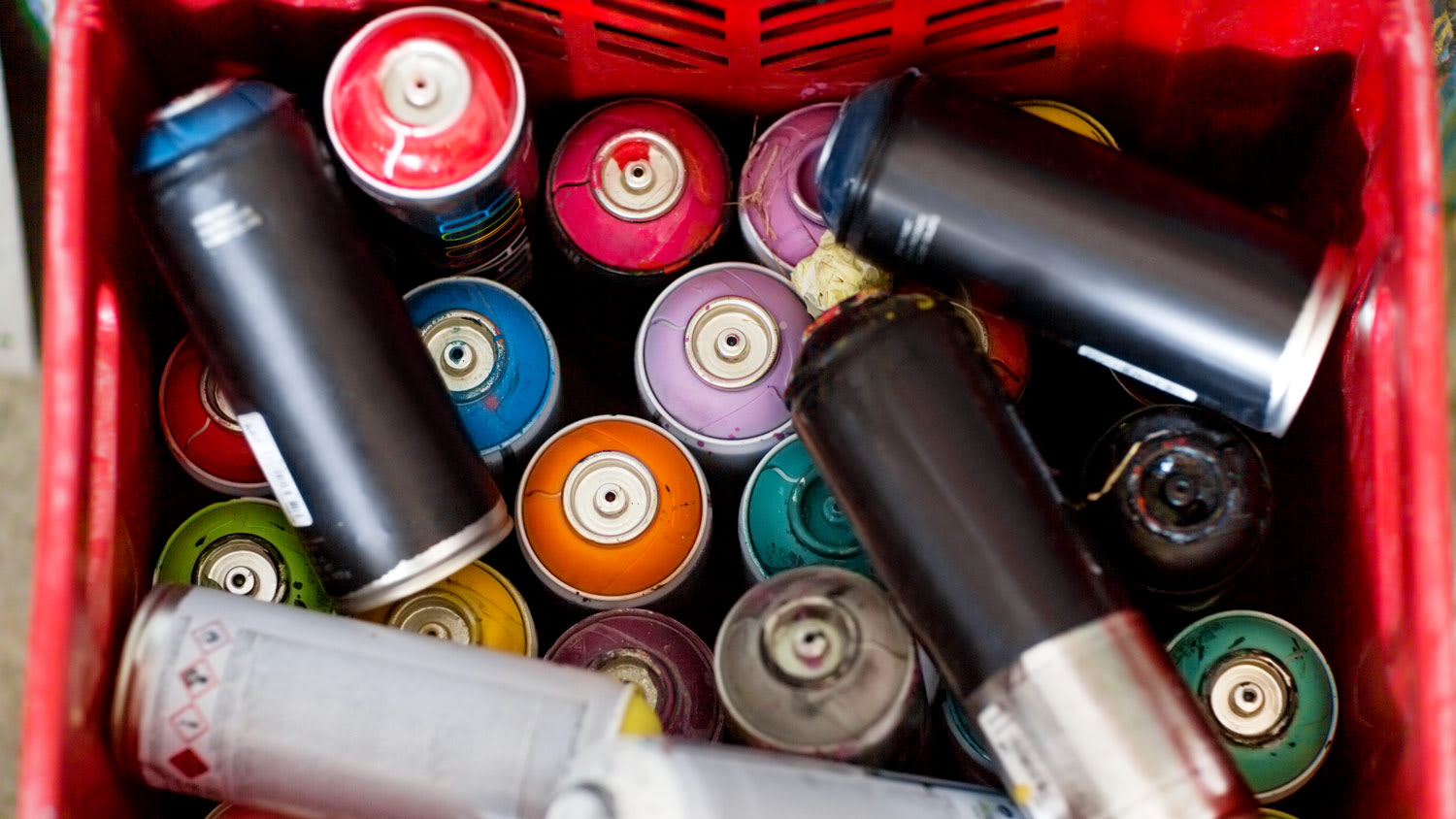
Found an old spray can while cleaning? Read our article about how to dispose of aerosol cans that are not empty and safely de-clutter your home.