

Charcoal and ash require specific handling when you dispose of them. Learn how to dispose of used charcoal and ash safely.
Catch the spirit of safety by disposing of this substance properly

Proper disposal of mineral spirits requires using approved hazardous waste collection programs, as you can't throw this flammable, toxic solvent in your regular household trash.
Expect to pay $75 to $500 for hazardous waste disposal services, with average costs around $200 depending on your location and the amount you need removed.
You can filter and reuse mineral spirits after thinning paint by letting paint settle for several months, then transferring the clean spirits to a fresh glass container.
Hiring a local garbage removal professional provides safe handling of flammable materials and connects you with proper hazardous waste collection programs when your regular service won't accept them.
Mineral spirits are solvents used for various projects, including degreasing, thinning oil paint, and cleaning up spills and stains. They’re also flammable, so you can’t just throw them away with your regular household trash. Avoid serious safety risks by learning how to dispose of mineral spirits with safe, approved methods for handling hazardous materials.

Mineral spirits are clear hydrocarbon solutions that consist of petroleum-based aliphatic and alicyclic compounds. Mineral spirits are different from paint thinners, which use different chemical combinations depending on the brand. Mineral spirits will always be structurally the same, with only minor variations unless otherwise noted.
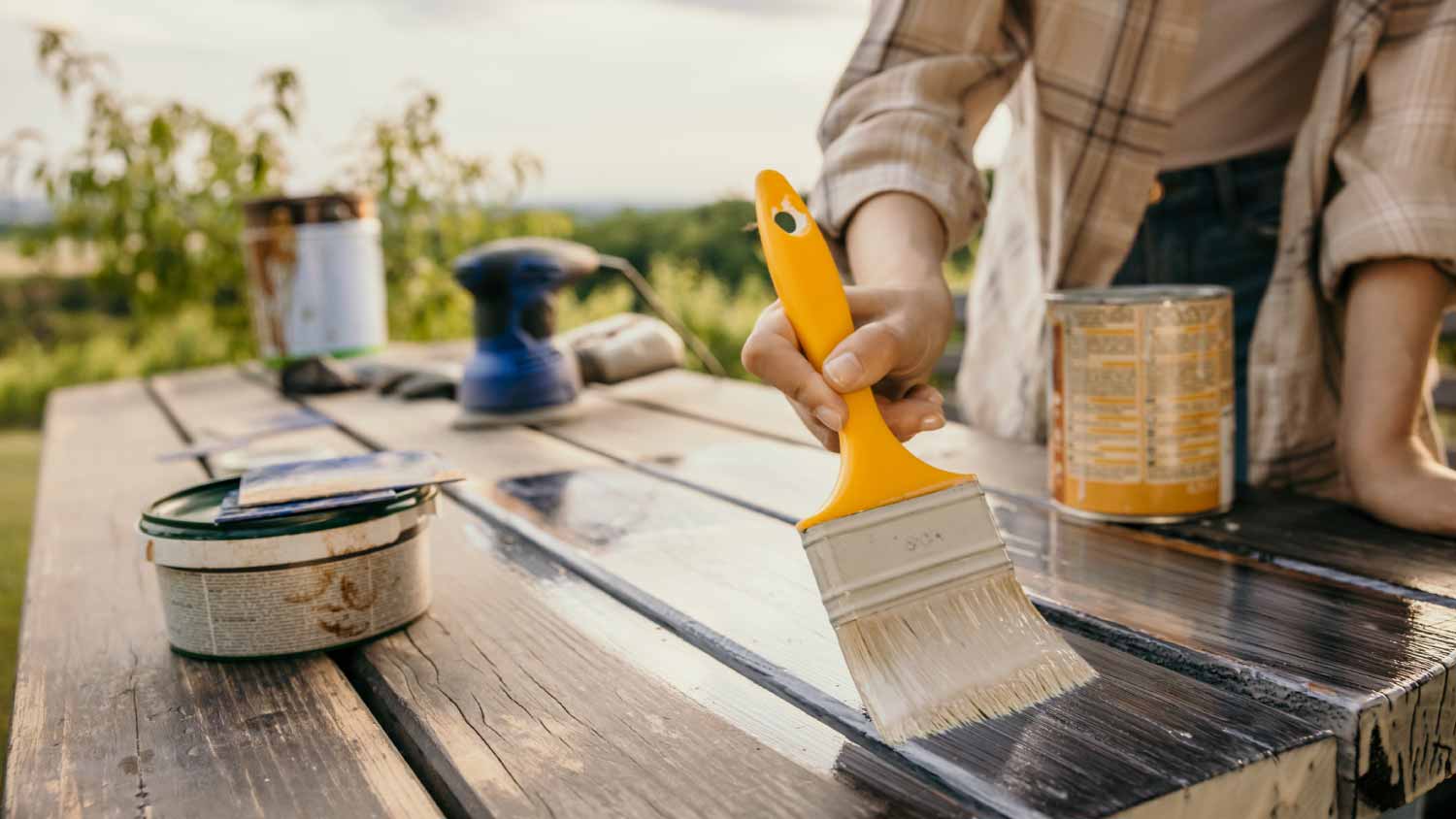
Mineral spirits can be used in numerous ways, but thinning oil paint and removing stains from wood furniture are two of their most common applications. If you have them on hand, odds are you or someone in your household used mineral spirits in a painting project—and its clean up—or for restoring wood furniture.
Mineral spirits will never go bad with proper storage, so you could theoretically keep them for a lifetime if conditions allow. However, this chemical solution is highly toxic and flammable, so if you don’t have a cool space for storage in your home, you’ll need to find a way to dispose of your mineral spirits.
Similarly, objects contaminated with mineral spirits—like rags used to clean up paint spills—should be considered hazardous waste and disposed of accordingly. There’s no way to remove spirits from such items without risk and no way to store them for future use safely, so you’ll need to get rid of them safely and replace them instead of reusing them.

Getting rid of mineral spirits isn’t as straightforward as throwing out your usual trash, but it’s not that hard. Whether you want to try to save your spirits for later or need to get them out of your home stat, the following disposal techniques have you covered.
Like oil paint disposal, this is the best way to dispose of large amounts of leftover spirits without worries.
Contact your local household hazardous waste collection program. Having trouble finding the one nearest to you? Use the Environmental Protection Agency’s search engine to locate it quickly and easily.
Find out what they do and don’t accept, as this can vary. You’ll also want to ask about the best ways to package mineral spirits for their processing needs and whether or not they charge for mineral spirits disposal. Such junk removal services average between $5 to $10 per gallon. When hiring a junk removal company, contact them ahead of time to make sure they’ll take hazardous waste. From there, arrange a pickup or find out if they offer drop-off days and make a plan to bring your waste in.
If you have just a small amount of mineral spirits you need to get rid of—and would rather not have to call the hazardous waste experts to pick it up—this is the trick for you.
Combine one cup or less of remaining spirits with an absorbent substance, like cat litter without additives or mulch from untreated wood.
Let sit outside until completely cured—about 15 to 20 minutes—then throw away with your household trash.
Still have an old mineral spirits container on hand, even though it’s mostly empty? Take a few extra steps, and you may be able to recycle it.
Pour out any remaining paint sludge or spirits into a container with cat litter or mulch. Let it dry outside for 15 to 20 minutes and dispose of it with typical household garbage.
Leave the container open and store it in a well-ventilated space that’s not too hot or cold until completely dry. If the opening of the container is very small, this process can take three to four months.
Double-check with your local recycling collection program before throwing it into the recycling bin to ensure they’ll accept it. Although most do, it’s better to be 100% sure than risk a fine or environmental damage.
If you’ve used mineral spirits to thin paint or remove leftover pigment from paint brushes, it’s completely possible to salvage what you have left over.
Tightly seal the container, place it in a cool (but not cold), well-ventilated space, and let sit until the paint settles to the bottom—this may take several months.
Wearing nitrile gloves, transfer the clean spirit to a fresh, glass container, seal tightly, label, and store for later use. You can further purify the spirit by pouring it through a coffee filter into the new container to catch stray paint particles.
Pour the remaining paint sludge onto a flat vessel like a paint tray. Leave it outdoors to cure. When the sludge is completely dry, and the remaining mineral spirits have evaporated, you can safely dispose of it in your normal household trash.

If you’re in no rush to throw out leftover mineral spirits, use the following tips to make them last as long as possible.
Mineral spirits are typically sold in metal containers that are designed to maintain the effectiveness of the solution within. Avoid transferring mineral spirits to another container if you can, and don’t pour out more than you need for your current projects. That way, you can simply dispose of the small amount you used without performing a tricky transfer back into the original box.
If you notice a container leaks, placing it into a larger, leakproof container is safer than transferring everything inside. Choose one that has a lid or topper that creates a tight seal to ensure little to no evaporation.
Because mineral spirits are flammable and can spontaneously combust at temperatures 200 degrees F and above, you must store them away from heat sources like the boiler. Ideally, place them in a closed structure away from your house to stay safe in case of fires. And make sure that wherever you put them is properly ventilated.
Hazardous waste disposal costs an average of $200 but can range from $75 to $500 or more, depending on the type and amount of waste. Removal of solvents like mineral spirits tends to cost $0.80 to $4 per pound.
Disposing of mineral spirits is easy to do as a DIY if your local garbage removal service offers hazardous waste removal. You’ll need to follow their collection process or bring them to a collection facility.
If you have large amounts of mineral spirits or other hazardous materials and your regular trash collection service won’t pick them up, you’ll need to find a service that disposes of hazardous waste.
Raven and crew does absolutely fantastic job. They are very professional if any concerns were to occur with any of her work she always took responsibility and finished out with a great job. I have worked with her business for a year and have always been satisfied. Very trusted business and...
 Creations of Transformation LLC
Amazing job. Efficient and quick without compromising quality. Basement feels brand new. Would use them again in a heartbeat.
 AffordaPro Restoration
Best cleaning I've had at my property
Scam. DO NOT use this company. We had a move where a Black Tie employee left the job site early (unknown to us until after the fact) and stole $40,000 worth of a private collection we had in a box that he watch use box up. On top of this we had several items missing and damaged where we had...
Fantastic group, very communicative, and they really did a great job cleaning my condo. Will be hiring them for recurring cleaning!
 eMaids of Northern Columbus
This company went above and beyond with their work, chimney sweeps are usually pretty messy, but the clean up was spot on.!! Josh explained every thing that he was doing, and the things that he was checking to make sure the chimney was safe for me and my family. He was very professional,...
 Supreme brick & chimney
I definitely recommend Ramonaâ s cleaning service! I have booked services with her many times and she arrives on time, ready to work and provides a great service.
 Your Cleaning Solutions LLC
Amazing! I’ve had plenty of services over the years and Mary Cleaning has gone beyond what I thought was possible. ❤️ them!
They cleaned my very dirty basement. They were prompts, quick, thorough and their price was fair.
 JDE House Cleaning LLC
The company was very easy to work with. My family is now able to enjoy a space that at one point, only collected junk!!!! I feel like i have a whole new addition to the house!!! Wonderful work Blurock on our basement, will recommend!
 BluRock Services, Inc.
From average costs to expert advice, get all the answers you need to get your job done.
Charcoal and ash require specific handling when you dispose of them. Learn how to dispose of used charcoal and ash safely.

Grills are bulky, which means your regular sanitation schedule likely won’t account for disposal. Learn how to dispose of a grill properly and affordably.
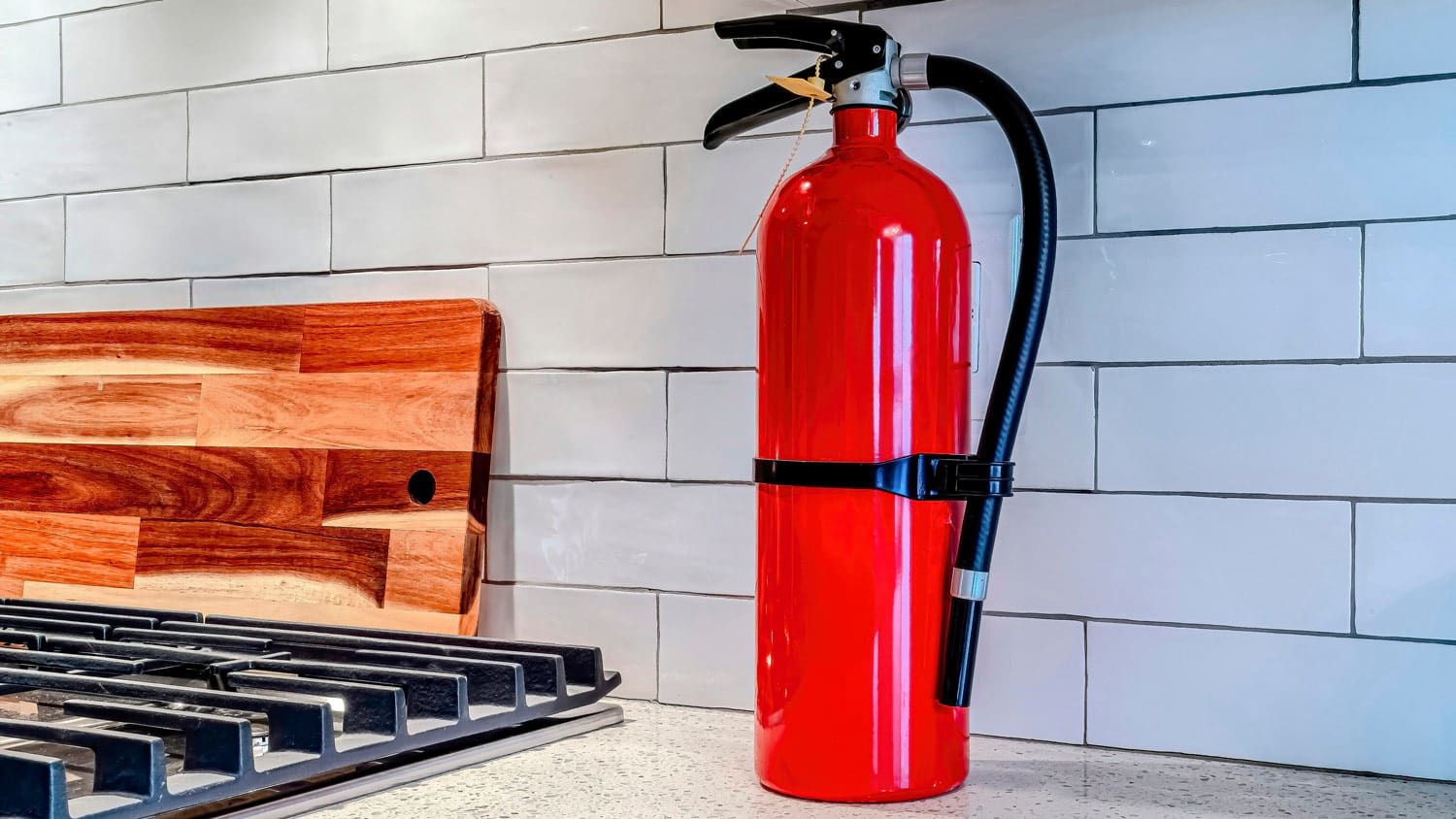
Fire extinguishers don’t last forever, but you can’t just throw them in the trash. Learn how to dispose of a fire extinguisher safely and correctly.
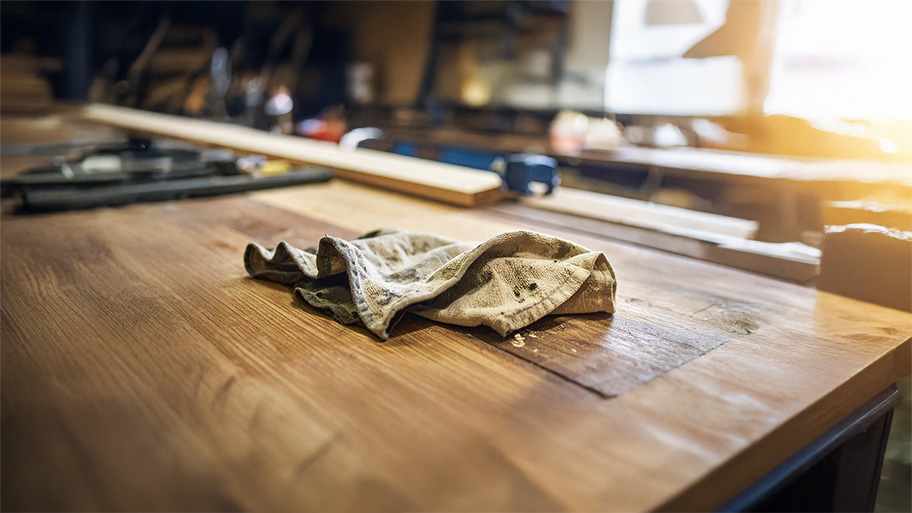
Used stain rags can be flammable and pose safety risks. Learn how to dispose of stain rags safely and responsibly.
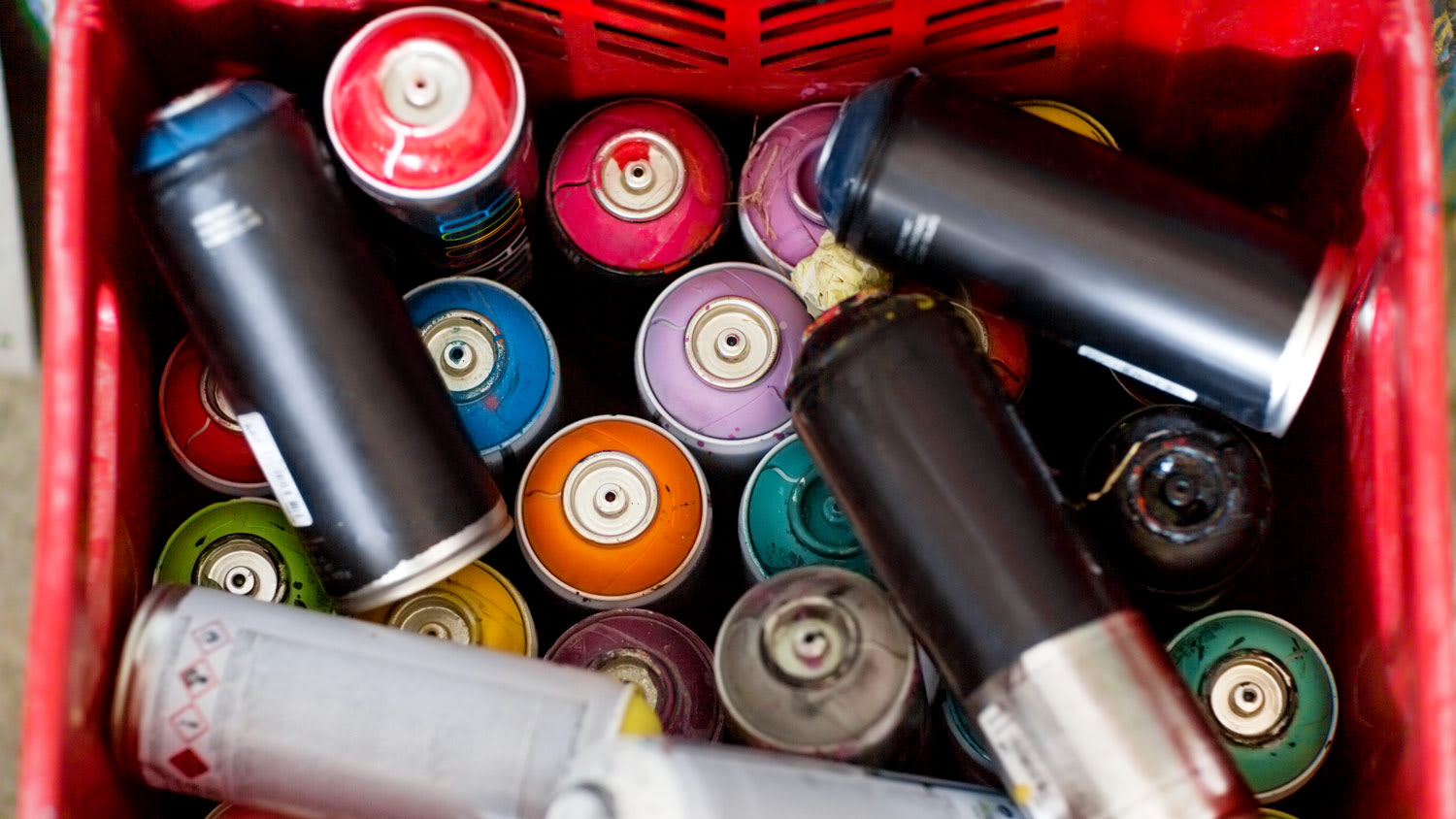
Found an old spray can while cleaning? Read our article about how to dispose of aerosol cans that are not empty and safely de-clutter your home.
Stains and paints are considered hazardous waste. Learn how to dispose of wood stain safely and the best way to store leftovers between your DIY projects.