
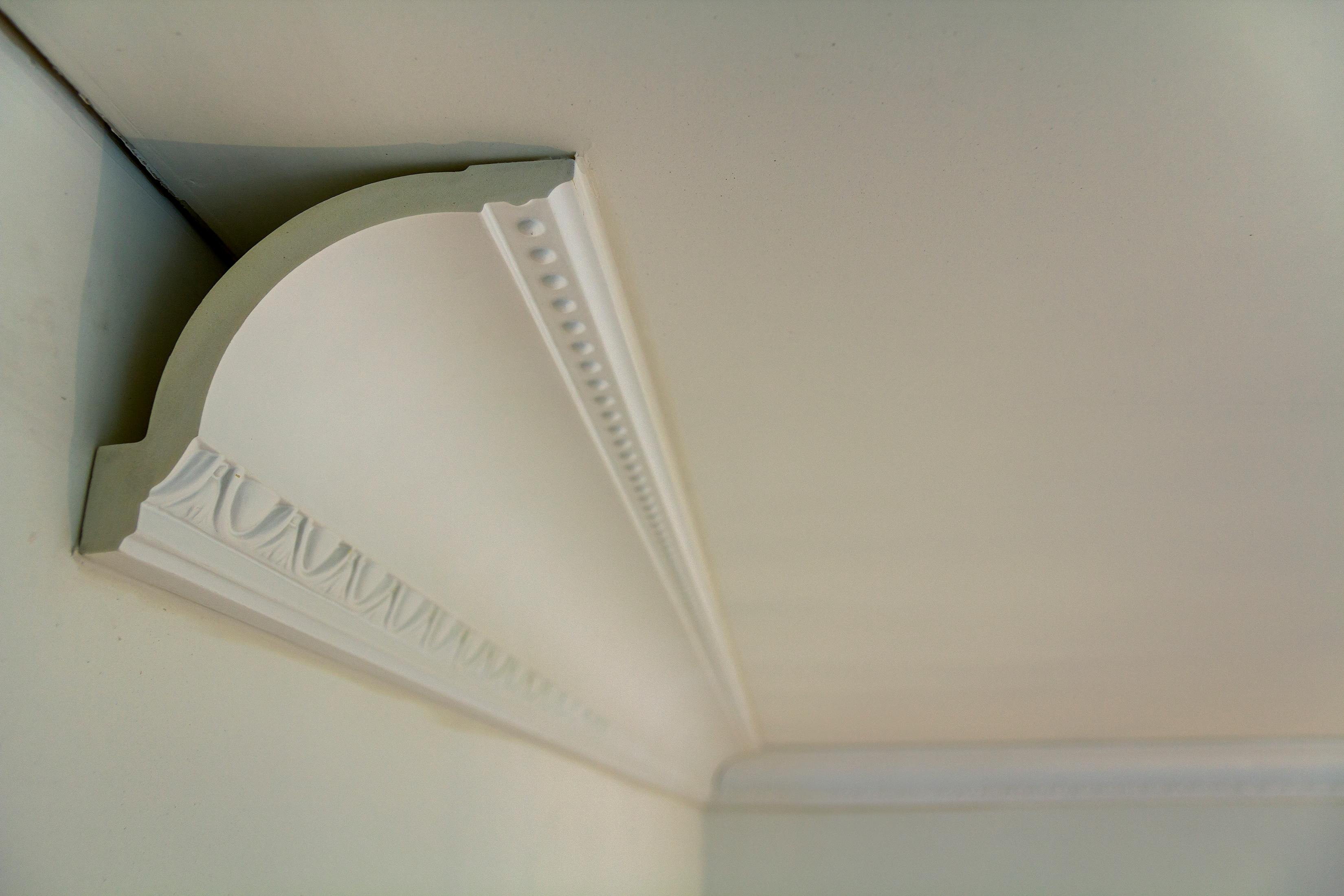
If your crown molding has edges or seams, you may want to caulk it. You can DIY this work or hire a pro—use this guide to learn the cost for both.
A careful cut will eliminate unsightly gaps in the inner corners of your molding

Is there a gap in your crown molding at the room's corners? As it turns out, many corners aren’t plumb—meaning they aren’t 90 degrees, especially in older homes—and your molding can shift as temperatures change. Coping involves cutting the end of a piece of molding at a slight angle and creating tight-fitting joints to eliminate gaps. This guide will show you how to cope crown molding in five simple steps.
Before coping, cut your crown molding to the proper size to fit on your wall. You’ll use a square cut, meaning the profile of the molding forms a 90-degree angle with the length of the molding. You’ll fine-tune this during the coping process. However, if you’d rather hire a pro to take care of this project, a crown molding installer can create tight-fitting joints and perfect corners.

Coping your crown molding can hide imperfections in the inner corners—whether your wall’s joints are uneven because your house is 100 years old or a contractor rushed their drywall installation. You have to make precise cuts, or your crown molding won’t lay flush. Follow these steps to cope your crown molding.
Before you can cope the edge of your crown molding, you’ll need to make a 45-degree miter cut. Set your miter saw to 45 degrees in the direction the molding needs to run.
Place your molding on the saw upside down. In other words, the side that touches the ceiling should rest on the base of the saw. The side that touches the wall should rest against the fence of the saw. Once your molding is positioned correctly, make your cut.
Once you’ve made a 45-degree cut, use your pencil to darken the edge of the molding’s profile. This creates a more visible outline to use as a guide for your coping saw.

For this step, you’ll use a woodworking technique called back cutting. Angle your coping saw away from the face of the crown molding, then cut along the darkened edge. Carefully follow the curves of your molding, using the pencil mark as your guide as you cut away wood from the backside of the molding.
Remember: You can always cut more wood away, but you can’t put it back once you’ve cut too much.
Once you make your cuts, check to see if the newly coped edge fits against the adjacent molding and forms a tight joint. You can check it with a scrap piece of molding as long as it has a square edge. Make adjustments if needed.

Finish the job by sanding the rough edges using 100-grit sandpaper. If any minor imperfections prevent the molding from fitting tightly in the joint, you can sand them away. When installing your crown molding, install the molding with the square edge first, and then install the molding with the coped edge on top of it.
Coping crown molding isn’t a difficult DIY for handy homeowners who have woodworking experience. If you plan to cut and install crown molding on your own, you can save anywhere from $400 to $700 on labor costs.
That said, coping crown molding requires precise cuts. If you angle your wood incorrectly, it won’t sit flush against the neighboring molding, and your corner will gap. Buying a new piece of molding and starting over could be the only fix.
A crown molding installer near you can save you from pricey or time-consuming DIY mistakes. Coping is a standard part of molding installation and only takes a pro a few minutes.
Incredible workers! Very skilled with the machinery, climbing, cutting, roping, and removal. Handled everything. Professionals!
 Hoffman Expert Tree Services
I m so impressed with Custom Paint Jobs LLC s craftsmanship. They truly care about quality.
 Custom Paint Jobs, LLC
Window Depot did an amazing job on my deck. I wasnt sure what I wanted to do, but their composite decking was affordable and will last a long time. I am excited to have family over, and I am no longer embarrassed by my backyard. Jeff and the ground crew were polite, respectful, and caring for...
 Window Depot USA of Central Ohio
Storms Mobile Welding was great to work with. They were prompt, professional and did an overall excellent job on the project. I highly recommend.
Great job...edging and pre clean up went well with a great job with seal coat. Friendly, efficient and professional.
 All Star Paving and Sealing
Great tree company, very professional and honest. Glad we found them, they had the best pricing
It was wonderful working with Yordy and his team. They were very professional and are experts in what they do. They have completed the work on time, with better quality and with in fairly reasonable price. We just started with backsplash work , but liking his work, we went on to provide...
 Flooring Solutions
The job went extremely well. Work was done as promised and the job came out better than expected due to Mr. Moyer's commitment to excellence and personal pride in providing the best work possible. He is one of those professionals who is not satisfied until the customer is completely happy...
 Pro Flooring
We needed to have a wall cabinet resized so that we could fit a larger refrigerator underneath. I removed the cabinet from the wall myself and brought it in, where Wally was able to resize it for me in his shop. The results were perfect: it's exactly the size that I asked for, and...
 Pioneer Woodworks
The work was almost completed when we gave the owner Tim Barton $400 as a downpayment to be put on his list for work in the future after we had new woodwork installed.The next day Mr. Barton had difficulty installing a door handle and took the position that it was broken before his employee...
 Above And Beyond Painting LLC
From average costs to expert advice, get all the answers you need to get your job done.
If your crown molding has edges or seams, you may want to caulk it. You can DIY this work or hire a pro—use this guide to learn the cost for both.
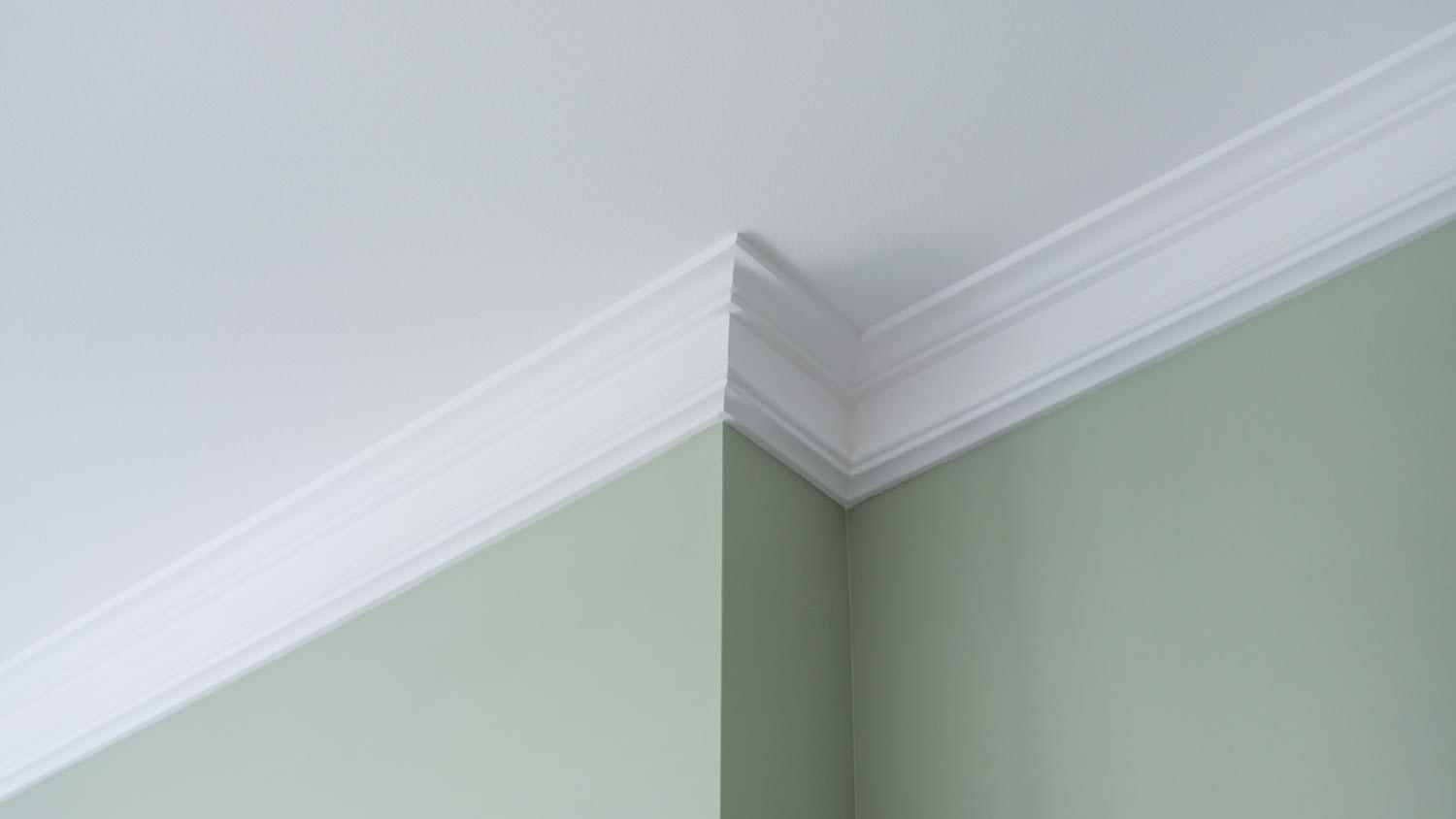
Find out how much it costs to install crown molding by type and size. Use our expert guide to figure out how much crown molding you need, how much crown molding costs near you, and whether you need to hire a pro.
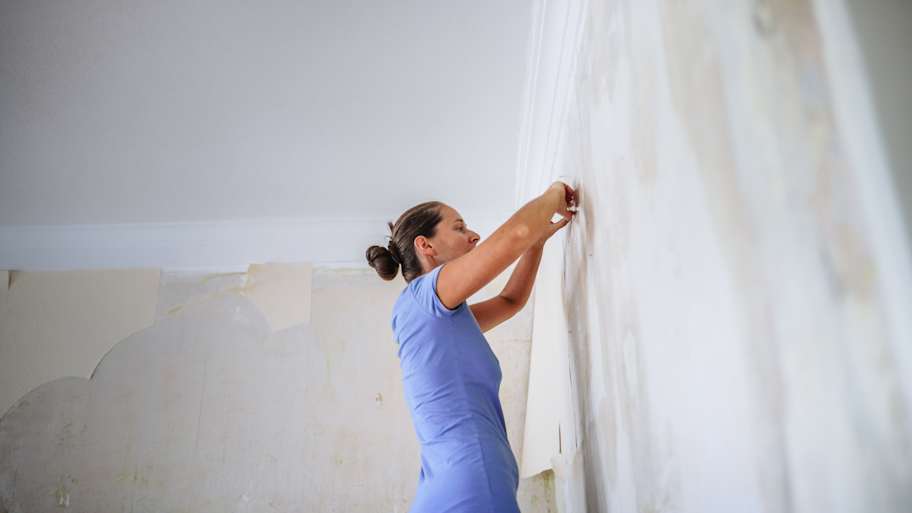
Discover how much it costs to remove crown molding based on factors like its size, location in your home, material, and more.
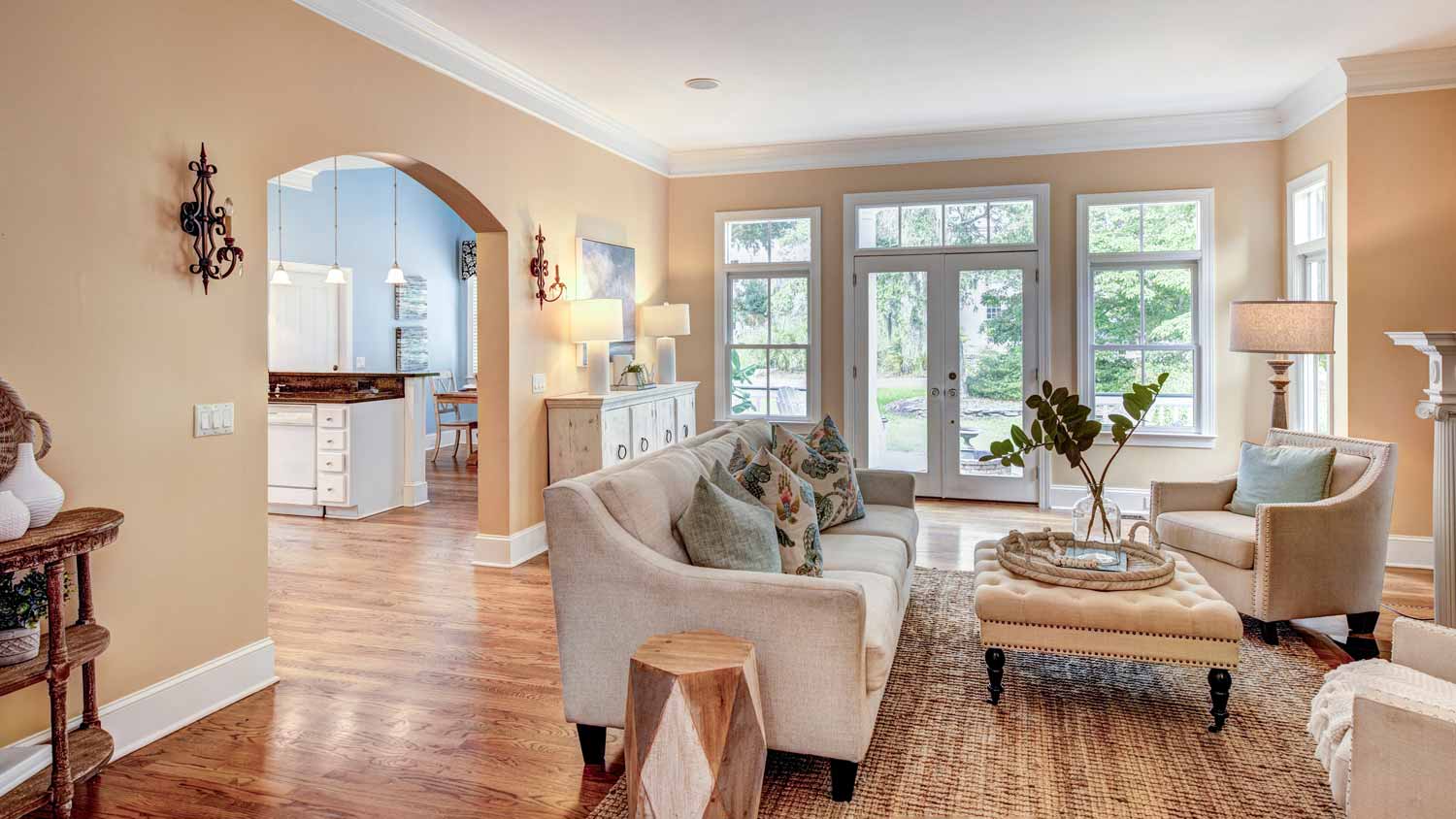
Need crown molding installed? Learn who to hire, what it costs, and why a trim or finish carpenter is the best choice for a polished, professional look.
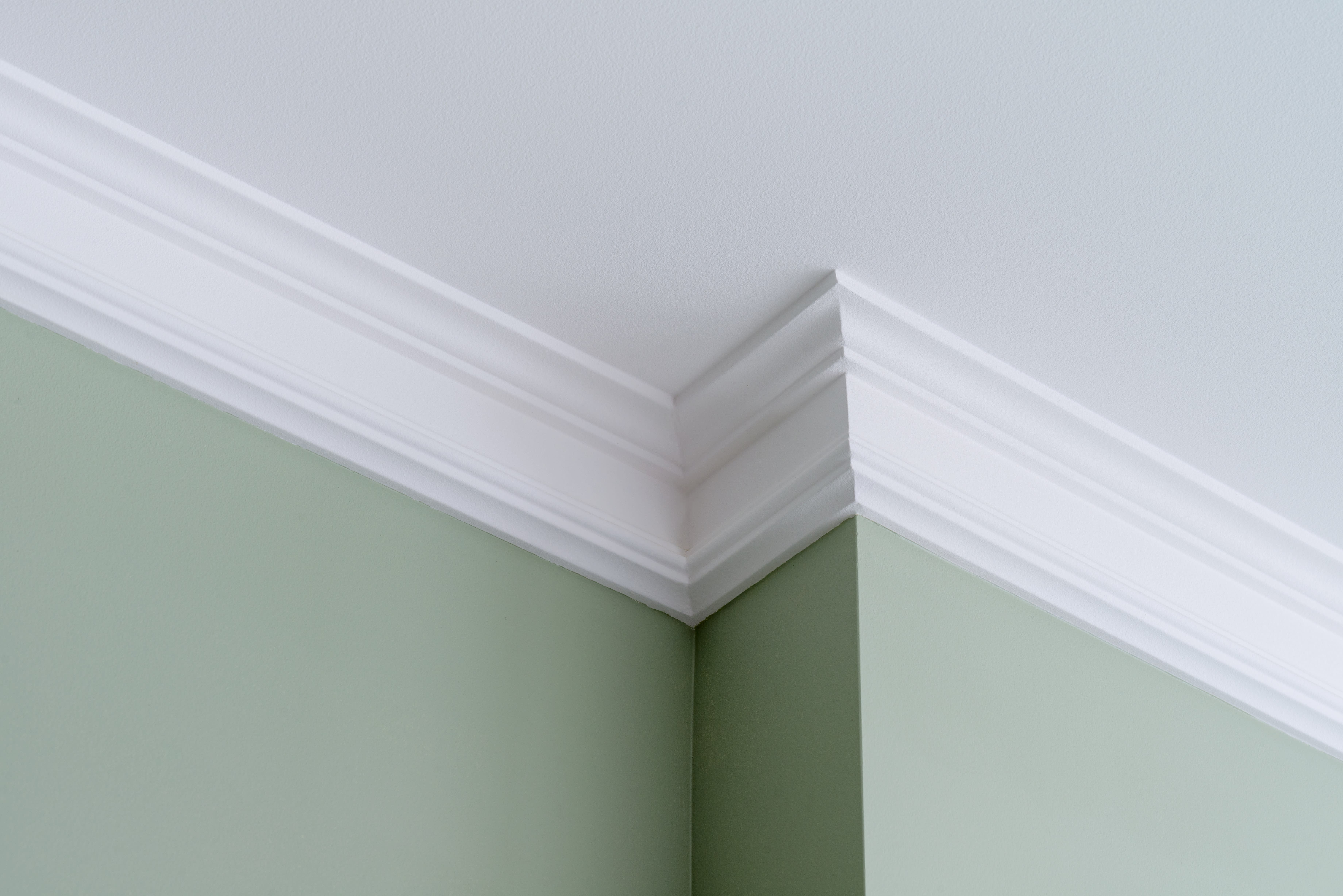
Learn how to choose crown molding that complements your home's style, fits your budget, and adds value with these expert tips for selecting the perfect trim.
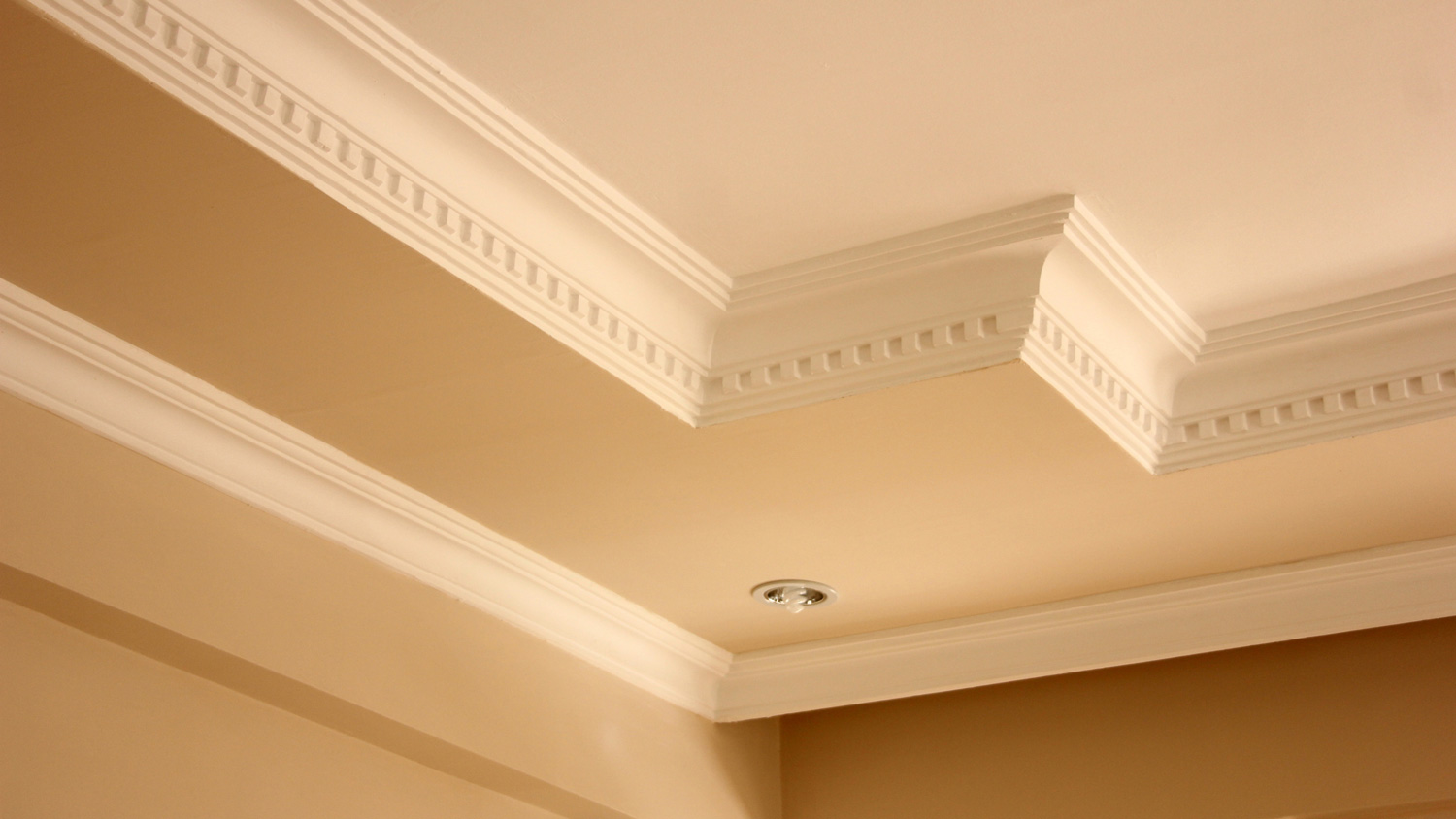
Does crown molding add value to your home? It adds aesthetic value to some designs, but you should install it less because of ROI and more because you love it.