
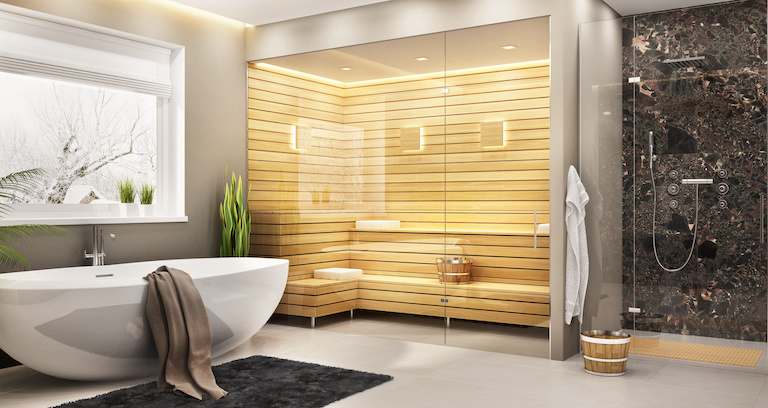
Home sauna costs aren’t cut and dry. It depends on the model and your space. If you want to install a sauna, this guide will help you plan your budget.
How much energy does it take to run your home sauna?

An electric sauna heater uses around 6 kW while heating your sauna, then drops to 3 to 4 kW once warm, totaling 9 to 13 kWh per session.
Your monthly sauna electricity costs depend on session frequency and duration, with daily one-hour sessions costing around $32.40 per month at average utility rates.
You can lower energy use by using your sauna immediately once warm, choosing properly sized heaters, and ensuring quality insulation throughout the sauna area.
Hiring a local sauna installation professional provides expert guidance on heater sizing and insulation setup, keeping your home sauna energy-efficient and comfortable.
Having a home sauna gives you a place to relax and unwind after a hard day. The amount of electricity a sauna uses, however, should factor into your decision to purchase or build one for your home. This article will give a rough idea of the amount of power you will need, the costs associated with that, and how to lower them potentially.
The heater in a home sauna uses an average of 6 kW (kilowatts) of electricity while heating the room to the appropriate temperature. Once properly heated, energy expenditure eventually drops to about 3 to 4 kW during your session, since maintaining the temperature requires less heat.
Average home sauna electricity use sits at around 9 to 13 kW hours per one-hour session if you factor in the time to prepare the sauna. That being said, the amount of electricity a home sauna consumes can vary depending on several different factors:
The size of the sauna
How effectively the sauna area is insulated
How long the sauna runs
The sauna heater’s size
How high the sauna’s temperature gets
If you want to calculate the electricity a sauna uses monthly, multiply its output by the usage per hour and the number of uses per month.
[Sauna heater kW] x [duration of sessions] x [number of sessions] = [monthly amount of electricity use]
When it comes to calculating the duration of your sauna session, be sure to account for the time spent getting the sauna up to the proper temperature before you use it.
Knowing the amount of electricity your sauna uses is vital for knowing how much it costs to run. The price of utilities can be a major determining factor for deciding whether or not to install a sauna in your home. After all, it is difficult to relax if doing so costs you an arm and a leg.
If you want to estimate the cost of the electricity your sauna uses, multiply the heater’s wattage by the number of sessions per month and the amount your utility company charges per kilowatt hour. In the United States, the average consumer cost of electricity is $0.12 per kilowatt hour, but the local utility company’s rate will vary from state to state.
For example, a sauna running for 90 minutes (30 minutes heating up and 60 minutes in use) each day for 30 days will run for 2,700 minutes or 45 hours. If the heater operates at 6 kW per hour, that works out to 270 kilowatt hours (kWh) per month. So, if the average cost of electricity is $0.12 per kWh, that sauna will cost:
[270 kWh per month] x [$0.12 per kWh] = $32.40 per month for an hour a day in a 6 kW sauna
Of course, the more you use your sauna, the more you will spend on electricity costs.

Though electricity usage is a relatively small part of home sauna cost, it is the one over which you have the most control. There are several factors in a sauna’s energy usage where you can introduce a measure of efficiency. As a result, you can noticeably lower your energy bills even if you use your home sauna a lot.
A sauna can take between 30 minutes to an hour to heat to the desired temperature, so it can be easy to get lost doing other things while waiting. Keep in mind, though, that every minute you spend not luxuriating in your appropriately warm sauna is another minute you will have to run the heater once you are in it.
The easiest way to lower energy use is to cut down on wasted electricity by using your sauna as soon as it is warm. You can set a timer or reminder on another device to let you know when the sauna is ready.
Saunas come in two types: traditional and infrared. When considering infrared versus traditional saunas, an infrared sauna does not use as much energy on average.
Because infrared rays apply heat directly to the body, they do not need to heat the air around you as much. The reduced need for heat means they use less energy to raise the temperature.
Though traditional saunas use more energy due to heating the air in the room, they can get the temperature much higher. If you use a wood-burning stove filled with heated rocks instead of an electric heater, you can significantly reduce the amount of electricity your sauna uses. Traditional saunas also have fewer electrical elements prone to failing, so they can last slightly longer than infrared saunas if you keep up with maintenance.
Insulation serves to keep the heat from escaping the enclosed area of your sauna, but only if it is intact. Improper insulation leads to heat leaks, which in turn makes the sauna heater work harder to maintain the temperature. The more the heater has to work, the more energy it uses, driving up the cost of running your sauna.
Quality wood is usually enough to insulate an indoor sauna if you have managed to keep it well sealed. You can also use fiberglass rolls or thermoplastic boards, especially if you have an outdoor sauna.
The internal volume of your sauna determines the size of the heater you will need. If yours is too small, it will spend more time and energy getting the area to the right temperature. Each sauna heater will include a guideline for the power requirement to sauna size ratio within the product specifications, so be sure to pay attention to it.
This consideration is more relevant to traditional saunas than to infrared saunas, as the latter do not heat the air as much. That said, it is still a good practice to use the appropriately sized heater according to instructions.
Adding a sauna to your home can be a great long-term investment for stress relief. Whether you are looking to install an indoor or outdoor sauna, be sure to hire a professional local sauna installer to help guide you through the process and further reduce your stress.
This service was great. My air conditioner went out during the heat spell that we had. My husband has health issues and they came out that night and at 9:30pm the air conditioner was fixed and running. We are sooo very thankful, this is the company I will be using from now on and would...
 Mr. Mechanical Ohio
I had FabClean 614 clean my apartment, and she did an outstanding job. She was so professional and efficient. My apartment looks absolutely spotless every surface, every corner, all cleaned to perfection. Definitely highly recommend FabClean 614 if you're looking for top-notch cleaning...
 Fab Clean 614
Binion and Alex did such a good job. Fast, fair, efficient. Would def use them again. Best experience Iâ ve had in moving - someone should give them a raise. Will undoubtedly recommend this service.
 All My Sons Moving & Storage
Great customer service. The owner Ilia was wonderful to work with. Would definitely recommend this company.
 Window Depot USA of Central Ohio
I definitely recommend Ramonaâ s cleaning service! I have booked services with her many times and she arrives on time, ready to work and provides a great service.
 Your Cleaning Solutions LLC
Excellent experience! Left my place looking great. Friendly customer service too. Would recommend!
The service was excellent! They gave me a quote, and had it done 4 days later. My driveway looks amazing, very professional! I would definitely recommend their service to anyone. I have had neighbors stop by and ask for their information as well.
 All Star Paving and Sealing
Webb â s was priced well, flexible on scheduling, great with communication, and detailed in their work. Iâ ll definitely use their services again.
 Webbs Pressure and Paint LLC
They’ve been great to work with. All of my clients that have used them have nothing but good things to say about the experience. Quick responses and fast service. They’re a trustworthy team!
 Total Home Roofing
Mary Cleaning Service is fantastic! The entire team is professional and pay a great deal of attention to detail. They do such a thorough job of cleaning my house. I would definitely recommend!
From average costs to expert advice, get all the answers you need to get your job done.
Home sauna costs aren’t cut and dry. It depends on the model and your space. If you want to install a sauna, this guide will help you plan your budget.
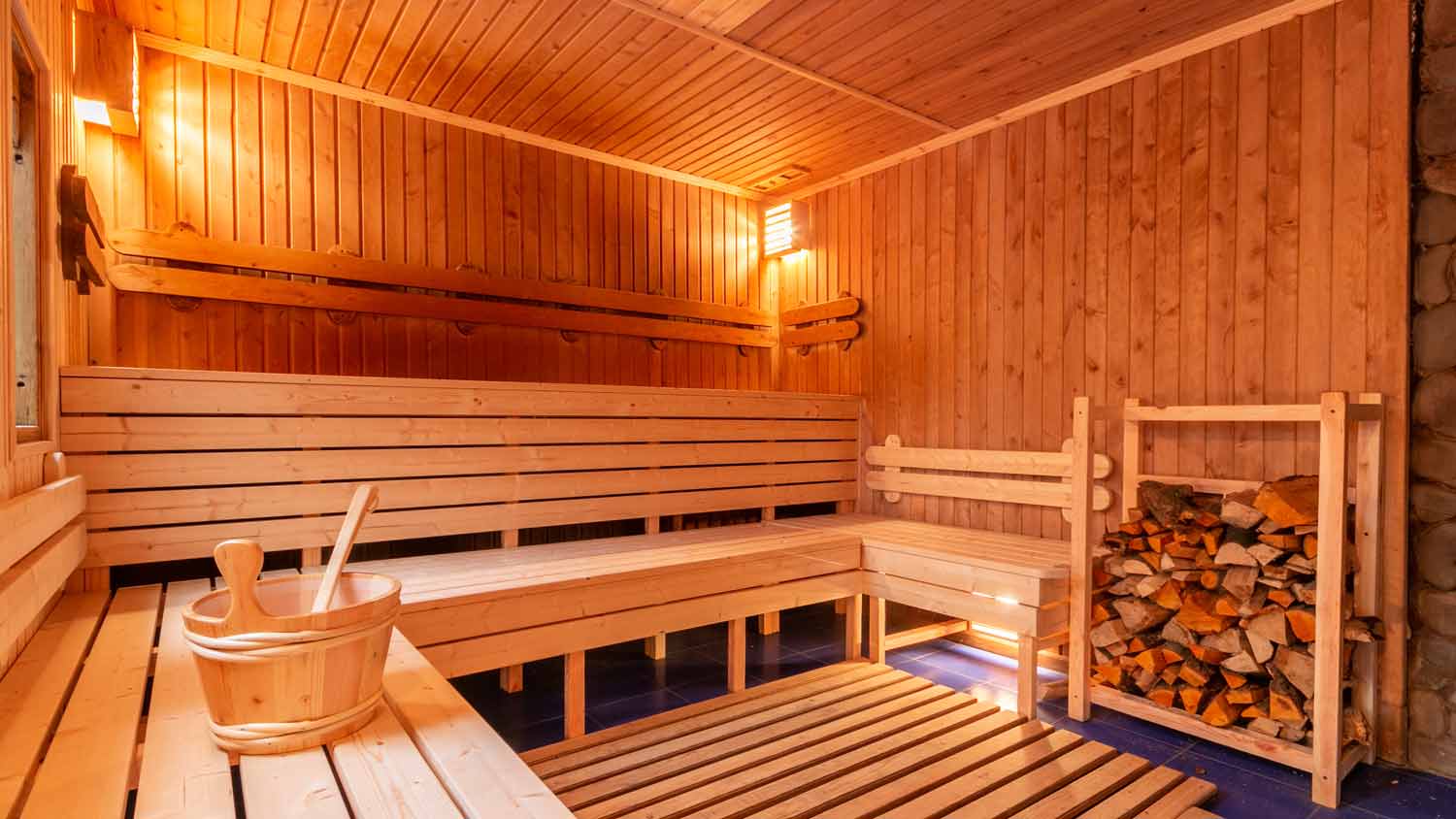
Discover sauna maintenance cost estimates, including average prices, key cost factors, and tips to help you budget for a clean, efficient sauna.
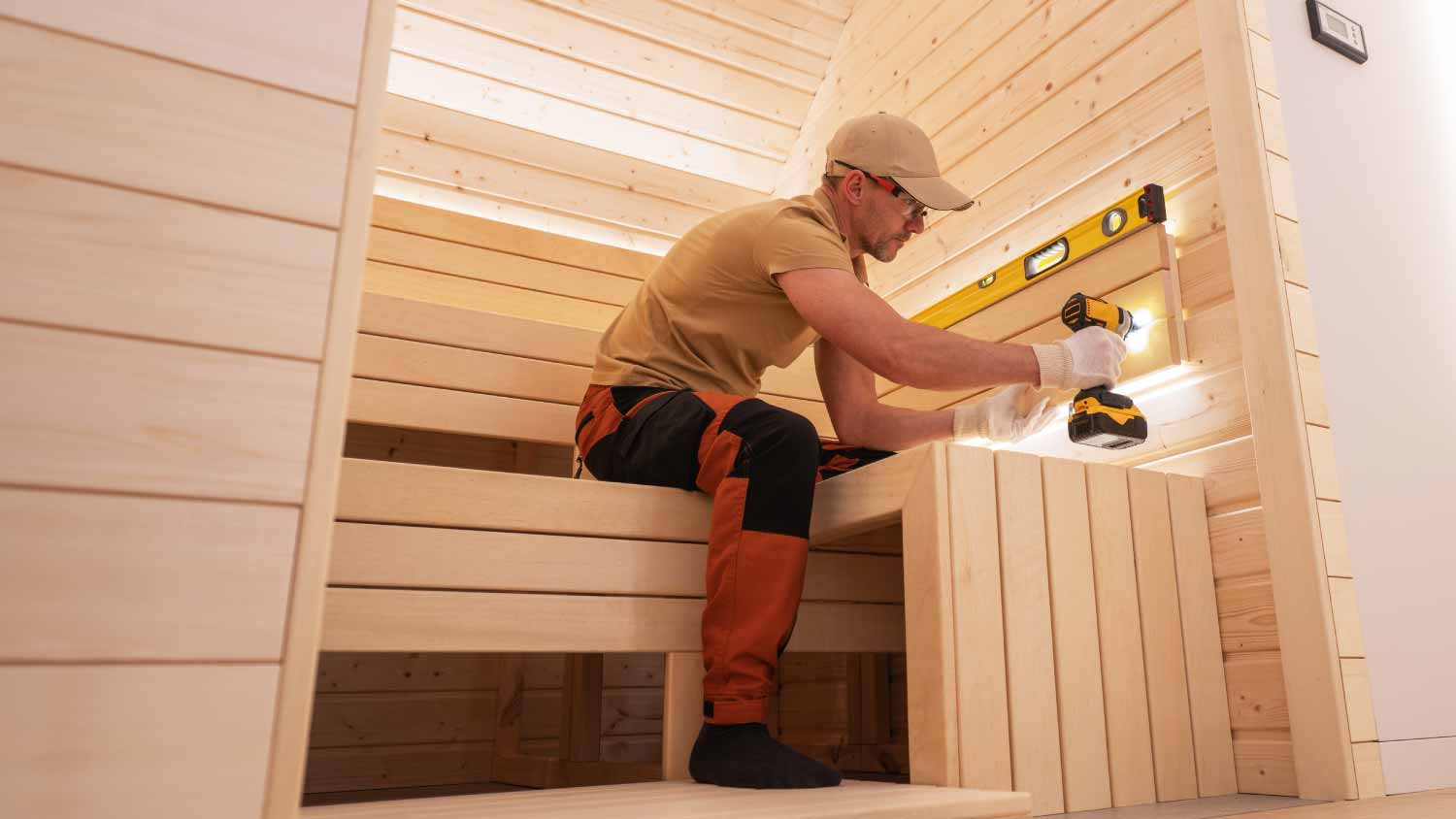
Find out what impacts sauna repair cost, get estimates, and learn how to save on repairs. Empower your budget with expert tips for every sauna repair scenario.
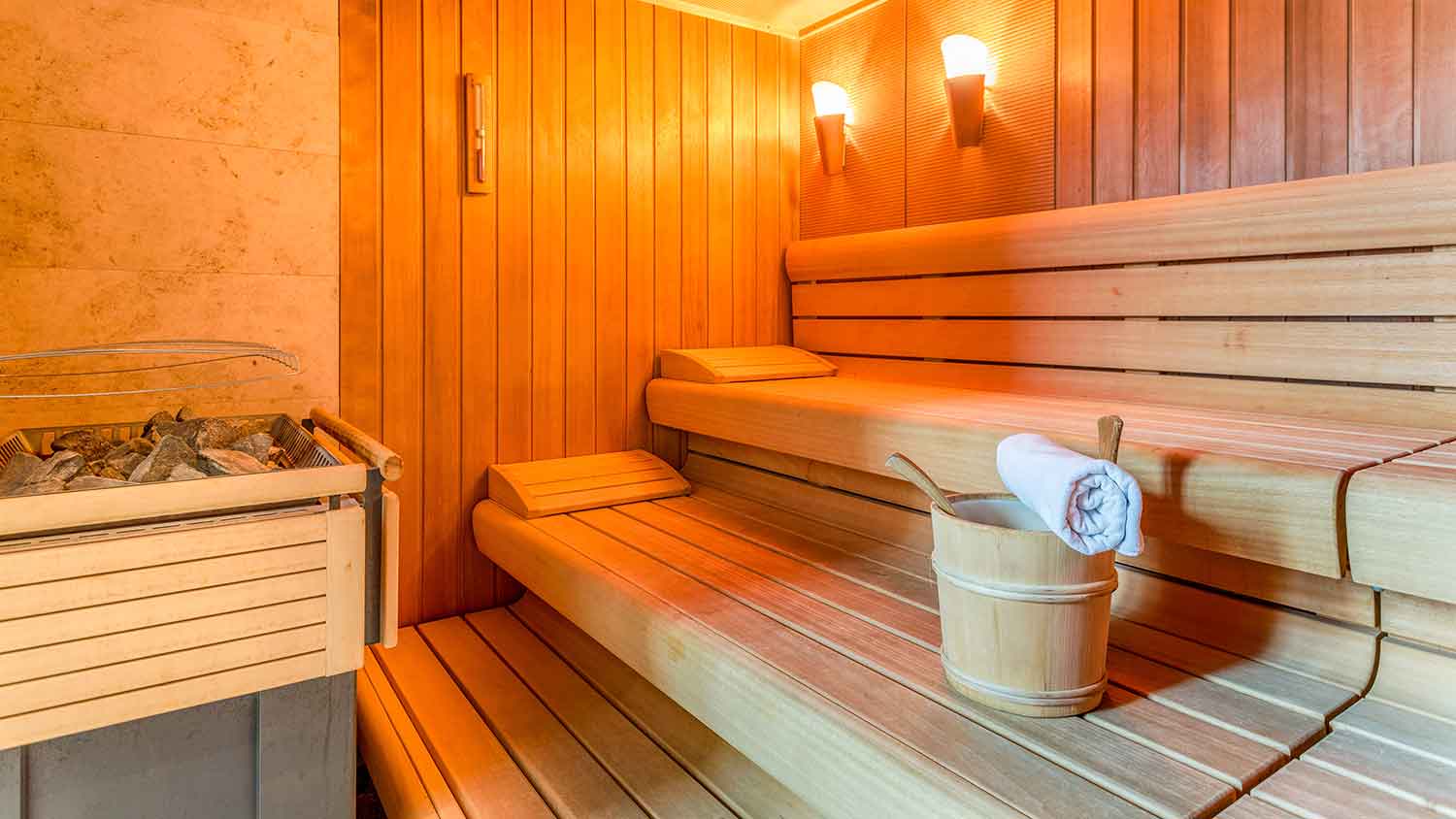
Looking for a qualified sauna installer? Learn how to hire the right pro, from credentials to questions to ask, for a safe installation.
If you’re wondering who to call to install a sauna, we’ve got you covered. This guide weighs the pros and cons of hiring a sauna installer versus an electrician.

If you are buying a sauna for the home, we have got 10 essential tips you need to make the right decision.