
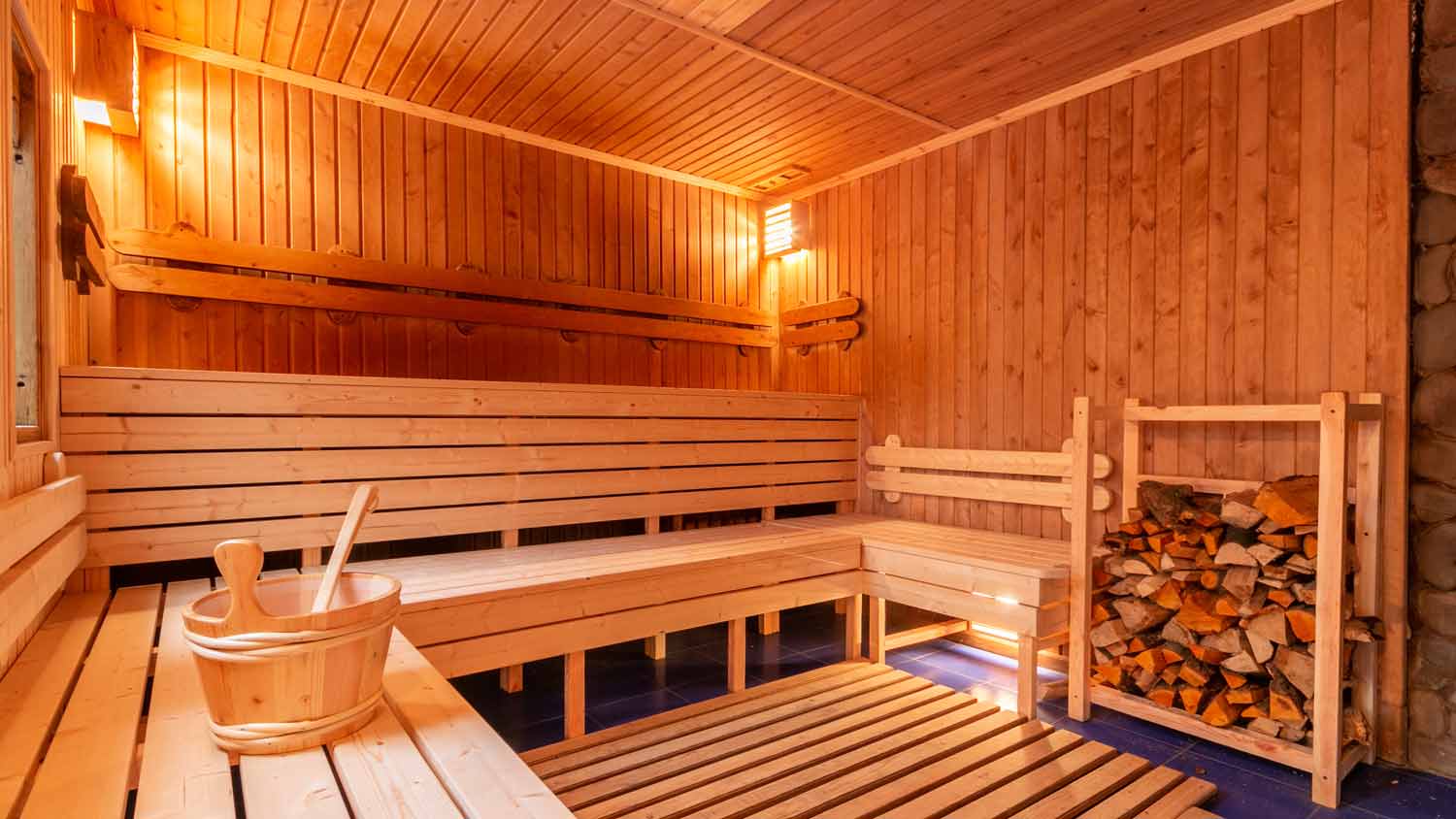
•
Discover sauna maintenance cost estimates, including average prices, key cost factors, and tips to help you budget for a clean, efficient sauna.
Choosing the right type of sauna is no sweat

Infrared saunas heat your body directly with invisible wavelengths, while traditional saunas warm the air around you to raise body temperature naturally.
Infrared saunas cost $1,500 to $6,900, and traditional saunas range from $10,000 to $30,000, with infrared models offering lower running costs.
Traditional saunas allow longer sessions of 20 minutes to an hour, while infrared saunas work best for five to 40 minutes per session.
Hiring a local sauna installation professional keeps complex wiring and hookup work on track, especially for traditional sauna heaters requiring proper electrical connections.
After an intense workout, imagine stepping into your home sauna. You lie down, close your eyes, and luxuriate in the heat. As you sweat, you are likely experiencing health benefits, as well as profound relaxation. If this scenario sounds enticing, then you may want to consider splurging on a sauna for your home. You will just need to decide between an infrared or traditional sauna, both of which deliver heat therapy in different ways. Here is how to choose which type of sauna is right for you.

An infrared sauna heats your body directly via infrared radiation and operates at around 100 to 140 degrees Fahrenheit. Traditional saunas use wood, gas, or electric heaters to heat the air in an enclosed space to 140 to 200 degrees Fahrenheit, which causes your body temperature to rise naturally.

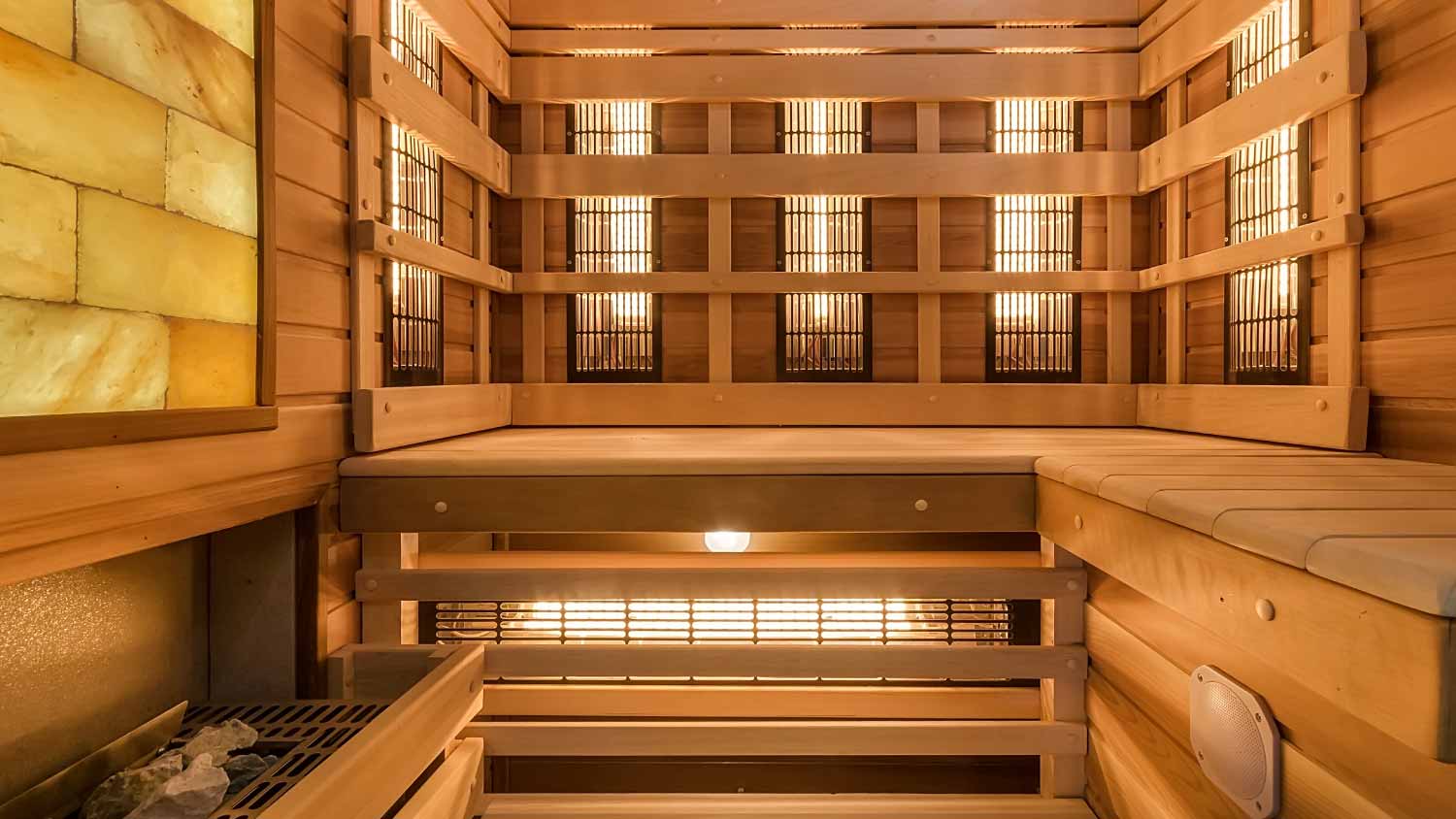
Infrared saunas send infrared radiation, which are invisible wavelengths, into your body. These wavelengths penetrate and heat your body from the inside, rather than heating the air in the room. There are far-infrared, mid-infrared, and near-infrared saunas, and each has different wavelengths. Near-infrared saunas penetrate most deeply.
| Pros | Cons |
|---|---|
| More comfortable to sit in | Potential EMF risks |
| Preheats quickly | Does not feel like a traditional sauna |
| More affordable | Short time limits |
Best for:
People with busy schedules
Indoor saunas
DIY installers
The air does not heat up, so it can feel more comfortable to sit in these saunas.
These saunas heat much faster, and preheating only takes 10 to 15 minutes.
Infrared saunas are more affordable, which makes them appealing to those on a budget.
Some believe there are electromagnetic field (EMF) risks with infrared saunas.
Sauna sessions feel a lot different in an infrared sauna, which could be a disadvantage, depending on your preferences.
Sessions can only last five to 20 minutes for safety and health reasons.

A wood stove, gas heater, or electric heater provides the heat for traditional saunas. The heat sources warm up the sauna stones, which absorb and retain the heat. You can pour water over the stones to produce steam, which allows you to adjust the humidity and temperature of the sauna.
| Pros | Cons |
|---|---|
| A more natural heat | Longer preheating period |
| A more traditional experience | Can feel stuffy and hot |
| Spend more time in the sauna | Higher energy usage |
Best for:
People looking for the traditional sauna experience
Outdoor saunas
Those looking for a long-term investment
Traditional saunas heat the air, which naturally increases your body temperature.
The experience is more traditional, complete with high humidity and steam, which some people prefer.
Healthy adults can spend more time in traditional saunas compared to infrared ones.
Preheating can take between 30 to 45 minutes.
It can feel stuffy and uncomfortably hot inside, when compared to infrared saunas.
It uses more energy to operate, which means higher utility bills.
Which sauna is best for your home? It depends on your preferences. Let’s look at how each option performs in a head-to-head battle.
Expect to pay two or three times more for a traditional than an infrared sauna. Infrared saunas cost $1,500 to $6,900, while steam saunas range from $10,000 to $30,000. Plus, running costs for infrared saunas are about half as much as traditional saunas.
If you prefer longer sauna sessions, you might choose a traditional sauna. The recommended time to spend in an infrared sauna is five to 40 minutes, whereas a traditional sauna session can last anywhere from 20 minutes to an hour. Make sure you are well-hydrated or take a water bottle with you.
You can easily and quickly install an infrared sauna yourself. Depending on the model, you might need a helper, but the process is usually straightforward and DIY-friendly. Installing a traditional sauna is usually more complex, since the heater requires proper wiring and hookups. Unless you already know how to build a sauna, you will likely need to hire a sauna installer near you. On the plus side, a pro can help you file any required permits.
For some people, the sauna experience is not complete without high heat and humidity. While certain groups may prefer how infrared heaters feel, if you are looking for a traditional or authentic experience, the old-school version is the way to go.
Traditional saunas are more versatile for indoor and outdoor installations. If you live in an extremely hot area, you might want to install your traditional sauna outside because it can heat your home when you are using it. On the other hand, infrared saunas may not do as well outside, especially if the temperatures are low. For this reason, infrared saunas require a lot of extra insulation.
Infrared saunas heat in 10 to 15 minutes versus 30 to 45 minutes for traditional saunas. This is a huge plus if you want to use the sauna spontaneously without having to plan for the preheating period.
Infrared saunas are dry, involving low risk of humidity-induced issues. Traditional steam saunas generate a lot of humidity. While some people believe high humidity contributes to the health benefits of saunas, you have to keep up with routine maintenance tasks to keep traditional saunas (and their surrounding indoor environments, if applicable) mold- and mildew-free.
You can get lots of different extras and customizations in both infrared and traditional saunas, including sound systems, custom lighting, and seating layouts. Most of these tweaks and upgrades are available in either sauna type.
Whether a traditional or infrared sauna is better will depend on your wants, needs, and preferences. Since much of the research on the superiority of infrared saunas for health benefits is inconclusive, it is better to base your decision on other factors.
A traditional sauna will best suit someone who enjoys the traditional sauna experience, complete with the high temperatures and humidity. But if you are someone who does not like extreme warmth, then an infrared sauna might feel more comfortable.
A traditional sauna takes much longer to preheat. If this is inconvenient for you, an infrared sauna might offer a chance to enjoy your sauna spontaneously without advance planning. You will also have lower utility bills.
If you are looking for a DIY-friendly option, infrared is the way to go. You can usually plug an infrared sauna into an existing outlet, and assembly is manageable with one or two people. A traditional sauna, by contrast, usually requires professional installation due its complex assembly, wiring, and hookup requirements.
This service was great. My air conditioner went out during the heat spell that we had. My husband has health issues and they came out that night and at 9:30pm the air conditioner was fixed and running. We are sooo very thankful, this is the company I will be using from now on and would...
 Mr. Mechanical Ohio
I had FabClean 614 clean my apartment, and she did an outstanding job. She was so professional and efficient. My apartment looks absolutely spotless every surface, every corner, all cleaned to perfection. Definitely highly recommend FabClean 614 if you're looking for top-notch cleaning...
 Fab Clean 614
Binion and Alex did such a good job. Fast, fair, efficient. Would def use them again. Best experience Iâ ve had in moving - someone should give them a raise. Will undoubtedly recommend this service.
 All My Sons Moving & Storage
Great customer service. The owner Ilia was wonderful to work with. Would definitely recommend this company.
 Window Depot USA of Central Ohio
I definitely recommend Ramonaâ s cleaning service! I have booked services with her many times and she arrives on time, ready to work and provides a great service.
 Your Cleaning Solutions LLC
Excellent experience! Left my place looking great. Friendly customer service too. Would recommend!
The service was excellent! They gave me a quote, and had it done 4 days later. My driveway looks amazing, very professional! I would definitely recommend their service to anyone. I have had neighbors stop by and ask for their information as well.
 All Star Paving and Sealing
Webb â s was priced well, flexible on scheduling, great with communication, and detailed in their work. Iâ ll definitely use their services again.
 Webbs Pressure and Paint LLC
They’ve been great to work with. All of my clients that have used them have nothing but good things to say about the experience. Quick responses and fast service. They’re a trustworthy team!
 Total Home Roofing
Mary Cleaning Service is fantastic! The entire team is professional and pay a great deal of attention to detail. They do such a thorough job of cleaning my house. I would definitely recommend!
From average costs to expert advice, get all the answers you need to get your job done.
Discover sauna maintenance cost estimates, including average prices, key cost factors, and tips to help you budget for a clean, efficient sauna.
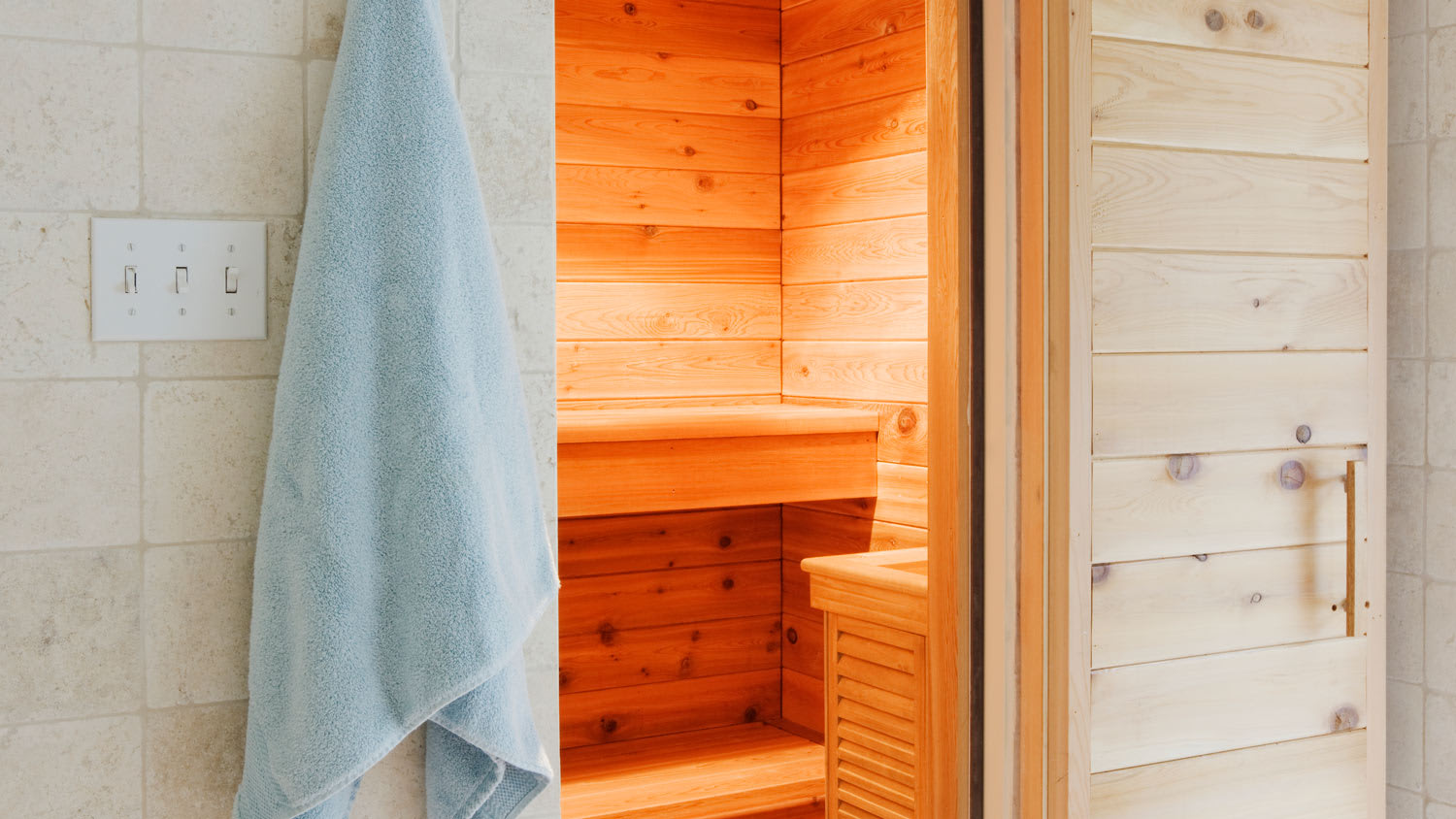
Discover how much installing a steam room costs, including average prices, key cost factors, and tips to save on your steam room installation.
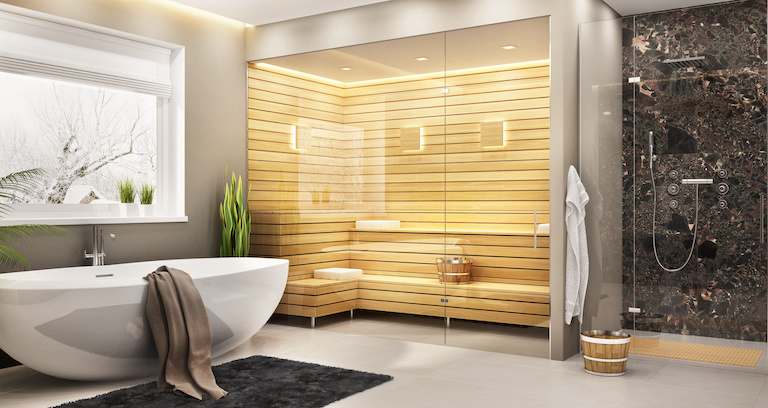
Home sauna costs aren’t cut and dry. It depends on the model and your space. If you want to install a sauna, this guide will help you plan your budget.
Keeping your infrared sauna clean isn’t something to dread. These six tips for cleaning an infrared sauna will relax you in no time.

When comparing a steam shower versus a sauna, some factors can impact which one is best for you, including installation, temperature, treatment, and cost.
Planning a sauna repair? Learn about the project scope, expected costs, and how to find and hire the right local pro to restore your home spa.