
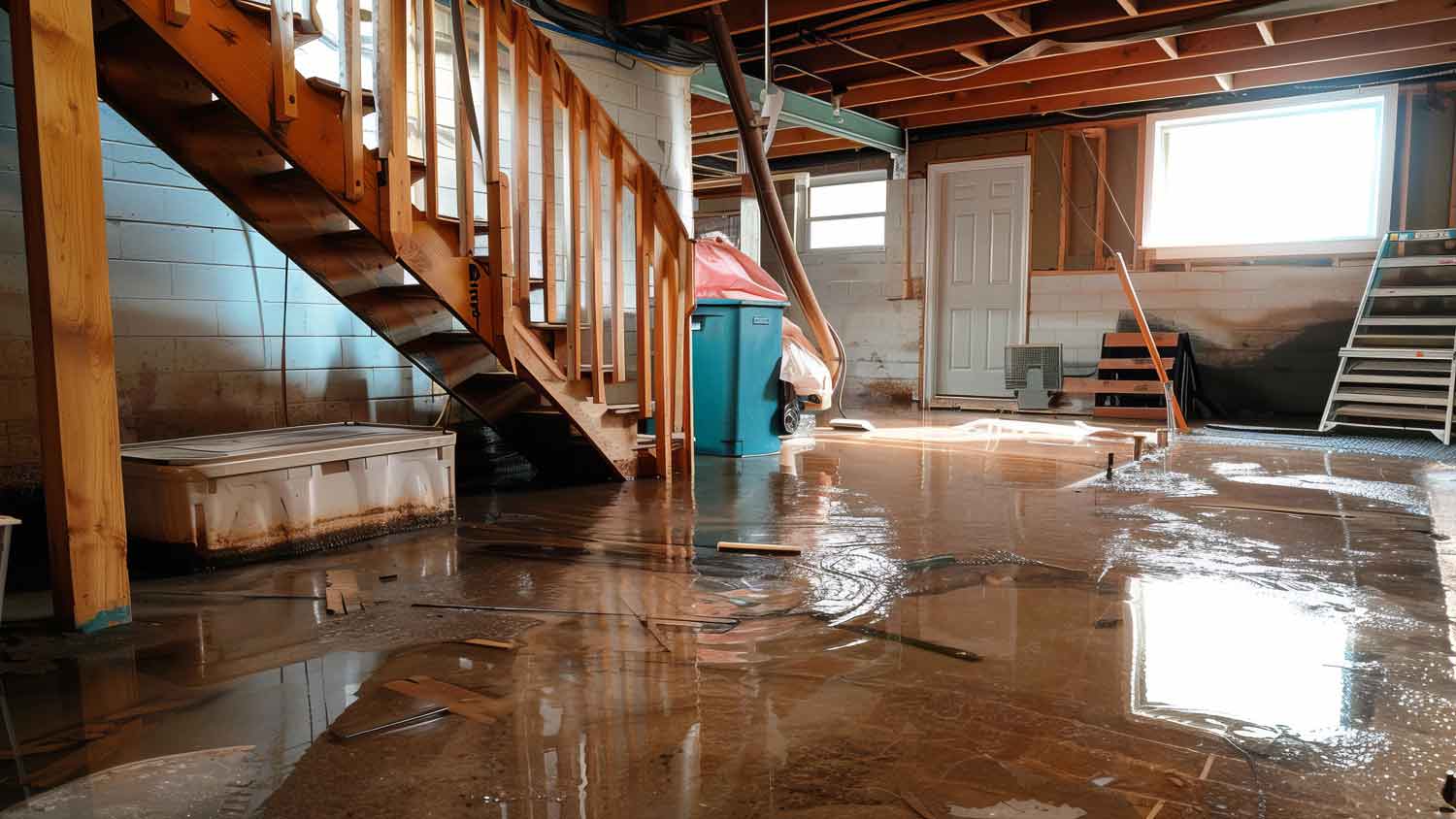
Discover flooded basement cleanup cost estimates, key price factors, and tips to save money. Learn what impacts your total cost and how to budget for cleanup.
Water damage isn’t the only worry when your basement floods

Flooded basement cleanup requires shutting down power and gas before entering, as electrical hazards from appliances, wiring, and outlets create serious shock risks.
Your basement needs slow water removal at a rate of 1 foot per day initially, then 2 to 3 feet daily to prevent wall collapse from water-saturated soil pressure.
You should remove wet furniture and damaged drywall immediately after water recedes, then use a dehumidifier to eliminate remaining moisture and prevent mold growth.
Hiring a local gutter cleaning professional keeps gutters clear and downspouts functioning properly, preventing water buildup that leads to foundation pooling and basement flooding.
When a rainy day becomes a heavy downpour, you might be dealing with a flooded basement. Not only can a damp or flooded basement be a bummer for anything you were storing down there, but you may also be facing the risk of electrical hazards when it comes time to clean.
However, protecting your house ahead of time and taking precautions in the moment will mitigate damage caused by flooding, make the mess at least a little easier to clean up, and prevent any electrical dangers in the process. With a few common tools and the right tips, your basement will be dry and clean again before you know it.
Just a note: When it comes to major flooding, you're always better off hiring a pro for this job, as it can be very dangerous. If you don't feel comfortable that you can safely clean your basement, or there's been major damage, be sure to call in a professional.
In general, basements are prone to flooding because they’re underground, so it’s never a bad idea to give the foundation of your home extra protection. Here are a handful of the things you can do ahead of time to minimize water damage in flooded basements.

Though you might not automatically associate your gutters with your basement, these two go hand in hand. If the former is clean and clear, water is less likely to build up, pool at the foundation of your home, and eventually flood your basement. Take steps to clear away any leaves and have a local gutter cleaning pro give them a look twice a year or so.
Lengthen the bottom of your downspouts with extension pipes to divert water even further away from the base of your home. Clean and repair these just as you would your downspouts and gutters.
If it’s only a matter of time before heavy rainfall becomes a pressing issue, investing in a battery-powered backup sump pump may be worth the extra cost. A sump pump is a draining device that’s submerged into the lowest point of your house, and an excessive downpour can push it past its capacity.
Having a smaller, backup sump pump on hand will keep you covered when the other is down and out. Though you’ll pay an average of $150, odds are you’ll save on repairs because of the additional security measure.

If possible, try to relocate any electrical components in your basement to another area of your home that’s less vulnerable to flood damage before any flooding occurs. That list includes appliances like washing machines, breaker boxes, electrical wiring, and any other electric-powered tools you may have lying around. Doing so will greatly minimize electrocution hazards in case basement floods do occur.
Safely cleaning a basement requires a few tools, a bit of patience, and a lot of hands-on work.
Before you begin, never try to enter a basement until local authorities give you the OK, especially if there's been major flooding. It will always be safer to call in a pro, like a local water damage remediation company, to do the work. They can help you salvage any flood-damaged items more efficiently and let you know if it's safe to enter your basement. If there has been major damage, you'll definitely want to proceed with even more caution, and seriously consider hiring a pro for the job, especially if there is a risk of collapse or debris falling.
If flooding is fairly minimal and you feel you can complete the cleanup safely, call in some family members or friends to help you accomplish this one because it’s much safer to attempt this task with a buddy or two.
Wearing the correct protective gear is a must for reducing electrical hazards when cleaning a flooded basement. Don knee-high rubber boots, rubber gloves, and long-sleeve shirts and pants to keep you fully insulated from any stray electricity. Wear a high-filtration respirator in case any natural gas or carbon monoxide broke free during the flood.
Even if you removed most of the electric-powered objects from your basements, odds are there are still a few bulbs and wires hanging out down there. To minimize electrical shock risks, shut down the power before even entering the space. Make sure you do so with dry hands and while standing on a dry surface. You may have to use a dry object, like a broom handle, to do so from a distance. If possible, turn off the gas from a distance as well.
Again, if you feel uneasy at all about the state of the electrical objects in your basement, or can't safely get to the breaker box to turn off the power, do not attempt to DIY this process.
Before you can start removing water, you have to find out if the flooding has even stopped. FEMA recommends that you mark the wall where it meets the water with a pen or pencil, then remove around 1 foot of the water in the space. You can use a pool pump, water vacuum, or bucket and mop to do this. Then, leave the area alone for 24 hours before continuing.
This waiting period has two purposes: It will let you see if water is continuing to flow in or if it’s stalled, and it prevents your basement from caving in on itself. The weight that water-saturated soil applies to the basement walls and floors may cause it to buckle or collapse if you remove the water too quickly.
After 24 hours, remove another foot of water and let it stand for another full day. From then on, you can begin to remove 2 to 3 feet of water every 24 hours until your basement is completely empty.
Once the water is gone, the cleanup clock starts ticking. The longer you wait to do it, the more likely mold will form and that your basement will incur long-term water damage.
Take wet furniture and objects out of the space: Ideally, place these objects in a well-ventilated room or outside area where they’ll be able to dry without unnecessarily humidifying your space.
Cut away damaged drywall and fiber insulation: Don’t leave any wet wall behind through this process. In some cases, you might even be able to simply yank away the damaged pieces without requiring a special tool.
Clean and dry every surface: Remove as much moisture as possible from all surfaces. You may need to remove and dispose of carpet or area rugs that are overly waterlogged.
Use a dehumidifier to eliminate remaining moisture: Once you’ve done all you can, let a machine do the rest of the work for you.
Finished Basements Plus was wonderful from beginning to end! First, they came out quickly for an estimate. I had 4 estimates and theirs was by far the best. (2 of the estimates were more than $20K higher than for the exact same work). Beyond their fair pricing, the work was excellent. They...
 Finished Basements Plus Inc.
Amazing job. Efficient and quick without compromising quality. Basement feels brand new. Would use them again in a heartbeat.
 AffordaPro Restoration
Window Depot did an amazing job installing the windows in my basement! The process from start to finish was by far more than what I expected. I would highly recommend Window Depot if you want professionalism from the the consultation to the installation. Dont settle for mediocre when you can...
 Window Depot USA of Central Ohio
They cleaned my very dirty basement. They were prompts, quick, thorough and their price was fair.
 JDE House Cleaning LLC
I am very pleased with the services performed by OTS. Bless my late Mother, but she was a bit of a pack-rat. The basement of her home was crammed with 40+ years of "stuff," and the other companies I contacted were concerned with possible mold contamination of the items due to the musty smell...
The company was very easy to work with. My family is now able to enjoy a space that at one point, only collected junk!!!! I feel like i have a whole new addition to the house!!! Wonderful work Blurock on our basement, will recommend!
 BluRock Services, Inc.
Excellent work. Opted for the service contract which provides spring and fall checkups and deduction on maintenance charges which seems to be a good value. Initial dehumidifier for our large basement was undersized. They replaced unit after it failed with a larger unit and charged only for...
 Total Comfort Heating & Cooling Inc
We had water in our basement and Roto Rooter was original contact to evaluate the situation. We were informed that our sewer main was fractured and needed repair. We received their estimate and then looked for counter offers. Ohio Basement Authority came with the best quote for the work. Once...
 Ohio Basement Authority
Called Mark on a Thursday morning. Not really knowing if he could help me or not. I was having driveway, flooding issues due to a clogged channel drain and I was trying to figure out what direction to take. Heavy rains had come on Monday and again on Thursday leading to flooding in my garage...
 Mark Rodgers Construction
The crumbling basement wall needing repair is beneath a large 2 story porch. What i thought would be a complicated project was made very easy by this crew. I was very impressed with the speed and quality of the work performed. The job was finished in just a week as estimated. There were...
 Groundworks
From average costs to expert advice, get all the answers you need to get your job done.
Discover flooded basement cleanup cost estimates, key price factors, and tips to save money. Learn what impacts your total cost and how to budget for cleanup.

When your basement floods, you need to get your home clean, dry, and safe again. Learn what you need to do and who to call for help

Even when you've properly installed your sump pump, flooded basements are not uncommon. Here's why you could still get into hot water.
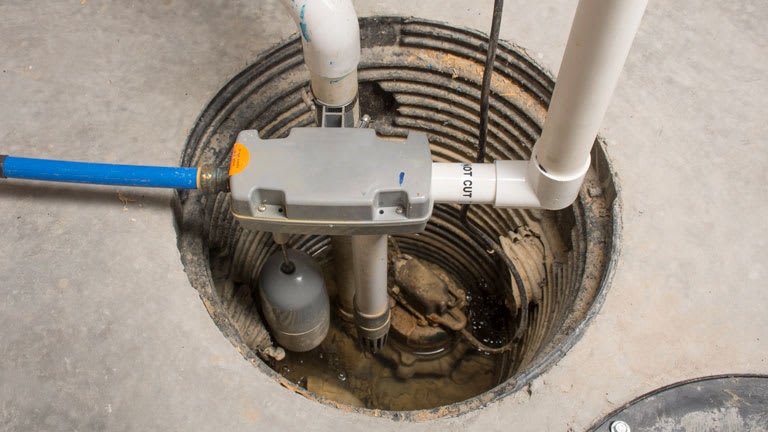
A sump pump is a must-have if your basement (or crawlspace) tends to flood—it will drain excess water and save your property from damage. Learn more about the different types of sump pumps and how they work to prevent flooding.
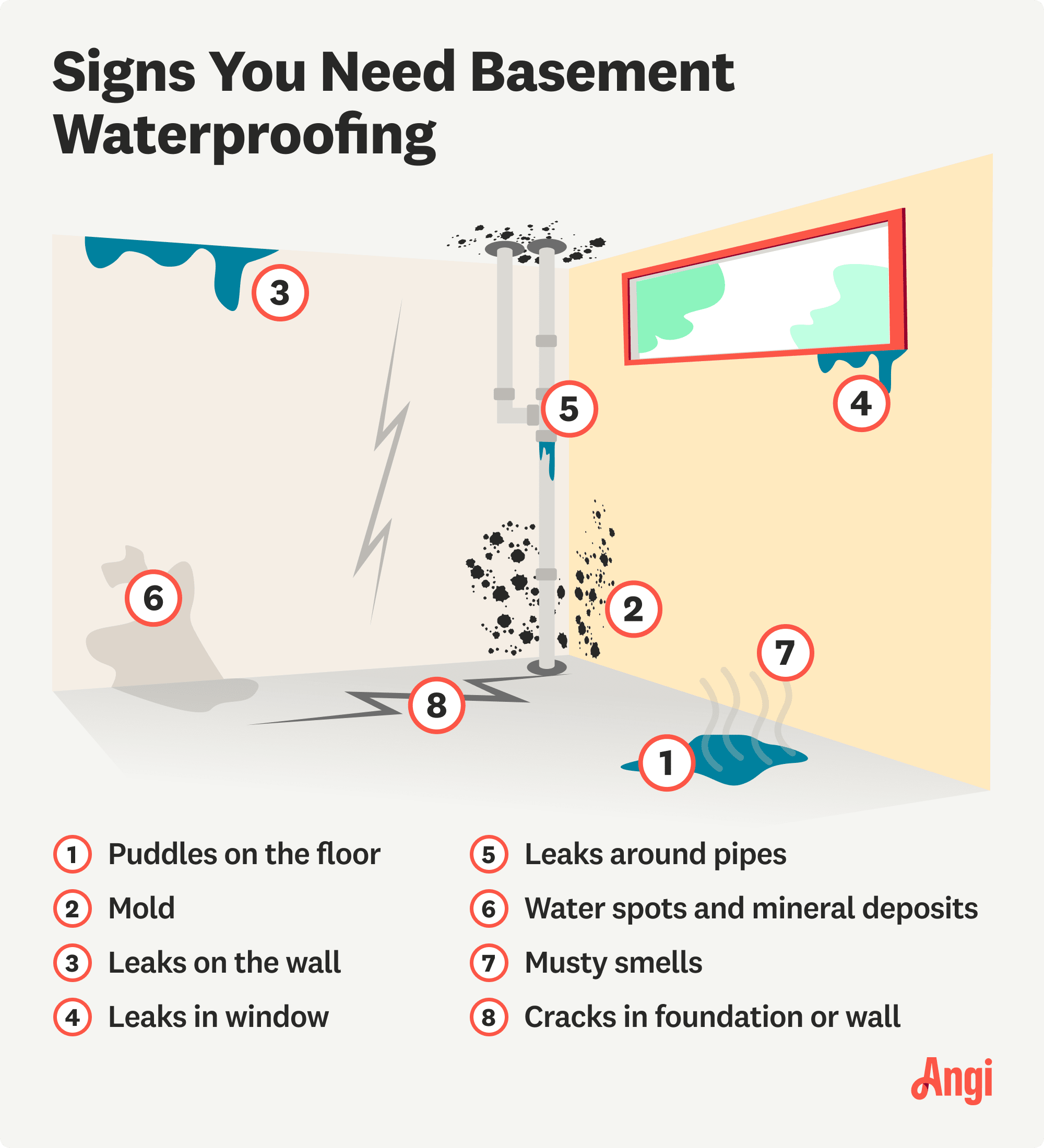
A flooded basement can lead to lasting structural issues in your home. Discover what causes basement flooding and how to address the issue.
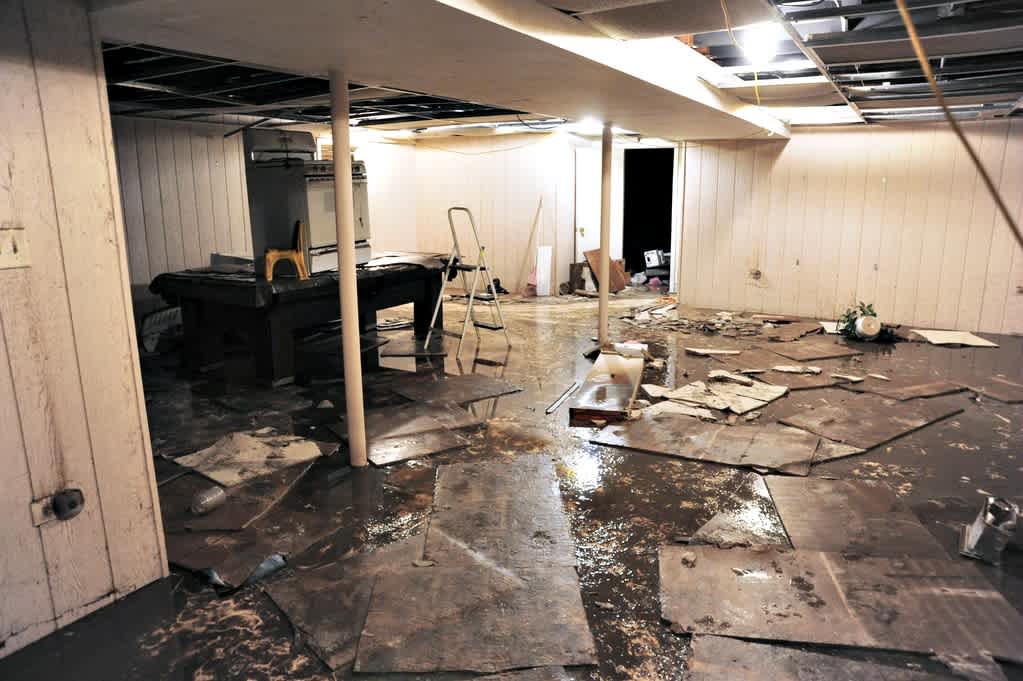
A broken water main has a Virginia woman at odds with the city about who should pay for the water damage to her home. You, too, could get stuck with the bill.