
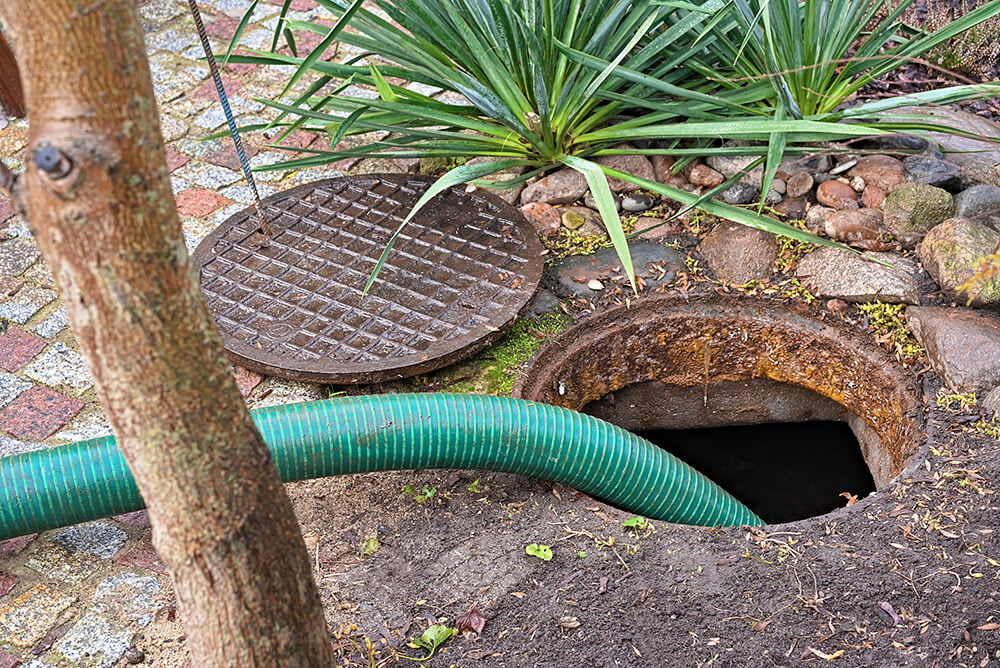
Caring for your septic system is crucial to ensuring its long life. But how much does it cost to pump a septic tank? We explore the different cost factors.
Think twice before sending it down the drain

Chemicals like bleach and drain cleaners kill the natural bacteria in your septic tank, leading to faster sludge buildup and more frequent pumping needs.
Fats, oils, and grease cling to your pipes and float in the septic tank, trapping debris and filling the system faster than normal.
You should avoid flushing non-biodegradable items like wipes, feminine products, and cat litter, as they cause clogs and can't break down in the tank.
Hiring a local septic tank repair professional provides reliable support when you notice warning signs like backups or sewage smells, helping you avoid costly damage.
One of the keys to a well-working septic system is to avoid putting things in a septic tank that don’t belong there. Whether it’s chemicals that can harm the pH balance of the tank or non-flushable items like cat litter, it’s essential to know what not to put down your drains or in your toilet. Here’s a comprehensive list of things not to put in a septic tank.

A clogged or overflowing septic tank can be costly and messy to fix. Here are the main benefits of putting only the right things in your septic tank:
Prevents clogs and backups
Prevents overflowing or seeping leach fields and septic tanks
Keeps the natural bacteria in your tank healthy and able to break down sludge
Prevents toxic sewage leaking into your home
Prevents sewage smells outside
Avoids the health hazard of an overflowing tank
Saves money by reducing repair and pumping costs
Here’s a comprehensive list of things not to put in your septic tank.
Chemicals can harm your septic system by killing off the natural bacteria that break down the sludge in your tank. When the bacteria is stifled or killed, your tank gets fuller faster, leading to more clogs, backups, and the need to pump your tank more often than usual. Chemicals can also throw off the pH balance in your tank and corrode the pipes in your septic system.
You should avoid putting weed killer, insect killer, and paint in your septic system, as it can poison the wastewater that reenters local rivers, lakes, and coastal waters. If you use household cleaners like bleach, disinfectants, and drain and toilet bowl cleaners, use them only in moderation. Be sure to follow the manufacturer’s instructions. Consider switching to natural cleaning products to ensure the healthiest septic tank possible.
Here are the list of chemicals to avoid putting in your septic tank:
Chemical-based cleaning products
Bleach
Gasoline
Paint thinners
Solvents
Photographic chemicals
Weed killer
Insect killer
Caustic drain openers and cleaners
Fabric softeners

Putting fats, oils, and grease down your drain can cause them to get stuck to the sides of your pipes, trapping more debris and leading to clogs. In addition, the bacteria in your tank can’t break down these substances very well, causing them to float in the septic tank and fill it up faster than usual.
Here are the fats, oils, and greases not to put down your drain:
Cooking oil of any kind
Butter
Bacon grease
Animal fats
Drippings from meat
Gravy and fat-based sauces
Mayonnaise
Poultry skins
Salad dressing
Peanut butter and other nut butter
Grease
While it can be tempting to flush leftover medications down your toilet or drain, it can ruin the bacteria balance in your septic tank. It also pollutes the wastewater and contaminates people and animals that reuse the water. You should dispose of all medications and pharmaceuticals through a local pharmacy or hazardous waste facility. Cosmetics can also contaminate water, and lotions can cause clogs. Consider switching to natural products when possible, including hand soap that isn’t antibacterial.
Antibiotics
Medicines and pharmaceuticals
Antibacterial soap
Cosmetics
Hand creams
Lotions
Moisturizers
Putting non-biodegradable items down your drain can lead to clogs and your septic tank filling up faster than usual. The bacteria in your septic tank can’t break these items down, leaving them to sit in your tank until it is pumped. Some of these items can also cause clogs in the pipes and sewer lines.
Feminine hygiene products
Wipes (even those labeled as flushable)
Cat litter
Floss
Cotton swabs
Contact lenses
Bandages
Cigarette butts
Paper towels
Condoms
Disposable diapers
Ear plugs
Dryer lint
Plastic, latex, or metallic objects
Pieces of trash
Some items might seem like they could go down the drain, but they can clog the system and cause the tank to fill up faster. Many of these materials can’t be broken down by bacteria, leaving them to take up your tank space. Instead of putting these down your drain, throw food scraps, coffee grounds, and eggshells in a compost bin to reuse in your garden.
Hair
Dirt
Coffee grounds
Large food scraps
Fruit pits
Eggshells
Potato peels
Onion peels
Hard foods
Dry, expandable foods like pasta and rice
Several types of septic tank additives claim that they enhance your septic system’s functionality. But in fact, these additives aren’t proven to work. In many cases, they can lower the performance of the natural bacteria in your septic tank, leading to more sludge and a fuller tank. It’s best to stay away from septic tank additives. Instead, you can naturally increase the bacteria in your septic tank by adding three rotten tomatoes down the garbage disposal every three months.
Beyond avoiding the list of things not to put in a septic tank, you should also check to see if your septic tank is full every three to five years. Most tanks need to be pumped that often, but sometimes more frequently. If you notice the warning signs of a clogged sewer line, contact a local septic tank repair company to inspect your septic system as soon as possible. A clogged sewer line can lead to leakage, smells inside and outside your home, and health concerns for your family and the surrounding area.

I recently moved to another state and chose United Trust Van Lines after comparing several companies. Their team was punctual, professional, and extremely careful with my belongings. I was especially impressed with how they handled my home office setup and fragile items. Everything arrived on...
 United Trust Van Lines, LLC
Positive experience. As previously stated, the replacement/repair could not be completed (no fault of the plumbing tech) b/c misinformation was rec?d by property management maintenance. Thanks to the plumbing tech for your efforts. Appreciate you!
 The Waterworks
As usual with ECO, tech Jordan was outstanding, very professional, very knowledgeable, and very thorough with repairs made to tankless water heaters. Very highly recommend ECO!!!
 Eco Plumbers, Electricians, and HVAC Technicians
I would recommend this company to anyone! He showed up on time, was friendly, completed a very difficult repair on our dryer vent cover, was responsive, and pricing was extremely fair and competitive. I would have him back to do any of our repairs or cleanings without hesitation!
 U.S.A. Dryer Vent, LLC
Best cleaning I've had at my property
I'm a repeat customer of All Star Paving & Sealing and I appreciate the service that all start paving has done for me in the past. I just recently had them out for an estimate and things couldn't have gone better. The staff that they send out to do the estimates are very knowledgeable. The...
 All Star Paving and Sealing
Supreme Brick & Chimney is one of the best service providers I’ve interacted with. Extremely efficient, knowledgeable, and thorough. They took the time to walk me through their detailed full-service inspection and were extremely professional. Not to mention their turnaround time was...
 Supreme brick & chimney
They were great! They were thorough and efficient and paid attention to the details. Definitely recommend. I'm definitely going back!
 FIFI'S EARTH FRIENDLY CLEANING
Storms Mobile Welding was great to work with. They were prompt, professional and did an overall excellent job on the project. I highly recommend.
Great experience all together. Dog friendly, courteous, great results and honest with recommendations. Will certainly be using Cardinal in the future for any carpet repairs
 Cardinal Carpet Care & Repair
From average costs to expert advice, get all the answers you need to get your job done.
Caring for your septic system is crucial to ensuring its long life. But how much does it cost to pump a septic tank? We explore the different cost factors.

A damaged septic system can leak odors and sewage, so repairs are urgent. Find out how much septic tank repair costs based on repair type, tank size, and more.
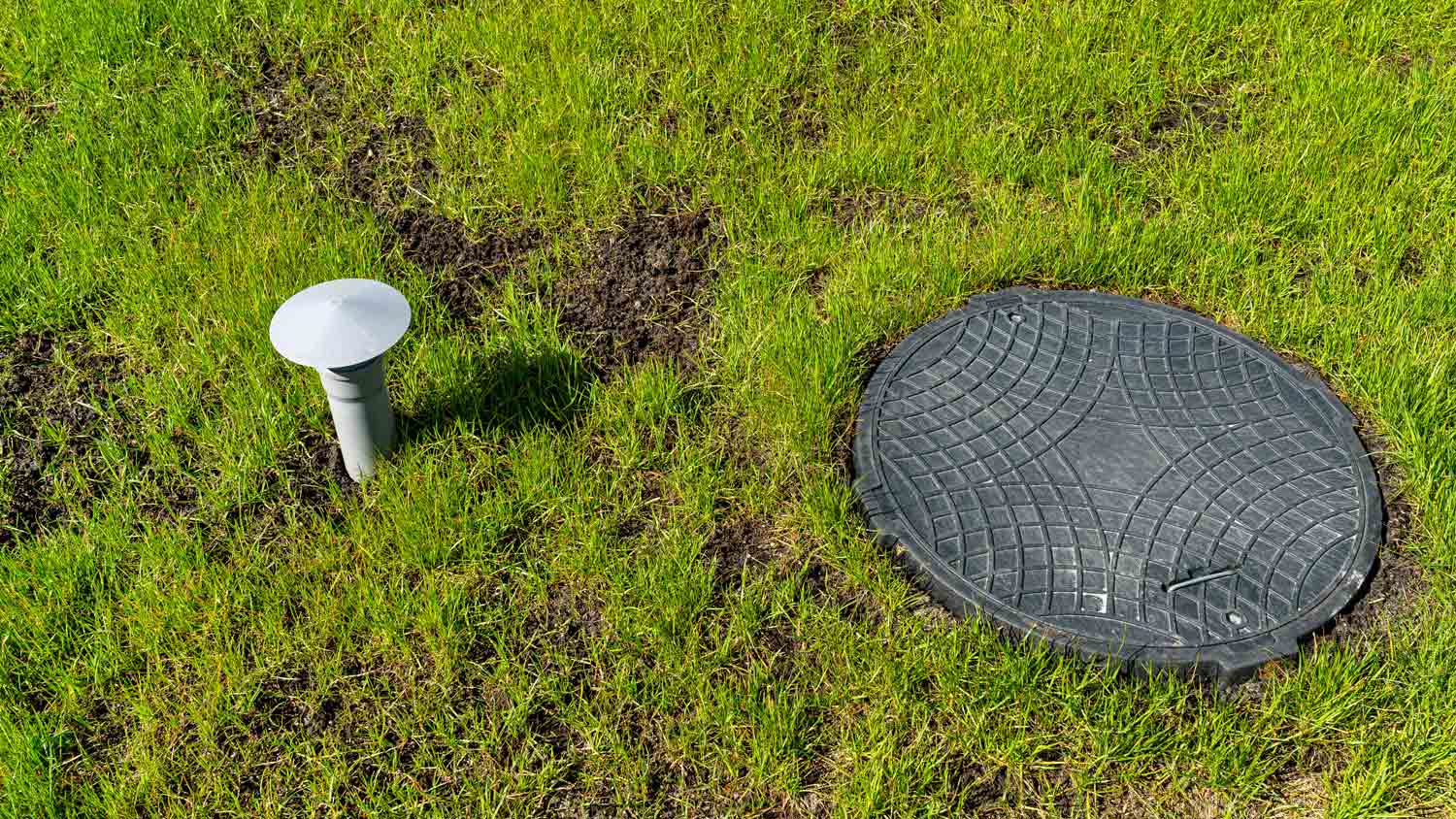
You should do a septic inspection once every one to three years to ensure you don’t have any issues. Learn about septic inspection costs before scheduling.
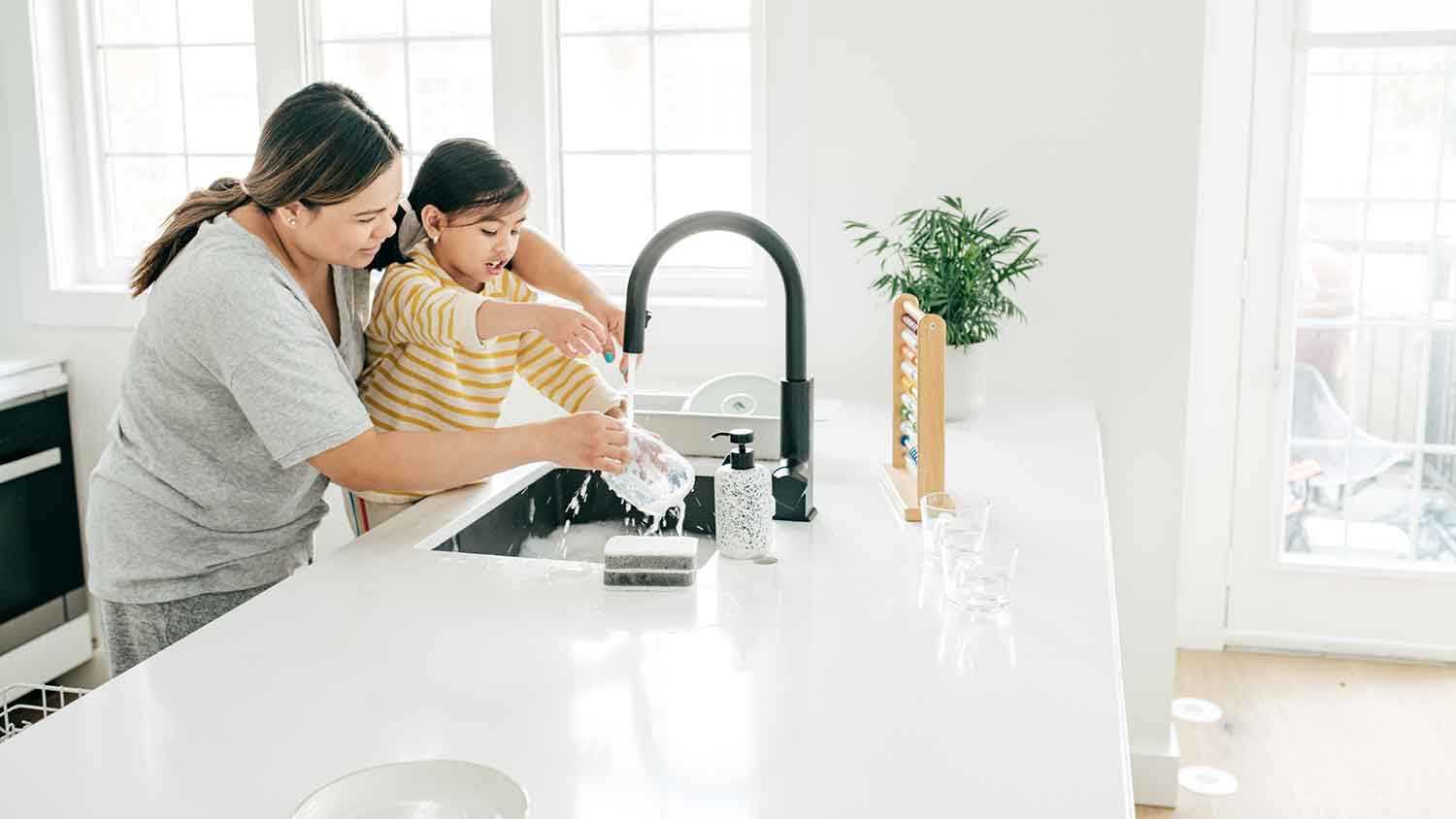
Sludge buildup in a septic tank is natural, but it needs to go somewhere eventually. Learn what to put in a septic tank to break down solids efficiently.
If you’ve never lived in a house with a septic system before, you might be wondering: Are septic tanks bad? Here are some of the pros and cons.
What do you do after your septic tank is pumped? You can go back to your normal water usage for the most part. Here's what you need to watch for after pumping.