

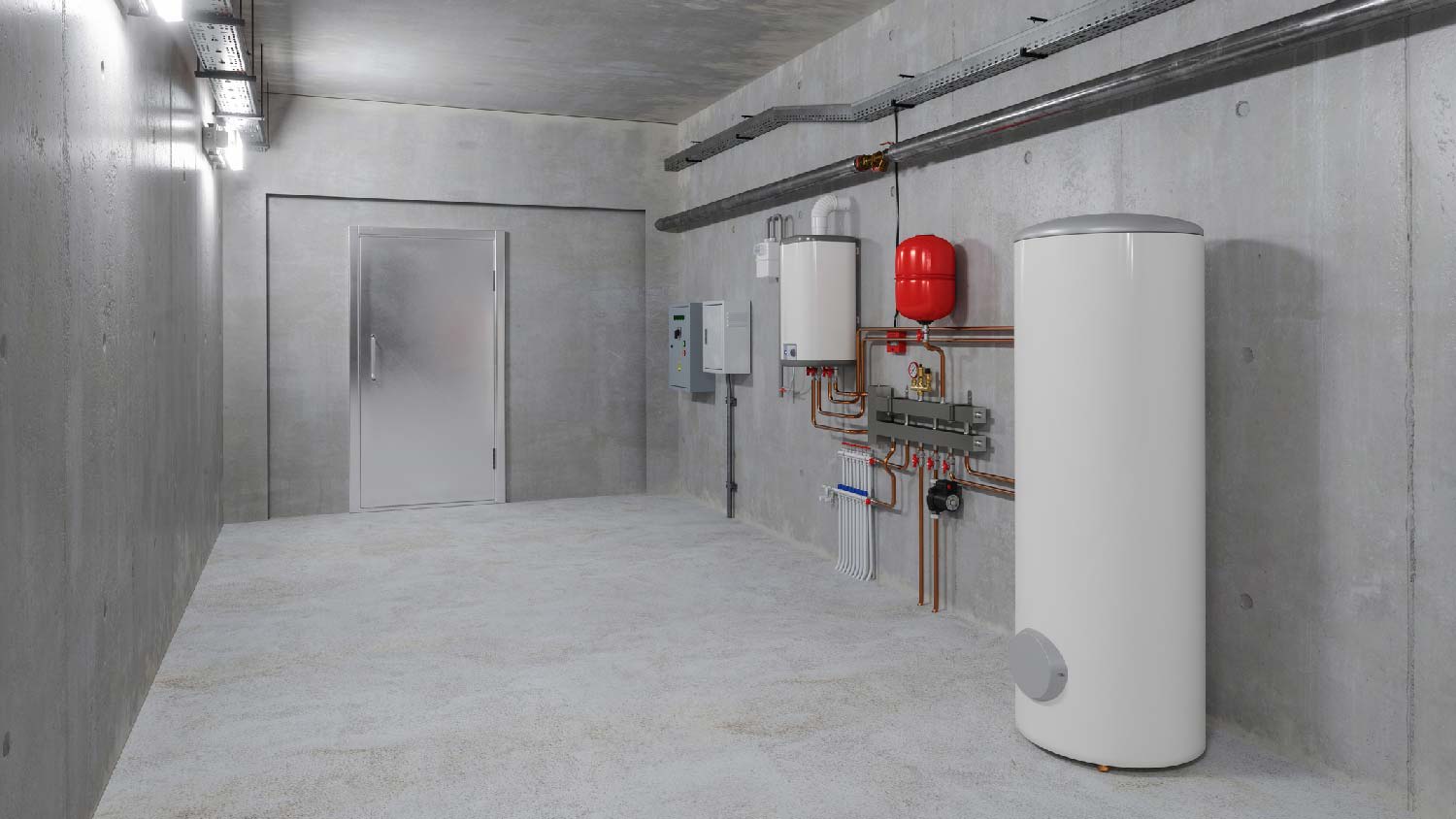
Learn all the factors that influence the cost to install a heat pump water heater at your home.
Water heater service costs depend on your project and location. Check with a local pro for your specific job.

Tank-style water heater replacement costs $882 to $1,826 while tankless systems run $1,400 to $3,900 for your home project.
The size of your household and the type of water heater you choose will determine your final replacement total.
Account for permits, gas line work, electrical upgrades, and old unit removal when you create your project budget.
Hiring a local water heater installation professional ensures your system is installed correctly and prevents dangerous carbon monoxide exposure.
In 2026, the national average cost of water heater replacement is $1,348, based on 30,979 verified projects from Angi Pros. Most homeowners pay between $882 and $1,826, with the spread driven by the type of system, household size, and labor costs.
Several key factors shape your water heater replacement cost, and understanding them helps you budget accurately before calling a pro.

The two main water heater types are tank-style and tankless water heater systems, and the one you choose is the single biggest driver of your replacement cost. Tank-style units store 20 to 100 gallons of water in a large tank and are found in about 90% of homes, typically sitting on a concrete pad in a basement, laundry room, or utility room.
Tankless units are roughly the size of a small suitcase, use a coil system to heat water on demand, and mount directly to the wall. Your water heater installation pro can help you determine which type fits your household's needs and budget.
Is a tankless water heater worth it? The cost to replace a tankless water heater runs $1,400 to $3,900, which is a higher upfront investment than a tank-style unit but one that can deliver meaningful energy savings over its 20-year lifespan.
Ongoing maintenance costs are worth factoring in as well: the cost to repair a tankless water heater typically falls between $100 and $1,300, compared to $100 and $500 to repair a tank heater. Despite the higher repair costs, the pros of a tankless water heater often outweigh the drawbacks for most homeowners.
A tank-style water heater is the conventional choice, using a large tank to store and continuously heat a supply of water for your home. These units are less expensive to install than tankless systems, with costs ranging from $600 to $2,500 depending on the tank size you need.
Converting from a tank system to a tankless system costs significantly more in labor because the job can take twice as long and typically requires replumbing to the new mounting location. If you are considering this upgrade, ask your pro for a detailed labor estimate before committing, since the complexity of your specific installation will determine how much extra you pay.
Water heater size is one of the primary drivers of your replacement cost, with tank-style units measured in gallons and tankless systems measured in gallons per minute. The right size for your home depends on your household size, and your water heater installation pro can help you determine what capacity you need. Costs vary significantly by size, as the table below shows.
| Hot Water Heater Size (Gallons) | Average Cost in 2026 | Household size |
|---|---|---|
| 30 | $700–$2,100 | Small households of 1 or 2 people |
| 40 | $800–$2,300 | Small to medium household, between 1 and 4 people |
| 50 | $800–$2,500 | Medium to large households between 3 and 5 people |
| 75 | $1,100–$4,000 | Large households of 4 to 6 people |
| 80 | $1,300–$7,500 | Large households and households with high-demand appliances |
The brand you choose can meaningfully affect your total water heater replacement cost, with prices varying across manufacturers based on quality, warranty terms, and available features. Water heater replacement brand is a key driver of overall cost, as the breakdown below shows:
| Water Heater Replacement Brand | Average Cost in 2026 |
|---|---|
| Rheem® | $600–$2,300 |
| A.O. Smith® | $800–$3,500 |
| Bradford White® | $400–$3,000 |
| Kenmore® | $350–$1,000 |
| Whirlpool® | $350–$1,500 |
To prevent carbon monoxide exposure from a water heater, make sure it is properly ventilated. You should also have it inspected and cleaned every year and install a carbon monoxide detector nearby. If you smell gas—which can mimic the scent of rotten eggs—evacuate immediately and call your gas company.
Electric water heaters generally do not require venting, but gas and propane models do, and the venting type you need will add to your overall project cost. Direct-vent systems use a passive exhaust pipe or chimney and are the less expensive option, while power-vent systems use a fan or blower plus electricity and cost an additional $300 to $600 for the unit itself. Budget an extra $300 to $500 for the electrical work a power-vent system requires. The table below shows how each venting route compares.
| Venting System | Venting Route |
|---|---|
| Direct | Exhaust pipe or chimney |
| Power | Fan or blower—costs $500–$1,000 more than other options |
Labor typically accounts for around 50% of your total water heater replacement cost, with rates varying based on the type of pro and the complexity of the job. Plumbers cost $45 to $200 per hour, while electricians cost $50 to $100 per hour. Costs by job type are broken down in the table below.
| Water Heater Job Description | Average Cost in 2026 |
|---|---|
| Replacing a tank-style water heater | $150–$450 |
| Replacing a tankless water heater | $600–$1,900 |
| Converting a tank-style water heater to a tankless system | $150–$2,500 |
Permits for a water heater replacement typically cost between $25 and $300, depending on the scope of work and your local regulations, and are required any time you install a gas appliance or alter plumbing or electrical systems. If your project involves connecting your home to natural gas, expect to pay an additional $50 to $300 for that permit. Installing a gas versus electric water heater tends to be less expensive from a permitting standpoint in most cases.
Where your water heater is installed has a direct impact on labor costs, with difficult-to-reach areas such as tight spaces or locations requiring the unit to be carried up or down multiple staircases pushing your total higher. Relocating the water heater entirely costs $150 to $3,400 depending on the complexity of the move, and choosing a tankless unit can add further expenses for new venting, plumbing, or minor carpentry at the new location. Labor rates in your area also factor in, since pros in higher cost-of-living markets typically charge more.

Most electric and gas water heaters cost between $550 and $1,500, but the unit type you choose will significantly affect your final price. A light-duty commercial heater is more durable than a standard residential unit but costs about $1,000 more. Costs vary by water heater type, as shown in the table below.
| Type of Water Heater | Average Cost in 2026 | Best For |
|---|---|---|
| Electric | $600–$3,500 | Small apartments |
| Gas | $700–$2.700 | Areas with high electricity costs |
| Propane | $700–$2,500 | Rural or inaccessible areas |
| High Efficiency | $1,500–$3,000 | Energy savings |
| Indirect | $1,200–$3,500 | Flexible fuel source |
| Solar | $1,700–$5,500 | Energy efficiency in sunny climates |
| Hybrid Heat Pump | $1,200–$3,500 | Energy efficiency in garages or basements |

Water heater installation is usually straightforward when the new unit fits the existing space, but complications such as a layout change or infrastructure upgrade can add meaningful costs to your project.
Hiring a licensed electrician for water heater work costs $50 to $130 per hour, and the expense can be substantial if you are upgrading to an electric tankless model, since those units draw 120 to 160 amps and may require you to upgrade your electrical service to 200 amps or more. If you are switching fuel sources, additional wiring is typically required, with most homeowners spending $500 to $1,000 to install a new electrical line and sub-panel. Total electrical wiring costs can reach upward of $2,300 for more complex conversions.
Gas line installation costs an average of $260 to $820, though switching from an electric water heater to a gas model can push that figure upward of $1,500. The gas line connects the outdoor supply system to your unit, and whether you need a new one depends on your current setup and the location of your replacement.
A new water line adds $400 to $2,000 to your project, and you will likely need one if you are relocating your water heater, installing additional point-of-use water heaters, or replacing a damaged existing line.
Installing a water heater expansion tank costs $90 to $350, and it is often required in new construction and strongly advisable in areas with freezing winters. In a closed plumbing system, water expands when heated or frozen, which can stress pipes and damage plumbing, especially during demand spikes or when multiple appliances run simultaneously. An expansion tank absorbs that pressure and protects your system from those strain events.
Many water heaters include a manufacturer's warranty, but your contractor may offer additional coverage for about $100 to $300 that further protects your investment and sometimes includes free inspections. Before purchasing extended coverage, check your current water heater's warranty to confirm whether repairs or replacements are already included.
If a contractor needs to open a wall to run plumbing or electrical lines during your water heater installation, drywall installation cost will add $1,000 to $3,000 to your project, or $1.50 to $3 per square foot.
Removing and hauling away your old water heater costs $100 to $500 depending on your contractor's hourly rate, with costs pushing toward the high end when the unit is in an inaccessible area or is difficult to maneuver out.
A leaking or failed water heater can cause significant water damage, and water damage repair costs $3.75 to $7 per square foot, with most homeowners spending $1,300 to $5,550 on repairs. Prices can climb even higher if mold remediation is needed. A local water damage restoration service can assess the severity and begin repairs promptly.
First, rush to call an emergency plumber if your unit is displaying any of the signs your water heater is going to explode.
The average water heater lasts about ten years, though certain high-efficiency models can last more than 20. Luckily, severe water damage usually isn't the first sign that your water heater is about to fail. Watch for these signs:
Discolored water coming from the tap when you run hot water
Water leaking from or pooling beneath your water heater tank
Unusually loud popping, banging, or rumbling sounds coming from your water heater
You're running out of hot water faster than normal
No hot water at all
Tepid or lukewarm water
A metallic taste in your water
Rising utility bill costs
Hiring a local water heater replacement pro costs more upfront, but you benefit from faster installation, proper system sizing, and a safer setup. Pros bring specialized tools and technical expertise, making the process smoother and often saving you money on future repairs or energy bills.
Replacing a water heater is a complex project that requires plumbing knowledge and familiarity with building codes. Here are some of the top reasons to work with a pro:
Water heater pros ensure existing plumbing, gas lines, electrical connections, and surrounding structures aren't damaged during the replacement process.
They have the tools and materials needed to install the new unit safely and effectively across a variety of home setups.
Working with a pro ensures your new water heater is installed correctly, runs efficiently, and won't require costly fixes down the line.
Bundling water heater replacement with other services, such as flushing the system, upgrading expansion tanks, or improving insulation, can reduce long-term utility and maintenance costs.
If you want to take on some aspects of the project yourself, here are a few DIY tasks that can help save time and labor costs:
Clear the area around your existing water heater by removing storage items and creating easy access for the installer.
Determine your household's hot water needs in advance so you can choose the right tank size or confirm whether a tankless model is appropriate.
Shut off water, power, or gas at the appropriate valves before the pro arrives—only if you're comfortable doing so safely—to speed up the replacement process.
Replacing a water heater is often an emergency expense, so it's not exactly the most budget-friendly project. Fortunately, there are a couple of ways you can save a little money on hot water heater costs.
Repair don't replace: Water heater repair costs range from $230 to $1,000 , and it could be a simple fix for something small like a valve replacement. For example, replacing a gas valve on a hot water heater costs between $150 and $500.
Keep the same type of water heater: Reduce installation costs by replacing it with a similar model, eliminating the expenses of switching fuel sources.
Purchase water heater directly: Instead of buying your hot water heater through your contractor, purchase it directly, if possible.
Schedule during off-hours: Some contractors charge more to work after hours or on weekends or holidays. You can save some money by scheduling a weekday replacement during typical work hours.
Be ready to share details about your current water heater—its age, fuel type, and any performance issues—as this can influence what replacement options your pro recommends.
If your budget allows, ask your pro about add-ons such as upgrading to a more energy-efficient model, installing a water softener, or adding leak-detection systems.
Be prepared for unexpected expenses, including code-required upgrades, venting or plumbing adjustments, or the need to address corrosion or sediment buildup discovered during installation.
Home is the most important place on earth, which is why Angi has helped more than 150 million homeowners transform their houses into homes they adore. To help homeowners with their next project, Angi provides readers with the most accurate cost data and upholds strict editorial standards. We’ve surveyed over 30,000 real Angi customers about their project costs to develop the pricing data you see, so you can make the best decisions for you and your home. We pair this data with research from reputable sources, including the U.S. Bureau of Labor Statistics, academic journals, market studies, and interviews with industry experts—all to ensure our prices reflect real-world projects.
Want to help us improve our cost data? Send us a recent project quote to [email protected]. Quotes and personal information will not be shared publicly.
If you’re good people wanting to do business with good people, hire Matt. He is a consummate professional and utterly competent. He installed a water heater in my home at a price that beat competitors by hundreds of dollars with a promise to support the unit for its life (even after its 6 yr...
 Greene's Plumbing Services
As usual with ECO, tech Jordan was outstanding, very professional, very knowledgeable, and very thorough with repairs made to tankless water heaters. Very highly recommend ECO!!!
 Eco Plumbers, Electricians, and HVAC Technicians
Did a great job replacing the ice maker and water regulator on my refrigerator. He was quick and thorough, very friendly and professional. If I needed a heart transplant I'd want him to do it!!!
We had a gutter blockage that was causing water to sheet down the side of the house and ultimately it started to come in at a window (need mortar people next). Called around 7:30am, and he responded by 8am. He was able to come out the same morning and do a look over and clean out. He also...
Scott checked our large crawl space for mold and water infiltration and recommended a viable solution. The crew was efficient and they cleaned up well after the job. The job was expensive but I am confident that I won't have to deal with the problem again. Highly recommend.
 AdvantaClean of Dublin
They were the most through inspecting the water system in my house. Even going the extra mile to get the water professionally tested for contamination.
 Hague Water Conditioning, Inc.
Very well. Have already used them again to fix hot water heater
 Service Olympians
The Paul Davis team was very professional and went the extra mile to take care of my water damage. The work was very high quality and done in a timely manner. I would highly recommend their services.
 Paul Davis Restoration
Honesty is hard to find in business today. GBR met me today at a 3 story building regarding my being told that I needed to tuckpoint the brick because of water leaks. The owners took the time to evaluate the situation and advised me that I did not need their service at all. They pointed me...
 GBR Masonry Inc
They unclogged the drain and sent me a bill for more than 4 times what I paid before. I called the Water Works to ask why the bill was so high and that they should have gotten my authorization before assuming they could make expensive decisions like that on my behalf and for their benefit....
 The Waterworks
From average costs to expert advice, get all the answers you need to get your job done.
Learn all the factors that influence the cost to install a heat pump water heater at your home.

Wondering how much a water heater expansion tank costs? Use this cost guide to get an accurate estimate and learn how to choose the right one for your home.
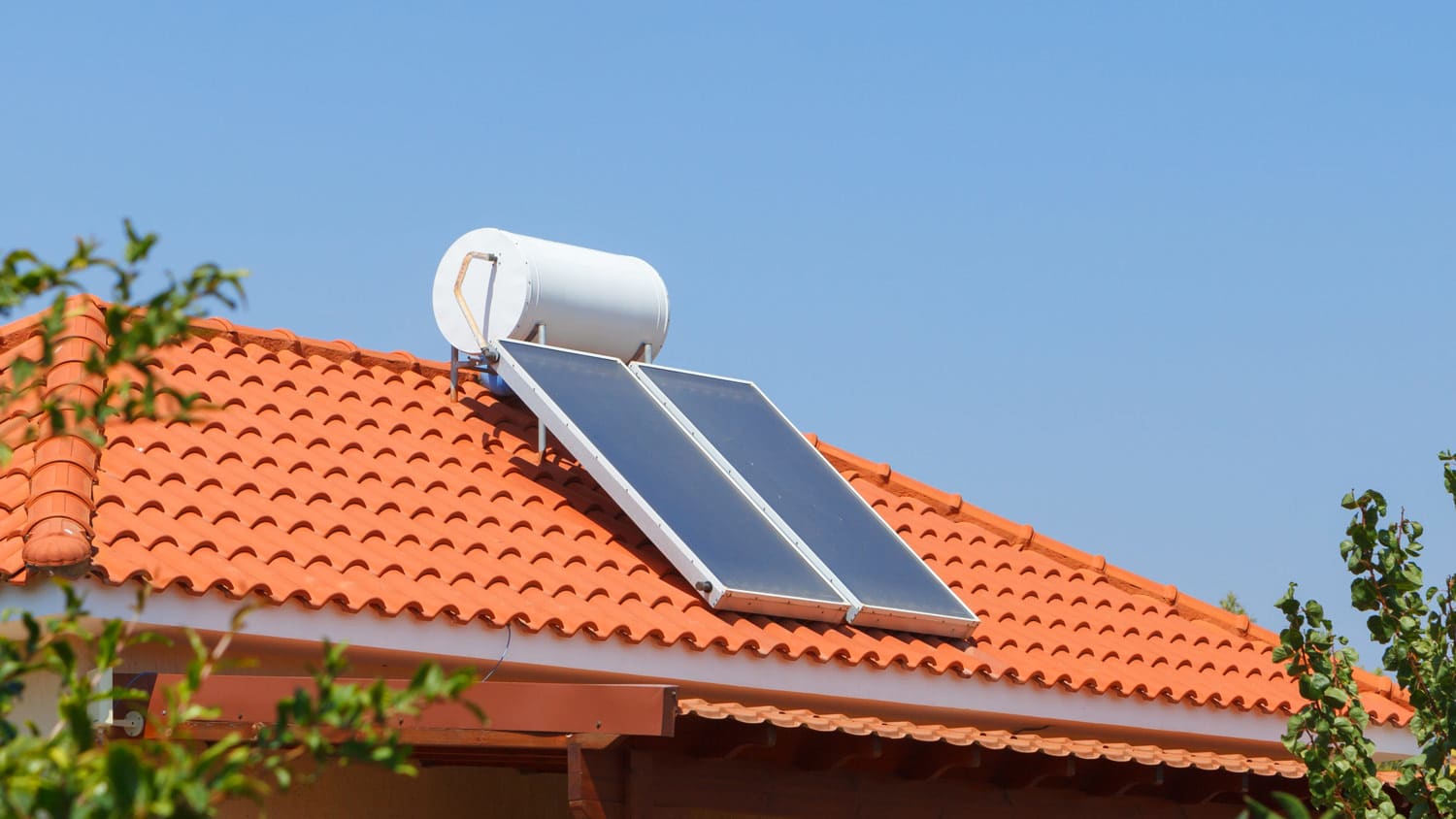
While solar water heater costs are a bit higher than a standard system, this energy-saving option could pay for itself in a few years. Here’s what you need to know.
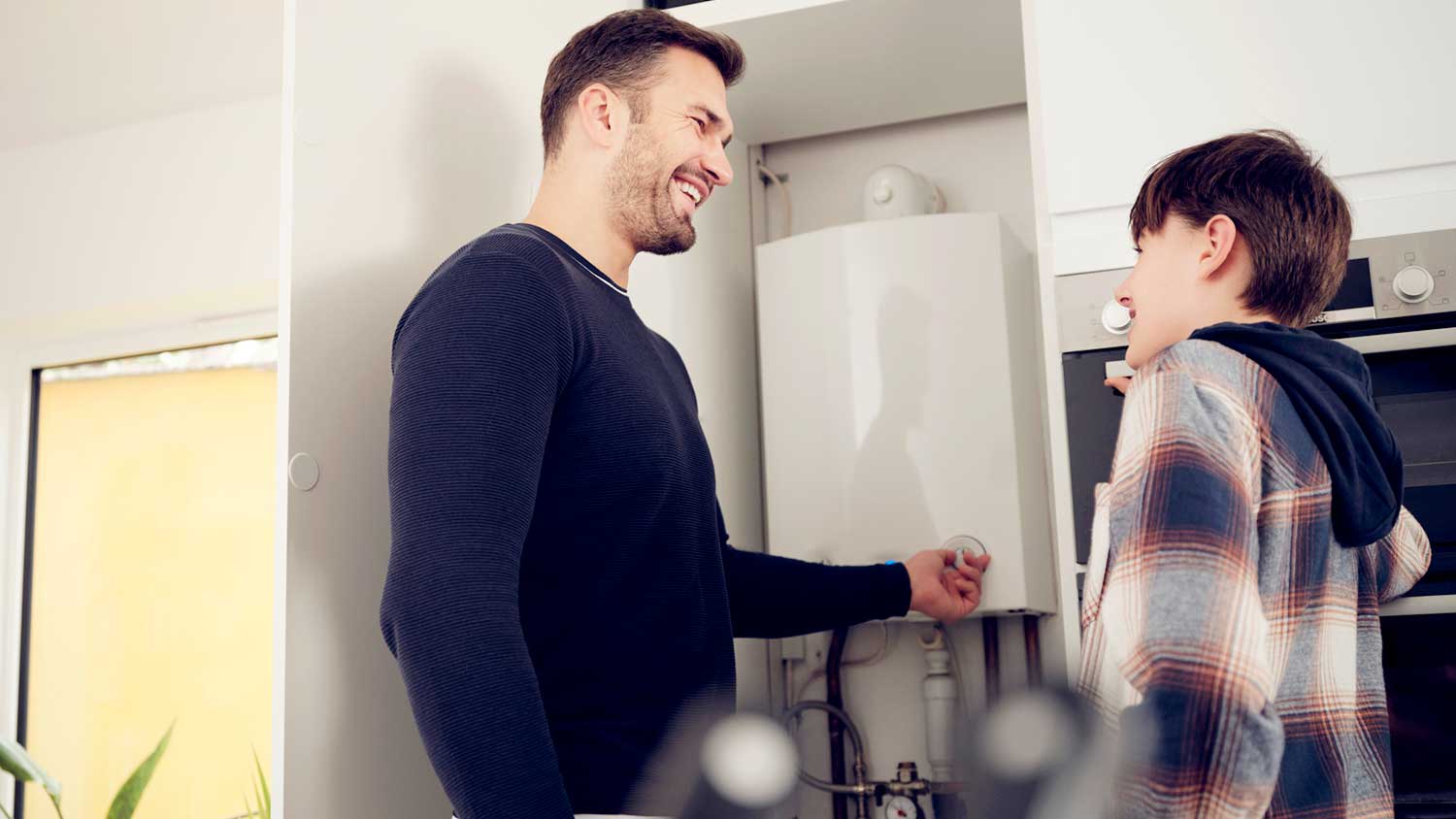
Who can install a water heater for you? Look to hire a water heater installation pro or a licensed plumber for this job because of the challenges involved.

Is your tank leaking or producing rusty water? Learn about water heater installation or replacement costs, warning signs, and how to hire a local pro.
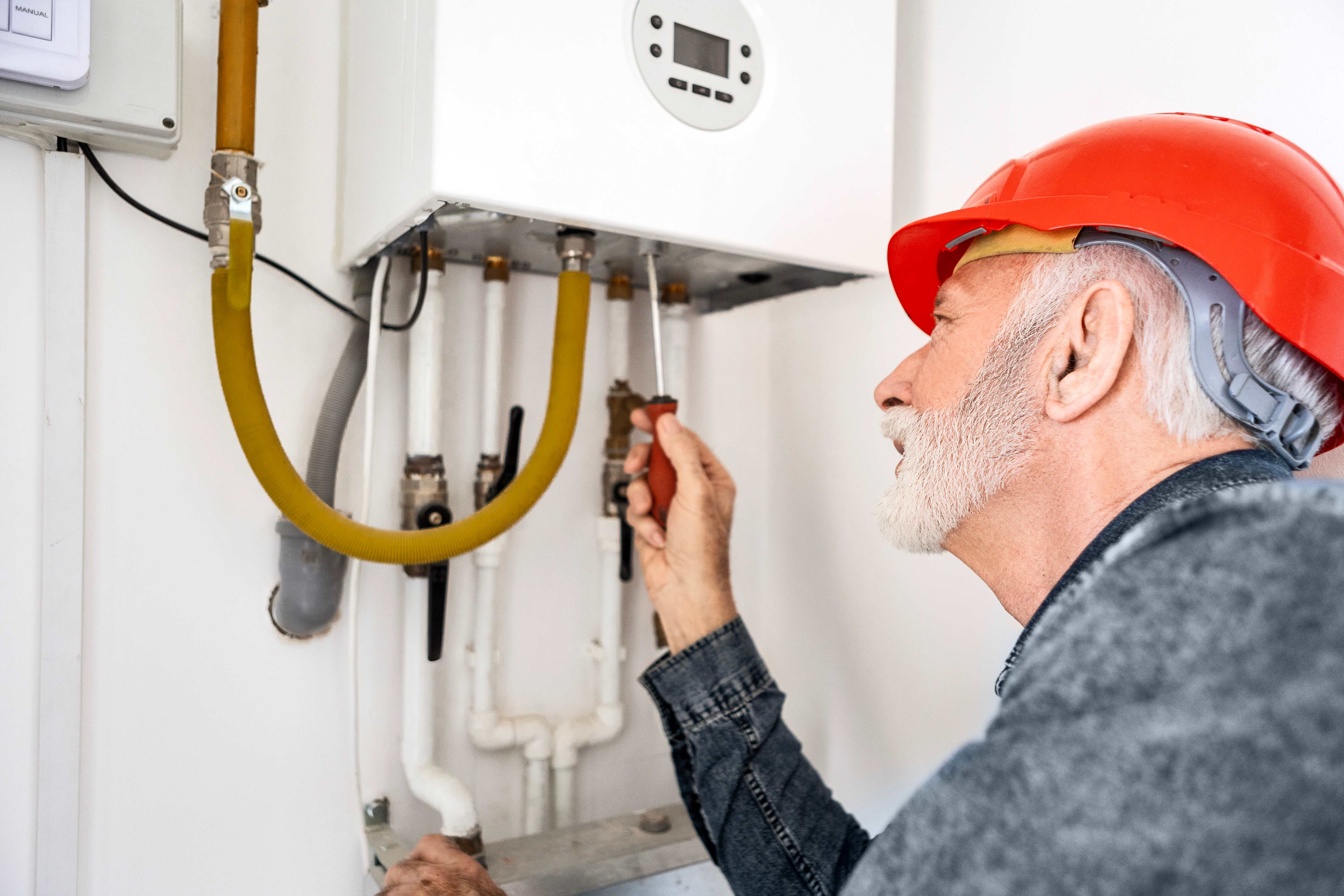
Done with cold showers and dish washing? Hire a water heater installation pro near you to get back to comfort and safety quickly.