

Updated flooring can make any room in your home feel brand new. Find out flooring installation costs, from materials to labor costs.
Don’t be floored when calculating your needs

Buying the recommended extra hardwood flooring to buy means purchasing 10% to 15% beyond your room's square footage to cover installation mistakes and defective materials.
Expect to pay $500 to $600 for extra flooring materials when covering a 400-square-foot space, based on the average $12.50 per square foot installation cost.
You can store unopened flooring in your garage or attic for future repairs, saving yourself the hassle of hunting down discontinued materials years later.
Hiring a local flooring company minimizes measurement errors and installation mistakes while helping you determine the right amount of extra materials for your project.
You’ve calculated the room size and determined how many boxes of new flooring materials you need. But before you bring your haul to the register at the home improvement store, make sure you’re factoring in extra materials to cover you in case of defective floor materials or installation mistakes. If you’re not sure exactly how much extra flooring to buy, our guide breaks it all down.

In general, buying an extra 10% to 15% of your flooring material is a good rule of thumb, but you may want to buy a little less or more depending on the type of flooring material you’re installing. For instance, you may only need to buy an extra 5% for laminate, vinyl, or tile, while you may want to buy about 20% more for solid hardwoods.
Determining the size of your room is the first step before you can account for how much extra flooring to buy. Fortunately, calculating square footage for a square or rectangular room is straightforward: you simply measure the length of the room, then the width, then multiply the two numbers.
If you have any recessed or protruded areas, think of those as their own little rooms. Measure the length and width of the outlier area, and multiply the numbers to get the area in square feet of that section of the room. For recessed areas, subtract their area from the square footage of the room; for protrusions, add their area to the total square footage of the room.
Then, once you know the square footage, multiply that amount by 0.05 for 5% extra, 0.10 for 10% extra, 0.15 for 15% extra, or 0.20 for 20% extra to know how much extra flooring to buy.
Things can get more complicated if you’re trying to measure stairs to determine the amount of flooring you need. Follow the same pattern as measuring for a room’s square footage, but for the different parts of the stairs.
For example, measure the width and length of each landing of the stairs, then multiply the numbers to get the square footage of each landing. Measure the length and width of the tread of one stair, then multiply these two measurements to get the square footage of the tread. Then measure length and width for the riser of one stair, and multiply for square footage.
Finally, multiply the square footage of one tread times the number of stairs, and multiply the square footage of one riser times the number of stairs. You’ll then add the square footage for all the stairs and risers together to get a total, which you can then multiply by the percentage of extra material you want to buy.
Following the general 10% to 15% extra flooring guideline will typically cover any potential miscalculations or installation mistakes. So if you’re DIYing your new floor installation, you should also buy an extra box or roll or two of flooring to save for future repairs. You could end up using the extra 10% to 15% you bought during the installation, so keeping unopened flooring stored in the garage or attic may save you years down the line when your floors need to be fixed.

Buying extra flooring material isn’t a trick to get you to spend more. It’s actually a wise investment that can save you money and hassle in the long run, especially if you’re planning to install flooring yourself.
Even if you think you’ve measured diligently, you could miscalculate how much flooring you need. This is especially frustrating when you’re nearing the end of the flooring installation, only to find you have to rush to the hardware store to order more flooring, stalling your project.
Another common mistake is installing flooring planks or rolls incorrectly. This can cause you to have to rip up the improperly laid flooring and replace it with new material, which is easier to do if you already have extra materials on hand.
Fortunately, when you hire a local flooring company to handle the install, you can minimize the risk of improper measuring or wasteful mistakes, and instead you can simply buy a little extra flooring to reserve for future repairs.
Sometimes, manufacturer defects happen. The brand is likely to make things right with you as quickly as possible, whether that’s sending new flooring materials or refunding your money, but when you have extra materials on hand, you don’t have to press pause on your flooring project. Instead, you can move forward with the extra flooring you bought while you wait for the company to resolve the problem.
Maybe you dropped a heavy Dutch oven on the kitchen tile, causing it to crack, or a juice spill left a portion of your living room carpet deeply stained. When you have extra flooring materials stored away, you can easily make repairs as needed, rather than trying to hunt down an exact match for flooring you purchased years ago.
Flooring installation costs an average of $12.50 per square foot, although costs may range from around $2 per square foot to over $22 per square foot, depending on the material. If you’re covering a 400 square foot space and plan to buy an extra 10% to 15% of flooring material, it will cost an average of $500 to $600. When deciding on what flooring material you’d like, don’t forget to factor in the costs of buying extra flooring so you can stick to your budget.
If you’re good people wanting to do business with good people, hire Matt. He is a consummate professional and utterly competent. He installed a water heater in my home at a price that beat competitors by hundreds of dollars with a promise to support the unit for its life (even after its 6 yr...
 Greene's Plumbing Services
Joseph did a great job with the staircase and trim. Timely and efficient, clear communication about the work, very fair pricing. For the stairs in particular, done very skillfully in an old house (1893) in a tight spiral, and very creative with how to do the handrail. Did a nice job with...
 Vouis Trim Carpentry L.L.C.
This company does it right. Firstly, I want to say that Landan was a joy to work with. He was so kind, transparent, and had everything under control. His entire team showed up ready to work and they were all very respectful of the fact that we were in an office space. A little backstory – we...
 Krumlauf Floors
Finished Basements Plus was wonderful from beginning to end! First, they came out quickly for an estimate. I had 4 estimates and theirs was by far the best. (2 of the estimates were more than $20K higher than for the exact same work). Beyond their fair pricing, the work was excellent. They...
 Finished Basements Plus Inc.
Very professional, knowledgeable and helpful! Completed the install on time and as expected.
 Ward's Services
Excellent, Prompt, Courteous Service!!! They were super friendly and quite personable. I felt very comfortable with the gentlemen that did the installation. They installed it exactly where I asked them to and they did an excellent job!! I loved their service so much.
 Tether House
Window Depot did an amazing job installing the windows in my basement! The process from start to finish was by far more than what I expected. I would highly recommend Window Depot if you want professionalism from the the consultation to the installation. Dont settle for mediocre when you can...
 Window Depot USA of Central Ohio
AFS was excellent from start to finish. Jess, the sales associate, was fantastic...very knowledgeable and very professional. The installation crew was excellent. I couldn't be more pleased with the process. Best of all, my new floor looks fantastic!
 America's Floor Source
We were having 2”x 2” tile installed . There was a small installation error and the new additional replacement tile was from a different lot and the colors didn’t match. Joe assured us that he would rectify everything , which he did without hesitation. We decided to go with the 18” x 36” tile...
 CarifaTile
Did an amazing job transforming my yard. Also installed sod in places, would recommend to everyone.
 Cardinal Landscaping & Construction LLC
From average costs to expert advice, get all the answers you need to get your job done.
Updated flooring can make any room in your home feel brand new. Find out flooring installation costs, from materials to labor costs.

Discover vinyl flooring installation costs, including average prices, key cost factors, and tips to save on your new floors.
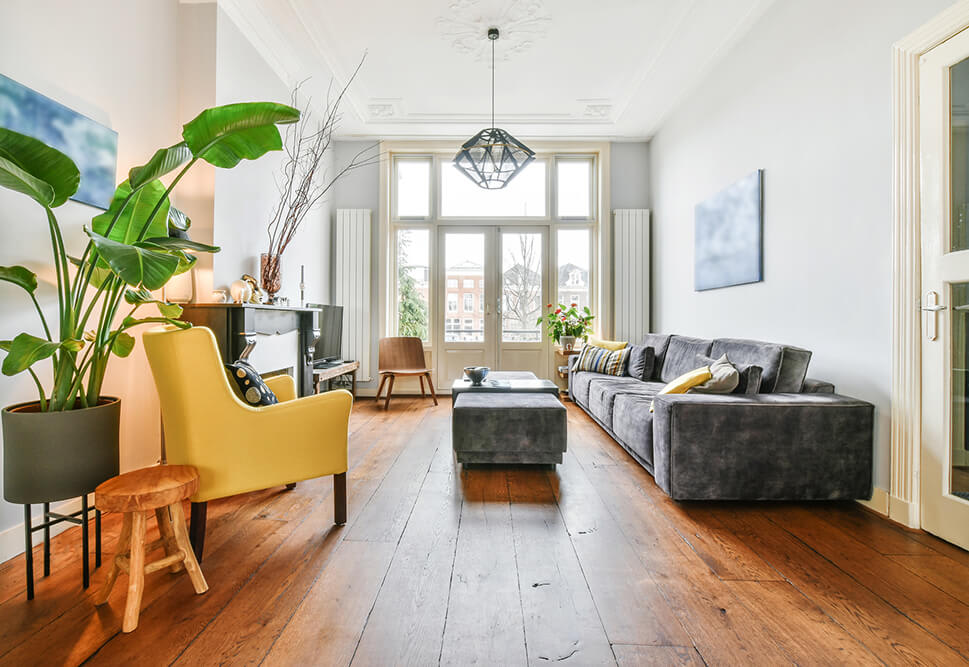
Both materials and labor determine hardwood floor installation costs. This guide breaks down all the prices you need to know before starting your new flooring project.
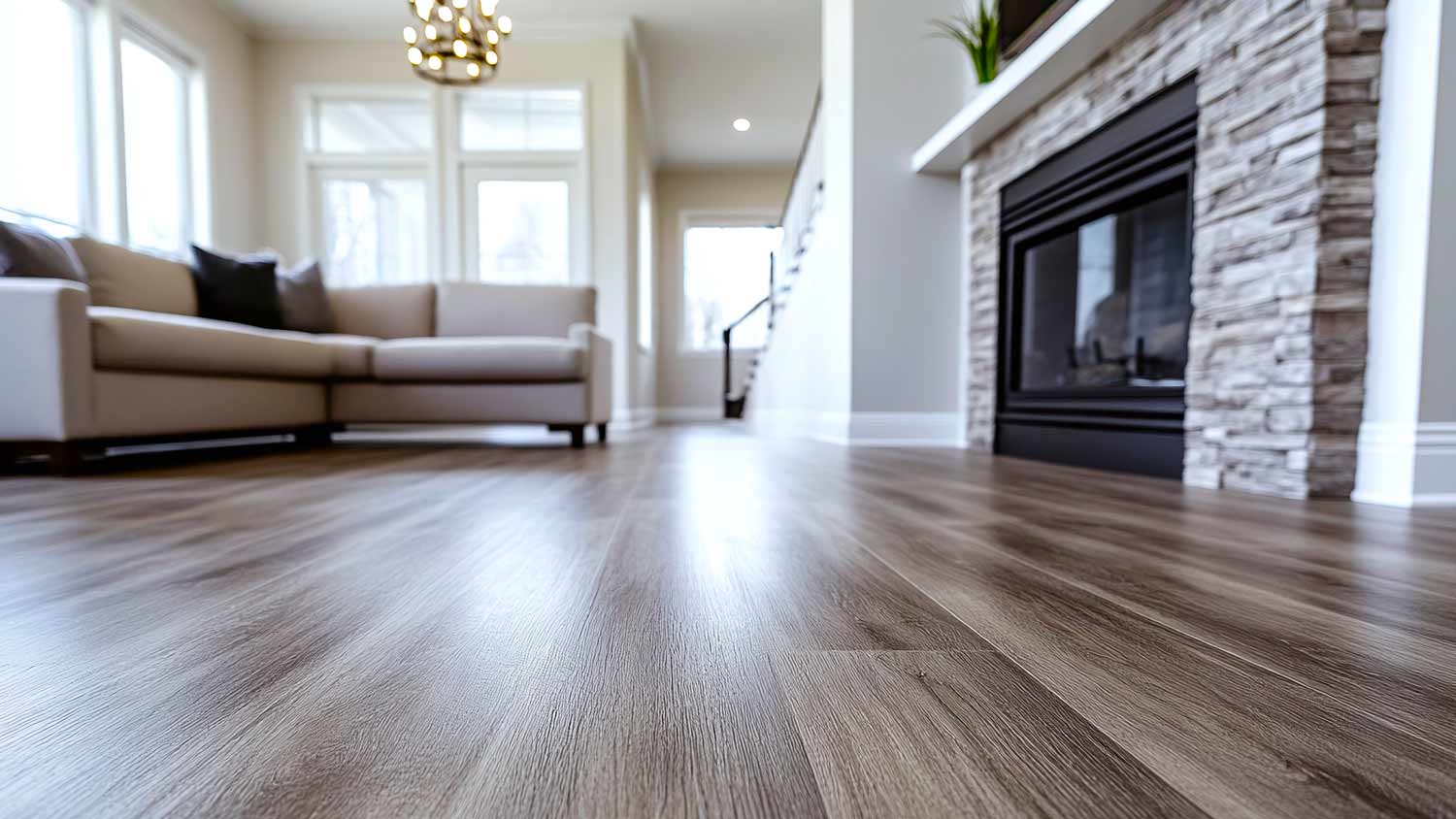
This flooring calculator will help you estimate how much flooring you need so you can order materials, budget for your project, and get to work.

This calculator will help you estimate how many floor joists you’ll need to keep your flooring level and secure from the start.
Use this informative guide to compare all of your home gym flooring ideas. This includes features for eight standard types of gym flooring options.