
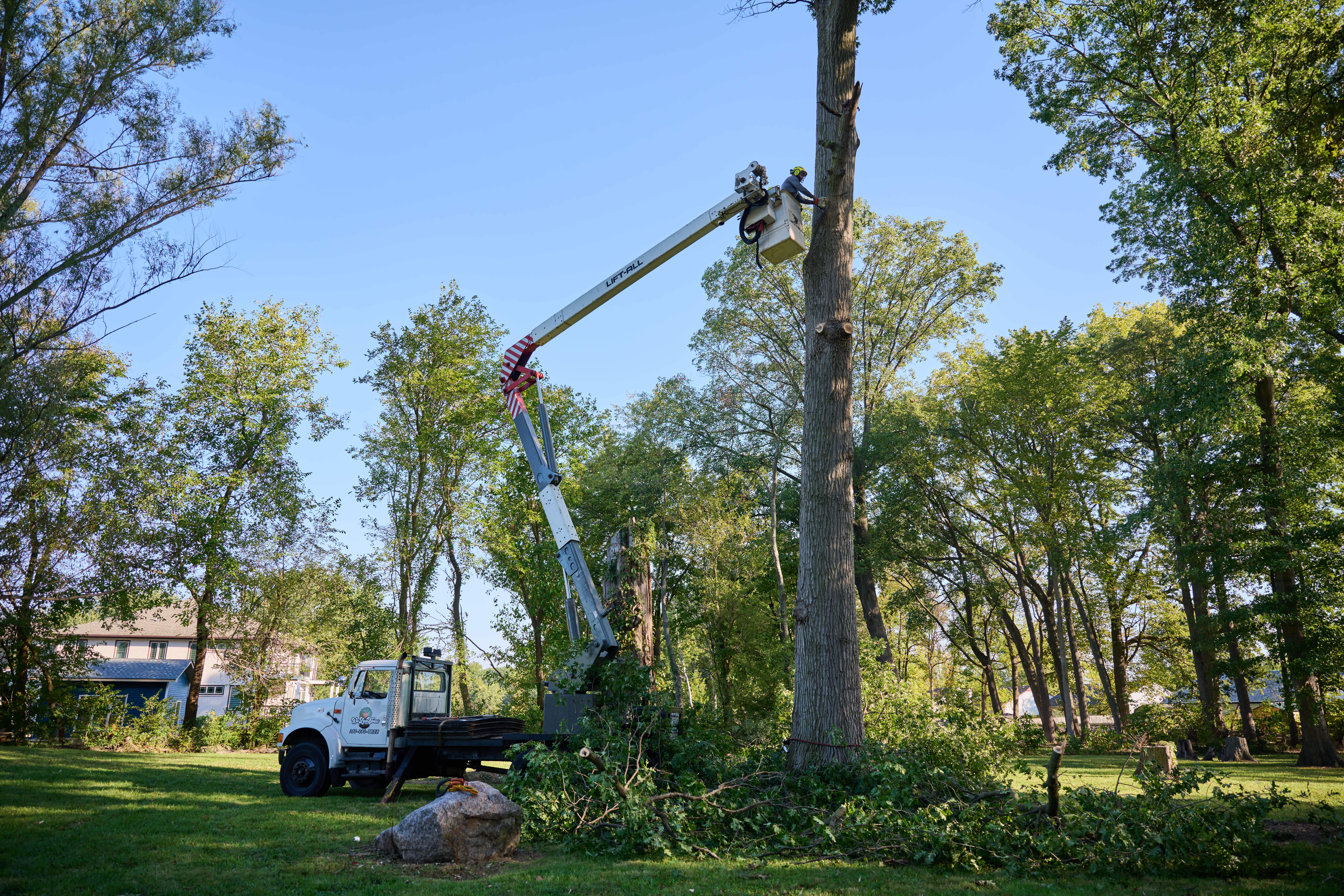
The most significant factor in tree removal costs is the amount of debris. Read on to learn more about the average tree debris removal costs in Denver, CO.
Tree service costs depend on your project and location. Check with a local pro for your specific job.

Removing a tree at your Denver home can help protect property from surprise falls, as well as handling diseased trees that need to be taken down.
Expect to pay at least a couple hundred dollars for the average tree removal, but pros will need to do an in-person inspection to give you an accurate quote.
The size of your trees is one of the most important cost factors, with taller, larger trees costing significantly more, but other details like the species of tree also matter.
The pros may also adjust fees based on how easy trees are to access and how many trees you want removed, although multiple trees typically include a discount.
Removing trees isn’t likely to raise your home value, but it can increase curb appeal by opening up space and making your home easier to see.
Have trees on your Denver, CO property reached the end of their life? From trunks damaged in storms to trees leaning because of rot and disease, if you need tree removal, you probably need it fast. But it’s also important to consider your budget and how much professional tree removal pros near you will charge.
Major factors like the number of trees and their size are important, but you may be surprised by how much other details matter, like the tree species. Expect to pay about $694 for the average tree removal, with most costs in your area ranging from $212 to $2,116.
Tree removal projects are just as varied as trees themselves, so the way to get the most accurate costs is to arrange an in-person inspection from local tree removal experts. But you can get a fair estimate for a Denver, CO tree removal by considering several important factors.
A tree's size affects several main tree removal cost factors—how long it takes to cut down, the accessibility to higher branches, and possible interference from other trees, power lines, or structures. For example, take a look at the primary tree removal price ranges by size:
| Tree Size | Average Cost |
|---|---|
| Up to 30 feet | $150–$450 |
| 30–60 feet | $450–$1,200 |
| 60–80 feet | $800–$1,500 |
| Over 80 feet | $1,000–$2,000 |
The price tends to increase once the tree grows over 80 feet high. At this stage, your team will need to bring in a crane to access its branches, which will cost about $500, including the truck rental and additional staff.
Also, keep in mind that trees get wider with age, making the diameter of their trunk more difficult and take longer to cut. In many species, branches and root systems also expand quite far in either direction, adding up to a possible multi-day project to safely remove the tree from the area without affecting other utilities.
Finally, if you’re removing more than one tree, each additional tree typically comes with a discount or an added flat fee.

Some trees can grow to a very stately 100 feet tall or more. American ash, bur oak, and maple are considered to be more difficult to remove than others, and therefore, removing them costs more. Here are the costs for various types of tree removal:
| Type of Tree | Average Removal Cost | Important Details |
|---|---|---|
| Oak | $200–$2,000 | Some states forbid the removal of these heritage trees |
| Japanese Knotweed | $2,000–$10,000 | Highly invasive shrub, some states prohibit their possession |
| Aspen | $1,000–$1,800 | Enormous poplar tree, have complex root systems |
| Pine | $250–$1,500 | Older pine trees may have a tap root buried in the soil, requiring specialist removal |
| Palm | $650–$1,500 | Extremely heavy, expensive to remove |
| Maple | $250–$2,000 | Can grow 100 feet high and have large branches |
| Ash | $250–$1,800 | Striking leaf colors in Autumn, can reach 80 feet in height |
| Cedar | $250–$1,500 | False cedars are common in North America while “true” cedars are native to places with high altitudes |
Most of the time, you aren’t going to want to keep the tree stump after the tree is removed. Removing a tree can also leave behind a trail of branches, bark, leaves, and the tree itself. The company might haul away your tree for about $70, put it through a chipper for an average cost of $95, or split it into firewood for your home at about $70.
If your trees are particularly difficult to reach, you may face extra costs. Trees in narrow backyards, very close to rooftops, and so on may require significantly more work to tackle. And if trees are very close to power lines, contractors may have to work with the city to get permission to remove them. That’s why an in-person inspection is so important to finalize your costs.
Most tree removal projects are best handled by the pros. Tall trees, in particular, can be a falling hazard and need expert attention when being removed. Along with the pros come some extra labor for their time and powerful equipment.
Tree removal experts like landscapers and arborists may charge by the hour, but it’s more common for contractors to do an inspection and offer you a flat estimate for the full project. The more work they have to do to reach the trees, the more it’s likely to cost. Distant trees, tight backyards where it’s difficult to maneuver, and especially large trees that require extra steps will all lead to more labor.
Most tree removal experts will take care of all the details, including debris removal if you prefer, so other pros aren’t usually necessary. One exception is if you didn’t arrange to remove the leftover stump. Large stumps are best handled by experts, so it’s a good idea to contact a contractor with a stump grinder for future removal. And if you’re taking trees down because of a disease like a fungus or rot, it’s a smart idea to plan for an inspection by an arborist to see if nearby trees are in danger.
If you’re looking for a numerical bump to your home’s market value, removing trees probably won’t help. However, taking away trees can open up yard space and remove fire hazards, which can increase curb appeal and may make homes easier to sell. It’s also important to remove any dead or diseased trees before trying to sell a house, as homebuyers won’t want to take care of these trees themselves, and issues are likely to arise during home inspections.
To help homeowners plan their next project, Angi provides readers with carefully researched cost data and upholds strict editorial standards. We start with national average project costs, which we collect by analyzing competitor information, retailer material costs, and input from professional contractors. We then apply local price index data to calculate location-specific estimates that reflect what homeowners typically pay in their local area. To do that, we use data from the U.S. Bureau of Economic Analysis (BEA), including its Regional Price Parities (RPPs), which measure price differences across cities. This helps us account for differences in labor, materials, and overall cost of living, so estimates in higher- or lower-cost areas better reflect real-world local pricing.
Every estimate undergoes a thorough editorial review to verify accuracy, consistency, and alignment with observed market conditions.
Want to help us improve our cost data? Send us a recent project quote to [email protected]. Quotes and personal information will not be shared publicly.
I was really impressed with how efficiently they removed the tree. The team was professional, and they left my yard cleaner than they found it. I'd definitely recommend their services to anyone needing tree removal!
 Silva Lawn and Earthworks
Luis did a fantastic job at removing tree branches and cleaning up my backyard. He did a thorough job and the price was fair. I would recommend him for any waste and tree removal services.
 Luis Landscape
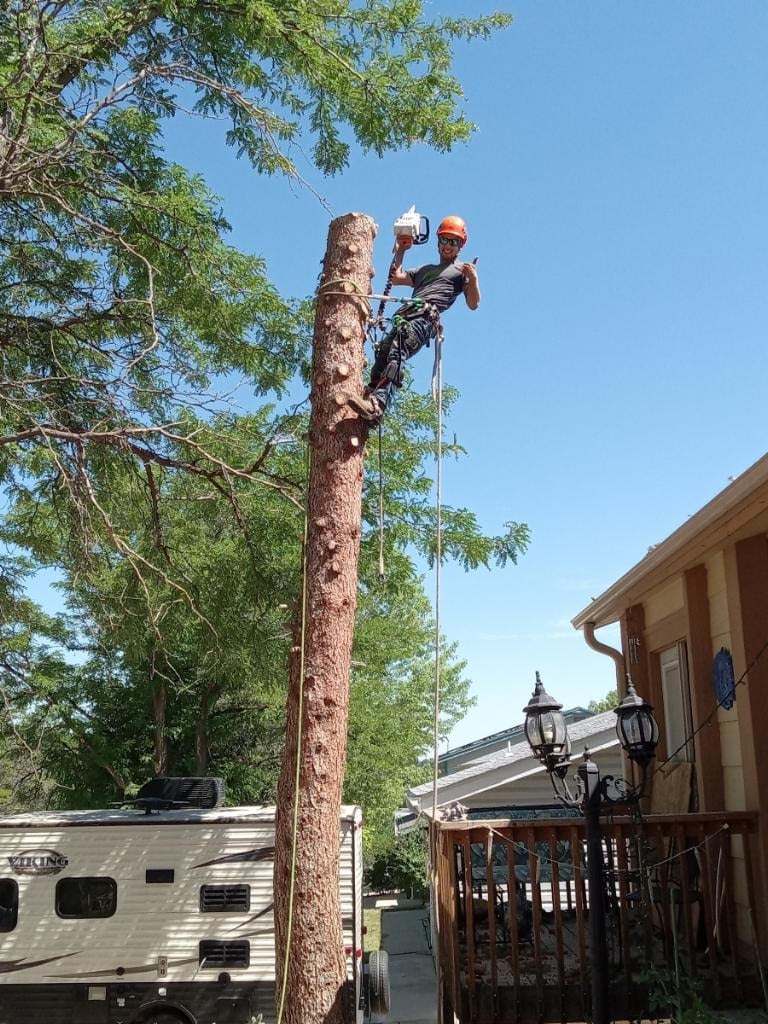
Wonderful service! Excellent communication and great work. I had a very large, but dead tree branch looming over my garage ready to fall at any moment. Ziggy’s tree care was able to schedule me quickly and I was very impressed with how they took care of the giant tree limb. Clean up was...
 Ziggy's Tree Care
We received 3 bids to remove a tall, sickly pine. Pro Tree Services came out to give a quote and ready to work. Their quote was very competitive and they were eager to get the job and get it done fast and right. They were professional and courteous. I highly recommend.
 Pro Tree Services
Outstanding service! We had a huge tree fall on the house and this crew was quick, professional, and highly skilled with the removal. They worked safely and expertly, and left our property spotless.
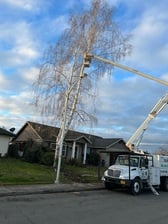 Mountain Tree Care, LLC
Charlie is an exceptional arborist. From his expert knowledge to his friendly demeanor, he surpassed all expectations. He provided tailored recommendations, executed the job with precision, and left the site immaculate. I highly recommend his services to anyone in need of tree care. Thank...
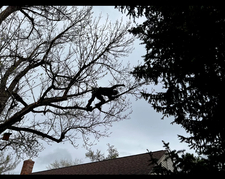 Tannenbaum Tree Care
Great job, knows a lot about trees and was very helpful.
 Emery's Tree Service LLC
Very happy w/ the work done. Enjoyed working w/ David, very professional, reliable & down to earth. I would definitely recommend Summit Tree services & would hire them again if I ever have a need for tree services. Great company!
 Summit Tree Service, Inc.
Juan and his coworker showed up right on time and understood exactly what needed to be done. It was a very busy time for all tree service companies and I got a quote and the work done within 2 weeks!!!! I will DEFINITELY use them again!!!! Very pleased!!!!
 Environmental Tree Care, LLC
This was our first experience with Monster Tree Service SE Denver. We canâ  t think of anything that could have been improved in the process of getting our large tree pruned. The Arborist, Rich Nelson came out to view the damage and pruning required. He then arranged for his highly...
 Monster Tree Service of Southeast Denver
From average costs to expert advice, get all the answers you need to get your job done.
The most significant factor in tree removal costs is the amount of debris. Read on to learn more about the average tree debris removal costs in Denver, CO.
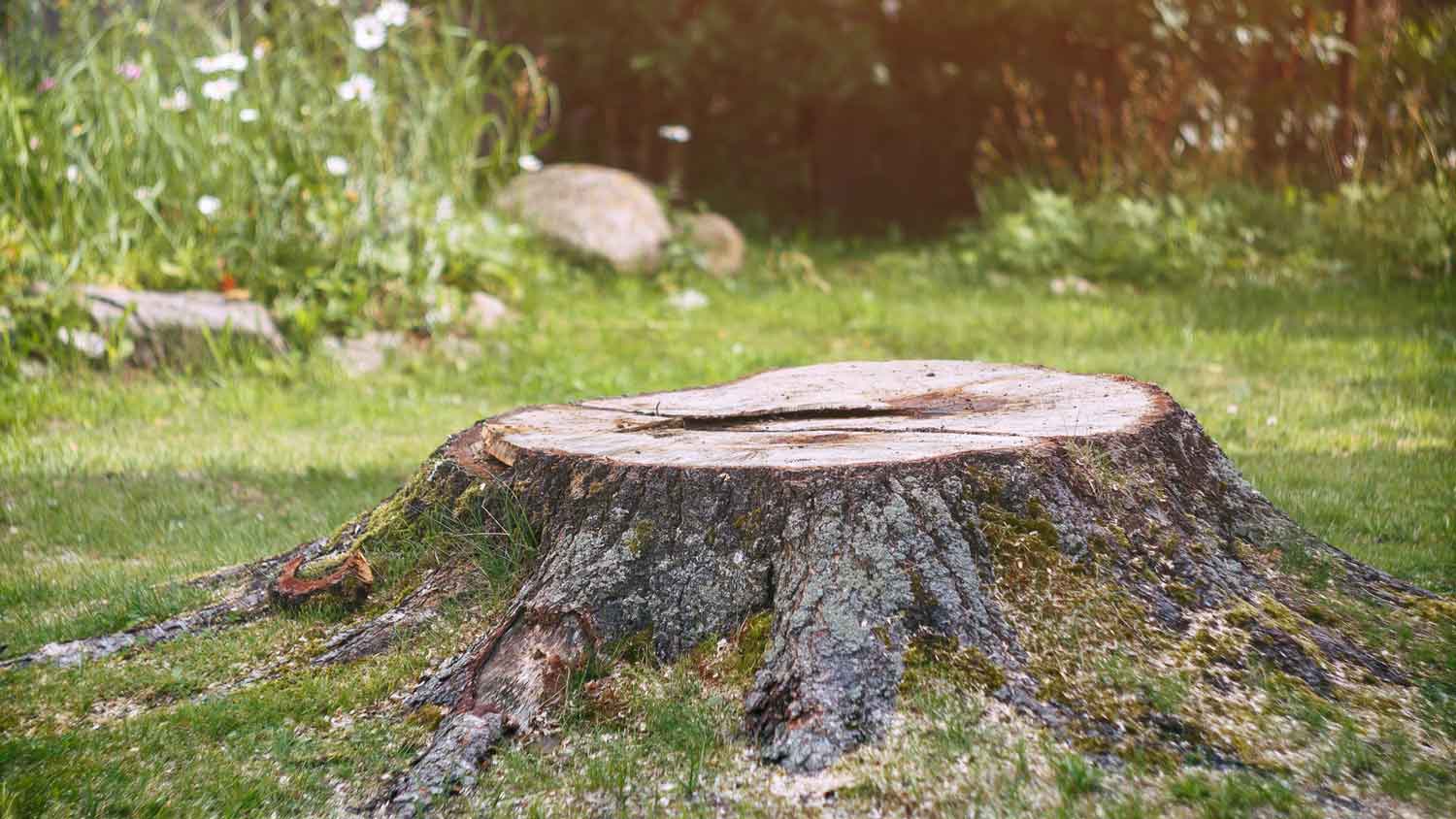
Find out the average tree stump removal cost in Denver, CO. Learn what you can expect to pay for local stump grinding services and get your yard ready today.

Discover the average tree trimming cost in Denver, CO, key price factors, and tips to save. Get expert insights to plan your tree care budget with confidence.
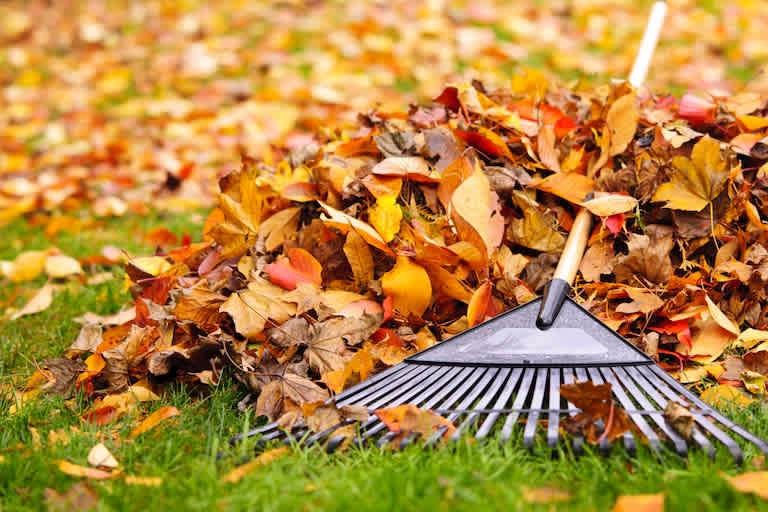
Find out the average leaf removal cost in Denver, CO. Learn what you can expect to pay for local yard clean-up services and get your lawn ready for winter.

If you discover a wasp nest near your home, you’ll want to remove it ASAP. Learn about wasp nest removal costs in Denver, CO in this guide.
Asbestos removal costs vary based on location, the size of the job, and if there is any underlying damage. Learn what has the biggest effect on the cost in Denver, CO.