

•
Find out the average radon testing cost in Denver, CO. Learn what you can expect to pay for local testing services and keep your home safe from dangerous gas.
Radon detection and reduction costs depend on your project and location. Check with a local pro for your specific job.

Denver’s uranium-rich soils often require a more robust system (closer to $1,064) than those in lower-risk areas.
Older homes in Wash Park or Sloan’s Lake need more routing and sealing than newer builds in Central Park.
Installations in finished basements increase costs since pros must route and conceal piping without disrupting living areas.
Steep rooflines and complex vent runs can increase labor costs compared to a simple ranch layout.
Winter installations can take longer when frozen ground and snow slow progress, but a pro can expertly navigate these challenges.
In Denver, radon mitigation isn’t a maybe-someday project because elevated levels are common here, and it’s a health risk you can’t see or smell. With average installation costs around $899, most homeowners pay between $756 and $1,064, depending on the home and its quirks.
Between mile-high pressure swings, radon-prone Front Range soils, and everything from 1890s Victorians to new Highlands townhomes, no two installs look the same, which is why local installation experience matters more than the equipment alone.
Radon mitigation in Denver, CO, involves balancing performance with the level of disruption that your home and your curb appeal can handle. Costs cover diagnostic testing, materials like PVC piping and fans, labor, electrical work, and compliance with Colorado regulations.

The cost of a radon mitigation system depends on the chosen approach, which might be sealing the basement, depressurization, or lower-level pressurization. The depressurization method happens in one of two types: active suction (soil depressurization) or passive depressurization.
Here’s what to expect for pricing by radon mitigation method:
| Method | Cost Range in Denver, CO | Description |
|---|---|---|
| Sealing the basement | $349–$4,011 | Half as effective; may require repeated resealing |
| Active suction soil depressurization | $872–$2,616 | Most common method; PVC pipe suctions gas from beneath foundation |
| Passive depressurization | $436–$2,180 | Vents radon through PVC piping using pressure differences; low efficiency at high levels |
| Wall-based systems | $436–$2,616 | Cinder block wall creates vented cavity to exhaust radon |
| Ventilation systems | $1,134–$2,180 | Two fans remove radon and vent it outside |
| Water mitigation | $1,046–$4,360 | Uses carbon and aeration to remove radon from water |
Home size affects the cost mainly because larger footprints require longer pipe runs, more complex routing, or higher-capacity fans, especially in homes with basements, which are common in Denver.
| Home Size | Estimated Cost Range |
|---|---|
| Under 1,500 sq. ft. | $395–$756 |
| 1,500–2,500 sq. ft. | $756–$1,064+ |
| 2,500–3,500 sq. ft. | $899–$1,395+ |
| 3,500+ sq. ft. | 1,395+ |

In Mile High City, a big portion of what you’re paying for radon mitigation isn’t the pipe or the fan—it’s the professional expertise behind the install. Remember, radon testing pros in Denver know how to work with Front Range soil, mile-high pressure changes, and homes that weren’t all built in the same century, which ensures the system performs as it should.
Labor costs in Denver are lower than in major coastal cities but higher than in smaller Midwest markets. Also, radon mitigation is priced as a flat project rather than by the hour. Costs often increase when installers work around finished basements, tight crawl spaces, longer vent runs, or winter conditions that slow exterior work.
Because mitigation costs can involve drilling through the foundation and adding electrical for the system, permits are often part of the deal in Denver. Most licensed contractors pull them for you, so you won’t have to spend your afternoon decoding city paperwork. Fees run $25 to $150, depending on the scope of work and whether any electrical updates are involved.
Colorado contractors are treated as the buyer of the materials, so they pay the sales tax and then fold that cost into the final invoice. In other words, it won’t show up as its own tidy line item. And in Denver, where the combined tax rate can reach up to 9.15%, that built-in tax can nudge the total higher than you’d expect.
Radon mitigation in Colorado is tightly regulated. Any professional working on a system must be licensed through the Colorado Department of Regulatory Agencies, carry certification from either the National Radon Proficiency Program or the National Radon Safety Board, and maintain at least $500,000 in professional liability insurance.
If the system needs a new outlet, a dedicated circuit, or any wiring cleanup for the fan, an electrician may get involved, with many electrical projects averaging $349.
Older homes or houses with foundation issues can expect costs from a foundation specialist to add up quickly. Even “small” repairs like crack fixes can run $250 to $800 on average.
And when the goal is a clean-looking install in a finished basement, a basement finisher may be needed to open, route, and patch walls or ceilings. Homeowners can expect topay $7 to $23 per square foot for basement finishing, depending on the scope of work.
Radon mitigation can make a home easier to sell in the Mile High City because buyers here take radon test results seriously. A working system signals a safer home, keeps basement space truly livable, and offers modern performance that’s quiet and efficient.
When the install is done cleanly, it also protects the look of finished basements and exterior lines, which matters in a market where every showing counts. It may not wow you like a kitchen upgrade, but it can help you avoid price cuts due to elevated radon levels.
Home is the most important place on earth, which is why Angi has helped more than 150 million homeowners transform their houses into homes they adore. To help homeowners with their next project, Angi provides readers with the most accurate cost data and upholds strict editorial standards. We survey real Angi customers about their project costs to develop the pricing data you see, so you can make the best decisions for you and your home. We pair this data with research from reputable sources, including the U.S. Bureau of Labor Statistics, academic journals, market studies, and interviews with industry experts—all to ensure our prices reflect real-world projects.
Want to help us improve our cost data? Send us a recent project quote to [email protected]. Quotes and personal information will not be shared publicly.
My Only 3-year old frost free freezer was starting to frost up like an old freezer from the 50?s. I put off calling someone out since I don?t like using any repair company someone I personally know hasn?t referred to me. I was also afraid of a huge bill and angry at the thought of a newish...
 Wilson and Myers Appliances Experts Ltd
Companies become successful because of their leadership. Better Colorado Radon is one of those companies because of the owner ,Ryan Osborne. What a gem! I reached out to BCR because the company I purchased my radon system from was not returning my calls about a fan that was malfunctioning....
Jason responded to a service request and came to our home the same day. He works at a high level of professionalism and integrity. In addition to getting the work done properly, Jason also makes sure the customer understands the science behind radon and the technicality of the work he is...
 Veteran Radon
We would like to thank Affordable Radon Services LLC for the work that was done in our home for radon remediation. Authur and Jose did an amazing job and were very professional the work looks amazing but what is even better the radon is now at a great and healthy level. For months and maybe...
 Affordable Radon Solutions, LLC
Custom Radon was awesome—they came out, explained everything super clearly, and had my system set up in no time, making my Denver home feel so much safer. Gage was really nice and easy to work with, and I’m so happy I picked them!
 Custom Radon Mitigation Solutions
They were great to work with. I had them also put in a radon mitigation system and insulate my crawl space. Would use them again in the future.
They got the job done in one day. The whole crew was very professional. They showed up on time, communicated options, and explained the process. Underpromised and over-delivered. They nailed the Radon reduction on the first try.
Glen Smith of Holistic Home Inspection was very friendly and knowledgeable. He explained the radon and mold testing process and the results along with recommendations for the radon mitigation.
From the on-site review and estimate process to the completion of the project, this has been one of the best contractor experiences we have had. Ryan (owner) personally came to estimate our project (attic and crawl-space insulation), was patient in addressing our questions and, within 24...
 NetZero Insulation
I'm very impressed by Tom's professionalism and thoughtfulness. He took the time to visit with our whole family about Radon. Our kids actually loved it. I highly recommend his services!
 HouseMaster Denver North
From average costs to expert advice, get all the answers you need to get your job done.
Find out the average radon testing cost in Denver, CO. Learn what you can expect to pay for local testing services and keep your home safe from dangerous gas.

Whether you’re replacing old pipes or hooking up the range of your dreams, the cost to install a gas line in Denver, CO, is an important part of the budget.

Discover what average tree removal costs in Denver, CO based on different factors to know how much it will cost to take care of a dead or troublesome tree on your property.
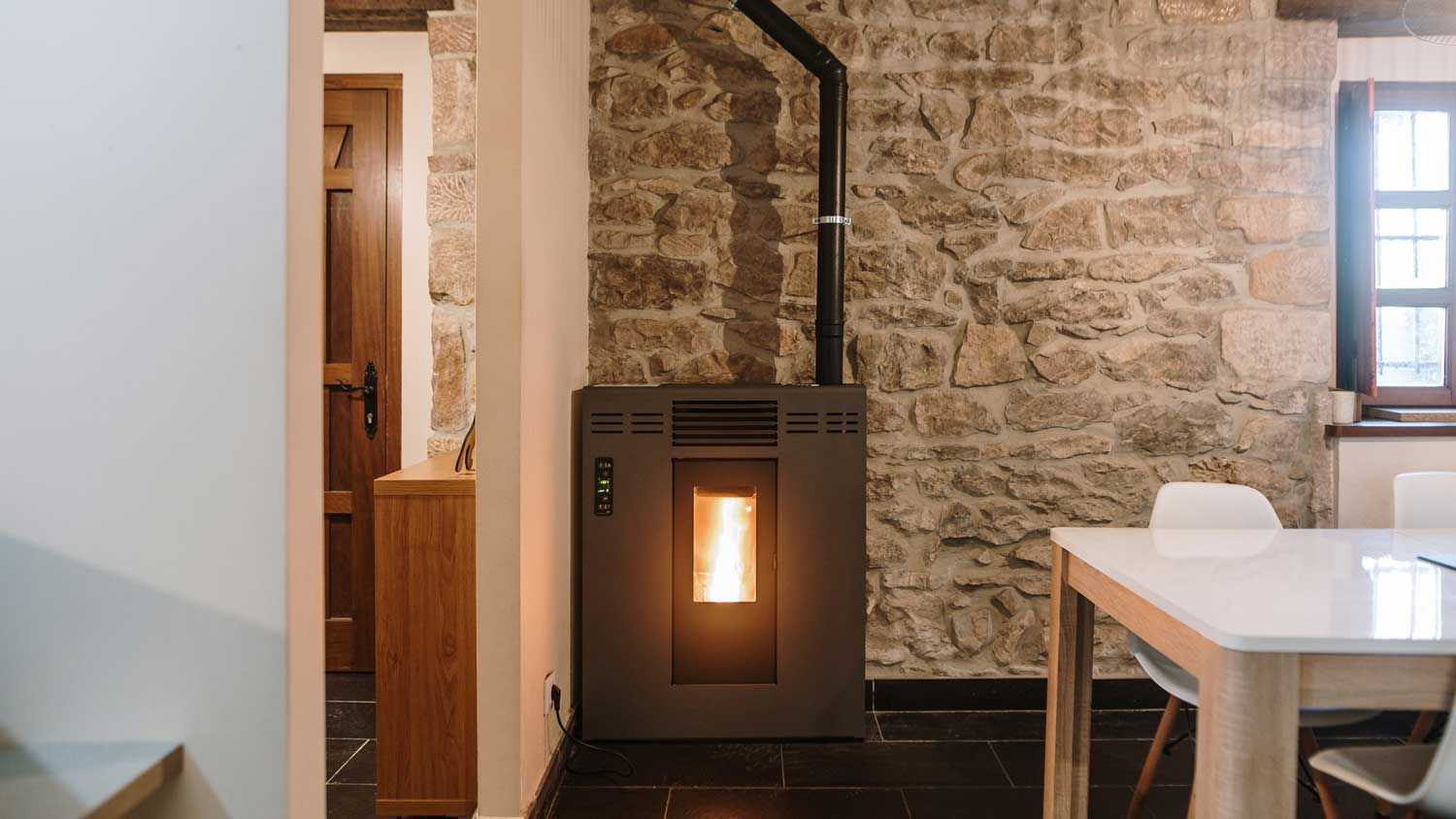
Find out the average wood, pellet, and gas stove installation cost in Denver, CO. Learn what you can expect to pay for local heating services this winter.
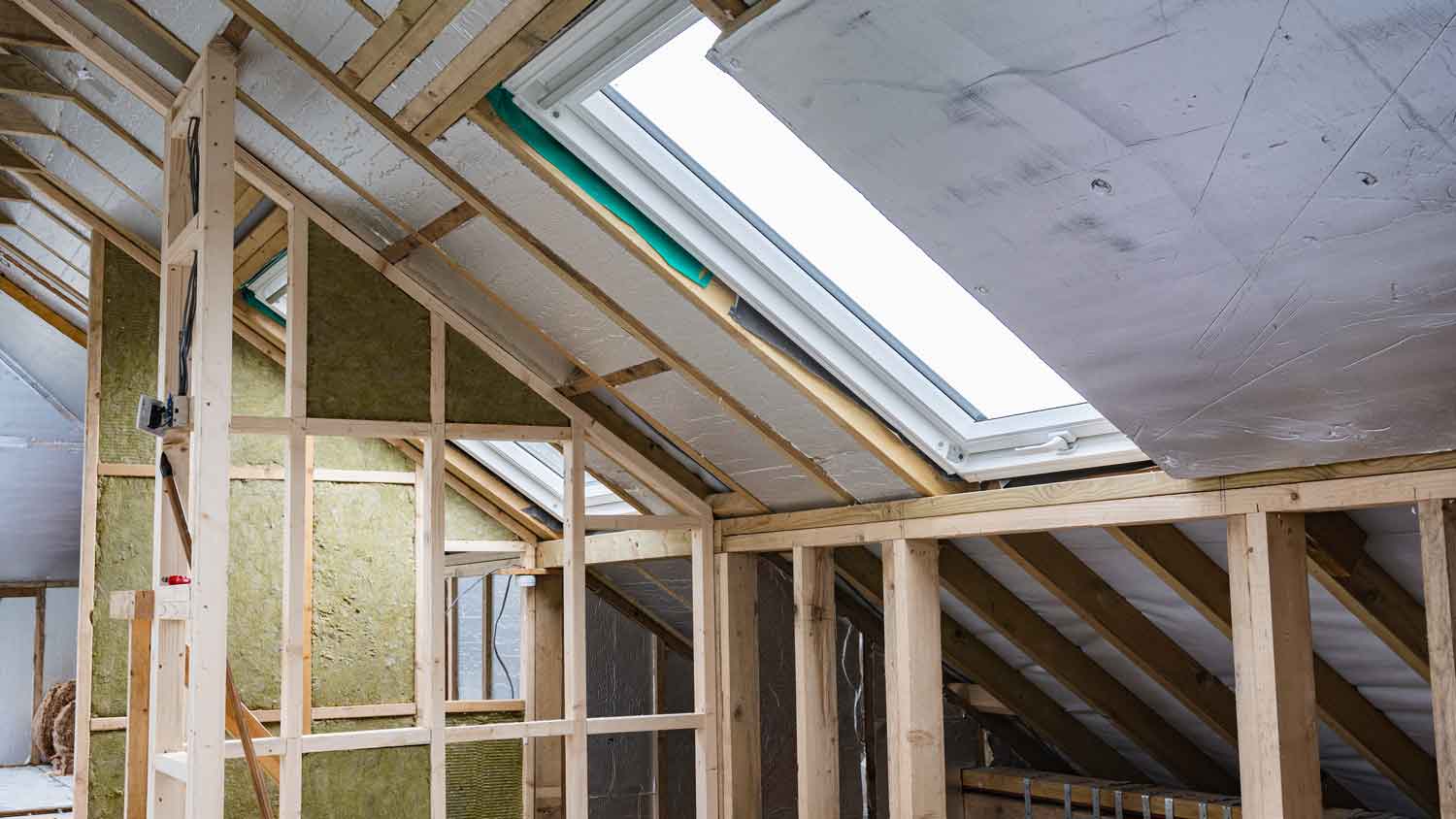
Asbestos removal costs vary based on location, the size of the job, and if there is any underlying damage. Learn what has the biggest effect on the cost in Denver, CO.
Mold remediation costs in Denver, CO, can quickly escalate. But if you have mold in your home, mold remediation is worth it.