
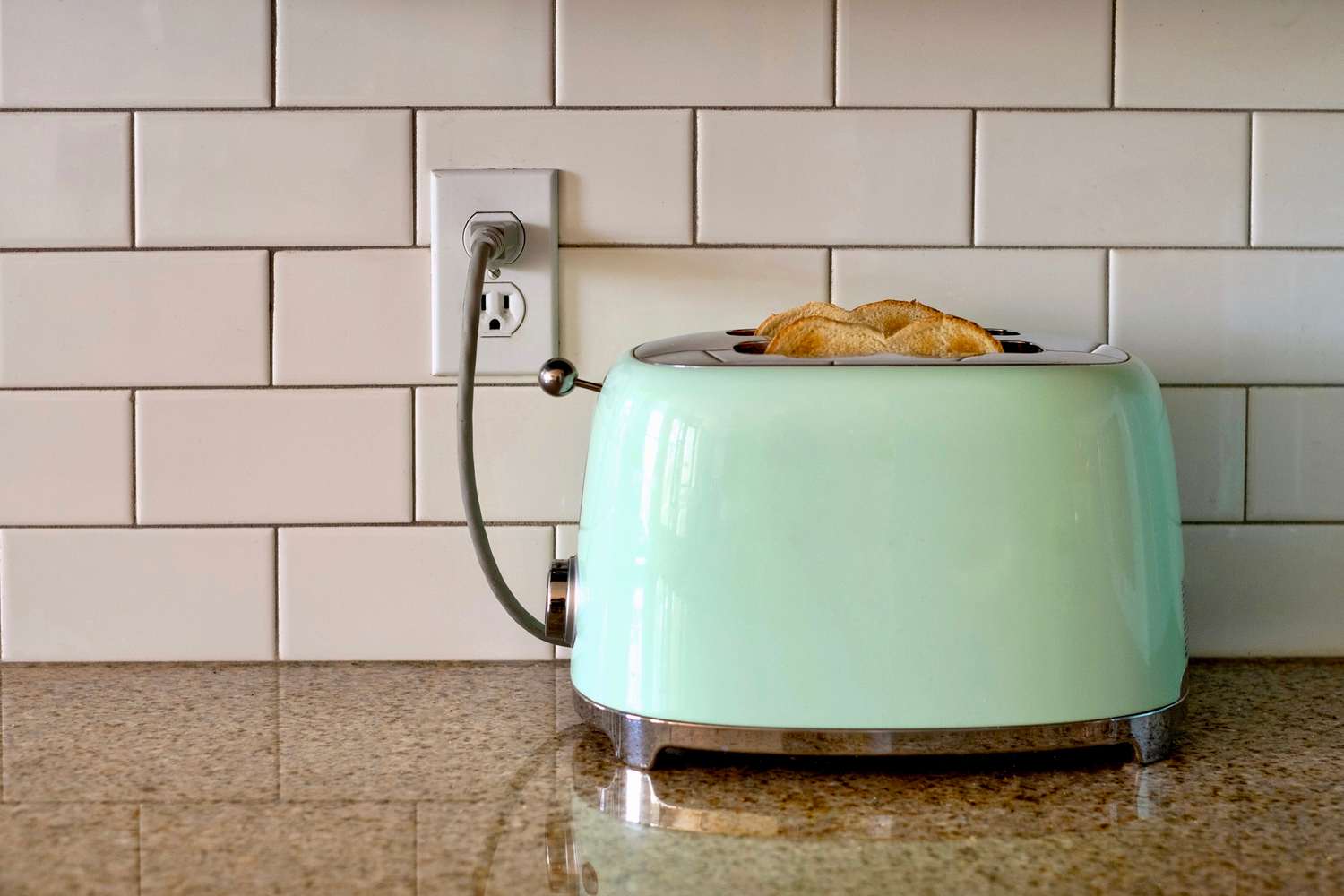
Thinking about adding an electrical outlet to your Boston house? Here’s what matters when you’re ready to get estimates and make a plan.
Electrical service costs depend on your project and location. Check with a local pro for your specific job.

Homeowners in Boston, MA, can expect to pay $140 to $325 to install an electrical outlet.
The type of outlet affects costs, with 120V outlets among the most cost-effective and outdoor outlets the most expensive.
Electricians charge about $55 to $110 per hour for labor, depending on experience.
Hiring a local electrician in Boston, MA, ensures the outlet installation is done properly, keeping you and your family safe.
The cost to install electrical outlets in Boston, MA, ranges from $108 to $487, with an average of $325. With the average home in the city being built in the 1940s, you’re more likely to have outdated wiring and ungrounded outlets if you live in an older home. Installing new outlets or updating old ones can make your home more habitable and more appealing to homebuyers in the future. Here's how the costs break down.
The type and number of electrical outlets you’re installing can significantly affect the cost of installation in Boston, MA. Below, learn how these and other factors affect your project cost.
The cost of updating your electrical outlets depends on various factors, such as the type of electrical outlet. For example, the cost to install a 220V outlet exceeds that of installing a standard 120V outlet. If your home in Boston, MA, is older and has ungrounded outlets, you’ll need to replace them with GFCI outlets, which will cost more. Your electrician can recommend the right outlet for different areas in your home and your needs.
| Outlet Type | Average Cost per Outlet |
|---|---|
| Standard (120V) | $3–$5 |
| Heavy-duty (220V, 240V, 250V) | $10–$20 |
| GFCI | $10–$30 |
| AFCI | $20–$30 |
| Floor | $30–$55 |
| Coax | $5 |
| Tamper-resistant | $5–$10 |
| Smart | $30–$55 |
| Rotating | $10–$20 |
| Outdoor | $1,080–$1,510 |
| LED | $10–$30 |
| USB | $20–$45 |
| Recessed | $10–$65 |
| Ceiling | $3–$5 |
| TV | $3–$5 |
Your total price to install an electrical outlet depends on the project size. The average price range to install an individual outlet is $140 to $325.
| Number of Outlets | Average Cost Range |
|---|---|
| 1 | $140–$325 |
| 2 | $270–$650 |
| 3 | $430–$970 |
| 4 | $540–$1,300 |
| 5 | $700–$1,620 |
| 6 | $870–$1,950 |
| 7 | $1,030–$2,270 |
| 8 | $1,190–$2,600 |
| 9 | $1,300–$2,920 |
| 10 | $1,460–$3,250+ |
The preferred location for your outlets can also impact their cost. Electricians may charge extra for the additional time required to install outlets in hard-to-reach locations, such as behind large furniture or in crawl spaces.
If your electrician determines that you need new wiring for your outlet because your current wiring is faulty, damaged, or outdated, it will take extra time to fix and can cost $580 to $2,270, depending on the severity. A dead outlet is dangerous and can indicate wiring issues. Older Boston, MA, homes may have outdated knob-and-tube wiring, which can be a fire hazard.
Many electricians use standard plastic covers or plates when installing an outlet, costing under $10. Some of the most expensive faceplates are finished in brushed metal surfaces made from nickel or bronze, adding more than $110.
Most home outlets are destined to become sockets for plug-in power or switches for controlling lights. If you’re installing an outlet that will become a switch, prices may go higher. If you need your electrician to adjust the light switch outlet height, expect to pay an additional fee.
Some outlet technology will add dollar signs to your installation project. Keep in mind that important additions like smart technology, USB ports, and GFCI (Ground Fault Circuit Interrupter) outlets will cost extra.
The City of Boston generally doesn’t allow homeowners to perform electrical work that requires a permit. Even for a simple repair or outlet replacement, hiring a local electrician in Boston, MA, ensures the job is completed safely. Here’s how pros determine their costs.
On average, an electrician in Boston, MA, charges $55 to $110 per hour. The exact hourly rate depends on whether the electrician you hire has a journeyperson or a master electrician license.
Boston, MA, has a 12.6% union membership rate among its workers, higher than the national average of 10%. This strong trade union presence can impact labor rates as unions fight for fairer wages for their members.
Massachusetts requires electricians to complete an apprenticeship and obtain a license from the Division of Occupational Licensure to legally work in the state. There are strict work and education requirements that set standards for experience and safety knowledge.
Contractors must obtain an electrical permit to perform electrical installations, alterations, or repairs in Boston, MA. Adding a new outlet generally falls under this umbrella, but replacing an existing outlet may not. Your electrician will need to apply for the permit, and homeowners aren’t allowed to apply for an electrical permit or perform electrical work. Expect to pay for the permit and a fee based on the type of service.
The sales tax rate in Boston, MA, is a flat 6.25%, matching the state's rate. You’ll pay this rate on materials and labor for your outlet installation project. When budgeting, check your quote to ensure your electrician has included taxes in the project estimate.
Installing new electrical outlets won’t directly impact your home’s value. However, if your home has plenty of updated outlets, it can show better than other homes that lack enough outlets or have outdated ones. The housing market in Boston, MA, is relatively competitive, with homes remaining on the market for an average of 33 days before receiving an offer, and an updated home may receive an offer faster.
Updating your electrical outlets also shows potential buyers that you’ve taken good care of your home. If you have too few outlets (or older, dingy ones), it could signal to buyers that your home needs more maintenance.
To help homeowners plan their next project, Angi provides readers with carefully researched cost data and upholds strict editorial standards. We start with national average project costs, which we collect by analyzing competitor information, retailer material costs, and input from professional contractors. We then apply local price index data to calculate location-specific estimates that reflect what homeowners typically pay in their local area. To do that, we use data from the U.S. Bureau of Economic Analysis (BEA), including its Regional Price Parities (RPPs), which measure price differences across cities. This helps us account for differences in labor, materials, and overall cost of living, so estimates in higher- or lower-cost areas better reflect real-world local pricing.
Every estimate undergoes a thorough editorial review to verify accuracy, consistency, and alignment with observed market conditions.
Want to help us improve our cost data? Send us a recent project quote to [email protected]. Quotes and personal information will not be shared publicly.
Great experience upgrading my electrical service. Andrew was professional, clean, and got the job done right. Would definitely recommend them!
 Andrew J. Ronan - Licensed Electrician
We hired Champion Electrical Services for a variety of projects. They had great customer service. The pros they sent out were very knowledgeable, explained all the details and did great work. We really appreciate the care they took on our projects and would highly recommend the Champ.
 Champion Electrical Services Inc
Anthony is prompt in responding to customers. professional, knowledgeable, trustworthy qualified. He is informed on the latest most recent options regarding what is needed for the newest Technology,. I feel comfortable using him for any electrical needs complicated or simple.
 Meninno Electric LLC
Exceptional service provided by All-Tech Electric. Excellent work installing a new lighted switch for my attic light! Highly recommend!
Our condo building needed additional lighting installed in our parking area. the difficulty (as I saw it) was in bringing the power out from within the building. I got three (3) electrical contractor referrals thru Angi, contacted all three and had them quote the job. Matt Clark turned out...
Matthew came very promptly to view job and immediately provided a fair estimate. His estimate was slightly greater than others but his enthusiasm and professionalism wre superb. Job was done the same day. He remained oin the job until it was completed 8 hours later. Am very pleased with his...
 Matthew Clark
Ez Solar and Electric's service is a testament to the zenith of excellence in solar panel installation. Their team of consultants are consummate professionals, possessing a wealth of knowledge and experience that is unrivaled. The installation team demonstrated remarkable precision and...
 EZ Solar & Electric
Emmanuel was excellent. Super professional and personable. He did a great job and was good about finishing things so they looked nice. He was referred to me by a friend to help with some tasks around my apartment when I first moved in. Originally I had him over to take care of electrical...
Very positive experience with Laku Electric. Was able to schedule easily and they arrived on time. Completed the work without issue and good communication throughout. I recommend and will hire Laku Electric again.
 Laku Electric
Carmen and his team are top notch. I had received a few estimates and he was by far the most reasonable and prompt. It was nice hiring someone I felt I could trust. I have called him back again for another project. His workers are very respectful and they get the job done in a very timely...
 Carmen Colella Electric
From average costs to expert advice, get all the answers you need to get your job done.
Thinking about adding an electrical outlet to your Boston house? Here’s what matters when you’re ready to get estimates and make a plan.

The cost to install a 240-volt outlet in Boston, MA varies depending on the amperage and the home’s current wiring conditions. Use this guide to budget for your next project.

Keep pool-side dreams from getting short-circuited by being aware of pool electrical installation costs in Boston, MA, and how they can affect your overall budget.
The cost of a whole-house surge protector depends on the materials, size, installation, and more. This guide will help you budget for a new surge protector in Boston, MA.

The cost to hire an electrician in Boston, MA, can vary based on the issue, scope, urgency and more. Learn more about electrical service costs in this guide.

Planning a big project in Boston, MA? Find out how much it costs to get utilities on land. This isn’t a budget-friendly project, so start planning here.