

How much does it cost to add an electrical outlet in Dallas? Learn average prices, permit requirements, and factors that influence costs in the Dallas area.
Electricians typically charge by the receptacle, so the cost to install an outlet largely varies on how many you wish to install in your home. On average, homeowners will spend between $75 and $485 to install an outlet.


Heavy-duty, AFCI, and GFCI outlets cost more than a standard 120v outlet.
Installation of a new outlet costs more than replacement since the necessary wiring is not already in place.
An electrician will help you choose the right outlet type for your home's needs.
You can save money on outlet installation by grouping similar projects and hiring an electrician to install multiple outlets at once.
The cost to install an outlet is $300 on average, or between $100 to $450 per outlet. The price of installing an outlet varies based on factors like the type of outlet, project size, your electrician’s rate, and more. This guide will help you plan how much you should budget to install electrical outlets in your home.
The cost to install an outlet is $130 to $300 per outlet on average. The cost depends on various factors, such as the type of electrical outlet and project size.
“The cost to install a new outlet may seem expensive, but the added convenience and prolonged safety benefits may justify those prices,” explains electrician Salvatore Cutrona.
| Outlet Type | Average Cost Per Outlet |
|---|---|
| Standard (120V) | $3–$5 |
| Heavy-duty (220V, 240V, 250V) | $10–$20 |
| GFCI | $7–$25 |
| AFCI | $20–$30 |
| Floor | $30–$50 |
| Coax | $5 |
| Tamper-resistant | $5–$10 |
| Smart | $25–$50 |
| Rotating | $8–$20 |
| Outdoor | $1,000–$1,400 |
| LED | $10–$30 |
| USB | $20–$40 |
| Recessed | $10–$60 |
| Ceiling | $3–$5 |
| TV | $3–$5 |
Let’s look at what price tag you can find on some common electrical outlet types. These are product costs only, not including the labor costs cited above.
The most common electrical outlet has 120 volts, using 15 amps to power your small appliances or any device that needs 110 to 125 volts to run. They cost $3 to $5 each to install, with two-prong outlets on the lower end of this price range and three-prong on the higher end.

To install a heavy-duty electrical outlet like 220V, 240V, and 250V, you'll pay between $10 and $20 per outlet.

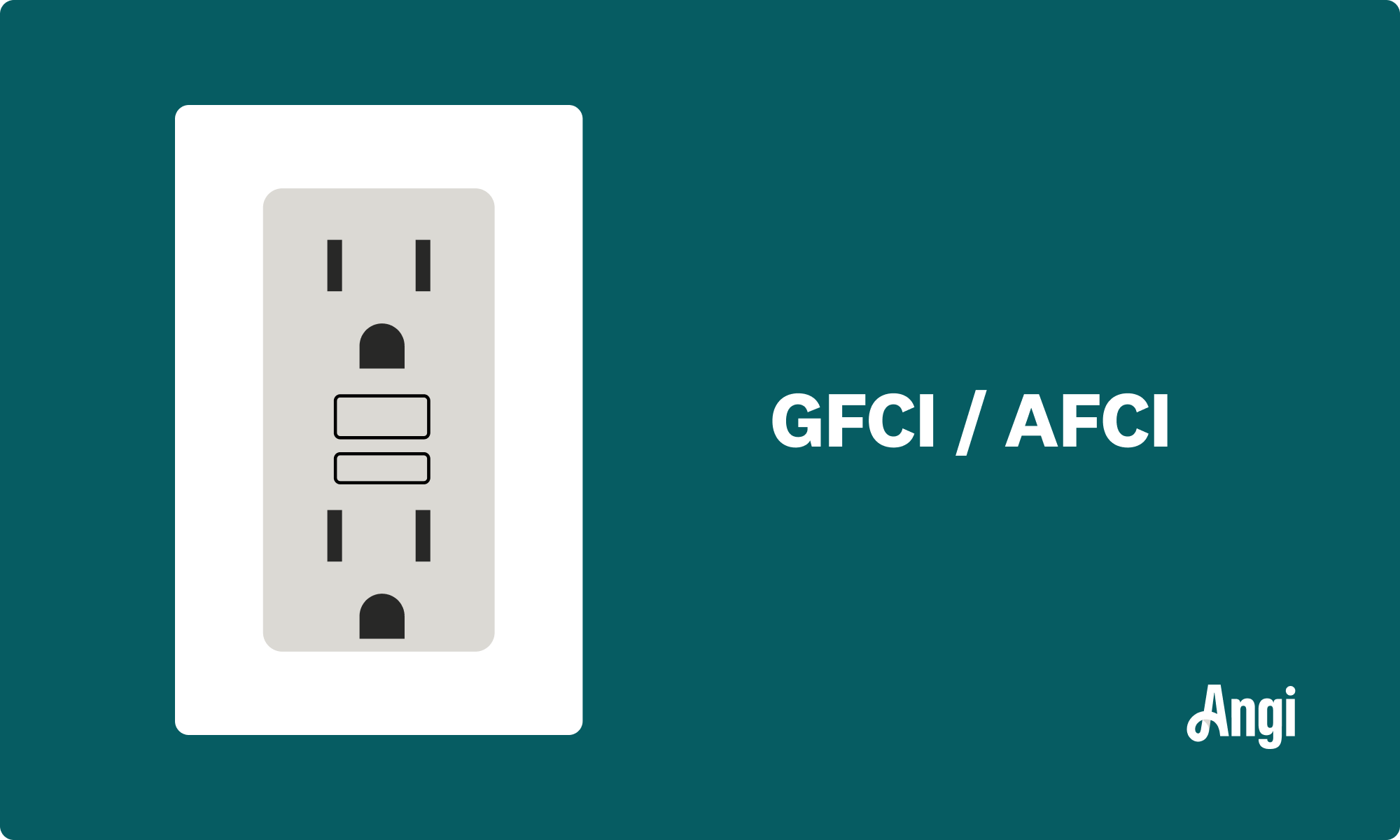
The Ground Fault Circuit Interrupter (GFCI) outlet has an internal surge protector that almost instantly cuts off the outlet’s power if a power surge or moisture is detected. Expect to pay $7 to $25 each.
The Arc-Fault Circuit Interrupter (AFCI) outlet quickly detects any electrical arcs in your system and cuts off power to that circuit to avoid an electrical fire. They can average between $20 to $30 each.
Floor outlets let you use an outlet for your electrical needs, even if you’re not near a wall outlet. They often come in a kit that costs $30 to $50 each.
The coax outlet, used for cable TV, costs around $5 for each receptacle. Installing a coax outlet is doable if you’re a DIY-savvy homeowner.
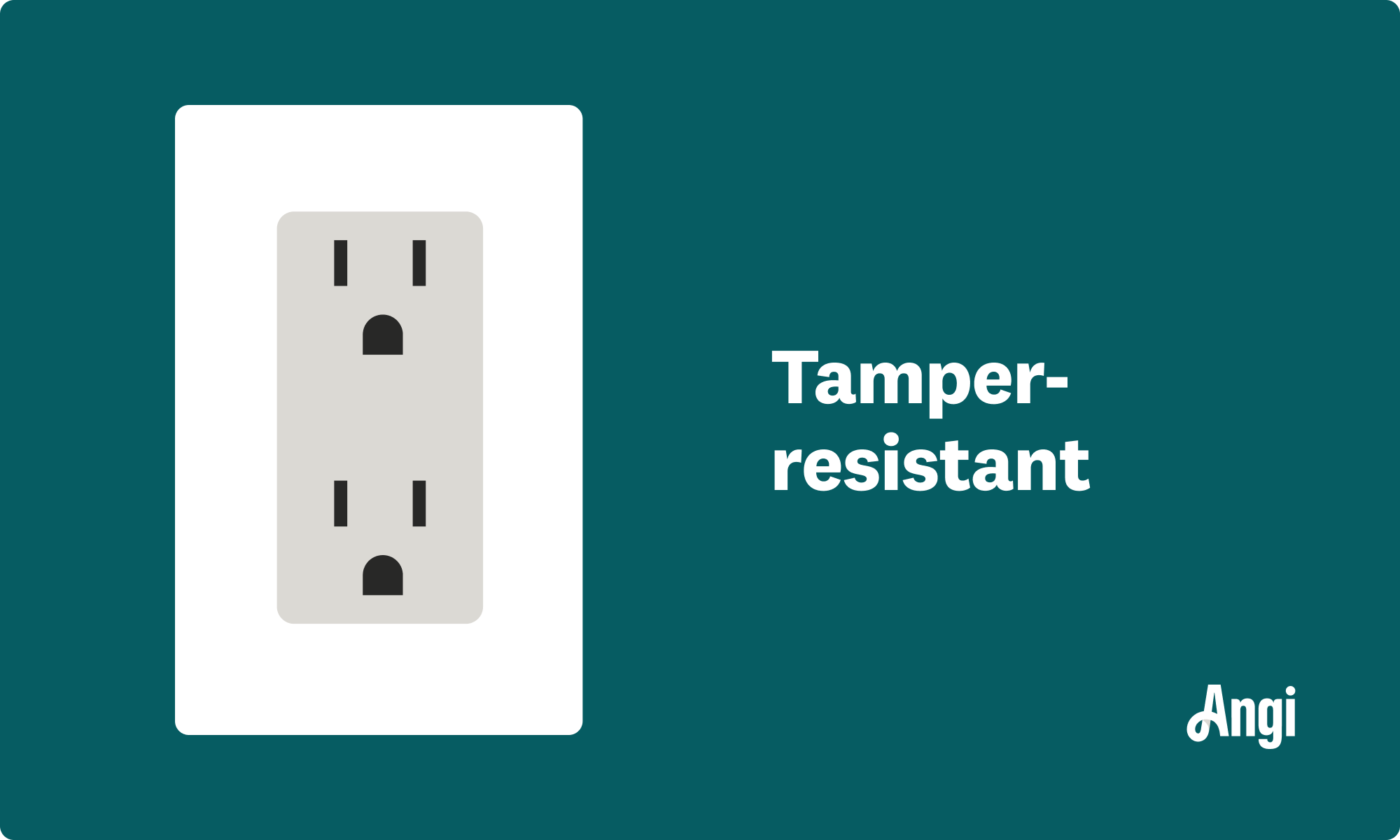
Homeowners can install a tamper-resistant, child-proofing outlet to keep their home a safe place. These can cost $5 to $10 for each outlet (materials only).
Smart outlets let you control the devices connected to the same outlet. To install one, expect to pay $25 to $50 extra for capabilities.

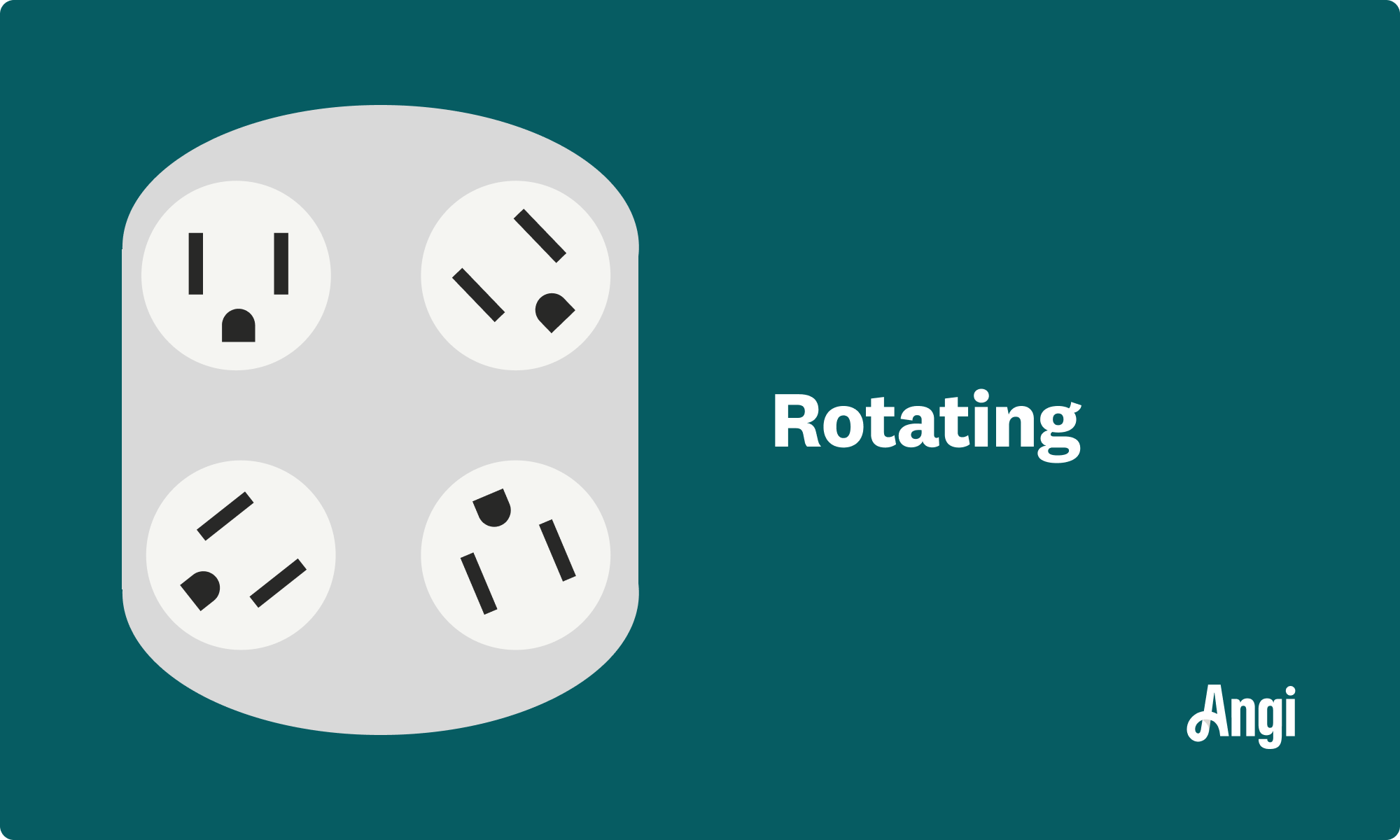
Most homeowners know how difficult it can be to get oddly shaped plugs on one outlet together, which is why a rotating outlet that can swivel 360 degrees is so appealing. They average around $8 to $20 an outlet.
Installing outdoor electrical outlets requires more experience with weather protection and safety when creating an outlet outdoors. This project can cost $1,000 to $1,400 per outlet, if the outlet is installed away from your house and requires installing electrical lines in the ground.
LED lights offer a set of LEDs at the bottom of the plate, usually combined with a motion sensor. These typically cost $10 to $30 depending on the type.
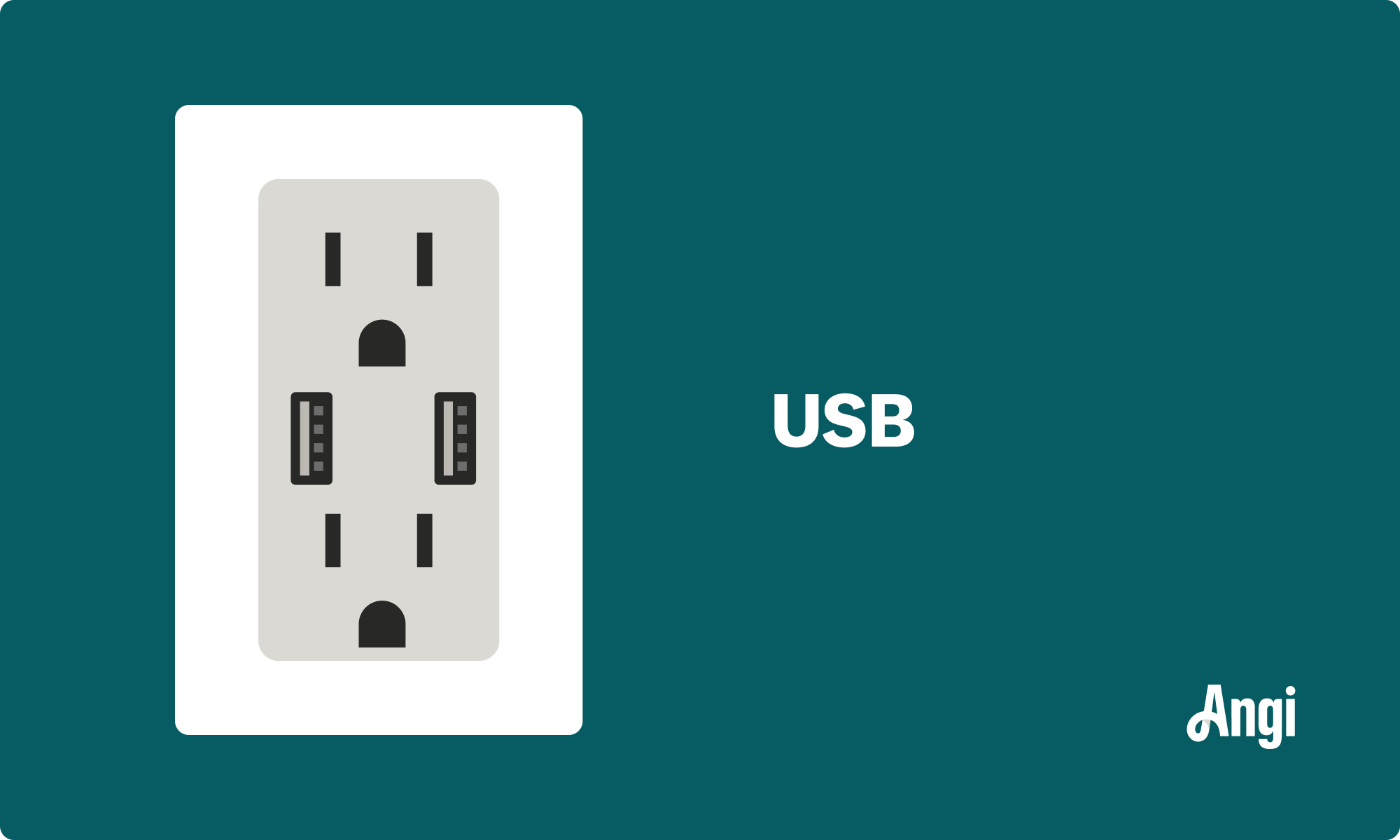
A USB outlet has American standard electrical outlets, but then adds a USB port or two to power compatible electrical devices. Average prices are between $20 and $40.
These outlets have faceplates with the outlet set an inch or so back into the wall. These outlets vary greatly in cost, from $10 to $60 depending on the design.
Ceiling outlets don’t have the same requirements as floor outlets, so their costs tend to be the same as standard outlets, around $3 to $5. However, expect labor costs to be higher, as electricians typically have to do more work for a successful ceiling installation.
A TV outlet is specifically designed for a TV placement, often over a fireplace. If there are no necessary additions like a coaxial cable, then standard rates of around $3 to $5 to install.
Review the factors that determine outlet installation prices.
Your total price to install an electrical outlet depends on the project size. The average price range to install an individual outlet is $130 to $300.
| Number of Outlets | Average Cost Range |
|---|---|
| 1 | $130–$300 |
| 2 | $250–$600 |
| 3 | $400–$900 |
| 4 | $500–$1,200 |
| 5 | $650–$1,500 |
| 6 | $800–$1,800 |
| 7 | $950–$2,100 |
| 8 | $1,100–$2,400 |
| 9 | $1,200–$2,700 |
| 10 | $1,350–$3,000+ |
Your preferred outlet’s location can also impact its cost. Electricians may charge extra for the extra time required to install outlets in difficult-to-reach locations, like behind large furniture or crawl spaces.
If your electrician determines that you need new wiring for your outlet because your current wiring is faulty, damaged, or old, it’ll take extra time for them to fix it and can cost $540 to $2,100, depending on the severity.
The installation costs can change depending on the local cost of living, the price of shipping materials to the area, and similar factors. Expect to pay significantly more for an outlet if your home is in a more urban area with a higher population.
Many electricians will have standard plastic covers or plates to install when putting in an outlet, costing under $10. The most expensive models may be finished in brushed metal surfaces made from nickel or bronze, adding more than $100.
Most home outlets are destined to become sockets for plug-in power or switches for controlling lights. If you’re installing an outlet that will become a switch, prices may go higher.
Some outlet technology will add dollar signs to your installation project. Keep in mind that important additions like smart technology, USB ports, or even more common options like GFCI (Ground Fault Circuit Interrupter) will cost extra.
On average, an electrician charges $50 to $100 per hour. Some electricians may charge more for the labor of certain projects, such as GFCI or heavy-duty outlets, that are more labor-intensive to place in your home.
The type of electrical pro you hire for the job will also impact your final cost, as there are many different types of electricians. For example, if you hire a master electrician—a highly experienced pro with more than 4,000 hours of work—you can pay anywhere from $90 to $150 per hour. Hiring electricians with less experience can cost $40 to $85 per hour.
Electricians also charge minimum fees, which cover the cost of travel, supplies, gas, and more. Since outlets are primarily inexpensive and a licensed electrician can get it done in less than an hour, they usually charge a minimum fee of at least $100 to $200 per visit.
Replacing an outlet costs $3 to $5 per outlet, plus labor costs. There’s often less labor involved for the electrician, so they may cut their labor costs by $10 to $20 or even more. New outlet and outlet replacement costs—aside from any handy tech upgrades—are often the same. Let’s compare the average cost difference between getting an outlet replaced and opting for a whole new outlet.
| Low Cost | $75 | $60 |
| Average Cost | $100–$300 | $100–$150 |
| High Cost | $500 | $300 |
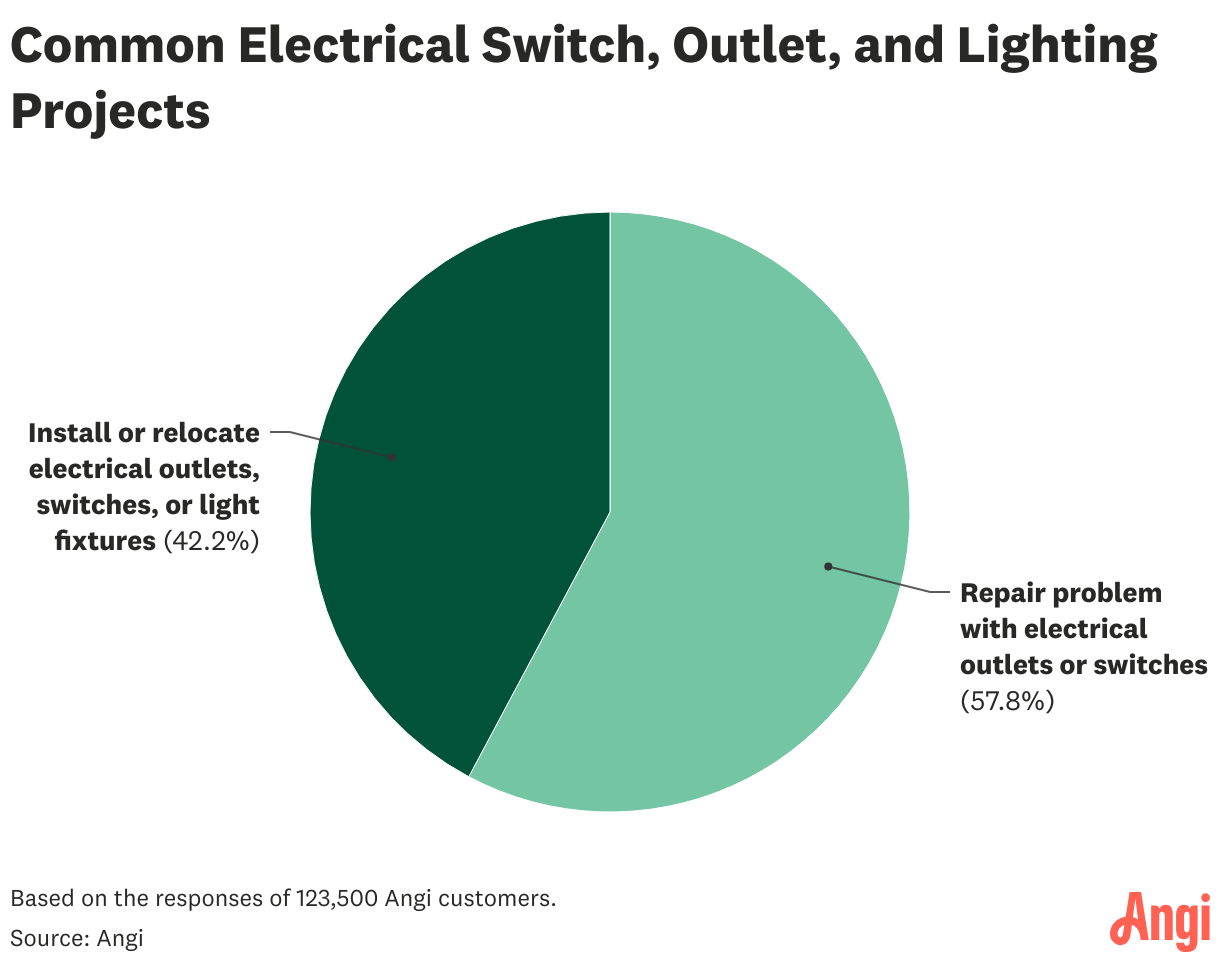
According to data from Angi customers, 57.8% of electrical projects are repairs-based, while 42.2% are for initial installations or relocations. If you have hot outlets or you’ve experienced electrical shock when plugging in or unplugging items, call an electrician. Also call a professional for any electrical projects you’re thinking about.
Consider these additional costs for specific outlet situations.
Drywall repairs: $300–$900
Electrical permits: $50–$100
New wiring: $100–$1,000
Electrical outlets may look simple, but installation involves wiring, grounding, and compliance with building codes. DIY can save on labor costs, but mistakes risk electrocution, fire hazards, or voided insurance coverage. Hiring a licensed electrician near you ensures safe, code‑compliant work and peace of mind.
If you want safe, reliable results without risking your home’s electrical system, a professional offers clear advantages:
Licensed electricians understand local building codes and ensure installations pass inspection.
Pros safely handle wiring, grounding, and circuit load calculations to prevent overloads or fire hazards.
They bring specialized tools and testing equipment to verify proper voltage and safe operation.
Hiring a professional reduces liability and often includes warranties on both labor and parts.
Electricians can recommend outlet upgrades (GFCI, AFCI, USB, smart outlets) that DIYers might overlook.
For homeowners with basic skills, only very simple tasks are achievable without a professional:
Replace outlet covers or switch plates to update their look
Reset breakers or replace fuses if circuits trip
Use surge protectors or smart plugs to add features without rewiring
Test outlets with a voltage tester to verify power, but leave wiring modifications to a licensed professional
Hiring a professional is typically necessary for a new outlet, but there are still several ways you can cut down your costs.
Choose an ideal location: You can use a stud finder to check for studs and wiring or other obstructions in your walls, and narrow down exactly where you want the outlet to go.
Complete outlet installation early: Arrange for outlet upgrades and wiring installation in the early stages of a home renovation, ahead of adding insulation and drywall.
Use energy-saving features: Smart outlets have a high initial cost, but their ability to schedule turn-offs and measure electricity can help you save money.
Shop for faceplates: If you want a specific faceplate style or material, finding a discount online could save some of your budget.
Ask the electrician how they will ensure the outlet installation meets local building codes and inspection requirements.
Confirm that the outlet is grounded correctly and matched to the circuit load to prevent overloads.
Discuss options for specialty outlets such as GFCI, AFCI, USB, or smart outlets, depending on your needs.
Request clarity on the cost breakdown, timeline, and warranty coverage for both labor and materials.
Home is the most important place on earth, which is why Angi has helped more than 150 million homeowners transform their houses into homes they adore. To help homeowners with their next project, Angi provides readers with the most accurate cost data and upholds strict editorial standards. We extensively research project costs to develop the pricing data you see, so you can make the best decisions for you and your home. We rely on reputable sources, including the U.S. Bureau of Labor Statistics, academic journals, market studies, and interviews with industry experts—all to ensure our prices reflect real-world projects.
Want to help us improve our cost data? Send us a recent project quote to [email protected]. Quotes and personal information will not be shared publicly.
From average costs to expert advice, get all the answers you need to get your job done.
How much does it cost to add an electrical outlet in Dallas? Learn average prices, permit requirements, and factors that influence costs in the Dallas area.
Installing a new electrical box in Dallas is a significant home renovation that requires a licensed electrician. Here’s what to expect about the cost of a replacement.

Wondering how much rewiring a house costs in Dallas? Learn average prices, material costs, and key factors that affect your budget.

Learn how to install a coax outlet to save money and clean up the tangle of wires in your entertainment room or living room.

When installing a new 200-amp service panel, the right wire size is critical to ensuring sufficient amperage.

Flickering lights and breaker trips can be a sign that it’s time to replace a circuit breaker. Find out the cost, safety tips, and how to replace a circuit breaker.