
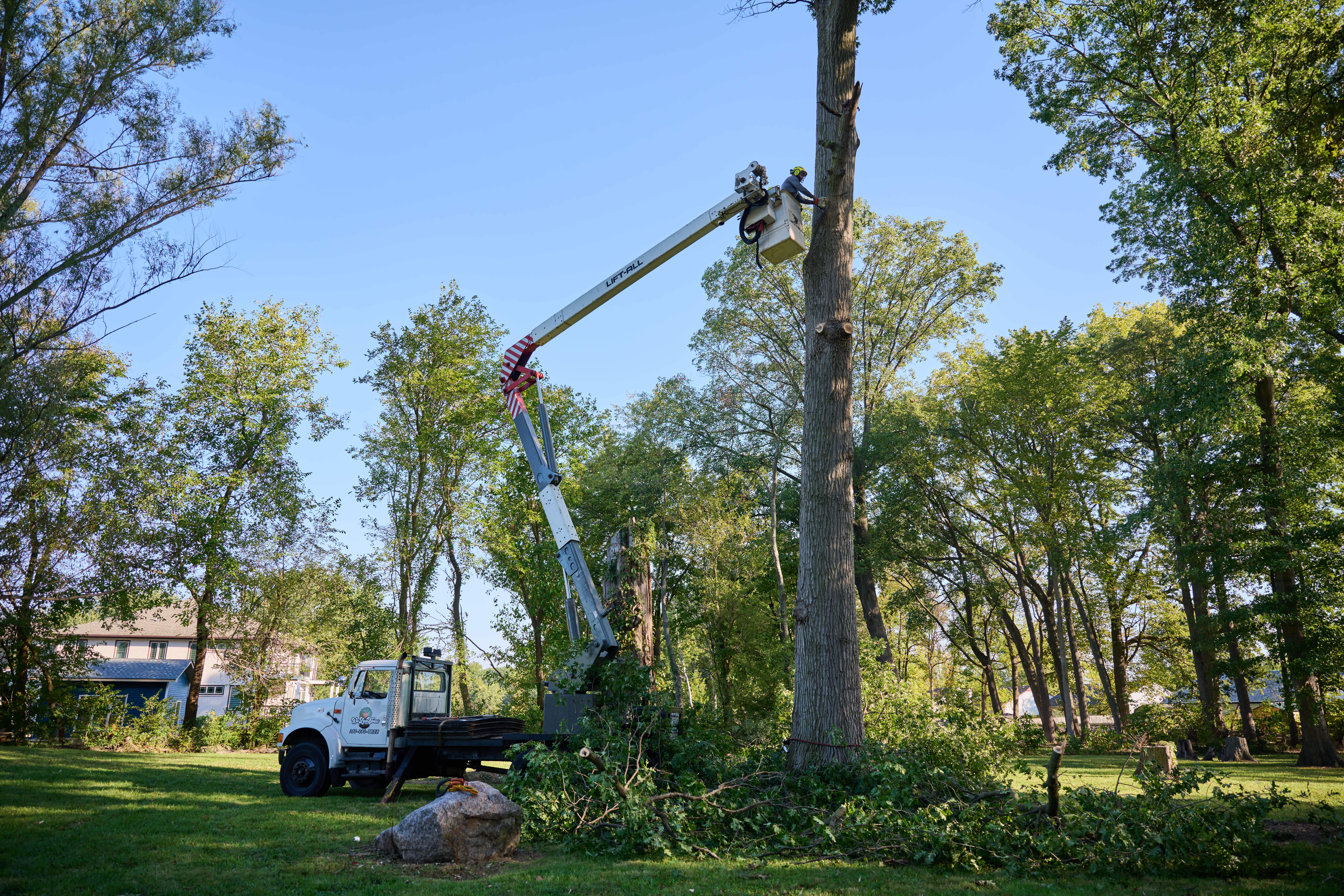
The most significant factor in tree removal costs is the amount of debris. Read on to learn more about the average tree debris removal costs in Baltimore, MD.
Tree service costs depend on your project and location. Check with a local pro for your specific job.

Tree trimming costs in Washington, DC, range from $85 to $1,960, depending primarily on tree size.
Tree species, overall health, accessibility, and proximity to buildings or utility lines can significantly affect pricing for Washington, DC, homeowners.
Budget for add-ons such as pest treatment, which can add $55 to $270 to your total cost.
Hiring a local tree trimming professional in Washington, DC, helps prevent injuries, protects your property, and ensures proper tree care.
Washington, DC, is known for its historic neighborhoods, mature tree canopy, and densely developed residential areas. From large shade trees in Northwest DC to ornamental plantings throughout Capitol Hill and other urban neighborhoods, regular trimming helps maintain tree health, improve safety, and reduce the risk of storm-related damage. Understanding the tree trimming cost in Washington, DC, can help homeowners budget for both routine maintenance and more complex projects.
On average, tree trimming costs $501, with most Washington, DC, homeowners spending between $294 and $1,960. Final pricing depends on factors such as tree size, species, accessibility, and overall condition. Local permitting requirements, limited work space on urban lots, and proximity to homes, power lines, or public sidewalks can also influence the total cost of tree care services.
Several factors affect tree trimming costs in Washington, DC, including tree size, species, overall health, accessibility, the number of trees being serviced, and even the time of year the work is performed. Understanding how these variables influence pricing—and reviewing the pros and cons of hiring a tree service—can help you make informed decisions and budget more accurately for your project.

The size of the tree affects the cost of trimming for a few reasons. On a basic level, there is usually more to trim on larger trees. In addition, very tall trees may require a skilled climber if a budget-friendly bucket truck won’t reach the top.
| Tree Size (Ft.) | Average Cost |
|---|---|
| Under 25 | $85–$380 |
| 25–50 | $165–$870 |
| Over 50 | $325–$1,960 |
The tree experts in your area should have experience with the species commonly found in your region. Here are the cost ranges for several common types of trees:
| Tree Type | Average Cost |
|---|---|
| Pine | $220–$1,960 |
| Maple | $110–$1,635 |
| Oak | $195–$1,635 |
| Cypress | $165–$1,305 |
| Crepe myrtle | $85–$435 |
If you have a protected tree on your property, you may need approval from local authorities before trimming or removing it. In Washington, DC, certain Heritage Trees and Special Trees are protected under the city's Urban Forest Preservation Act, and permits may be required before significant pruning, removal, or other work can take place.
Trees are susceptible to weather-related damage as well as health issues specific to their species and your region, such as fungal disease, cracks, insect damage, and weak roots. All of these problems can increase the price and length of a tree trimming job.
For example, tree pest control can add between $55 and $270 to the cost of tree trimming.
The most common time to trim a tree is toward the end of winter before early spring. Understanding the difference between tree pruning vs. trimming can also help you determine the right service for your trees. At this time, it’s easier for professionals to identify the best branches to trim without leaves hiding the branches.
It’s also generally better to trim trees when they’re dormant so that, come spring, they’re ready to flourish. Tree trimming during peak season, however, may cost hundreds of dollars more than trimming during the off-season, so keep this in mind as you plan your project.
Does the tree that needs trimming sit right up against your house? Is it entangled with other trees? How close is it to utility lines? How accessible a tree is for trimming will sway the cost, especially if specialized equipment is needed.
If your tree’s branches are impeding local power lines, it’s a good idea to call your local utility company for advice. Some companies will even trim or cut down your tree for free if it's in everyone's best interest.
Since they’re already going to be at your property with all their equipment, contractors will often offer you a discount if you get several trees trimmed at the same time. On average, the savings can reach $110 per tree.
The cost of hiring a tree trimming pro in Washington, DC, includes more than just the trimming itself. Labor, permits, licensing, insurance, certification requirements, and applicable sales taxes can all contribute to your final project cost.
Tree-trimming labor in Washington, DC, is often quoted per tree rather than as a standalone hourly rate. When hourly pricing is used, certified arborists and tree crews charge $30 to $90 per worker per hour, with higher rates for large trees, difficult access, or work near structures and utility lines.
Routine tree trimming on private property generally doesn't require a permit in Washington, DC. However, work involving protected Special Trees, Heritage Trees, or trees located in public space may require approval from the District, and permit requirements can affect project timelines and costs.
Washington, DC, homeowners should hire tree care companies that carry liability insurance and workers' compensation coverage. For complex pruning projects, many homeowners also seek contractors with credentials from the International Society of Arboriculture (ISA), which can increase pricing but provides additional expertise and safety assurances.
Washington, DC, imposes a 6% sales tax. Depending on how a contractor structures its invoice, sales tax may apply to certain materials, equipment rentals, or other taxable charges associated with the project.
Additional professionals can help protect your trees, improve your landscape's appearance, and address issues discovered during a tree trimming project.
Arborist: If you're considering hiring an arborist, expect to pay $110 to $165 per hour in Washington, DC. Arborists assess tree health, diagnose diseases and pest infestations, evaluate storm damage, recommend pruning plans, and help homeowners navigate local tree preservation requirements.
Landscape Designer: If you're considering hiring a landscape designer, expect to pay $55 to $165 per hour in Washington, DC, with design plans often costing $550 to $6,500 or more. Landscape designers create planting plans, improve drainage, redesign outdoor spaces, and recommend tree placements that support long-term landscape health and aesthetics.
In Washington, DC, mature trees are a defining feature of many neighborhoods, making proper maintenance an important part of preserving property value. Understanding tree pruning and trimming benefits can help homeowners protect curb appeal, improve tree health, and reduce the risk of damaged or hazardous limbs that may detract from a property's appearance.
While tree trimming doesn't guarantee a specific increase in home value, professional tree care can deliver an estimated 90% return on investment (ROI), while landscape improvement projects can recover approximately 100% of their cost at resale. Regular pruning helps preserve established trees that provide shade, visual appeal, and environmental benefits, all of which can make a home more attractive to prospective buyers. For homeowners preparing to sell in Washington, DC, tree trimming is often one of the more cost-effective ways to improve a property's overall presentation.
To help homeowners plan their next project, Angi provides readers with carefully researched cost data and upholds strict editorial standards. We start with national average project costs, which we collect by analyzing competitor information, retailer material costs, and input from professional contractors. We then apply local price index data to calculate location-specific estimates that reflect what homeowners typically pay in their local area. To do that, we use data from the U.S. Bureau of Economic Analysis (BEA), including its Regional Price Parities (RPPs), which measure price differences across cities. This helps us account for differences in labor, materials, and overall cost of living, so estimates in higher- or lower-cost areas better reflect real-world local pricing.
Every estimate undergoes a thorough editorial review to verify accuracy, consistency, and alignment with observed market conditions.
Want to help us improve our cost data? Send us a recent project quote to [email protected]. Quotes and personal information will not be shared publicly.
I used Milton's to remove a tree from my backyard and grind the stump. The crew arrived on time, was careful doing their work, and cleaned up afterward. I thought the price was very far and the service was excellent. I highly recommend Milton's.
 Milton's Tree Care MD
Carlos came over the same day, we discussed options. His staff came the next day and trimmed and thinned both trees. They cleaned up all the branches and sawdust in the area. We were very satisfied with their service!
 Beautiful Country Tree Services, Inc.
He did a professional job of removing my tree and then planting a new shrub. I took everything away and mulched around the new plant. Perfect job at a reasonable price. I highly recommend this service!
 New Age Tree Services LLC
Hired Carlos and District Landscaping for tree trimming, weeding, and mulching of our front yard and they did a great job! Responsive over text and phone too.
 District Landscaping
We hired Takoma Tree Svc to cut up and remove a large tree that had fallen during a windstorm. Bill Marvil kept in touch with us while coordinating the day and time, parking arrangements, etc. His crew worked quickly and knew exactly what they were doing, very professional. I learned about...
They offered great suggestions for trees and plants to improve the landscaping. They were easy to communicate with and responsive. The work was done quickly and efficiently and it looked amazing! I would definitely hire them again!
 Laser Cut Property Services DMV, LLC
I was very pleased with the job done by JL Tree Removal Service. They were very professional, reasonable in price, arrived on time, and completed the job in about five hours, including removing the stump and overall clean up. I would definitely recommend them to anyone needing tree removal....
Working with Tree Maintenance LLC was a breeze from start to finish. Hugo (the owner and project manager) was easy to reach, always answered my questions, and was never pushy. The team on removal day was professional, friendly, efficient and hard-working. They did a great job. I will use them...
 Tree Maintenance Co LLC
Great, fast tree removal service.
 Willys Tree Service
Tim was incredibly professional and they did such an amazing job taking a tree out in a tricky, somewhat confining alley. Tim sent me all of his credentials along with the detailed contract. He was very responsive, flexible and accomodating. They did the work so fast and left the space...
 Caliber Tree Services
From average costs to expert advice, get all the answers you need to get your job done.
The most significant factor in tree removal costs is the amount of debris. Read on to learn more about the average tree debris removal costs in Baltimore, MD.
The most significant factor in tree removal costs is the amount of debris. Read on to learn more about the average tree debris removal costs in Washington, D.C.

Discover what average tree removal costs in Washington, DC based on different factors to know how much it will cost to take care of a dead or troublesome tree on your property.
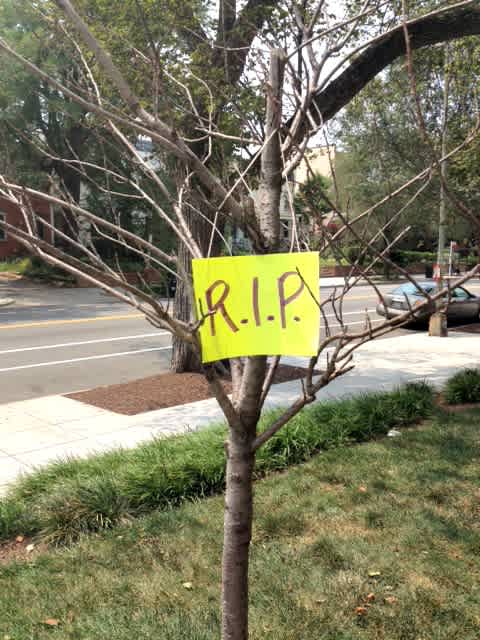
Tree removal in Washington, D.C., can be an expensive service, with tree cutting costs varying based on size and location. Here's what you can expect to pay.
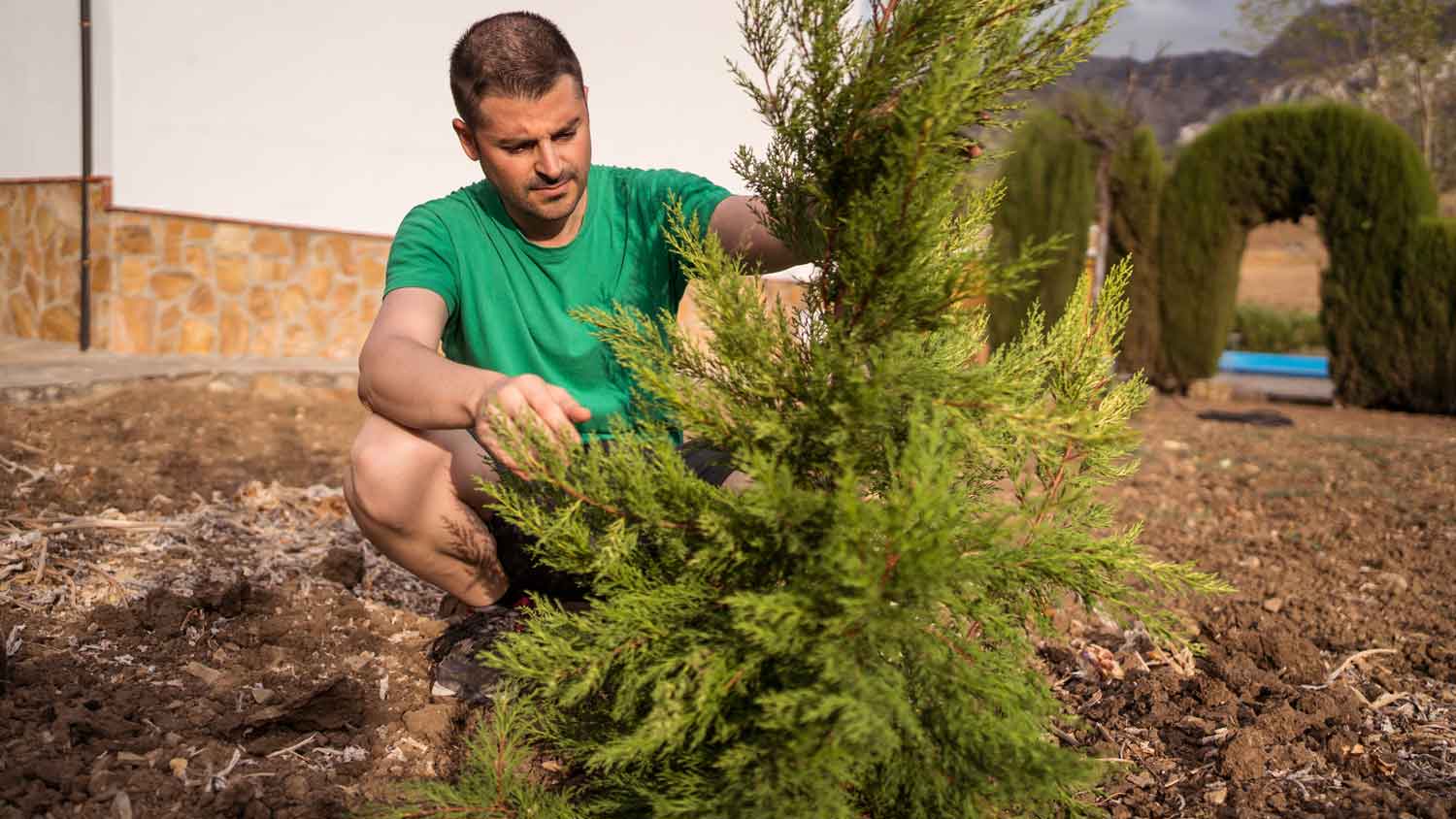
Wondering who to hire to plant trees? Learn everything you need to know about the hiring process for professional tree planting in this informative guide.
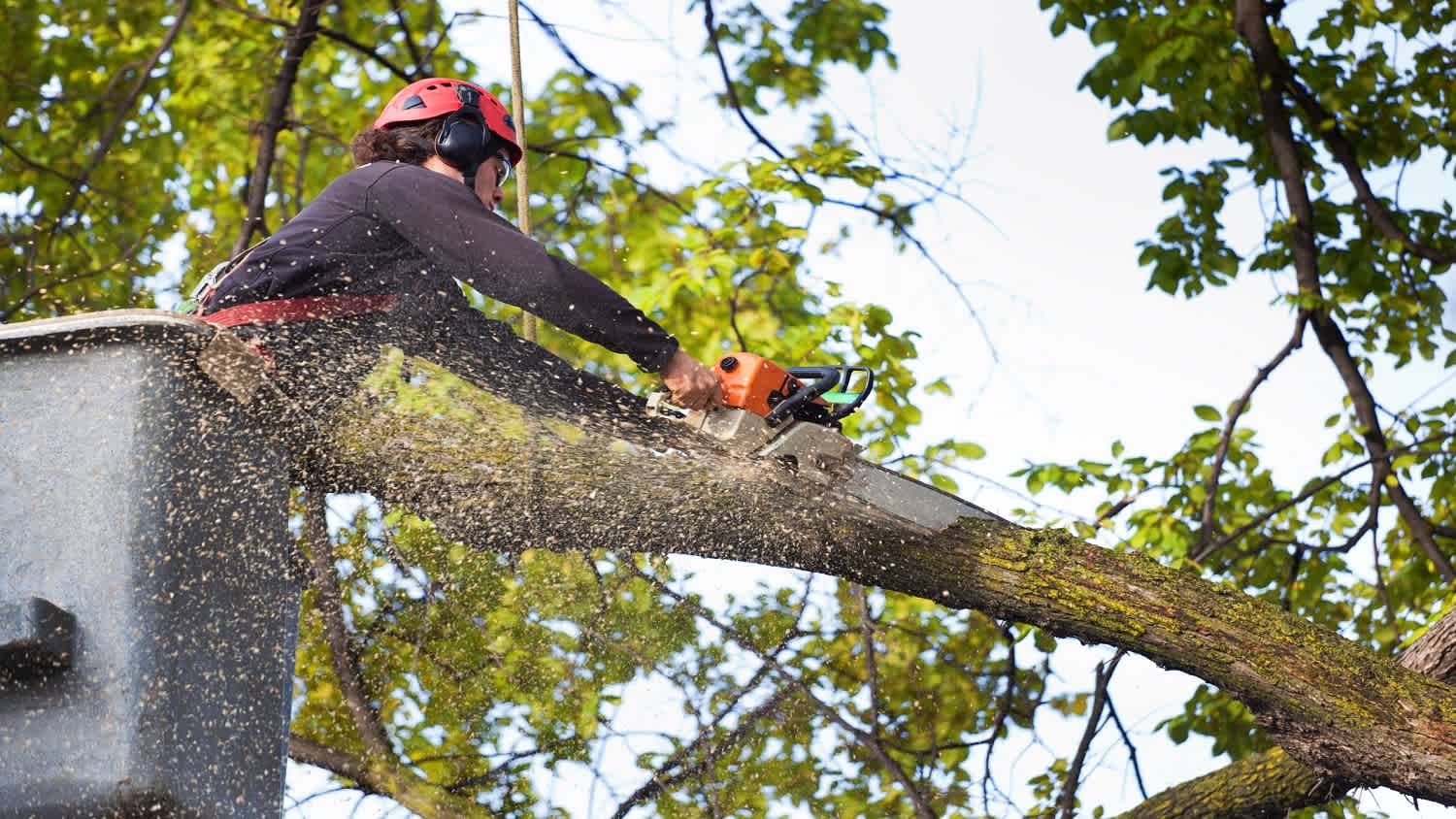
You suspect that the leaning oak tree in the back needs to come down, but can you just handle it yourself? Here are the pros and cons of calling a tree service.