
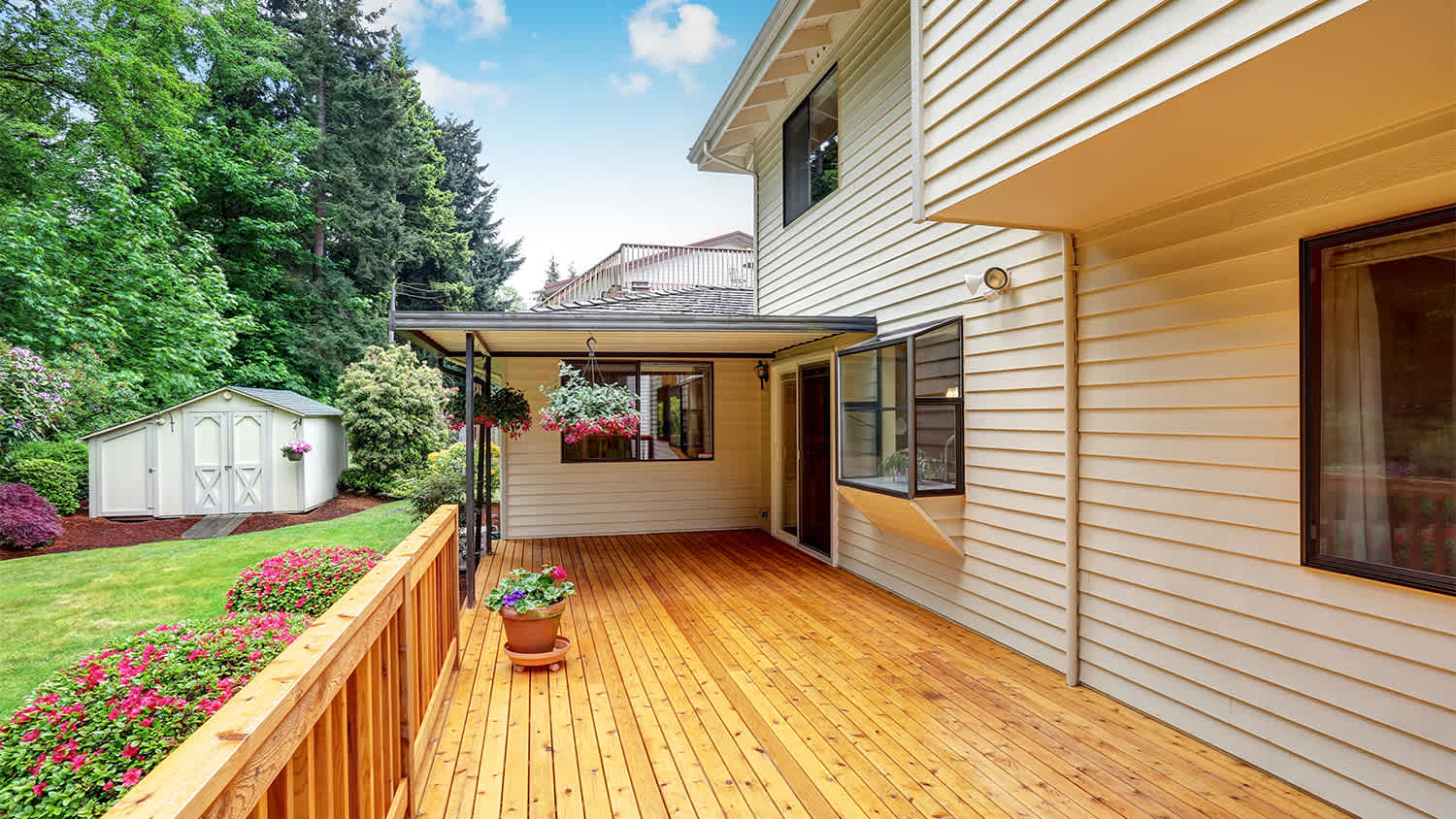
Deck repair costs depend on materials, damage you need to fix, and more. See how much it costs to replace or repair a deck in San Francisco, CA.
Deck and porch service costs depend on your project and location. Check with a local pro for your specific job.

Coastal air and fog often lead homeowners to choose composite decking, which costs $19 to $36 per square foot, over cheaper wood alternatives.
Framing costs in San Francisco range from $15 to $19 per square foot, ensuring decks remain stable and secure.
Add-ons will increase your costs; for instance, an outdoor fireplace ranges from $2,430 to $12,960.
A quality deck can deliver an 83% return on investment, enhancing the resale value of your San Francisco home.
When Karl the Fog takes a day off, locals start daydreaming about decks faster than you can say “Dolores Park picnic.” Turning that fantasy into reality costs $13,395 on average, with most deck projects in San Francisco, CA, ranging between $6,879 and $19,912.
In a city where even the pigeons appreciate a good view, a deck isn’t just a luxury; it’s a lifestyle. Expect higher costs if your yard sits on a hill—and let’s be honest, it probably does—or if you’re adding multi-level designs and built-in seating.

Building a deck in San Francisco, CA, is rarely a flat-out project. From the steep slopes of Twin Peaks to the tiny backyards in the Mission, every square foot of land has its quirks. That means extra structural work, creative designs, and sometimes a few city permits that take longer than your latte order at Blue Bottle. You’ll also need extra support structures to keep things steady when the ground decides to do a little Bay Area shimmy.
Local weather adds its own twist. The salty breeze rolling in from Ocean Beach and the constant dampness of Inner Sunset can wear down cheaper woods, so many homeowners invest in highly resistant decking materials that can handle the elements. Finally, extras like built-in benches, cozy lighting, or planters can turn even the smallest deck into a San Francisco treat.
Most new decks cost $49 to $97 per square foot. The higher end of that range represents deck projects built on second stories, building a deck with high-end wood, or customized designs. See the table below for general estimates based on the size of your deck:
| Deck Size in Feet | Average Cost in San Francisco, CA |
|---|---|
| 10x10 | $6,480–$9,720 |
| 10x12 | $5,832–$11,664 |
| 12x12 | $9,331–$13,997 |
| 12x16 | $8,748–$17,496 |
| 12x20 | $15,552–$23,328 |
| 14x20 | $18,144–$27,216 |
| 12x24 | $18,662–$27,994 |
| 16x20 | $20,736–$31,104 |
| 20x20 | $25,920–$38,880 |
Your chosen deck material will make up a large portion of your total budget, ranging from $3 to $73 per square foot. Less-expensive materials can be tempting, but they may result in extra expenses for maintenance and repair, which you’ll need to hire a local deck contractor to handle.
Here’s a breakdown of the materials and their costs:
Pressure-treated wood costs $3 to $8 per square foot
Composite deck materials cost $19 to $36 per square foot
Ipe wood decking costs $16 to $32 per square foot
Tigerwood costs about $11 to $24 per square foot
Mahogany costs $13 to $18 per square foot
Redwood decking costs $8 to $57 per square foot
Bamboo decking costs $5 to $16 per square foot
Cedar decking costs $5 to $11 per square foot
Metal or aluminum decking costs $24 to $32 per square foot
| Decking Material | Pros in San Francisco, CA | Cons in San Francisco, CA |
|---|---|---|
| Pressure-treated wood | Resists rot; budget pick | Warps in coastal dampness |
| Composite decking | Handles salt air well | Can fade in intense sun |
| Ipe wood | Long-lasting; dense grain | Pricey; hard to cut |
| Tigerwood | Durable in salty air | Color fades in fog and sunlight |
| Mahogany | Stable in temp swings | Needs frequent sealing |
| Redwood | Naturally rot-resistant | Soft; dents in humidity |
| Bamboo | Eco-friendly | Swells in sea moisture |
| Cedar | Insect- and rot-resistant | Warps in heavy fog |
| Aluminum/metal | Won’t rot or fade | Slick when wet, noisy |
Simply put, the more complex your deck build is, the more it will cost. Types of decks like wraparound, multi-tier, and rooftop decks require greater accessibility, additional prep work, and often more materials.
For example, if you want to build a floating deck, it will likely cost about $32 to $97 per square foot.These decks don’t actually float—they’re just not attached to your home. Because of this, they’ll need a few more support posts to keep them structurally sound.

The type of deck you build will likely go hand in hand with where it’s installed. A second-story deck (which some contractors might deem a balcony) costs more to build because it’s harder to install. The most common place to install a deck, which is also likely the most cost-effective, is on the first floor attached to the backside of your home.
Here’s one example of how the cost average might differ:
10x10 first-story deck: $1,620–$3,240
10x10 second-story deck: $6,480–$8,100
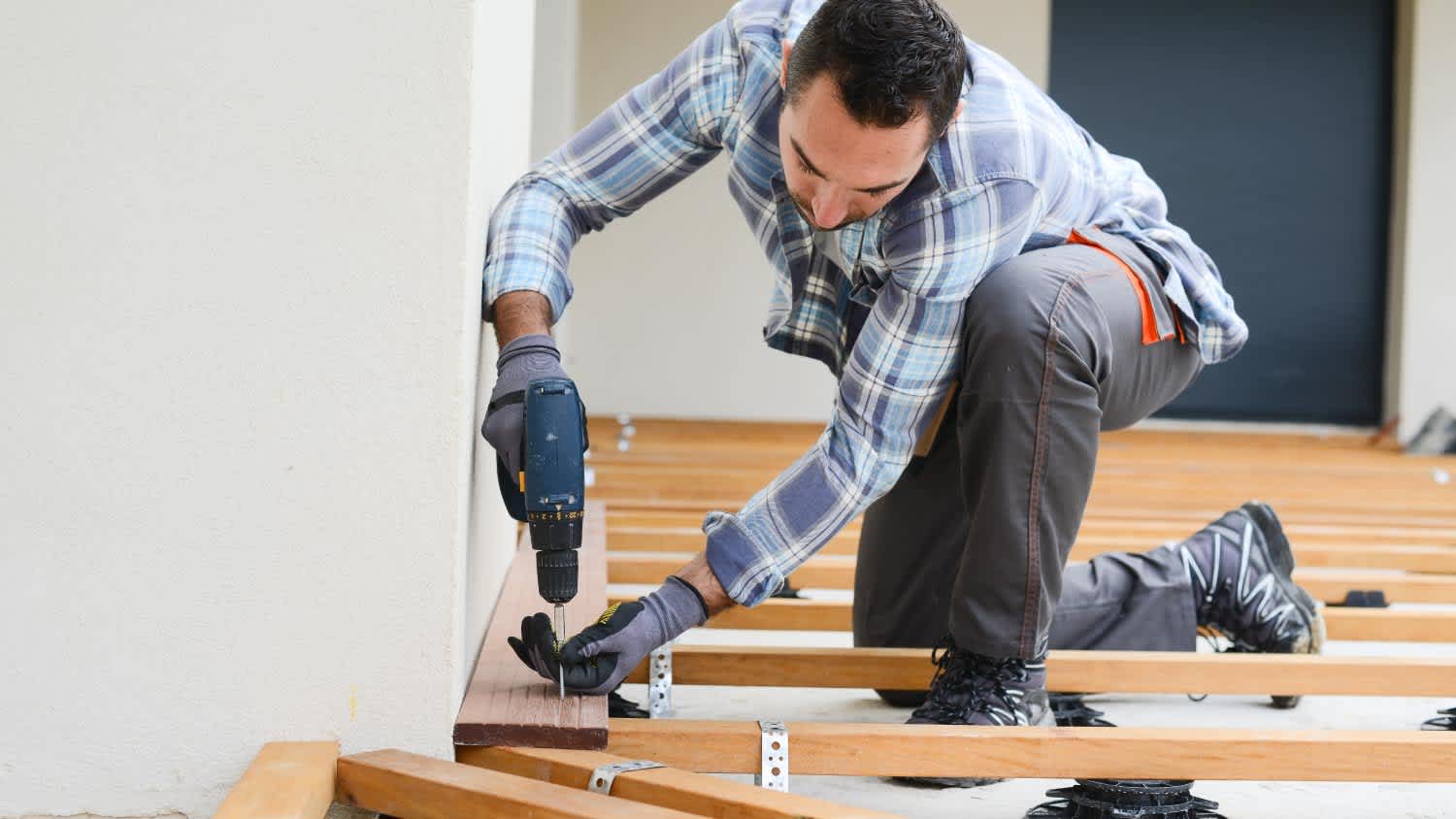
Framing a deck, which ensures the unit's joints are structurally safe and sound, costs $15 to $19 per square foot for labor.The lumber or materials needed to frame your deck account for about one-third of the lumber you’ll need.
Some homeowners choose to install flooring over a wood deck. Composite is a good material option, while more elegant choices like porcelain or ceramic could add thousands (or tens of thousands, depending on the deck’s size) to your price tag. The average cost ranges from $32 to $73 per square foot. depending on the material.
Here are some other costs you might incur if you upgrade from a simple deck build:
Staircase cost:$41–$81 per stair
Electricity cost: $211–$486 per outdoor outlet
Outdoor lighting fixtures cost: $81–$810
Heaters cost: $162–$486
Outdoor misting system cost: $3,402–$5,508
Sofa, chairs, and table cost: $810+
Outdoor fireplace cost: $2,430–$12,960
Retractable deck awning cost: $972–$5,670
Building a deck is not a simple weekend project. It’s a full collaboration between your budget, the city, and very patient deck contractors in San Francisco. Between the steep hills, compact backyards, and strict codes, the City by the Bay keeps you on your toes.
Expect to pay more per hour than in most other cities. San Francisco’s cost of living is about 65% higher than the national average, and local labor rates reflect it. Skilled deck builders here charge more because they are not just carpenters; they are qualified professionals. They are problem solvers who know how to build on slopes, fit small spaces, and meet seismic standards.
Permits in San Francisco can move more slowly than traffic on the Bay Bridge at rush hour. That is part of the reality when building in a city full of hills, tight neighborhoods, and historic homes. Even small projects can take two months to over a year to approve.
If your deck is more than 30 inches off the ground or attached to your home, you’ll need both a Building Permit and a Planning Department review. These ensure your design is safe, structurally sound, and compliant with local codes. Your contractor will contact the San Francisco Department of Building Inspection (DBI) and prepare the necessary forms.
In a city that occasionally shakes, you want builders who know what they are doing. Any contractor taking on a job worth $500 or more must hold a valid California State Contractor’s License from the CSLB and a San Francisco Business Registration Certificate.
Hiring unlicensed labor might seem like a money-saver initially, but it can lead to unsafe construction and hefty fines. Unlicensed contractors risk criminal charges and even jail time, while homeowners who hire them can face serious legal and financial trouble.
In San Francisco, contractors pay the 8.625% sales tax on materials themselves, not the homeowner. The tax is included in their costs and is not listed as a separate line item on the invoice. Also, labor is not taxable in California.
Tipping deck builders is not mandatory, but it’s always appreciated. For exceptional work, many homeowners give $20 to $100 per crew member, depending on project size and service quality. If you prefer another way to show gratitude, leave a detailed review on Yelp, Angi, or Google. A referral to neighbors or friends is even better and can help a hardworking local crew stay busy.
Professional installation ensures that the deck is built to code, minimizing the risk of costly repairs or replacements due to structural issues, improper materials, or faulty construction techniques. Moreover, pros have access to industry discounts on materials and tools, which can reduce up front costs.

In San Francisco, a well-built deck is more than extra square footage; it’s an outdoor escape from Zoom calls and kitchen clutter. Homeowners can expect an ROI of up to 83%, adding roughly $5,864 to $16,929 in resale value.
The real payoff, though, goes beyond dollars. A deck built to local standards enhances safety with quake-ready framing and proper railings, boosts efficiency with durable, low-maintenance materials, and improves functionality by converting tight spaces into usable living areas.
Add a touch of universal design for easy access and a hint of San Francisco style, like sleek cable railings and cozy lighting, and you’ve got a feature that pays back in value and everyday joy.
Home is the most important place on earth, which is why Angi has helped more than 150 million homeowners transform their houses into homes they adore. To help homeowners with their next project, Angi provides readers with the most accurate cost data and upholds strict editorial standards. We survey real Angi customers about their project costs to develop the pricing data you see, so you can make the best decisions for you and your home. We pair this data with research from reputable sources, including the U.S. Bureau of Labor Statistics, academic journals, market studies, and interviews with industry experts—all to ensure our prices reflect real-world projects.
Want to help us improve our cost data? Send us a recent project quote to [email protected]. Quotes and personal information will not be shared publicly.
I am very happy that I engaged Platinum to finish the deck painting. They arrived on time and did an excellent job. I would not hesitate to hire them again for other jobs
 Platinum Painting & Upgrades
Rony and his team are amazing. My kitchen and bathroom were in bad shape. He promised that he would make them into something that would make me happy. He was right. He provided just the right amount of guidance in the choices of materials, and was very cognizant of the budget. I used them...
 RONY'S DREAM CONSTRUCTION
????? We recently hired Equinox Roofing to replace the Spanish tile roof on our home in the San Francisco area, and we couldn?t be happier with the experience. From start to finish, the communication was excellent. The entire process was straightforward, and they kept us informed every...
 Equinox Roofing Solutions, Inc.
Jose was very professional n knowledgeable with great insight for what we wanted Ended up with the most beautiful deck! We are so happy with the finished deck as well as all the effort Jose made to make it look n work for us and our liking Highly recommend!!
 SI PROS LLC
I recently had my roof replaced by Marina Bay Roofing, and I couldn?t be happier with the results! From start to finish, the team was professional, and highly skilled! my new roof looks fantastic and has greatly improved my home?s appearance and protection. They completed the job on time and...
 Marina Bay Roofing Inc
Newhaus Roofing replaced our old asphalt shingles with a beautiful slate roof, and it completely transformed our home! Their craftsmanship is unmatched, and the crew was punctual and professional. Highly recommend them for any roofing needs!
 NewHaus Roofing and Construction
I needed a custom railing to augment the height of a too-low pony wall style railing on a second-floor deck. I developed a design and sent it to Ariel at Great Metal Designs. He confirmed my measurements, presented options and sent me a very fair quote. He returned a couple of weeks later...
 Great Metal Design
Noah is fantastic! He really loves plants and knows so much about gardening. He helped me clear out my yard of weeds and invasive plants, move around existing plants and trees to better areas, and made recommendations of how things could be laid out better. I live in San Francisco and have...
Love their service... They worked tirelessly on our front porch.. thank you so much for your service...
Just had my outdoor kitchen and fire pit done with Samuel and his crew, my wife and I are happy. Samuel s team went above and beyond meeting our expectations and just in time for the warmer weather. Thanks for giving us the backyard we always wanted! We highly recommend B.H Developers
 B H Developers Inc.
From average costs to expert advice, get all the answers you need to get your job done.
Deck repair costs depend on materials, damage you need to fix, and more. See how much it costs to replace or repair a deck in San Francisco, CA.
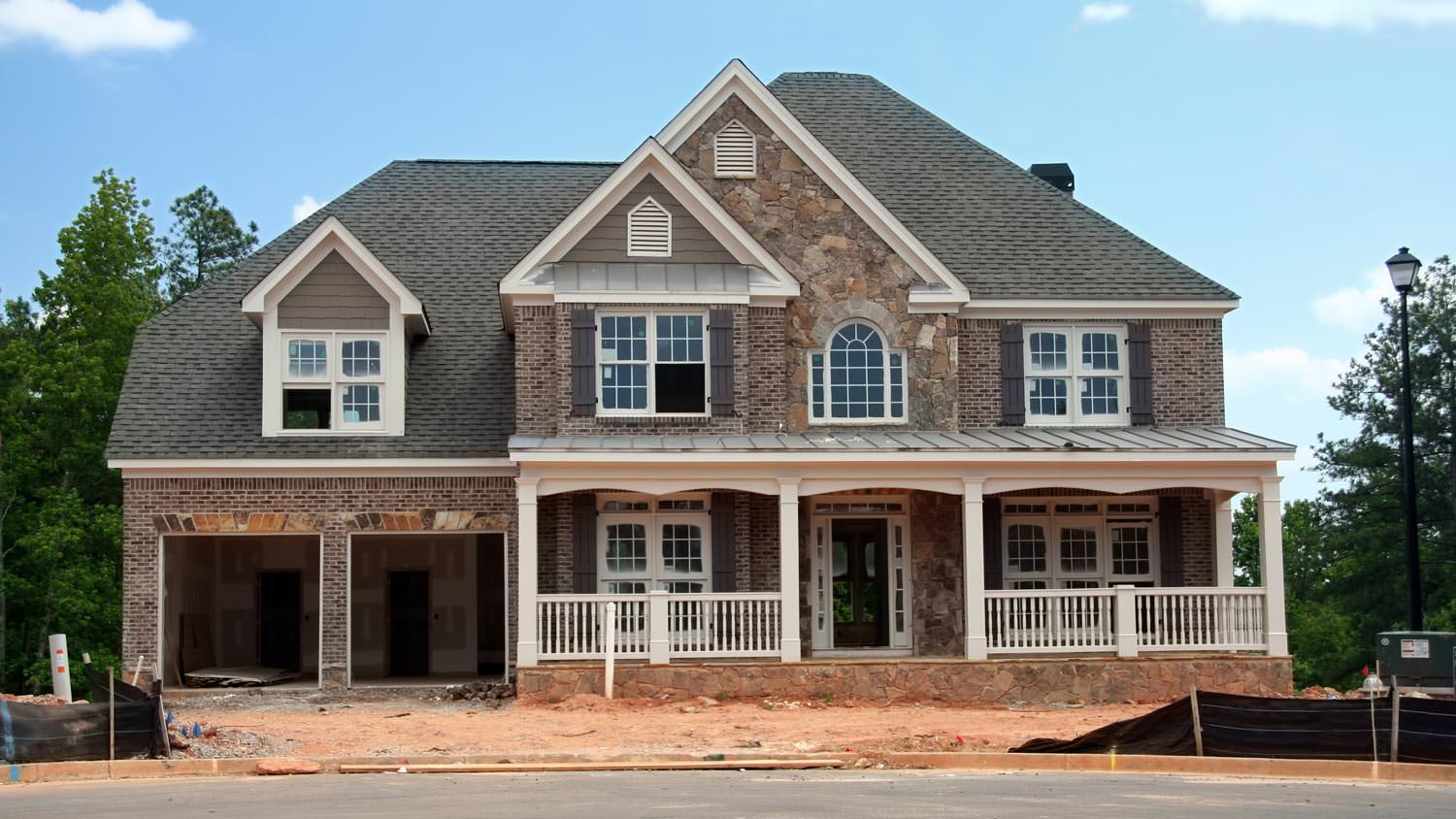
Wondering how much it costs to build a house in San Francisco, CA? Use this guide to cover all your bases, from permits and planning to construction and finishing touches.

Whether you're dreaming up a new office or a peaceful sunroom, home addition costs will shape your design. Learn how much a home addition costs in San Francisco, CA.
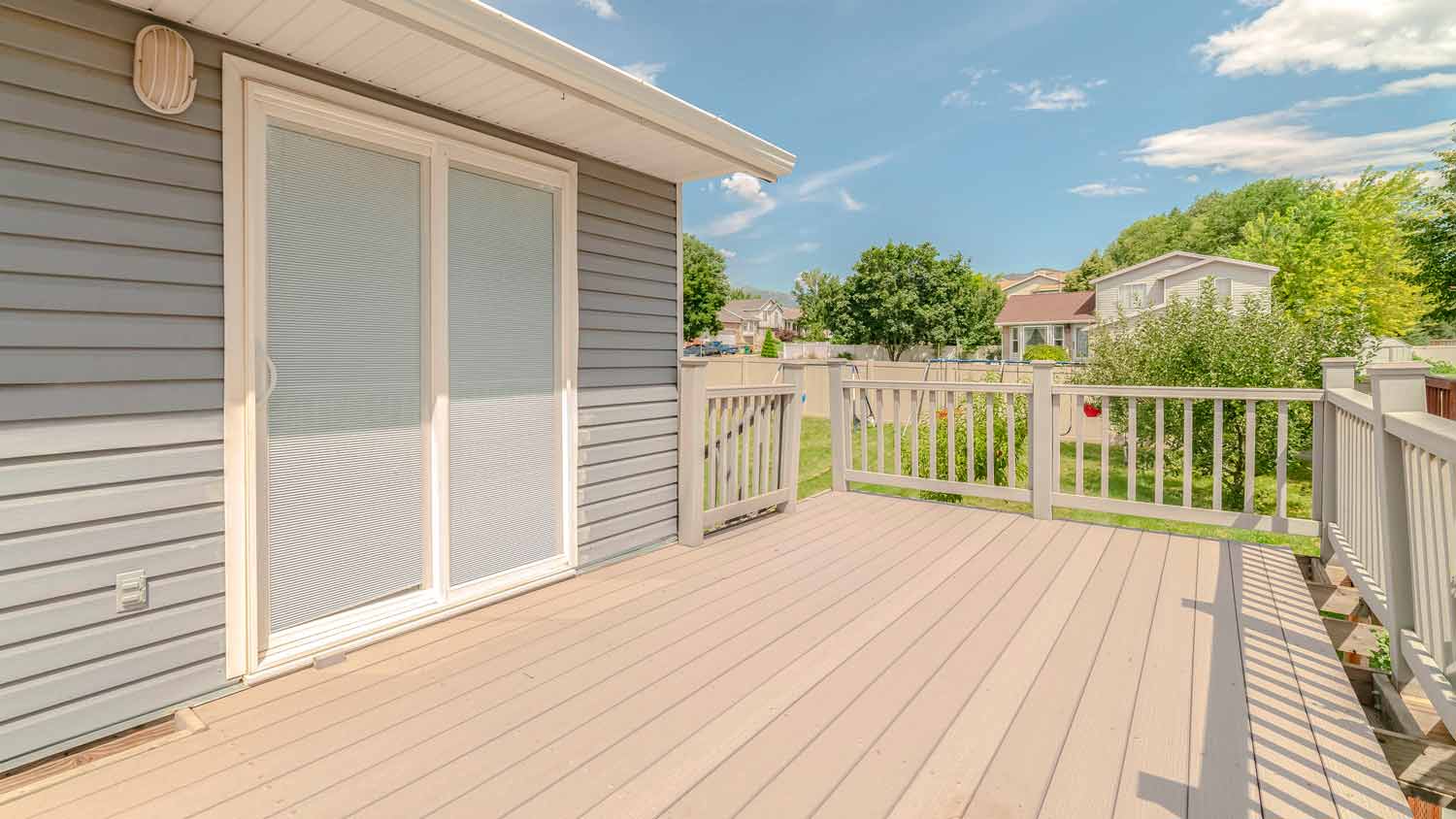
Building a deck expands your living space to the outdoors. Here’s a deck building materials list that lays out all the supplies you need to create the perfect deck.
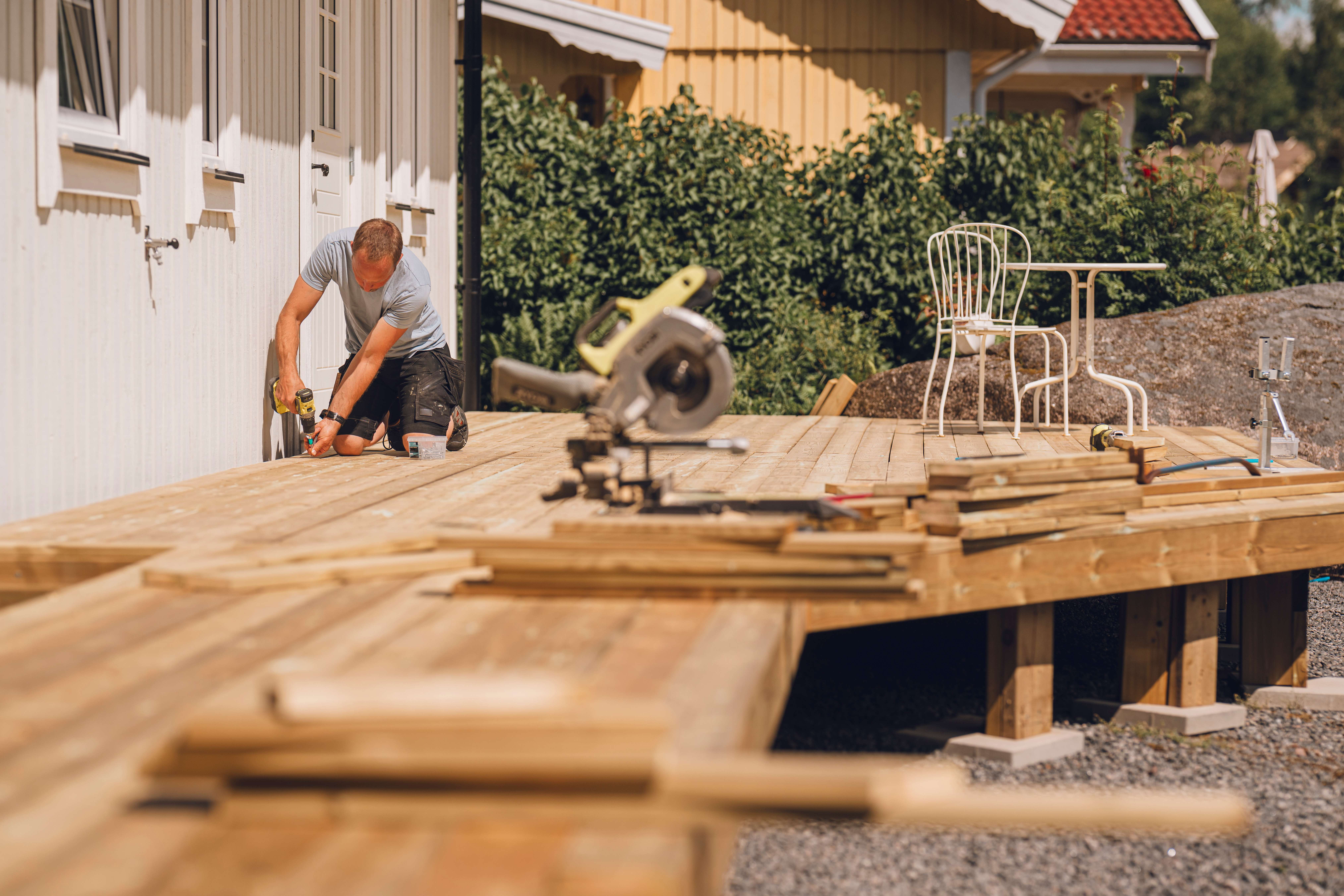
Save time and money by learning how to hire a deck-building pro who has the qualifications and skills to design and build your dream deck.
You may be wondering how to start a deck building business. Our guide outlines everything to know about starting your own deck building company.