

Under the sink, behind the tub, or through the walls—pipe replacement costs in Baltimore, MD for small projects run the gamut. Here's what to know.
Plumbing costs depend on your project and location. Check with a local pro for your specific job.

Most plumbers in Washington, DC charge between $55 to $180 per hour for labor.
CPVC and PEX are the most budget-friendly options for pipe material in Washington, DC, while copper piping costs considerably more due to higher material prices and installation complexity.
Major pipe replacement projects in Washington, DC require permits and inspections through the Department of Buildings, which can tack on additional fees.
With a housing stock of older row homes and historical properties alongside more modern constructions, plumbing pipe replacement in Washington, DC is a common project for homeowners. The average pipe replacement cost in Washington, DC ranges between $407 and $2,274, with most homeowners paying around $1,334, depending on factors like the size of the project, accessibility behind walls or floors, and the type of piping installed. Here’s a closer look at what you can expect to pay for pipe replacement in the nation’s capital.
Plumbing pipe replacement costs in Washington, DC come with several considerations. Whether you’re replacing polybutylene pipes, repairing a broken system, or installing new plumbing, these are the main factors that will impact your budget.
You’ll spend more on materials if you need to install a longer pipe—but there may also be some hidden costs. Longer pipes affect a larger portion of your floors, ceilings, or walls (think: drywall and floorboard replacement). You’ll have to pay more to repair these elements, in addition to the pipe installation cost.
Similarly, pipe diameter impacts price. Pipes with a larger diameter require more materials, so they cost more to install. Typically, large-diameter pipes drain waste rather than move water. That said, they can make your plumbing more efficient.
There are three main types of piping used in modern installations, each with its own cost range, advantages, and disadvantages.

| CPVC | PEX | Copper |
|---|---|---|
| Least expensive | Budget-friendly | Most expensive |
| Prone to leaks | Prone to freezing | Prone to freezing and corrosion |
| Corrosion-resistant | Corrosion- and leak-resistant | Recyclable and UV-resistant |
Chlorinated Polyvinyl Chloride (CPVC) piping, one of the most common types of PVC piping, costs about $0.50 to $3 per linear foot and is a rigid, non-corrosive option that can last 50 to 75 years. Comparing PVC pipes versus copper, PVC is more affordable but may be prone to leaks if improperly installed. Polyethylene (PEX) Piping ranges from $0.40 to $4 per linear foot and is a flexible, corrosion-resistant material ideal for repairs or full repiping. It lasts 80 to 100 years, but must be properly insulated to prevent freezing and may not work with every existing system.
Copper piping costs $2 to $12 per linear foot for materials and typically has higher installation costs. When it comes to CPVC or pex pipes versus copper pipes, copper is the most expensive, but it’s durable, code-approved, recyclable, and UV- and bacteria-resistant. Copper can corrode or freeze in certain conditions and often lasts 50 to 100 years.
Per Washington, DC law, hiring a skilled, licensed professional who knows how plumbing works is mandatory for this project. In addition to a Washington, DC plumber’s hourly rate, there may be additional expenses to cover things like permits, inspections, and more. These are the main factors that will impact the labor charges on your bill.
A local Washington, DC plumber will typically charge anywhere between $55 to $180 per hour, which will comprise a large part of your budget. Older homes, tight utility spaces, and whole-home repiping projects can increase labor hours and push costs toward the higher end of this range.
All plumbers in Washington, DC must be licensed by the DC Board of Industrial Trades through the DC Department of Licensing and Consumer Protection (DLCP). You can verify licenses via the DLCP public license search tool. Reputable plumbers should also be able to provide proof of liability and worker’s comp insurance, if they have employees.
Changing or installing new plumbing pipes in Washington, DC requires permitting through the Department of Buildings (DOB). Fees vary by the project, and these may or may not be accounted for in your initial estimate.
Contractors in Washington, DC also need to factor in the district’s sales and use tax of 6% on materials, as well as permitting costs and general operating expenses. These costs are usually included in your contractor’s estimate and may influence the final price of your pipe replacement project.
While Washington, DC homebuyers may not instantly notice new plumbing the way they would a renovated kitchen, aging or damaged pipes can quickly become a major concern during inspections. Many homes in DC, especially its Federal row houses and historic properties, still contain older plumbing systems with outdated materials prone to corrosion, leaks, and other damage. If a buyer’s home inspector identifies outdated or failing pipes, there is a high likelihood of requests for repair credits, a lower purchase price, or delayed closing—all of which will impact your bottom line when selling your home.
In addition, failing plumbing can also lead to costly problems like water damage, mold growth, and structural issues in older homes. Replacing worn or outdated pipes before you list (and generally as soon as possible) can help prevent these complications, helping protect your asking price and giving prospective buyers the confidence to close the deal with minimal pushback.
Home is the most important place on earth, which is why Angi has helped more than 150 million homeowners transform their houses into homes they adore. To help homeowners with their next project, Angi provides readers with the most accurate cost data and upholds strict editorial standards. We survey real Angi customers about their project costs to develop the pricing data you see, so you can make the best decisions for you and your home. We pair this data with research from reputable sources, including the U.S. Bureau of Labor Statistics, academic journals, market studies, and interviews with industry experts—all to ensure our prices reflect real-world projects.
Want to help us improve our cost data? Send us a recent project quote to [email protected]. Quotes and personal information will not be shared publicly.
This plumbing company has worked for us for 30+ years doing all the plumbing piping & fixtures on both total renovation of houses and small apartment buildings as well as on new townhouse projects. They also have done service call repair & replacement work on existing units that were...
 James George & Co, Inc.
Great experience with 365 Plumbing! They provided a cost-effective solution without compromising quality. Fantastic service.
J F plumbing was great!!! They were honest and up front about their pricing and they explained everything to me in ways I could understand. If I need a plumber again, I will definitely call them.
We use Mallick plumbing for our plumbing needs. Recently had them out to our house to fix some leaky toilets and descale our tankless water heater. Very professional services with excellent customer service.
 Mallick Plumbing & Heating
Provided very helpful information about the plumbing problem and options for repair.
 Home Service Doctors, LLC - Plumberologist
As a residential property manager, I have a constant need for a good and reliable plumber. MPR Plumbing Services LLR and owner Mike Rich fit the bill! I hired MPR for any and every kind of plumbing project you can imagine, and he always delivered. Most of my rental properties are 1930s...
Suma Plumbing was excellent. Mr. Mawai responded to my call immediately and came within an hour of my call. He snaked out the drainline and got everything working beatifully in record time. He was efficient and professional and very easy to work with. Thank you Suma Plumbing!
 Suma Plumbing and Drain Cleaning, LLC
Rob is the best! He really knows his stuff, gladly explains what is going on with the plumbing if asked, and offers options for different budgets. His prices are reasonable for the excellent work he does. He also coordinates well by e-mail in advance, arrives promptly, and cleans up...
 Eire Plumbing
The plumber worked quickly and efficiently to solve the plumbing issues in my home. The garbage disposal issue was a quick fix and the tub needed to be "snaked." In my opinion this was not cheap; however, it was less expensive than the first well-known plumbing company that told me they would...
 Kelly Plumbing & Heating
Thanks to 4Service Pros, and especially to Tyriece Walker, my plumbing issue was quickly and perfectly fixed. They are professional, friendly and really efficient. I can only recommend them.
 4 Service Pros
From average costs to expert advice, get all the answers you need to get your job done.
Under the sink, behind the tub, or through the walls—pipe replacement costs in Baltimore, MD for small projects run the gamut. Here's what to know.

Pipe leak repair costs depend on the location and severity of the leak, as well as the type of pipe being replaced. Use our guide to price out repair work in Washington, D.C.
Pipe leak repair costs depend on the location and severity of the leak, as well as the type of pipe being replaced. Use our guide to price out repair work in Baltimore, MD.
Need to know what sewer line replacement costs in Washington, D.C.? This guide will help you prepare to budget for sewer line replacement done by local contractors.
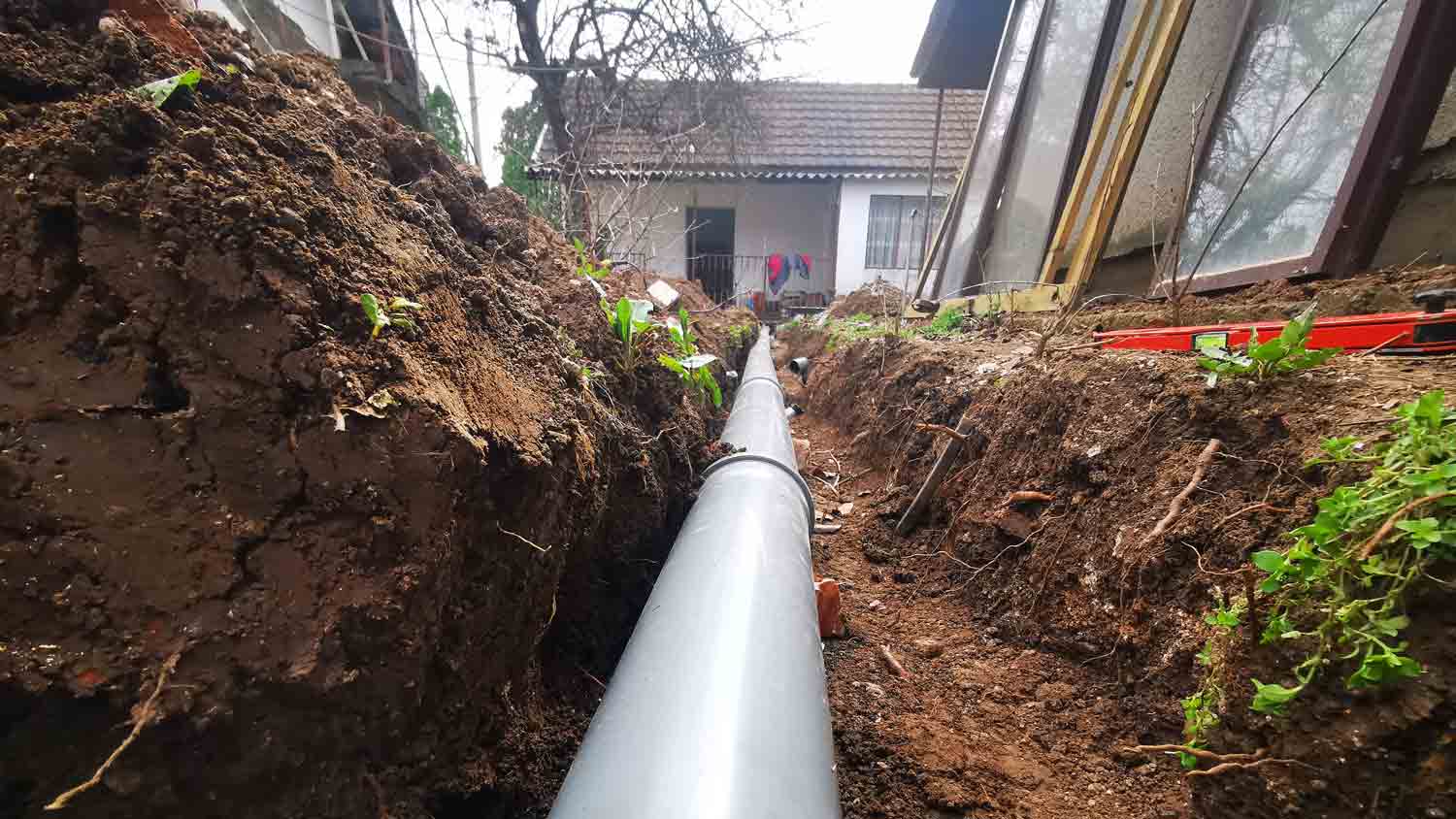
A home's primary water supply is crucial. Learn the factors that will affect your main water line replacement cost in Washington, D.C., to help you budget.
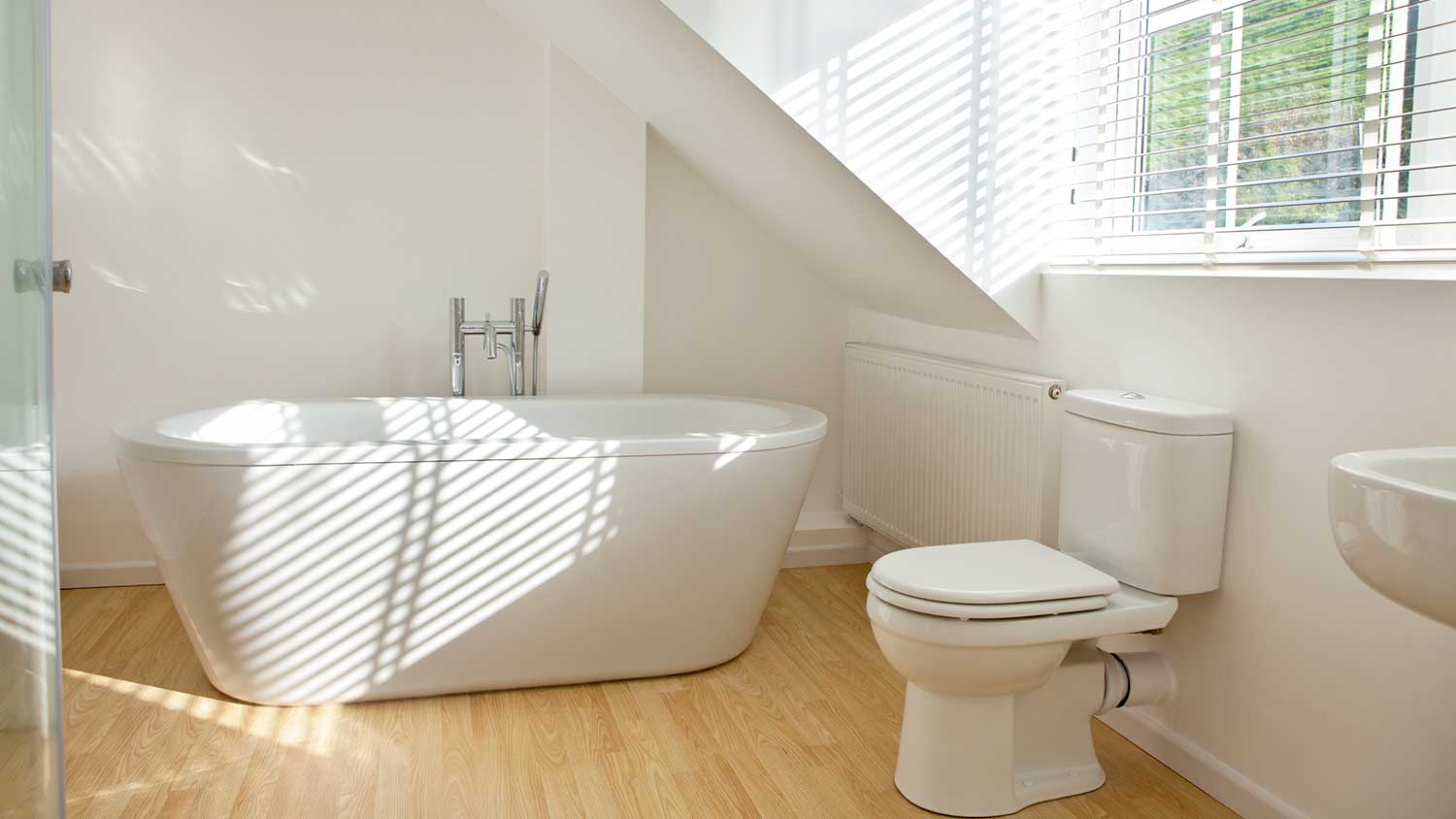
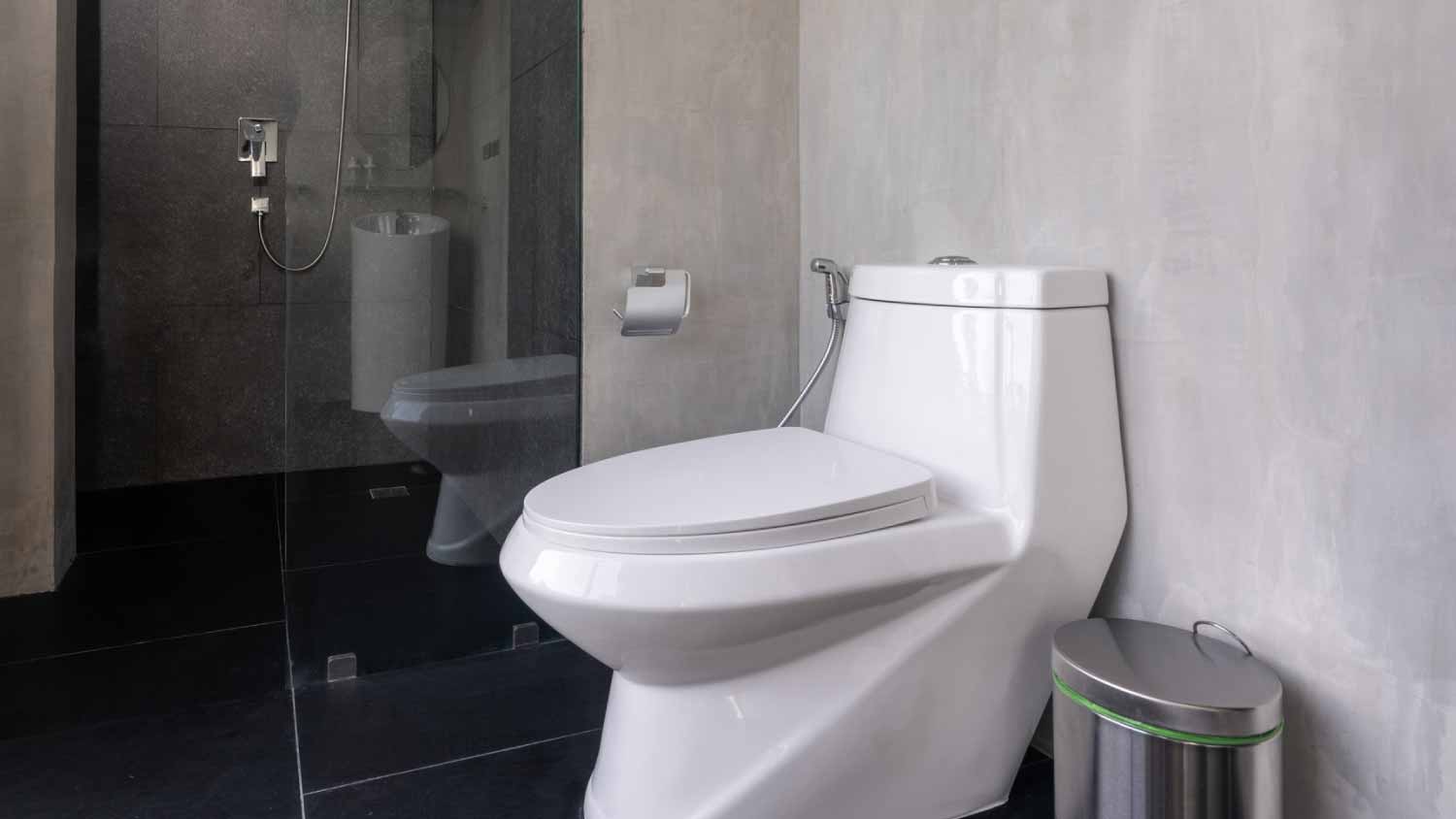
Find out the average toilet installation cost in Washington, D.C. Learn what you can expect to pay for local plumbing services and new bathroom fixtures.