


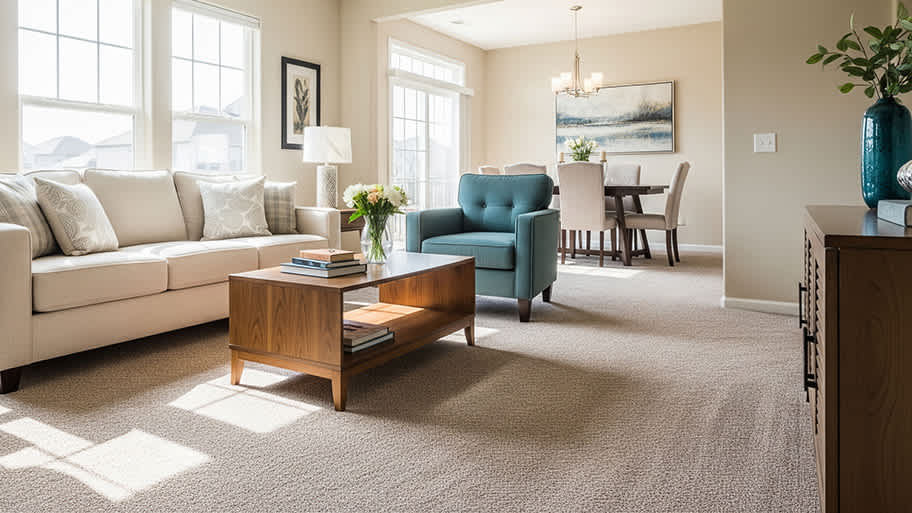
Discover how much carpet replacement costs based on factors like the project size, the carpet material, and the labor required.
Carpet installation costs depend on your project and location. Check with a local pro for your specific job.

Professional carpet removal costs $120 to $720, and your total depends on installation method and glued padding.
Glued carpet removal costs more than stapled wall-to-wall carpet because removing adhesive from your subfloor requires extra time and specialized tools.
You should account for furniture removal, carpet disposal fees, and potential subfloor repairs when creating your project budget.
Hiring a local carpet removal professional helps prevent floor damage from improper removal and saves you heavy lifting.
In 2026, the national average cost for carpet removal is $280, though most homeowners pay between $120 and $720, depending on carpet type, location (floor or stairs), and whether padding is glued to the subfloor. Key cost drivers include removal method, adhesive cleanup, and disposal fees.
Carpet removal companies charge by the hour, by square footage, or as a flat fee covering everything from furniture removal to disposal. The pricing structure varies by contractor, so always confirm which parts of the process are included in your quoted price. Knowing how your contractor bills helps you avoid surprise charges and compare estimates accurately.
Carpet removal costs $0.50 to $5 per square foot, with most contractors basing their estimate on the size of the room. At the lower end of that range, you can hire carpet removal professionals near you to remove simple wall-to-wall carpets and stapled pads in a flat, open room. More complex jobs—such as glued carpet or rooms with obstacles—push costs toward the higher end of the range. Here is a breakdown of average costs by square footage:
| Square Footage | Average Cost in 2026 |
|---|---|
| 100 | $90–$200 |
| 200 | $180–$390 |
| 400 | $350–$770 |
| 800 | $700–$1,500 |
The price increases if the carpet is glued to the floor or in complicated areas, like steps, basements, attics, or old, potentially moldy rooms.
Where carpet is installed in your home is one of the biggest factors behind the wide cost range of $0.50 to $5 per square foot. Removing carpet from a standard living room is far less labor-intensive than tackling stairs, furniture-filled bedrooms, or basements where carpet may be bonded directly to concrete. Each location presents its own removal challenges, which directly affects how long the job takes and what you'll pay.

Carpet removal costs vary significantly by type and location, because installers attach carpet to the floor in several different ways. Traditional wall-to-wall carpeting is stretched and stapled around the edges and center of the room, while glued carpet uses a strong adhesive to bond directly to the floor, and double-glued carpet adds a pad that is also glued down. Removing glued carpeting is more time-consuming and requires more specialized tools than stapled carpet. Tricky locations like stairs and basements add their own removal challenges and costs, as shown in the table below:
| Carpet Type | Average Cost per Square Foot in 2026 |
|---|---|
| Stairs | $2–$20 per stair |
| Basement | $1–$1.50 |
| Staple-Down | $0.50–$1.50 |
| Glued | $3–$5 |
| Wall-to-Wall | $0.50–$5 |
Stair carpet: Stair carpet removal costs around $2–$20 per stair, as carpeting on stairs often requires removing padding that's attached to both the riser and the tread of each step, increasing the difficulty of removal.
Basement carpet: Removing basement carpet costs about $1–$1.50 per square foot , but you might pay more in the long run due to moisture, dust, mold, and mold remediation prices , which can cost around $10–$25 per sq. ft.
Carpet and pad: Traditional staple-down installation will cost approximately $0.50–$1.50 per sq. ft. to remove and dispose of the carpet, and then ripping up the pad underneath in small sections.
Glued carpet: Glued carpet will cost around $3–$5 per sq. ft. to remove because of the difficulty of the double-glued-down installation.
Wall-to-wall carpet: Wall-to-wall carpet removal costs around $0.50–$5 per sq. ft., which can include either stapled or glued-down installations.

The installation method is a key cost driver in carpet removal, because glue-down and double glue-down carpet require adhesive removal to properly prepare the subfloor. Glue-down carpet removal costs about $3 to $5 per square foot due to the extra labor and tools involved. Stretch-in carpet removal is more straightforward and costs around $0.50 to $1.50 per square foot.
Labor makes up nearly the entire cost of carpet removal, and some companies quote a flat rate of $60 per hour for the full job. That hourly rate may cover furniture moving, carpet removal, disposal, and even floor polishing. On average, a 12-foot-by-12-foot room takes two to four hours to complete, with stairs and larger spaces adding more time.
Many carpet disposal costs are bundled into a contractor's initial quote, though some pros advertise full-service removal at no extra charge. If you handle removal yourself, expect to pay $0.40 and $0.50 per square foot for disposal alone, or hire a local junk remover for a flat fee of $75 to $150 to haul it away. For larger remodeling projects with mixed debris, renting a dumpster lets you work at your own pace before pickup. If you want to cut disposal costs entirely, local charities and buy-nothing groups may take carpet that is still in decent shape.
Carpet removal often opens the door to additional costs beyond the removal itself, including furniture moving and subfloor repairs. You may also discover that your floor's substrate needs attention before new flooring can be installed. Budgeting for these extras upfront helps you avoid surprises once the project is underway.
Furniture removal is sometimes included in a carpet removal estimate, but many companies charge around $0.20 to $0.25 per square foot of furniture, or about $60 per hour. Confirm with your contractor upfront whether furniture moving is part of the quoted price to avoid unexpected charges.
Local carpet recovery programs offer recycling options for old carpet, which can be a more environmentally responsible alternative to landfill disposal. In addition to any hauling costs, recycling centers typically charge between $0.05 and $0.25 per square foot to recycle it. If you are already paying for haul-away, ask your contractor whether they partner with a recycling facility to consolidate costs.
Wet carpet removal costs around $1.20 to $1.55 per square foot and should be addressed immediately to prevent further damage from flooding, mold, or mildew. Mold removal adds about $10 to $25 per square foot to your total, and basement waterproofing costs about $5 to $10 per square foot. Budget for all three services together if your carpet has sustained significant water damage.

Lifting wall-to-wall carpet often reveals subfloor damage, especially in older homes or properties where the previous owner handled installation. The cost to repair flooring depends on the material, the extent of the damage, and whether the floor can be salvaged. Overall, expect to pay anywhere from $2 to $30 per square foot for floor repairs, with costs varying widely by repair type, as shown below:
| Repair Type | Average Cost in 2026 |
|---|---|
| Subfloor repair | $2–$10 |
| Subfloor replacement | $3–$10 |
| Trim replacement | $5.70–$9 |
| Floor joist repair | $10–$67 |
Replacing old carpet with harder, more durable flooring is one of the most popular home upgrades, and the cost to install wood flooring ranges from $6 to $12 per square foot, not including carpet removal. Other flooring materials come in at a range of price points, so your choice of material will significantly affect your total project budget. Here are the most common alternatives and their installed costs:
Cost to install laminate flooring: $3–$8 per sq. ft.
Cost to install vinyl flooring: $2–$7 per sq. ft.
Cost to install ceramic tile flooring: $3–$5 per sq. ft.
Cost to install porcelain tile flooring: $13–$65 per sq. ft.
Cost to install new carpeting: $3–$11 per sq. ft.
High-traffic areas require flooring that can withstand frequent use, children’s shoes, scurrying paws, and dirt or stains. Installing an easy-to-clean floor that will last on stairs, hallways, or in the kitchen may be worth the long-term investment.

Here are some signs you need to remove your carpet. Keep in mind that, in addition to the signs below, you should consider your carpet's age. If it's been over 10 years since you last installed new carpet, now is the time to get it done. Besides that, look around and see if you notice the following:
Stubborn stains
Heavy wear and tear
Bad-smelling carpet
Worsened allergies
In addition, if your carpet has water damage, you should replace the carpet and underlayment as soon as possible. This will help prevent mold and mildew growth in your flooring, which can easily spread to other areas of your home.
Carpet repair costs around $200, while the average carpet replacement cost is $1,780, making repair the far more budget-friendly option when the carpet is otherwise in good condition. Burn holes, tears, and localized pile damage can all be mended to restore your carpet's appearance. Replacement becomes the better long-term investment when carpet is old, heavily worn, or saturated with stains, odors, or water damage that repair cannot resolve.
Without a doubt, removing carpet yourself is the best way to cut several hundred dollars off your bill. If that route isn't worth the hassle, here are some other tips to keep in mind:
Move the furniture yourself before the carpet removal company arrives.
Offer to haul and recycle the carpet yourself.
Book your removal contractor at the same time as your new flooring installation.
Choose a less popular time for the appointment, such as the midweek.
Speak with at least three carpet remover contractors to compare quotes.
Hiring a professional carpet removal team for a standard 12-foot-by-12-foot room costs between $140 and $430, while removing carpet yourself can cost as little as $25 for tools. Keep in mind that padding is often present underneath, and removing old carpet padding without damaging the subfloor requires skill and experience. If you have any doubt about tackling the job yourself, call a local carpet removal team to avoid costly floor damage.
Carpet removal pro: $140–$430
Carpet removal tools: $25
Removing carpet requires strength, expertise, and specialized equipment. Here's why it's best to leave the job to a pro:
Professionals know how to remove carpet, padding, and tack strips without damaging your floors.
Experienced pros know how to spot issues like mold, pet odors, and rot.
DIY carpet removal can lead to injuries, floor damage, and costly repairs.
Pros know how to safely dispose of old carpet and padding in accordance with local regulations.
Carpet removal pros can complete the job quickly, saving you time and stress.
If you want to help out your pro, consider taking on the following tasks:
Clear furniture, decor, and belongings from the room before your pro arrives
Vacuum the carpet to clean up dust and dirt
Clear a pathway to the room so your pro has easy access
Assist with clean-up after the project is complete
Dispose of the carpet in accordance with local regulations
Discuss with your pro which type of carpet you have installed, such as glued, staple-down, or wall-to-wall.
Provide your pro with the room's measurements and whether padding or tack strips are included.
Talk with your pro about whether they handle recycling and disposal, and ask about any additional fees.
Confirm the pricing, disposal process, and timeline with your pro so you know exactly what to expect.
Home is the most important place on earth, which is why Angi has helped more than 150 million homeowners transform their houses into homes they adore. To help homeowners with their next project, Angi provides readers with the most accurate cost data and upholds strict editorial standards. We extensively research project costs to develop the pricing data you see, so you can make the best decisions for you and your home. We rely on reputable sources, including the U.S. Bureau of Labor Statistics, academic journals, market studies, and interviews with industry experts—all to ensure our prices reflect real-world projects.
Want to help us improve our cost data? Send us a recent project quote to [email protected]. Quotes and personal information will not be shared publicly.
Showed up on time and cleaned carpets well, but didn?t move furniture.
 Voda Cleaning & Restoration of Columbus
Carpet repair done well. Scheduling was easy. Showed up on time.
 BR Flooring Installation
Joseph did a great job with the staircase and trim. Timely and efficient, clear communication about the work, very fair pricing. For the stairs in particular, done very skillfully in an old house (1893) in a tight spiral, and very creative with how to do the handrail. Did a nice job with...
 Vouis Trim Carpentry L.L.C.
This company does it right. Firstly, I want to say that Landan was a joy to work with. He was so kind, transparent, and had everything under control. His entire team showed up ready to work and they were all very respectful of the fact that we were in an office space. A little backstory – we...
 Krumlauf Floors
Very professional, knowledgeable and helpful! Completed the install on time and as expected.
 Ward's Services
Excellent, Prompt, Courteous Service!!! They were super friendly and quite personable. I felt very comfortable with the gentlemen that did the installation. They installed it exactly where I asked them to and they did an excellent job!! I loved their service so much.
 Tether House
I hired windows depot USA of central to install new windows in house in Oshawa. Ilya was very professional from the start, not only did he offered a great price, he also made sure the installation was on time. I am very satisfied with final outcome. The windows look great and the overall...
 Window Depot USA of Central Ohio
AFS was excellent from start to finish. Jess, the sales associate, was fantastic...very knowledgeable and very professional. The installation crew was excellent. I couldn't be more pleased with the process. Best of all, my new floor looks fantastic!
 America's Floor Source
We were having 2”x 2” tile installed . There was a small installation error and the new additional replacement tile was from a different lot and the colors didn’t match. Joe assured us that he would rectify everything , which he did without hesitation. We decided to go with the 18” x 36” tile...
 CarifaTile
Great experience all together. Dog friendly, courteous, great results and honest with recommendations. Will certainly be using Cardinal in the future for any carpet repairs
 Cardinal Carpet Care & Repair
From average costs to expert advice, get all the answers you need to get your job done.
Discover how much carpet replacement costs based on factors like the project size, the carpet material, and the labor required.

Discover average carpet cleaning costs, price factors, and tips to save. Get transparent estimates to keep your carpets fresh and your home healthy.

The cost to rip up carpets and install laminate depends on factors like labor prices, materials, and location. Use this guide to get a detailed cost overview.
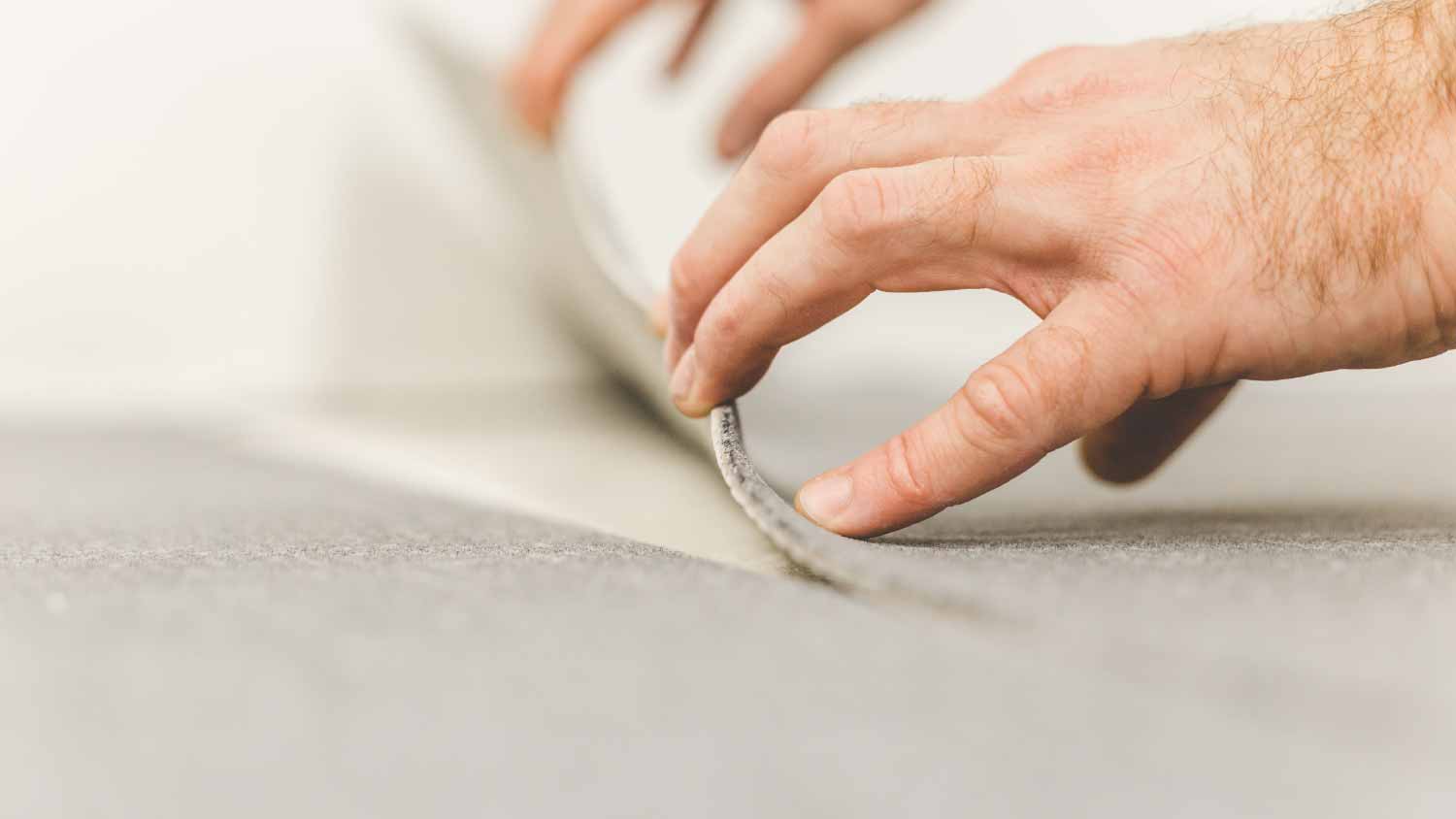
Sticky situations are no match for a DIYer armed with our guide on how to remove glued carpet. Skip the struggle and say hello to refreshed floors.
Old carpeting can be an environmental hazard, so it’s important to know how to dispose of carpet safely and responsibly. Learn more with this guide.

Recurring carpet stains can make a whole room look worn, and sometimes spot treatments only make things worse. Find out what common pantry item can help remove fresh stains and stubborn carpet spots for good.