
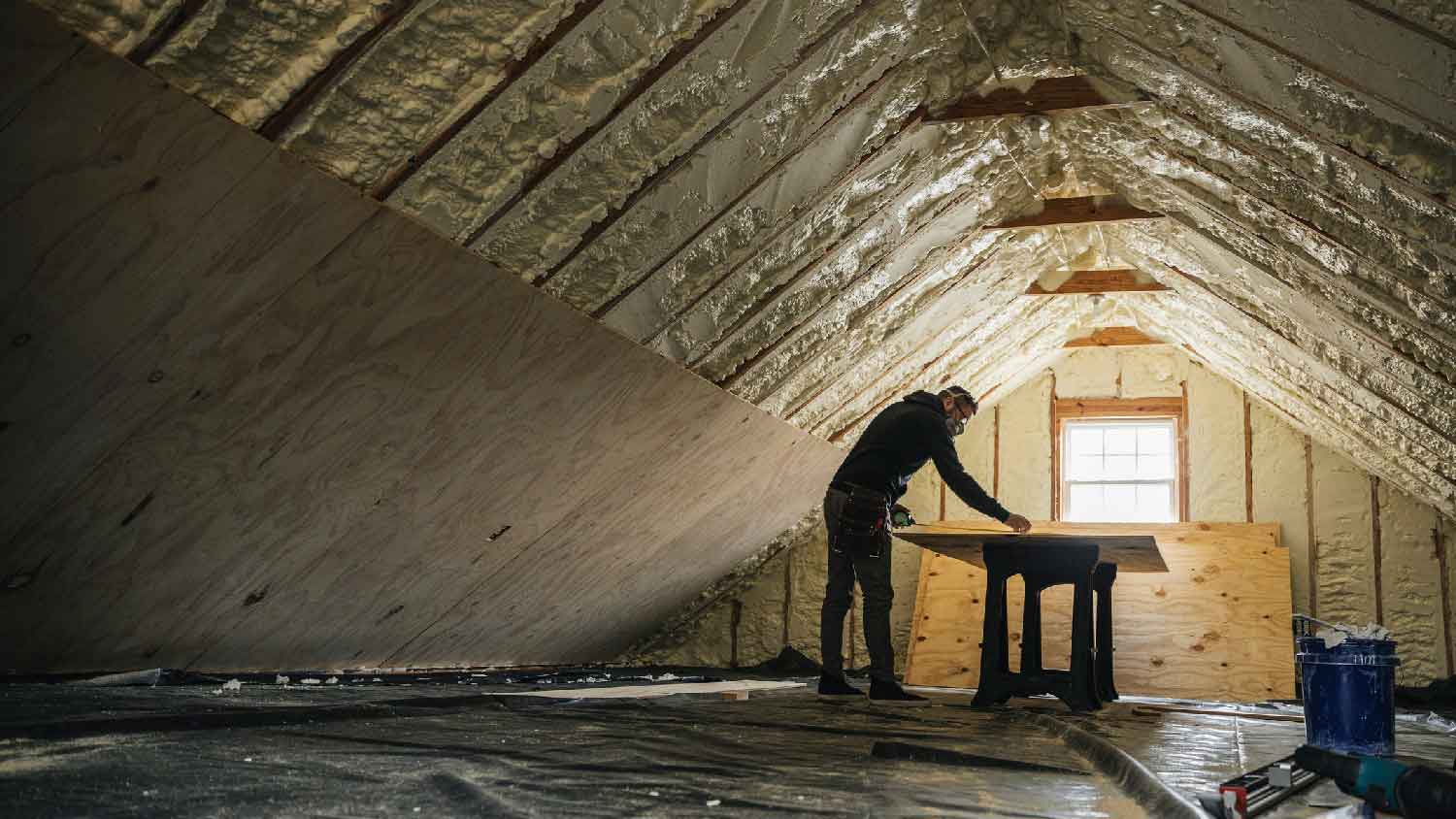
Your attic insulation removal cost in Atlanta, GA varies based on multiple factors, including why you're removing it and how easy it is to complete the task.
Insulation service costs depend on your project and location. Check with a local pro for your specific job.

In Atlanta, GA, square footage is the primary cost driver. Expect to pay $1 to $3 per square foot for attic insulation.
Additional costs like insulation materials, air sealing, and inspection fees should be considered in your budget.
If your home has existing insulation that needs removal, set aside $1 to $2 per square foot for removal.
Working with a local Atlanta insulation pro saves you time and ensures the job is done right the first time.
If your energy bills are climbing and your home never seems to stay cool, poor attic insulation could be the culprit. Attic insulation costs in Atlanta, GA, average $2,102, with costs ranging between $1,702 and $2,503.
Atlanta, GA’s hot, humid summers put serious demand on your HVAC system, making proper attic insulation essential for keeping the heat out. While the upfront investment may give you pause, the return-on-investment (ROI) is strong, and the project can even boost your home's overall value.
Atlanta, GA, is known for its sweltering summers, but don't overlook winter either, as insulation works just as hard to hold warmth in during the darker months. Choosing the right insulation type for your attic's size accounts for over 80% of the cost factors for this project, with any inspections or air sealing (which isn't always required) making up the remaining 20%.
The amount of insulation you need depends on the size of the attic and the desired insulation level or R-value. You’ll typically match the insulation coverage to the attic size, assuming you’re insulating the entire attic space. Here’s how much you can expect to pay for insulating different attic sizes:
| Attic Size (Square Feet) | Average Cost |
|---|---|
| 300 | $300–$900 |
| 500 | $500–$1,500 |
| 800 | $800–$2,400 |
| 1,000 | $1,000–$2,900 |
| 1,500 | $1,300–$4,400 |
You’ll need to account for the recommended R-value of your climate zone, as well. The higher the desired R-value, which represents the insulation's thermal resistance, the thicker the insulation needs to be. Colder climates generally require higher R-values to provide effective insulation.
To achieve the desired R-value, the insulation may need to be installed in multiple layers or in thicker batts or rolls. The more insulation material required to cover the attic space, the more it will contribute to the initial cost of finishing an attic.
The type of insulation you choose is among the most significant factors affecting cost. Each material has a different R-value, which makes it more or less effective in insulating the space.
Generally, blown-in insulation is the most affordable type of insulation. Meanwhile, the materials and labor required to install rigid foam board insulation make it one of the more expensive options, but it has a higher R-value.
Not every type of insulation works for every attic. For instance, a lot of people love the strength and energy efficiency of structural insulated panels, but due to their relatively large standard sizes, retrofitting them isn’t always possible.
Some types are also better suited to specific climates. Reflective insulation, for example, is less expensive than other common types, but if you live in a cold climate, you'll likely need to combine it with another type of insulation to be effective during the winter. For that reason, reflective insulation is best used as a radiant barrier.
Here’s what you can expect to pay for different insulation materials.
| Attic Insulation Type | Average Cost Per Square Foot | Best Use |
|---|---|---|
| Batt | $2 to $4 | DIY installation and standard-sized attics |
| Blown-In | $1 to $5 | Filling irregular spaces and insulating existing attics |
| Loose Fill | $2 to $5 | Large, open attic spaces and cooler climates |
| Reflective | $0.50 to $2 | Hot climates or attics with limited insulation space |
| Rigid Board | $2 to $5 | High R-value and reducing moisture |
| Spray Foam | $2 to $5 | Sealing gaps and attics with complex shapes |
| Structural Insulated Panels | $4 to $8 | Achieving strong insulation in new attics |
New insulation can sometimes be added right on top of old insulation, but only if the old insulation is still in good condition. If the old insulation isn't in great shape, then you'll need to pay someone to remove it or remove it yourself. Hiring an insulator to remove it typically costs $1 to $2 per square foot, so you'll want to factor that price into your project budget if needed.
Air sealing involves removing all of your attic's insulation to find and resolve any air leaks. Many pro insulators air-seal attics before installing new insulation, but this process can be costly, ranging from $350 to $1,400.
Even though it's expensive, it's often worth it since air sealing can prolong the lifespan of your insulation while helping to block out moisture and drafts.
Air sealing is beneficial in any area of the home, but it’s particularly helpful in the attic for keeping your heating bills down in colder weather. Hot air rises and will naturally escape through gaps in the attic, and sealing helps keep the heat inside.
The cost of an attic insulation inspection can vary depending on several factors, including the region, the complexity and accessibility of the attic, and the service provider. On average, you can expect to pay anywhere from $100 to $500 for a professional attic insulation inspection. However, it's important to note that these are general estimates, and the actual cost may differ.
Some insulation contractors may offer free attic inspections as a promotional or introductory offer, while others may charge a fee that can be applied toward the insulation project if you decide to hire them for the job. It's a good idea to obtain multiple quotes from reputable insulation professionals in your area to get a better understanding of the specific costs involved in an attic insulation inspection.
Before bringing in an attic insulation pro in Atlanta, GA, it helps to understand what you're paying for. Hourly rates fall somewhere between $50 and $160. This is a super broad range that reflects the variety of work involved. A straightforward, single-level attic in a newer build will naturally cost far less than a complex, multi-story attic in an older Craftsman or Victorian-style home.
Atlanta, GA homes tend to have a large footprint, so homeowners should expect to pay slightly more than in areas where houses may be smaller, like Boston, MA.
One thing Atlanta, GA, homeowners can appreciate is that permits are not required for this type of project, which trims the overall cost considerably. Keep in mind, though, that if old insulation needs to come out, you'll likely pay the full hourly rate for removal and disposal unless you work out a flat-rate add-on with your contractor upfront.
Atlanta, GA, is a strong market for recouping your investment and increasing home value. Homeowners can think about ROI in two ways: recurring returns and immediate returns. On the immediate side, it's not uncommon to see home values nudge up around 2% after the project is complete. The more compelling case, though, is in the ongoing savings—your HVAC system works overtime in the heat, and proper insulation can take a real load off.
Depending on the condition of your attic before the work begins, homeowners can realistically expect somewhere between a 10% to 50% reduction in cooling and heating costs thanks to insulation’s effect on temperature regulation. Run the numbers, and it becomes clear pretty quickly that this project has a strong case for paying for itself over time (and not that much time either).
According to the EPA, homeowners can save significantly on monthly heating and cooling bills by installing insulation in their attics, floors, and crawl spaces.

To help homeowners plan their next project, Angi provides readers with carefully researched cost data and upholds strict editorial standards. We start with national average project costs, which we collect by analyzing competitor information, retailer material costs, and input from professional contractors. We then apply local price index data to calculate location-specific estimates that reflect what homeowners typically pay in their local area. To do that, we use data from the U.S. Bureau of Economic Analysis (BEA), including its Regional Price Parities (RPPs), which measure price differences across cities. This helps us account for differences in labor, materials, and overall cost of living, so estimates in higher- or lower-cost areas better reflect real-world local pricing.
Every estimate undergoes a thorough editorial review to verify accuracy, consistency, and alignment with observed market conditions.
Want to help us improve our cost data? Send us a recent project quote to [email protected]. Quotes and personal information will not be shared publicly.
I hired this young man to do insulation for my mother?s house. He was so professional and kind. He got the job done in no time and I will definitely be recommending him to all my friends and family!
 Certified Home Inspection & Insulation Services, LLC
Ralph was incredibly responsive and came out the same day I inquired. He walked me through the whole house/attic (and explained a lot to me)…we have a mixed old home with add ons (and it is complicated). We got him and his team to remove all existing insulation and put in spray foam into our...
I contacted Environmental Services Of America to remove asbestos pipe insulation from an older home I had recently purchased. Sarah was quick to provide me with a price, was able to complete the work the following week, and was willing to work with my schedule. The work was of high quality,...
 Environmental Services Of America
Koala Insulation of Central Atlanta did a 5-star job installing our new-and-improved spray foam insulation into our attic. Now our home is more efficient, cleaner and temperature fluctuations have been evened out because the attic has been sealed from Atlantaâ s air â Â no longer allowing...
I couldn't recommend AQC more for any work needed to your foundation/crawlspace. I was very nervous about who to go with in order to repair our damaged support posts as well as to install new joists/beams, as well as a barrier under our front porch (not to mention encapsulation and...
 Affordable Quality Crawlspace Waterproofing, LLC
The customer service was excellent. The owner came out to provide the quote, which was less than others I received. He was very knowledgeable and took the time to explain each type of insulation and which fit my project. The work was completed as promised and on time. Great experience overall!
 Insulation and Window Solutions, LLC
J.A.M. Insulation was such a delightful surprise. James showed up exactly on time for our appointment for an estimate and to do the work (after giving me a reminder call the day before and 15 minutes before he was to arrive. The work was supposed to take 2 to 2 1/2 hours, but James and Marin...
 JAM Insulation, LLC
Absolutely exceeded expectations! Phil is super easy to work with as with his entire crew, extremely responsive (not common for this market!), very down to earth and offers fair pricing to say the least. I have an older home that several other contractors were sheepish about performing the...
 Home Energy Insulation Phil Wheeler
I was very pleased with the service I received from Energy Conservation Solutions. I look for quality, price, friendliness, and punctuality. All of these criteria were satisfied. I had the insulation blown in and my old insulation removed. Afterwards, a supervisor came by to inspect. I was...
 Energy Consulting Services, LLC
They are nice people, but they did not repair my furnace. They supposedly repaired the furnace, but it still does not work. It does not heat my house because the temperature only reaches 64 degrees, then it cuts off. They told me it was because my insulation was not good, but the furnace...
 Le's Heating, Air Conditioning & Refrigeration
From average costs to expert advice, get all the answers you need to get your job done.
Your attic insulation removal cost in Atlanta, GA varies based on multiple factors, including why you're removing it and how easy it is to complete the task.
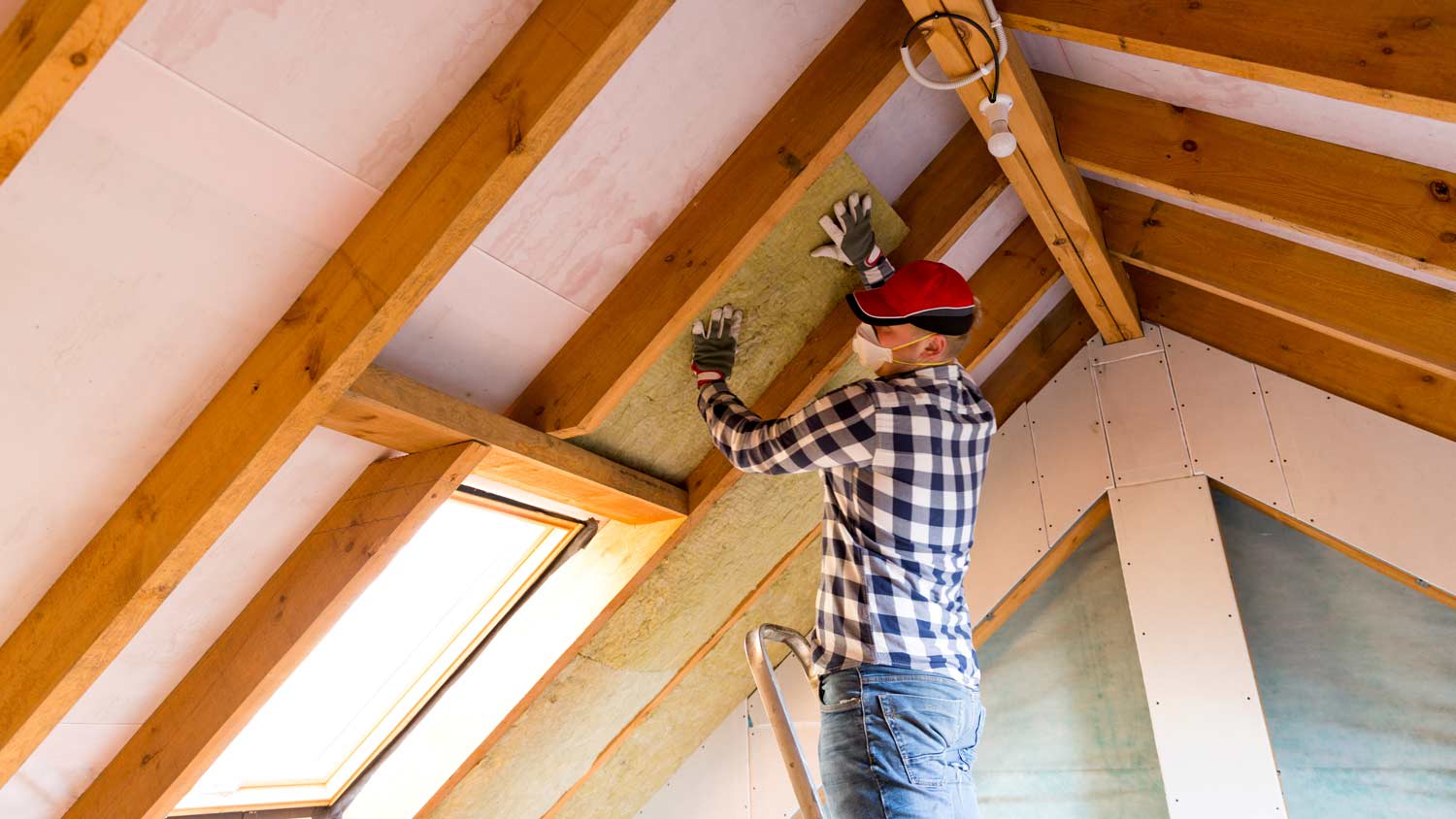
New insulation makes your home more comfortable and boosts energy efficiency. Use this guide to budget for insulation installation costs in Atlanta, GA.
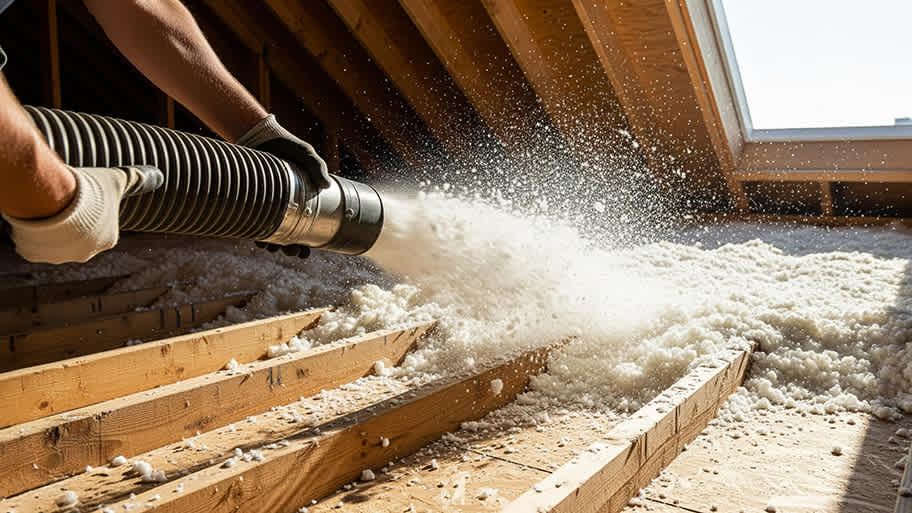
The cost of blown-in insulation in Atlanta, GA, varies depending on the type of insulation, labor, prep work, and more. Learn more about the cost factors in this guide.
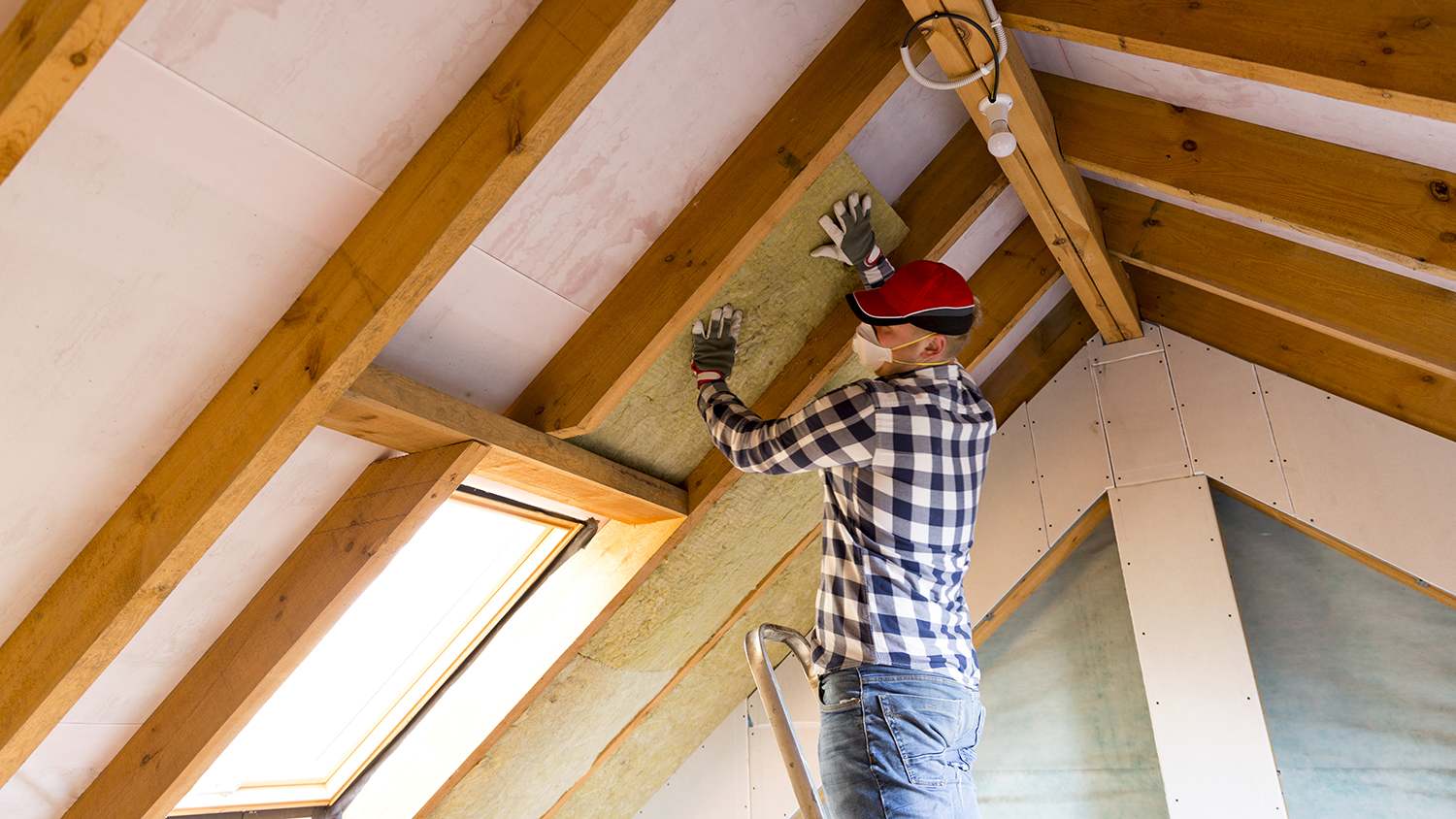
Wondering who to hire for attic insulation? Learn what insulation contractors do, how they work, and how to choose the right pro with confidence.
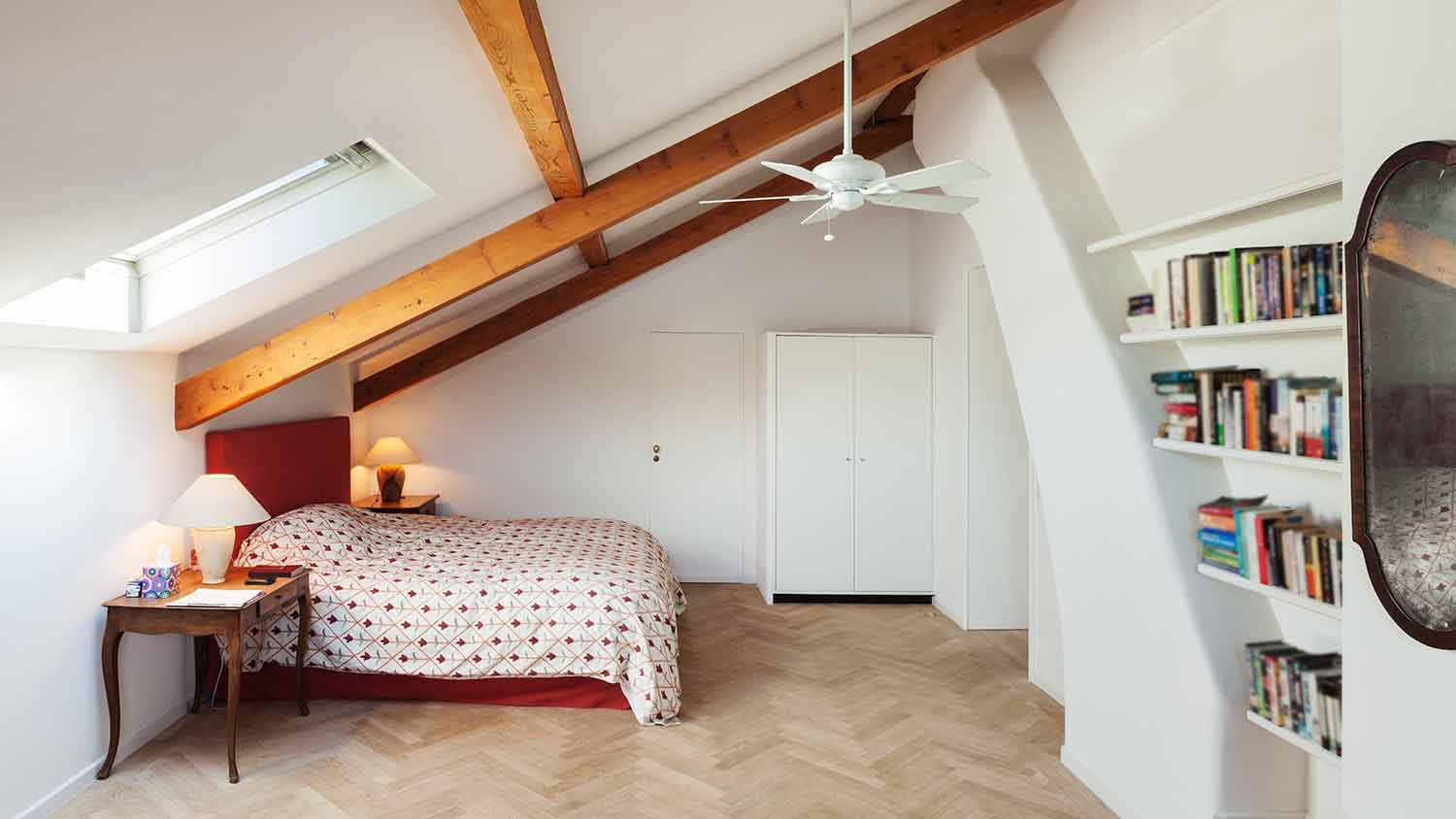
Your home likely loses most of its heat through your attic. This guide on different types of attic insulation can help you boost your home’s efficiency.

This guide breaks down what attic insulation is and its importance in keeping your home the temperature you want. Keep reading to learn more.