
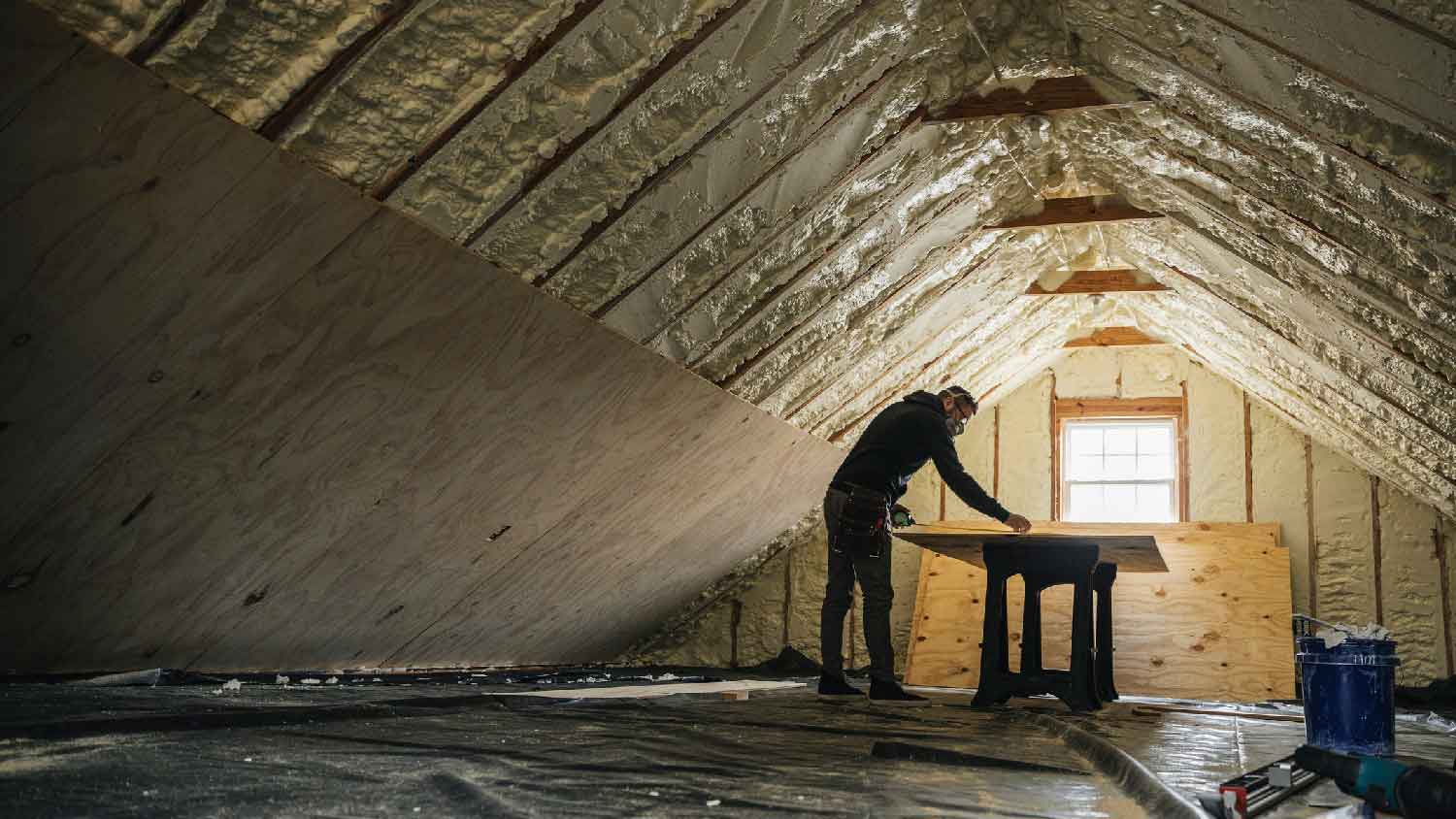
Attic insulation removal costs in Orlando, FL, vary based on multiple factors, including why you're removing it and how easy it is to complete the task.
Insulation service costs depend on your project and location. Check with a local pro for your specific job.

It costs $0.50 to $7 per square foot in Orlando, FL, to install attic insulation.
The material type affects costs the most, with blown-in insulation being the most budget-friendly and spray foam being the costliest.
Plan for additional costs you may need to cover, such as air sealing, an attic inspection, and hiring an electrician.
Hiring an attic insulation pro in Orlando, FL, provides reliable help with installing attic insulation and saves you time and effort.
Installing attic insulation in Orlando, FL, costs $1,724 to $2,535 with an average of $2,129. These figures are only slightly above the national average, which may be higher than expected in an area with an affordable cost of living. However, it’s a worthwhile project that increases the comfort levels in your home, especially in the summer, and saves you money on the bills in the long run. Find out how your attic size, the material you choose, and more affect the total costs.
Here are all of the major cost factors to keep in mind when planning your attic insulation project in Orlando, FL.
The amount of insulation you need depends on the size of the attic and the desired insulation level or R-value. You’ll typically match the insulation coverage to the attic size, assuming you’re insulating the entire attic space. Here’s how much you can expect to pay for insulating different attic sizes:
| Attic Size (Square Feet) | Average Cost |
|---|---|
| 300 | $300–$900 |
| 500 | $500–$1,525 |
| 800 | $800–$2,425 |
| 1,000 | $1,000–$3,050 |
| 1,500 | $1,525–$4,575 |
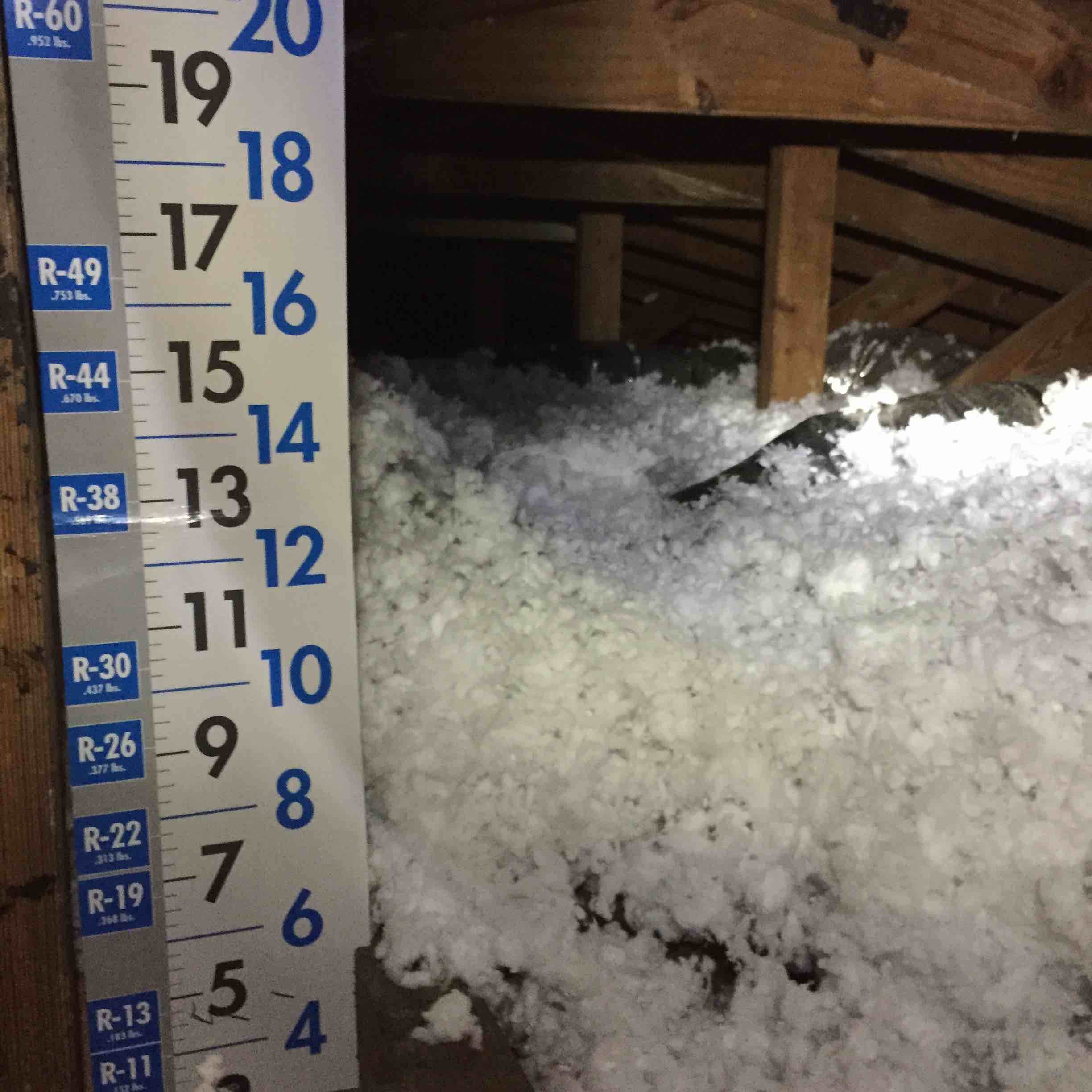
In Orlando, the required attic insulation R-value is R-38, but it’s recommended to use at least R-49 or higher for the best results. With summer highs averaging in the low 90s, attic spaces can reach over 150 degrees Fahrenheit without insulation. Installing the right amount of insulation will ensure that your HVAC won’t have to work overtime to keep your house cool.
To achieve the desired R-value, the insulation may need to be installed in multiple layers or in thicker batts or rolls. The more insulation material required to cover the attic space, the more it will contribute to the initial cost of finishing an attic.
The type of attic insulation you choose is among the most significant factors affecting cost. In Orlando, the most common options are blown-in or batt insulation, along with spray foam. For blown-in insulation, cellulose is often recommended over fiberglass because the material is moisture-resistant. This is key in Orlando’s humid environment. Otherwise, for fiberglass insulation, a moisture barrier is usually used to prevent mold and mildew growth.
Additionally, a radiant barrier can help your home stay cooler. Although it doesn’t have an R-value, it reflects up to 97% of radiant heat away from your home. This helps immensely during the sunny and hot summer months.
Here’s what you can expect to pay for different insulation materials.
| Attic Insulation Type | Average Cost Per Square Foot | Best Use |
|---|---|---|
| Batt | $2–$4 | DIY installation and standard-sized attics |
| Blown-in | $1–$4 | Filling irregular spaces and insulating existing attics |
| Loose fill | $2–$5 | Large, open attic spaces and cooler climates |
| Reflective | $0.50–$2 | Hot climates or attics with limited insulation space |
| Rigid board | $2–$5 | High R-value and reducing moisture |
| Spray foam | $2–$5 | Sealing gaps and attics with complex shapes |
| Structural insulated panels | $4–$7 | Achieving strong insulation in new attics |
New insulation can sometimes be added right on top of old insulation, but only if the old insulation is still in good condition. If the old insulation isn't in great shape, then you'll need to pay someone to remove it or remove it yourself. Hiring an insulator to remove it typically costs $1 to $1.50 per square foot, so you'll want to factor that price into your project budget if needed.
Air sealing costs $250 to $750, and is an essential part of insulation installation, except for spray foam. Without proper air sealing, your new insulation won’t be as effective, due to hot or cool air escaping or entering the home through small openings and cracks.
Attic inspections cost $100 to $300, and the total can vary depending on the complexity and accessibility of the attic, as well as the service provider.
Some insulation contractors may offer free attic inspections as a promotional or introductory offer, while others may charge a fee that can be applied toward the insulation project if you decide to hire them for the job.
Hiring an attic insulation pro in Orlando, FL, costs $0.50 to $7 per square foot. While some homeowners may think about DIYing the job to save on labor costs, bringing on a pro is your best bet. From choosing the right material, air sealing, to having the right equipment and expertise to do the installation properly, hiring a pro is your best bet for a job well done.
Your attic insulation installer will secure the necessary permit for the job. This costs $20 to $60 or more, depending on the scope of the project.
Your insulation project may require you to hire additional pros:
Electrician costs: $45–$95 per hour, to upgrade or disconnect knob and tube wiring in homes built before the 1940s, most likely found in Thornton Park, Lake Eola Heights, and the Downtown Historic Districts.
Structural engineer costs: $110–$130 per hour, to oversee structural changes like removing load-bearing walls or ceiling joists.
Installing attic insulation increases your home’s value by 2% to 6%, with the project having a high ROI of 117%. The average energy savings is 15% as well, so it’s a financially solid option if you’re looking for a project to invest your money in.
According to the EPA, homeowners can save significantly on monthly heating and cooling bills by installing insulation in their attics, floors, and crawl spaces.

To help homeowners plan their next project, Angi provides readers with carefully researched cost data and upholds strict editorial standards. We start with national average project costs, which we collect by analyzing competitor information, retailer material costs, and input from professional contractors. We then apply local price index data to calculate location-specific estimates that reflect what homeowners typically pay in their local area. To do that, we use data from the U.S. Bureau of Economic Analysis (BEA), including its Regional Price Parities (RPPs), which measure price differences across cities. This helps us account for differences in labor, materials, and overall cost of living, so estimates in higher- or lower-cost areas better reflect real-world local pricing.
Every estimate undergoes a thorough editorial review to verify accuracy, consistency, and alignment with observed market conditions.
Want to help us improve our cost data? Send us a recent project quote to [email protected]. Quotes and personal information will not be shared publicly.
We hired Broward Insulation to replace and improve the insulation in our attic. They explained the work clearly, showed up on time, and were professional throughout the job. The crew worked efficiently and cleaned up everything before leaving. Since the insulation was installed, the house has...
 Broward Insulation
Projected started November 13, 2025. Aaron came with two Gentleman. To get the job started. Which was to remove the old ceiling and replace with new drywall along with texturing the ceiling to the texture of my liking. On the second day something seemed off as I walked in the one Gentleman...
 A-Z Property Group FL
Arthur at Attic Pros was incredibly helpful throughout the entire process. Our insulation was in desperate need of an upgrade and he helped give us the information we needed to make an informed decision about our home. On top of that, they addressed our concerns about removing the old...
 Attic Pros
Cesar and his team did an incredible insulating and installing drywall. He was responsive, on time, and addressed every concern I had throughout the project. Very pleased with result.
 VP Innovations
This is a family run business. Big enough to do what needs to be done. Small enough to care and give personal service. They were easy and great to work with. They preformed as promised. Showed up on time for appointments and scheduling. Bid was reasonable. Work was high quality. Maintained...
 Ovi Home Service, LLC
Amazing job, always get compliments on how well my insulation was done
 Insulate It Solutions
I have been trying to get some answers on how to improve my home's efficiency and especially find the best solution for my attic insulation as my power bill is quite high! Derek and his team were absolutely amazing! Derek figured out what I needed and made everything happen quickly and for an...
 Capstone Insulation LLC
High quality work, would use them again for drywall and insulation work. Prices were reasonable as well and they showed up when they said they would
 TNT Drywall, Inc.
Lifetime Shutters was excellent! I would quickly recommend them to anyone needing window covering. Michelle (the owner) is and was Hands On with everything; initial measuring, installs, etc....unlike some other companies who sub most everything out. She was very accessible whenever I needed...
 Lifetime Shutters, Inc.
Thorough and very professional experience with the insulation work. Found the AC leaks also and repaired them which we didn’t know we had using the infrared scanners they had. Life saver!
 JMS EnergyWise Insulation
From average costs to expert advice, get all the answers you need to get your job done.
Attic insulation removal costs in Orlando, FL, vary based on multiple factors, including why you're removing it and how easy it is to complete the task.
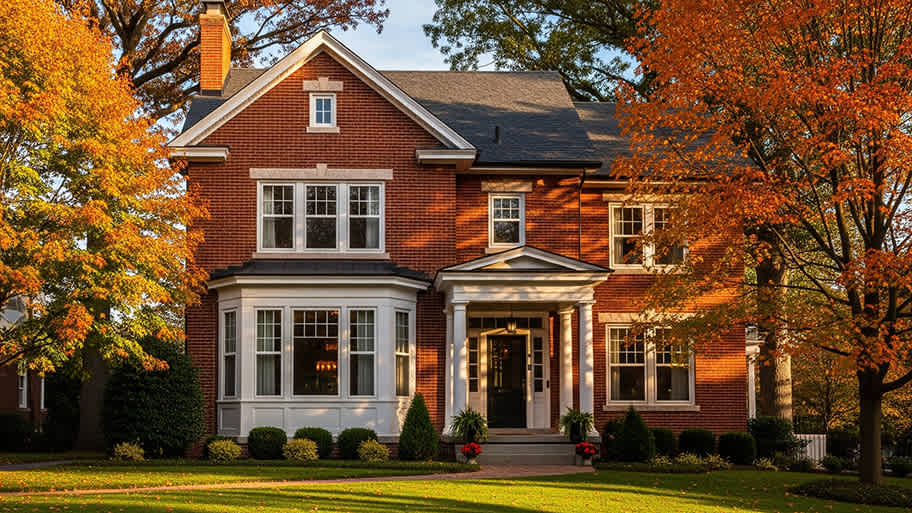
New insulation makes your home more comfortable and boosts energy efficiency. Use this guide to budget for insulation installation costs in Orlando, FL.
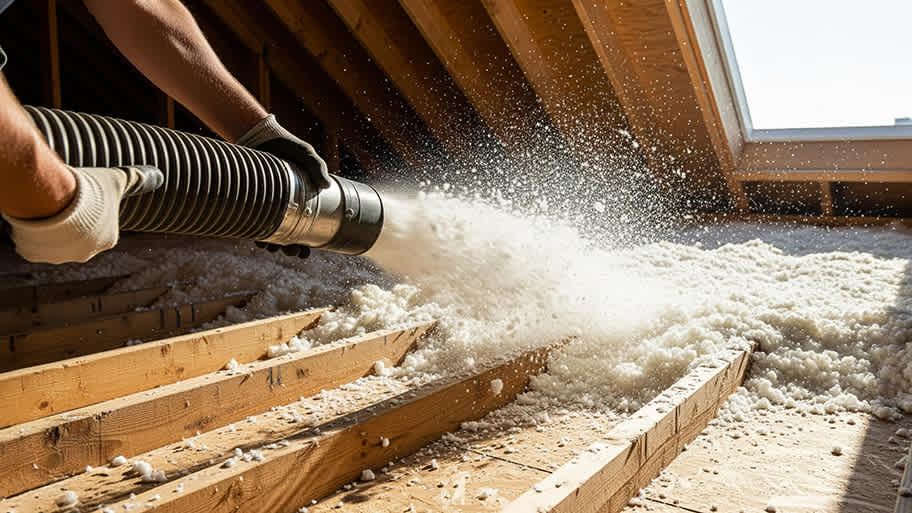
The cost of blown-in insulation in Orlando, FL, varies depending on the type of insulation, labor, prep work, and more. Learn more about the cost factors in this guide.
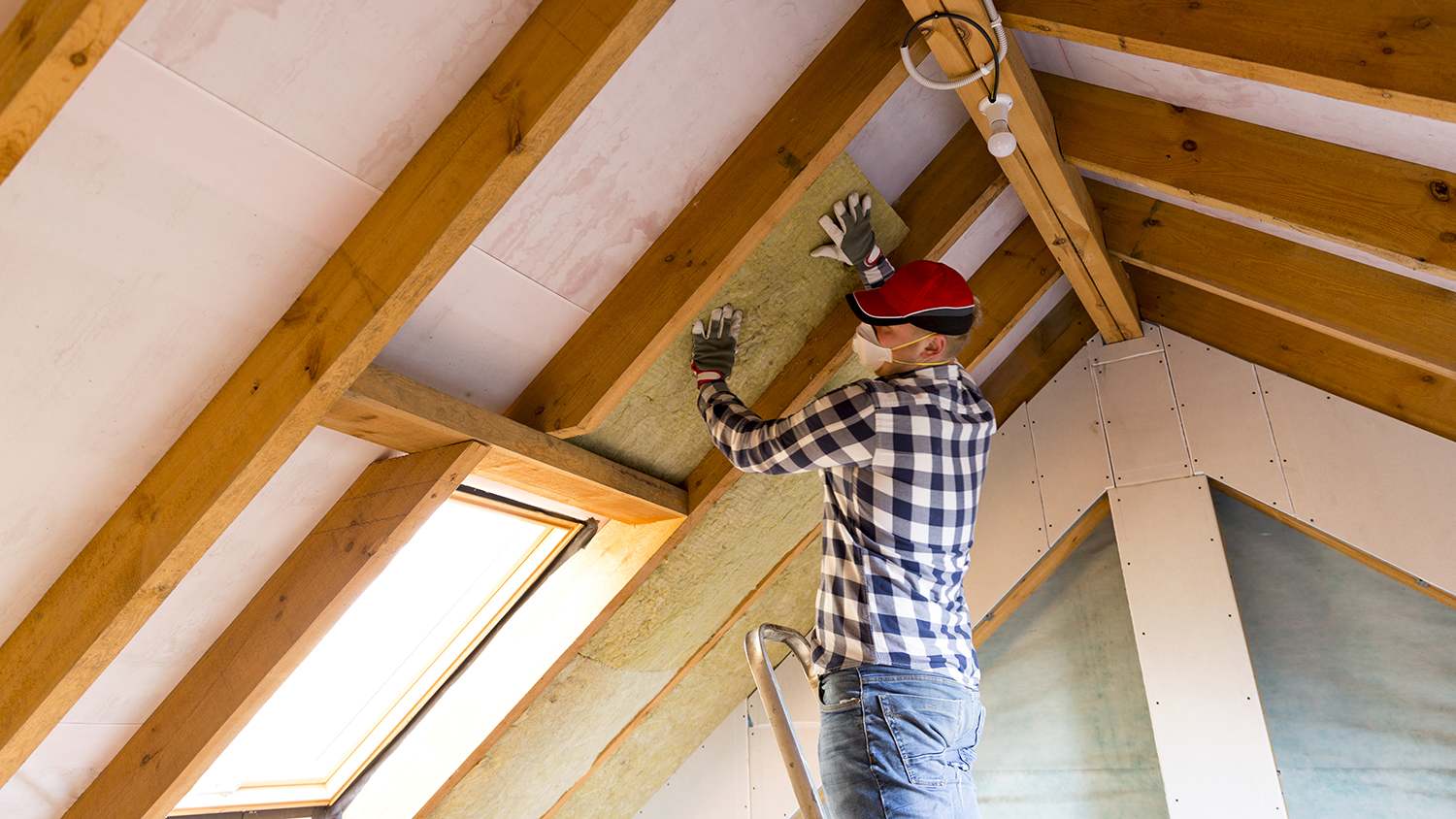
Wondering who to hire for attic insulation? Learn what insulation contractors do, how they work, and how to choose the right pro with confidence.
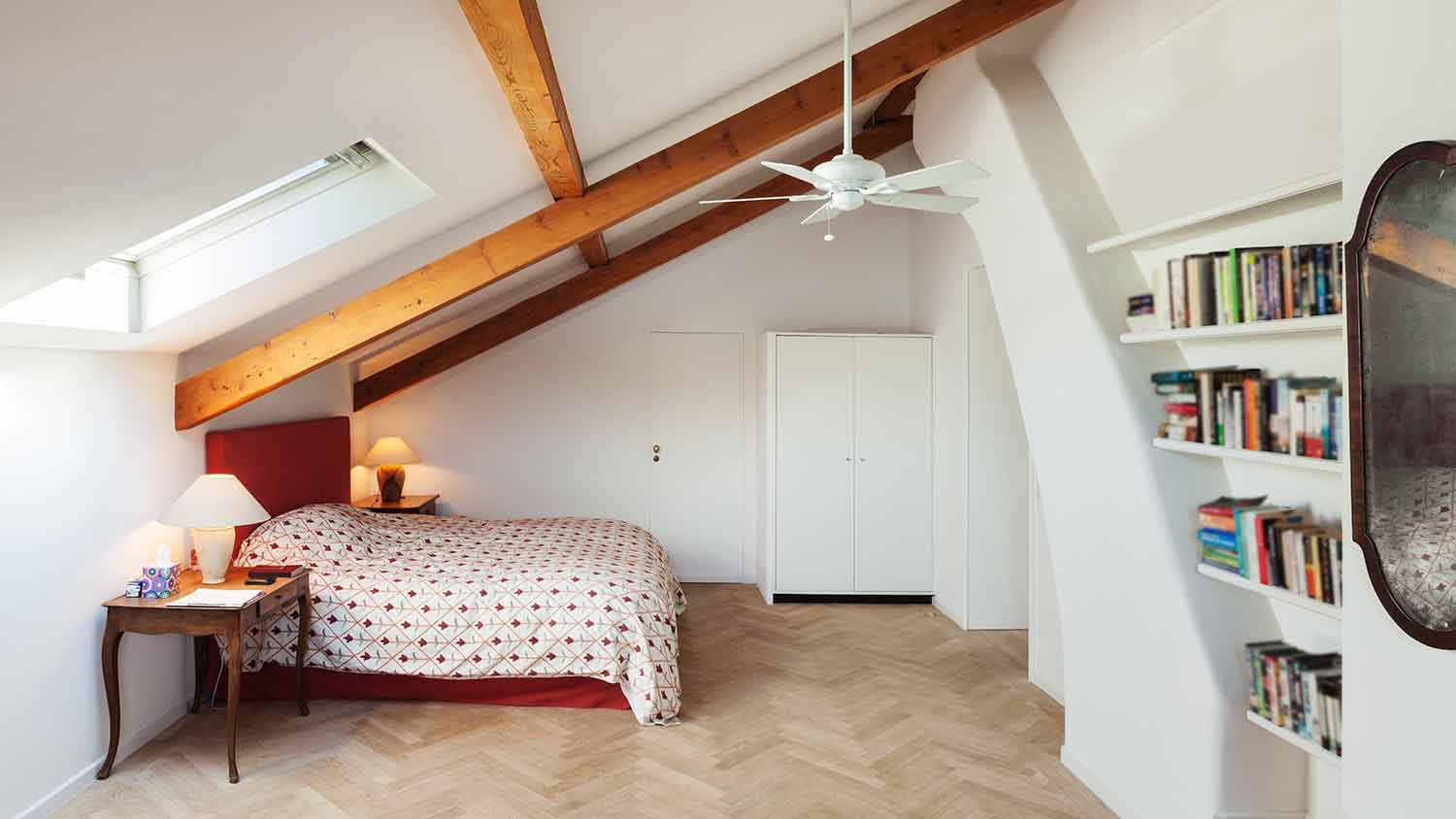
Your home likely loses most of its heat through your attic. This guide on different types of attic insulation can help you boost your home’s efficiency.

This guide breaks down what attic insulation is and its importance in keeping your home the temperature you want. Keep reading to learn more.