
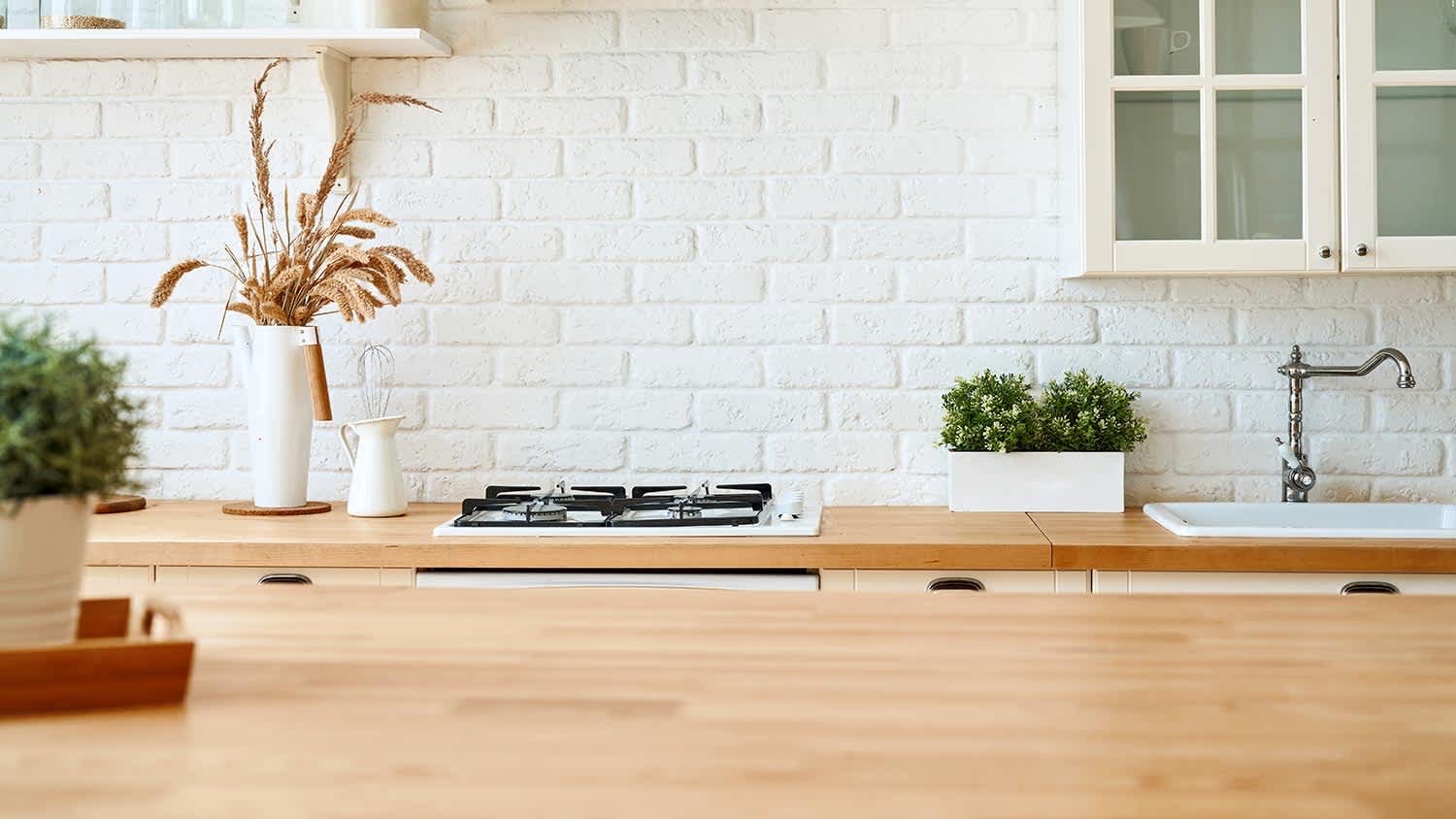
Butcher block countertops are a popular and durable choice for active kitchens. Learn how much it costs to install butcher block counters and what factors may affect pricing.
Everything to know if you’re pining for wood counters
 - Derek Rose.png?impolicy=thumbnail)
Butcher block countertops offer the pros and cons of warmth and customization, with easy repairs balancing ongoing maintenance needs like monthly oiling.
Expect to pay $50 to $150 per square foot for butcher block installation, with average costs around $3,750 depending on your kitchen size.
Your butcher block countertops require regular cleaning with mild soap and monthly oiling to prevent water damage, scratches, and bacterial growth over time.
Hiring a local countertop professional keeps installation precise and prevents expansion issues, helping your butcher block countertops last up to 20 years.
So, you’ve walked into your kitchen, and the weakest link of the room is glaringly obvious—the counters are begging for an upgrade, and you’ve got your eye on some butcher block kitchen countertops. After all, butcher block gives off a warm aesthetic and natural vibe. Plus, it goes with every decor style, from modern farmhouse kitchens to sleek, minimalist cooking spaces. But is it right for you? Here’s what you need to know about butcher block countertop pros and cons before you commit your time and money.

Butcher block kitchen countertops are built from straight cuts of wood fused together to form dense slabs, resulting in a sturdy and durable surface.
They have a timelessly warm aesthetic, work well with any decor style—especially as a farmhouse kitchen idea—are endlessly customizable, and help soften the sounds of a busy family kitchen with their noise-dampening properties. Some people even love them for their ability to double as a cutting board, though most prefer to keep them scratch-free if possible. If treated properly, butcher block countertops can be a long-lasting staple in kitchens, though they do require more upkeep than other countertop materials, meaning more of your time and energy.
Butcher block countertops have many benefits. Here’s what you can enjoy when installing a butcher block countertop in your kitchen.
Butcher block countertops cost $1,200 to $5,000. While some types of wood are more expensive, especially if custom work is involved, the average price is lower than that of quartz, stainless steel, and many varieties of granite and marble.
Butcher block countertops are easy to clean with mild dish soap. However, they require monthly or quarterly sealing to keep them in great shape.
You can choose the wood type and grain to give your countertop any look you want. Each has a different hue, pattern, and style, giving you many options in your kitchen.
Butcher block countertops are known to last as long as 20 years. To make yours last this long, proper cleaning and monthly oiling are essential.
Even though butcher block countertops are fairly prone to damage, the bright side is that they’re easy and inexpensive to repair if any scratching, denting, or warping occurs.
Wood naturally reduces the surrounding noise in a kitchen, such as the whir of appliances or a chatty household.
Butcher block countertops are one of the few countertops you can install yourself without extensive experience. As long as you can measure and cut carefully, you’re in business. Of course, there’s always the option for professional installation, too.

It’s important to look at the downsides of butcher block countertops to ensure they are a good fit for your kitchen.
Depending on the type of wood you choose, scratches and dents may occur easily. Maple is often the most durable, but other options scratch or dent easier.
Maintenance is the key to longevity for butcher block countertops. Whether your countertops are finished or unfinished, regularly oiling them with a food-grade oil (monthly or at least quarterly) is essential.
Due to their porosity, wooden countertops are susceptible to growing mold and bacteria, especially if you don’t clean them regularly. It’s best to wipe them down with a damp cloth and a mild disinfectant after every use to avoid this issue.
Butcher block countertops are not heat-resistant. If you put heat directly on the countertop, it will leave a burn mark that you must refinish to remove.
Heat damage from hot pots and utensils can leave unsightly marks and spots on your kitchen counter. Tile, granite, and stainless steel are more heat-resistant than wood or laminate. Prevent heat damage by letting pots cool on the stove and using trivets.

Wood naturally expands in the summer and contracts in the winter. This can lead to cracking if it’s not properly installed to account for these changes.
Wood countertops are susceptible to water damage, which is why oiling them monthly is essential. If you leave butcher block countertops unsealed, they will begin to warp and could grow mold.
Most homeowners can expect a couple decades of use out of their wood countertops. That’s plenty of time to be worth the investment. However, butcher blocks usually must be replaced before more durable materials like granite, quartz, and stainless steel.
Butcher block countertops cost approximately $50 to $150 per square foot—or $3,750 on average—to install. This includes labor and materials and depends on your location, wood and grain type, customization, etc. Compared to other popular countertop materials, such as marble, granite, and quartz, the cost of butcher block countertops is relatively wallet-friendly if you go with red oak or birch.
| Countertop Type | Average Cost |
|---|---|
| Butcher block | $3,750 |
| Granite | $3,250 |
| Marble | $3,000 |
| Stainless steel | $4,500 |
| Quartz | $4,500 |
If you have any DIY skills, you may be considering installing your butcher block countertops yourself. After all, DIY butcher block countertops cost about $20 to $70 per square foot for materials and another $100 or so for tools—saving you money on labor costs. However, while installing the countertops yourself will certainly help keep costs down, it’s typically not recommended. Why? The main reason is that these countertops are heavy, and it’s very hard to move and lift the materials without someone helping you.
DIY installation could also take more than the average time of 10 to 20 hours it takes a professional to get the job done. Another big risk of DIY butcher block countertop installation is making an improper cut to the wood. If this happens, you’ll need to replace the material and start fresh, which will cost you more in the long run than hiring a local countertop pro.
I had FabClean 614 clean my apartment, and she did an outstanding job. She was so professional and efficient. My apartment looks absolutely spotless every surface, every corner, all cleaned to perfection. Definitely highly recommend FabClean 614 if you're looking for top-notch cleaning...
 Fab Clean 614
Cole has been handling plumbing and general contracting for our four properties over the past three years, and he’s always done a great job. Most recently, he installed a sink and countertop in our retail store where none existed before, and it turned out exactly how we needed. He’s...
 ANB Renovations LLC
D1 Roofing delivers outstanding service from beginning to end, backed by a strong warranty and expert teams. I highly recommend them for their excellence in meeting and surpassing expectations with unmatched communication. Choosing D1 Roofing was flawless decision
 Division 1 Roofing LLC
This company is my go to resource for all my post renovation clean ups. They get the place spotless! All we have to do after is stage the place and sell, sell, sell! They are super professional and have some amazing scent that is left in every property. I highly recommend!
 The Royal Sanitation Group
I had Ace Fireplace Services install custom chimney caps for my home, and the results are stunning. They fit like a glove and have added a touch of sophistication to my chimney. I can't recommend their services enough.
 Ace Fireplace Services
Supreme Brick & Chimney did an excellent job restoring the brick and mortar joints on my home. Their team was professional, knowledgeable, and completed the work on time. I highly recommend them and will hire them again in the future! Thanks!
 Supreme brick & chimney
I recently hired Custom Paint Jobs LLC to repaint my home, and I couldnt be happier with the results. Their attention to detail and professionalism were outstanding. Highly recommended
 Custom Paint Jobs, LLC
Window Depot did an amazing job on my deck. I wasnt sure what I wanted to do, but their composite decking was affordable and will last a long time. I am excited to have family over, and I am no longer embarrassed by my backyard. Jeff and the ground crew were polite, respectful, and caring for...
 Window Depot USA of Central Ohio
If I could give 10 stars for Kitchen Tune Up, I would. I cannot say enough good things about my experience with Kitchen Tune Up and the entire team involved in the process of my kitchen project. They went above and beyond as far as service and quality with my cabinets, paint, countertops, and...
Great job...edging and pre clean up went well with a great job with seal coat. Friendly, efficient and professional.
 All Star Paving and Sealing
From average costs to expert advice, get all the answers you need to get your job done.
Butcher block countertops are a popular and durable choice for active kitchens. Learn how much it costs to install butcher block counters and what factors may affect pricing.
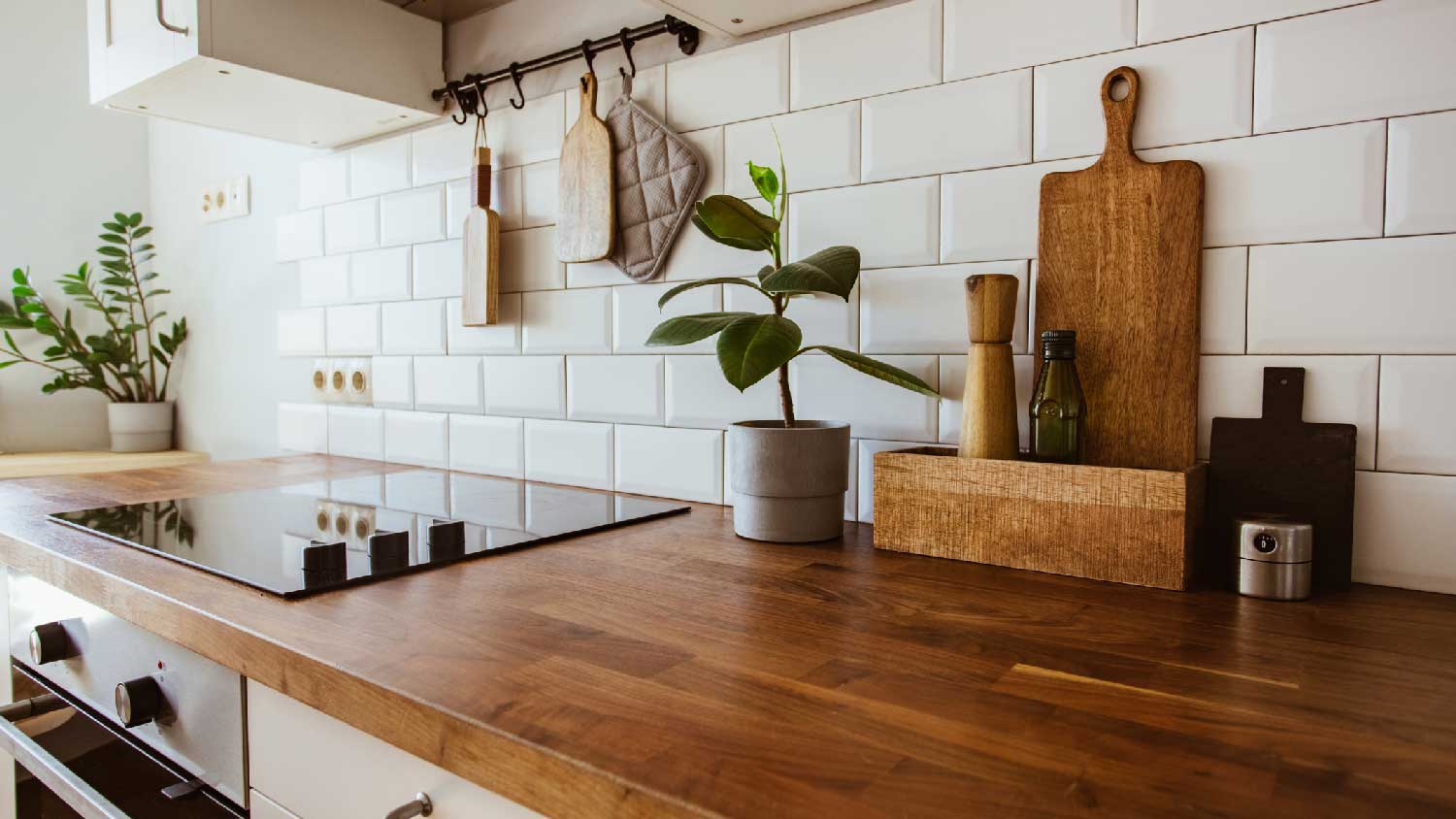
When you need someone who can install butcherblock countertops, your best bet is to hire a countertop contractor or finish carpenter.
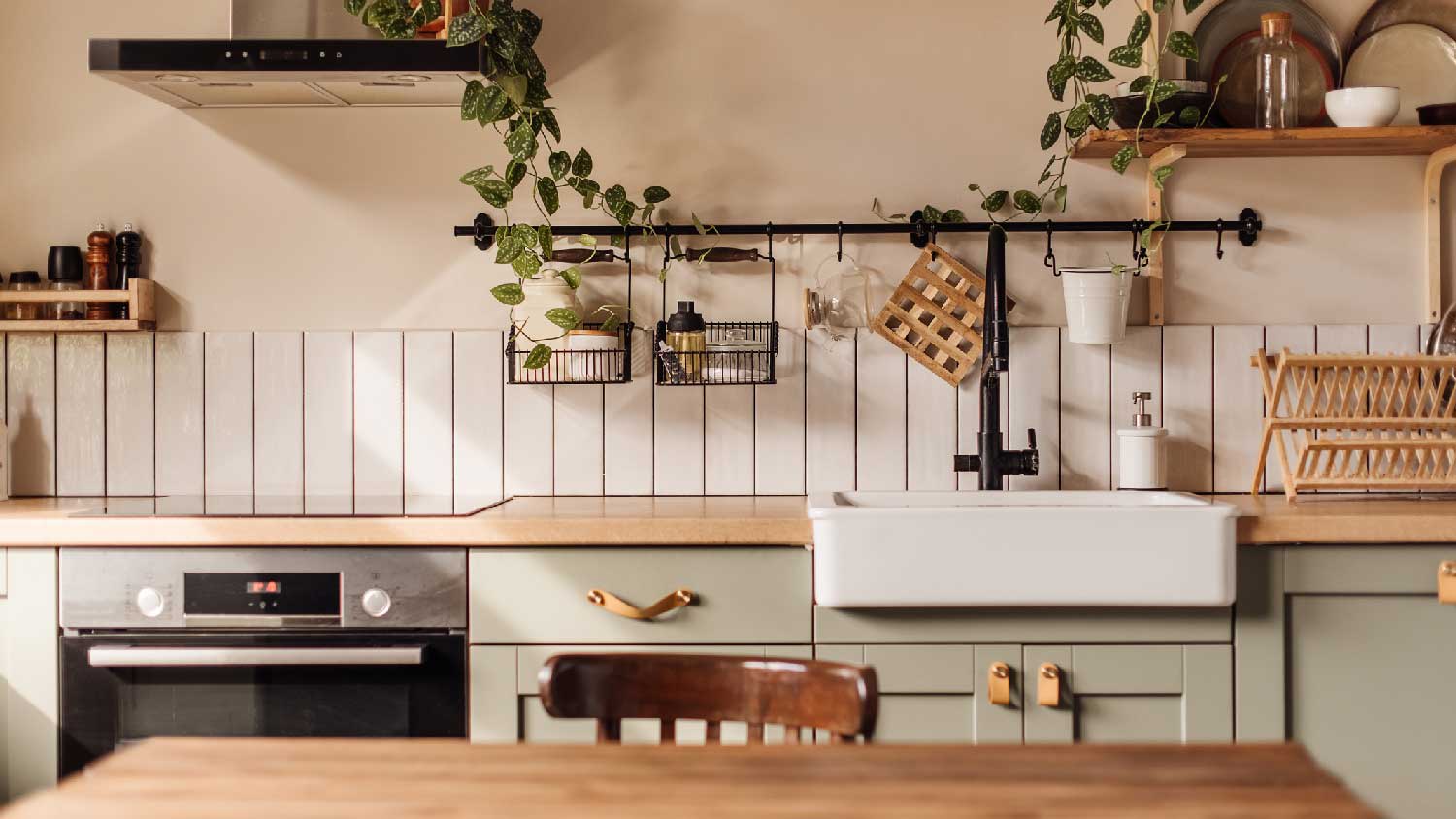
In the contest between butcher block countertops versus granite, the winner depends on your style, desired maintenance level, and budget.
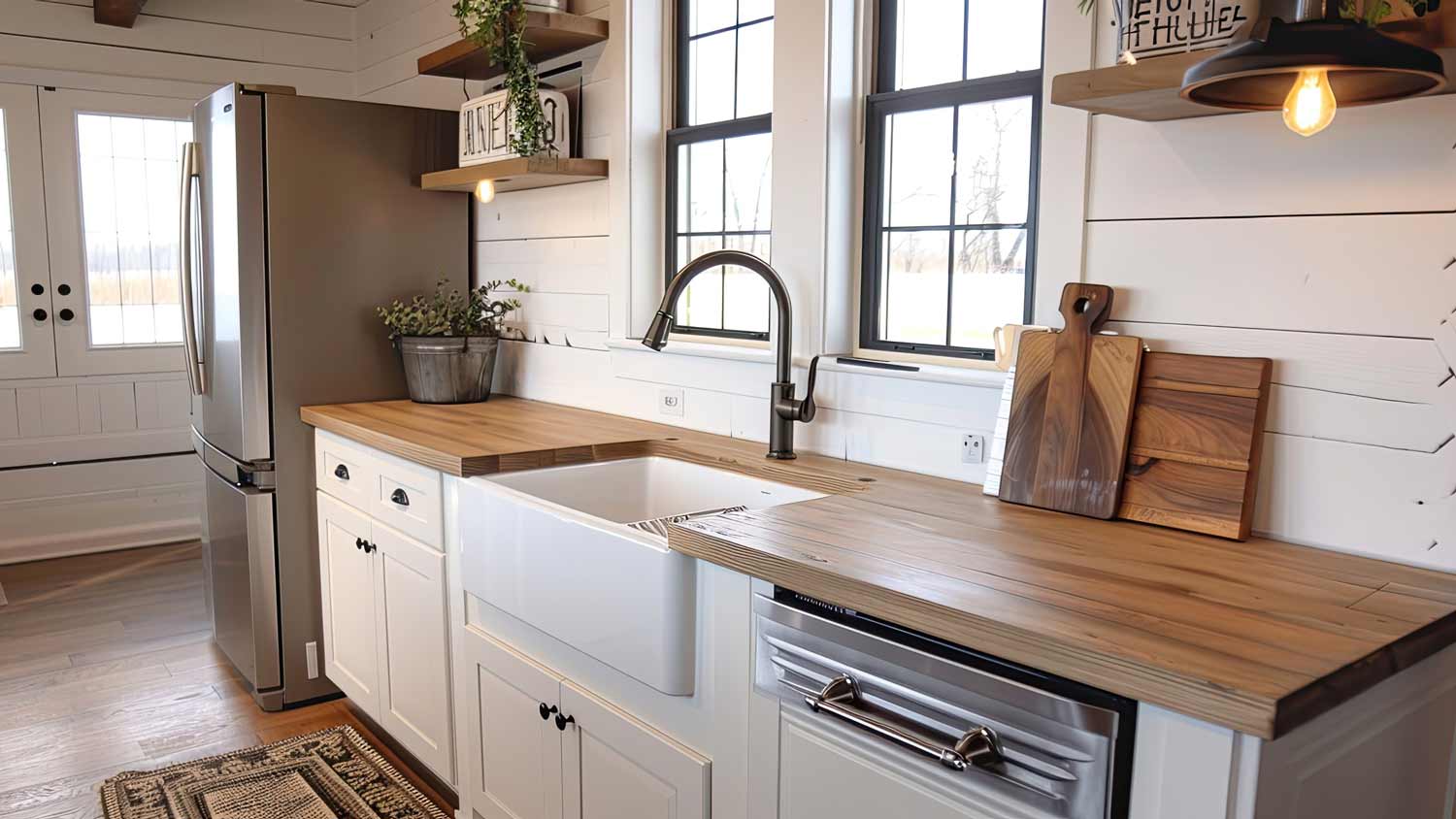
This guide covers the differences between butcher block vs. stone countertops to help you decide which to use for your kitchen remodeling project.
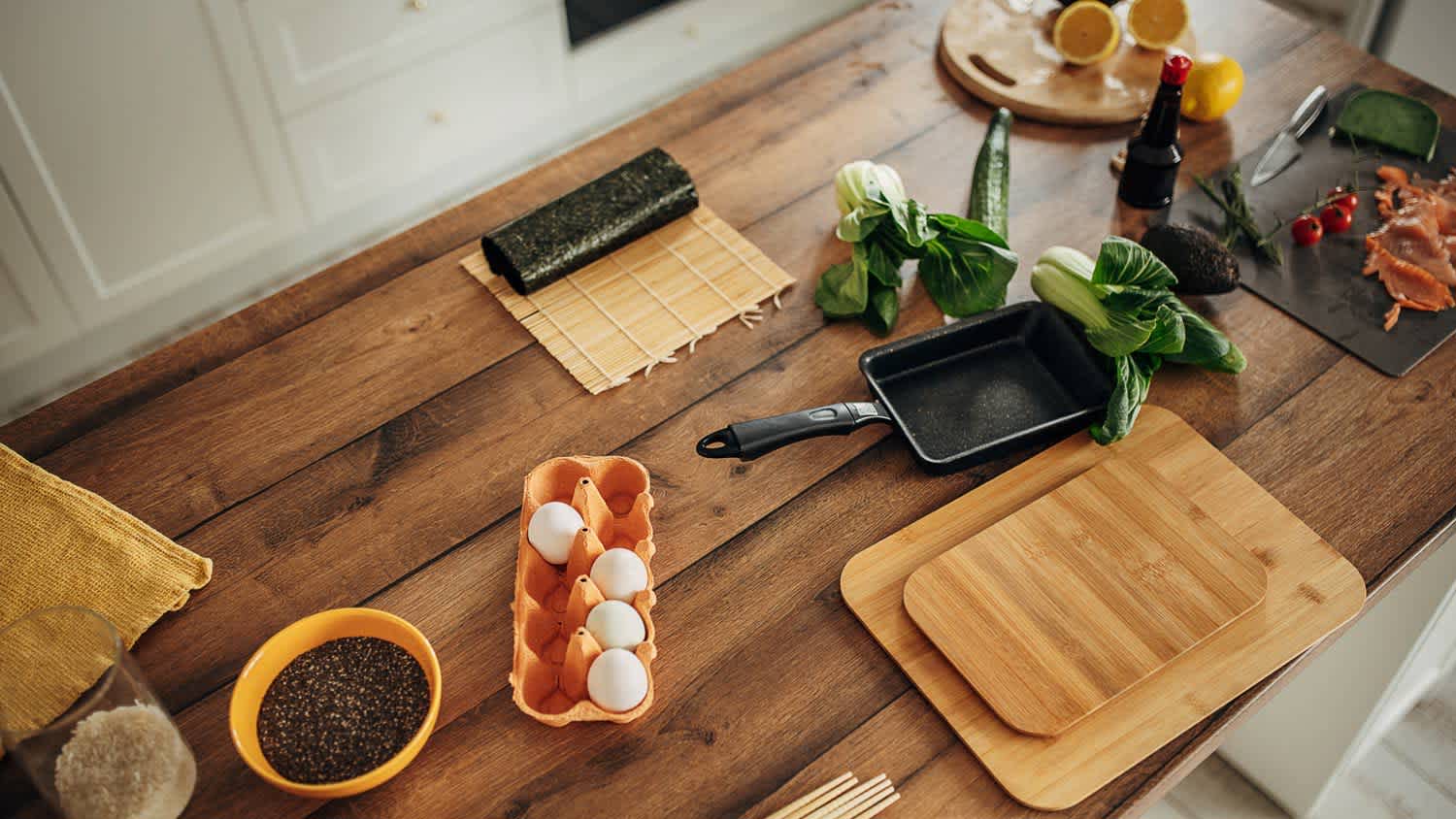
Easily finish a butcher block countertop yourself by properly preparing the surface and applying one of several finishing materials. Learn how to finish butcher block countertops with this guide.
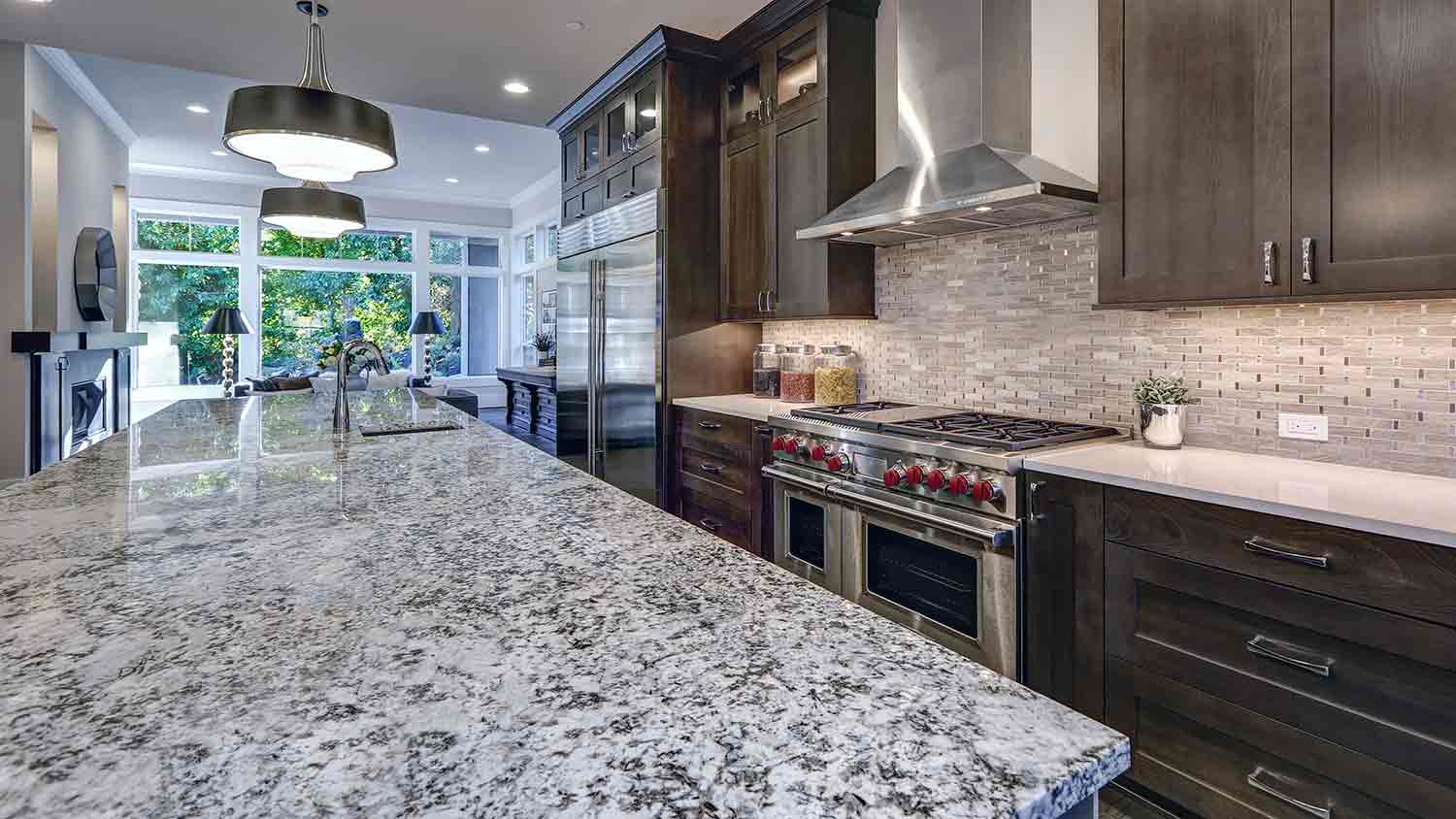
Choose between five highly rated countertop materials for your next kitchen remodel, including granite, engineered quartz, butcher block, concrete, and laminate.