
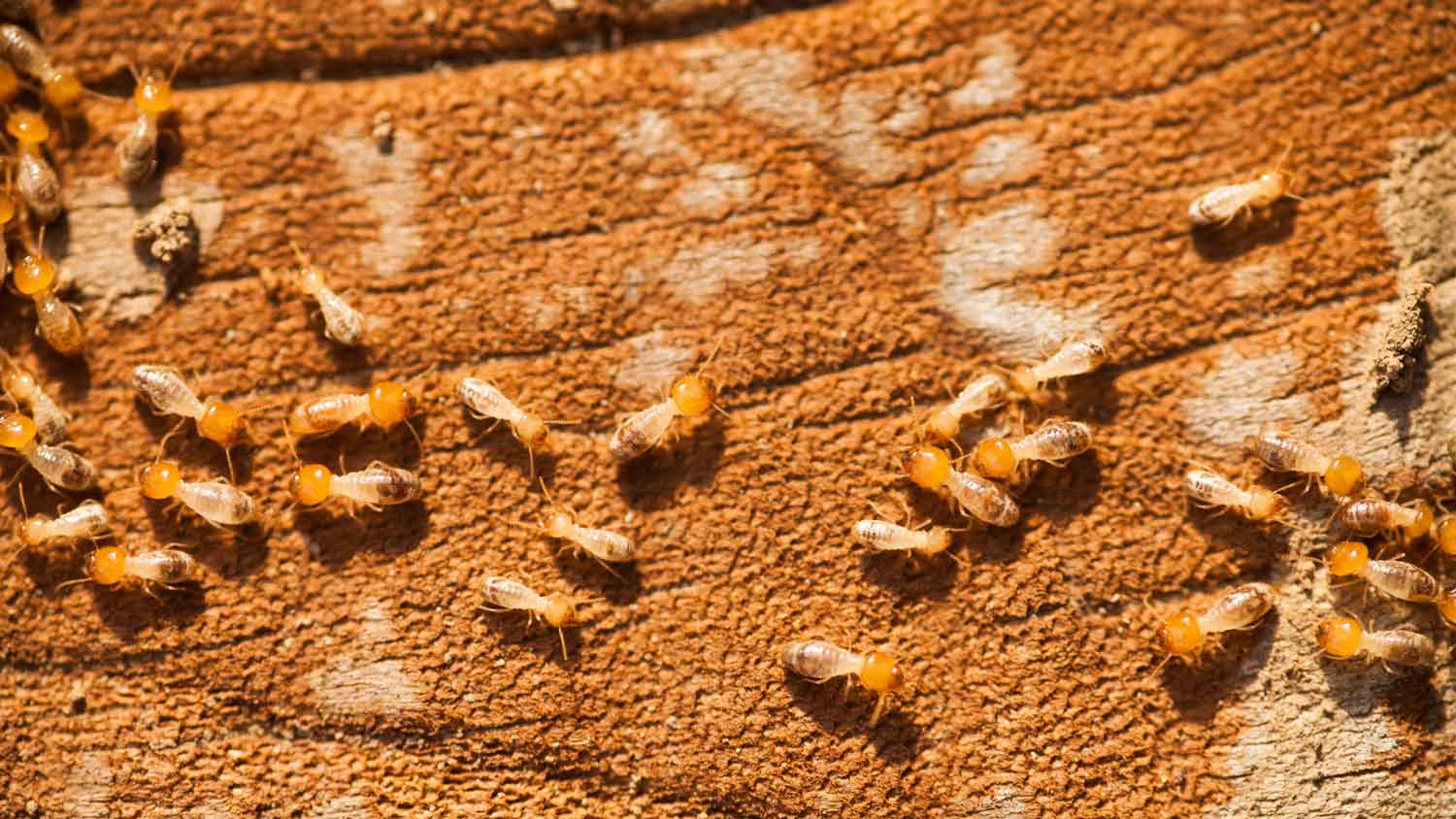
Keep your home free of termites and the damage they do. Learn more about inspections, infestations, and the average cost of termite treatments.
Learn the maintenance timeline for your termite treatments

Termite treatment duration varies by method, with liquid soil treatments lasting around five years and wood treatments lasting five to ten years or more.
Bait stations need your attention year-round, as they work for a few months but require monitoring and replacement to stay effective against termite activity.
Annual termite inspections help you catch new infestations early, especially since treatments can weaken over time from moisture, soil conditions, and environmental exposure.
Hiring a local termite control professional provides reliable support with treatment selection and annual inspections, helping protect your home from future termite damage.
Professional termite treatments last about five years, depending on the type of treatment method. For example, bait stations require frequent replacement to remain effective, while liquid treatments provide the most long-lasting results.
Learning how long termite treatments last is important for long-term prevention, and the timeline varies by the treatment. Let’s take a look at the different types of termite treatment and the duration of their effectiveness.


Liquid termiticides last around five years on average. During this treatment process, a local termite control specialist will dig a trench around the perimeter of your home and pour or inject a liquid termiticide within the soil, establishing a barrier to keep out subterranean termites.
While these treatments can be very effective, termites may still find their way across the barrier, especially if there are any gaps present. It’s highly advisable to have annual termite inspections to detect potential future infestations before they can do any major damage.
Important factors:
Type of repellent or insecticide
Application site
Thickness of the barrier
Amount of exposure to moisture and weather
Termite bait stations can last for a few months, depending on the amount of termite activity. However, you’ll need to monitor termite bait stations year-round. For this type of treatment, a termite specialist will place baits strategically around your property. Then, termites take the poisonous bait while foraging, bring it back to their colony, and infect the other termites. This method can get rid of termites and potentially wipe out a colony, but it can take months for the termites to come across the bait.
Important factors:
Date bait station activated
Amount of exposure to moisture and weather
How quickly the bait is eaten and taken back to the colony

Wood termite treatments generally last five to ten years or more. These involve the application of termiticides directly to wooden structures of materials. They can be applied as a preventative during construction or as a treatment for an existing infestation. Durability can vary depending on factors, such as the type of wood, exposure to moisture, and other environmental conditions.
Important factors:
Type and durability of wood
Exposure to rain and moisture
Physical termite barriers can last decades or longer. Using materials such as stainless steel mesh, sand, and crushed stone, these barriers are designed to physically block termite entry. Barriers can also make termite activity more noticeable, allowing you to spot them and take quick action before they’ve caused major damage. Since this treatment method doesn't use chemicals, it will remain effective unless damage or regular wear and tear weaken its integrity over time.
Important factors:
Materials (wood, fiberglass, vinyl, or fiber cement)
Type of insulation foam
Exposure to the elements
Termite fumigation is a treatment reserved for major infestations because it’s a days-long process that involves evacuating your home for 24 to 72 hours, wrapping your home in a tent, and blasting termite-killing chemicals. However, gas fumigation is one of the most effective ways of killing live termites, and the results should last about five years. While termite fumigation eradicates current termite infestations, you’ll need to prevent future unwanted guests from coming into your home in order to make the results last.
Important factors:
Number of access points remaining after fumigation
Number of termite colonies remaining in the region
Consider choosing your type of treatment by the kind of termite infesting your home.
Your treatment type will depend on the kind of infestation you have. Some termites are subterranean, meaning they live underground, creating virtual superhighways of tunnels and nests and entering your home through tiny cracks and crevices where the wood of your home meets the ground level.
Because subterranean termites build extensive networks belowground, gas fumigation is often one of the best strategies for treating them. In addition, all termites need moisture to survive, so one of the most important strategies for getting rid of subterranean termites is moisture removal, which ensures your home has proper drainage and all wooden structures are as free as possible of any dampness or decay.
Another common type of termite is the dampwood, which is attracted to very moist areas, such as damp and decaying wood. If you have a dampwood termite infestation, one of the best strategies for whole-house treatment is the baiting approach. In addition to baiting, moisture removal is also essential to preventing or eradicating these termites.
The most common type of termite—and the one posing the greatest threat to most homes—is the drywood termite, which frequently infests structural wood in your home, as well as dry wooden fencing and even utility poles. This variety is both hearty and destructive, so it often requires a multipronged strategy to prevent and eradicate them.
To get the best results, gas fumigation is often combined with termiticide applications, including termiticide baiting. Moisture removal is also helpful but may not be as effective as it is with the other species.
The type of termite treatment is the main factor in determining how long it will last, but there are other elements to consider.
Quality of service: High-quality termiticides and a professional application can significantly extend the life of a soil treatment.
Poor service or maintenance: Conversely, poor application or skipping follow-up maintenance can shorten its effectiveness.
Environmental conditions: If you live in a hot, humid area or have soil with a lot of moisture, termiticides may break down faster than they would in drier climates.
Type of termites: Certain termite species are more aggressive and harder to eliminate, which may require more intensive or frequent treatment.
Access points: If your home has a crawl space or unique construction features, those might make it easier for termites to find a way around barriers.
Disturb treatment area: Activities like digging near your foundation or adding new landscaping can disturb treated soil and open the door for re-infestation. That’s why routine inspections and ongoing maintenance are necessary.
Termite prevention is an ongoing process. Even though you won't likely need annual termite treatment, it's still important to have an annual termite inspection performed by a pest control expert. That's because it can be challenging to detect termite damage until it's pretty far along. An annual inspection, though, will help you detect a potential infestation before too much damage has occurred. On average, the cost of a termite inspection from a top-rated exterminator is $170.
Follow these tips for warding off termites:
Don’t let moisture accumulate near home’s foundation
Repair leaky plumbing
Divert water from gutters and downspouts away from the home
Reduce moisture and humidity in basements and crawl spaces
Remove stump and dead wood from yard
Use termite-resistant mulch
A reliable team for moves across state. My switch to a new place needed careful lifting through tight hallways. The movers checked the doorway first, then carried heavier pieces with slow, controlled movements. Their patience helped prevent damage, and I?d choose them again.
This company does it right. Firstly, I want to say that Landan was a joy to work with. He was so kind, transparent, and had everything under control. His entire team showed up ready to work and they were all very respectful of the fact that we were in an office space. A little backstory – we...
 Krumlauf Floors
I had FabClean 614 clean my apartment, and she did an outstanding job. She was so professional and efficient. My apartment looks absolutely spotless every surface, every corner, all cleaned to perfection. Definitely highly recommend FabClean 614 if you're looking for top-notch cleaning...
 Fab Clean 614
Raven and crew does absolutely fantastic job. They are very professional if any concerns were to occur with any of her work she always took responsibility and finished out with a great job. I have worked with her business for a year and have always been satisfied. Very trusted business and...
 Creations of Transformation LLC
I would recommend this company to anyone! He showed up on time, was friendly, completed a very difficult repair on our dryer vent cover, was responsive, and pricing was extremely fair and competitive. I would have him back to do any of our repairs or cleanings without hesitation!
 U.S.A. Dryer Vent, LLC
Best cleaning I've had at my property
Ace Fireplace Services' chimney sweep service is truly exceptional. They used advanced technology to ensure a thorough cleaning process, and my chimney has never looked better. I highly recommend their services.
 Ace Fireplace Services
This company went above and beyond with their work, chimney sweeps are usually pretty messy, but the clean up was spot on.!! Josh explained every thing that he was doing, and the things that he was checking to make sure the chimney was safe for me and my family. He was very professional,...
 Supreme brick & chimney
Good workers and they do a good job.
 Mira Construction
Mary Cleaning Service is fantastic! The entire team is professional and pay a great deal of attention to detail. They do such a thorough job of cleaning my house. I would definitely recommend!
From average costs to expert advice, get all the answers you need to get your job done.
Keep your home free of termites and the damage they do. Learn more about inspections, infestations, and the average cost of termite treatments.
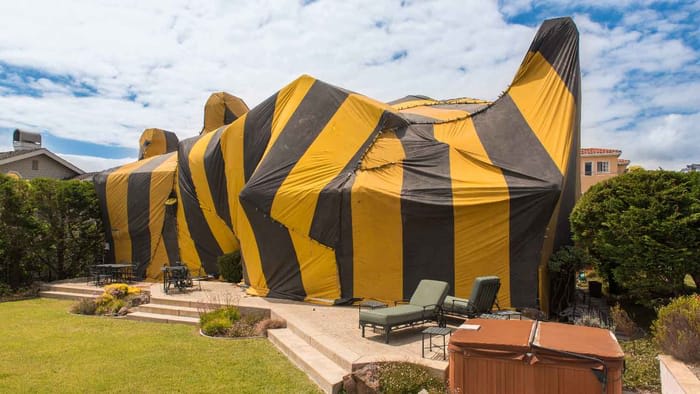
Tenting is a costly but effective way to exterminate termites. Learn the average termite tenting cost and everything that will factor into your budget.
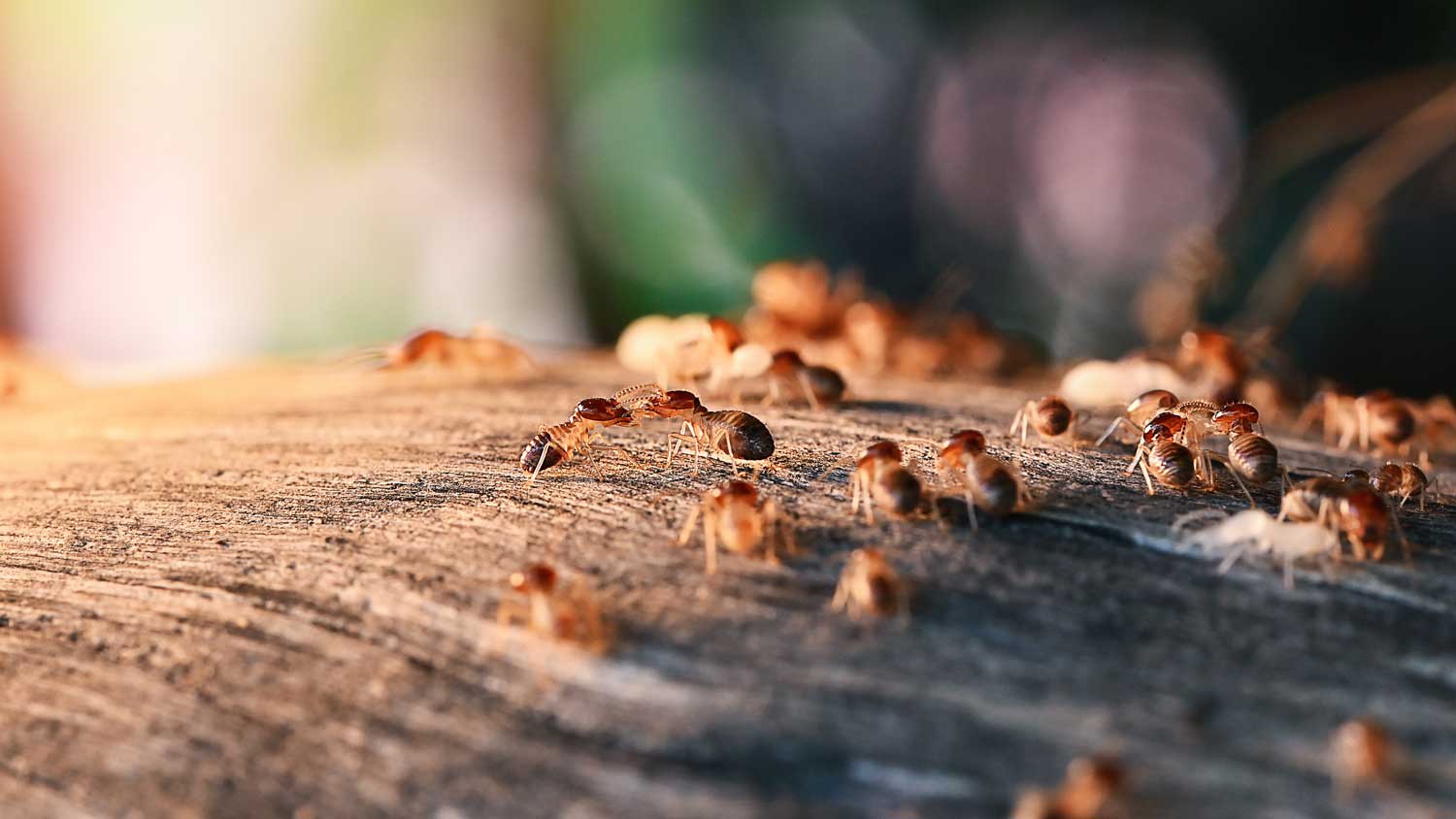
The termite inspection cost varies based on your location and reason for getting the service. Learn more about termite inspection budgeting.
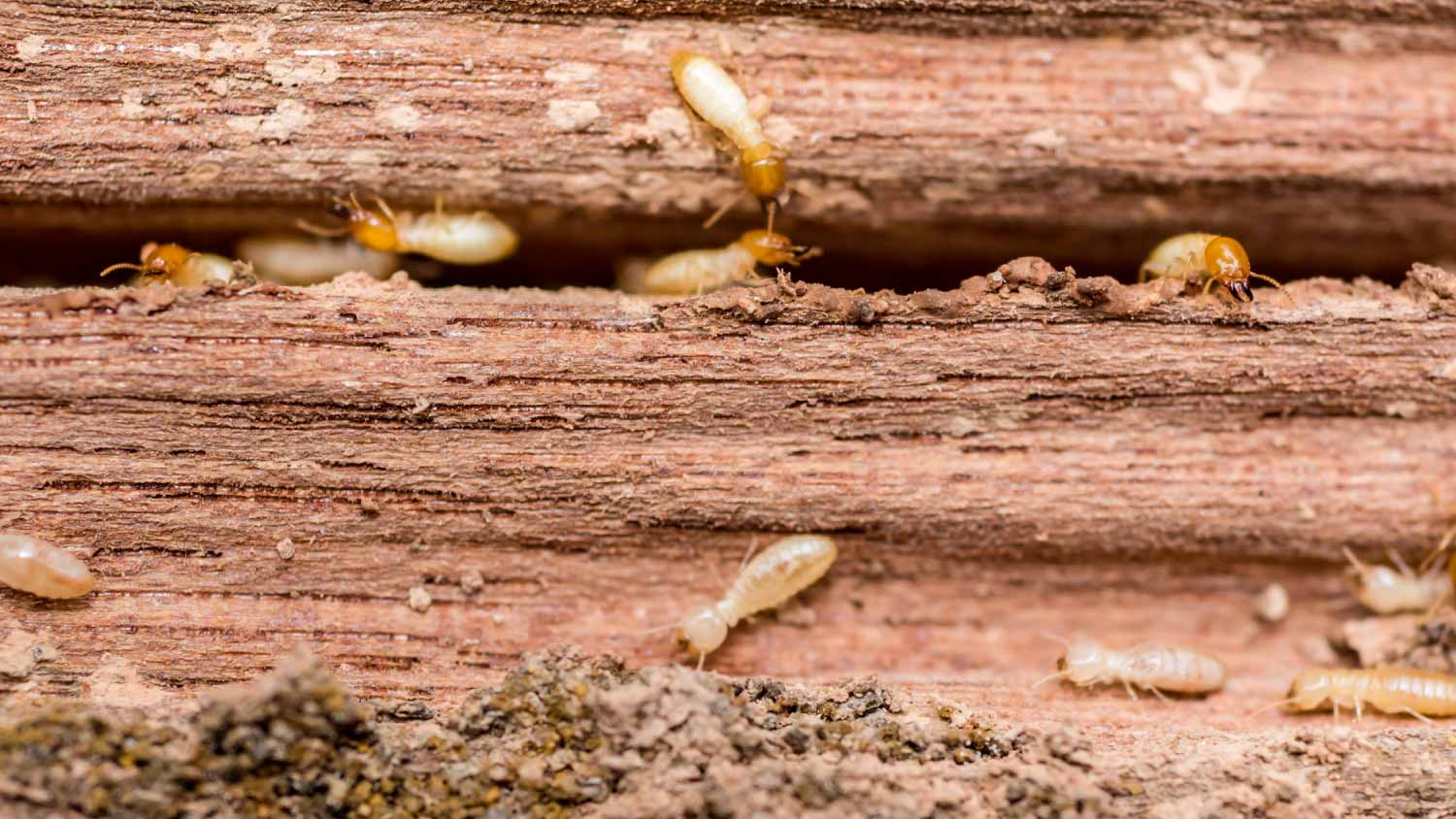
Does spot treatment work on drywood termites? These subterranean pests cause serious damage to your home, but luckily, there are several effective treatment options.
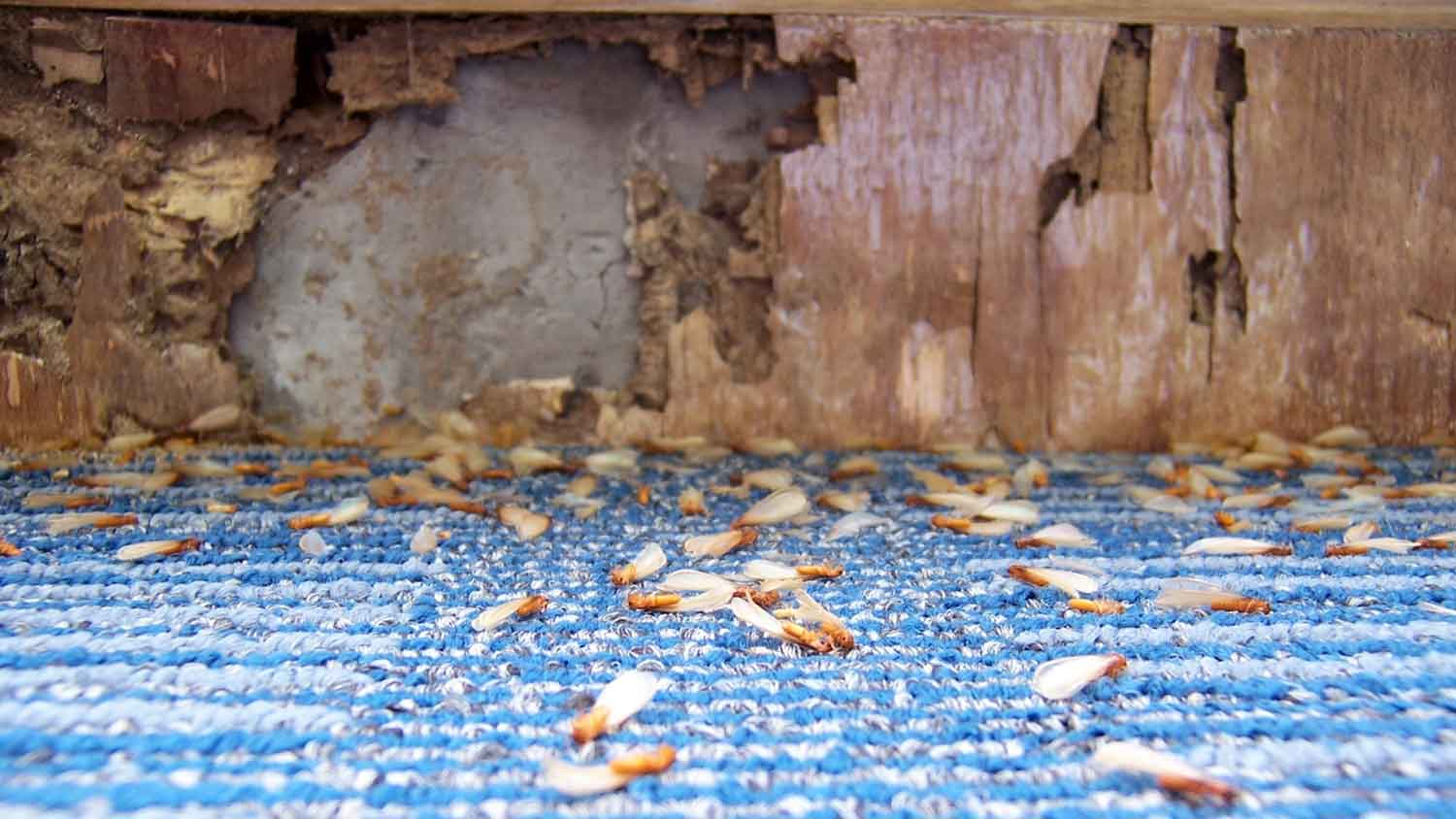
Stuck with a termite infestation? There are many options to kill off these pests. From bait to wood treatments, find the best types of termite treatment for you.

Termites can cause major structural damage to your home if left untreated. Use this guide to learn how to get rid of termites once and for all.