
•
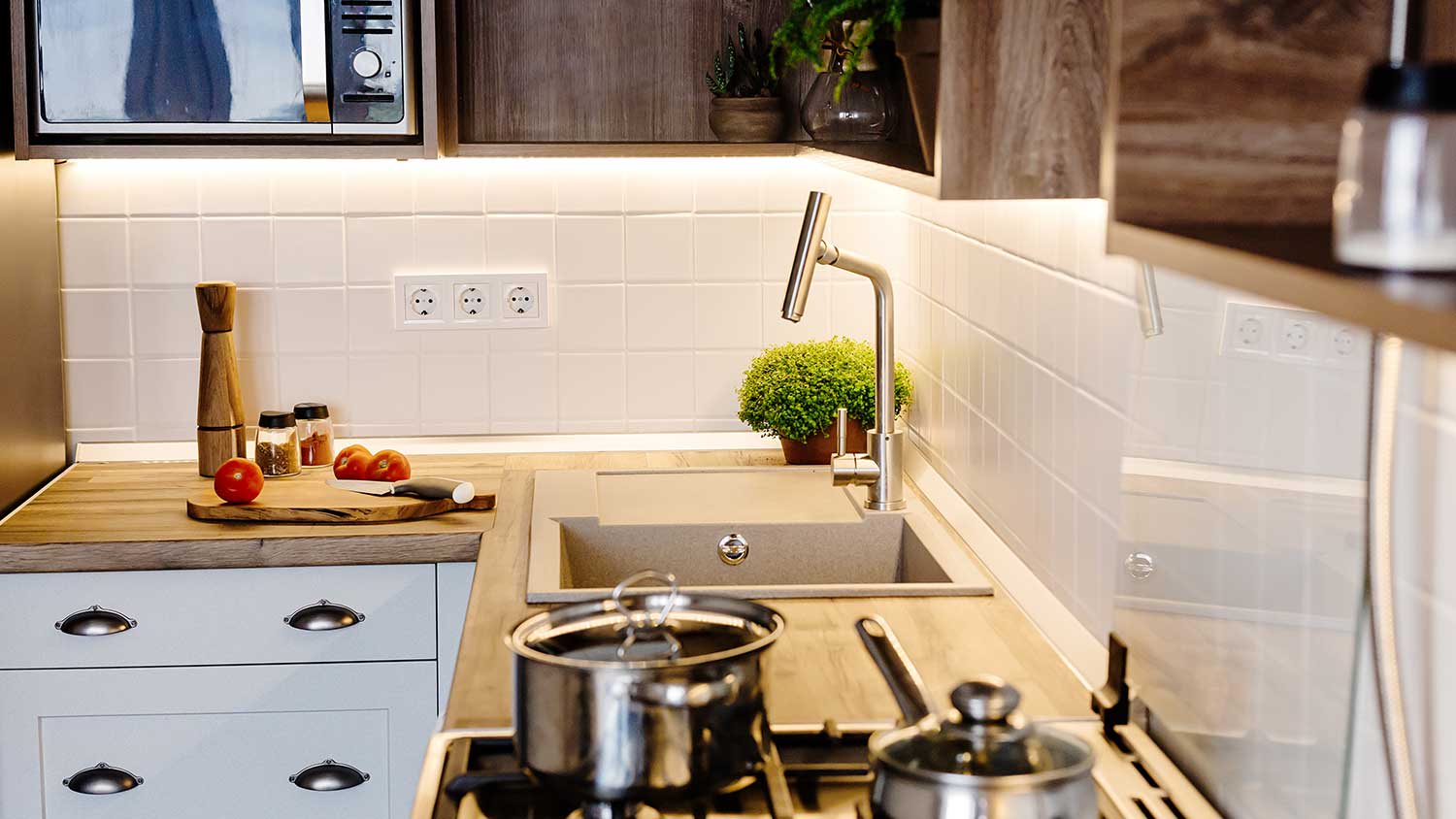
Discover how much under-cabinet lighting costs. Discover installation prices, key cost factors, and expert tips to save on your kitchen or workspace lighting project.
Brighten cabinets, hallways, closets, and anywhere else that could use a little light

LED strip lights are flexible circuit boards with adhesive backing that you can bend up to 90 degrees around corners and edges for versatile installation.
LED strip lights cost $7 to $50 per strip, and complete installation kits with transformers, connectors, and controllers range from $15 to $70.
You'll measure your space, cut the strips at marked copper dots, connect multiple strips using soldering or clips, and adhere them to clean surfaces.
Hiring a local handyman professional simplifies cutting, connecting, and mounting LED strip lights while ensuring proper voltage transformer setup and secure wall adhesion.
Learning how to install LED strip lights is a DIY-friendly solution for areas of your home that lack a little extra light. Attach them along your staircases and hallways to make it easier to find the bathroom in the middle of the night. You can set a cozy vibe in your den or bedroom with dimmable LED light strips, or they can make it easier to find the perfect novel on an otherwise dark bookshelf. Follow the steps in this guide to light up your space.
Light-emitting diode (LED) strip lights are small, flexible circuit boards with LED lights attached to the front and an adhesive strip on the back. The strips are flexible and can bend up to 90 degrees, making it possible to install them in the corners of a room or around the edges of a shelf. You can find LED lights in various colors, and some brands even offer dimming capabilities to help you set the mood of a room. Check the manufacturer’s instructions for how to cut the strips or connect them by soldering or using connector clips.
LED light strips offer several benefits, including their energy efficiency. When it comes to incandescent vs. LED lights, LEDs are 75% more energy-efficient. That’s one reason many homeowners install budget-friendly LED lights under their cabinets for kitchen task lighting and a helpful night light.
LED strip lights cost about $7 to $50 per strip, and the strips may range from just a couple of feet to over 50 feet in length. You can purchase just the LED strip lights or kits with everything you need for easy installation for around $15 to $70.
An LED strip light kit will typically include the transformer to help lower your home’s voltage when plugging in the LED lights; solderless clamps for easily connecting the wires; connector clips to connect multiple strips; and controllers for dimmable or color-changing lights.
If you have a pro install the lights for you, you’ll spend about $60 to $125 per hour on the cost of hiring a handyperson.
From shopping for LED strip lights to getting the walls or other surfaces ready for the lights’ adhesive backings, here are a few things to do before you buy and start installing the LED lights around your home.
Not all LED strip lights will work for your home or a specific project, so look at the voltage, density, and weather resistance before making a purchase.
Voltage and transformer: LED strip lights are typically 12- or 24-volt and will need a transformer, since most electrical outlets are 120- or 240-volt.
Indoor vs. outdoor: If you’re adding LED strips around the front porch, back patio, or moisture-prone areas like the kitchen, look for weather-resistant or waterproof LED lights.
Density: Low-density strips have about nine lights per foot and cutting marks every 4 inches. High-density lights have 18 lights per foot, with cutting marks every 2 inches.
LEDs also come in various colors, either as one color per strip or a strip that changes colors with a remote control or smartphone. Maybe you want a blue light behind the back of your wall-mounted TV or warm-toned white lights in the hallways.

You might see some acronyms listed on the strip light packaging or online listing. Here’s what they mean:
RGB (red, green, and blue): Colors, not white; requires four wires
RGBW (red, green, blue, and white): Colors and white; requires five wires
RGB and CCT (red, green, blue, and color-corrected temperature): Colors and white, with the added function to switch from cool to warm white; requires six wires
Make sure to purchase electrical wires that correspond with whatever color selection you choose.
Before shopping for LED strip lights, measure all the areas where you want to add the lights. Add up the length and round up to estimate how many feet of strip lights you’ll need to complete the project.
If the wall or surface is oily or dusty, sticking LED lights becomes difficult because the adhesive backing won’t stick. Use a damp cloth to clean the wall and remove debris, then follow up with a dry cloth to remove any moisture. This will keep your strip lights from falling off of the wall later on.
Remember that no matter how much you scrub your brick walls or concrete steps, the adhesive usually won’t stick to rough surfaces. Super-glossy surfaces can also prevent the LED lights from sticking. You may be able to use mounting clips and screw them into the surface to keep the LED light strips in place.

You’ve found the perfect string lights for the different rooms of your house, and now it’s time to start cutting, connecting, and adhering the lights so you can enjoy the updated ambiance in your home.
Before buying the strip lights, you measured the spaces where you wanted to add the lights. Now, it’s time to measure out the strips for each spot in the house. LED lights come in multi-foot strips, and you can cut them at designated spots on the strip, which appear every 2 to 4 inches.
Use scissors to cut between the lights at the marked spots. These indicators typically look like lines placed between two sets of copper dots. Only cut along these lines to fit the strips to your desired location. If you cut elsewhere, the lights won’t work.
You may need to connect multiple strips if you’re running lights around the perimeter of a room. There are different ways to connect the strips: soldering or solderless clips. Soldering offers a more secure connection, but clips are a reliable option for beginner DIYers.
Remember those copper dots that guided you when cutting the strips? You can solder those copper dots on one strip to the wires on another strip to connect multiple LED strip lights but always solder in a well-ventilated space.
Use a soldering iron set to 350 degrees Fahrenheit to melt the copper and wires without burning the copper. Connect the red wire to the positive copper dot and the black wire to the negative copper dot. Let the copper and wires cool for at least 30 seconds before testing them.
Once you’ve confirmed the LED strip lights work after soldering, make sure to use shrink tubing to cover the exposed wire ends and copper. If you’d like to proceed without soldering, skip to the next step.
If you successfully soldered your lights, you can skip this step. Your LED light strips may include solderless clips for easy connections. Connect the solderless clamp to the light strip first, and press down to ensure it’s secure. You can use your wire stripper to help with securing it shut.
Next, pull the first inch or so of the wires apart (there should be a wire for each color, plus one for power) and place them in their corresponding slot on the solderless clamp.
With adhesive-backed LED strip lights, you may not be left with any loose, exposed wiring, especially if you have solderless connectors. But if you have loose red and black wires, you can use screw-on connectors to cover these wires safely.
Position the LED strip lights along your chosen surface. Peel the backing a small amount at a time and adhere the strips to a clean, dry surface. As you attach the LED strip lights, push down on the strips to work out any air bubbles and secure them to the wall or surface.
This optional step offers more insurance when hanging LED strip lights on a wall. Fixing clips have adhesive backs, and you can nail them down to keep the LED lights in place. If you’re using a kit that includes fixing clips, check the manufacturer’s instructions for how to hook up LED lights.
Plug the LED strip light controller into a voltage transformer. Plug the input side of the voltage transformer into an outlet. The lights should turn on, and you’re ready to kick back and admire your handy work.
One of the many benefits of LED lights is that they don’t need a lot of extra attention or care. Once you’ve hung them on the wall, they should last up to 50,000 hours, meaning you may not need to repair or replace the LED strips for several years.
Unlike string lights, you can’t exactly swap out a tiny burned-out bulb on LED light strips. If your LED light strip isn’t working, you can replace the light strip. To do this:
Follow the cut lines on the LED light strip. Cut along the line between the faulty strip and the working strips.
Place a new strip between the two other working strips. Ensure the 12V, R, G, and B connection markers are aligned. Solder the four connections in any order.
Apply a new adhesive backing to the removed LED light strips, if needed.
Replace the LED light strips on the wall and plug into power up the repaired light strip.
If this still doesn’t work, you may need to remove the LED light strips and replace them with a fresh set. Typically, you shouldn’t run into this issue for many years with the long lifespan of LED lights.
Hanging LED light strips is an easy way to add extra light in the darkest corners of your home. This project is easy and affordable to DIY. But if you don’t have the time or you’re concerned about cutting or connecting the LED strips, you can hire a local handyperson to help you out.
Custom Paint Jobs LLC gave our office a fresh new look. Clients love it!
 Custom Paint Jobs, LLC
Best painters in the Greater Columbus, Ohio area. Quality of work second to none and customer service is head above shoulders than everyone else. I cant wait to work on another project with Silvio and Team!
The Mosby team went above and beyond for my project. They not only installed my light fixture; they also worked through an old, wonky, and as it turns out incorrect wiring issue from the work of prior contractors. Professional, thorough, conscientious, and kind. Five star experience. Thank you!
 Mosby Electric
We had a 20+ year old landscape lighting system that needed replacement. Midwest Lightscapes worked with us to design a much improved lighting system, lighting the exterior of the house and the back yard. Installation of the 45 light system took one and one-half days, and went very smoothly....
 Midwest Lightscapes
Jeff was a consummate professional. Responsive, courteous, and focused on meeting our needs. I had a small project of installing and replacing two ceiling light fixtures. He responded to my Home Advisory inquiry within 24 hours and in a span of two weeks our light fixtures were installed. ...
For several months I was looking for somebody to tile a wall in my master bath and move lighting fixtures, and could not find anybody who was responsive. I contacted Rowe through Home Advisor and within days they came by to assess the job and provide an estimate. The cost was very...
 Rowe House Development
A team of 2 spent 5 hours, cleaning top to bottom (removed all light fixture and cleaned.... impressive!!!)
 Luzia's Cleaning
It went very well. I was able to select the color blocks I wanted and where they would be placed in the window. All of the employees were very pleasant and patient. The guys who installed the window arrived promptly, did their job, and there was nothing for me to clean up. The window looks...
 Innovate Home Org - Columbus Glass Block
The initial quoted price from a walk-through seemed high, but we discussed that the quote represented worst case scenario (re-wiring to two floors) and we were excited about the opportunity to have the work done in a timely manner with closing for fire safety reasons, etc. When the job was...
Charlie recommended a separate fan with new lighting to clear steam from the room better. Several weeks ago I contacted Charlie via email to ask about pricing and scheduling, after one follow up he did reply with cost and said it would be about two weeks before he could do the work. I replied...
 Settle Muter Electric
From average costs to expert advice, get all the answers you need to get your job done.
Discover how much under-cabinet lighting costs. Discover installation prices, key cost factors, and expert tips to save on your kitchen or workspace lighting project.
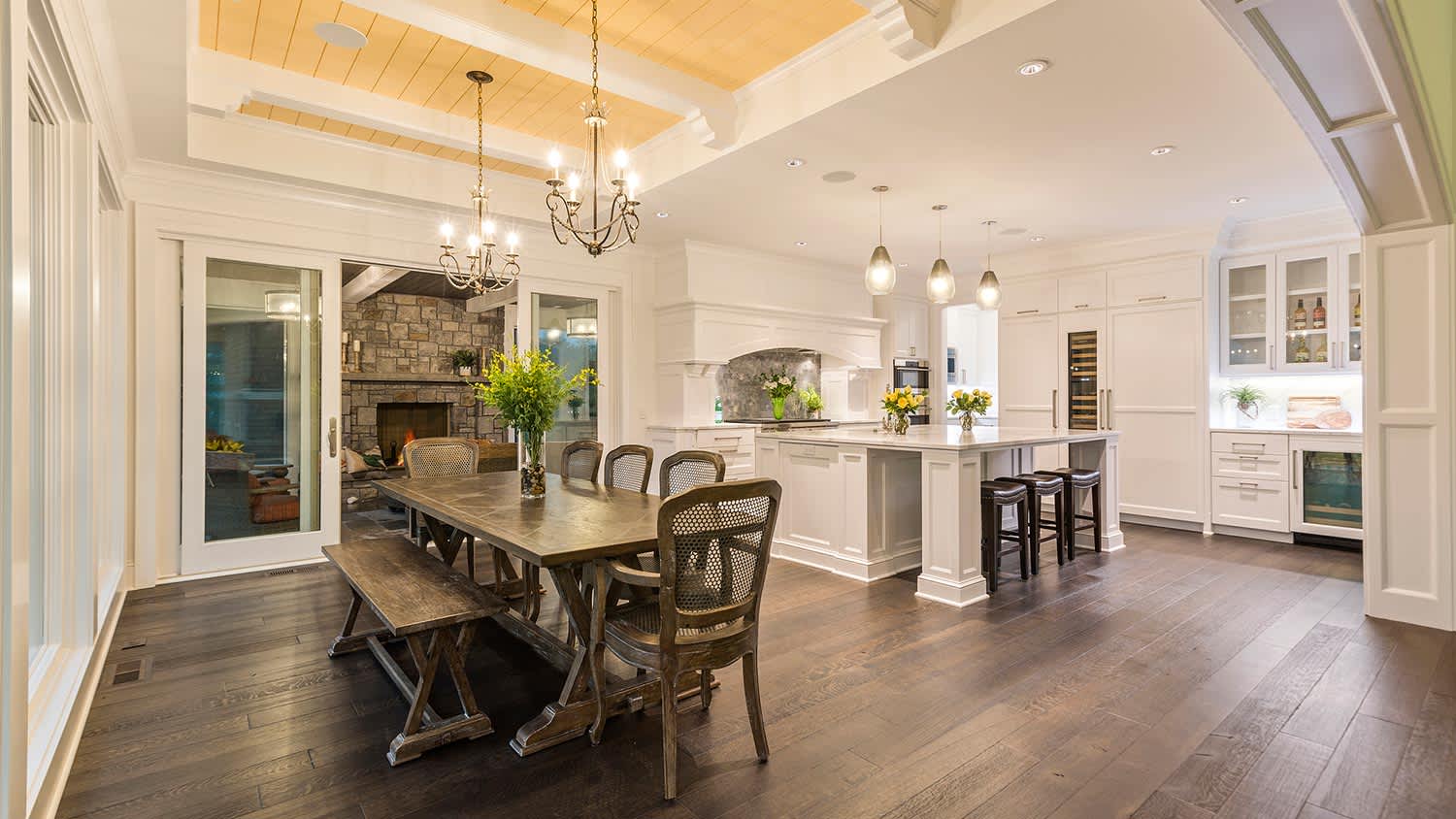
Light fixtures are important elements in any home. Find out how much it costs to install a light fixture based on factors like type, location, and labor.
Discover the cost to install recessed lighting. Discover how price factors, labor, and other considerations can help you save on your lighting project.
LED lights are often advertised to have lengthy lifespans, but different factors will play into their output. So, how long do LED lights last? Find out more.
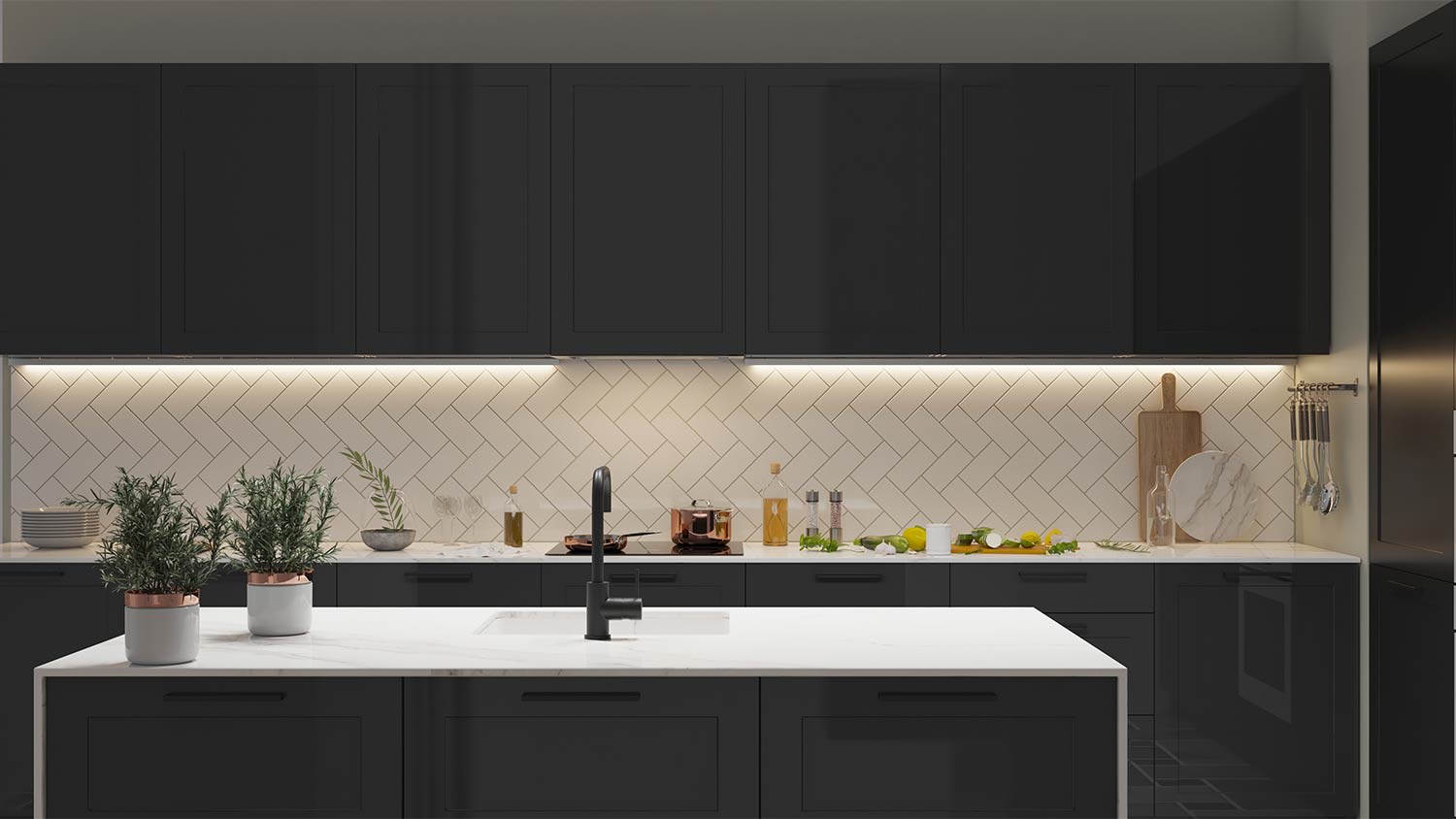
How long do LED strip lights last? Learn your LED strip light’s projected lifespan based on usage, current, and where and how it’s used.

Save money, use less energy, and accent your decor with the focused, decorative, or subtle light styles available from different types of LED light bulbs.