
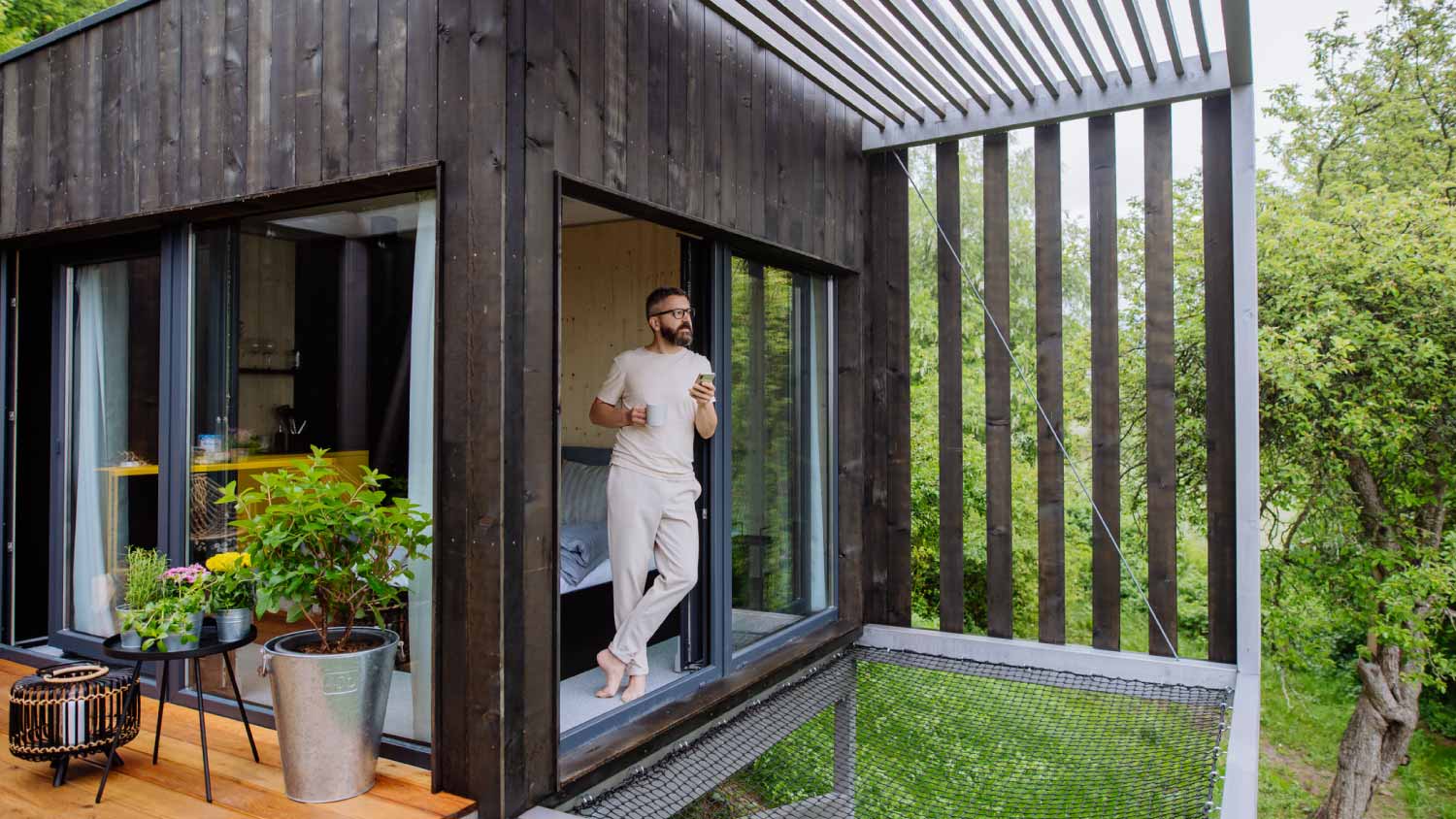
Building a home and looking to go as green as possible? Learn about the cost to build a green home and how energy-efficient features will affect the total.
Save some green by going green around the house

Making your home greener starts with an energy audit, where a trained professional inspects your home to identify gas leaks, moisture issues, and energy waste.
Switching to LED bulbs cuts lighting energy use by up to 75%, and you save around $1,000 over 10 years compared to incandescent bulbs.
You can reduce water consumption by installing low-flow fixtures, catching rainwater with barrels, and turning off taps when you're not actively using them.
Hiring a local home energy audit professional provides clear guidance on sealing leaks, upgrading insulation, and identifying the most effective ways to save energy.
Swapping out single-use bags at the grocery store for reusable ones is one way to make sustainable choices while you’re out and about, but what about when you go home? While turning your home into a green oasis might take a bit of time, the potential energy conservation can help you save money and keep the earth just that much greener.
Here are 16 ways to go green around the home:
Before you make any changes, it will help you to understand what exactly makes a home “green.” Green living is also known as sustainable or eco-friendly living. The Environmental Protection Agency (EPA) defines the following green building principles for a green home:
Site analysis before getting started on the project
Energy-efficiency
Renewable energy
Water-conserving practices
Rainwater management
Minimal use of materials
Recycling, composting, and eco-friendly building supplies
Better indoor environmental practices
In other words, green design considers better energy, water, land, and resource management practices than traditional building designs. An easy way to make your home a bit greener is to check any new appliances or home additions for how they stack up when it comes to these categories. You should also be on the lookout for “greenwashing,” or marketing tactics that try to convince you something is more sustainable than it is. Doing your research before purchasing or starting any project is imperative.
One of the first things you want to do before you get started is to get an energy audit on your home. An energy audit is important because a trained professional will assess your home and help you identify what elements are consuming the most energy. This information is key to helping you find the most effective ways to make your home greener.
As The U.S. Department of Energy states, a home energy auditor near you will check for any gas leaks, take moisture measurements, and inspect your roof, among other things, to help you pinpoint a green gameplan.

Your outdated appliances may have bigger effects than burning your dinner—they could cost you money and waste energy. To help you identify the most energy-efficient appliances, look for the Energy Star rating.
Energy Star is a government-run program managed by the EPA and U.S. Department of Energy that helps you find the best products for energy savings. Choosing an Energy Star appliance can help lower your appliances’ energy usage by up to 10% to 50%.
It’s also worth checking with your city to see if rebates are available when you replace your current appliances with energy-efficient models.
If you’re planning on upgrading your home with something like an addition or a new porch, you’ll want to choose building materials that are either recycled, made from low-emission practices, or made from fast-growing sources like bamboo or hemp.
Some states, like California, have a guideline for green building practices. However, if your state doesn’t have a roadmap, another way to find sustainable building materials is by looking for the UL Greenguard certification label. This label indicates that your purchase has met the strict LEED requirements for green materials and is a low-emissions product.

Solar energy can significantly save you once the initial cost of the panels is paid off. NC Clean Energy Technology Center research shows that you can save around $40 to $190 per month by switching to solar. What’s more, The U.S. Energy Information Administration states that solar energy systems won’t produce air pollution and greenhouse gasses, helping you reduce your home’s energy use and environmental impact.
It’s no secret that the cost of solar panels can be overwhelming if you aim to get all of your energy needs from solar. However, you can start smaller and then build up. To make solar more affordable, choose to have only 20% to 30% of your energy needs covered. You can always add more solar panels in the years to come.
Additionally, the U.S. government offers a 26% federal tax credit when installing solar on your property before 2023. Consider checking with your city government for local rebates, and ask your tax professional for more information on how you can save with a local solar installation company.
Switching to a heat pump can decrease your energy consumption by anywhere from 25% to 60% compared to a traditional air system. There are a variety of heat pump types, but geothermal heat pumps are the most efficient and can even reduce your energy by up to 60%, according to Energy Saver.
As with any major investment in your home, you should check with a heat pump pro near you to figure out which heat pump is right for you.
Don’t let all of your effort to save energy slip between the cracks. Window, door, and foundation leaks can make your HVAC system work overtime come hotter or colder weather. After conducting that energy assessment, seal any leaks or holes in your home using the following options:
Doors: Apply weatherstripping to seal gaps under your doors and caulk any immobile gaps.
Windows: Install solar window film to windows and apply weatherstrips and caulking to the frames of your windows.
Foundations: Use a low-VOC sealant with a rating of 50 g/L or less, as volatile organic compounds (VOCs) release chemicals into the air that can pose a risk to your health and the environment, according to the EPA.

Attics aren’t just a place to store old boxes and furniture; having the right attic insulation can play a major role in regulating temperatures in your home. Since insulation keeps out the heat in the summer and holds onto indoor heat in the winter, your HVAC doesn’t have to work as hard to keep things comfortable.
The EPA calculates that you could save around 15% on your heating and cooling expenses, accounting for approximately 11% of your entire home’s energy costs, if you properly seal and insulate. Talk about insulating your pockets!
The right type of energy-efficient roof for your home can have a huge eco-friendly impact on your home. An ENERGY-STAR-certified roof can help reduce your need to cool your house by 10% to 15%, according to the organization.
Green roofs provide more insulation, better ventilation, and excellent sun protection—all of which save you money and lower your energy consumption. Asphalt, metal, and tile roofing are just a few types of energy-efficient roofs that you can use to shave off on your bills. Take it up a notch by switching to solar shingle roofing, which can provide your home with renewable energy while protecting it from the elements.
Permaculture is about designing areas that don't require a lot of maintenance and landscaping with energy efficiency in mind. These designs include following the natural flow of your landscape and implementing strategies that best utilize what’s already present.
Permaculture looks at your yard as an ecological home for all life. The slope of your land, the natural valleys and dips, and the types of soil and plants that naturally occur in your yard are all factors that influence your site’s design.
Hire a local landscape designer with permaculture training or take a permaculture design course yourself. Doing so could change how you think about energy use, building design, and plants.

Speaking of plants, they can be both beautiful and useful. And, believe it or not, you don't have to have a green thumb to have a stunning garden. If you choose native plants, they will generally require less care and attention because they will already be genetically durable and acclimated to your particular region. Your landscaping pro can help you choose which plants are native to your area and low-maintenance.
Replace your old cement driveway or parking lot with permeable pavers. Doing this will beautify your landscape, cut down on the storm runoff into drains, and reduce the load on your local water treatment agency. Permeable pavers are designed to allow water to become absorbed and seep into the ground below rather than just run down the road.
There are a few ways to decrease the amount of water you use around the home. Some water conservation tips include:
Catching your rainwater with a rain barrel attached to your gutter’s downspouts
Installing low-flow toilets, faucets, and showerheads
Investing in energy-efficient appliances like dishwashers and washing machines
Turning off the tap when you aren’t using it during dishwashing, handwashing, and teeth brushing
Also called a “laundry-to-landscape system,” a greywater system allows you to direct the water that comes from your washer into your backyard safely. The system has a diverter valve attached to the washing machine’s drain hose, which is then connected to an underground tube. Your washing machine actually serves as a pump that pushes the greywater out through the tube.
A greywater system reduces the need to water plants with fresh hose water. You’ll want to check with your city first to see if this is allowed, as some cities have ordinances or codes that prohibit the use of greywater systems.

The difference between LED and incandescent lights is a big one regarding energy consumption. By swapping out those old incandescent bulbs for LED lights, you can save up to 75% of lighting energy.
And though LED bulbs are more costly (coming in around $5 to $10 each compared to $1 to $2 for incandescent bulbs), incandescent bulbs last for just 1% to 5% of the lifespan of LED bulbs, so you end up spending more in the long run. The Consumer Federation of America states that, after 10 years, you can save around $1,000 when you use LEDs.
Electronics are sneaky energy hogs that feed on your electricity even when you're not using them. To combat wasted energy, invest in smart power strips to regulate energy consumption from your outlets. Smart power strips are designed to sense when devices are in standby mode, effectively shutting off power to those applications.
I recently had Mosby Electric perform an electrical installation on 8-14-2026, and I couldn’t be more satisfied with the service. From the moment I called, their team demonstrated fast arrival and professionalism. The electricians were highly knowledgeable, completing the installation...
 Mosby Electric
I had FabClean 614 clean my apartment, and she did an outstanding job. She was so professional and efficient. My apartment looks absolutely spotless every surface, every corner, all cleaned to perfection. Definitely highly recommend FabClean 614 if you're looking for top-notch cleaning...
 Fab Clean 614
It went so well! They were prompt and efficient! They were patient with last minute changes and the work was worth the money
 Security Doors and Shutters
Supreme Brick & Chimney is one of the best service providers I’ve interacted with. Extremely efficient, knowledgeable, and thorough. They took the time to walk me through their detailed full-service inspection and were extremely professional. Not to mention their turnaround time was...
 Supreme brick & chimney
They were great! They were thorough and efficient and paid attention to the details. Definitely recommend. I'm definitely going back!
 FIFI'S EARTH FRIENDLY CLEANING
Custom Paint Jobs LLC is reliable, efficient, and their work speaks volumes. Highly recommended!
 Custom Paint Jobs, LLC
Very professional and efficient with work. Answered each question I had with great knowledge and an informative response. Will be working with them again.
 KW Handy
The techs on my project, Shawn and Cliff, were great. They were prompt, courteous, and efficient. I am very happy with the results and would definitely contact Mr. Electric for any future electrical projects.
 Mr. Electric of Columbus
Excellent choices and quality of materials. Workmen were very efficient and took their work very seriously. Pride of workmanship and cleaned up beautifully at end of job. Would recommend this company highly.
 Window Depot USA of Central Ohio
I can see why this company has such high ratings. Their team of 5 guys came today to trim a couple of large trees in my yard. They were professional, polite, efficient and asked me for input through the whole two and a half hour project. They did an exceptional job of clean up. The estimate...
From average costs to expert advice, get all the answers you need to get your job done.
Building a home and looking to go as green as possible? Learn about the cost to build a green home and how energy-efficient features will affect the total.

We spoke with five influencers in the sustainability space about how they found their passions and got tips for how you can live greener every day.
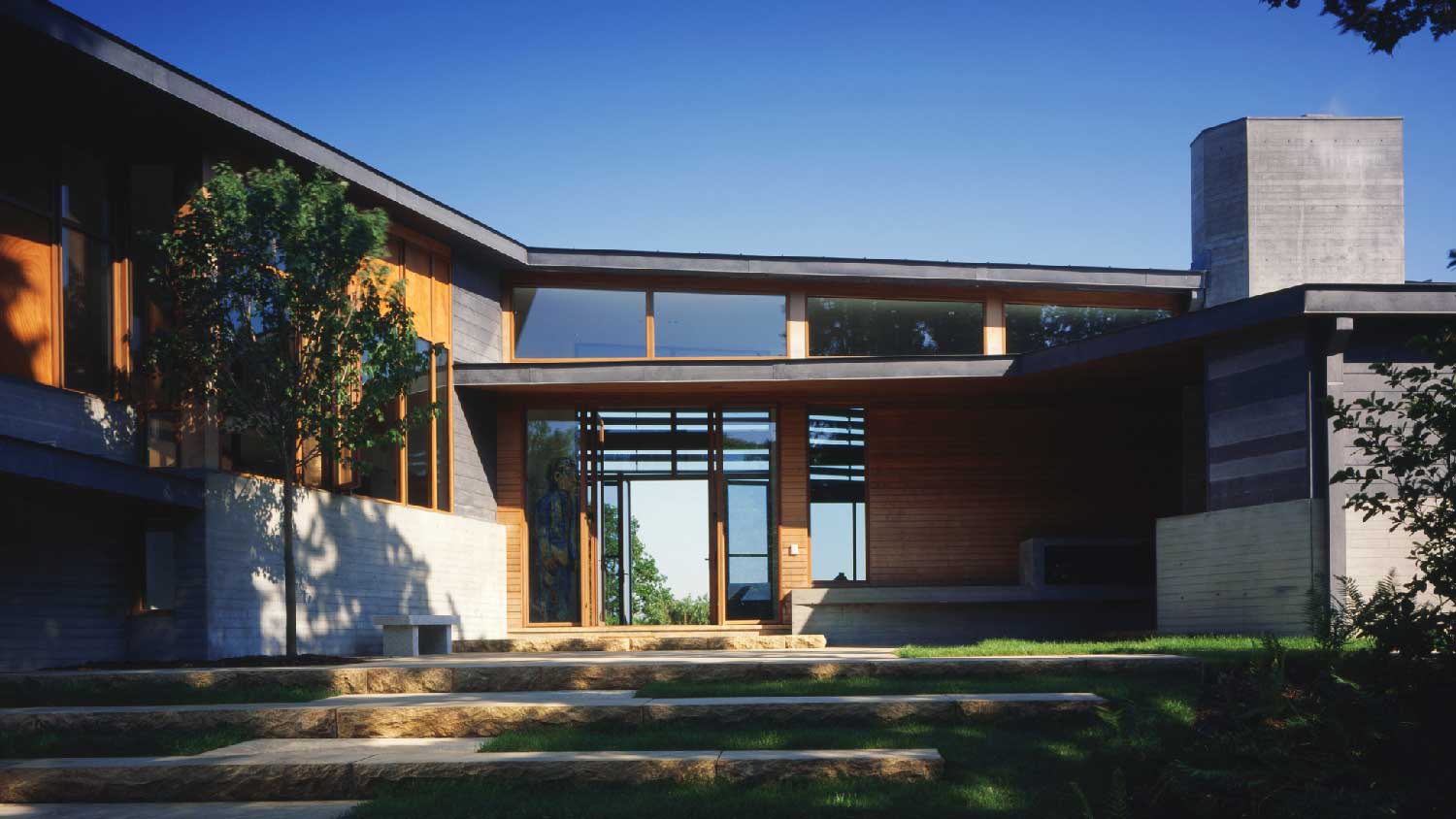
A green home inspection gives environmentally conscious buyers an overview of a home’s sustainability. Discover what inspectors look for in a green home.

Your indoor plants can still feel the outdoor wrath of the elements—especially in winter. Here are 10 top tips to keep your houseplants thriving all year long.
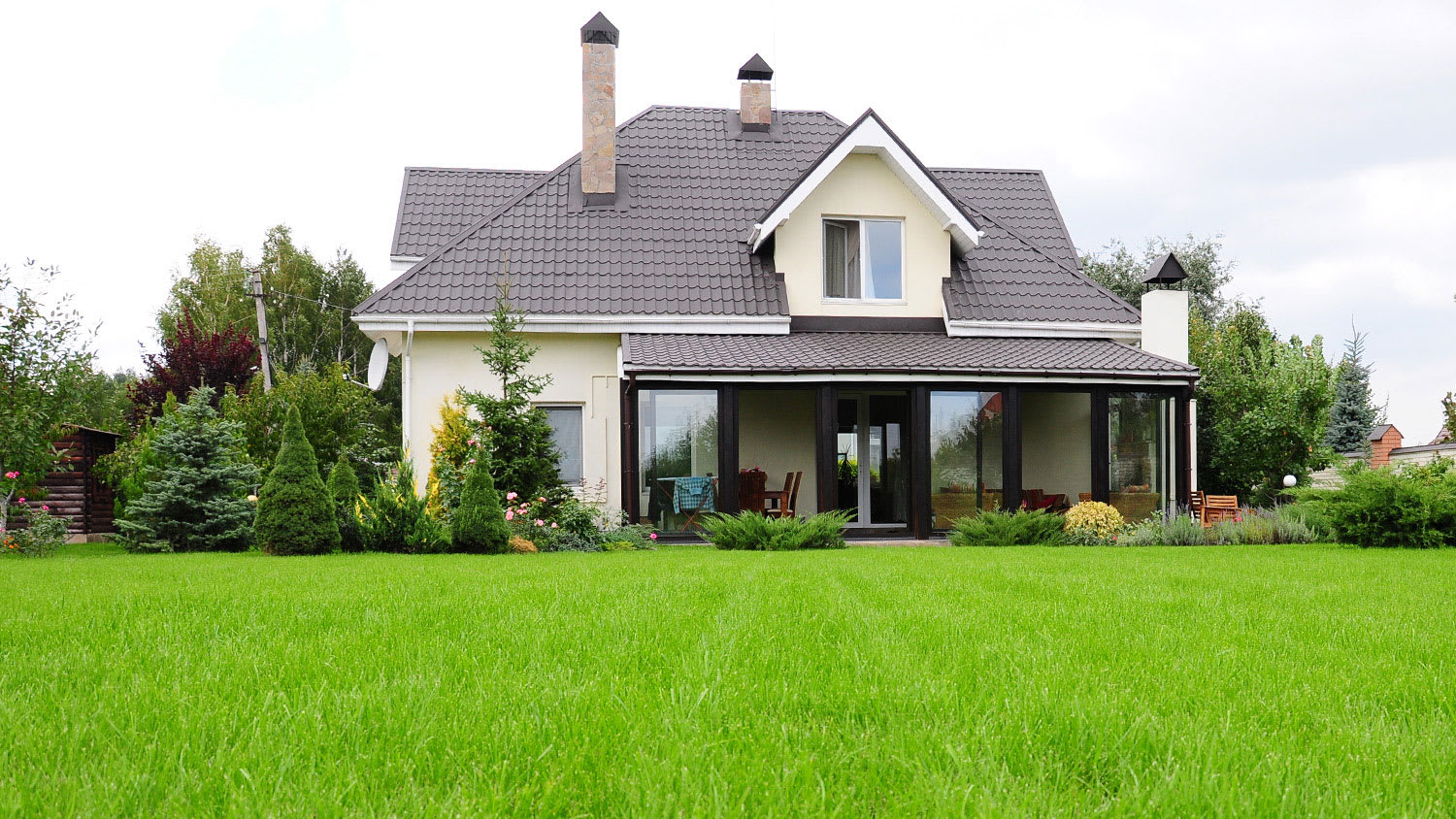
Grass can look dull or dead for many reasons, but you don’t have to spend months trying to revive it. Here’s a guide for how to make grass green fast.

Want to add more plants to your home? Here are the best plant types for each room—from the bathroom to the bedroom.