
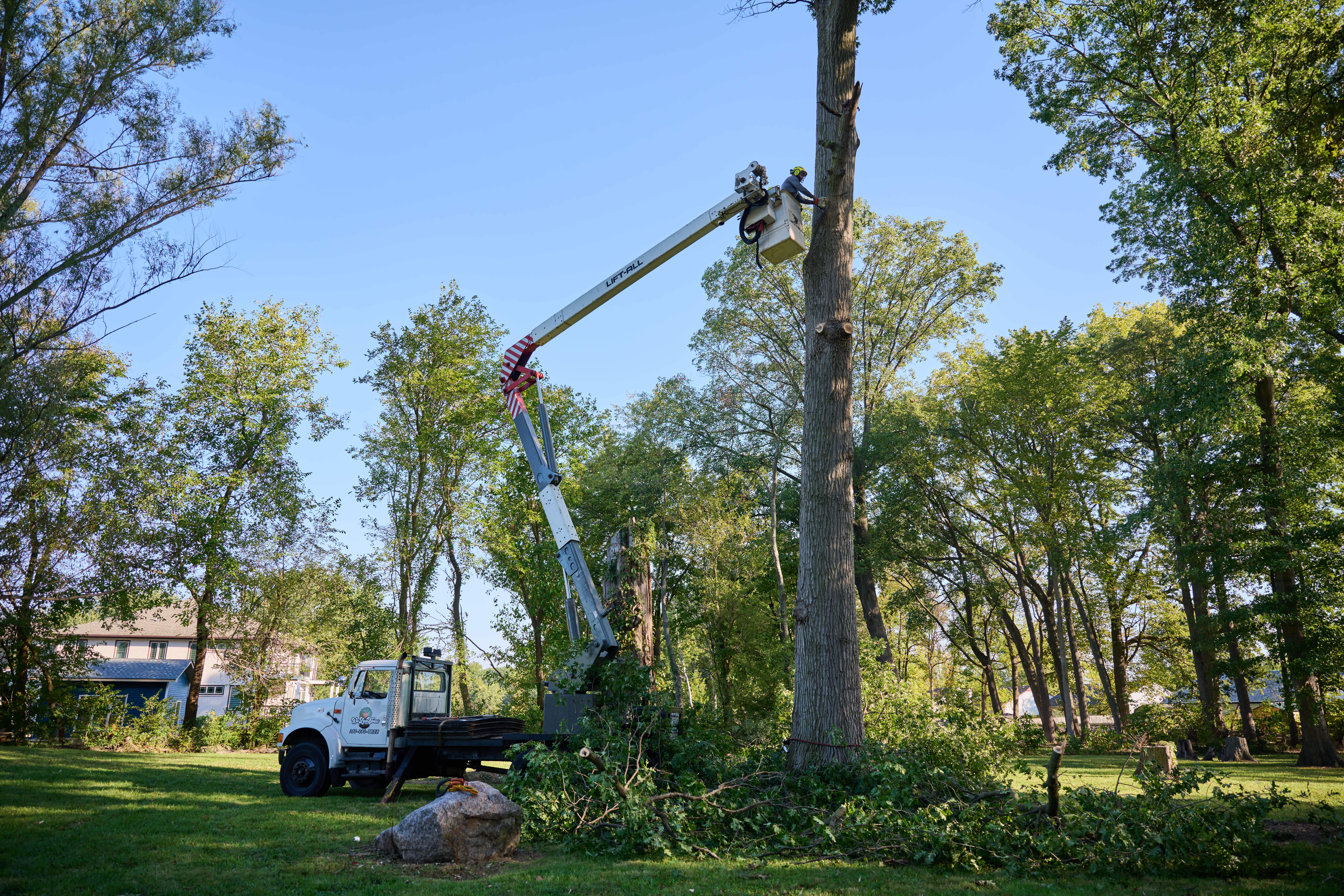
The most significant factor in tree removal costs is the amount of debris. Read on to learn more about the average tree debris removal costs.
Treecycling is a great option once the holidays are over
 - Derek Rose.png?impolicy=thumbnail)
Christmas tree removal options include curbside pickup, yard waste disposal services, dumpster rental, mulching, composting, donating, replanting, or repurposing your tree after the holidays.
Yard waste removal costs range from $200 to $600, while dumpster rental runs $200 to $800, so planning your disposal method helps you budget effectively.
Remove all ornaments and lights before disposing of your tree, and wrap it in a disposal bag to catch falling needles during transport to the curb.
Hiring a local junk removal professional simplifies the process by handling pickup and proper disposal, especially when you need to remove multiple or oversized trees.
You covered your Christmas tree in twinkling lights and gathered around it on Christmas morning, but now that the holidays are over, it’s time to say goodbye. Depending on the type of Christmas tree, you’ll need to remove it from your home before it becomes a fire hazard or makes a mess. But what’s the way to dispose of it? Here’s how to dispose of your Christmas tree when the festivities are through, including how to choose between dumpster rental vs. junk removal.

If you’re ready to move on from the holiday season, follow these steps to dispose of your Christmas tree properly.
In many cities and suburban areas, a free curbside Christmas tree collection service is available during the first few weeks of January. If you live somewhere that offers this service, all you need to do is:
Check with your local city to find out the collection dates
Ensure that you remove all ornaments, lights, and decorations from the tree
Bring your tree out to the curb, usually where you put your trash cans
In larger cities, there are typically multiple-day options. In some cases, cities will use the trees for compost or chip them into mulch to spread across city parks.
If you don’t have a local collection service, you can contact a yard waste disposal company or local junk removal service and arrange a pickup, which may incur a fee. If you can’t arrange a pickup, bring your tree to the nearest yard waste collection site, similar to how you dispose of excess leaves or other yard waste.
If you have multiple trees to dispose of—or just one that’s very large—consider renting a dumpster. Dumpsters come in a range of different sizes and most rentals last one week or longer, so it’s not hard to find an option that’ll make it easy to get rid of your tree.
The best part is that you can work on your own timeline and make as many trips as necessary. That way, you’re not in a rush to pack up your decorations (and prematurely say goodbye to the holidays) for a trash pick-up date. Expect to pay between $200 for smaller dumpsters and $800 for larger bins in for the cost to rent a dumpster.
There are plenty of ways to make your real Christmas tree “greener” when moving it out of your home.
Mulch maintains moisture around plants, provides nutrients, and suppresses weeds. Why not break down your Christmas tree into a beneficial organic mulch for your yard?
To mulch your Christmas tree, you’ll need a wood chipper, and a chainsaw or a sturdy hand saw, depending on the size of your tree. First, chop the tree into as many small pieces as possible, then layer them into your mulch pile. It takes several years for larger pieces of wood to decompose, which is why it’s best to chip the wood.
Contact a local tree service if you need help turning your tree into mulch chips. Generally, professional wood chipping typically costs between $70 to $150, depending on the size of the tree.
No, you can’t just stick a whole tree in your compost pile and expect it to turn into rich compost instantly. However, layering a few inches of trimmed boughs (main branches of the tree) at the bottom of a new pile makes a great base. The extra airflow lets oxygen and heat build-up, allowing the upper layers of compostable material to decompose rapidly.
The needles slow down decomposition, so carefully strip them from the branches for the fastest results. Use the needles as a layer of insulating winter mulch instead.
If you want to do your part for a good cause, search for charities and environmental groups that run Christmas tree recycling services. Some collect for a donation and others have drop-off points. They take trees for a variety of creative and environmentally friendly purposes, including community flood barriers, habitat restoration, soil erosion prevention, rebuilding of sand dunes, and more.
If you have a container-grown Christmas tree with intact roots, give it a new lease on life by replanting it after the holidays. Some companies even rent Christmas trees they deliver, collect and replant.
Don’t have overly high expectations, though—replanting is tricky, and the longer your tree spends indoors, the less it’s likely to thrive further down the line.
Trees chopped down during dormancy can begin growing again during their time in a cozy living room, and they won’t like you kicking them out to the cold ground. Plus, trees dry out when hot air from heating vents blasts them. If copious amounts of yellow needles are dropping, quit while you’re ahead and dispose of or recycle the Christmas tree in another way.
Some tree transplanting tips for the best chance of success include:
Maintain moist, not wet soil, and keep the tree away from direct heat during the festivities.
Gradually acclimate your tree by moving it to a cool, dry spot, like an unheated garage or basement, for a few days before putting it outside.
Cover the tree during this hardening-off period.
Steer clear of gusty garden spots—a sheltered locale near a wall works wonders.
Plan to use the tree again next year? Keep it in the pot on your patio rather than planting it in the ground to reduce stress and root damage.
While you don’t just want to toss your tree in any old lake, real Christmas trees make ideal habitats for fish and other freshwater aquatic creatures. Even if you don’t have a deep pond in your backyard, your local wildlife commission can clue you in on any nature reserves, forest services, wetlands, or state parks that need extra fishy havens and the local ordinances in place.
Your tree will need to be free of tinsel and trinkets, and if you're popping it in a private pond yourself, weigh it down first in a cement bucket.
Not interested in chipping your tree into mulch? No problem. There are plenty of other ways to reuse your Christmas tree.
Use the tree to create a backyard habitat for winter wildlife. Place it in a nook in your garden, and consider adding a bird feeder. You’ll likely get squirrels and birds alike looking for a place to shelter.
Remove and reuse the branches to create an edge in your garden, or use them for stakes.
If you have a chainsaw, slice the trunk into discs (this involves some sweat equity, but it’s worth it). Let the trunk discs dry out and cure in your garage, and then use them as organic pavers in the spring.
Use the discs cut from the trunk as all-natural drink coasters. After letting them dry completely, consider finishing the disc with a coat of varnish to prevent sap leakage.
You can save some of the needles to use in potpourri.
Fashion it as a frame for climbing plants.
Use the tree boughs as a tent to insulate plants when there are frigid forecasts.
Many people opt for low-maintenance artificial over real Christmas trees. If you’re unsure about how to dispose of your artificial Christmas tree, follow these guidelines.
Many families choose to decorate an artificial Christmas tree so they can use it for several years. However, even artificial Christmas trees have a life span.
If your artificial tree looks a little worse for wear, it may be time to throw it out. Since this type of tree usually qualifies as general household waste, you can place it in the trash, similar to other large household items. Do not place artificial trees out for collection on Christmas tree collection day.
Alternatively, consider donating your artificial tree to a nonprofit organization, like Goodwill, or a local thrift store to spread extra holiday cheer and be sustainable.
Flocked trees are real Christmas trees that are coated with white (or pink or blue) spray. Flocking spray is synthetic, which means it contains fine fibers that cannot be recycled or composted. If you have a flocked tree, you should dispose of it in the trash, similar to other household waste. Your best bet is to chop the tree up into smaller pieces, bag it, and throw it out.
Regardless of how you dispose of your Christmas tree, ensure that you complete the following steps:
Remove the tree from your home before it dries out to avoid dropping tree needles during transport.
To help catch the falling tree needles, wrap a tree disposal bag, a large plastic bag, or even an old sheet around your tree.
Triple check that you remove all of your ornaments, lights, and other decorations before getting rid of your Christmas tree.
Large trees may need to be cut down to a specific size before throwing out.
After the tree has left the building, sweep up fallen needles. Clumps of needles can clog up your vacuum.
Where possible, steer clear of the following Christmas tree removal plans.
You might think it’s wise to chuck your Christmas tree in the trash—after all, they’re biodegradable, right? The problem is that they take a long time to break down when they’re buried in packed, oxygen-deprived landfills. During this time, they produce lots of the harmful greenhouse gas methane.
As long as local ordinances allow it, you can throw your tree in with the rest of the trash as a last resort. However, it’s worth doing a little research, as there are often many other Christmas tree removal options that are just as easy, but better for the environment.
If you have a wood-burning stove or fireplace, you might think you can add your Christmas to the woodpile. However, it’s better to sidestep this solution.
Pine, fir, and spruce are the most common Christmas tree species. They create a tarry byproduct of wood burning called creosote. It’s highly flammable, and when it builds up in chimneys, there’s a risk of flue fires and polluting sooty emissions. Plus, dry, nasty needles burn aggressively, and sparks can fly out of the fire.
Yard waste removal costs an average of $360, with most homeowners paying between $200 and $600. The exact price depends on several key factors, including yard size, the amount of yard waste being removed, the method of disposal, and whether any additional services are required. Yard cleanup typically costs between $0.02 and $0.05 per square foot when clearing standard items like leaves, branches, and grass clippings. However, it can be slightly more expensive for large debris, such as stumps, trees, or miscellaneous junk.
Even though yard waste removal requires a little elbow grease, it’s usually an easy DIY task. Yard service removal companies charge between $30 and $80 per hour, so the DIY route also eliminates labor costs. However, there are plenty of instances in which hiring a pro is better, particularly when removing heavy objects or tacking on services such as hedge trimming or pressure washing. Sometimes, hiring a pro even saves you money when the rental equipment needed for a project would be expensive. While every yard is different, we recommend hiring a local yard waste removal company for time-consuming and labor-intensive cleanup jobs.
Raven and crew does absolutely fantastic job. They are very professional if any concerns were to occur with any of her work she always took responsibility and finished out with a great job. I have worked with her business for a year and have always been satisfied. Very trusted business and...
 Creations of Transformation LLC
Amazing job. Efficient and quick without compromising quality. Basement feels brand new. Would use them again in a heartbeat.
 AffordaPro Restoration
Best cleaning I've had at my property
Scam. DO NOT use this company. We had a move where a Black Tie employee left the job site early (unknown to us until after the fact) and stole $40,000 worth of a private collection we had in a box that he watch use box up. On top of this we had several items missing and damaged where we had...
Fantastic group, very communicative, and they really did a great job cleaning my condo. Will be hiring them for recurring cleaning!
 eMaids of Northern Columbus
This company went above and beyond with their work, chimney sweeps are usually pretty messy, but the clean up was spot on.!! Josh explained every thing that he was doing, and the things that he was checking to make sure the chimney was safe for me and my family. He was very professional,...
 Supreme brick & chimney
I definitely recommend Ramonaâ s cleaning service! I have booked services with her many times and she arrives on time, ready to work and provides a great service.
 Your Cleaning Solutions LLC
Amazing! I’ve had plenty of services over the years and Mary Cleaning has gone beyond what I thought was possible. ❤️ them!
They cleaned my very dirty basement. They were prompts, quick, thorough and their price was fair.
 JDE House Cleaning LLC
The company was very easy to work with. My family is now able to enjoy a space that at one point, only collected junk!!!! I feel like i have a whole new addition to the house!!! Wonderful work Blurock on our basement, will recommend!
 BluRock Services, Inc.
From average costs to expert advice, get all the answers you need to get your job done.
The most significant factor in tree removal costs is the amount of debris. Read on to learn more about the average tree debris removal costs.

The cost to remove palm trees depends on several factors, including their size, location, and more. Our guide shows the average palm tree removal costs.
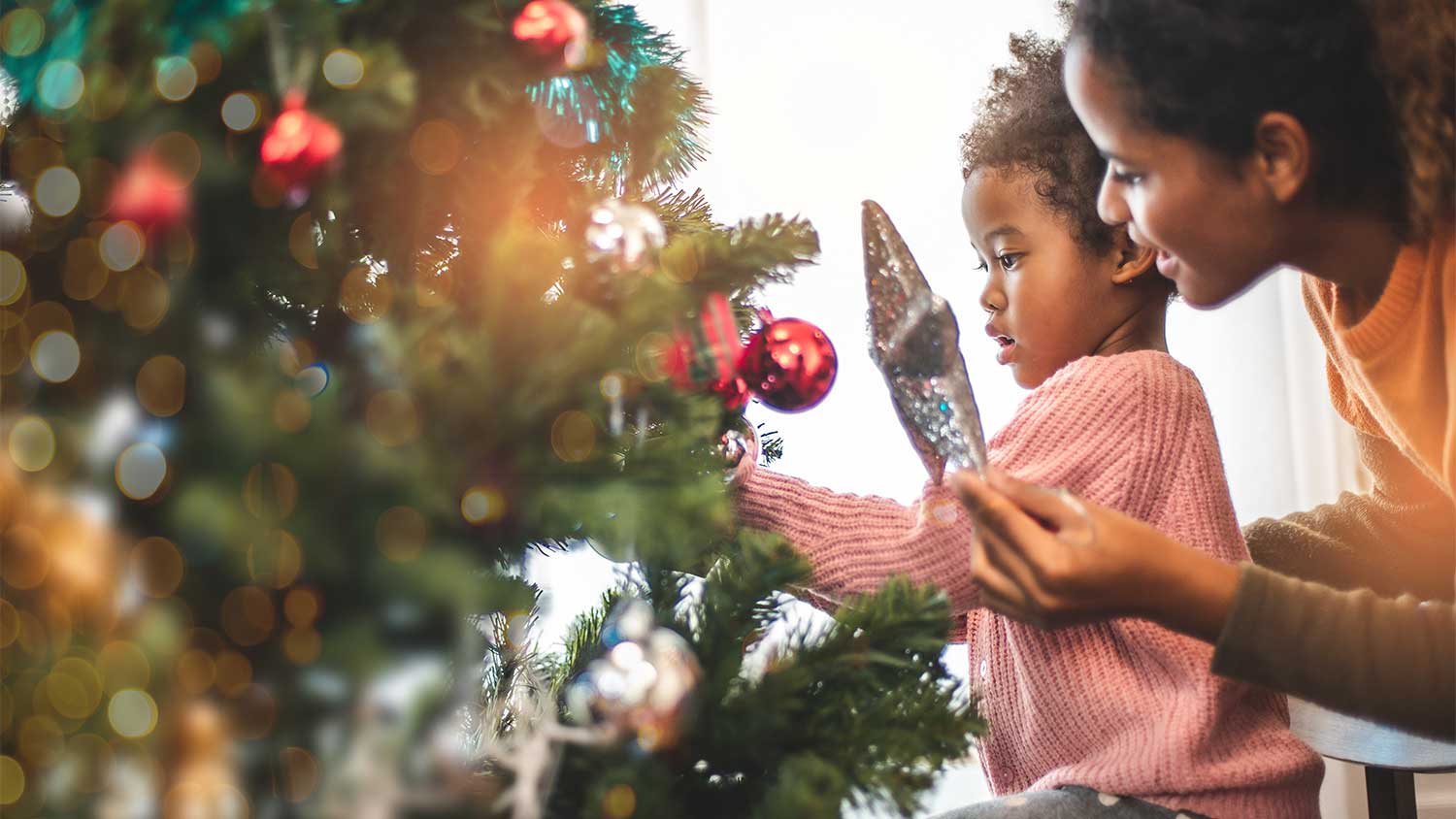
Christmas isn’t complete without a lively Christmas tree. Here’s how to water a Christmas tree and keep it thriving throughout the season.

If you’re wondering how to decorate a Christmas tree or want helpful tips to make the process easier, read on for simple step-by-step directions.
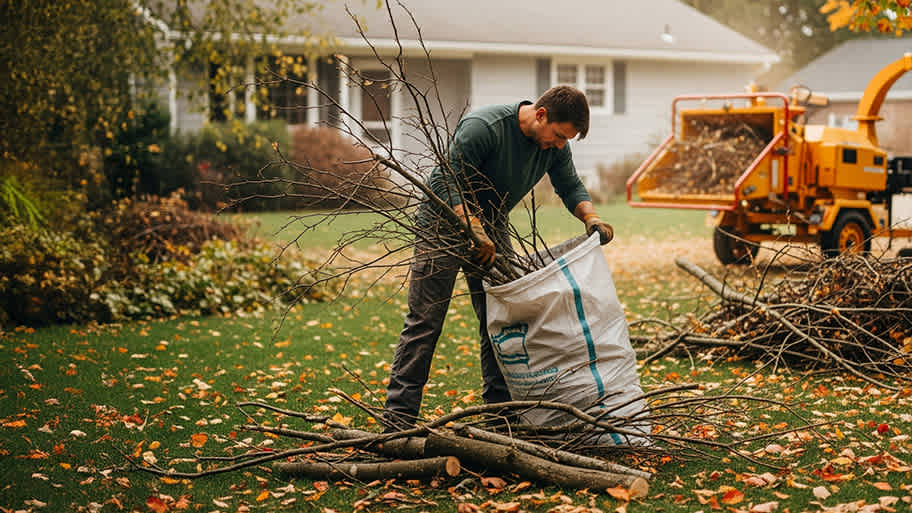
If a tree has fallen in your yard, you’ll need to get rid of the wood. Here are several ideas for tree log removal and how to dispose of tree branches.

How long do Christmas trees last? Learn when to buy a Christmas tree and the best way to care for it in this guide.