
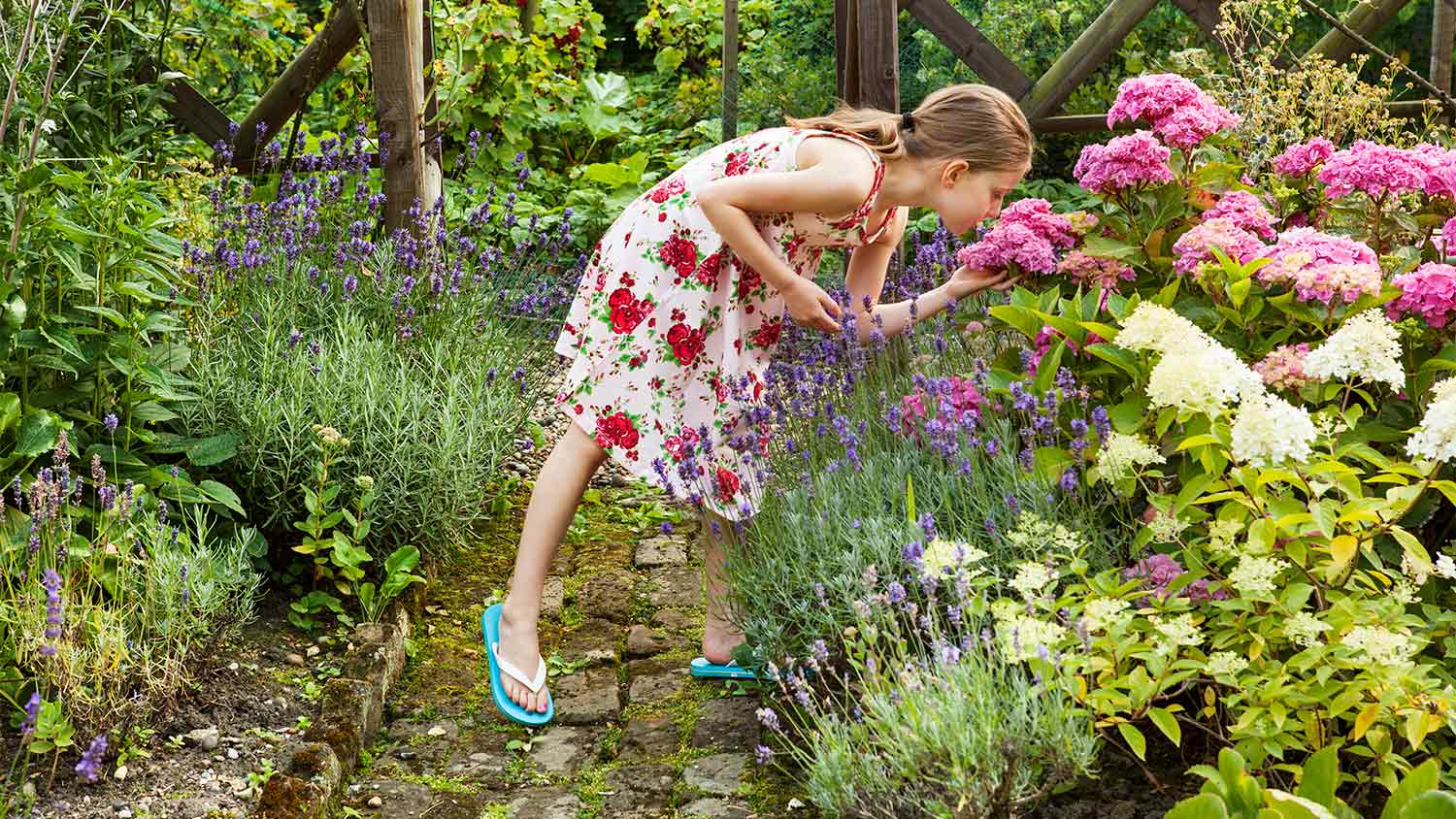
Sometimes two is better than one. These climbing plant combinations are better in pairs, from clematis and climbing roses to hydrangea and Virginia creeper.
It's pretty hard not to feel whimsical under a canopy of wisteria

Vines for pergolas bring vibrant color, fragrance, and shade to your outdoor space, with choices ranging from flowering clematis to fruit-bearing grapevines.
Your pergola's sunlight exposure determines which climbing plants thrive best, as options like wisteria and climbing roses need full sun while climbing hydrangea tolerates shade.
Fast-growing vines like trumpet creeper and bower vine quickly cover pergolas, but you need to maintain a consistent pruning schedule to prevent invasive spreading.
Hiring a local mulching company helps you choose the best vines for your climate and provides ongoing care to keep your pergola plants healthy and thriving.
Whether you’re kicking back with a book or hosting the neighbors for a summer barbecue, a pergola provides beauty and shade, as well as a whole new ambiance in your backyard.
If you've chosen your new wooden structure and are looking for creative pergola ideas, explore your climbing plant options and extend the beauty of your landscape up overhead with these best vines for pergolas. You have your pick of colors, textures, and even fruit-bearing vines that can turn a simple wooden frame into a garden of its own.
Pack your pergola with a burst of friendly color by planting one of the many clematis varieties. These flowering perennials love to climb—and these can make it up to 15 feet. They also love direct or partial sun, so let them explore all the way to the top of your pergola if it's not shaded by tree cover.
You'll likely plant clematis bulbs in the early spring before the end of their dormancy period. As recurring perennials, it may take up to two seasons to hit their peak blooming capability, but when they do, expect pergola vines in purple, pink, and white blooms from late spring through early fall.
The daily beauty of a morning glory bloom may be fleeting—each flower dies out in the hot sun of the afternoon—but you'll have a pergola full of color and butterfly-attracting fragrance all season long. Morning glories love to climb and can spread rapidly from season to season, making them an excellent pergola option to observe during your a.m. coffee on the patio.
Morning glories love direct sun and well-draining soil. Plant them after your soil gets a chance to fully thaw, typically late spring or early summer depending on your hardiness zone. Guide the young vines up the side of your pergolas until they latch on naturally each season.

Training one of the many varieties of climbing roses may take a little more effort, but the result will catch the attention of the local garden enthusiasts. Climbing roses, among many others, include the pale pink Cécile Brunners, the white Iceberg roses, pink and peach peace roses, and orange Westerland roses.
Most roses—depending on their species—prefer full or partial sun and well-draining soil. Place separate rose plants at each of the four legs of your pergola and use ties to attach the stems to the side of the pergola and trellis until it reaches the top.
Looking for a companion flower to your morning glories? The closely related moonflower blooms in the early evening, through the night, and in the wee hours of the morning during sunrise. These vines make for beautiful pergola displays because they can climb up to 15 feet and open up into a bright white and purple trumpet that attracts night moths.
While moonflowers thrive as perennials in tropical areas, you can plant them as an annual in cooler climates, especially after the ground warms up. Make sure to expose moonflowers to plenty of sunlight—despite their nighttime blooms—and keep their soil sufficiently moist.

Pergola vine design ideas wouldn't be complete without the mention of the famous wisteria. Its fragrant lilac-hued flowers cascade down through the spring through its peak blooming season in June, making it one of the best vines for pergolas. Afterward, its gnarled vines can transform a backyard into a fairytale forest.
Wisteria is a big undertaking, however, and can grow to be quite heavy. Make sure you have a sturdy pergola structure—built by an experienced local pergola builder—that's strong enough to handle the woody vines. You will also need to follow a strict pruning schedule at the end of the winter and after its main bloom is over.
We all know of the favorite flowering shrubs that line our gardens, but climbing hydrangeas can also hang onto pergolas, trellises, and arbors as well. Also known as Hydrangea petiolaris, climbing hydrangea blooms are a bit lacier and softer than the ones of the shrubs. Their white blooms against green foliage make them an excellent option if you're sticking to a simple color scheme.
Another perk about many climbing hydrangea species? They don't mind partial shade. Add these perennials to an area with speckled sunlight and give it a few seasons to fully develop. They'll bloom from June through August and will grow to their peak height over the course of 10-15 years.
Searching for a bit more of a delicate flower to climb up your pergola? The bower vine rambles up to 25 feet long and produces a bundle of white and pink flowers. Keep in mind that bower vines are best for those living in warmer year-round climates, specifically zones 9B to 11 for perennials or as north as zone 8 for planting annually.
Bower vines spread out as they grow, making this a great climbing plant for a pergola if you don't want to block out too much sun with something dense like grapevines. Stick to either direct sunlight or partial shade and prune after its major flowering season.
The incredibly fragrant and nostalgia-inducing collection of honeysuckle plants is ideal for new and experienced gardeners alike. They are incredibly hardy in different zones across the country, can stand up to extreme heat, and attract plenty of fauna to support the rest of your garden.
Plant your honeysuckle from seed after the final frost is behind you and the ground thaws. These perennials will thrive with very little maintenance, but it's best to prune any top part of the climbing plant that shades the stems below. You may also want to plant these flowers in mulch to protect them from uneven soil moisture.

You'll spot the vibrantly colorful bougainvillea from a mile away by their densely packed bursts of bracts—a variety of colorful leaves that look like a flower. Bougainvillea is also best in warmer climates from zone 9 and above, so this isn't a hardy option for those up in New England. However, if you live down south and have a deer issue in your garden, this is a great deer-repellent option.
When buying bougainvillea pergola vines, choose a climbing species, not one of the shorter, shrubbier varieties. Choose an area that has at least six hours of direct sun a day. You'll rarely need to water bougainvillea one past their development stage—usually about two seasons. Prune your plant just before the first major bloom of the season, but look out for its thorns!
Create your very own hummingbird diner by covering your pergola in trumpet vines—also known as trumpet creepers. Their richly orange and pink trumpet flowers thrive in zones 4-9, making them an easy go-to for gardeners across climates.
Trumpet vines can become invasive when not kept in check, so be sure to keep a consistent pruning schedule if they start to move away from your pergola. Its roots can even cause damage to foundations over the years if planted too close to the side of your home. Trumpet vines survive in both full and partial sun and both well-draining and drought-prone soil.

All this talk of vines may have you wondering how easy it is to send grapes up the walls of your pergola. Keep in mind that grape-producing plants require significant upkeep throughout the year, so look for a non-fruit-bearing plant to get the look without the work. If you are hoping for a late-summer snack, grapes will thrive in nearly all hardiness zones in the US with the proper long-term care.
Your planting schedule will depend on the type of grape you choose and where you live, but most prefer to go into the ground from early-to-late spring. You'll need plenty of space and ample sunlight and you'll need to prune them at least twice a year. Keep in mind that it may take several seasons to train your grapevines to work their way up your pergola.
Working with vines is a fun way to blend your garden with the stylish structural elements of your backyard. Training and pruning the vines, however, can take time and attention. If you're feeling daunted by the first season, chat with your local gardener or a mulching company near you to help with the pergola planning process.
If dark green and deep red are your colors and you want a lush canopy overhead, the crimson glory vine just might be your dream pergola accent. Covered in large, heart-shaped, green leaves that change to a stunning display of maroon and crimson in the fall, these decorative grapevine plants grow quickly and to oversized proportions in zones 6 to 9.
Crimson glory vine leaves achieve their deepest, best fall color when they get a lot of sunlight, so plant this vine in a full-sun area. However, they can also thrive in partial shade; they just may not get as colorful at the end of the season. Choose a location with well-drained soil that’s slightly alkaline to neutral. Above all, be sure to give this plant plenty of room to sprawl—they can reach dimensions of 50 feet tall by 20 feet wide with sturdy support, so they’re perfect for pergolas, fences, walls, and treed areas that could use some additional color and foliage.
For a beautiful, fast-growing vine with intensely fragrant blossoms, consider Pink Jasmine. It’s easy to grow, so it doesn’t matter whether you’re an experienced gardener or a novice. A favorite in growing zones 8 to 12, gardeners and landscapers prize this climbing evergreen for its complex, fruity, and heady scent and its unique color combination of maroon and light pink buds, bright white flowers, and dark green, glossy leaves.
Pink Jasmine is a vigorous plant, but its fast-growing style and heavy displays of buds and flowers mean it needs a trellis, arbor, fence, or other support if you want it to grow vertically. You can also let it grow as groundcover for a complex carpet of color. Plant it in partial to full sun, and keep the soil moist to get the maximum number of distinctively scented blooms from late winter through early summer.
Ginny Bartolone contributed to this article.
Custom Paint Jobs LLC made our home feel like a piece of art. Thank you for your creativity!
 Custom Paint Jobs, LLC
Window Depot did an amazing job on my deck. I wasnt sure what I wanted to do, but their composite decking was affordable and will last a long time. I am excited to have family over, and I am no longer embarrassed by my backyard. Jeff and the ground crew were polite, respectful, and caring for...
 Window Depot USA of Central Ohio
First of all, the gentleman I dealt with (Cam?) was very responsive to my many questions and concerns throughout the project, which is a huge plus to me. From the first time I met him for the estimate all the way til the completion of the job, he and his crew were professional and respectful....
 All Star Paving and Sealing
We had a 20+ year old landscape lighting system that needed replacement. Midwest Lightscapes worked with us to design a much improved lighting system, lighting the exterior of the house and the back yard. Installation of the 45 light system took one and one-half days, and went very smoothly....
 Midwest Lightscapes
Another great success for me on home advisor. This company did an awesome job on my landscaping and stayed within my budget. The best part, the work was complete within 2 days of my initial request. Professional and responsive. I highly recommend!
 Blue Ring Residential Services, LLC
The company no showed on me twice. The 2nd time was no call no show. They were responsive to set up the first appointment to perform the "landscape cleanup". 3 hours after their initial scheduled appointment time they called me to let me know they had some "problem" with the truck and their...
 Ruby Home and Hauling Services
Received ideas for future landscape plans...quote to do the work seemed a bit high but I did not have any other quotes to compare it to, so perhaps that is the going rates. <br />
 Landscapes By Terra, Inc
All around they have done a really great job. <br /> I have used JL Landscapes for the past 8 years. I own and operate my own commercial/residential real estate company where we own, operate, and maintain our own properties. JL Landscapes has been our exclusive landscaper for both our...
 J.L. Landscapes
Bought a half a cord of firewood from Pitzer with stacking last month. I waited to report so I could see how the wood burned. <br /> <br /> I have three pet peeves regarding landscapers, but Pitzer scored "A"s regarding all three. First, rather than having customers "leave a message" and...
 Pitzer Landscaping
I left a message on Sunday requesting to schedule a time to obtain an estimate/walk-through and received a return call in the morning of the following Monday. Mark worked with me and agreed to schedule the estimate/walk-through for the following Saturday. When Mark arrived for the...
From average costs to expert advice, get all the answers you need to get your job done.
Sometimes two is better than one. These climbing plant combinations are better in pairs, from clematis and climbing roses to hydrangea and Virginia creeper.

Making the selection of an arbor versus a trellis depends primarily on the size of the space you want to cover with vines or climbing plants over the lattice.
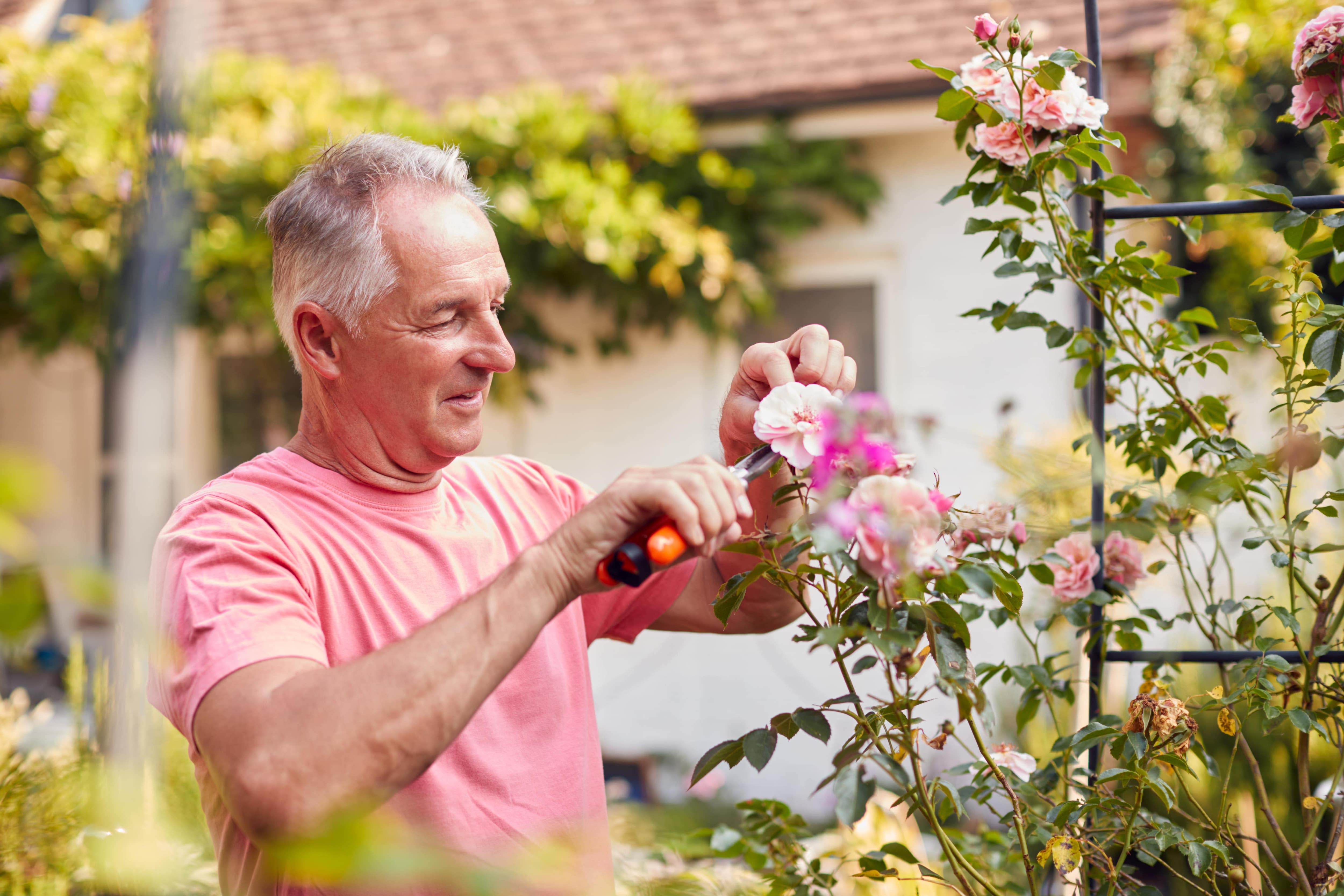
Don’t let a mess of vines take over your garden. Add a trellis to help your plants grow vertically. Use this guide for trellis ideas from simple to extravagant.
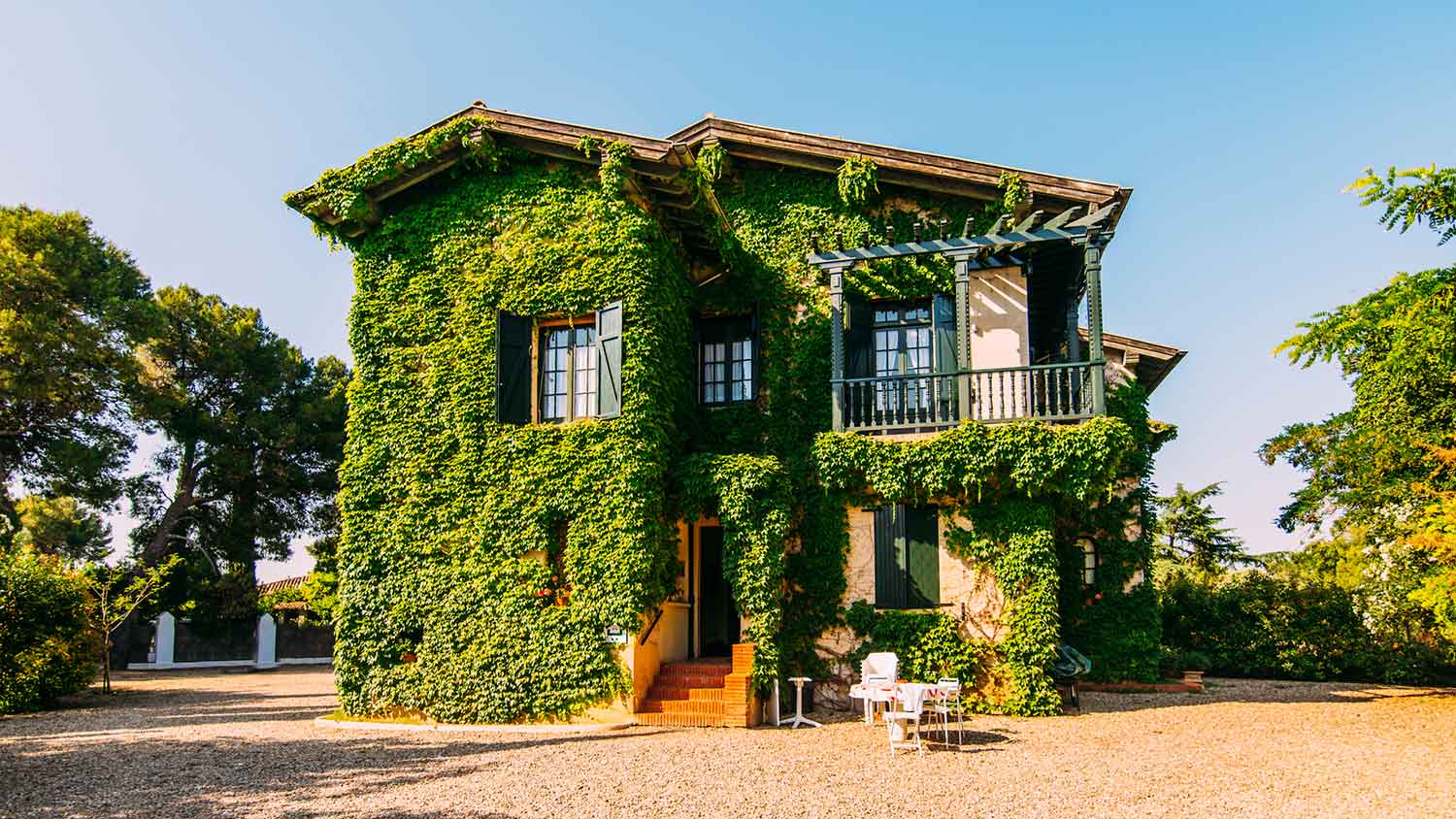
There’s nothing like an ivy-covered green facade or a veranda draped in wisteria—but some vines can cause damage. Learn the pros and cons of vines on a house.

Thinking about adding vertical interest to your garden? Learn about trellis building, design options, costs to expect, and how to hire the right local pro.
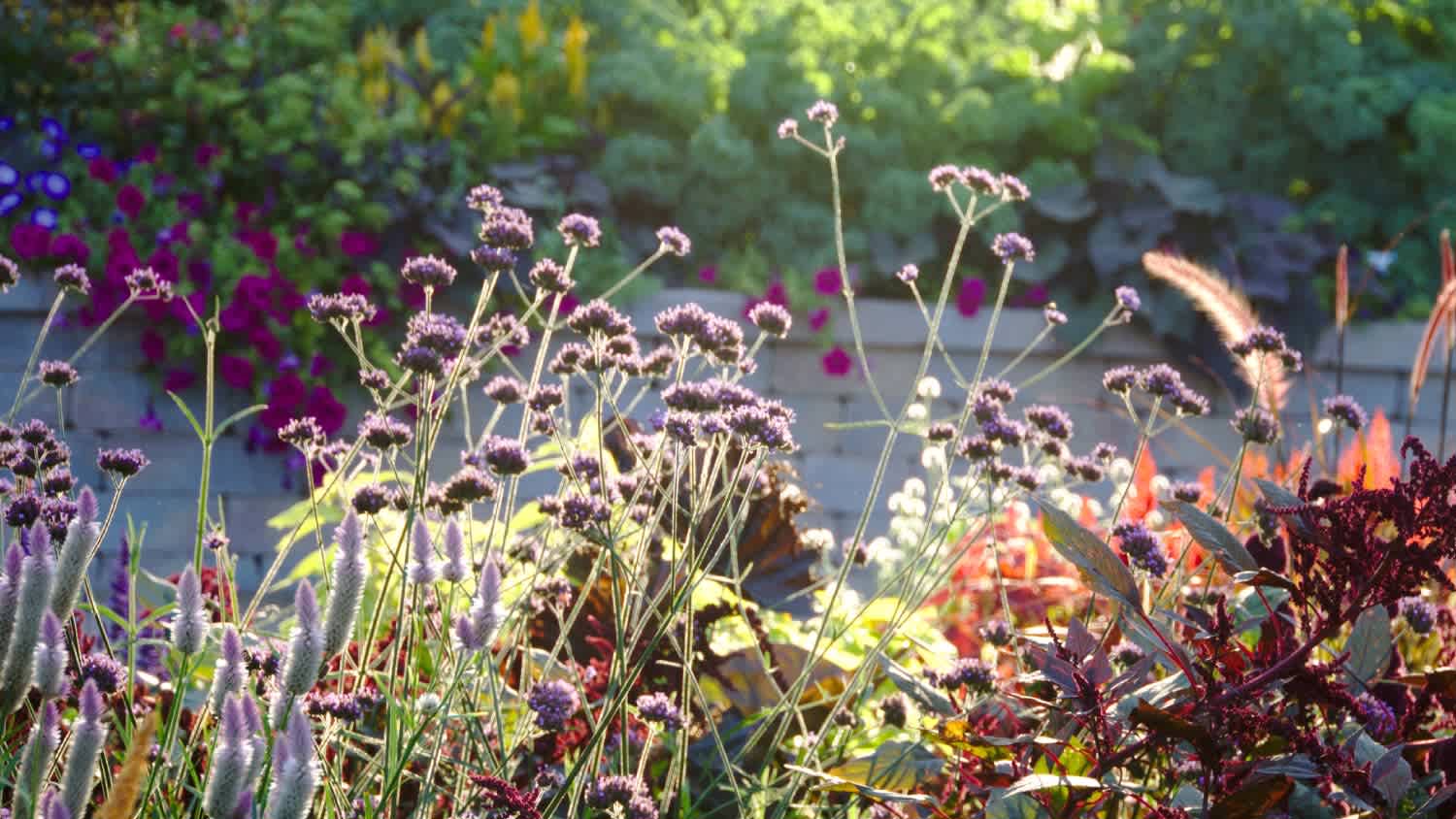
Intrigued by jewel garden plants and want to include them on your property? Read on for a complete guide to these beautiful, bright varieties.